Grow Your Brand Branding guides from Grow Your Brand June 2026
Grow Your Brand Plain brand guides for clearer words, stronger proof, and cleaner decisions.

Branding guide · Decision tool

Brand touchpoints are the places where people learn what the brand really is.

Use brand touchpoints when the brand looks polished in one place but changes across search, store, product, support, packaging, social, delivery, and recovery. Every touchpoint teaches memory or creates doubt.
Map the surface.Search, page, product, package, store, support, and delivery each teach the brand.
Find the break.One weak touchpoint can contradict the whole promise.
Repeat the cue.Recognition grows when key cues behave consistently across situations.
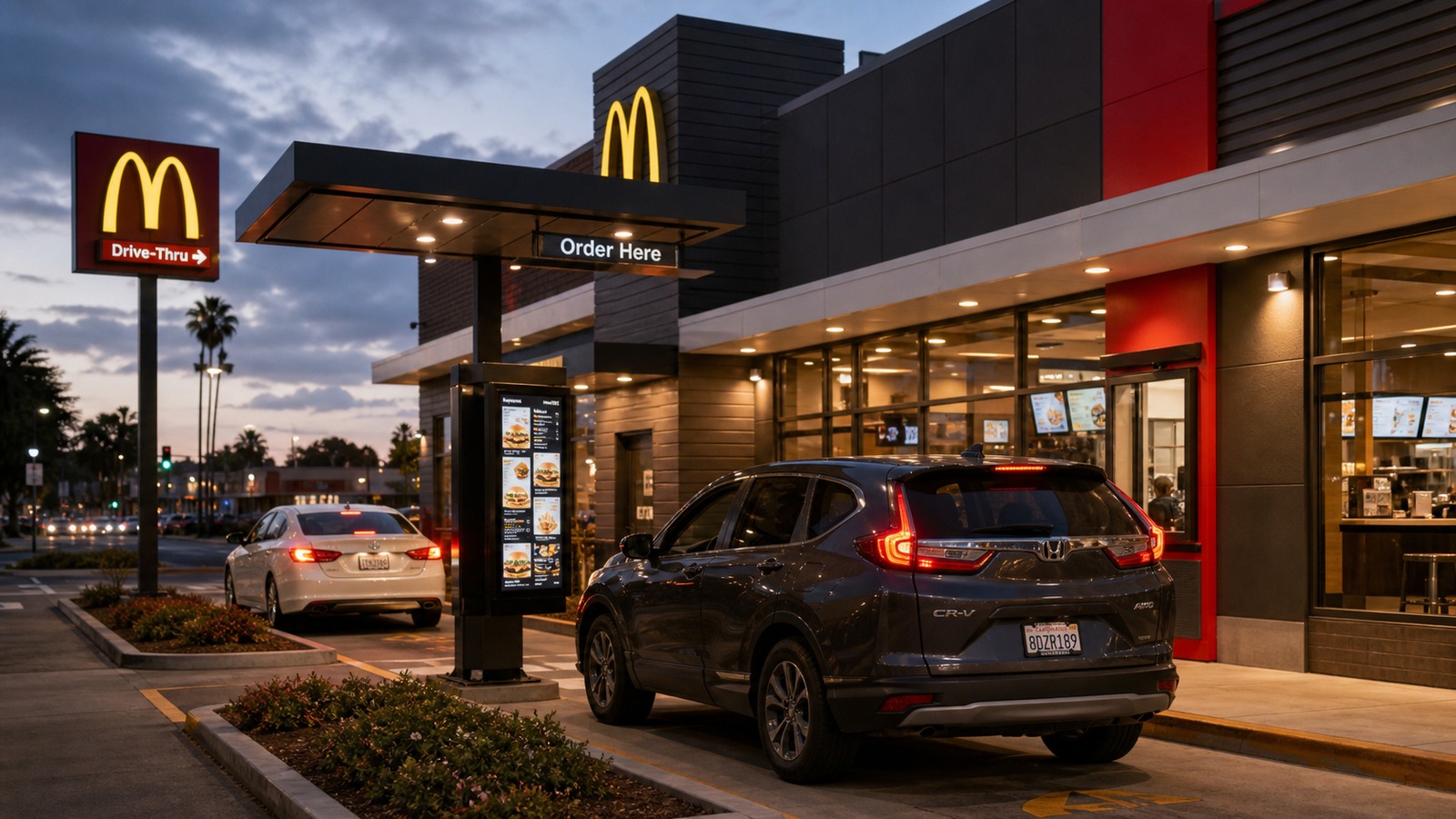
Drive-through service surface showing brand behavior at a repeated customer touchpoint.

Brand Touchpoints

search · shelf · product · support

A brand is not one hero page. It is the pattern people meet again and again.
Retail and product channel surface showing how brand experience repeats across touchpoints.
Touchpoints are where brand promises become behavior. The boring surfaces often carry the most trust.
01

Where brand behavior teaches memory.

A brand touchpoint is any public contact with the brand.It can be a search result, package, homepage, store, app screen, invoice, support reply, delivery, return, review, or social post.
Touchpoints teach expectation.People learn the brand from repeated behavior, not from the brand statement alone.
The weak touchpoint matters most.A polished hero cannot compensate for confusing checkout, cold support, poor packaging, or a search result that hides the offer.
02

Touchpoint map.

Audit touchpoints by the job they perform for the buyer.

Touchpoint
Buyer question
Brand job
Failure
Search result
Is this the right thing?
Name category, promise, and proof
Vague title or wrong expectation
Homepage
Why should I care?
Frame buyer, offer, and evidence
Big claim with no proof
Product or service page
Can this solve my problem?
Show fit, details, risk, and next step
Feature list without decision help
Packaging or store
Do I recognize and trust it?
Repeat cues at distance and in context
Pretty but invisible
Support
Will they help if it breaks?
Keep voice and promise under pressure
Legal tone or slow recovery
Delivery or usage
Was the promise kept?
Make the operating proof visible
The experience contradicts the claim
03

Examples to study.

Use examples to understand the mechanism, not to copy the surface.

McDonald's

McDonald's

Drive-through, signage, packaging, and service rhythm repeat the same speed and access promise.

Apple

Apple

Retail, device, packaging, setup, and support teach the same controlled system.

IKEA

IKEA

Showroom, warehouse, flat-pack, food, and price architecture create one retail behavior.

FedEx

FedEx

Tracking, labels, vehicles, and recovery make logistics visible.

04

Where to check it.

A brand decision is not real until it survives the places buyers actually meet it.

Surface
What to check
Before purchase
Search, social, review, word of mouth, ad, category page.
At purchase
Homepage, product page, sales call, checkout, store shelf.
After purchase
Onboarding, delivery, packaging, support, return, renewal.
Public proof
Case study, review, policy, guarantee, source, third-party mention.
Internal handoff
Sales-to-support, support-to-product, product-to-policy.
Failure moment
Delay, defect, refund, complaint, outage, recall.
05

Where it fails.

Most failures are visible before launch if the surface is inspected.

Hero-page brand

Hero-page brand

The brand looks strong only on the homepage.

Support mismatch

Support mismatch

The brand sounds warm until a customer needs help.

Packaging betrayal

Packaging betrayal

The package cues premium while the product feels careless.

Search confusion

Search confusion

The first result does not explain the category or promise.

Channel costume

Channel costume

Social has a personality the product cannot keep.

No recovery design

No recovery design

The brand has no touchpoint for when things go wrong.

06

Brand Touchpoints decision checklist.

Approve when
  • The brand repeats key cues across the full buyer journey.
  • Support and recovery match the public promise.
  • Search and page copy make the category clear.
  • Operational proof is visible at the moment of risk.
  • Guidelines cover the boring surfaces, not only campaigns.
Hold when
  • The system is strong only in marketing assets.
  • Important surfaces use different language, color, or proof.
  • The purchase path creates doubt the brand never answers.
  • No one owns post-purchase brand behavior.
  • The brand promise disappears after checkout.
07

Use this for your brand.

Private brand work

Bring the unclear cue into private review.

If the name, color, message, mark, or page is making buyers hesitate, use private brand work before the public surface hardens.

Private reviewRequest private brand workUse this when the decision affects sales, trust, launch risk, or buyer clarity.
08