Grow Your Brand Branding guides from Grow Your Brand June 2026
Grow Your Brand Plain brand guides for clearer words, stronger proof, and cleaner decisions.

Branding guide · Color

Green in branding can signal growth, nature, money, or permission.

Green is useful when the brand needs renewal, health, ecology, financial ease, or a clear go signal. It fails when the color is asked to prove sustainability, safety, or care by itself.
Know the signal.Use green when the brand needs to cue renewal, naturalness, health, access, or financial movement.
Know the risk.Avoid green when it becomes generic eco language, fake care, or a soft cover for weak proof.
Tie it to proof.Color should point to product, service, source, behavior, or a real buying situation.
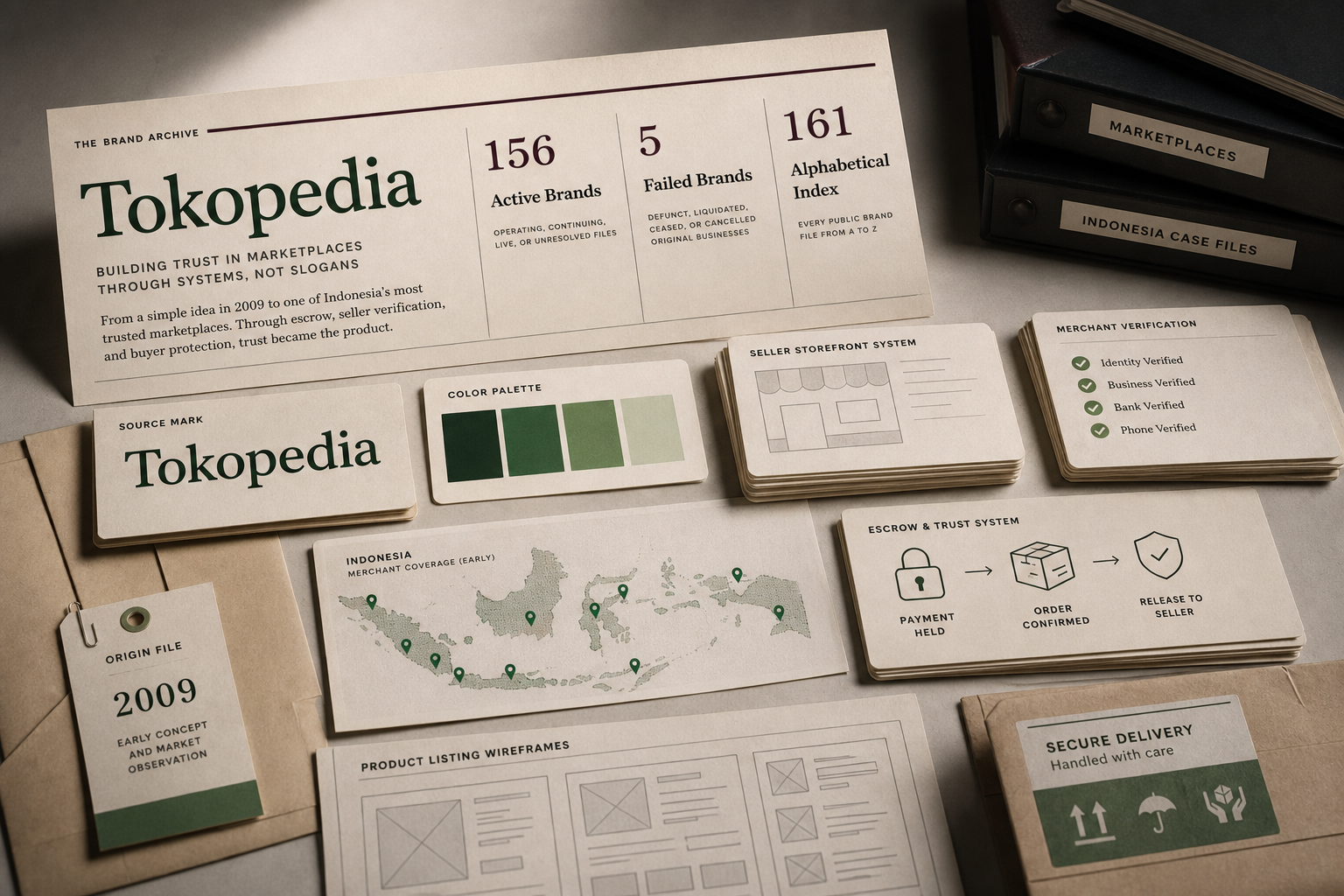
Marketplace surface showing green used as a repeated access and trust cue.

Green in Branding

growth · nature · money · permission

Green needs proof. Without behavior behind it, green becomes a borrowed claim.
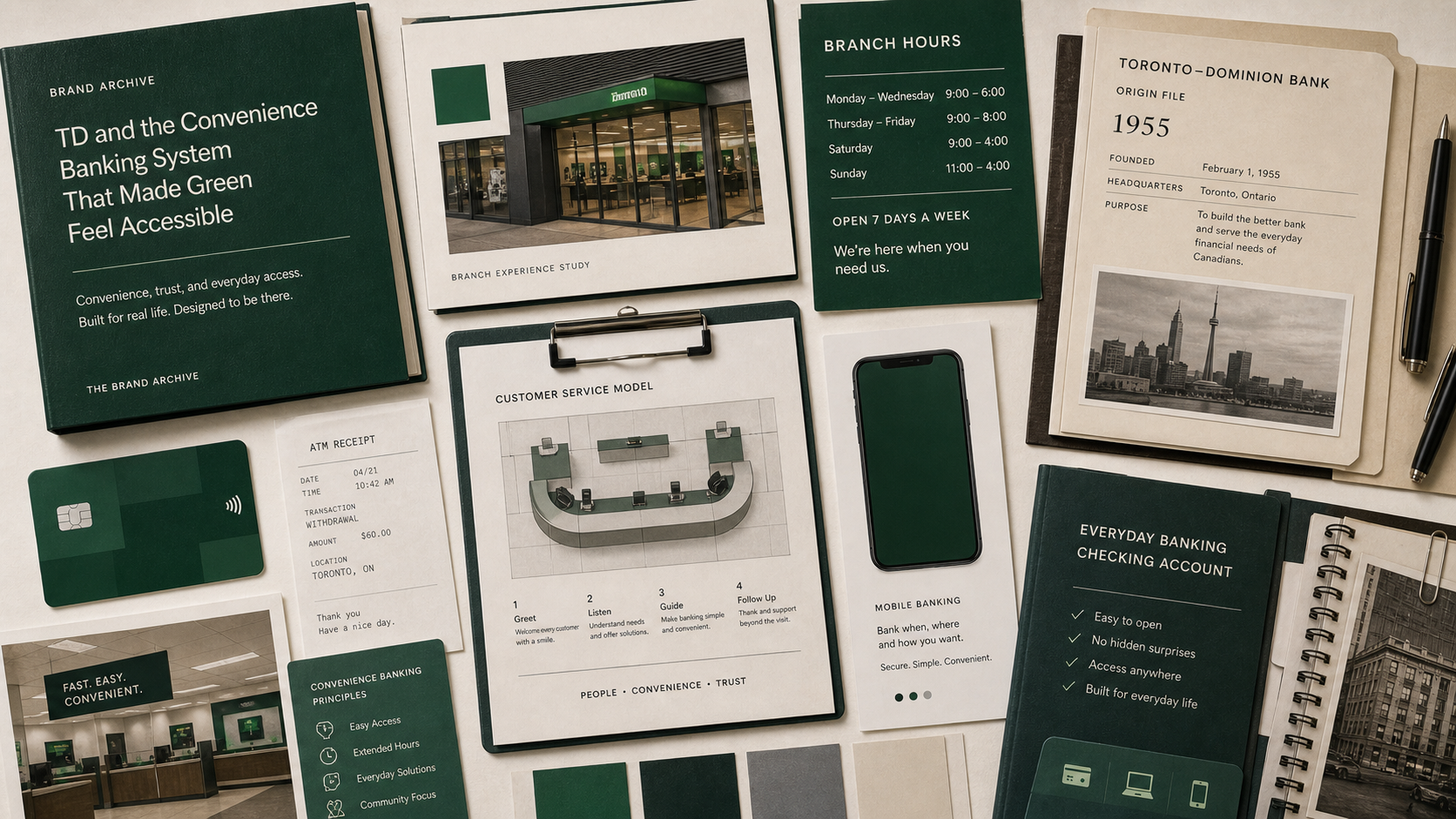
Green banking surface showing access, branch, and service proof cues.
Use brand examples to study the cue, not to copy the surface.
01

What green in branding can signal.

The color is a cue, not proof.Use green when the brand needs to cue renewal, naturalness, health, access, or financial movement.
The color changes by context.Category, culture, material, contrast, type, nearby colors, and product truth change the read.
The color needs a job.Primary cue, accent, field, state color, product family, or campaign color should not all behave the same way.
02

Where it can work.

Use the color when the category and proof can support the signal.

Category
Why it can help
What must support it
Health and wellness
Can cue renewal, care, and reduced friction
Clinical, ingredient, service, or safety proof
Food and agriculture
Can cue freshness, source, and natural material
Real sourcing, taste, packaging, and ingredient proof
Finance
Can cue money, approval, movement, and access
Transparent terms and service trust
Energy and sustainability
Can cue transition and environmental intent
Measured behavior, not just green surfaces
Marketplaces
Can cue permission, progress, and flow
Clear interaction design and buyer protection
Education and public service
Can cue help, access, and positive movement
Readable design and plain language
03

How it changes with type, shape, and neighbors.

The same color can feel different when the shape, font, contrast, or second color changes.

Pairing
Likely read
Good use
Risk
Green plus white
Clean, health-led, open
Wellness, food, care, public services
Sterile or generic
Green plus black
Premium natural, serious, controlled
Outdoor, craft, finance, specialty retail
Heavy or artificial
Green plus serif
Botanical, editorial, heritage
Food, hospitality, garden, culture
Old-fashioned without proof
Green plus geometric sans
Digital access, finance, systems
Banking, marketplaces, tools
App-default sameness
Green plus brown
Earth, material, craft
Coffee, outdoor, furniture, agriculture
Dullness
Bright green
Permission, energy, progress
Apps, delivery, approval states
Cheap or synthetic
04

Where it fails.

Color failure is usually a role failure, a proof failure, or a category mismatch.

Greenwashing

Greenwashing

The palette promises care the operation cannot prove.

Generic nature

Generic nature

Leaves, gradients, and soft greens make the brand look like every other wellness page.

Low authority

Low authority

A serious brand can become too soft if green is not balanced by type and proof.

Weak contrast

Weak contrast

Pale green fails on labels, buttons, and body copy.

Wrong category

Wrong category

Green can make a brand feel like health, money, or ecology when it is not.

Permission confusion

Permission confusion

Green used for brand mood can conflict with success states and go signals.

05

Green in Branding checklist.

Approve when
  • The green cue matches a real product, source, service, or behavior.
  • The palette does not rely on nature cliches.
  • Contrast works on text, buttons, and labels.
  • A secondary cue adds category clarity.
  • The sustainability, health, or safety claim has proof.
Hold when
  • Green is being used to imply care without evidence.
  • The brand blends into wellness or eco sameness.
  • Success states and brand color conflict.
  • The palette is too soft for the buying risk.
  • The strongest proof lives outside the page.
06

Use this for your brand.

Private brand work

Bring the unclear cue into private review.

If the name, color, message, mark, or page is making buyers hesitate, use private brand work before the public surface hardens.

Private reviewRequest private brand workUse this when the decision affects sales, trust, launch risk, or buyer clarity.
07