Grow Your Brand Branding guides from Grow Your Brand June 2026
Grow Your Brand Plain brand guides for clearer words, stronger proof, and cleaner decisions.

Branding guide · Color

Yellow in branding gets attention fast, then has to earn trust.

Yellow can signal visibility, optimism, speed, value, caution, or practical utility. It is powerful at distance and risky in long reading because contrast and fatigue become real problems.
Know the signal.Use yellow when the brand needs distance visibility, optimism, value, speed, or a clear field signal.
Know the risk.Avoid yellow when it makes the brand feel cheap, tiring, unreadable, or accidentally cautionary.
Tie it to proof.Color should point to product, service, source, behavior, or a real buying situation.
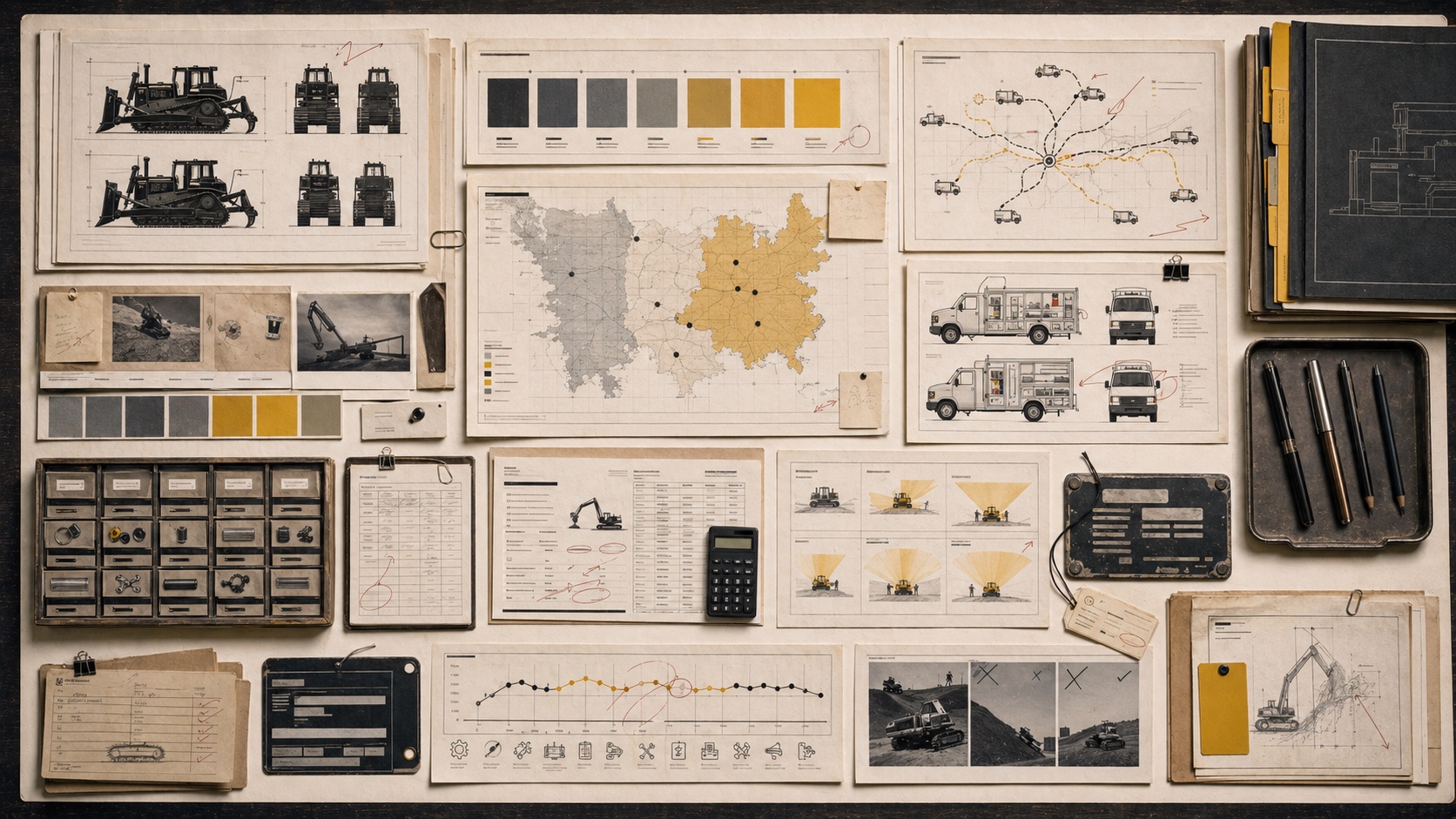
Industrial equipment surface showing yellow used for visibility, durability, and trust.

Yellow in Branding

attention · value · caution · visibility
Yellow is a visibility tool. It needs contrast, restraint, and a clear role.
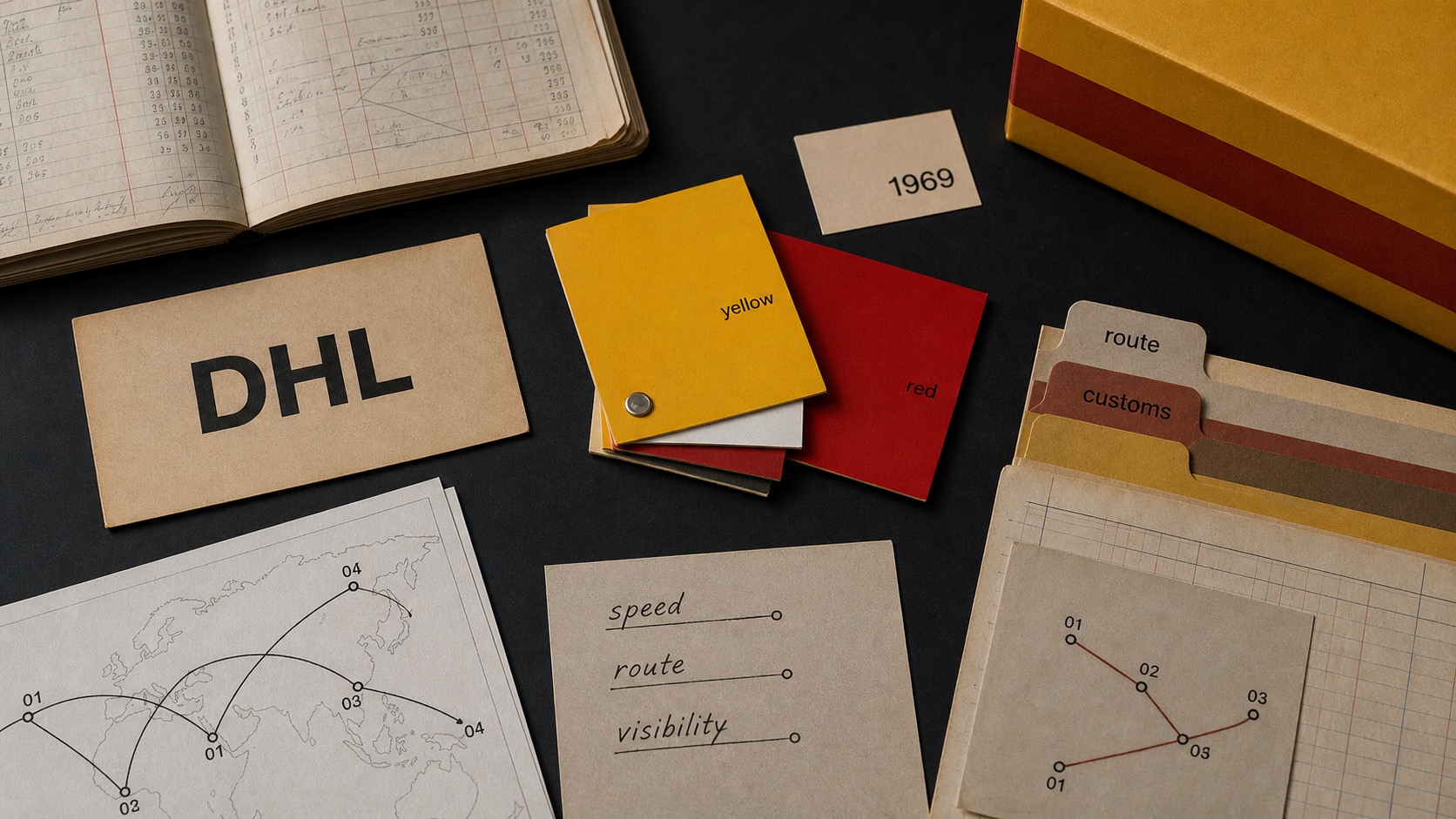
Yellow logistics surface showing vehicle, package, and distance visibility cues.
Use brand examples to study the cue, not to copy the surface.
01

What yellow in branding can signal.

The color is a cue, not proof.Use yellow when the brand needs distance visibility, optimism, value, speed, or a clear field signal.
The color changes by context.Category, culture, material, contrast, type, nearby colors, and product truth change the read.
The color needs a job.Primary cue, accent, field, state color, product family, or campaign color should not all behave the same way.
02

Where it can work.

Use the color when the category and proof can support the signal.

Category
Why it can help
What must support it
Logistics and delivery
High visibility on vehicles, uniforms, packaging, and signs
Operational proof and strong contrast
Retail
Value, visibility, aisle read, and sale energy
Price logic and restrained accents
Construction and tools
Safety, hardware, and practical work
Durability proof and dark contrast
Kids and entertainment
Play, optimism, and high energy
Clear hierarchy and not too much glare
Food
Warmth, appetite, speed, and lightness
Product truth and appetite photography
Wayfinding
Attention and caution
Readable type and clear state rules
03

How it changes with type, shape, and neighbors.

The same color can feel different when the shape, font, contrast, or second color changes.

Pairing
Likely read
Good use
Risk
Yellow plus black
Warning, utility, construction, strength
Tools, logistics, sports, industrial
Too harsh or hazard-like
Yellow plus red
Appetite, speed, retail energy
Fast food, delivery, promotional retail
Discount or pressure feeling
Yellow plus blue
Visibility plus trust
Logistics, banking, public systems
Two-color default if not distinctive
Soft yellow
Warm, human, optimistic
Food, kids, hospitality, care
Weak contrast and low authority
Yellow field with dark type
Readable, bold, practical
Packaging, signs, cards
Fatigue if overused
Yellow accent only
Attention without full-page glare
CTAs, tags, proof points
No recognition if too small
04

Where it fails.

Color failure is usually a role failure, a proof failure, or a category mismatch.

Contrast failure

Contrast failure

Yellow text or pale yellow fields make content hard to read.

Cheapness cue

Cheapness cue

The brand starts to feel like a discount sign.

Warning confusion

Warning confusion

Yellow implies caution when the brand needs calm confidence.

Eye fatigue

Eye fatigue

Large bright fields make long pages harder to stay with.

Appetite mismatch

Appetite mismatch

Yellow warms a category that needs precision or seriousness.

Over-signaling

Over-signaling

Every callout becomes urgent, so no callout leads.

05

Yellow in Branding checklist.

Approve when
  • Yellow has a clear role: field, accent, sign, or product cue.
  • Dark text and controls stay readable.
  • The brand can handle high visibility.
  • The color works outside the hero image.
  • The category benefits from attention or distance read.
Hold when
  • Yellow is being used for long copy.
  • The palette feels like a warning label.
  • The brand needs calm trust more than attention.
  • The yellow cue looks like a sale cue by accident.
  • Small labels and buttons fail contrast.
06

Use this for your brand.

Private brand work

Bring the unclear cue into private review.

If the name, color, message, mark, or page is making buyers hesitate, use private brand work before the public surface hardens.

Private reviewRequest private brand workUse this when the decision affects sales, trust, launch risk, or buyer clarity.
07