Mastercard Brand Signal Card · Part of Grow Your Brand · Payment Recognition System · Wordless Mark, Payment Trust, Acceptance Network, Checkout Memory
Mastercard Brand Signal Card
Mastercard could let the name step back because the interlocking circles had already earned payment memory at the moment of use. A Brand Signal Card for Mastercard: the red and yellow circles, wordless recognition, payment acceptance, card programs, digital wallets, merchant trust, network scale, gross dollar volume, transactions, and why simplification works only after a mark has been trained.
Positioning, name, and architecture.
Three evidence checks every Brand Signal Card needs before the page talks about scale, color, or public reaction.
Mastercard ties a simple symbol to a vast acceptance network where the mark appears at the exact moment the customer needs payment confidence.
Mastercard positions trust at checkout: the mark is valuable because it has been repeatedly seen where money, merchant acceptance, and transaction confidence meet.
For: Cardholders, merchants, issuers, acquirers, digital-wallet users, platforms, banks, and buyers who need payment acceptance to feel fast, familiar, and trusted.
Judged against: Card networks, bank payment rails, digital wallets, merchant acceptance systems, fintech checkout flows, and account-to-account payment alternatives.
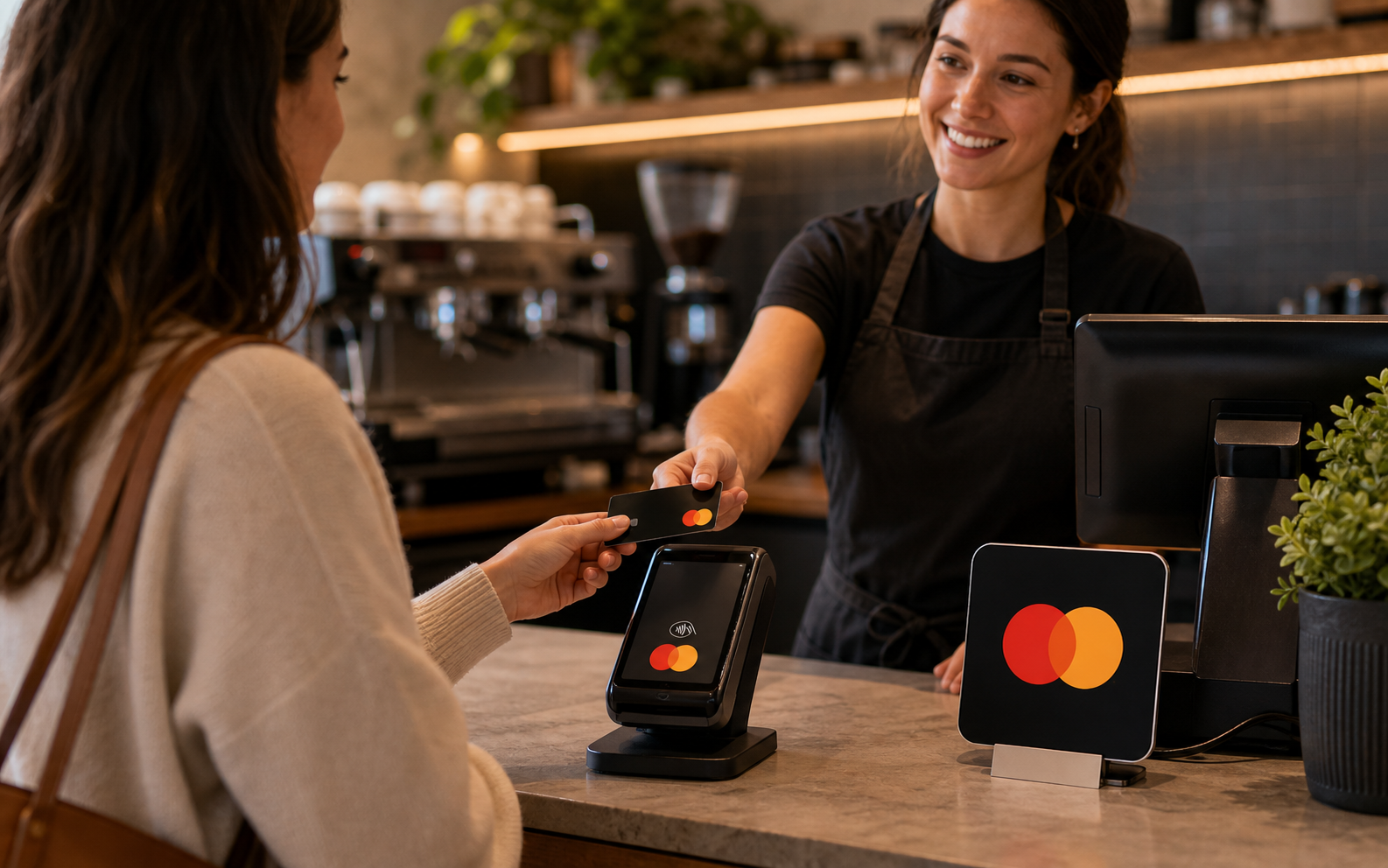
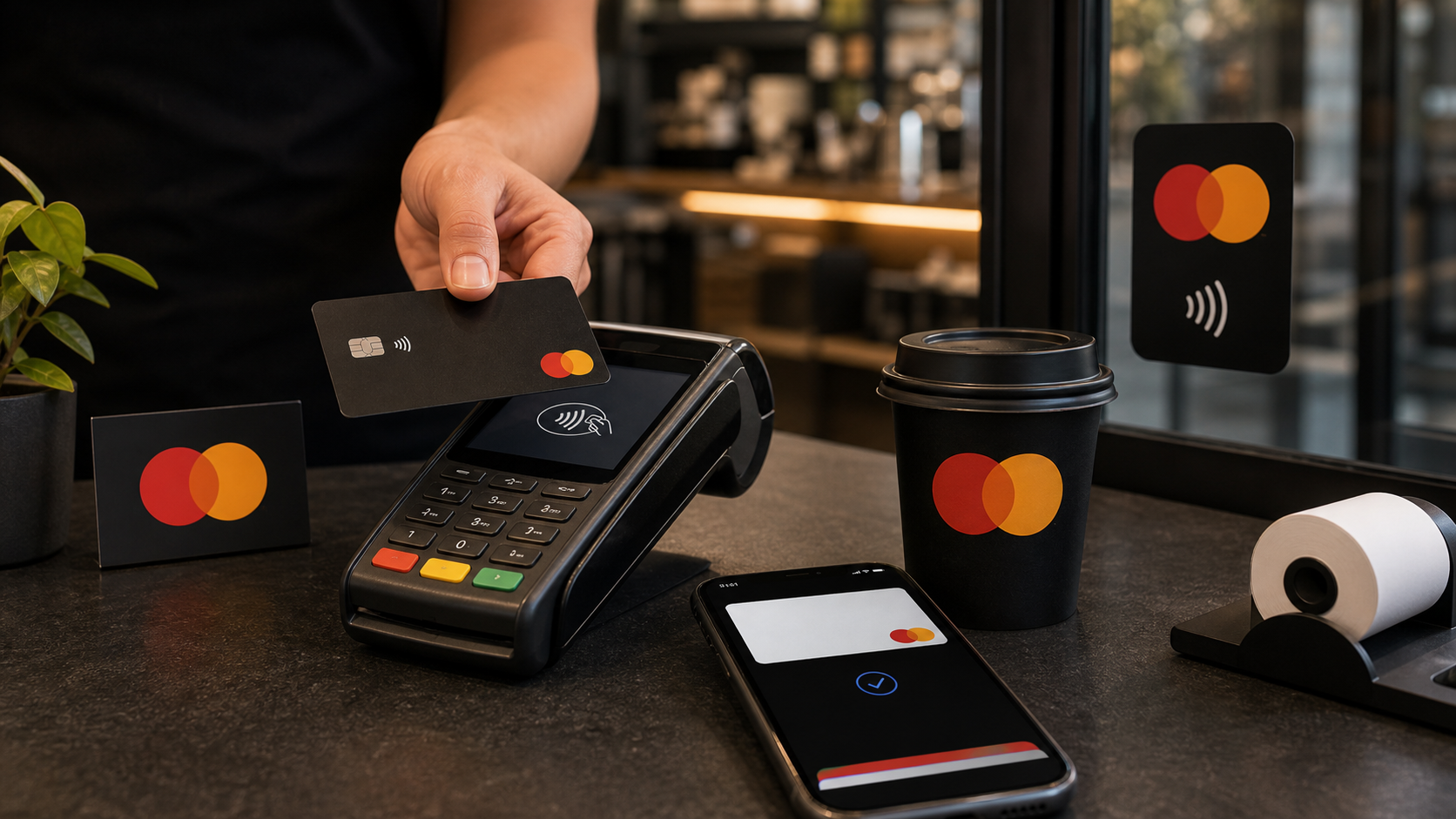
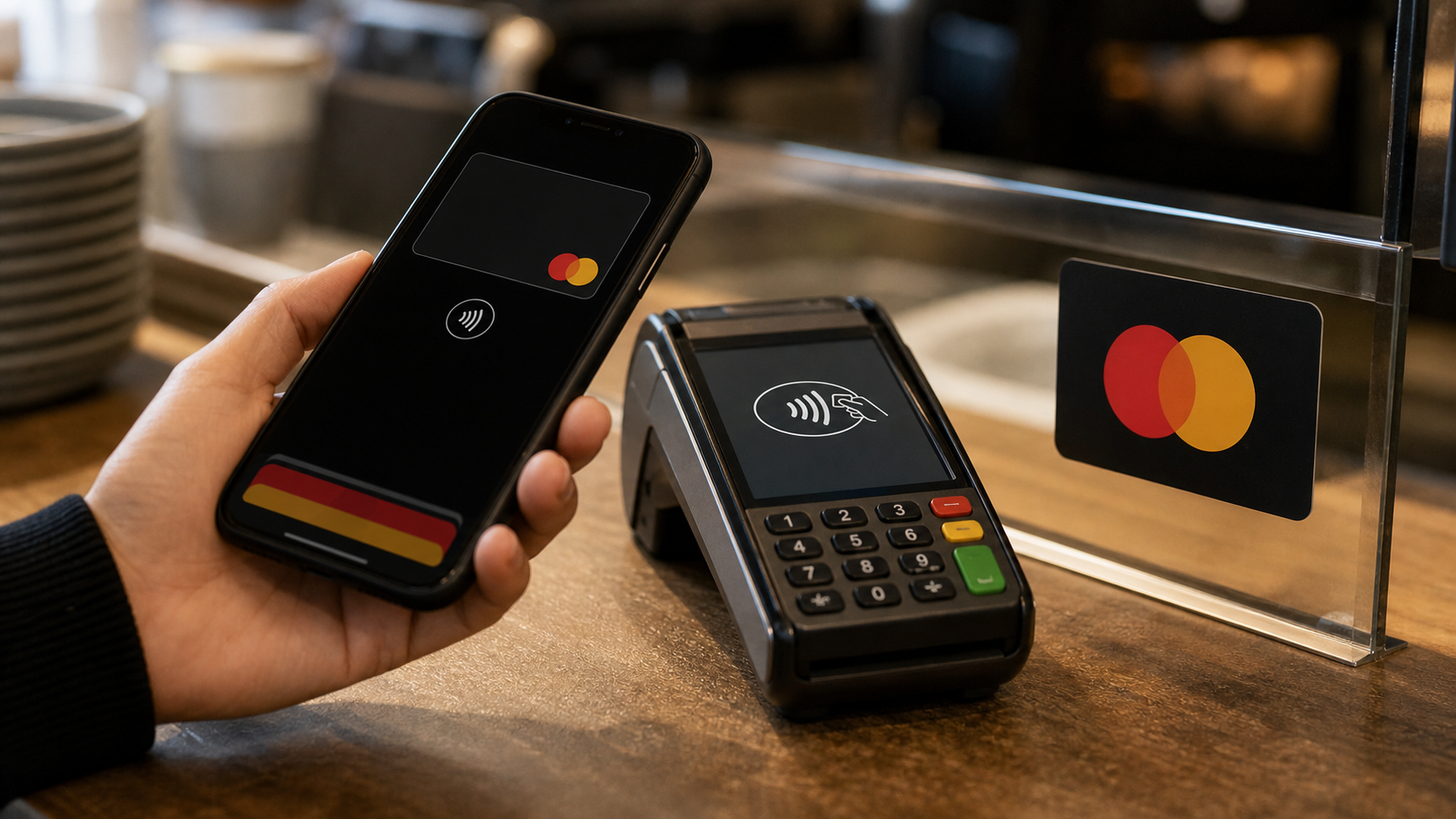
- The interlocking circles appear on cards, checkout counters, terminals, wallets, and merchant acceptance surfaces.
- Mastercard reports global network scale through gross dollar volume, switched transactions, and Mastercard-branded cards.
- The 2019 name-drop works because the symbol had already been trained by repeated payment moments.
Mastercard traces its operating-company origin to the bank-card network formed in 1966 before the name became a global payments signal.
Public signal: The current signal is carried by acceptance, circles, cards, terminals, wallets, and payment confidence more than one universal line.
Name type: descriptive payments name / network brand
- network origin: The name made card payment and acceptance easier to understand.
- Priceless era: The brand linked payment utility to emotional life moments.
- wordless era: The circles carry recognition after years of repeated payment use.
payments network with consumer-facing acceptance symbol
The architecture works when issuers, merchants, wallets, and acceptance points all reinforce the same circles at the payment moment.
Parent: Mastercard Incorporated
- Mastercard cards
- merchant acceptance
- digital wallet surfaces
- issuer programs
- payment processing
- security and fraud tools
- Priceless platform
Market and scale snapshot.
This section reads Mastercard as Mastercard Incorporated: latest annual reported net revenue, profit, gross dollar volume, switched transactions, card-program scale, and the public-float proxy disclosed in the 2025 Form 10-K.
FY2025 net revenue from Mastercard 2025 Form 10-K and SEC company facts.
FY2025 net income from Mastercard 2025 Form 10-K and SEC company facts.
2025 gross dollar volume reported by Mastercard; switched transactions were 175.5B.
SEC public-float proxy as of June 30, 2025, not a live full-company market cap.
Red, yellow, overlap, and warm checkout light.
Mastercard's palette works because red and yellow are attached to payment confidence, with orange as the overlap cue rather than the secondary color. Black and warm ground keep the checkout context serious and visible.
Recognition assets.
Memory pieces the brand can use before someone finishes a sentence.
Interlocking circles
The mark is simple enough to survive small payment surfaces.
Acceptance at checkout
The cue appears where merchants and customers need payment trust.
Network memory
Cards, transactions, wallets, and acceptance surfaces train recognition through use.
Scores.
Use these scores to compare recognition, trust, proof, pressure, and risk at a glance.
The circles are globally legible across payment surfaces.
Network scale, transaction volume, cards, and acceptance surfaces support the cue.
The mark works at tiny sizes on cards, terminals, wallets, and merchant doors.
The symbol appears at the customer's highest-friction moment: paying.
Dropping words works only because the circles were already heavily trained.
A wordless mark is dangerous to copy before the market has learned it.
Pages must distinguish Mastercard the brand, company, network, issuer programs, and payment products.
How the logo changed.
The mark has to keep recognition intact while the brand adapts to new products, places, and screens.
Payment recognition lineage.
Mastercard's signal moves from a named payment network to a wordless symbol that works because the mark keeps appearing at the moment of transaction trust.

1966
The operating-company origin gives the network a bank-card foundation.
Signal impact: payment network begins
Card era
Cards, issuers, merchants, and acceptance surfaces train the mark through daily use.
Signal impact: recognition becomes routine
Priceless era
The brand connects payment utility to emotional life moments while the network keeps doing the practical job.
Signal impact: utility gains meaning
2019
Mastercard drops the name from the brand mark and lets the circles carry recognition.
Signal impact: simplification becomes possible
Now
Cards, terminals, wallets, merchants, fraud controls, and digital checkout keep retraining the cue.
Signal impact: trust repeats at payment
Event board.
Turning points only: network origin, acceptance scale, Priceless meaning, wordless mark, and digital payment surfaces.
Acceptance trained the mark
The circles appeared on the surfaces where customers and merchants already needed trust.
Impact: Recognition came from use.
The name could step back
The 2019 move worked because the symbol had already been trained across payment contexts.
Impact: Simplification was earned.
Digital surfaces kept the job
Wallets, phones, terminals, and merchant signs still need the mark to reduce friction.
Impact: Portability becomes brand protection.
Public reaction.
No invented sentiment count. This card reads reaction through the practical success of a wordless mark that remained legible across payment surfaces.
Positive / wordless memory
Customers did not need a long explanation because the mark had been trained by cards, merchants, and checkout repetition.
Negative / network pressure
At checkout, confusion, declines, outages, fraud, or merchant friction can tax the confidence the mark is meant to provide.
Full timeline.
Steal / avoid.
- Make a symbol show up at the customer's highest-trust moment.
- Train recognition through repeated use before removing words.
- Keep the mark portable across the smallest and most practical surfaces.
- Tie emotional brand meaning to the operational job the brand actually performs.
- Do not go wordless before the market has learned the symbol.
- Do not mistake minimalism for earned recognition.
- Do not separate the mark from the payment moments that give it meaning.
- Do not let network friction undermine a trust cue.
Short answer.
Mastercard's brand signal is payment trust made portable. The red and yellow circles can work without the name because cards, terminals, wallets, merchants, and checkout moments trained the symbol for years. The lesson is that simplification works only after the mark has earned enough memory in real use.
Why can Mastercard use a wordless mark?
Mastercard can use a wordless mark because the interlocking circles were trained across cards, terminals, wallets, merchant acceptance, and checkout moments before the name stepped back.
What should another brand steal from Mastercard?
Steal the discipline of making the mark appear at the exact moment where the customer needs trust.
What should another brand avoid copying from Mastercard?
Do not remove the name from a mark before the market can identify the symbol without help.
Compare this signal.
Use Mastercard as the starting point for wordless marks, payment trust, and simplification after recognition has been earned.
Nike mark portability
Another simple mark gets meaning from repeated use.
CompareGap redesign risk
A cue change fails when the replacement has not earned memory.
GuideBrand Messaging
Use this when a symbol needs proof language.
RequestPrivate brand work
Use this when a logo, payment, trust, or simplification decision needs a private pressure test.
Making a signal decision of your own?
Use Private Brand Work when your own name, identity, proof, or message needs the same pressure test.
Sources.
Related Grow Your Brand page
Related Grow Your Brand page
Related Grow Your Brand page
Related Grow Your Brand page
Mastercard 2025 Form 10-K · SEC company facts, Mastercard CIK 0001141391 · Mastercard, brand mark announcement · Mastercard, investor annual reports · Mastercard, company overview · Wikimedia Commons, Mastercard logo file