Signal Status
Active Brands Page 6
The operating-brand side of Grow Your Brand: current companies, continuing brand systems, live strategic resets, and unresolved status-watch files.
- Lane files
- 410 Operating or unresolved brands
- Separated
- 25 Terminal files kept apart
- Page
- 6/18 Case-list pagination
Short Answer
Active Brands collects Grow Your Brand cases where the brand, company, platform, product system, or parent organization is still operating, continuing, or unresolved.
Shelf Rule
Operating status gets its own shelf.
An active brand file means the organization, product system, platform, or parent brand is still in motion. It is not praise.
Status Boundary
Active is operating state, not praise.
Use this lane when the brand, company, platform, product system, or parent organization is still in motion. A bad decision by an active company belongs here until the operating system itself is gone.
Compare these files by present decision pressure: the market is still watching, buying, leaving, forgiving, or waiting for the next move.
Active Brands Case Files, Page 6
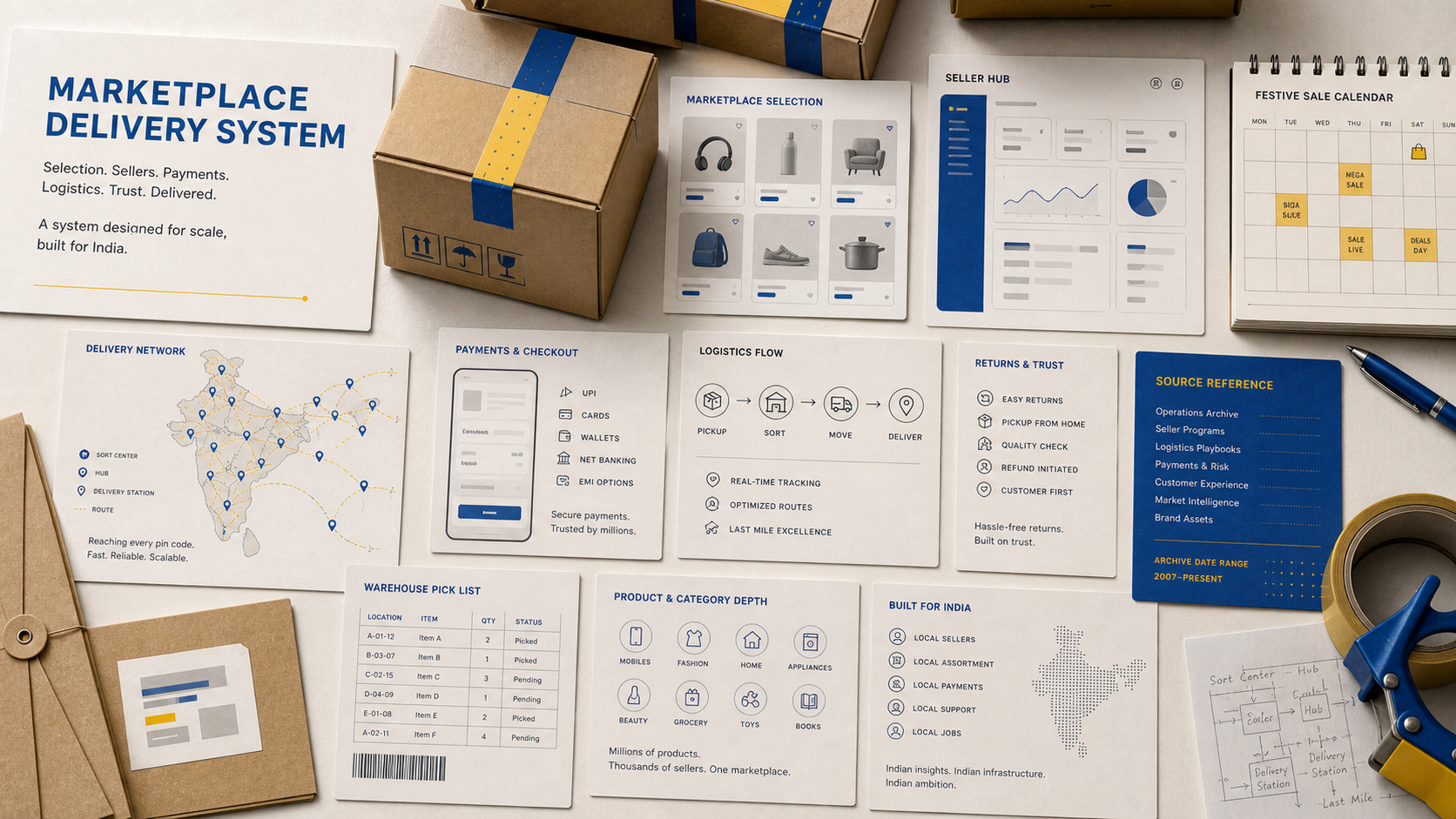
Flipkart / 2007-present
Flipkart: Brand System case in E-commerce / marketplace logistics
Flipkart turned Indian e-commerce into reachable by linking selection, sellers, payments, logistics, festive sale moments, warehousing, returns, and delivery trust.
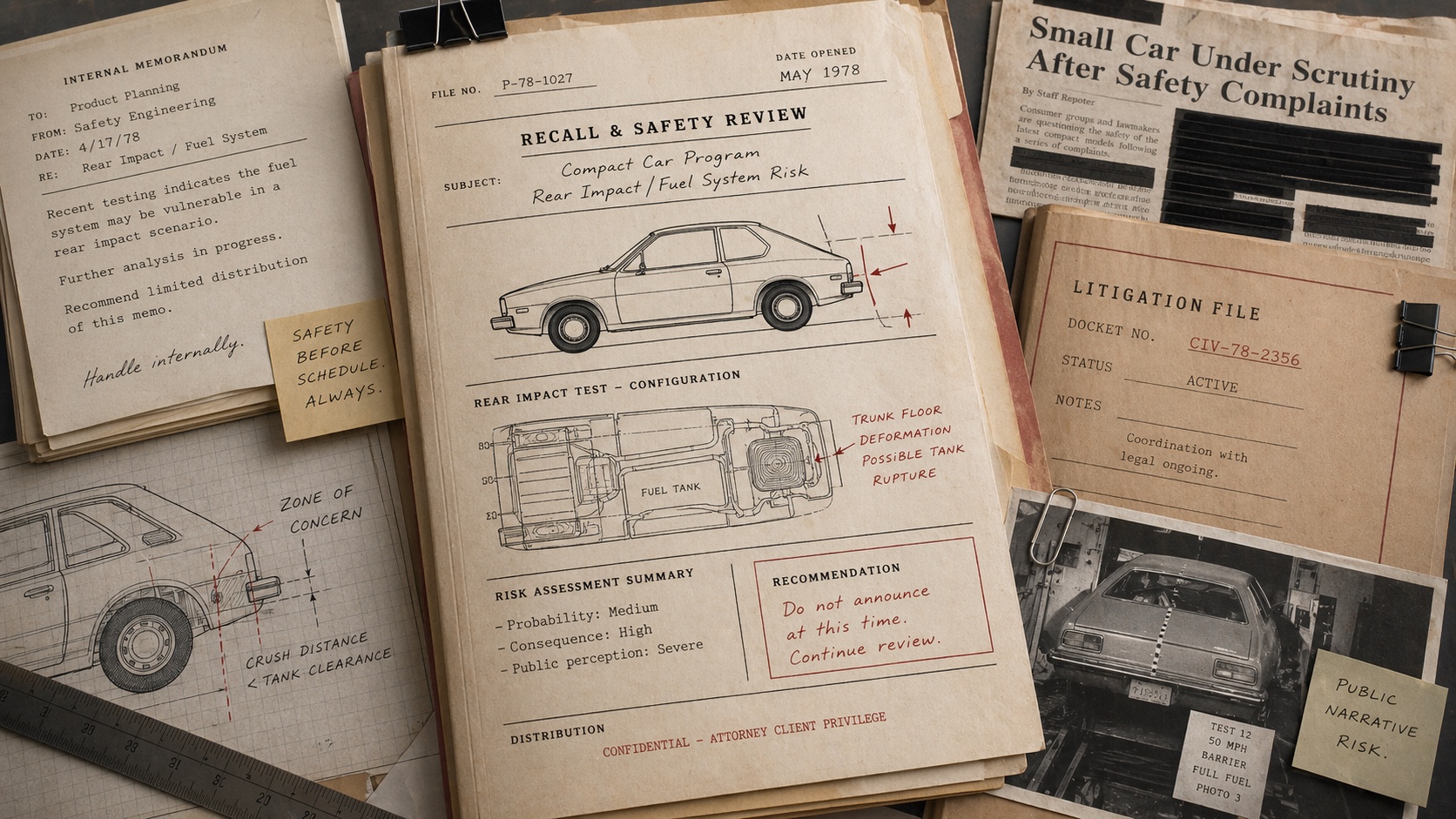
Ford / 1970s
Ford: Disaster case in Automotive
The Pinto case became a permanent warning about what happens when safety risk, recall pressure, litigation, and public narrative collapse into one brand memory.
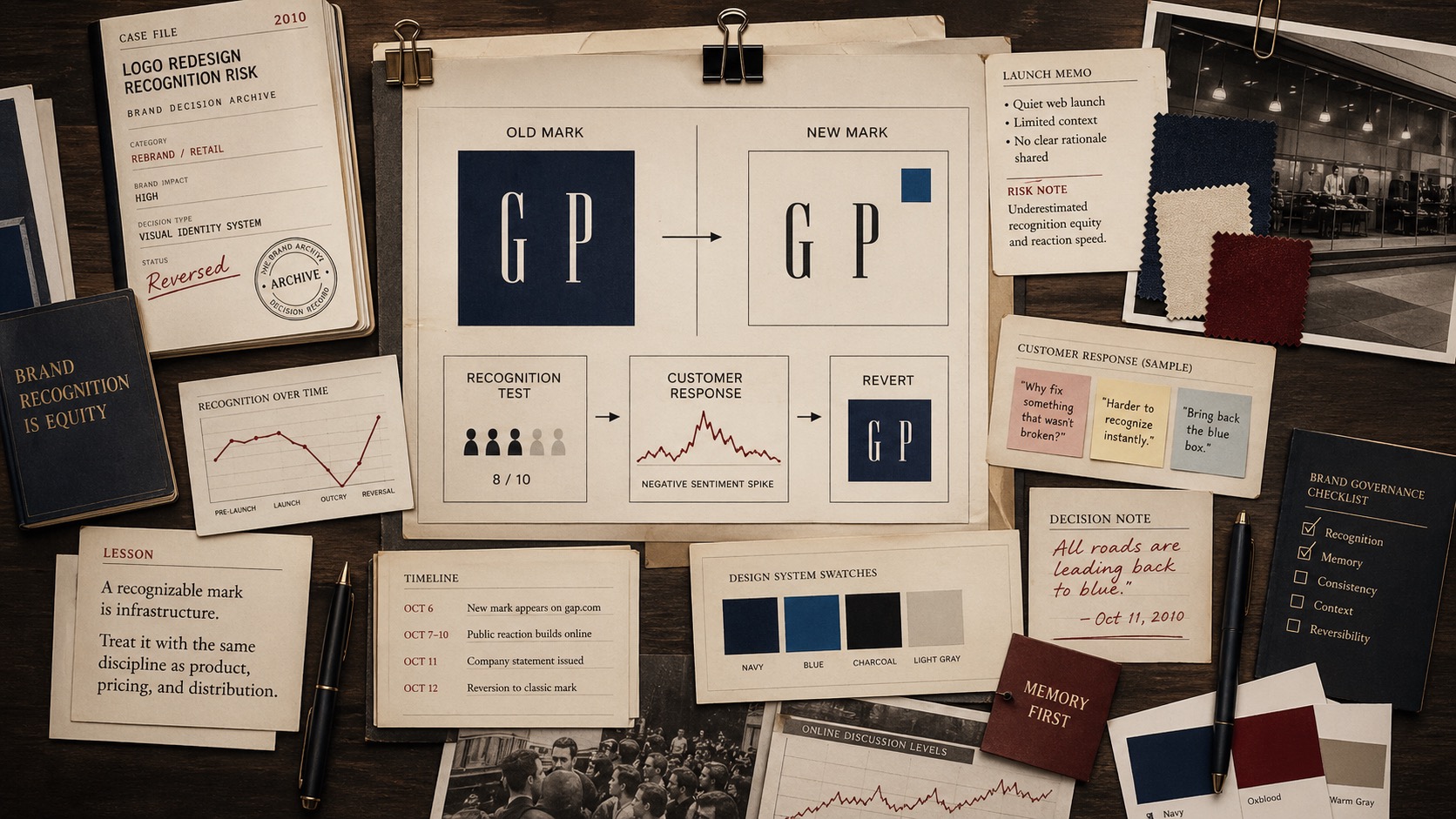
Gap / 2010
Gap: Rebrand case in Retail
Gap tracks how a rebrand can destroy recognition value before it creates new demand. The 2010 reversal was a commercial lesson in buyer memory, trust, and public control.
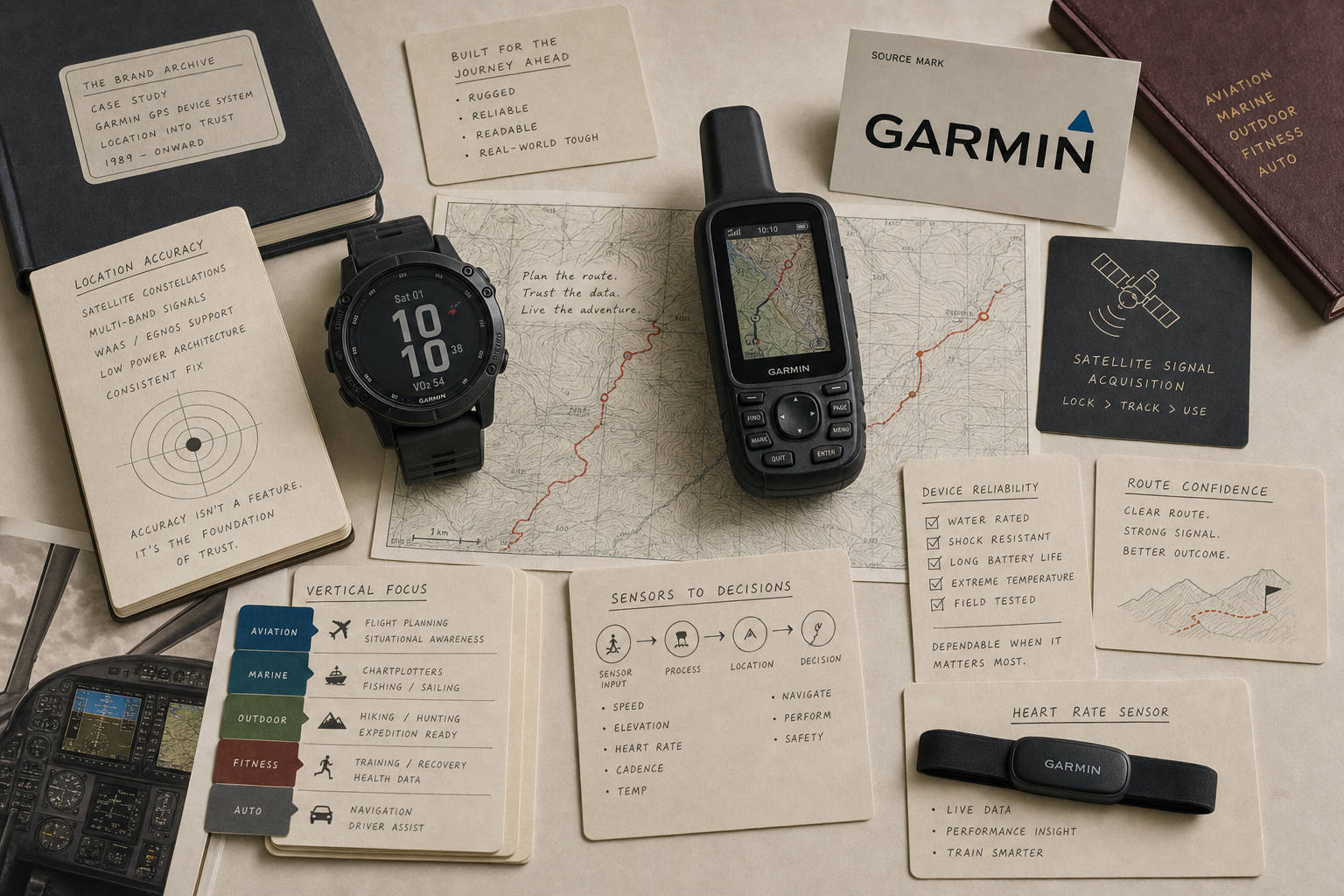
Garmin / 1989-present
Garmin: Trust case in GPS devices / wearables
Garmin built trust by making location useful across aviation, marine, outdoor, fitness, and auto devices: maps, sensors, routes, signal, durability, and repeatable navigation proof.
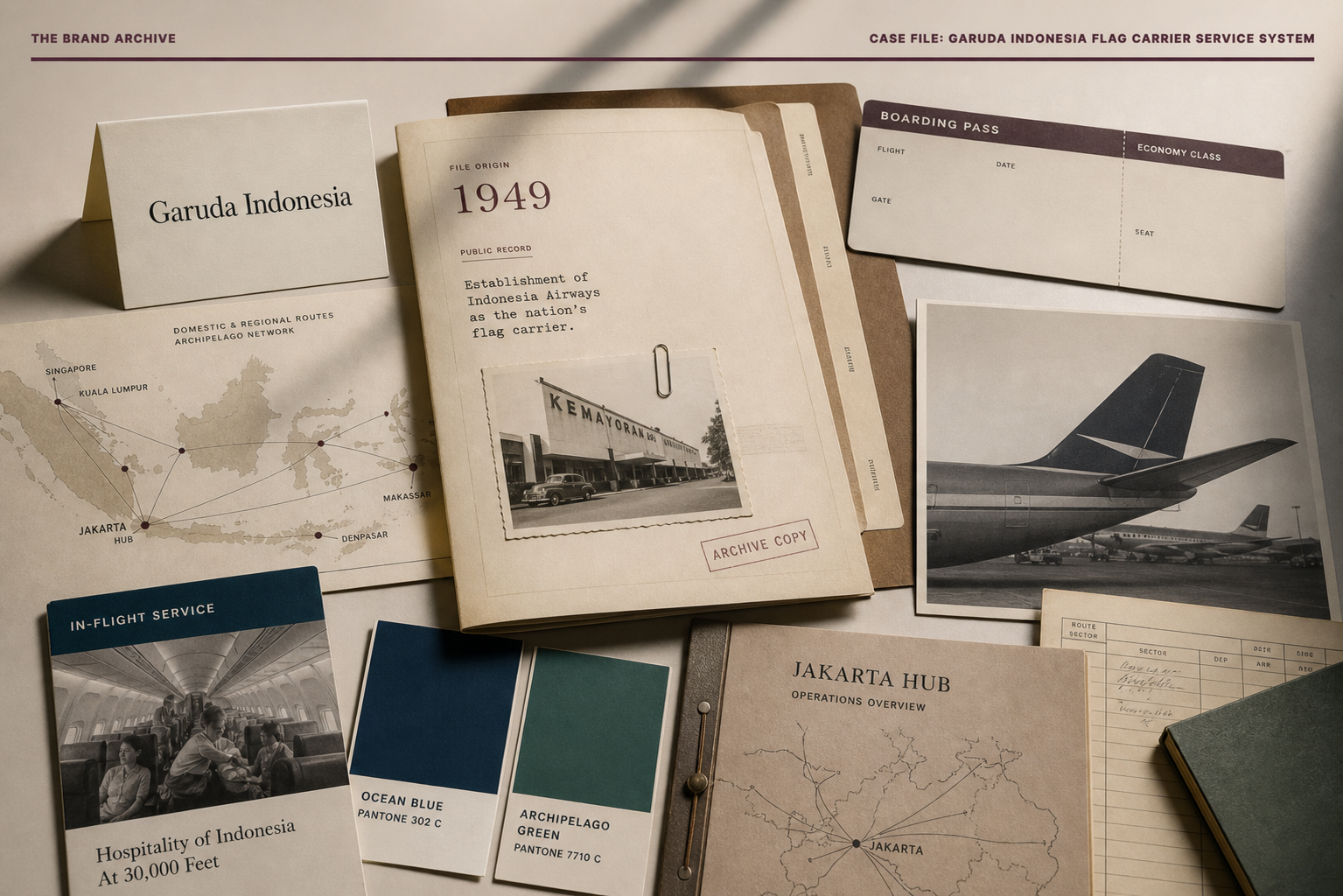
Garuda Indonesia / 1949-present
Garuda Indonesia: Brand System case in Airline / Flag carrier
Garuda Indonesia built an archipelago fly by joining Jakarta hub logic, domestic route maps, flag-carrier memory, service rituals, blue-green recognition, and national reach.
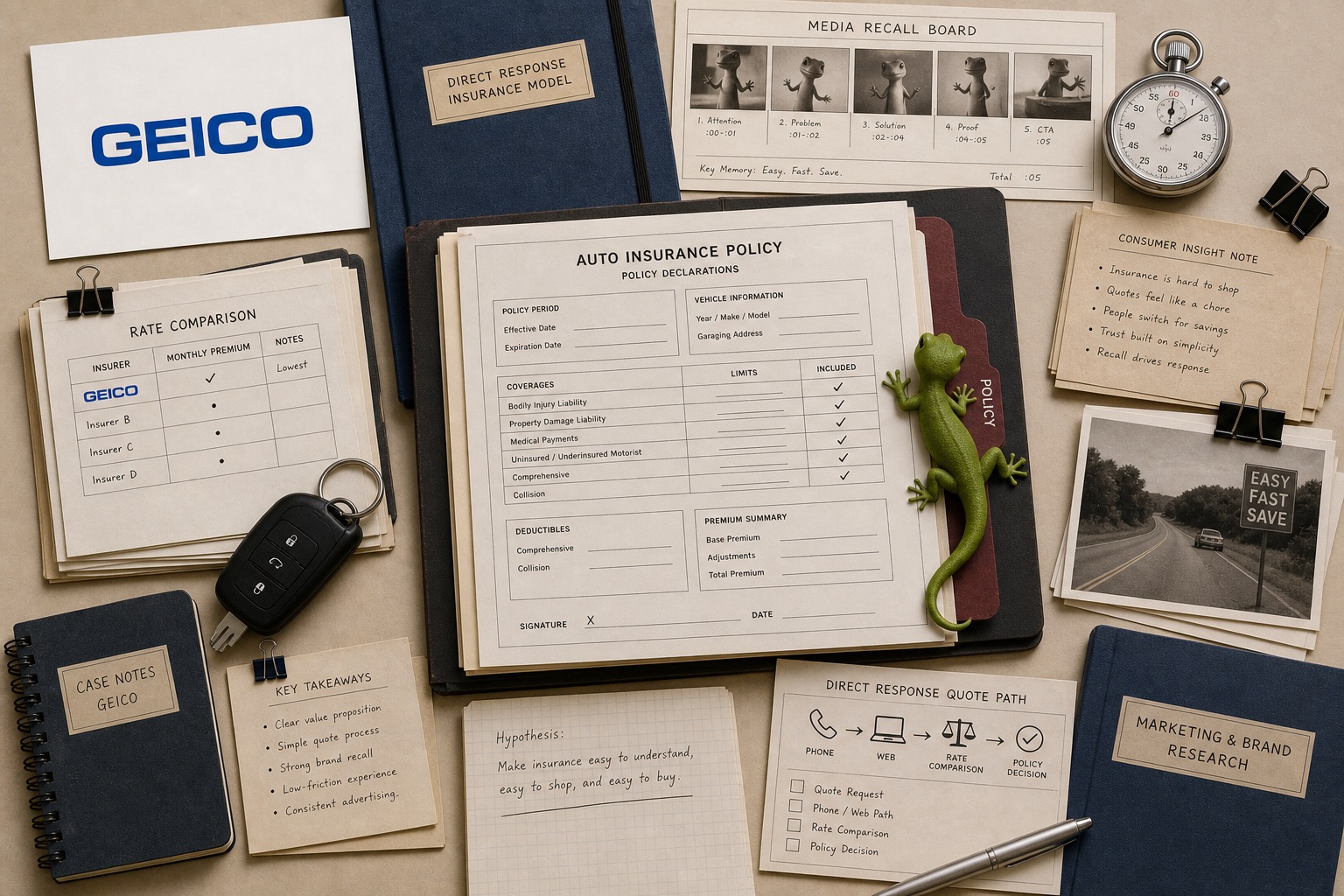
GEICO / 1993-2015
GEICO: Pivot case in Insurance
GEICO turned a low-interest insurance quote into a mass-memory system by pairing a direct-response savings promise with humor, character assets, repetition, and format-native advertising.
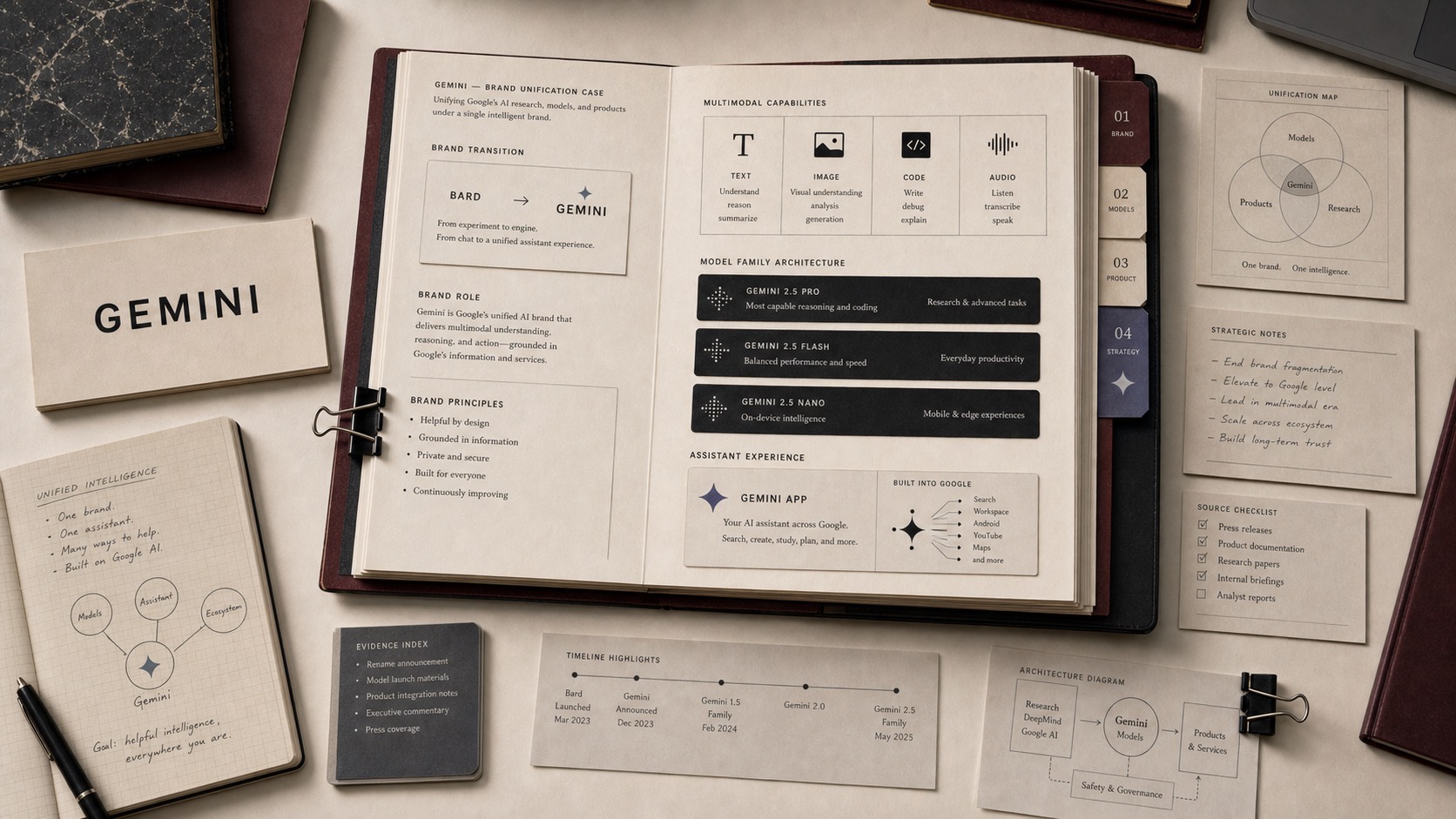
Gemini / 2023-present
Gemini: Rebrand case in Artificial Intelligence
Gemini gave Google a single AI brand across model family, assistant app, developer platform, and multimodal ambition after Bard turned the consumer story into separate from the model story.
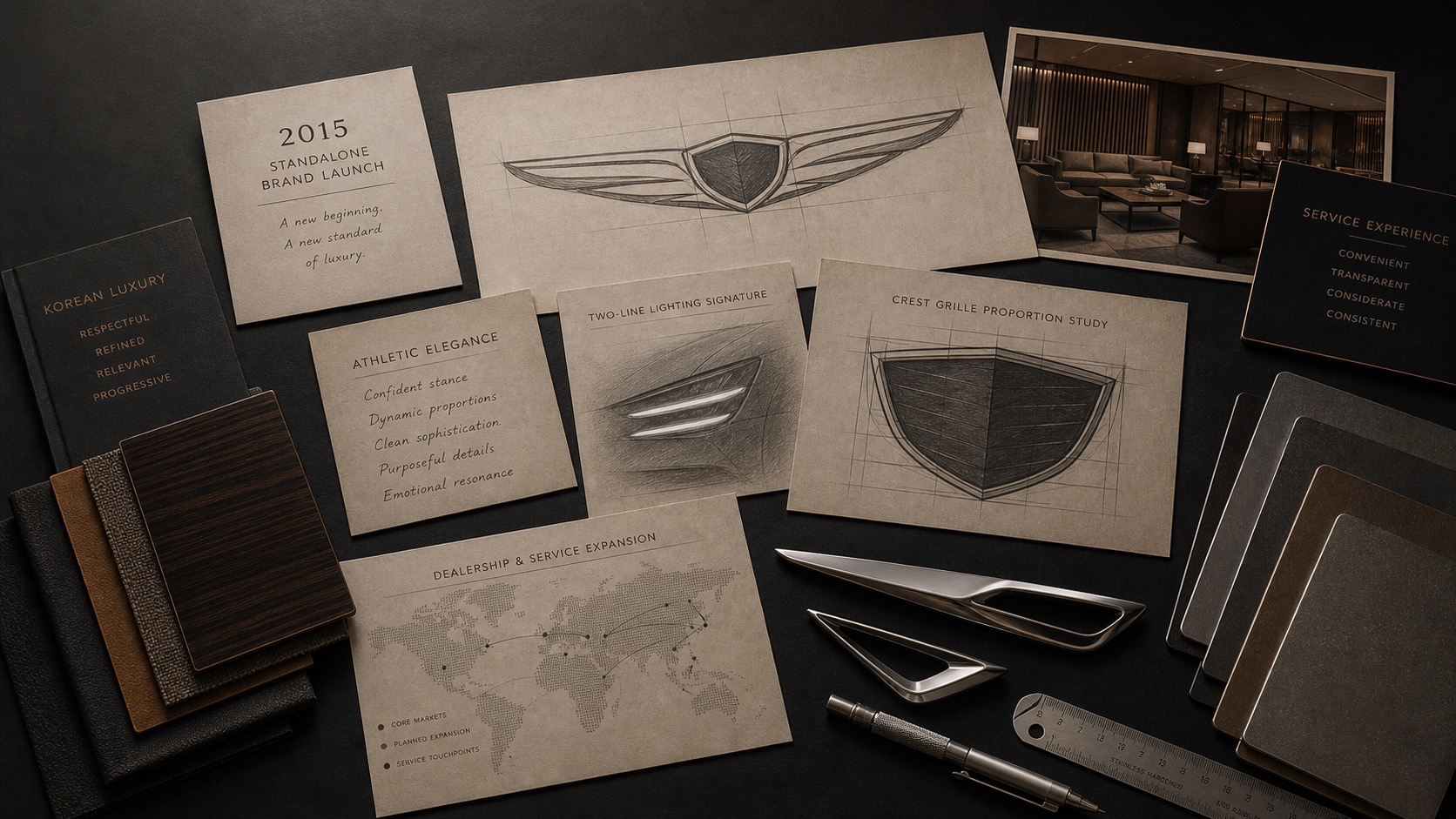
Genesis / 2015-present
Genesis: Brand System case in Automotive / Luxury
Genesis tied its 2015 standalone launch, Athletic Elegance, crest grille, Two Lines lighting, Korean design restraint, and service-led ambition into a new luxury system.
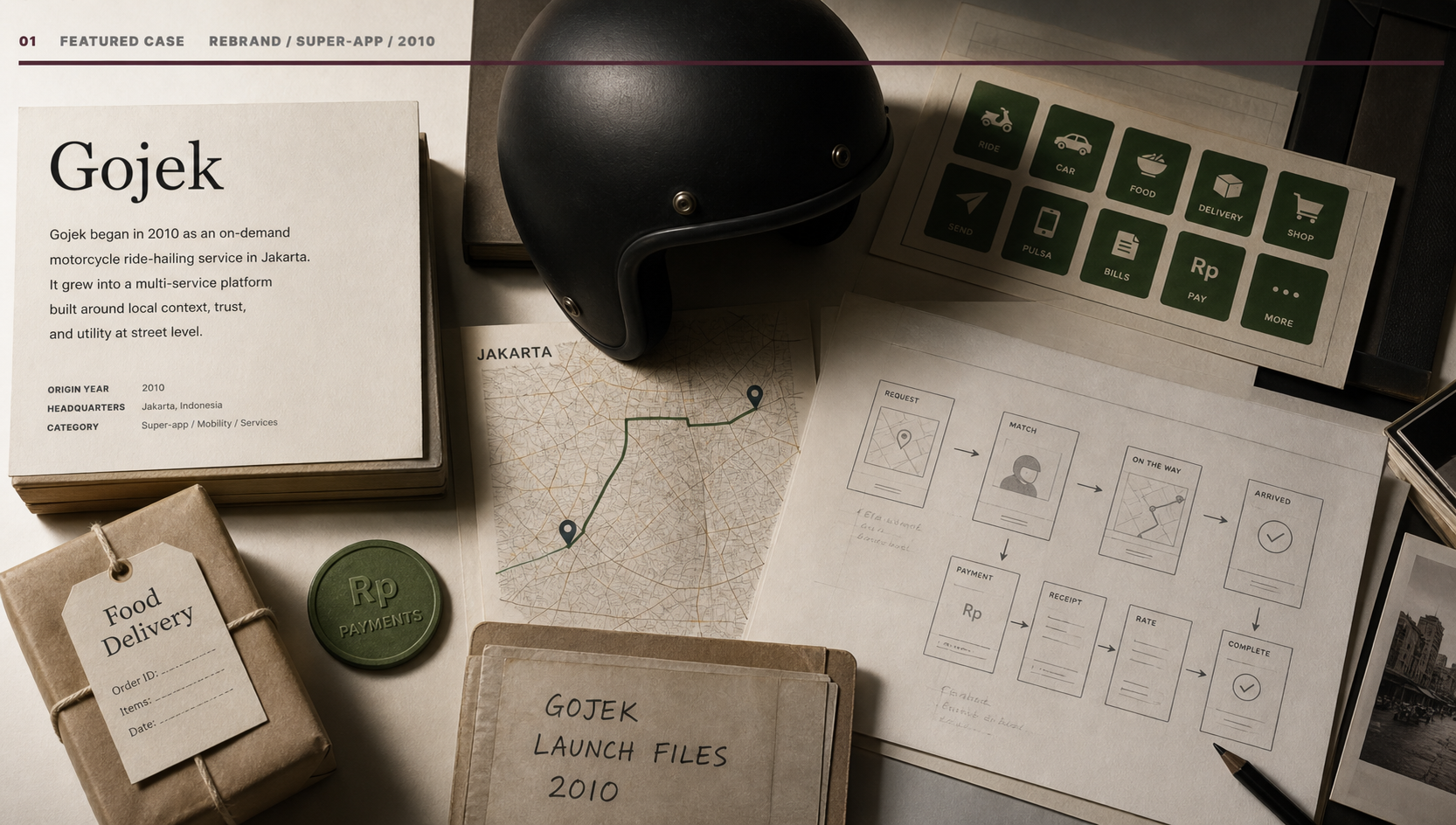
Gojek / 2010-present
Gojek: Brand System case in Super app / Mobility services
Gojek turned Indonesian streets into services by joining motorcycle taxi behavior, mobile ordering, payments, delivery, local trust, driver supply, and daily utility.
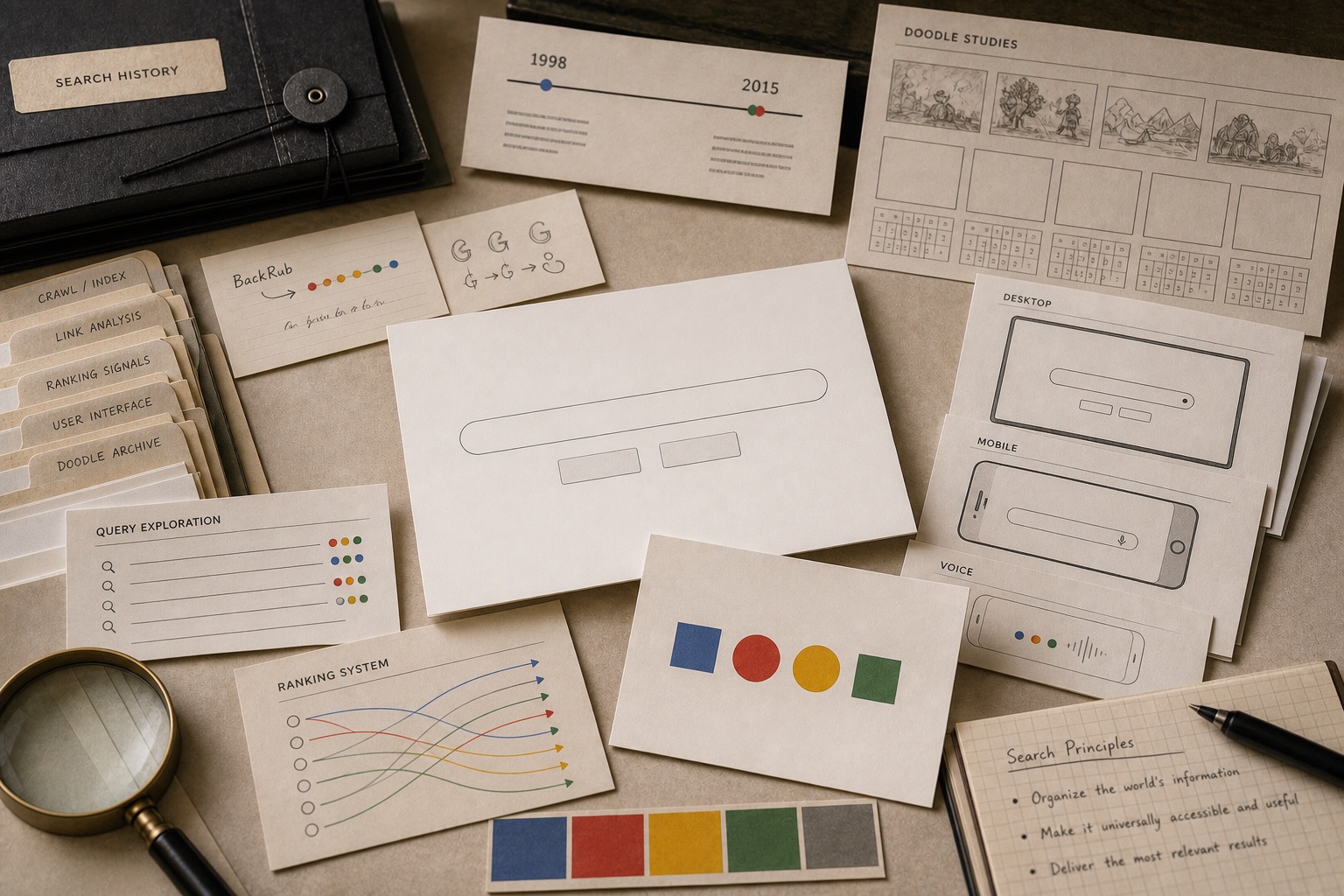
Google / 1998 / 2015-present
Google: Brand System case in Search / Internet Services
Google turned search into usable through a spare homepage, multicolor wordmark, Doodles, four-color G, dots, and an identity that could move from desktop search to phones, voice, apps, and small screens.
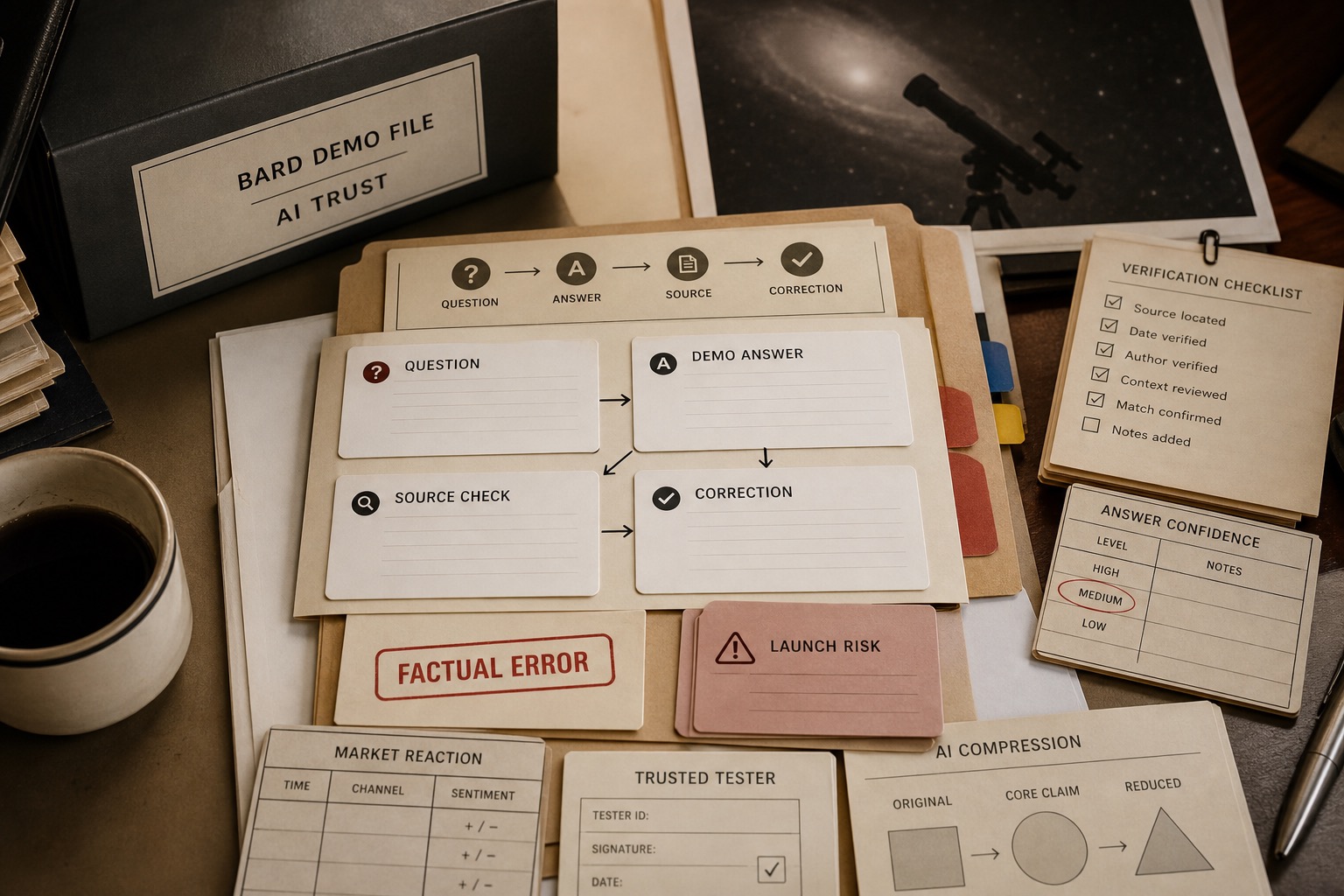
Google Bard / 2023
Google Bard: Failure case in AI assistant / Search
Google Bard's launch demo error is an AI-compression warning because a single public mistake gave the market an easier summary than the product promise.
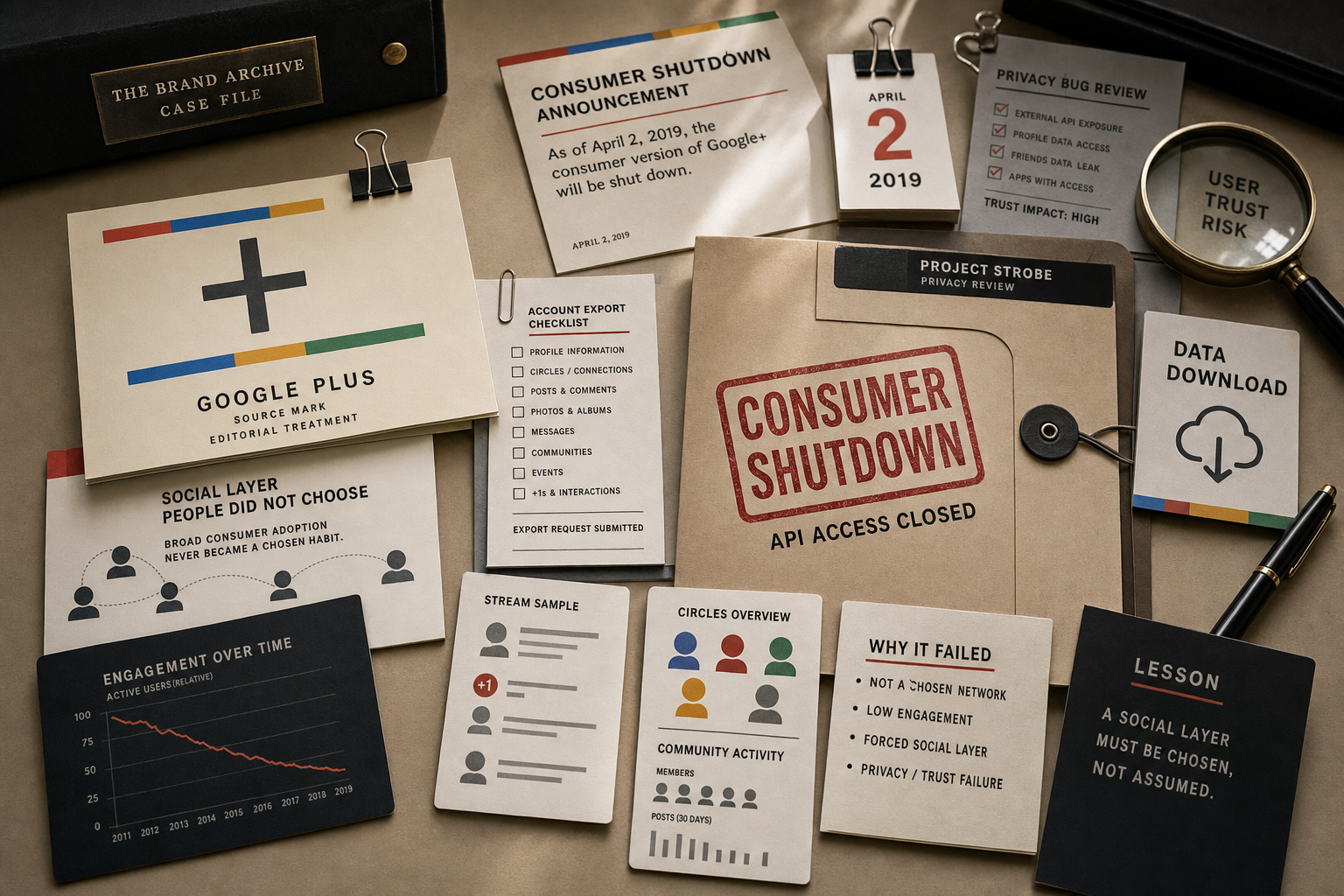
Google Plus / 2011-2019
Google Plus: Failure case in Social network
Google Plus tried to become a social layer across Google, but consumer adoption never became a chosen habit and privacy pressure helped turn the service into a shutdown file.
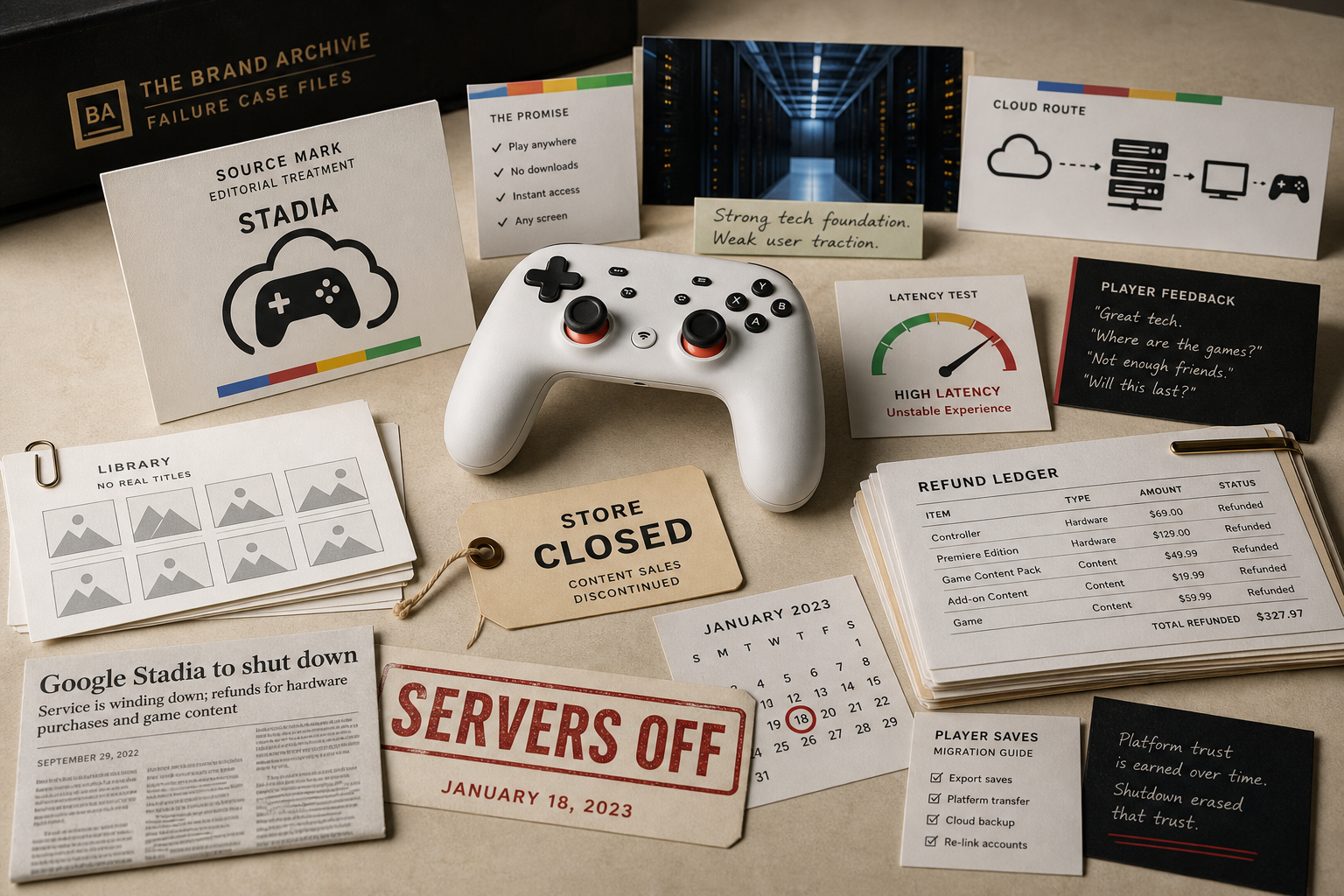
Google Stadia / 2019-2023
Google Stadia: Failure case in Cloud gaming
Stadia built cloud gaming technically visible, but Google shut the service down after it failed to gain enough user traction, turning refunds and server shutdown into the brand memory.
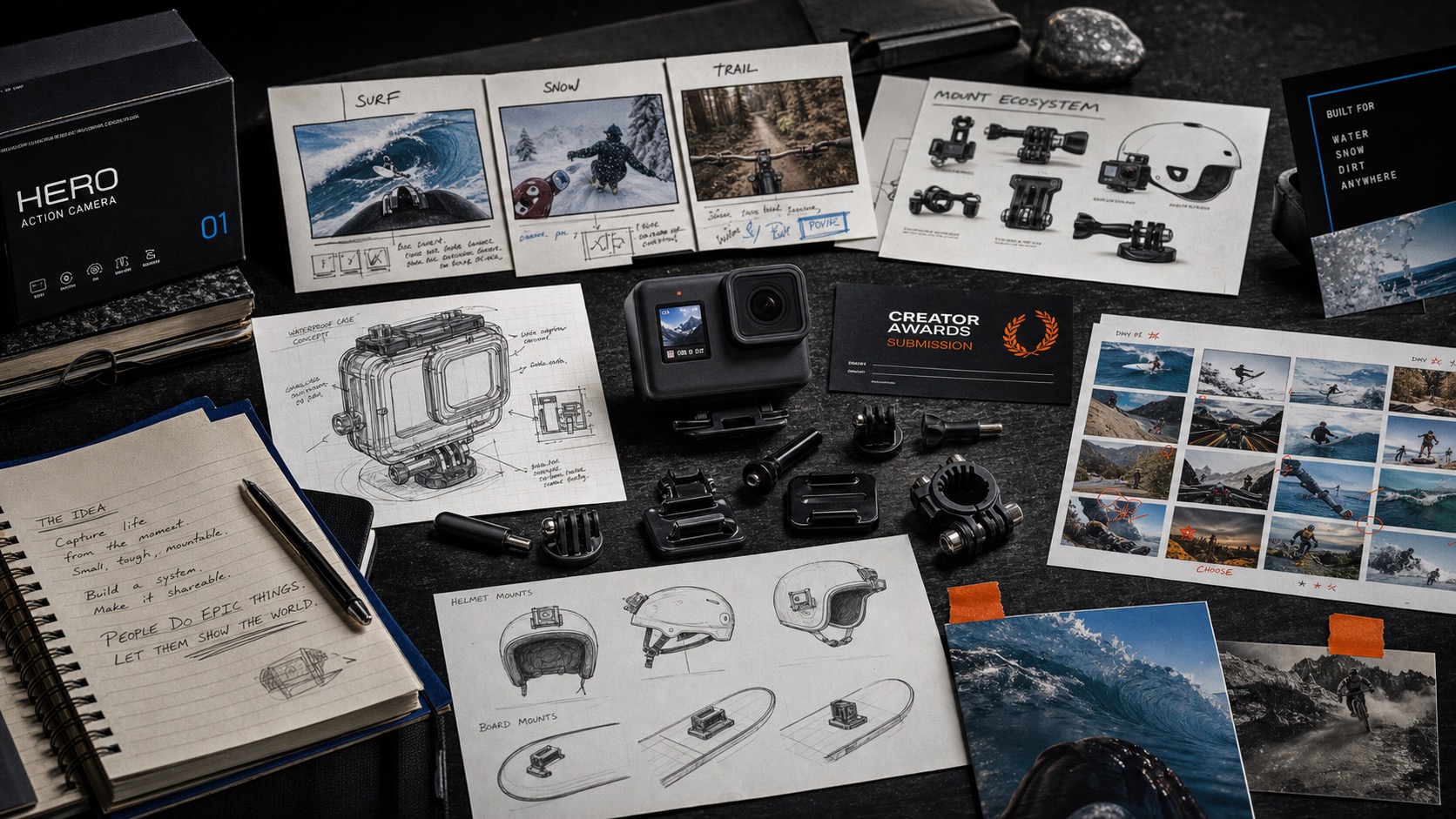
GoPro / 2002 / 2004-present
GoPro: Brand System case in Action Cameras / Creator Hardware
GoPro tied small rugged cameras, mounts, HERO naming, point-of-view footage, user submissions, software, and adventure distribution into a hardware brand powered by the clips customers built.
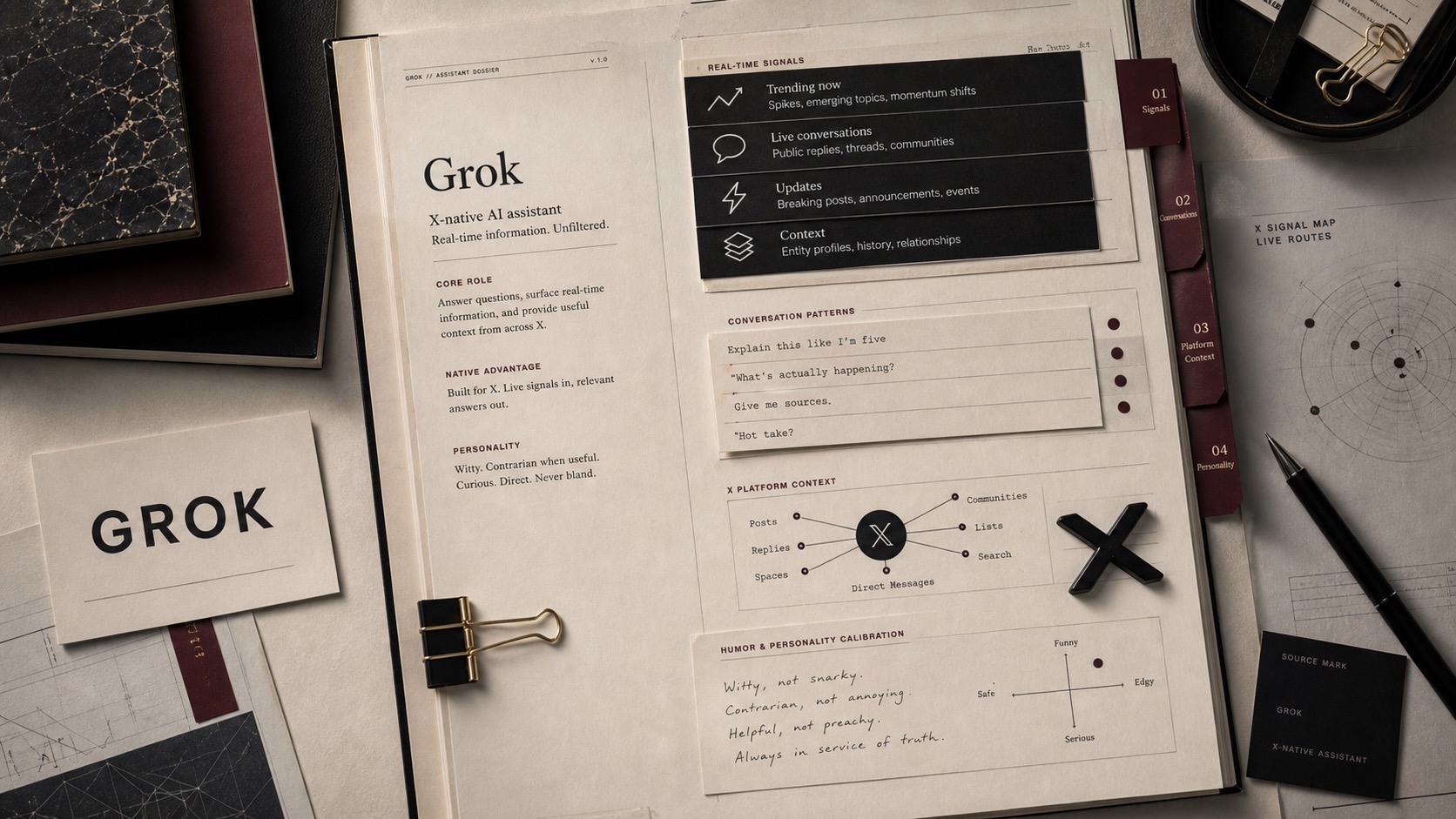
Grok / 2023-present
Grok: Launch case in AI Assistant
Grok entered the AI assistant market by tying model access to X, real-time information, and a more openly opinionated personality, making distribution and tone the brand signals.
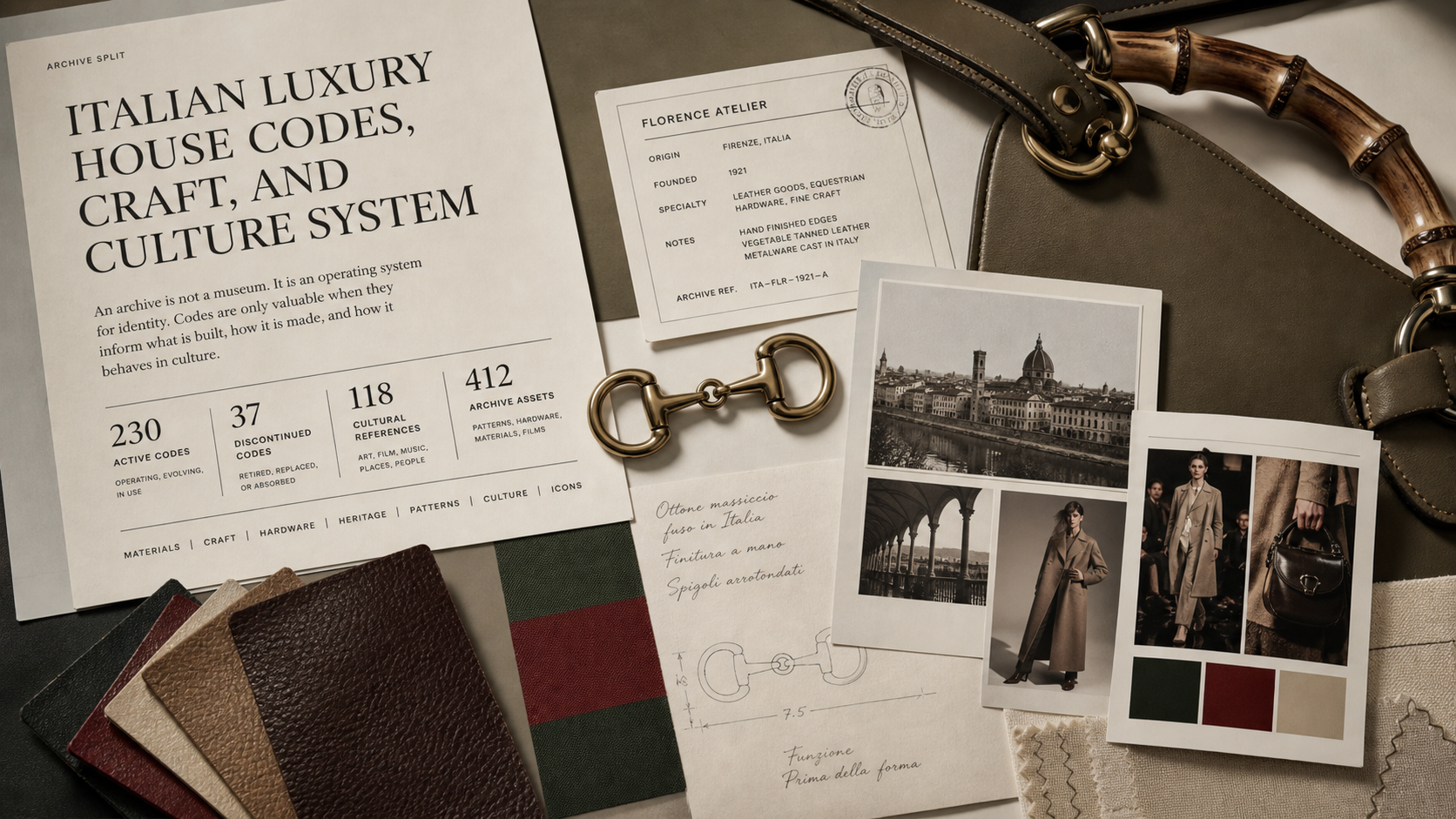
Gucci / 1921-present
Gucci: Brand System case in Luxury fashion
Gucci built Florence origin, leather craft, bamboo and horsebit cues, color stripes, runway culture, and reinvention cycles behave as a recognizable house-code system.
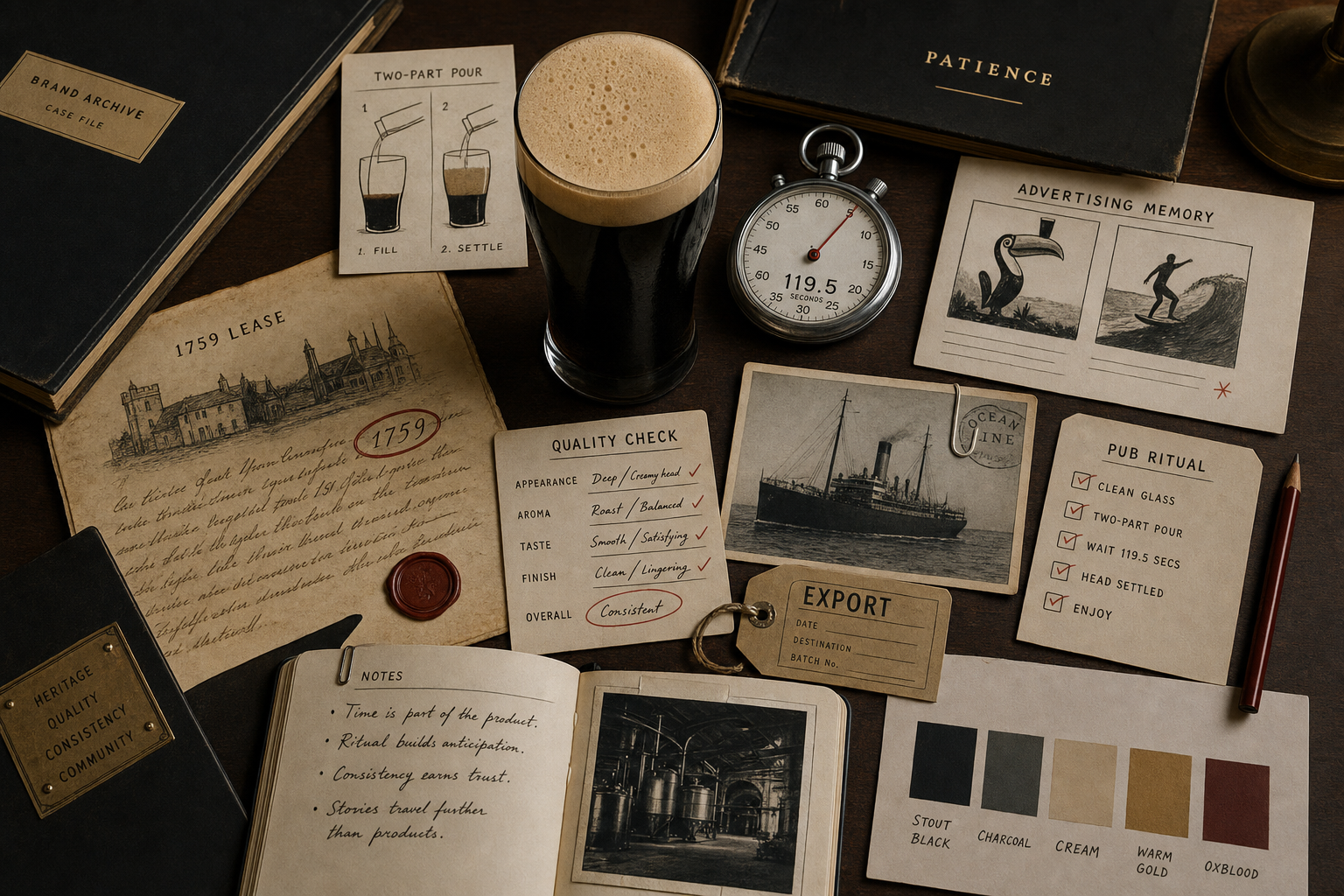
Guinness / 1759-present
Guinness: Trust case in Beer / Beverage Heritage
Guinness turned time into a brand asset: the 9,000-year lease, the two-part pour, the 119.5-second wait, dark visual codes, quality control, and advertising memory all taught drinkers that patience was part of the product.
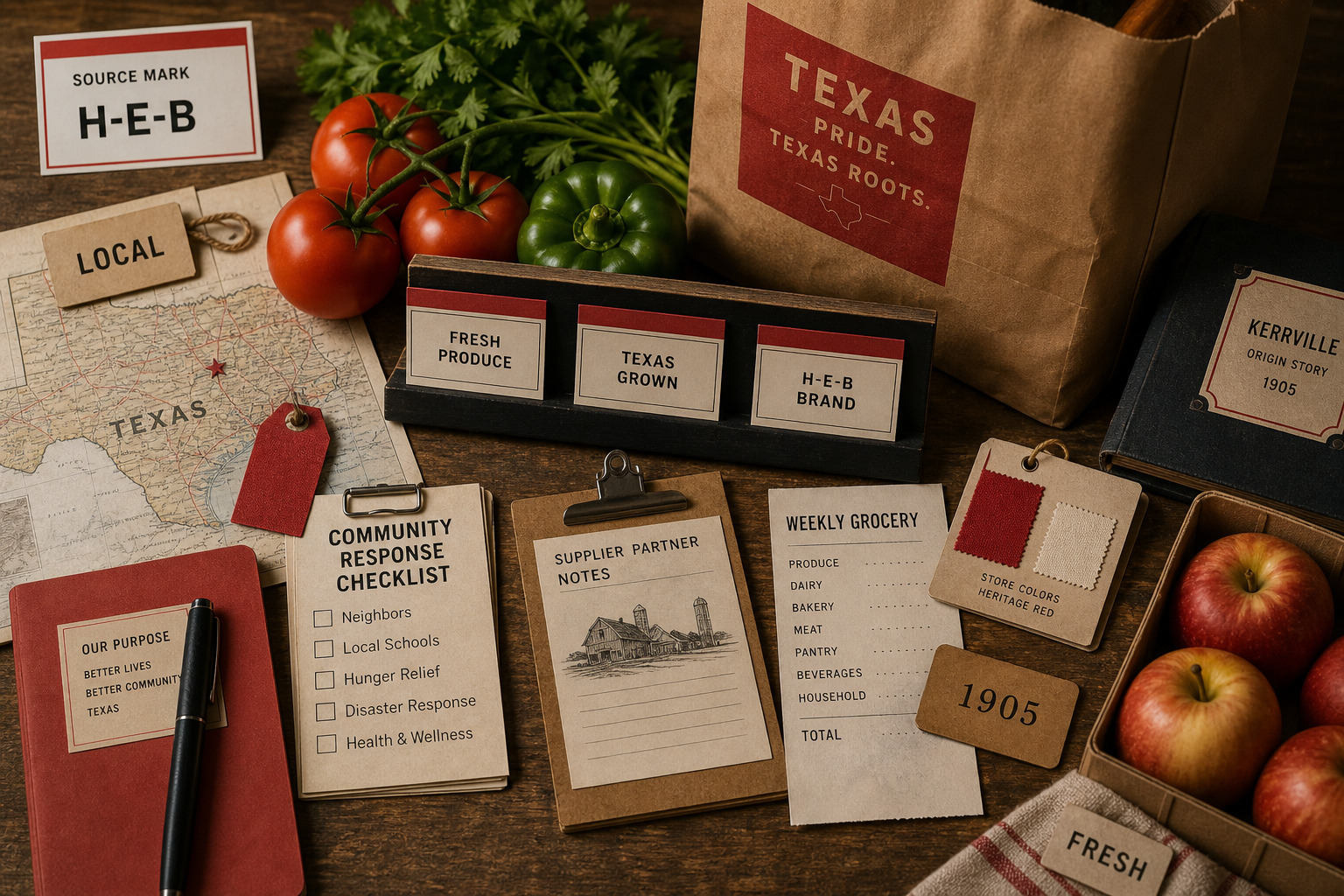
H-E-B / 1905-present
H-E-B: Brand System case in Grocery / Regional retail
H-E-B built Texas grocery trust operational by joining store routines, private labels, local suppliers, community response, fresh food cues, weekly baskets, and Kerrville origin memory.
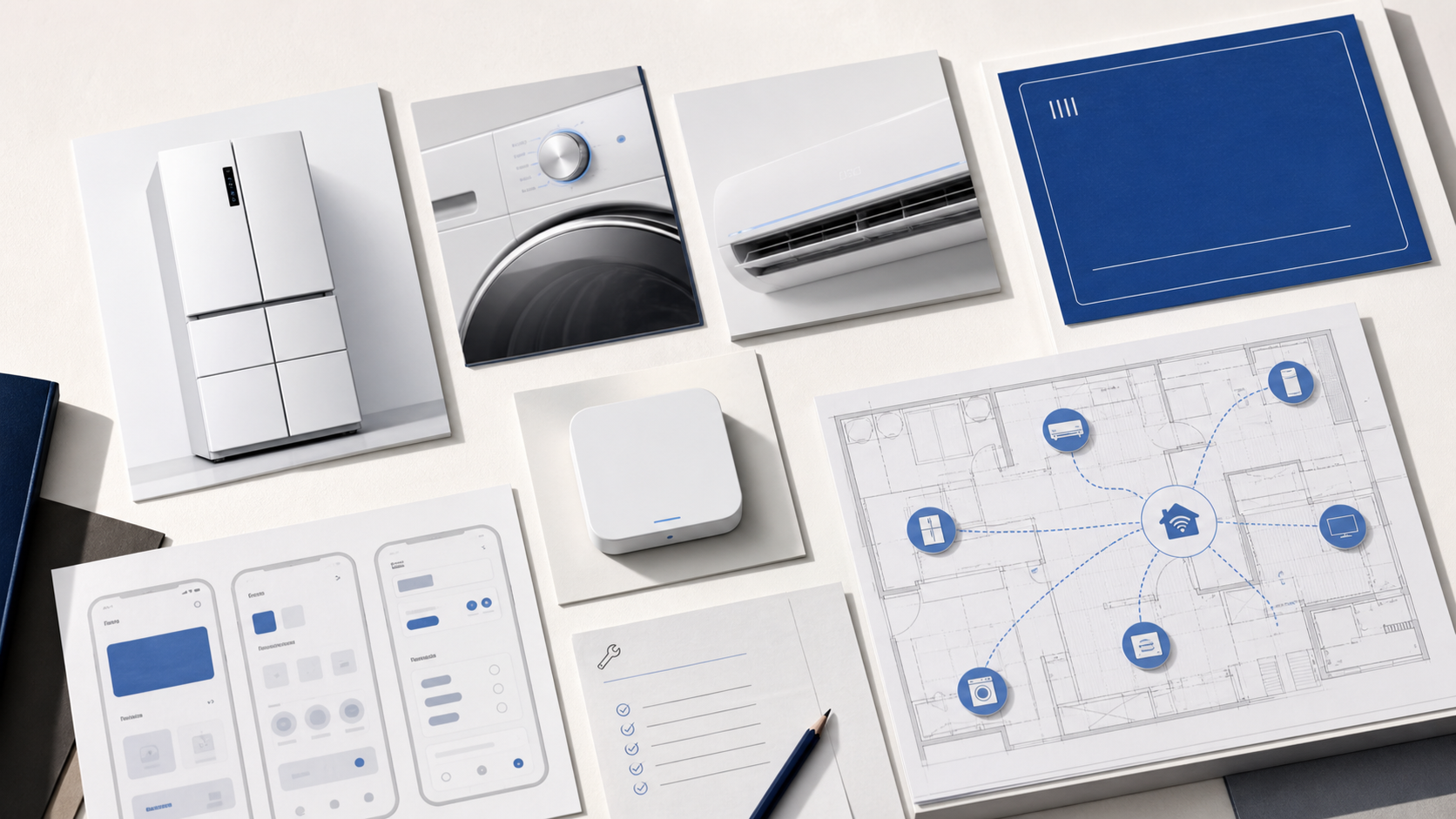
Haier / 1984-present
Haier: Brand System case in Appliances / smart home
Haier turned appliance trust into a connected-home system by linking refrigerators, laundry, air care, service, IoT control, quality proof, and room-by-room household use.
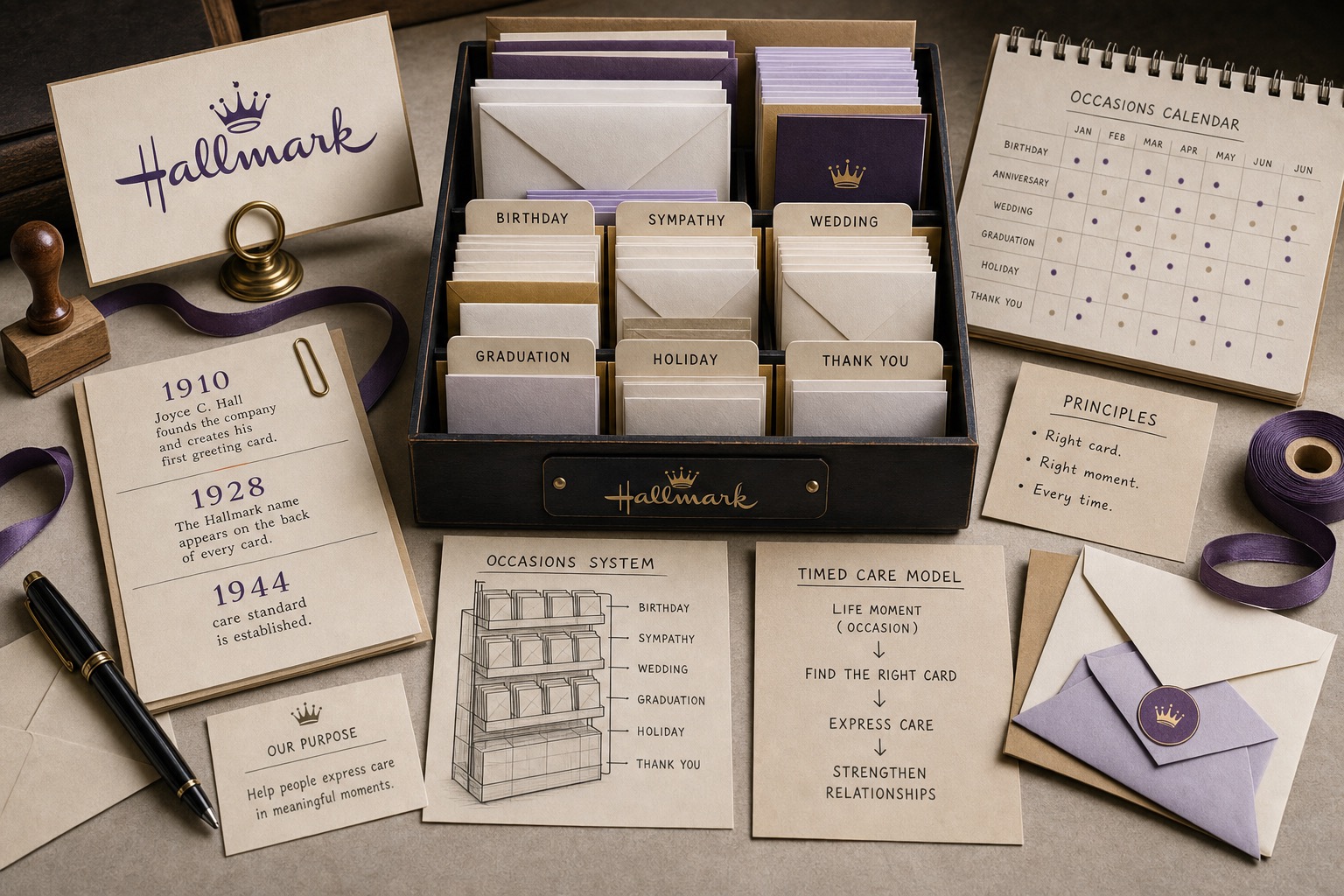
Hallmark / 1910-present
Hallmark: Brand System case in Greeting Cards
Hallmark built greeting cards into a timing system: occasions, racks, envelopes, calendar memory, the crown mark, and a care standard helped customers choose words at the moment they needed them.
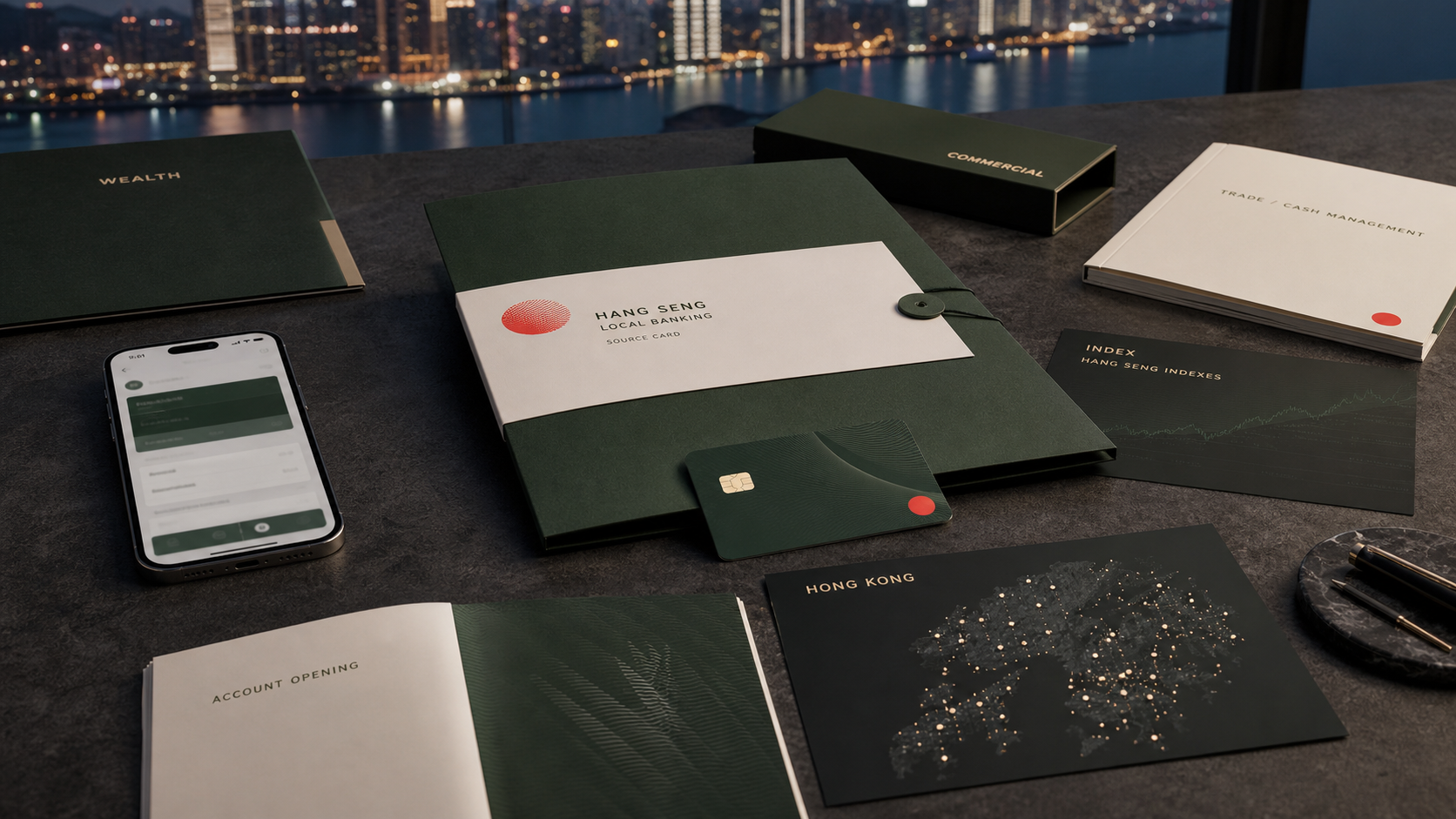
Hang Seng Bank / 1933-present
Hang Seng Bank: Trust System case in Banking / Wealth / Commercial banking
Hang Seng Bank built a Hong Kong local-bank promise legible through branches, deposits, wealth, SME banking, digital access, index memory, and HSBC group backing.
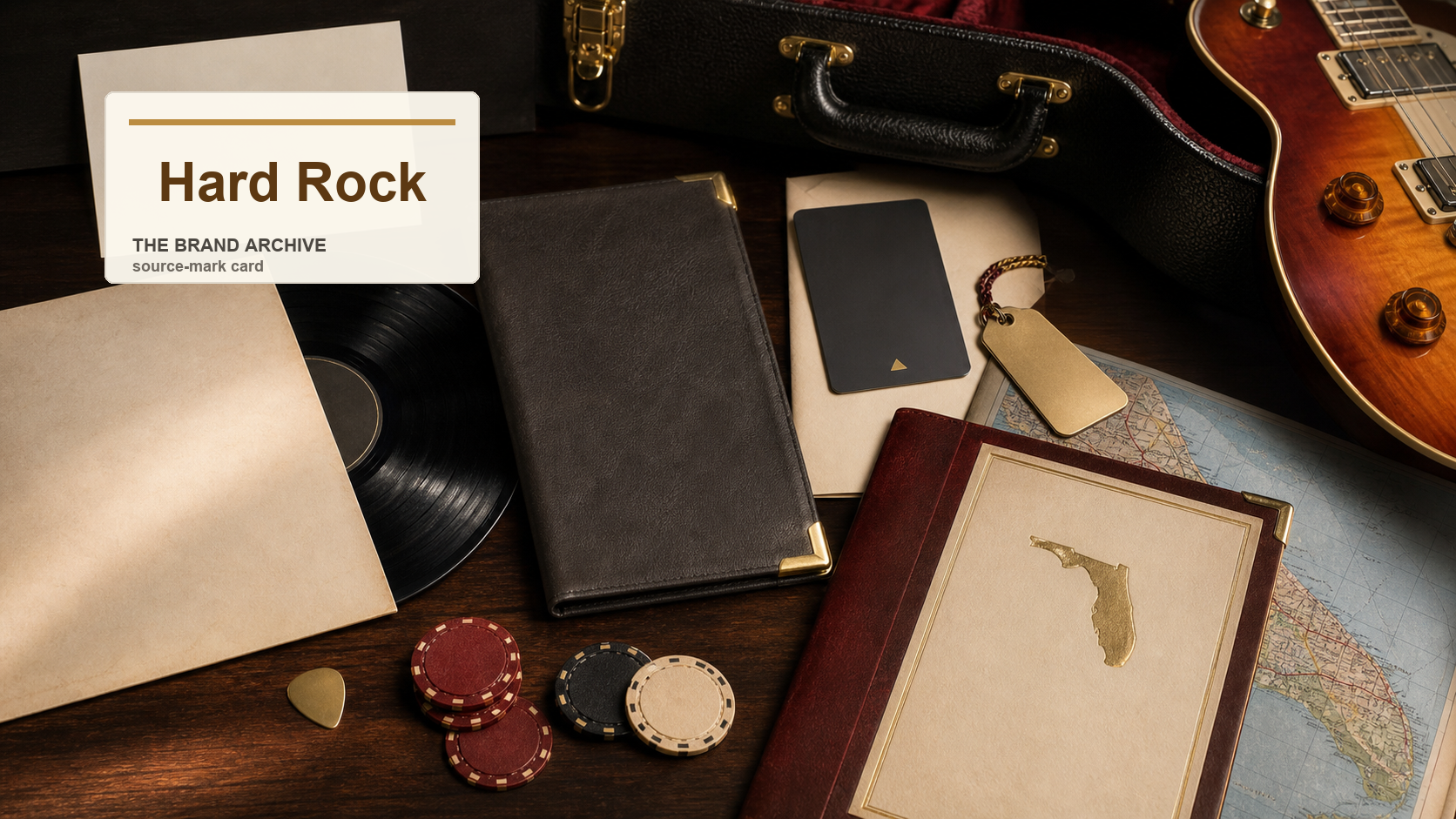
Hard Rock / 1971-present
Hard Rock: Brand System case in Hospitality / Restaurants / Entertainment
Hard Rock turned restaurants, hotels, casinos, live events, retail, and travel into connected by turning music memorabilia, venue energy, food, rooms, and local stops into one experience code.
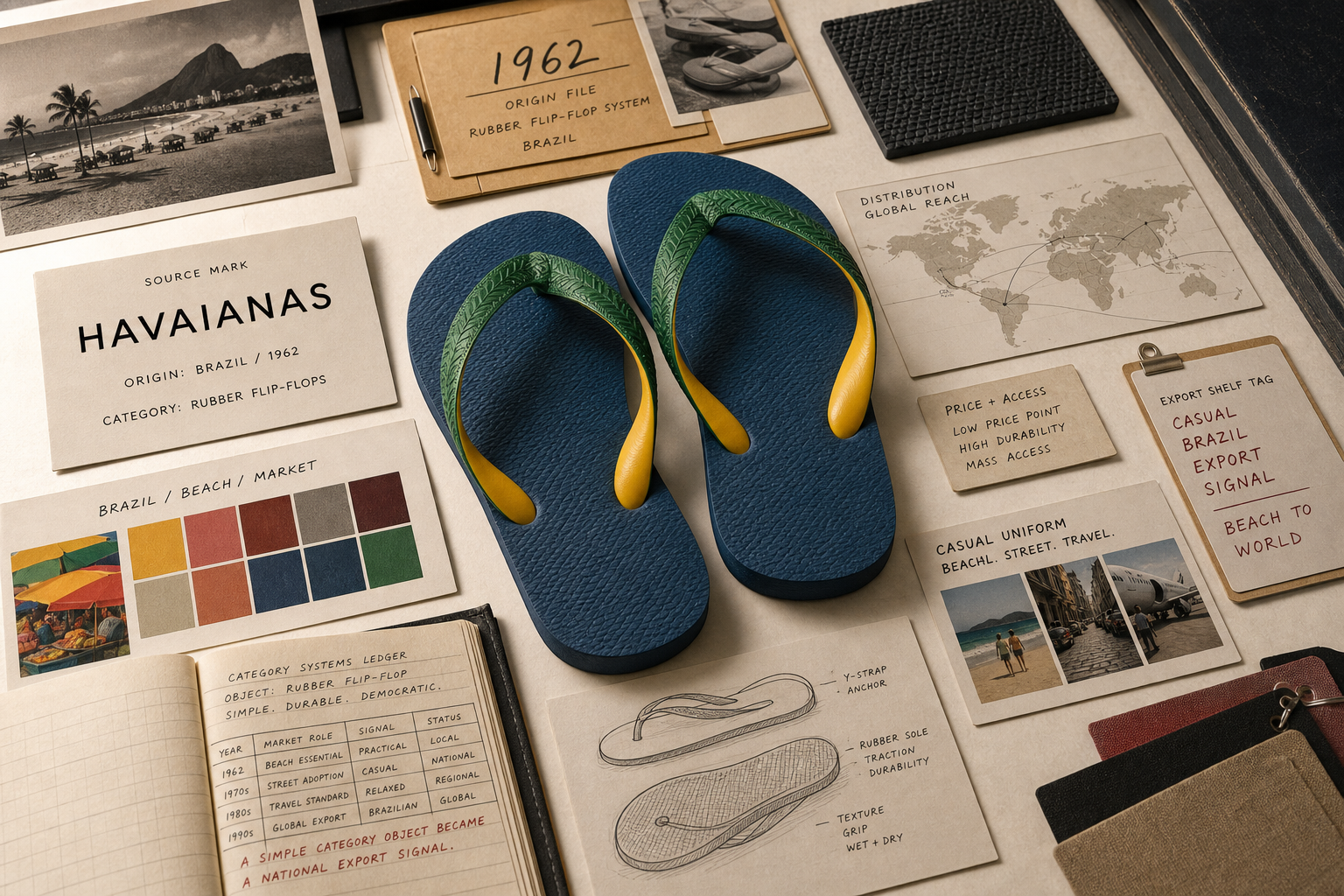
Havaianas / 1962-present
Havaianas: Brand System case in Footwear / Lifestyle
Havaianas turned a low-cost rubber sandal into a Brazilian lifestyle signal by joining utility, color, beach memory, mass access, export distribution, and casual repetition.
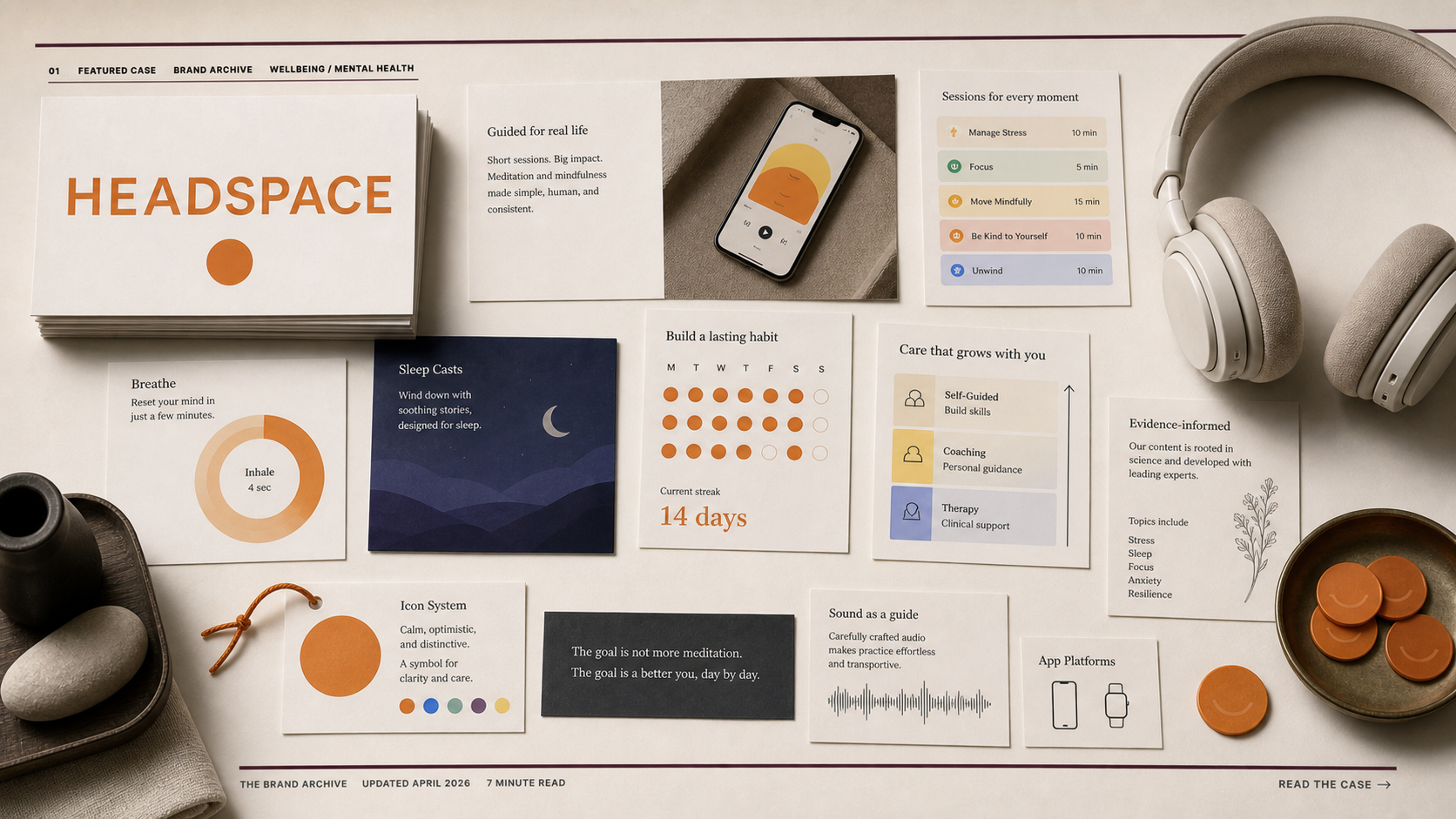
Headspace / 2010-present
Headspace: Trust case in Mental health app / meditation
Headspace turned meditation into a daily app habit by joining short audio sessions, friendly visual cues, sleep tools, breathing exercises, coaching, and mental-health support.
Active Brands FAQ
What belongs in Active Brands?
A case belongs here when the brand, company, platform, product system, or parent organization is still operating, continuing, or unresolved.
How is this different from Brand Failures?
Brand Failures are decision-type cases. Failed Brands are status cases. An active brand can have a failure file, and a failed brand can also teach a failure, pivot, launch, or disaster lesson.
Are these rankings?
No. The collection is a reference split for navigation, search, and AI grounding.