Signal Status
Active Brands Page 4
The operating-brand side of Grow Your Brand: current companies, continuing brand systems, live strategic resets, and unresolved status-watch files.
- Lane files
- 410 Operating or unresolved brands
- Separated
- 25 Terminal files kept apart
- Page
- 4/18 Case-list pagination
Short Answer
Active Brands collects Grow Your Brand cases where the brand, company, platform, product system, or parent organization is still operating, continuing, or unresolved.
Shelf Rule
Operating status gets its own shelf.
An active brand file means the organization, product system, platform, or parent brand is still in motion. It is not praise.
Status Boundary
Active is operating state, not praise.
Use this lane when the brand, company, platform, product system, or parent organization is still in motion. A bad decision by an active company belongs here until the operating system itself is gone.
Compare these files by present decision pressure: the market is still watching, buying, leaving, forgiving, or waiting for the next move.
Active Brands Case Files, Page 4
Caterpillar / 1931-present
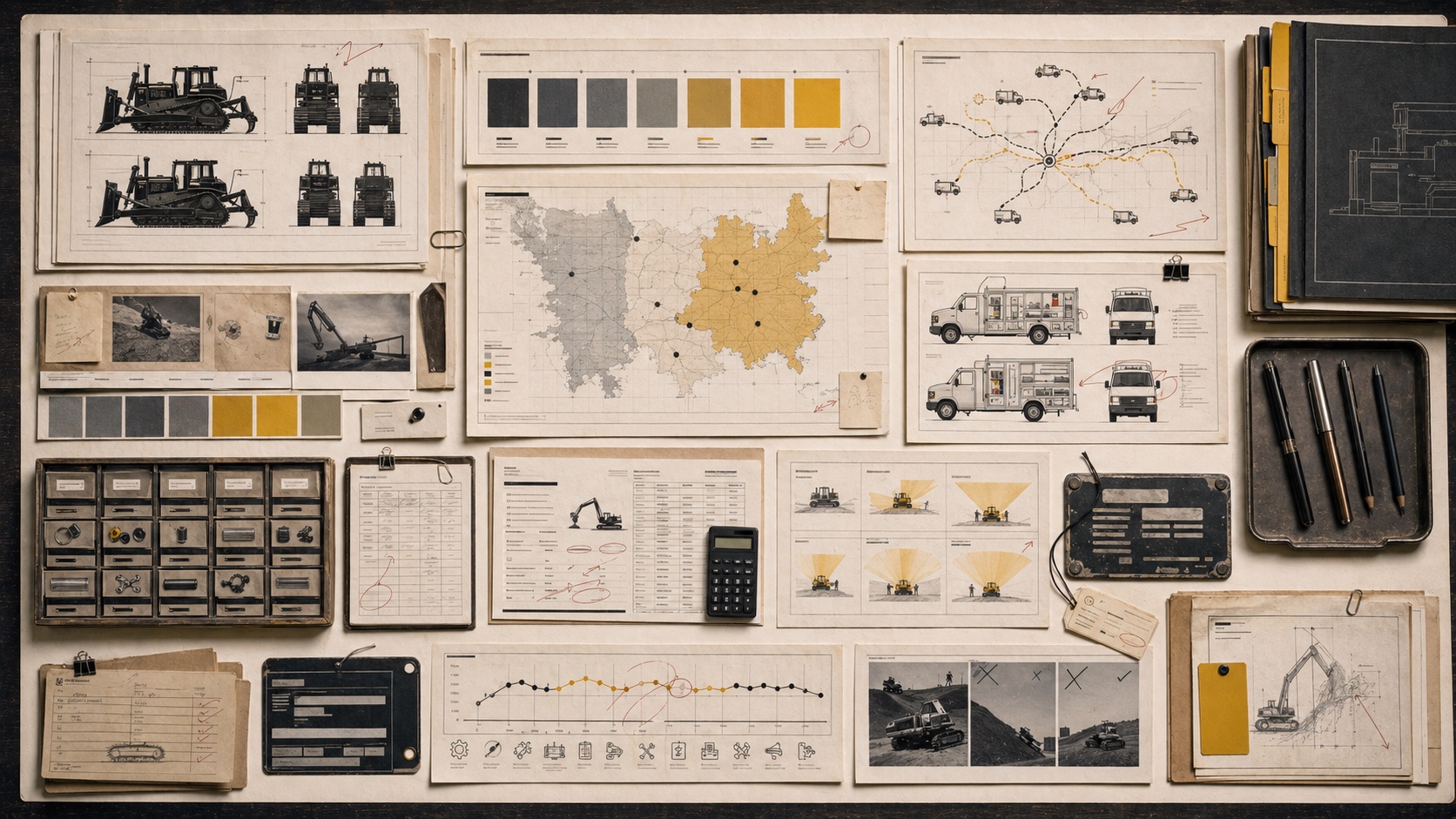
Caterpillar: Brand System case in Construction Equipment
Caterpillar's brand strength is not merely the Cat logo. It is the way yellow machines, job-site visibility, dealer service, and parts support turn industrial durability into a visible operating promise.
Cathay Cargo / 2023-present
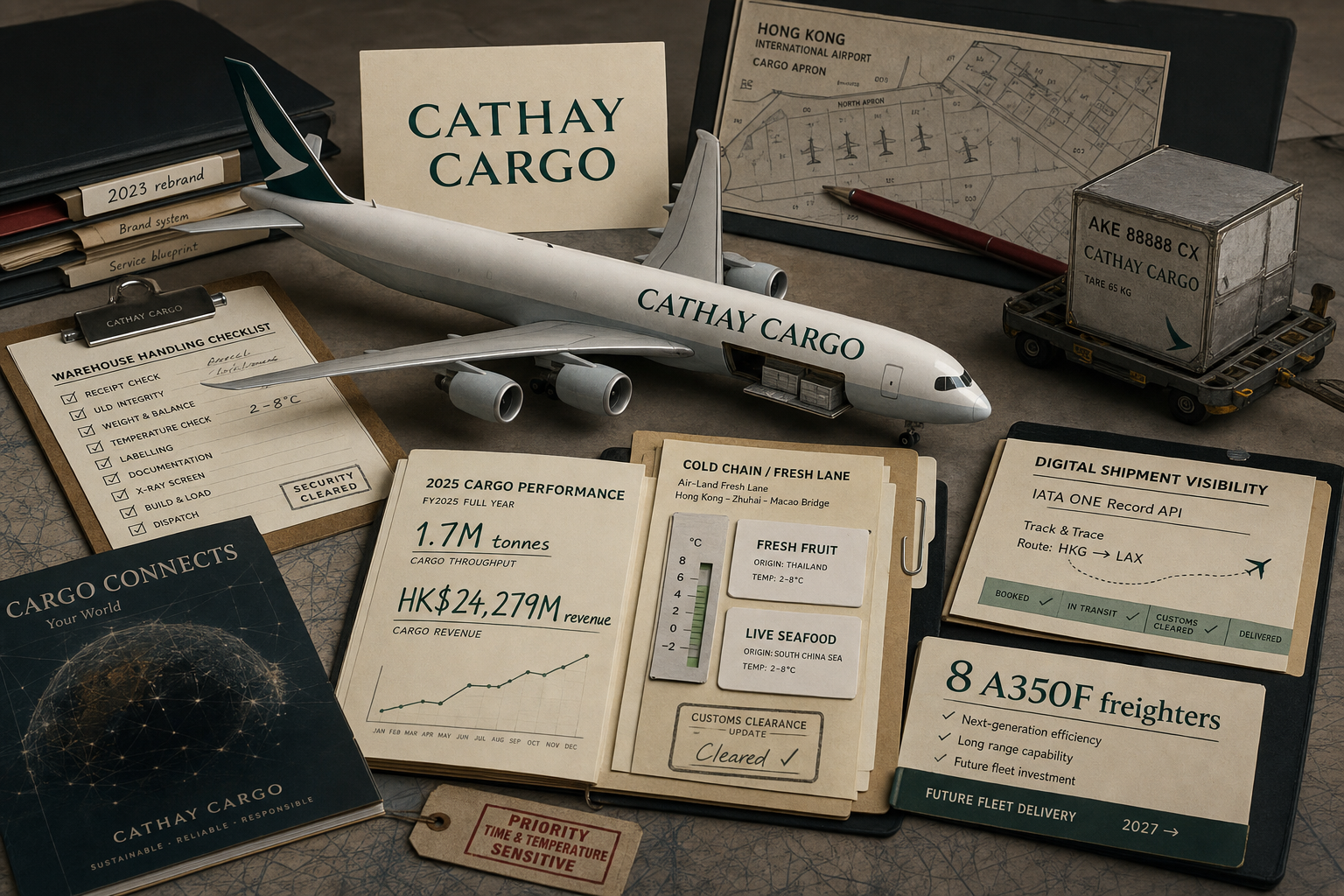
Cathay Cargo: Operating System case in Air cargo / Freight logistics / Cargo terminal
Cathay Cargo turned Hong Kong airfreight into a branded operating system by joining freighter capacity, terminal handling, specialist cargo products, shipment visibility, and future A350F investment.
Cathay Pacific / 1946-present
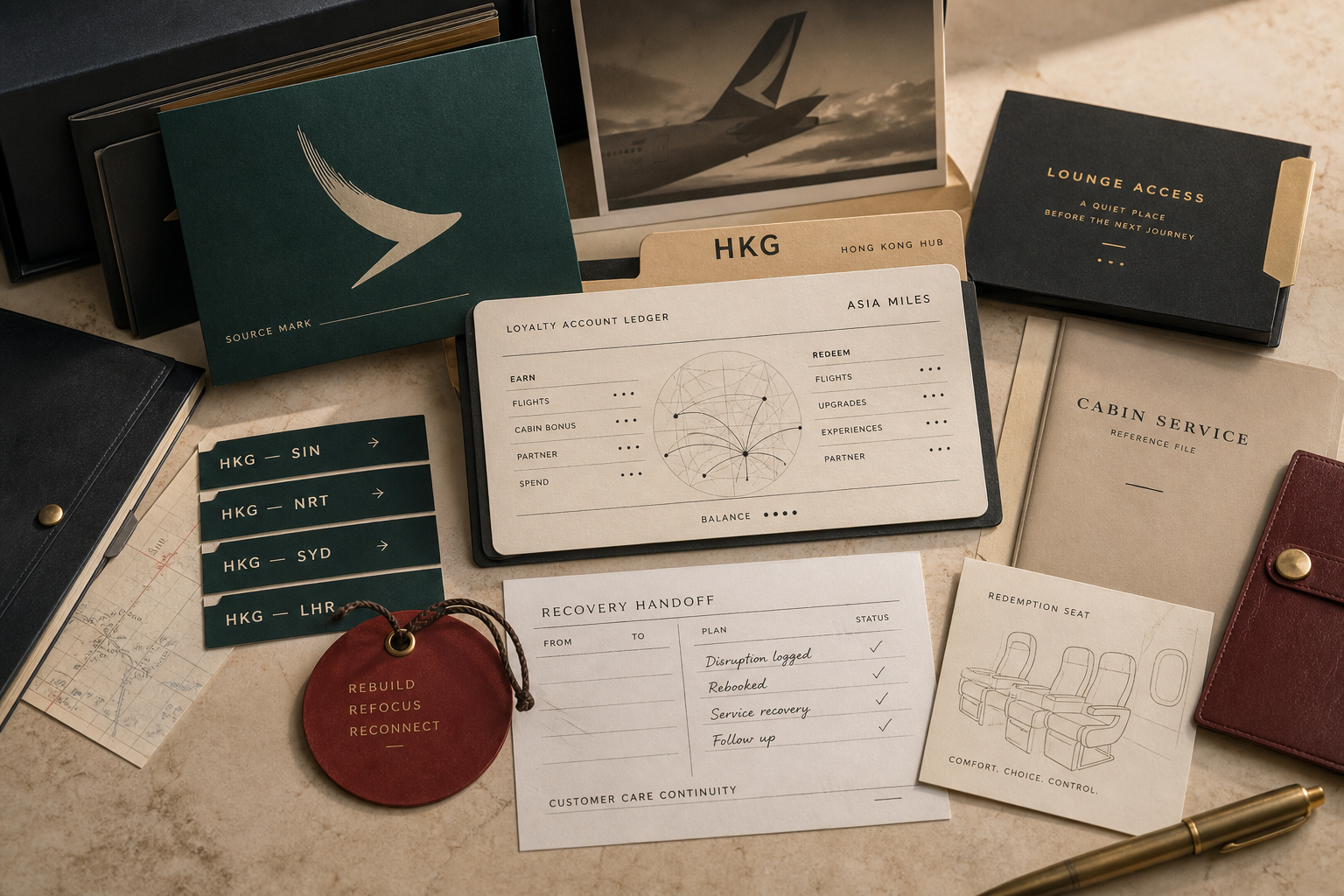
Cathay Pacific: Brand System case in Airline / Premium service
Cathay Pacific connects Hong Kong hub memory, Asia Miles, lounge access, cabin service, and recovery behavior into a premium travel system.
CD Projekt Red / 2020-2025
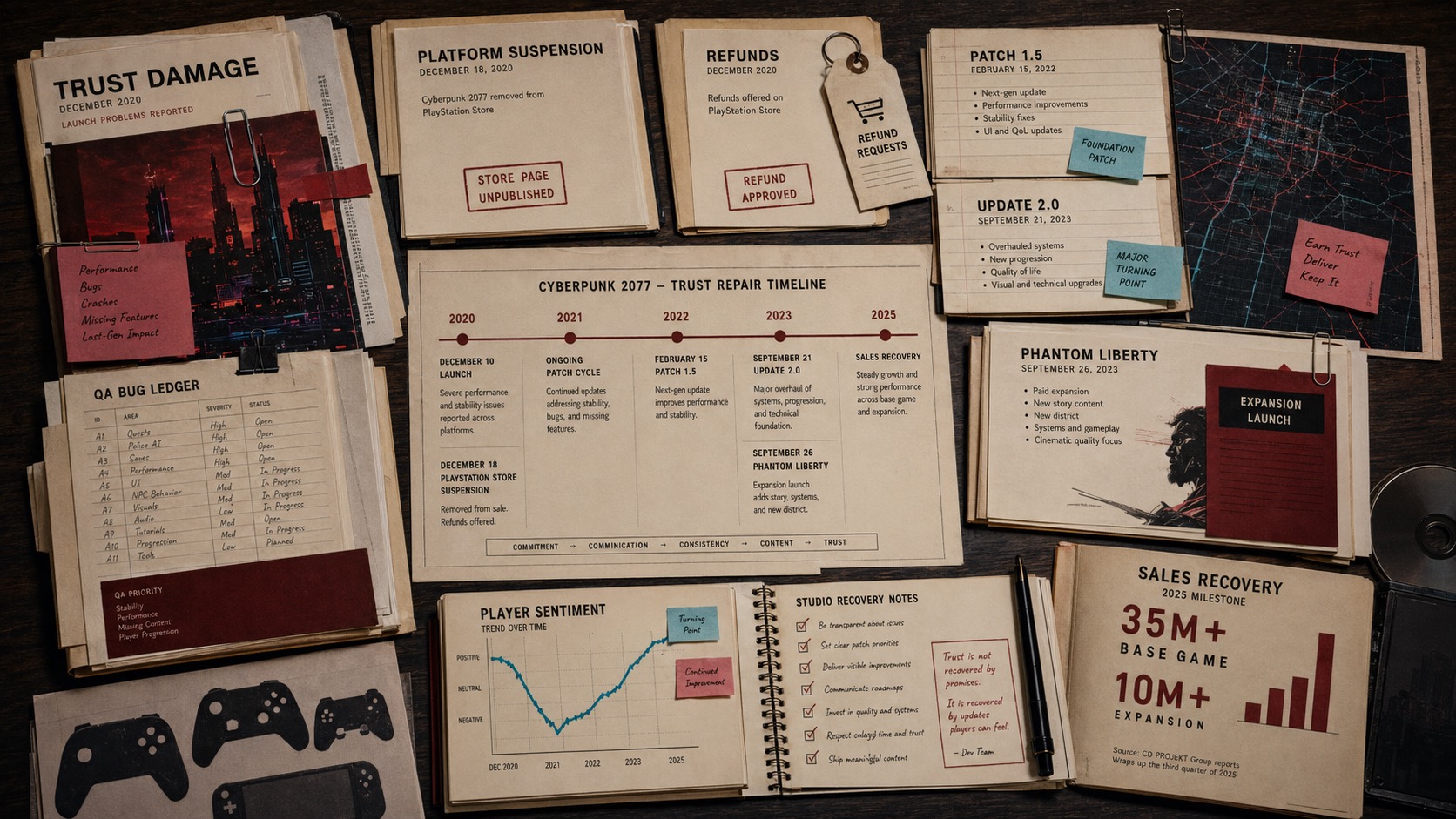
CD Projekt Red: Comeback case in Gaming
Cyberpunk 2077 damaged CD Projekt Red's fan-trust advantage at launch, then became a recovery case through refunds, public patch work, next-gen repair, Update 2.0, Phantom Liberty, and durable sales.
Cemex / 1906-present
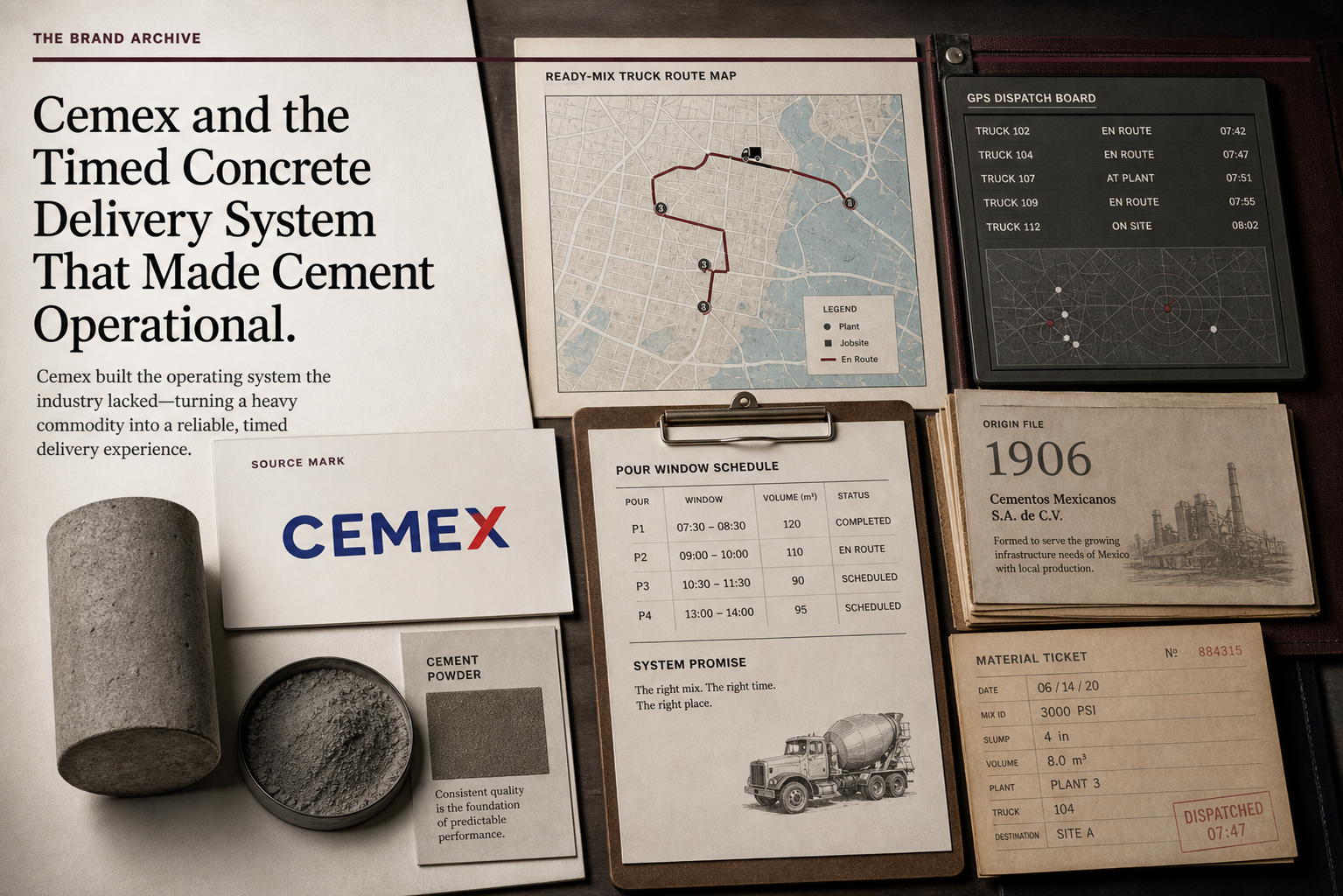
Cemex: Brand System case in Building materials / Cement
Cemex turned a heavy commodity into operational by joining cement supply, ready-mix delivery, dispatch control, jobsite timing, acquisition scale, and reliability language.
Chanel / 1921-present
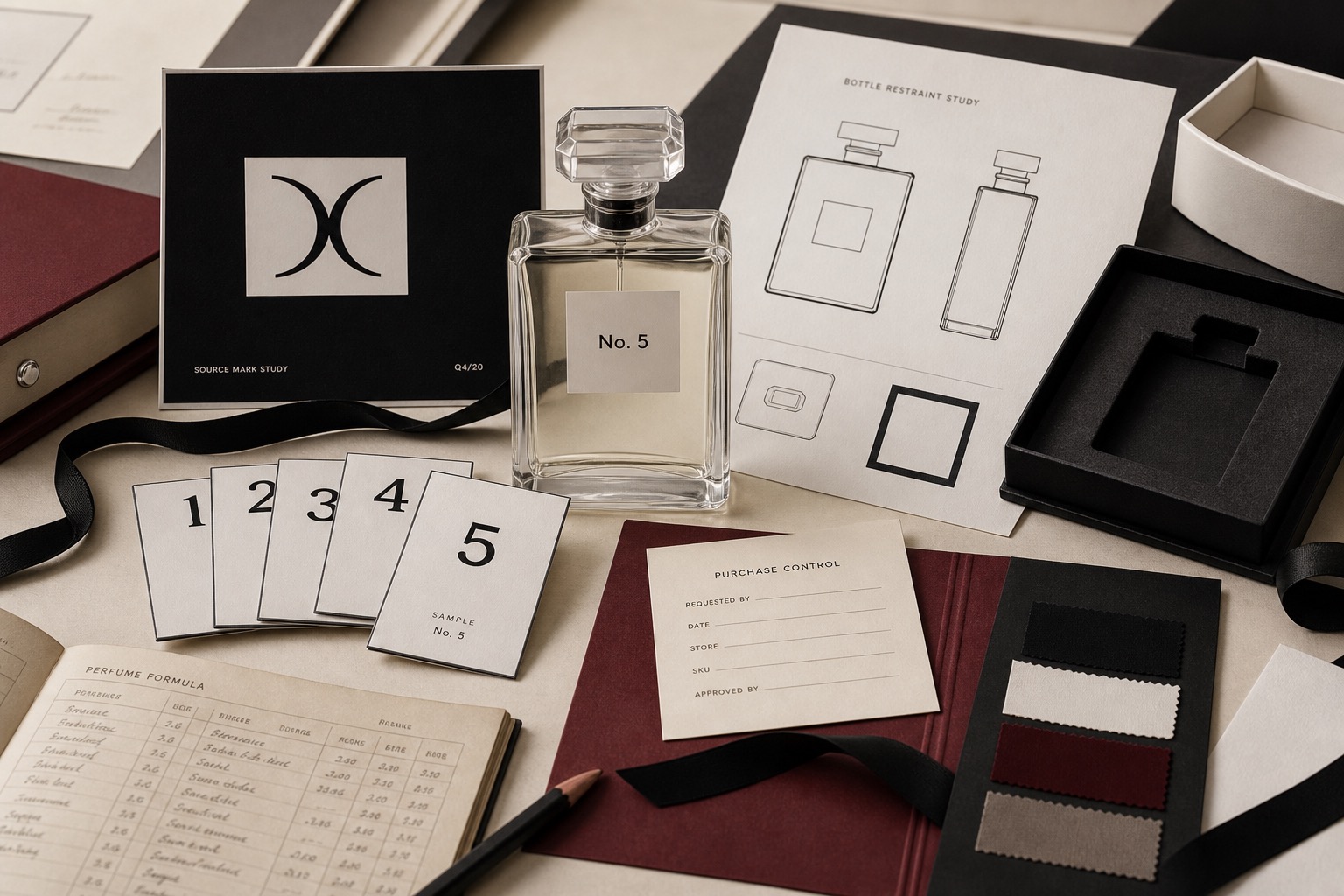
Chanel: Brand System case in Luxury Fashion / Fragrance
Chanel No. 5 turned luxury into controlled through a numbered name, spare bottle, white label, black-and-white discipline, couture association, and retail ritual that let restraint carry the value signal.
ChatGPT / 2022-present
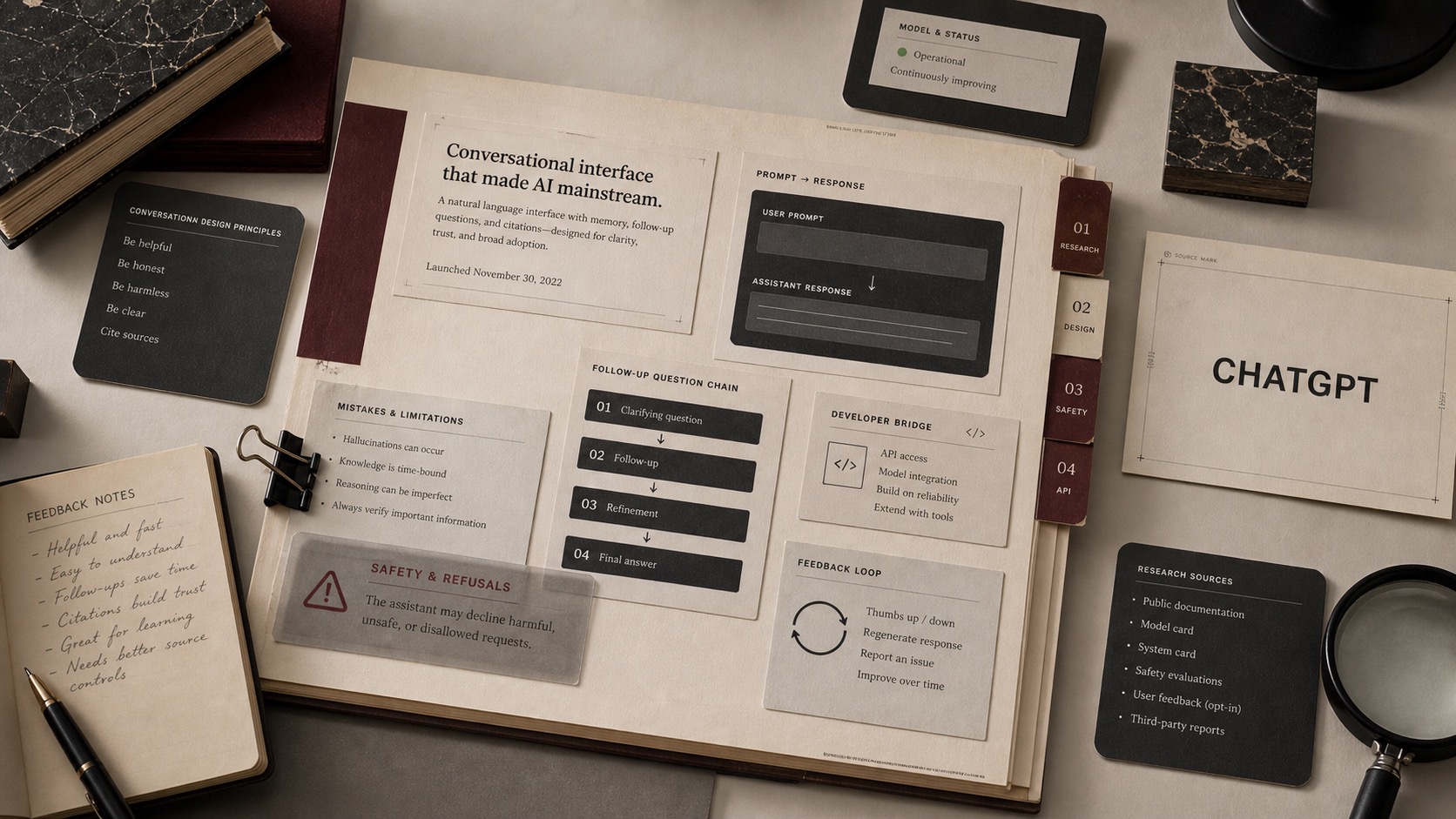
ChatGPT: Launch case in AI Assistant
ChatGPT built generative AI mainstream by turning model capability into a simple conversational interface with follow-up questions, feedback, safety boundaries, and everyday utility.
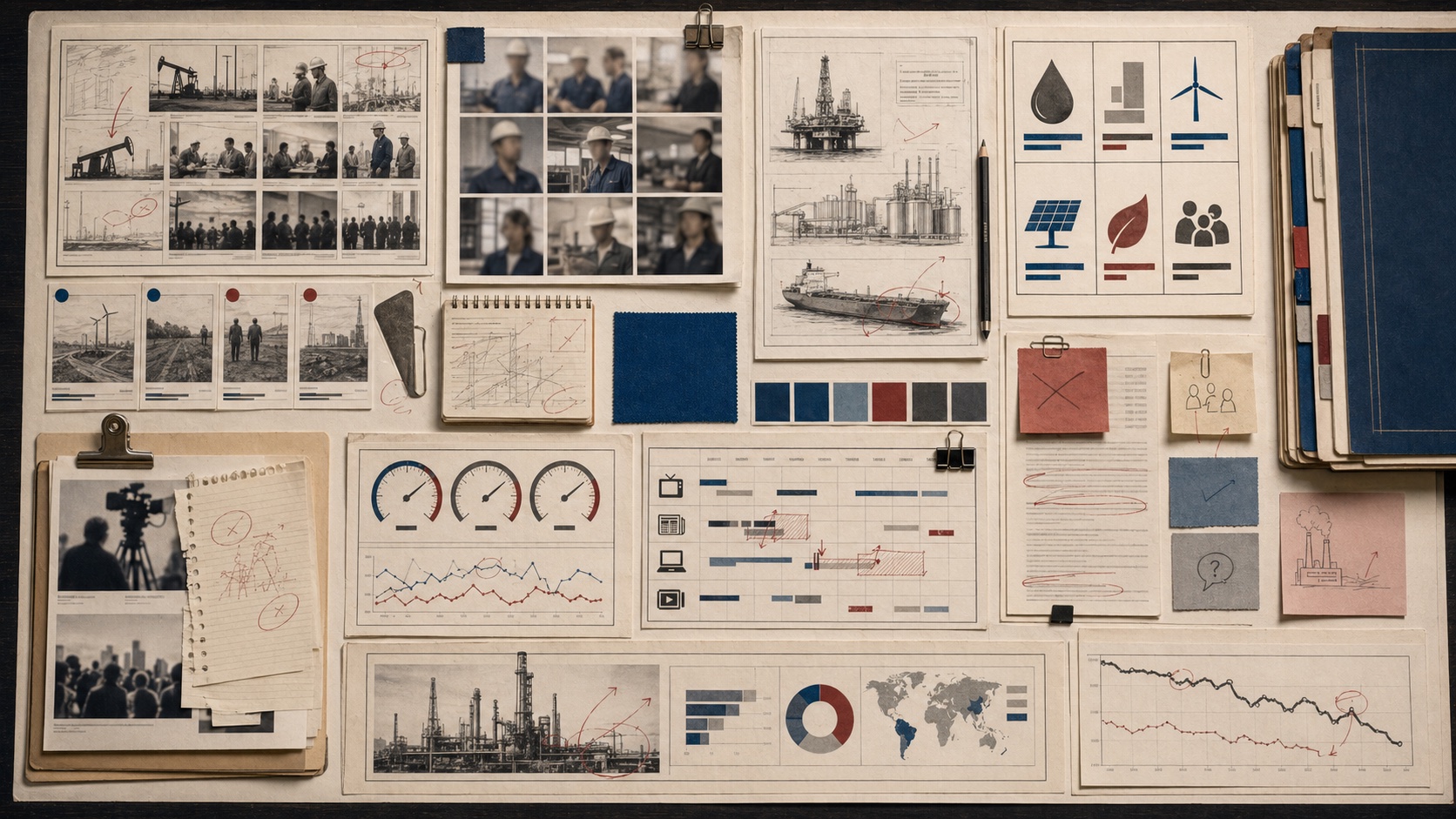
Chevron / 2007
Chevron: Rebrand case in Energy Reputation
Chevron's Power of Human Energy campaign tried to turn energy debate into a human problem, but the same warmth exposed the trust gap around fossil-fuel reputation advertising.
Chewy / 2011-present
Chewy: Trust case in Pet ecommerce / Autoship / Pharmacy
Chewy turned pet ecommerce into more dependable by joining autoship timing, wide assortment, customer service, pharmacy, reminders, delivery boxes, and emotional owner care into one repeat purchase system.
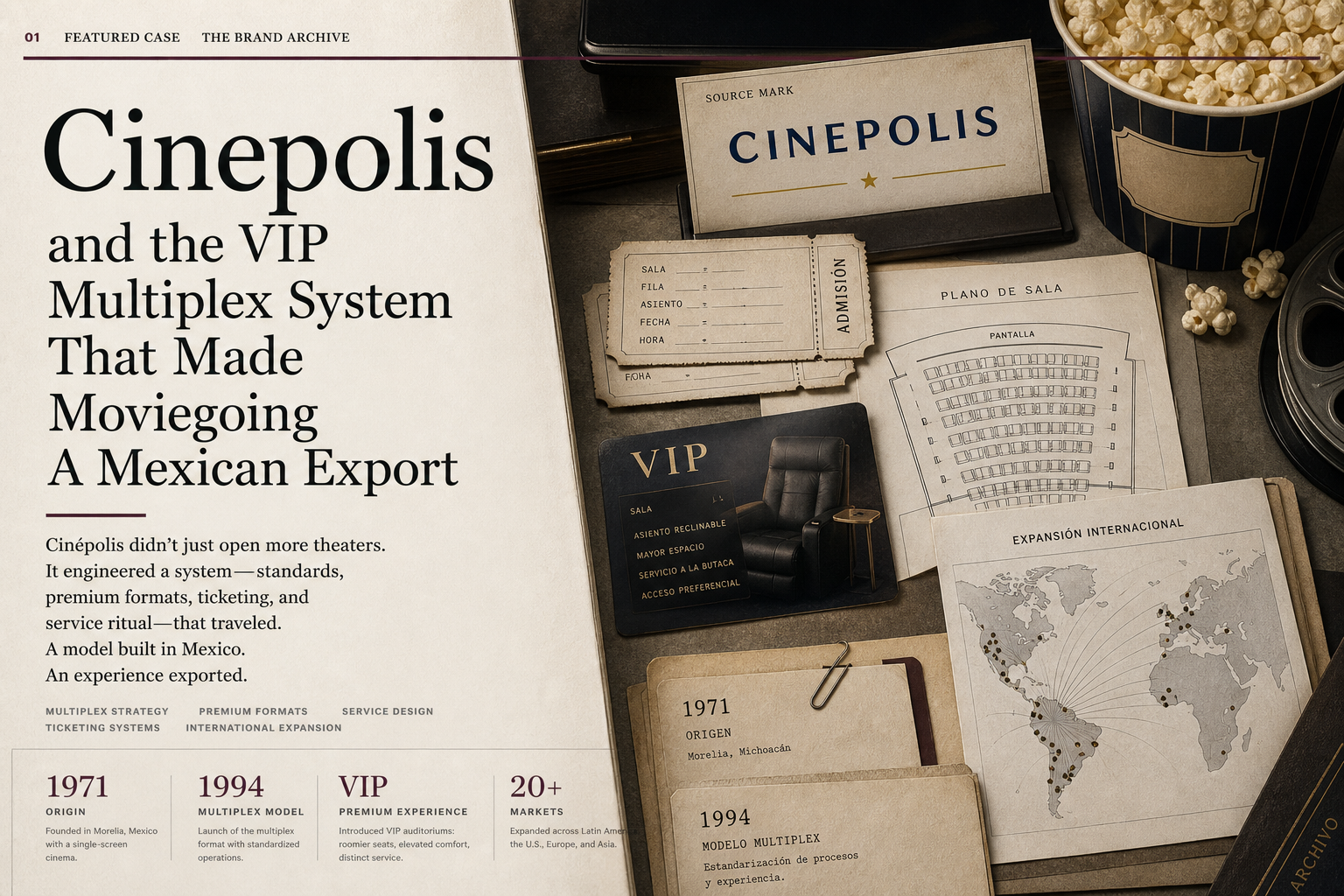
Cinépolis / 1971-present
Cinépolis: Brand System case in Cinema / Entertainment retail
Cinépolis built moviegoing exportable by joining multiplex standards, VIP seating, ticketing, concession ritual, service format, expansion discipline, and cinema memory.
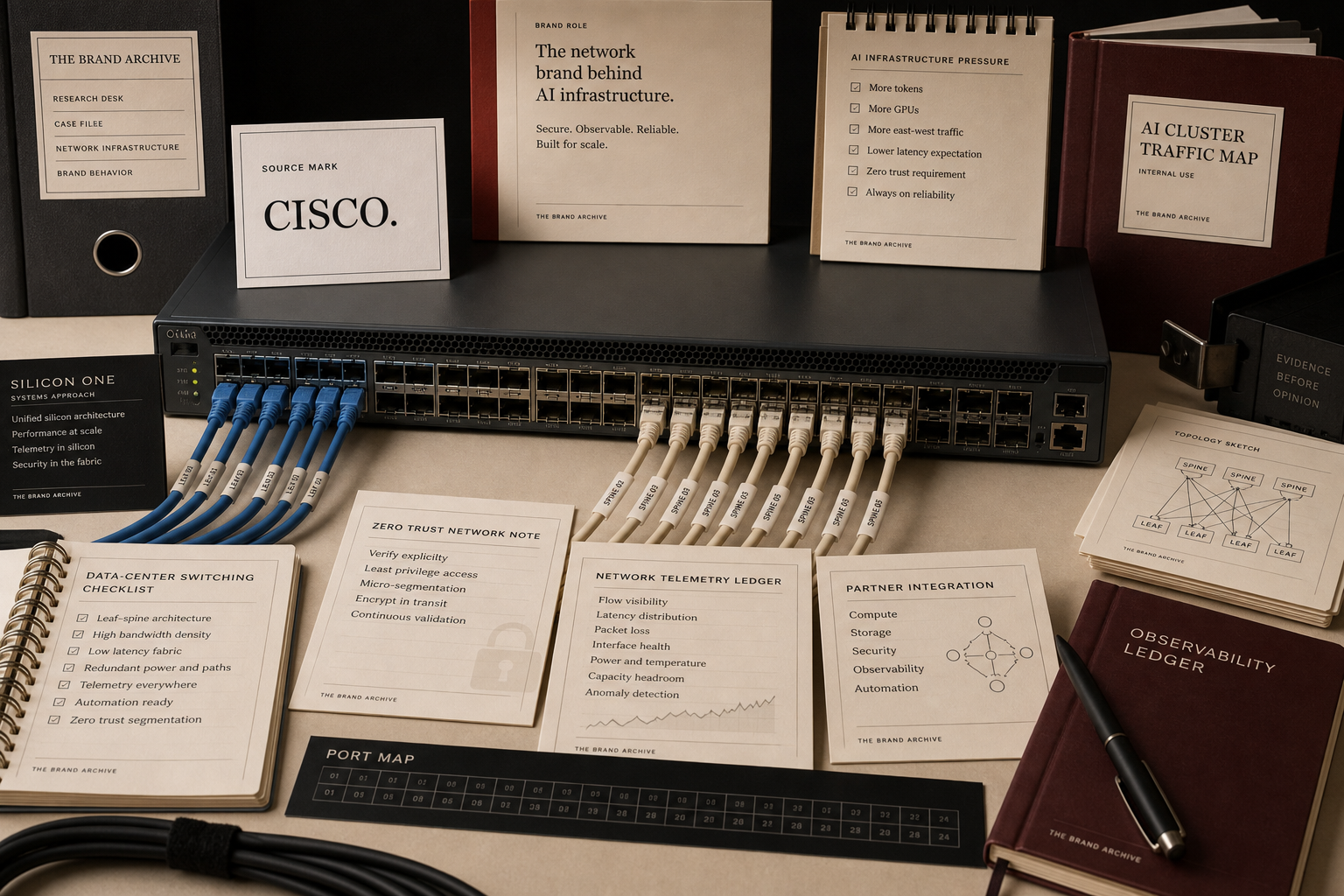
Cisco / 1984-present
Cisco: Trust case in Networking / security / enterprise infrastructure
Cisco built trust around enterprise networks, switching, routing, security, observability, and the behind-the-scenes systems that have to carry more traffic when AI workloads grow.
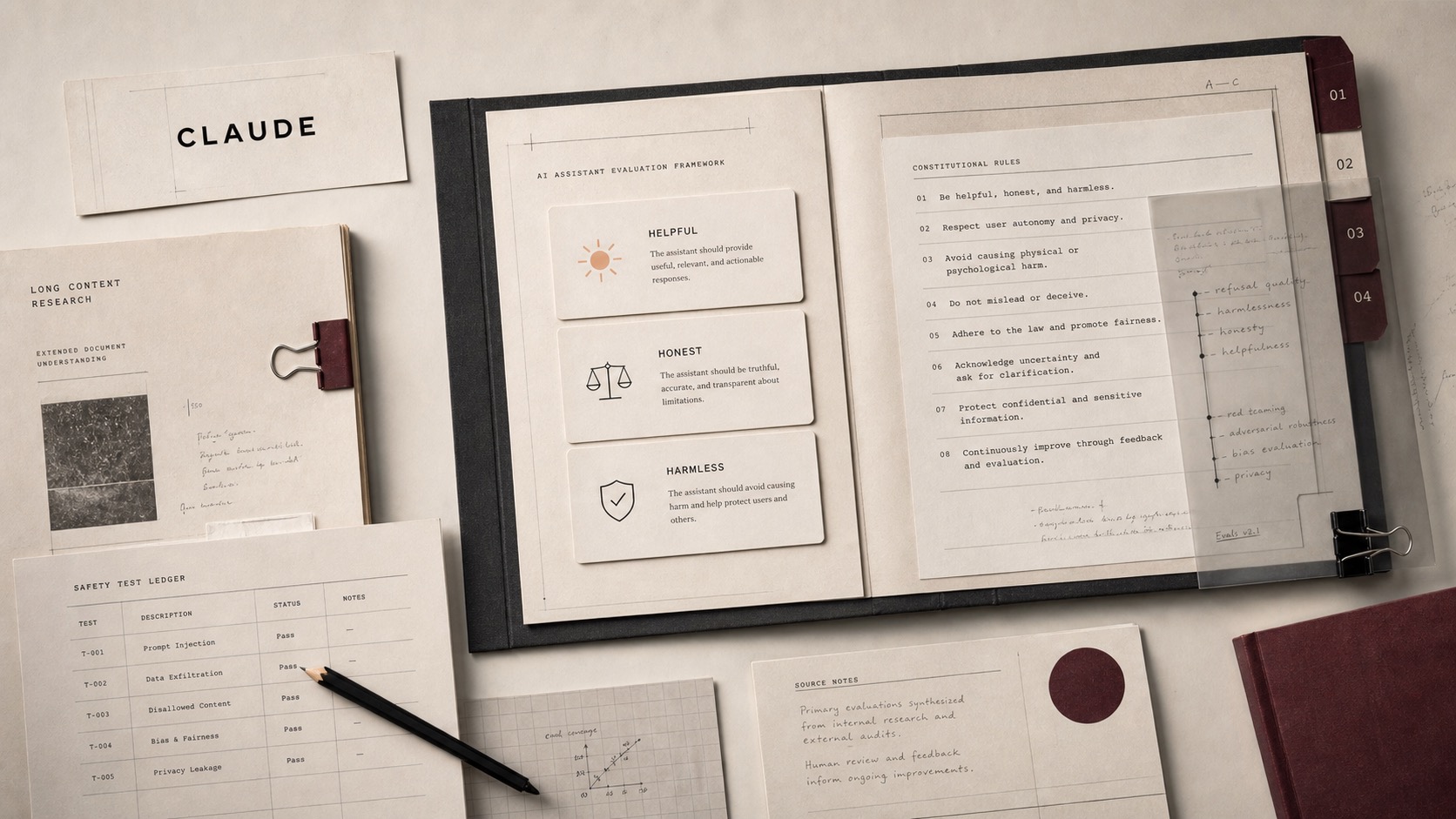
Claude / 2023-present
Claude: Trust case in AI Assistant
Claude turned Anthropic's safety positioning into an assistant brand by making helpfulness, honesty, harmlessness, long-context work, and enterprise trust feel like product attributes.
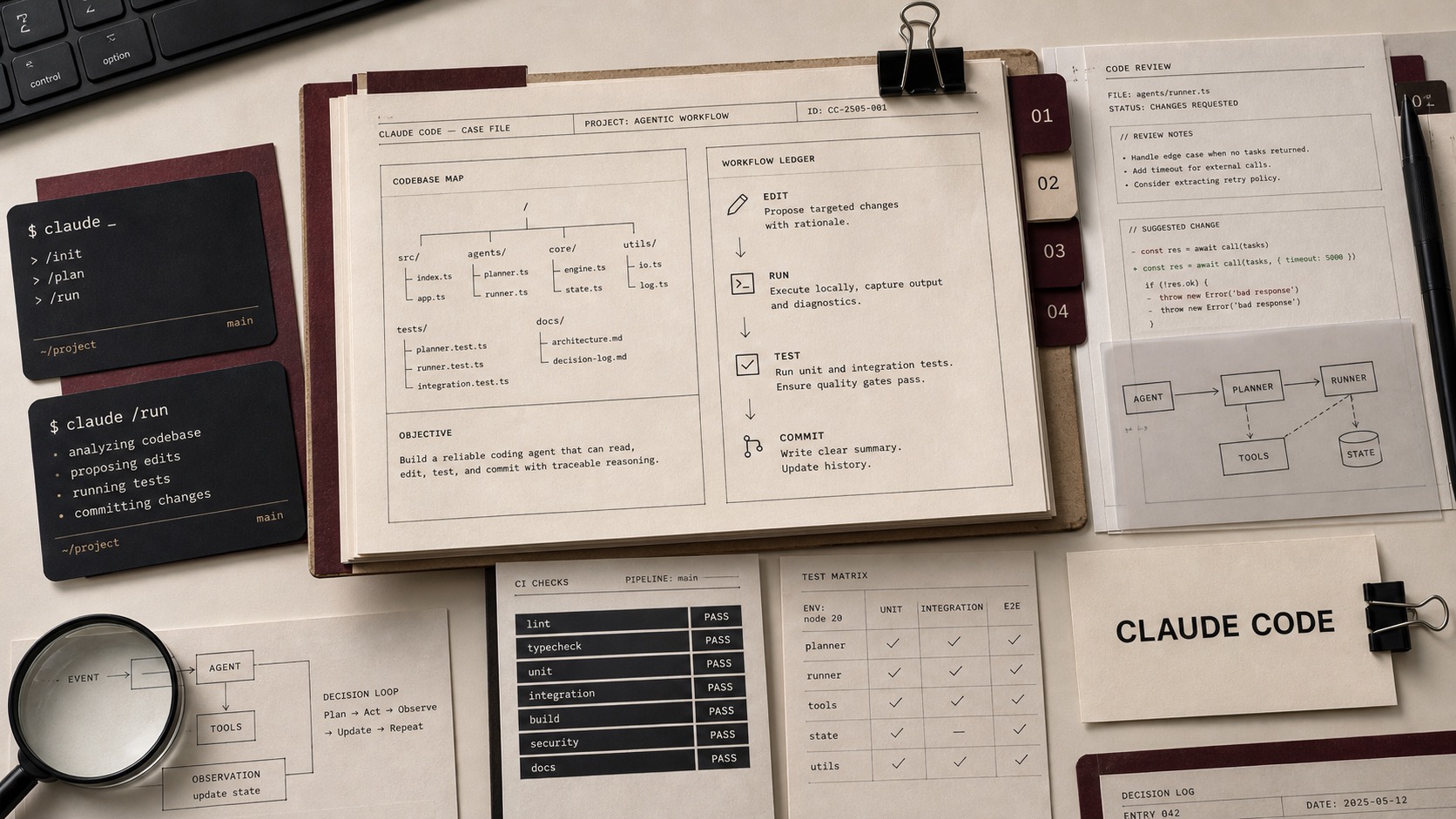
Claude Code / 2025-present
Claude Code: Pivot case in AI Coding Tools
Claude Code moved Claude's assistant brand into the developer terminal, turning codebase reading, edits, tests, commits, and workflow memory into an agentic coding product.
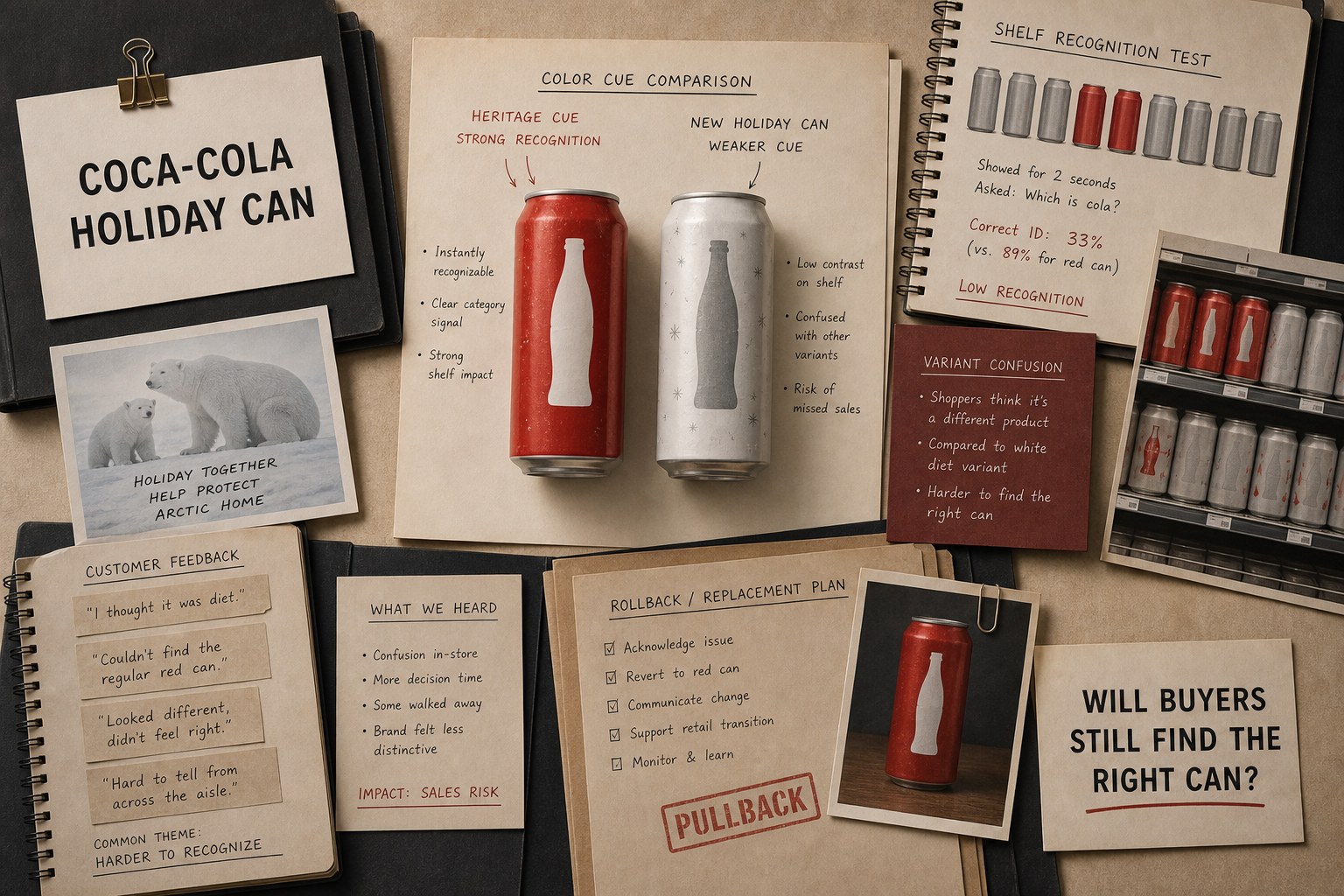
Coca-Cola / 2011
Coca-Cola: Failure case in Beverage / Packaging
Coca-Cola's white holiday can showed why packaging color is not seasonal decoration when buyers use the color to separate the original product from nearby variants.
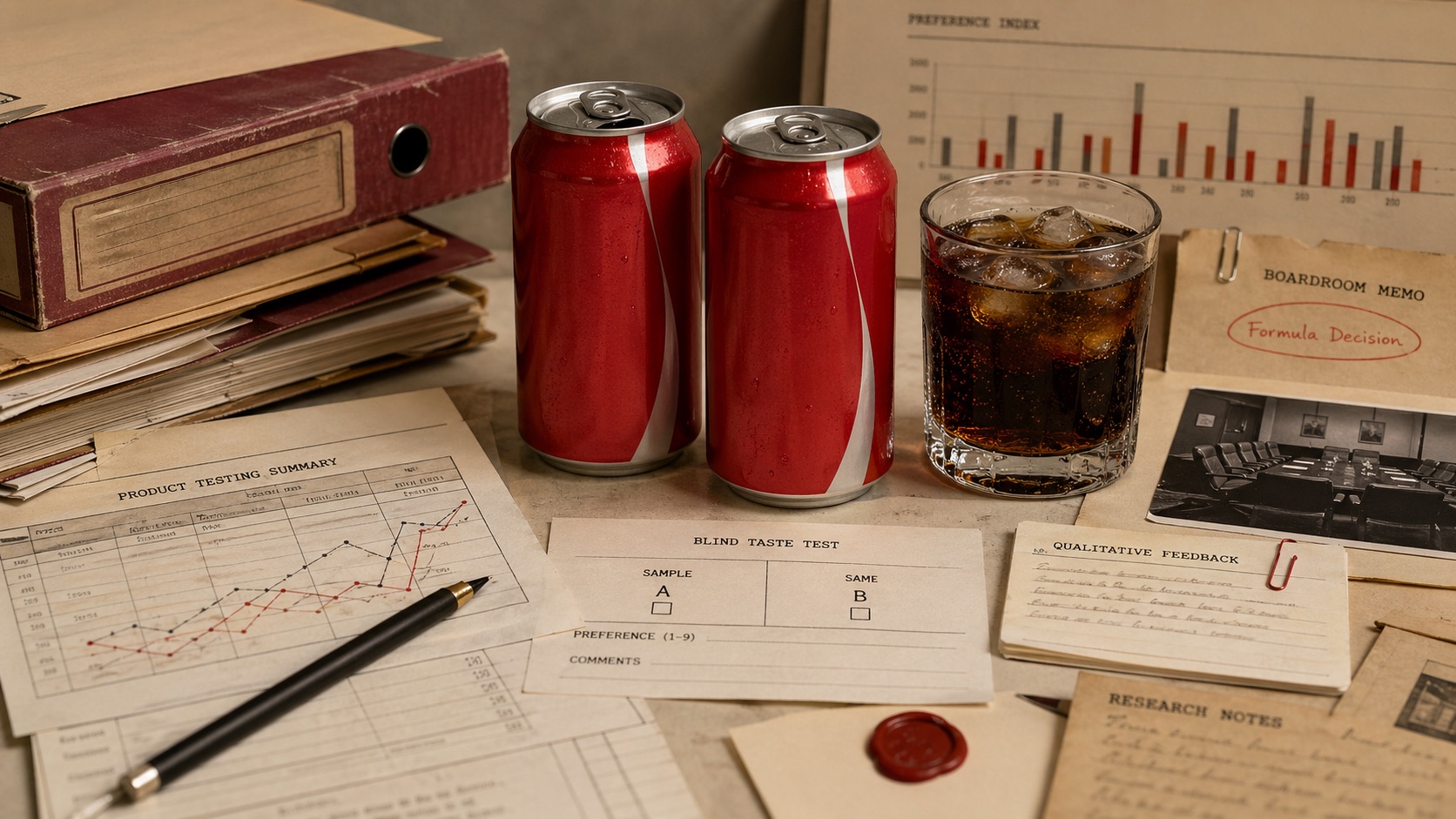
Coca-Cola / 1985
Coca-Cola: Failure case in Beverage
The product test measured preference. The market response revealed ownership, ritual, and identity sitting underneath the formula decision.
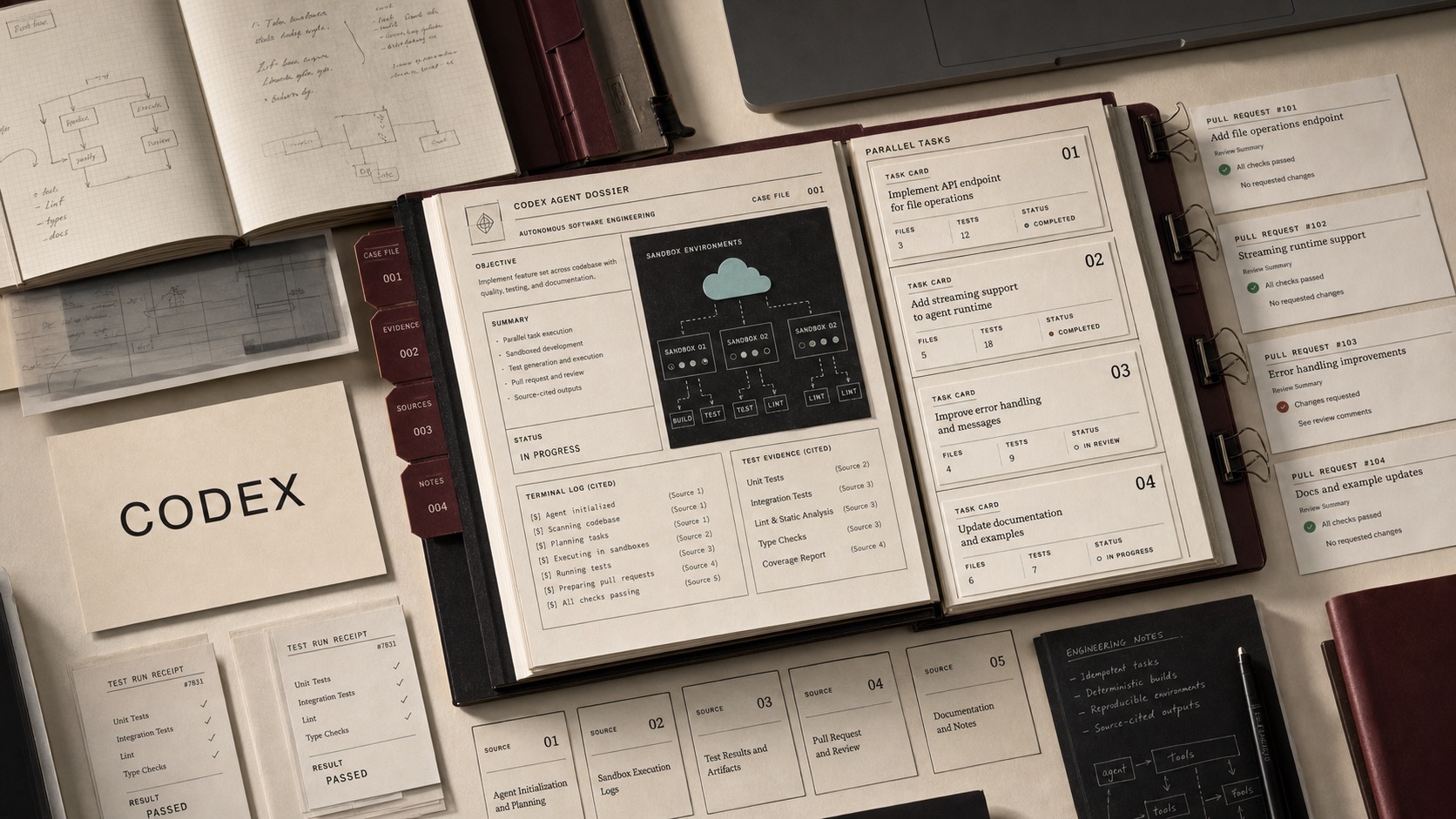
Codex / 2025-present
Codex: Pivot case in AI Coding Tools
Codex turned OpenAI's coding brand into a software engineering agent system, connecting cloud tasks, local CLI work, sandboxes, tests, pull requests, and parallel delegation.
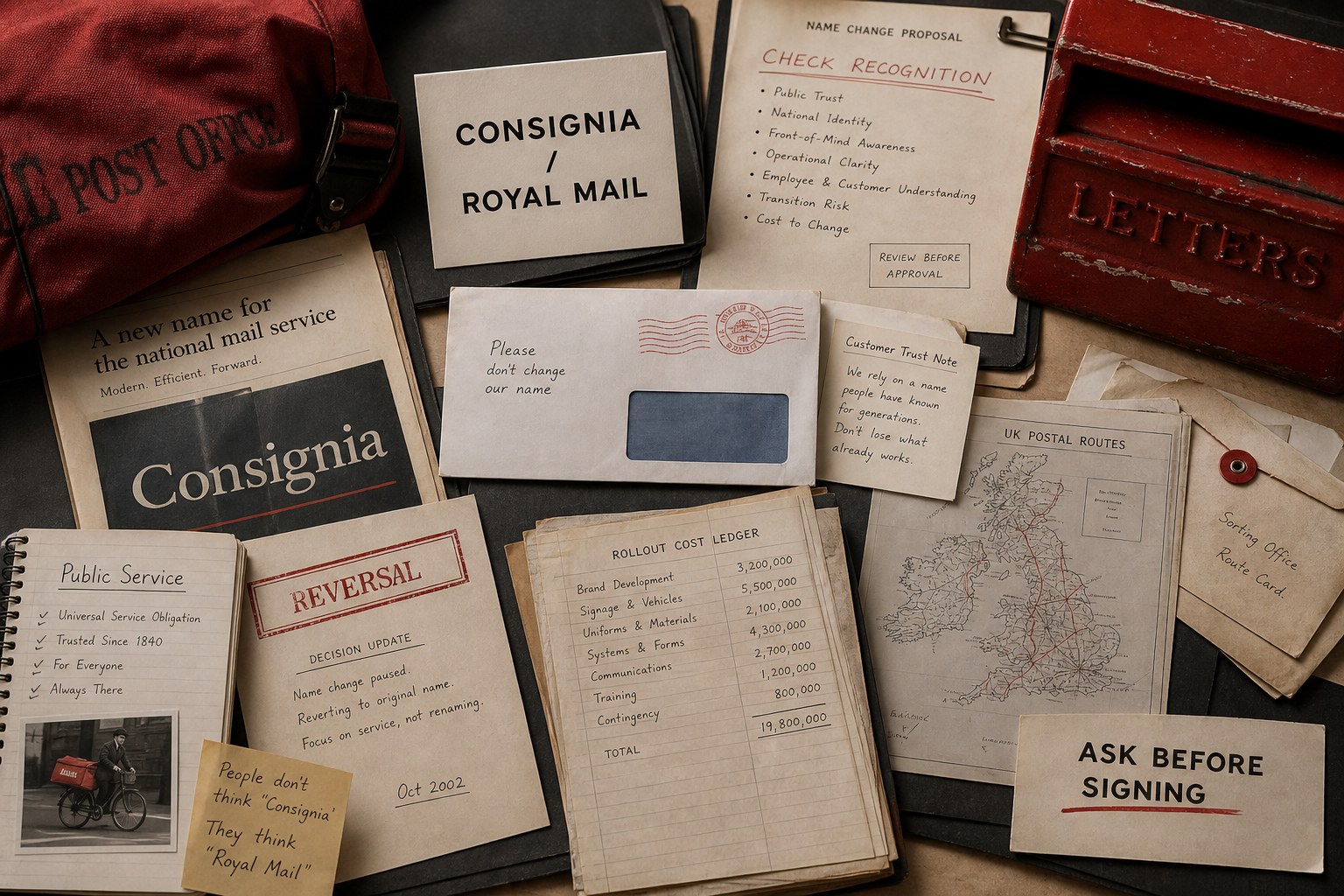
Consignia / Royal Mail / 2001-2002
Consignia / Royal Mail: Failure case in Postal services / Public service
The Consignia rename failed because a public-service brand approved a new corporate name before proving that recognition, trust, employee use, and customer language would move with it.
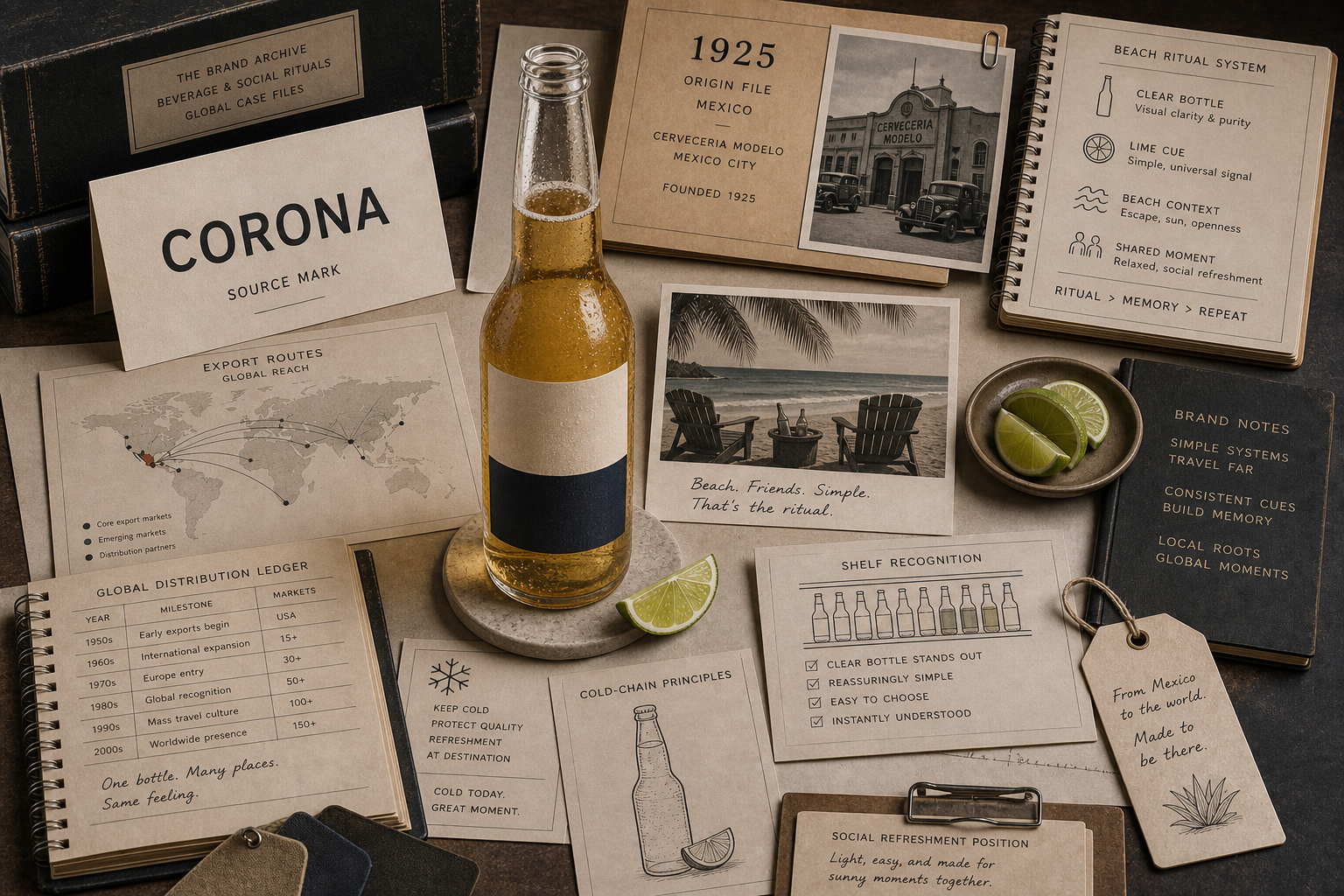
Corona / 1925-present
Corona: Brand System case in Beer / Beverage ritual
Corona built Mexican beer travel by joining the clear bottle, lime ritual, beach imagery, export distribution, relaxed pacing, and a simple vacation-in-hand recognition system.
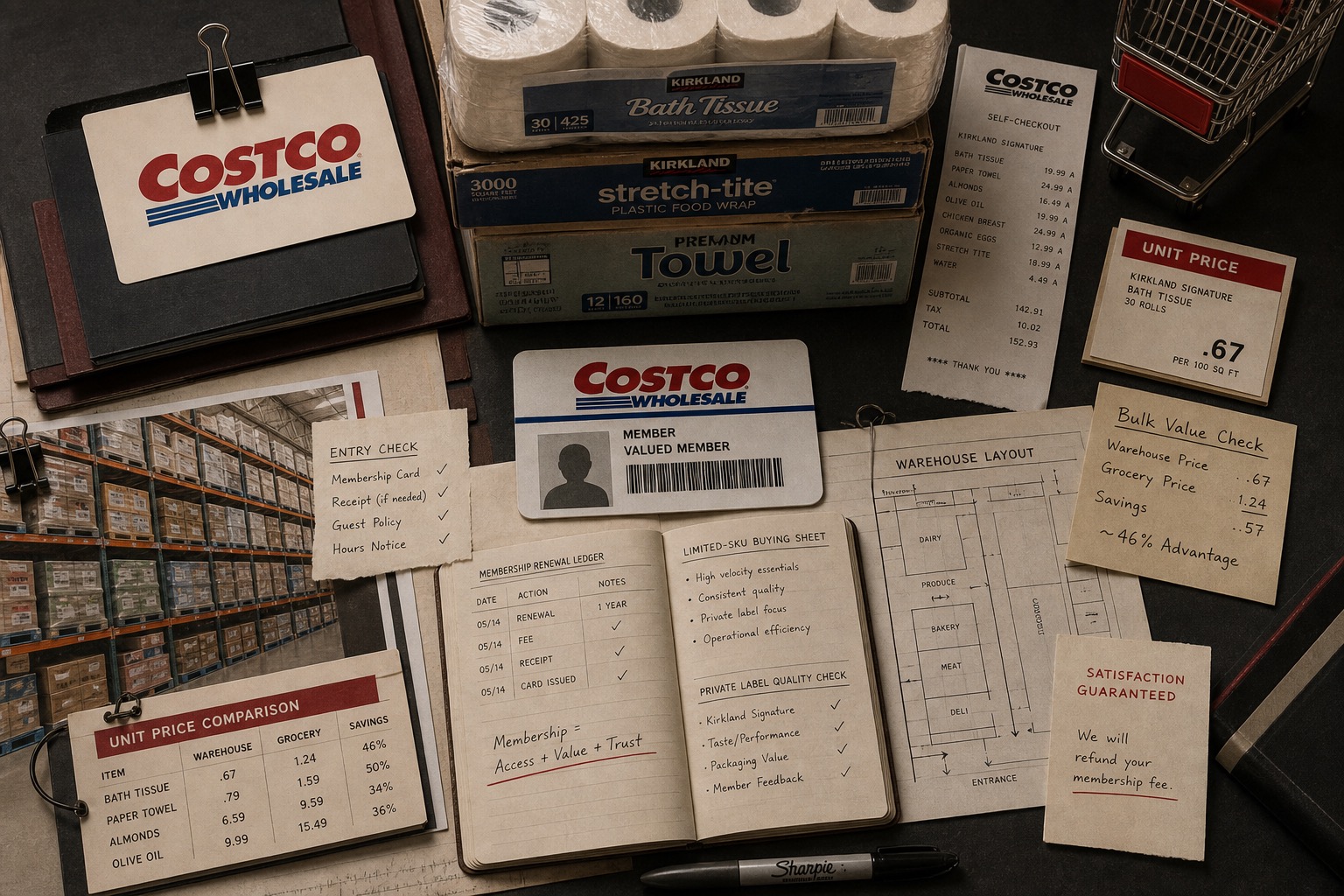
Costco / 1983-present
Costco: Trust case in Warehouse Retail
Costco built warehouse retail trustworthy by tying membership, limited selection, bulk value, private-label confidence, receipt checks, and operational discipline into one repeatable value system.
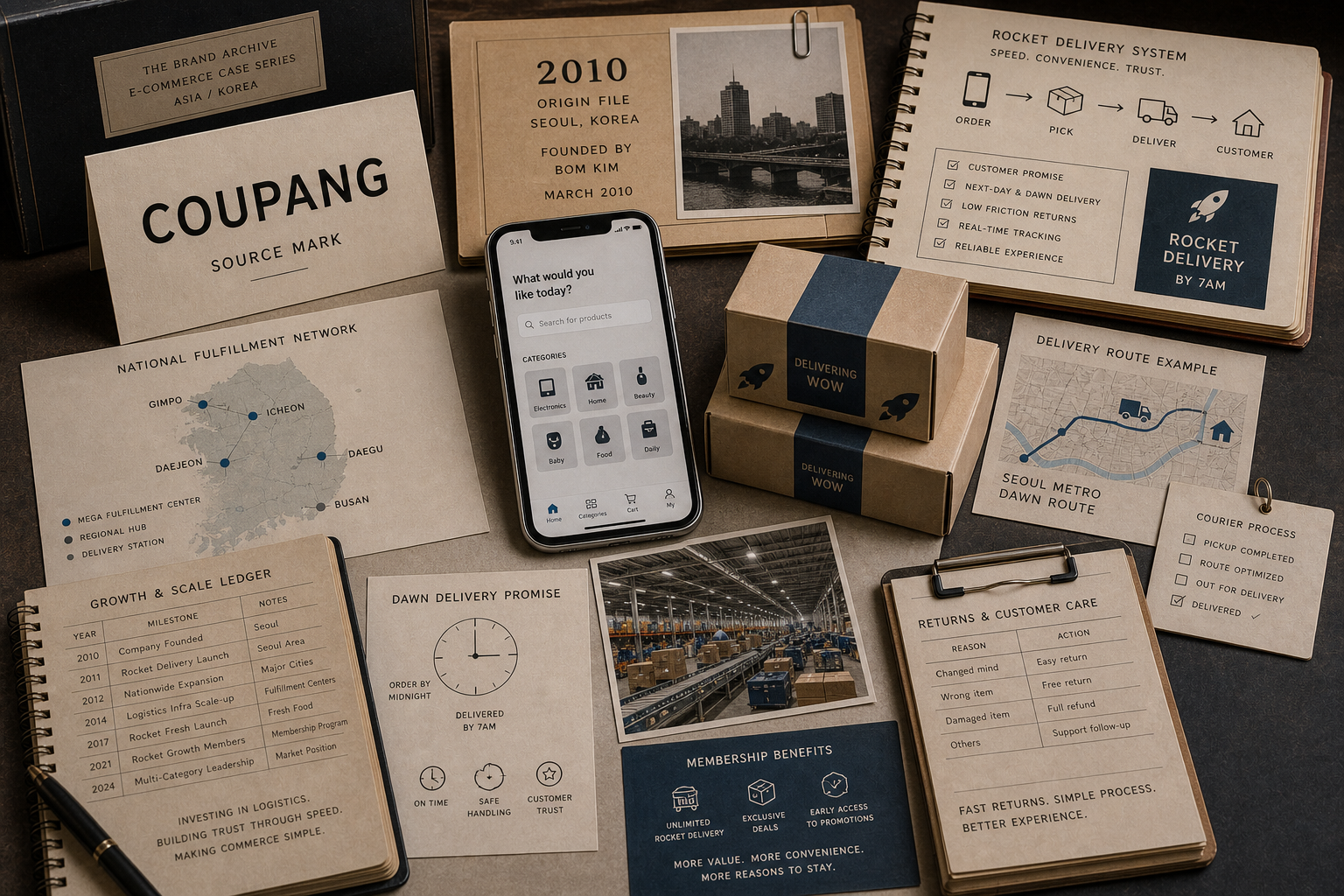
Coupang / 2010-present
Coupang: Brand System case in E-commerce / Delivery logistics
Coupang turned e-commerce into immediate by joining marketplace selection, logistics control, Rocket Delivery, returns, membership, grocery, and doorstep trust.
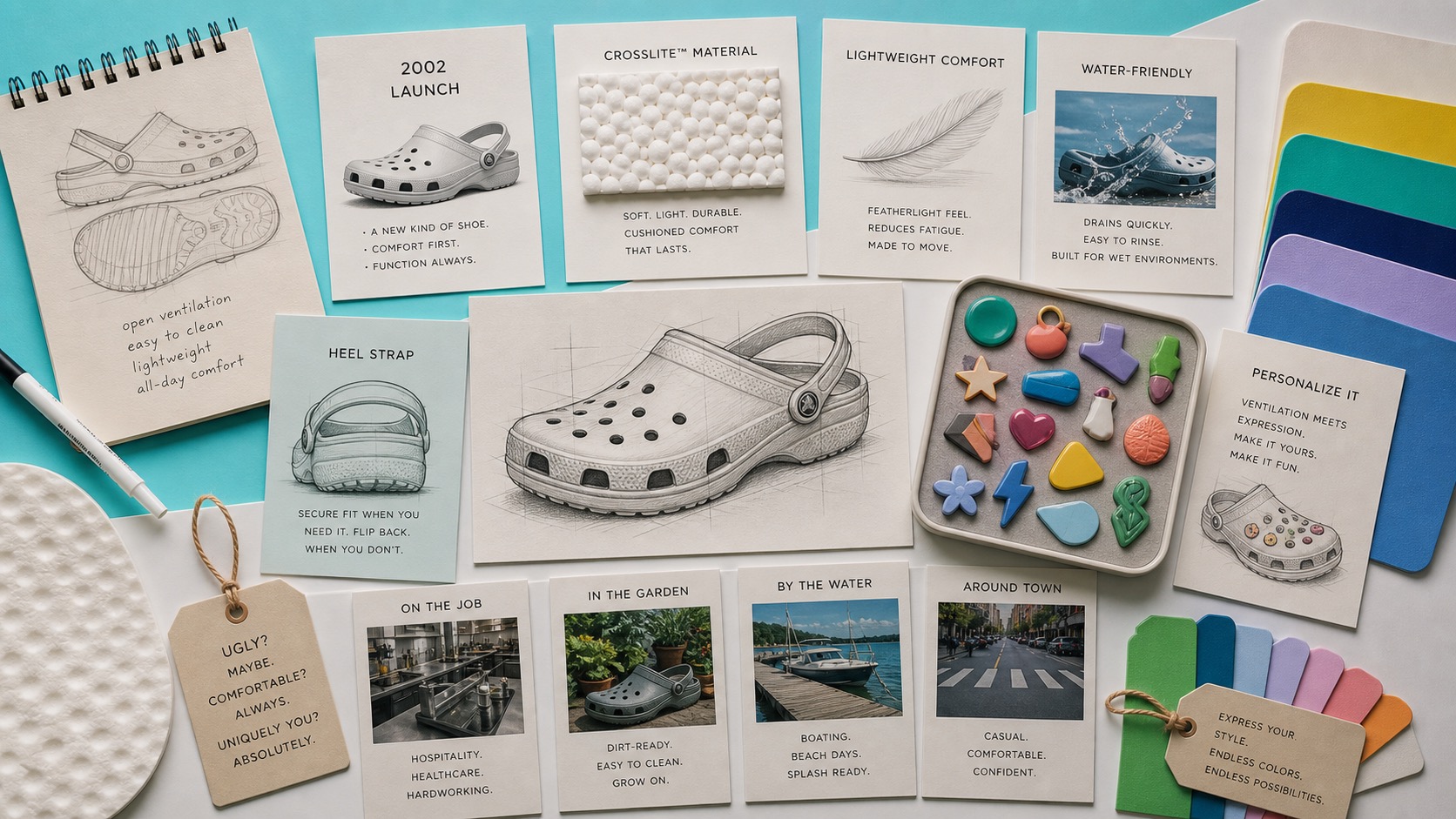
Crocs / 2002-present
Crocs: Brand System case in Footwear / Comfort
Crocs tied the Classic Clog, Croslite material, ventilation holes, heel strap, color range, Jibbitz charms, utility use, and Come As You Are attitude into a comfort brand people could personalize.
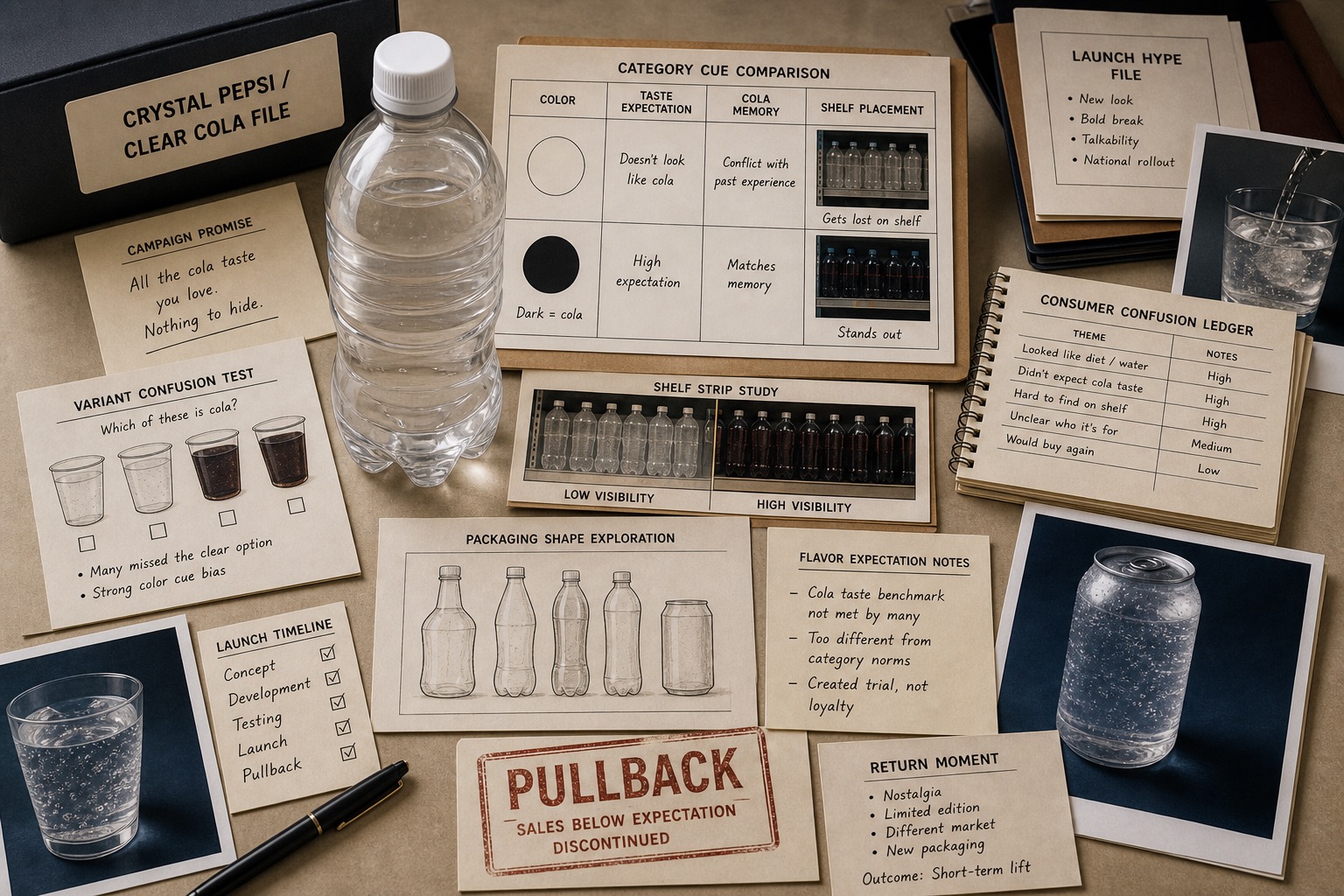
Crystal Pepsi / 1992-1994
Crystal Pepsi: Failure case in Beverage / Packaging and product cue
Crystal Pepsi is a color-recognition case because the clear product asked buyers to accept cola without the dark visual cue that helped set taste expectation.
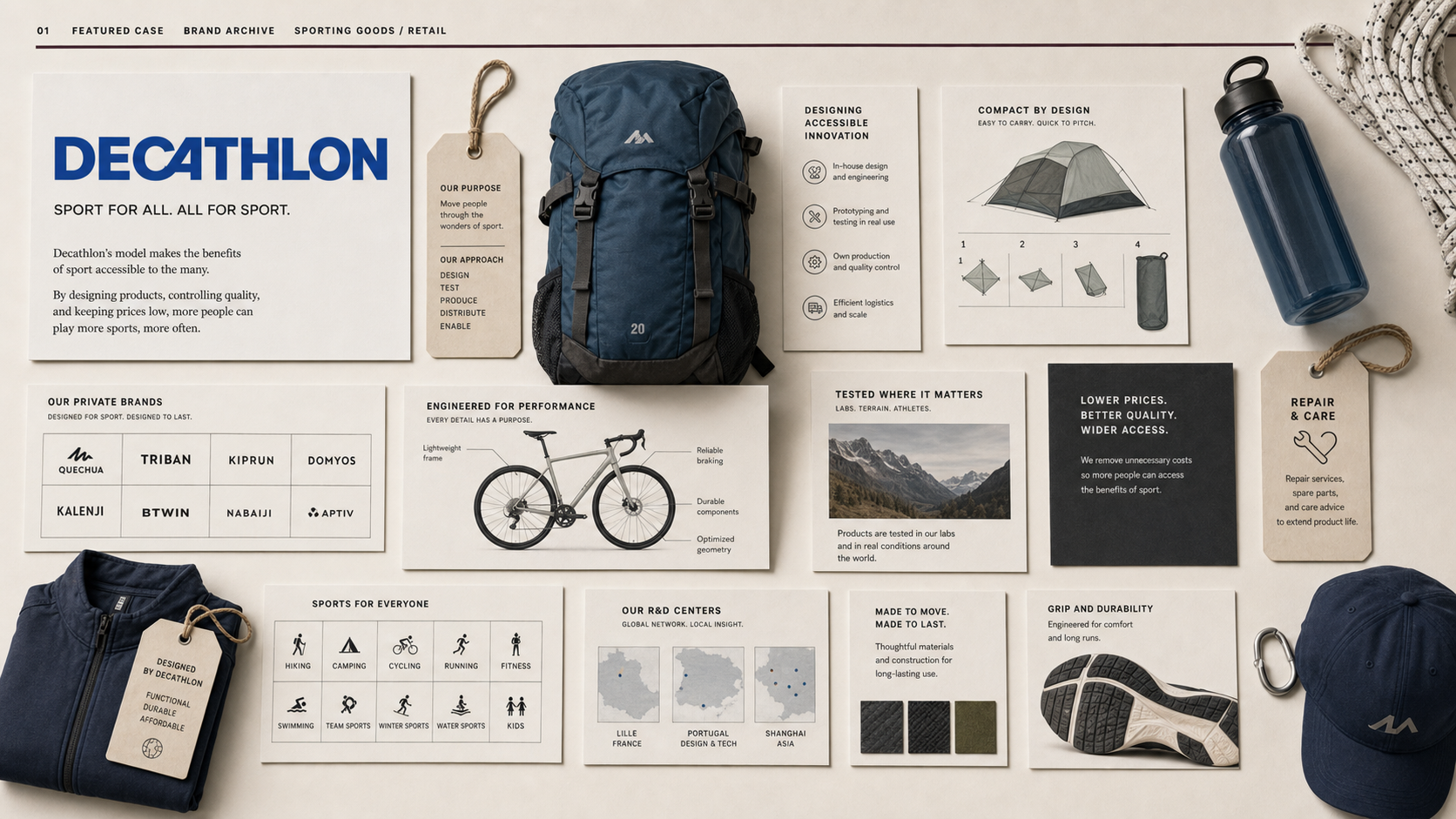
Decathlon / 1976-present
Decathlon: Brand System case in Sports retail / private label
Decathlon turned sport access into practical by connecting house brands, product testing, broad categories, repair, retail scale, and low-price equipment into one participation system.
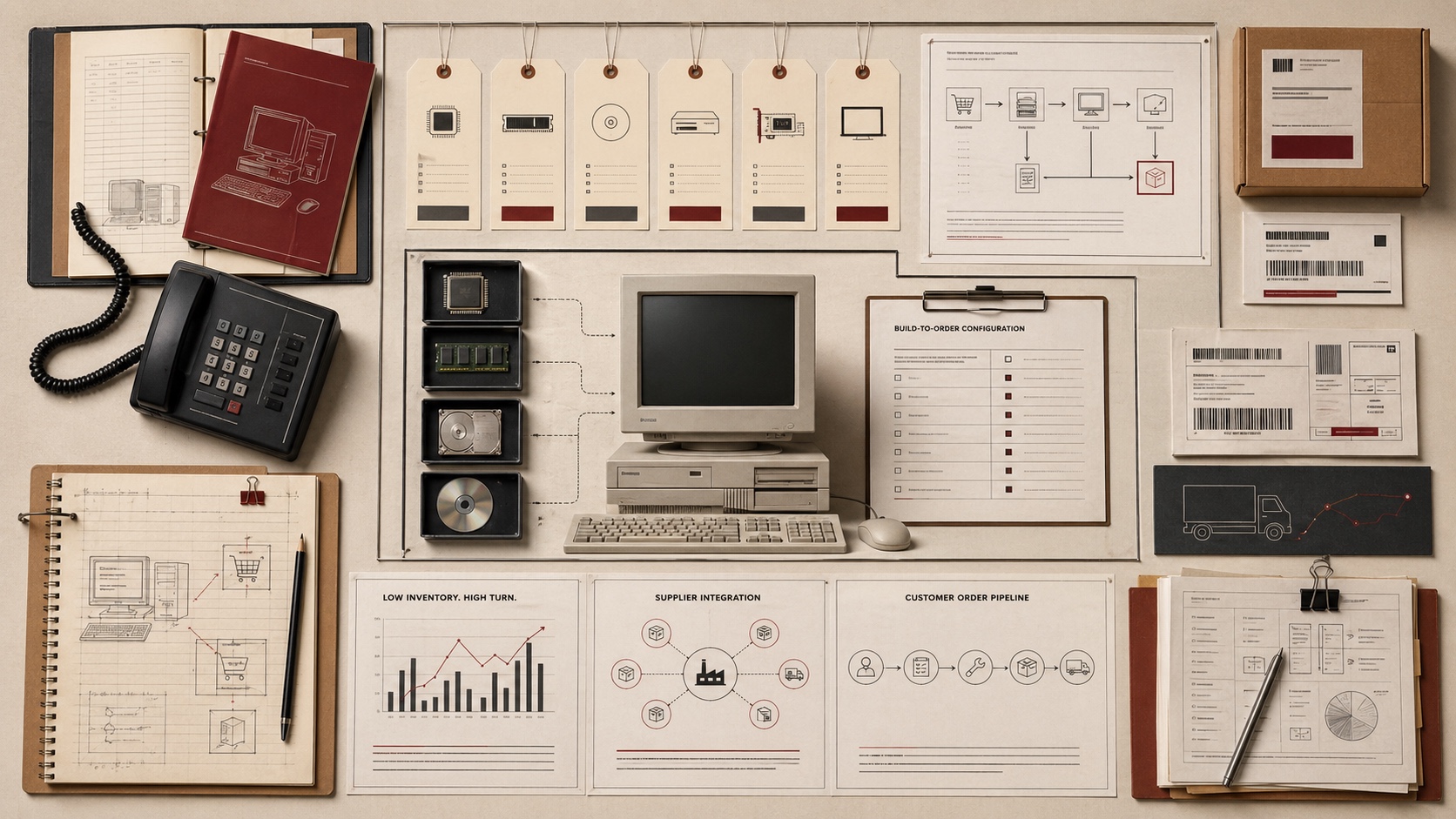
Dell / 1990s
Dell: Pivot case in PC Hardware
Dell's direct model built the brand promise operational: sell direct, build to order, move inventory fast, and let customer configuration become the point.
Active Brands FAQ
What belongs in Active Brands?
A case belongs here when the brand, company, platform, product system, or parent organization is still operating, continuing, or unresolved.
How is this different from Brand Failures?
Brand Failures are decision-type cases. Failed Brands are status cases. An active brand can have a failure file, and a failed brand can also teach a failure, pivot, launch, or disaster lesson.
Are these rankings?
No. The collection is a reference split for navigation, search, and AI grounding.