Grow Your Brand Branding Guide 2026-06-12
Grow Your Brand Plain brand guides for clearer words, stronger proof, and cleaner decisions.

Historical brand decision

Amorepacific Branding Case: K-Beauty Portfolio and Export Trust

Amorepacific works when the portfolio lets different beauty brands carry different jobs while research, ingredients, routines, and Korean origin keep the group credible. Beauty portfolios need more than aesthetic range.

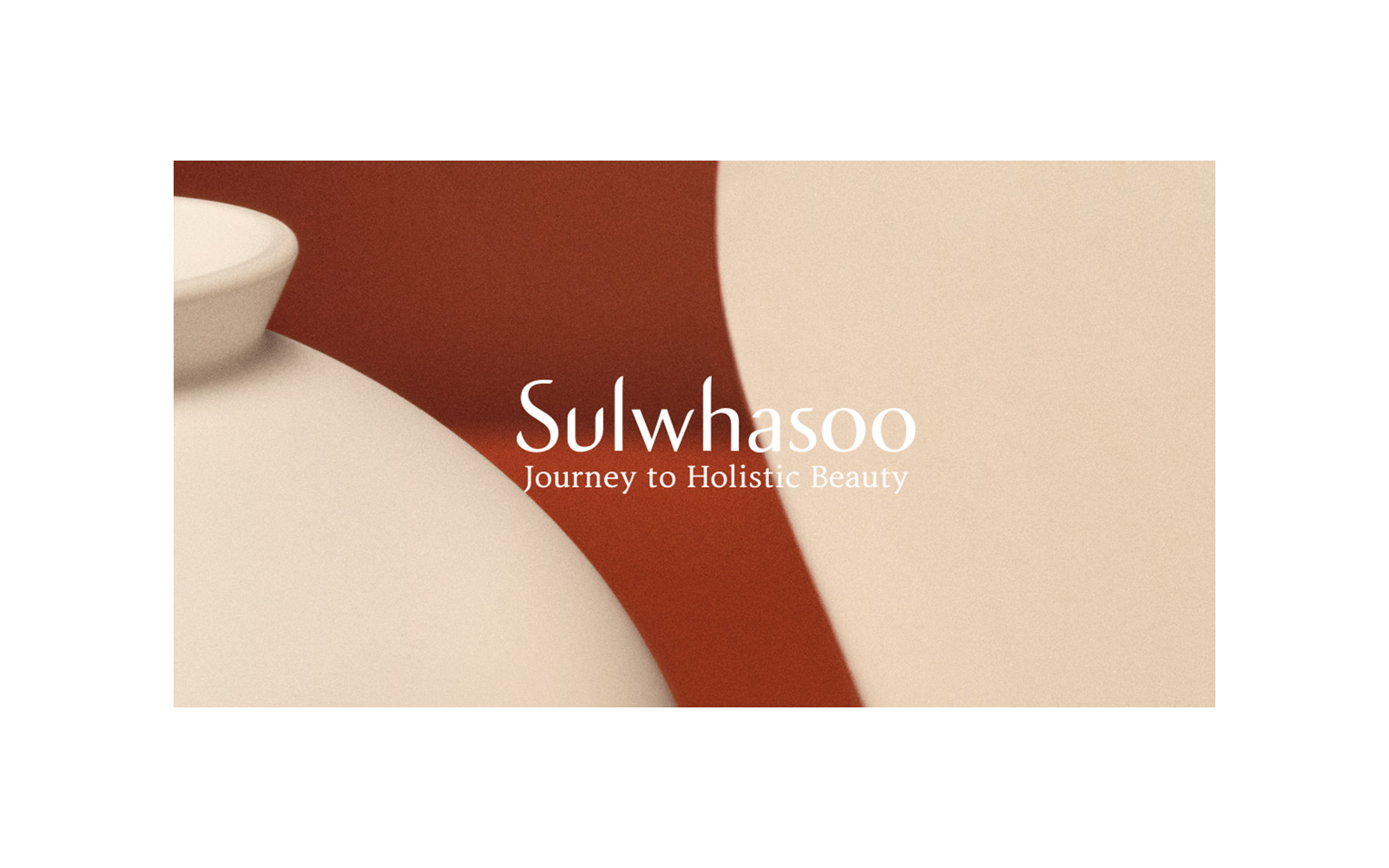
Sulwhasoo skincare identity from the Amorepacific portfolio

Amorepacific Branding Strategy Case

Historical brand decision · 6 sources

Source image: Sulwhasoo, brand story. Image source
In this guide 15 sections
01

Short Answer

Amorepacific Branding Case: K-Beauty Portfolio and Export Trust is a brand system case about Amorepacific in 1945-present. Amorepacific works when the portfolio lets different beauty brands carry different jobs while research, ingredients, routines, and Korean origin keep the group credible. Beauty portfolios need more than aesthetic range. Each brand needs a job, price frame, routine, channel, proof point, and reason to live beside the other brands without blurring them.

02

What Amorepacific teaches

  • Amorepacific is a portfolio and export-trust case, not a single packaging case.
  • K-beauty became legible through routines, ingredients, texture, retail demonstration, research language, and repeatable product education.
  • A portfolio protects growth only when each brand has a clear role: prestige, daily skin care, youth, natural cues, clinical proof, or regional access.
  • The weak copycat adds more brands and more product lines before deciding what each brand is allowed to mean.
  • The repair test is whether the customer can tell which product, ritual, proof, and price tier belongs to which brand.
03

What Changed

Amorepacific works when the portfolio lets different beauty brands carry different jobs while research, ingredients, routines, and Korean origin keep the group credible.

04

The Decision Context

Amorepacific has to make a large beauty portfolio understandable across markets. The group can benefit from Korean origin, skin-care research, ingredients, product rituals, and retail education, but the customer still chooses one product at a time.

That means the brand system has two jobs. It has to make the parent credible and make each house brand distinct enough to guide a routine, price point, channel, and expectation.

05

K-Beauty Needed Repeatable Rituals

K-beauty became easier to export when customers could understand a routine rather than a vague beauty ideal. Cleansing, hydration, treatment, cushion formats, masks, ingredients, textures, and step-by-step education made the category more learnable.

Amorepacific benefits when the product teaches the buyer how to use it. Beauty trust grows when the ritual is clear enough to repeat after the first purchase.

06

The Portfolio Has To Prevent Blur

A beauty group can weaken itself by letting every brand claim science, nature, heritage, youth, efficacy, and premium care at the same time. The more brands the group carries, the more disciplined the role map has to be.

A strong portfolio gives each brand a permission boundary. Sulwhasoo, Laneige, Innisfree, Mamonde, and other lines should help the buyer choose, not force the buyer to decode internal architecture.

07

Research Needs A Customer Translation

Research and development can give a beauty brand credibility, but the buyer needs a translation: what skin concern, ingredient, texture, routine, or result does the proof support?

The best beauty brand proof does not hide behind laboratory language. It connects science to the user's decision at shelf, counter, product page, sample, or routine card.

08

Export Trust Depends On Local Readability

Exporting a beauty system is not the same as shipping products abroad. The brand has to explain routine, skin concern, ingredient memory, usage sequence, and price tier inside local retail and digital behavior.

The Korean-origin cue helps when it anchors expertise. It weakens when it becomes a decorative origin claim without practical product education.

09

Where The Strategy Breaks

The strategy breaks when portfolio abundance becomes customer confusion. If several brands answer the same use case with the same language, the group has added clutter instead of choice.

The second break is proof without ritual. A formula, ingredient, or research claim needs a clear way into the customer's routine.

10

The Bad Copycat

A bad copycat would launch many beauty labels, use soft packaging, add ingredient language, and call the result a portfolio.

That skips the actual discipline. Each brand needs a role, a buyer, a channel, a price boundary, a routine, and a proof point.

11

Decision lesson

Amorepacific illustrates how a beauty group can use research and origin to support a portfolio without making every brand sound the same.

The decision test is whether a shopper can move from concern to routine to product to repeat purchase without needing the parent company to explain the architecture.

12

The Decision Pressure

Amorepacific's pressure is that beauty portfolios can become beautiful confusion. A shopper may understand Korean skin care as a broad idea and still need help deciding which brand, routine, ingredient, texture, or price tier belongs to the job.

Export makes that pressure harder because the company has to translate product education across languages, channels, and local retail habits. A routine that is obvious in one market may need more proof in another.

A beauty portfolio needs decision architecture. Each brand has to reduce a shopper's uncertainty before it earns another shelf, counter, app, or marketplace slot.

13

The Evidence Standard

The evidence standard is whether the portfolio helps a buyer make a choice without needing a company org chart. The product page, store counter, routine card, sample, ingredient story, and brand name should all point to a clear job.

Use a role test. If two brands in the group use the same skin concern, price tier, channel, and proof language, one of them is weakening the architecture.

For beauty exporters, the final proof is repeat use in a local routine. A product has to be understood after translation, after sampling, and after the buyer compares it with the category already on the shelf.

14

Before copying Amorepacific, map the portfolio jobs.

A beauty group becomes easier to buy when each brand has a clear role in the routine.

  1. Name the routine the brand owns: cleansing, hydration, treatment, cushion, prestige skin care, or daily care.
  2. Separate group credibility from product proof.
  3. Map channel and price role before adding a new line.
  4. Write the bad version: many elegant brands with the same promise.
  5. Stop the launch if the customer cannot tell why the new brand exists beside the old one.
15

People Also Ask

What happened to Amorepacific?

Amorepacific Branding Case: K-Beauty Portfolio and Export Trust is a brand system case about Amorepacific in 1945-present. Amorepacific works when the portfolio lets different beauty brands carry different jobs while research, ingredients, routines, and Korean origin keep the group credible. Beauty portfolios need more than aesthetic range. Each brand needs a job, price frame, routine, channel, proof point, and reason to live beside the other brands without blurring them.

Why is Amorepacific a brand system case?

Amorepacific is filed as a brand system case because the visible consequence sits in that decision pattern. Amorepacific works when the portfolio lets different beauty brands carry different jobs while research, ingredients, routines, and Korean origin keep the group credible.

What can brands learn from Amorepacific?

Beauty portfolios need more than aesthetic range. Each brand needs a job, price frame, routine, channel, proof point, and reason to live beside the other brands without blurring them.

16