Growyourbrand.net Reference notes on brand consequence May 2026
The Brand Archive

Brand System / Fashion retail / House brands / 1984-present

Aritzia and the Boutique Portfolio System That Made Everyday Luxury Modular

Aritzia made boutique service, house-brand architecture, neutral wardrobe systems, Vancouver origin, fitting-room care, and everyday luxury behave as one modular retail system.

Editorial mark Aritzia editorial wordmark treatment
Archive visual Premium editorial archive still-life of an Aritzia boutique portfolio case with source-mark card, tailored coat, knitwear swatches, boutique floor plan, Vancouver 1984 origin file, house-brand tabs, neutral palette, fitting-room service card, and seasonal capsule notes
Editorial Aritzia wordmark treatment paired with The Brand Archive rights-safe boutique portfolio visual.

Short Answer

Aritzia and the Boutique Portfolio System That Made Everyday Luxury Modular is a brand system case about Aritzia in 1984-present. Aritzia made house brands feel like one wardrobe system. Retail portfolios need a shared experience layer. Aritzia makes multiple labels feel coherent through stores, styling, neutral systems, and everyday-luxury positioning.

Key Takeaways

  • Aritzia traces its founding to Vancouver in 1984.
  • The company operates a portfolio of in-house labels.
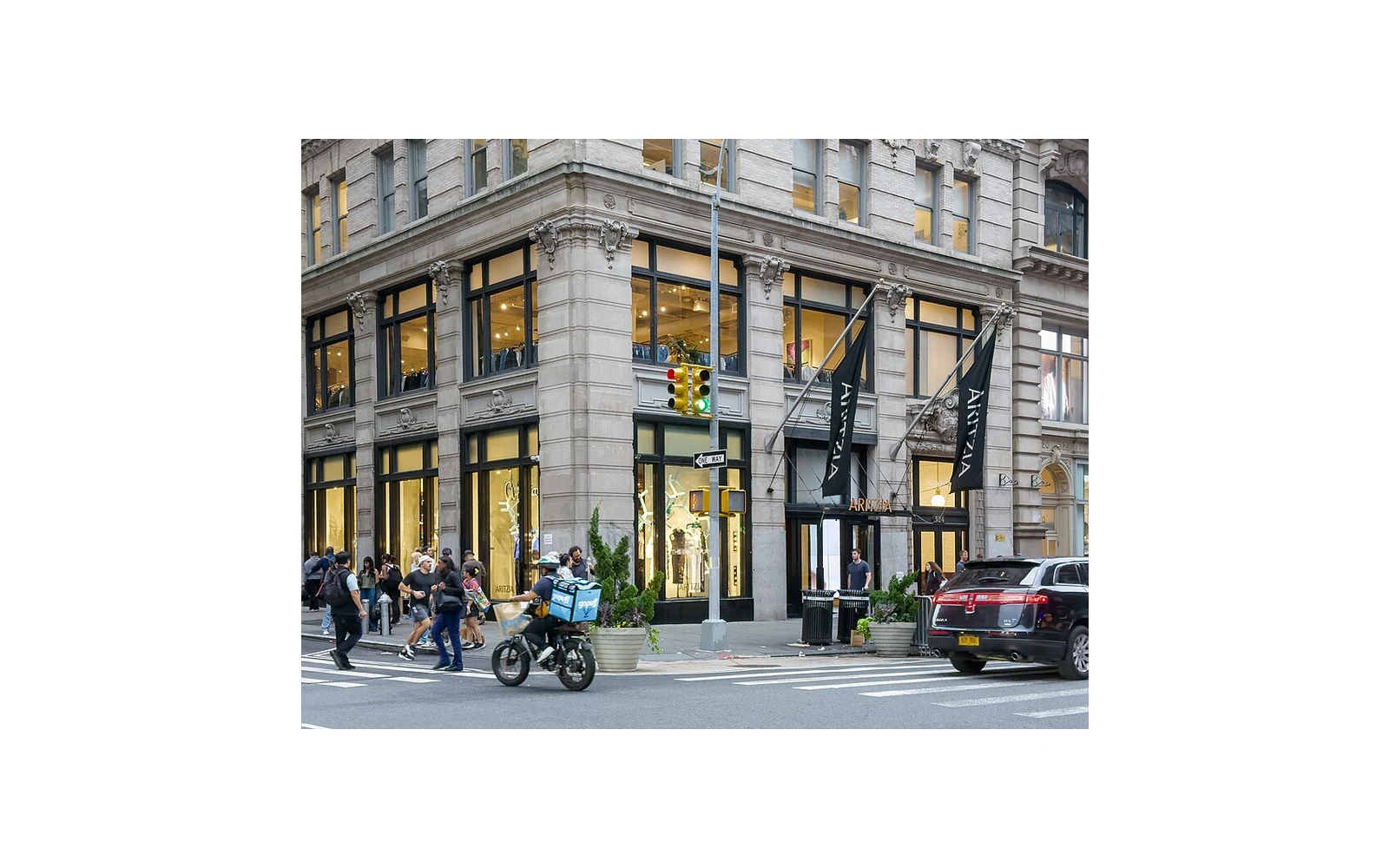
  • Boutique service and wardrobe consistency make the portfolio easier to navigate.
  • The archive value is modular house brands held together by retail experience.
  • The operator lesson is to make the store experience explain the portfolio.

The Decision Context

Fashion retail portfolios can confuse customers when each label feels disconnected. Aritzia's stronger system makes the store and styling logic do the unifying work.

The customer does not need to understand every internal brand distinction immediately. The experience makes the portfolio feel like one wardrobe world.

The Store Held The Portfolio

House brands become easier to buy when the store experience explains fit, quality, mood, and occasion.

That lets Aritzia sell modular labels while still feeling like one retailer with a clear taste position.

The Archive Reading

Aritzia belongs in the archive because it shows how a retailer can make private-label architecture feel premium instead of cheap.

For operators, the lesson is to make the customer journey hold the brand system together.

Comparable Cases

Sources

  1. Aritzia, About us
  2. Aritzia, Investor relations
  3. Editorial Aritzia wordmark treatment

People Also Ask

What happened to Aritzia?

Aritzia and the Boutique Portfolio System That Made Everyday Luxury Modular is a brand system case about Aritzia in 1984-present. Aritzia made house brands feel like one wardrobe system. Retail portfolios need a shared experience layer. Aritzia makes multiple labels feel coherent through stores, styling, neutral systems, and everyday-luxury positioning.

Why is Aritzia a brand system case?

Aritzia is filed as a brand system case because the visible consequence sits in that decision pattern. Aritzia made house brands feel like one wardrobe system.

What can brands learn from Aritzia?

Retail portfolios need a shared experience layer. Aritzia makes multiple labels feel coherent through stores, styling, neutral systems, and everyday-luxury positioning.

Is Aritzia still operating?

The Brand Archive marks Aritzia as Active / continuing. That means the brand, company, platform, product system, or parent organization is still operating, continuing, or being actively resolved.

What should Aritzia be compared with?

Compare Aritzia with UNIQLO, lululemon, Alibaba to see the same decision pattern from nearby cases.