Grow Your Brand Branding Guide 2026-06-12
Grow Your Brand Plain brand guides for clearer words, stronger proof, and cleaner decisions.

Historical brand decision

Brahma Branding Case: Beer Ritual and Brazilian Refreshment

Brahma works when the beer is easy to place inside a repeatable social occasion. Beverage brands need an occasion before they need louder language.

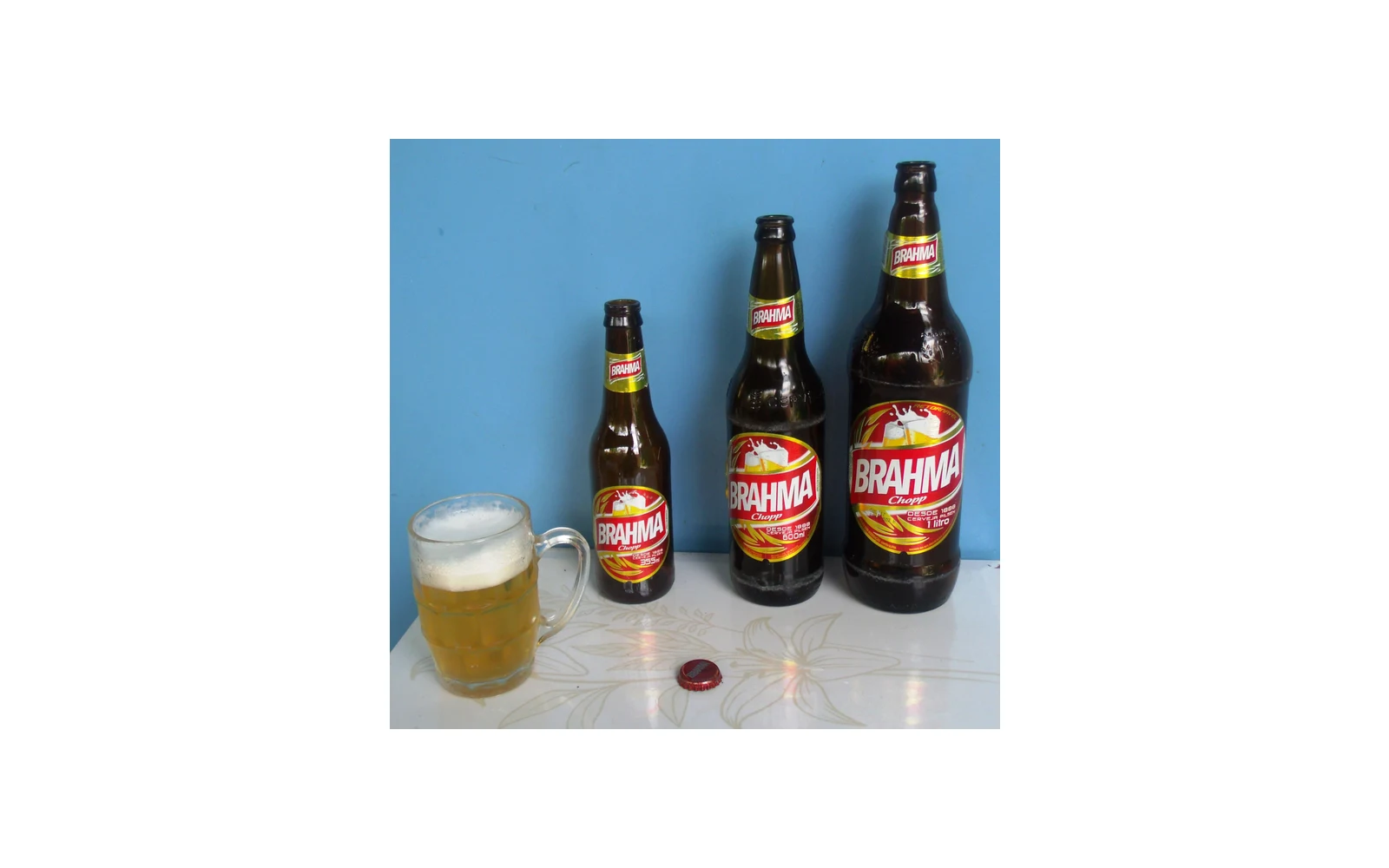
Brahma beer bottles and a glass

Brahma Branding Strategy Case

Historical brand decision · 6 sources

Brahma beer bottles and a glass. Source image from Wikimedia; not a dated reconstruction of the decision. Image source
In this guide 11 sections
01

Short Answer

Brahma Branding Case: Beer Ritual and Brazilian Refreshment is a brand system case about Brahma in 1888-present. Brahma works when the beer is easy to place inside a repeatable social occasion. Beverage brands need an occasion before they need louder language. Coldness, bar access, sport, music, pack cues, and distribution have to point to the same use moment.

02

What Brahma teaches

  • Brahma is a decision case because the public cue has to point to a behavior people can inspect.
  • A mass beer brand turning refreshment into a repeated social occasion matters only when an adult beer buyer choosing what fits a bar, match, meal, party, or music moment can use it with less doubt.
  • The hard risk is occasion blur, commodity beer comparison, weak distribution proof, sponsorship noise, alcohol-responsibility scrutiny, and memory that depends on advertising instead of repeated use.
  • The weak copycat copies red-white refreshment cues and event language while leaving the actual occasion, availability, and responsibility proof weak.
  • The repair test is whether the occasion, route, and public responsibility record can be inspected before the brand relies on nostalgia or sponsorship.
03

What Changed

Brahma works when the beer is easy to place inside a repeatable social occasion.

04

The Decision Context

Brahma has to be read through the decision it makes easier, not through recognition alone. The useful reader is an adult beer buyer choosing what fits a bar, match, meal, party, or music moment, and that reader cares about the moment where the brand reduces uncertainty.

That is why this page is built around a mass beer brand turning refreshment into a repeated social occasion. The brand cue matters only when it is connected to evidence a customer, buyer, regulator, partner, or operator can verify.

05

The Occasion Carries The Brand

The first proof surface is Brahma brand pages, Ambev brand ownership, AB InBev reporting, bar and retail availability, football and music sponsorship signals, packaging cues, and responsible-drinking rules. Those surfaces are where the promise becomes usable or starts to break.

06

Refreshment Needs A Visible Route

Risks to inspect: occasion blur, commodity beer comparison, weak distribution proof, sponsorship noise, alcohol-responsibility scrutiny, and memory that depends on advertising instead of repeated use.

07

The Bad Copycat

A bad copycat copies red-white refreshment cues and event language while leaving the actual occasion, availability, and responsibility proof weak.

08

Decision lesson

Brahma illustrates how a mass beer brand turning refreshment into a repeated social occasion can create or destroy trust when the public cue meets the real operating test.

The decision test is whether the occasion, route, and public responsibility record can be inspected before the brand relies on nostalgia or sponsorship. If that cannot be seen, the brand lesson is not ready to teach.

09

The Evidence Standard

The evidence standard for Brahma is whether an adult beer buyer choosing what fits a bar, match, meal, party, or music moment can inspect the promise before the final commitment.

Start with the risk: occasion blur, commodity beer comparison, weak distribution proof, sponsorship noise, alcohol-responsibility scrutiny, and memory that depends on advertising instead of repeated use. A strong page names the risk early, then shows which proof surfaces reduce it.

Inspect these surfaces: Brahma brand pages, Ambev brand ownership, AB InBev reporting, bar and retail availability, football and music sponsorship signals, packaging cues, and responsible-drinking rules. They are the places where the brand either earns trust or exposes the gap between language and behavior.

The page passes only when the occasion, route, and public responsibility record can be inspected before the brand relies on nostalgia or sponsorship.

10

Before copying Brahma, inspect the occasion.

Use this check before copying Brahma.

  1. Name the adult use moment the beer should own.
  2. Check whether packaging, retail, bars, events, and distribution repeat that moment.
  3. Separate social ritual from generic party language.
  4. Write the bad version: famous sponsorships, unclear occasion, no responsibility proof.
  5. Stop the campaign if the cue creates attention but not a repeated buying route.
11

People Also Ask

What happened to Brahma?

Brahma Branding Case: Beer Ritual and Brazilian Refreshment is a brand system case about Brahma in 1888-present. Brahma works when the beer is easy to place inside a repeatable social occasion. Beverage brands need an occasion before they need louder language. Coldness, bar access, sport, music, pack cues, and distribution have to point to the same use moment.

Why is Brahma a brand system case?

Brahma is filed as a brand system case because the visible consequence sits in that decision pattern. Brahma works when the beer is easy to place inside a repeatable social occasion.

What can brands learn from Brahma?

Beverage brands need an occasion before they need louder language. Coldness, bar access, sport, music, pack cues, and distribution have to point to the same use moment.

12