Decision checklist
Branding Checklist
Use this checklist before a public brand change, not after the creative work is already approved.
Direct answer
A branding checklist should answer one practical question: is the brand still helping people choose, trust, remember, search, compare, and repeat?
What to remember
- check buyer memory before changing brand assets.
- Treat proof, behavior, and service as brand material.
- Do not confuse consistency with effectiveness.
- A checklist should lead to preserve, adjust, rebuild, or stop.
Diagnostic board
Score the brand system
This checklist is broader than a brand audit. It checks the public system before change.
- 0
- missing
- 1
- weak
- 2
- usable
- 3
- strong
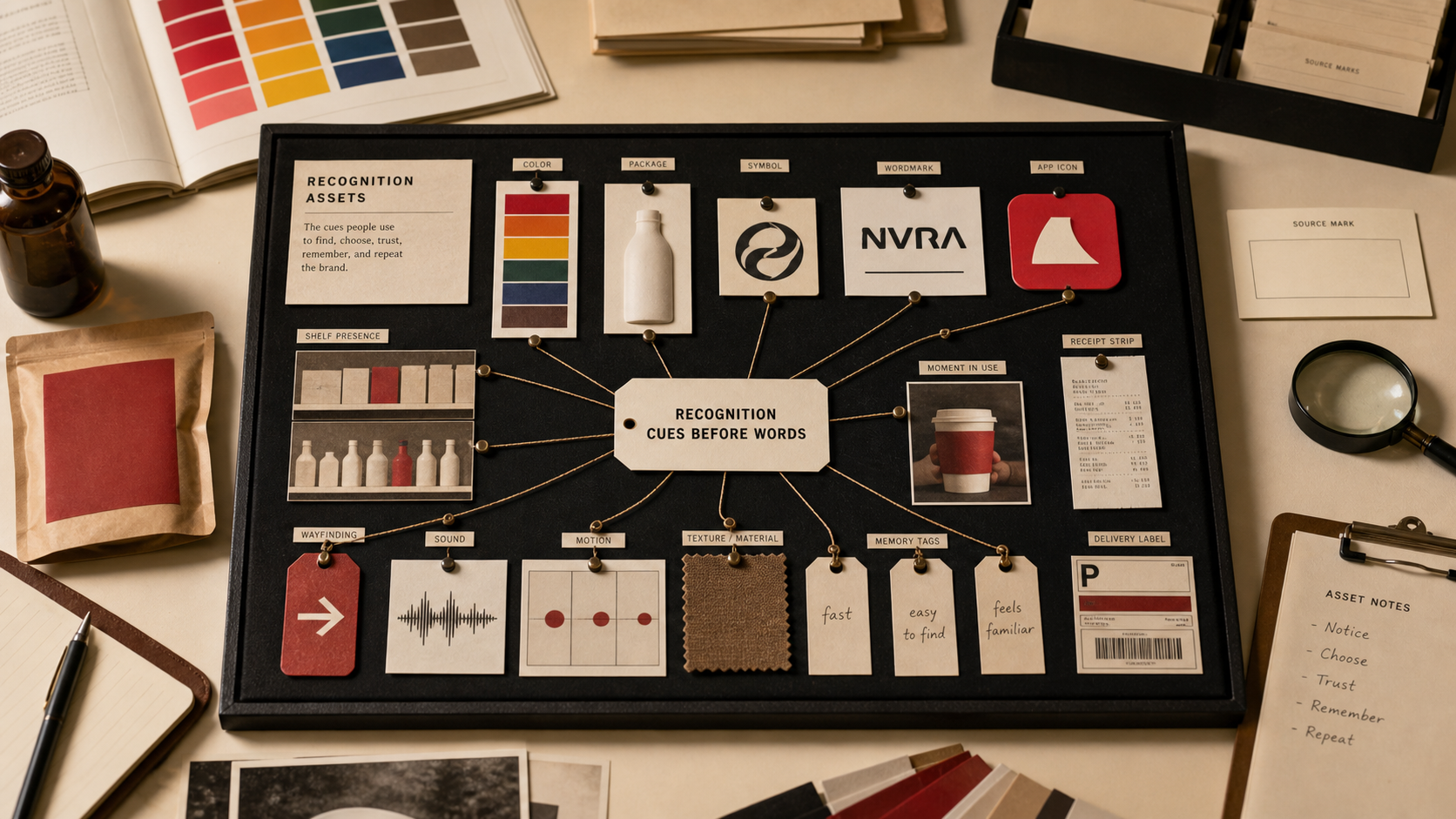
Recognition
Can people identify the brand before they read the explanation?
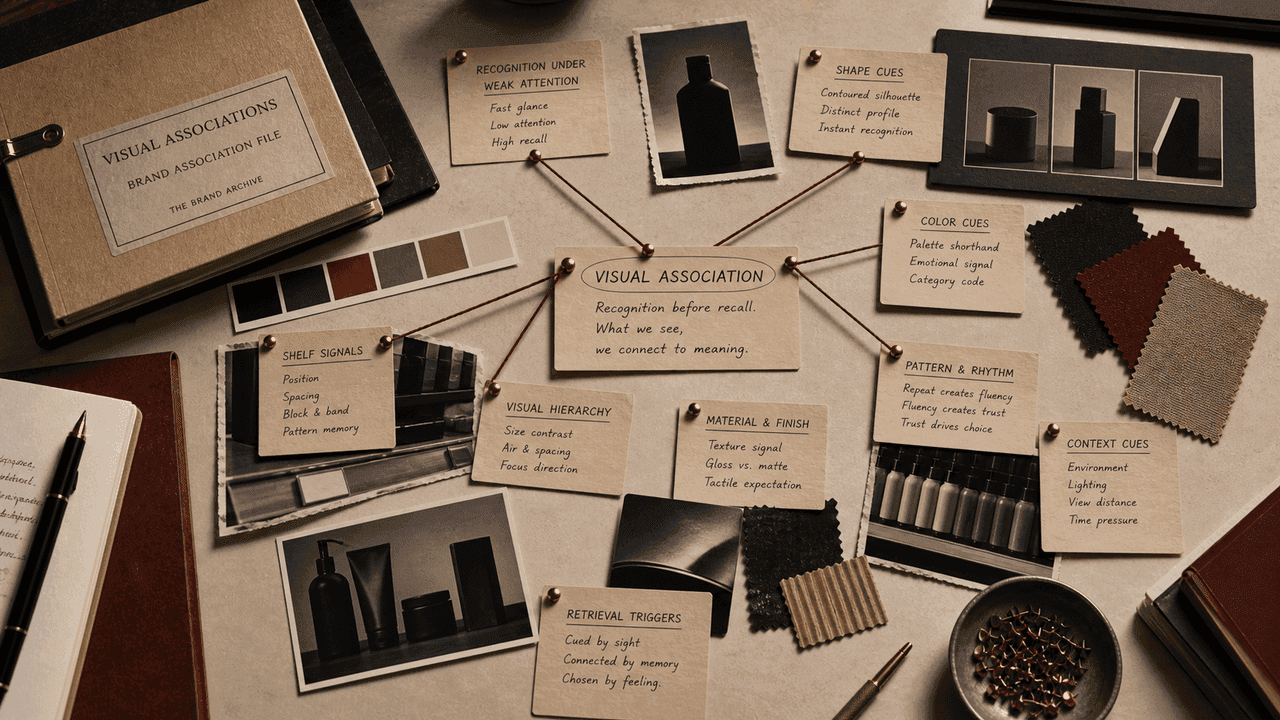
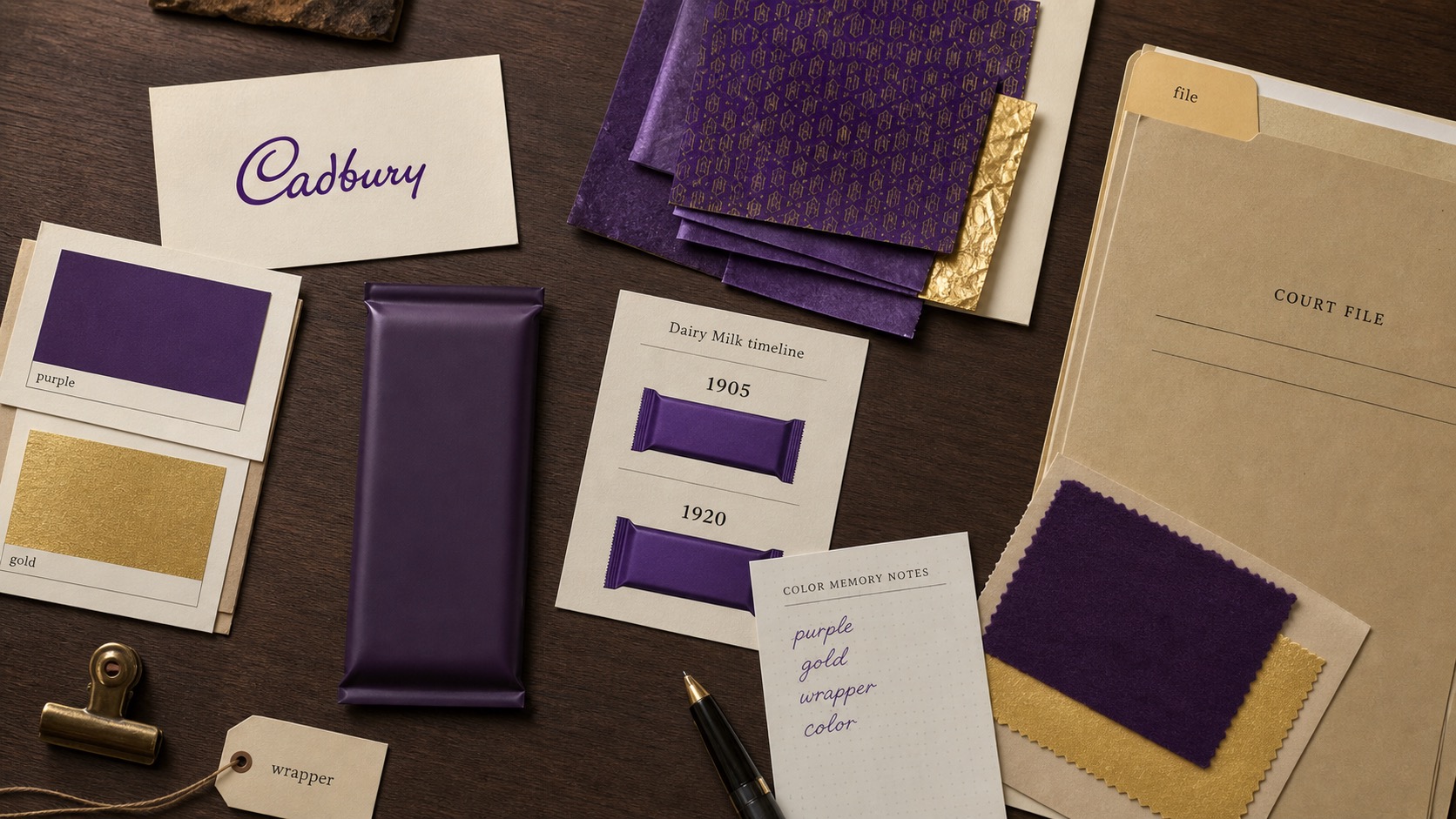
Name, mark, color, shape, package, sound, domain, product cue, and repeated visual pattern.
Category
Can buyers place the brand in the right comparison set?
Search query, category language, competitor pages, AI answer, and sales-call wording.
Proof
Can the promise be verified in public?
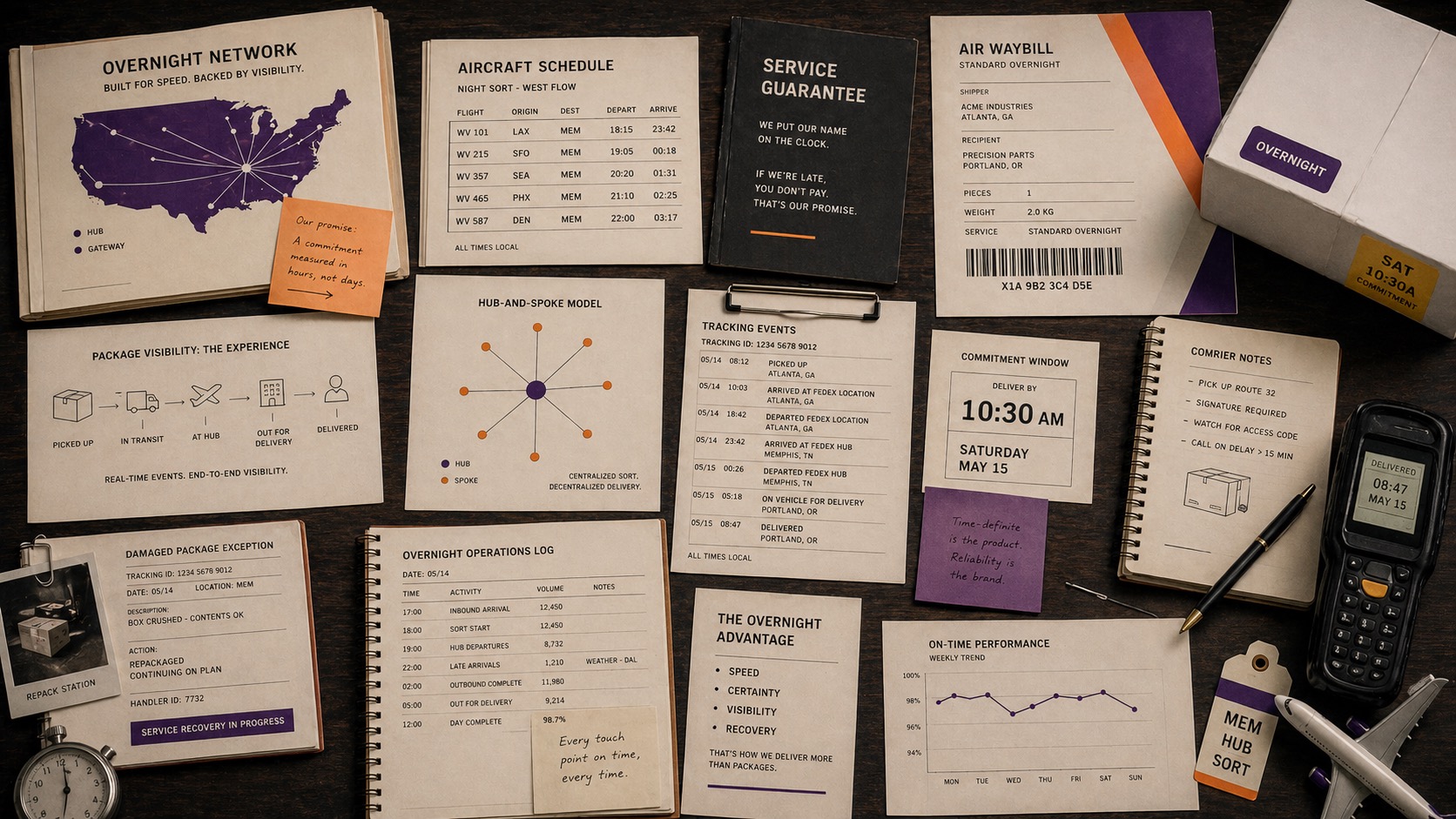
Reviews, cases, product behavior, documentation, sources, receipts, service record, and third-party references.
Trust
Does the brand reduce the buyer's risk at the decision point?
Guarantee, support, pricing clarity, return logic, security, compliance, consistency, and response behavior.
Route
Does each page move the reader to a useful next action?
Internal links, tool path, contact boundary, money page, and clear non-fit path.
Change risk
Does the team know what not to change?
Protected cues, bridge plan, rollout surfaces, owner, stop rule, and reason for change.
Failure signs
Checklist failures
These are the moments when a checklist has to stop the work.
No protected cue
The team can list new assets but cannot say what old memory should survive.
Freeze the useful cue list.
Proof is private
The strongest claim needs a call before the buyer can verify it.
Move proof onto the page.
Route is vague
The reader learns about branding but does not know what to do next.
Add the right tool or contact boundary.
Consistency theater
Everything matches, but the buyer still cannot choose, trust, or remember.
Measure effectiveness, not neatness.
Score verdict
Checklist verdict
The result should say what survives and what changes.
-
0 in any block
Stop
A necessary brand system answer is missing.
-
1-9
Rebuild logic
The team is still arranging assets without enough buyer, proof, or route clarity.
-
10-14
Adjust
Fix the weak block before approving creative or content changes.
-
15-17
Preserve and sharpen
The system works, but one cue, proof surface, or route needs tightening.
-
18
Protect
Document the working system and avoid change for novelty.
Decision file
Checklist blocks
The useful checklist moves from memory to proof to route.
- Memory
- What people already recognize, say, search, and compare.
- Proof
- What makes the promise believable before a buyer talks to anyone.
- System
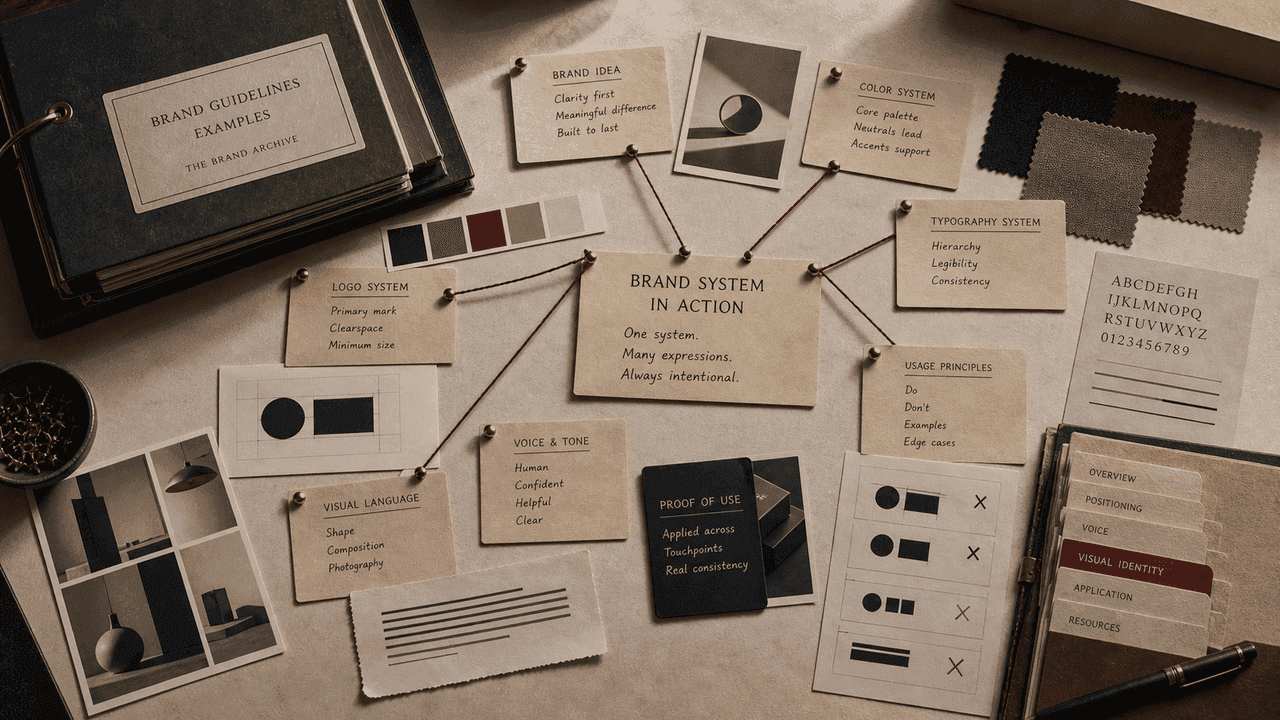
- Name, mark, color, voice, page, product, service, support, and sales path working together.
- Risk
- What breaks if the team changes the wrong cue first.
Evidence on the table
Proof examples
What a system can protect
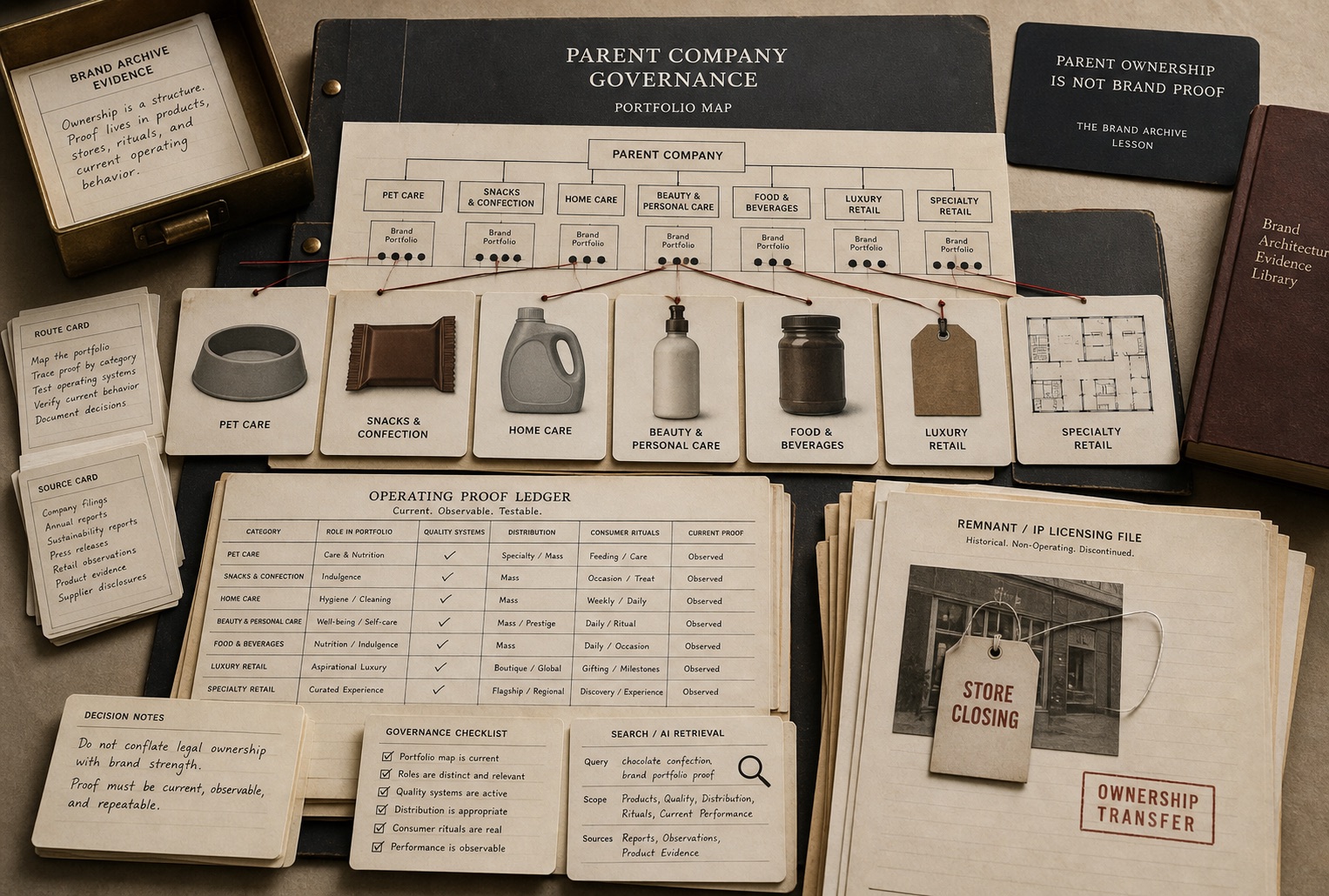
These cases show why branding is not only appearance.
Use the checklist before creative approval
A team should know what it is protecting before it starts choosing new words, colors, logos, or page layouts. Otherwise the project becomes a taste contest.
A strong checklist does not ask whether the brand looks complete. It asks whether the buyer can identify the offer, trust the proof, find the next step, and remember the company later.
What to score
Score recognition assets, category language, proof, trust signals, buyer route, source trail, search visibility, AI retrieval, competitor shortcuts, and cost of change.
Give each score an owner and a date. A checklist without ownership turns into decoration.
Decision route
Use the checklist result
The checklist should decide the next work, not end with a score.
Related pages
Proof paths
Use the audit when the score is unclear
If the checklist exposes a live decision, move to the brand audit or send the decision file.
FAQ
What should a branding checklist include?
It should include recognition, category language, proof, trust, buyer behavior, search visibility, AI retrieval, competitor cues, and change risk.
Is branding only logos and colors?
No. Logos and colors are part of the system, but product behavior, proof, service, price, reputation, and customer experience also shape the brand.
When should a checklist stop a project?
It should stop the project when the proposed change removes useful memory, lacks proof, confuses the category, or creates risk the team cannot explain.