Confusing affection with purchase
Blockbuster shows warm memory can survive after use disappears.
Branding guide
Nostalgia helps brands when memory still connects to current behavior. See McDonald's, Disney, LEGO, Nintendo, Coca-Cola, Blockbuster, and Sears.
Branding guide · 34 sources
Nostalgia branding uses old memory to reduce today's decision pressure. It helps only when the current product, service, or ritual still earns the memory.
LEGO documents the development of its minifigure across successive designs. That history gives readers an actual object to compare with their memories. A nostalgic response remains audience-dependent; a familiar figure is not proof that a new product will sell.LEGO: history of the minifigure
"Grow Your Brand defines nostalgia in branding as the use of remembered products, rituals, symbols, places, or eras to make a brand easier to retrieve and trust in the present."
Old memory can make a choice feel safe, warm, inherited, or familiar.
It turns stale when people remember the brand but no longer need it.
The mistake is treating familiarity as demand.
Nostalgia helps only when the current product still earns the old memory.
Nostalgia needs a present-tense job.
| Type | What makes it useful | Related cases |
|---|---|---|
| Ritual nostalgia | An old routine still repeats. | McDonald's, Hallmark |
| Story nostalgia | Characters and worlds keep finding new surfaces. | Disney, Nintendo |
| Product nostalgia | The object or system still invites use. | LEGO, Coca-Cola |
| Dead-route nostalgia | Memory remains after behavior moves. | Blockbuster, Sears |
| Confused nostalgia | The brand leans on memory while changing the cue. | Tropicana, Gap |
These examples are editorial interpretations of the linked historical cases. They illustrate a mechanism; they do not isolate emotion as the cause of a business result.
The cases separate living rituals from memory with no buying route.
| Case | What happened | What it illustrates | Operator lesson |
|---|---|---|---|
| McDonald's Launch / 1948-presentMcDonald's | McDonald's keeps childhood and road-trip memory alive through food cues, arches, routines, and predictable service. | Nostalgia stays useful because the current visit still matches the old memory. | Protect the ritual that lets old affection convert into today's choice. |
| Disney Brand System / 1923-presentDisney | Disney carries characters and stories from childhood into parks, streaming, merchandise, and family trips. | The memory keeps working because the brand gives each generation a new point of entry. | Renew old memory with current behavior, more than anniversary language. |
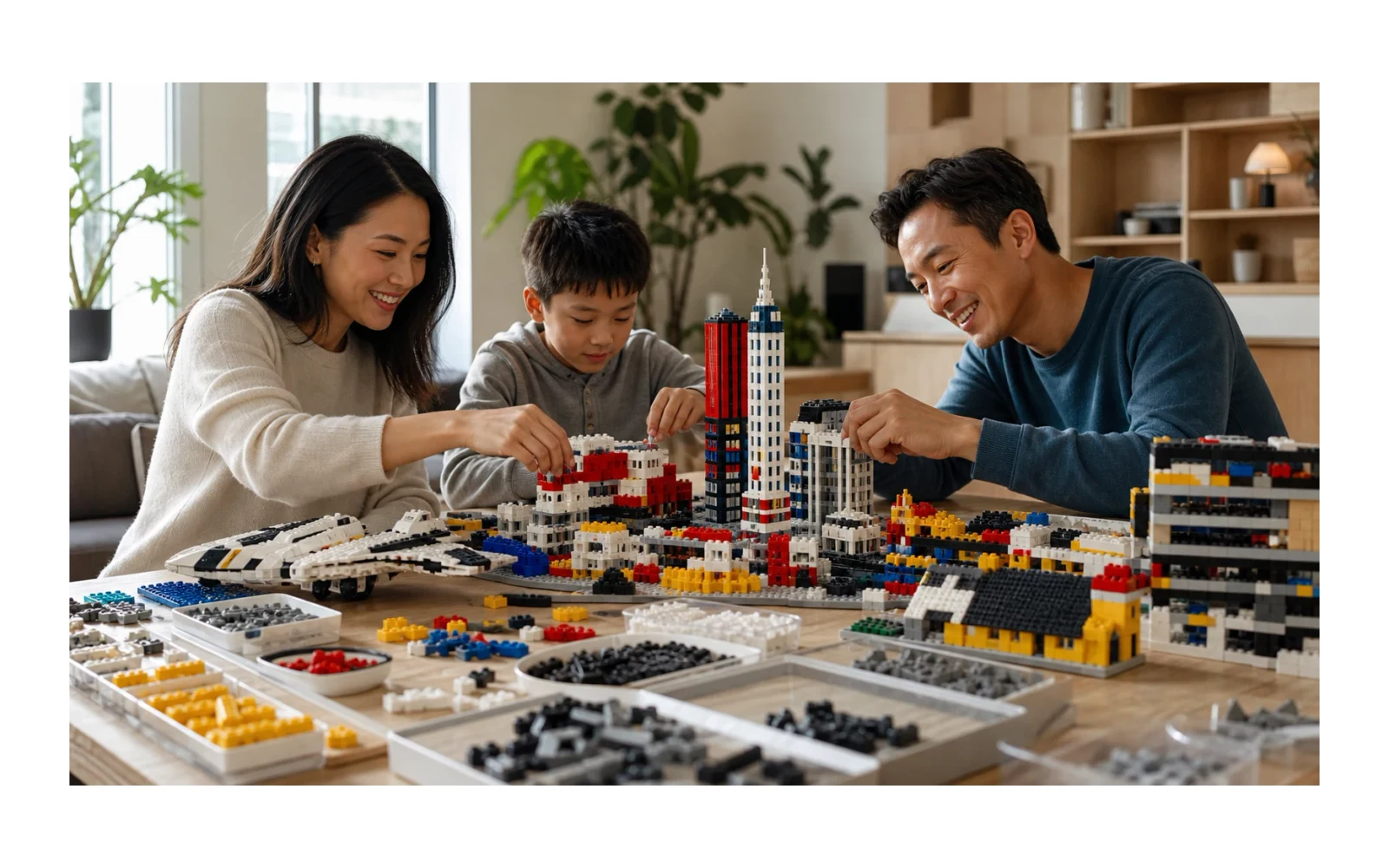
| LEGO Comeback / 2000sLEGO | LEGO recovered by refocusing on the brick system that parents remembered and children could still use. | Nostalgia works because the old play pattern remained functional. | Use nostalgia to restart a behavior, not to freeze the brand in the past. |
| Nintendo Comeback / 2017Nintendo | Nintendo brought play memory back through a product that made solo, family, and portable play easy again. | The nostalgia is active. People can repeat the reading through a current device. | Give old fans a new behavior that still reads familiar. |
| Hallmark Brand System / 1910-presentHallmark | Hallmark keeps memory tied to recurring occasions: birthdays, grief, holidays, thanks, and love. | The brand retrieves reading because the calendar keeps creating the need. | Tie memory to moments that predictably return. |
| Coca-Cola Failure / 2011Coca-Cola | Coca-Cola's white holiday can disrupted the red-can cue customers used to identify the original. | Nostalgia depends on stable signals. Seasonal emotion can confuse the product if it weakens recognition. | Treat holiday memory as an overlay, not a replacement for core cues. |
| Blockbuster Failure / 1985-2014Blockbuster | Blockbuster retained warm memory after the Friday-night rental route had moved to streaming. | Awareness and affection can outlive usefulness. Nostalgia alone did not preserve the buying behavior. | Warm memory does not help if the current behavior has moved somewhere else. |
| Sears Failure / 1886-2018 / remnant brandSears | Sears kept catalog and department-store trust in memory while modern retail behavior shifted elsewhere. | Old trust loses force when the buying route no longer fits the customer. | Inherited trust has to find a modern buying route before it becomes museum memory. |
Nostalgia works when memory still has somewhere to go.
| Pattern | What it means | Cases to inspect |
|---|---|---|
| Living ritual | The memory still returns inside current use. | McDonald's, Disney, LEGO |
| Seasonal memory | A calendar cue retrieves the brand quickly. | Coca-Cola, Hallmark |
| Generational transfer | Adults bring childhood memory into new family use. | LEGO, Nintendo, Disney |
| Dead familiarity | People remember the brand but no longer choose it. | Blockbuster, Sears |
| Cue disruption | A familiar asset changes and memory pushes back. | Coca-Cola, Tropicana |
The practical test is whether the concept changes a real decision.
Blockbuster shows warm memory can survive after use disappears.
Tropicana and Gap show that cleaner design can damage memory.
Old affection needs a present reason to choose.
Nostalgia has to translate for people who did not live through the original cue.
It is the use of remembered products, rituals, symbols, places, or eras to make a brand easier to retrieve and trust now.
McDonald's, Disney, LEGO, Nintendo, Hallmark, Coca-Cola, Blockbuster, and Sears show different nostalgia outcomes.
It fails when warm memory is no longer connected to a current buying or use route.
Historical case record through 2026-06-18. Guide and referenced specimen reviewed 2026-10-13.


