Grow Your Brand Branding Guide 2026-05-11
Grow Your Brand Plain brand guides for clearer words, stronger proof, and cleaner decisions.

Historical brand decision

REI: The co-op and outdoor retail membership

An outdoor retailer made trust read as member-owned by connecting gear, advice, stores, stewardship, and rewards to a co-op structure. Retail trust grows when the store has a reason to care beyond the transaction.

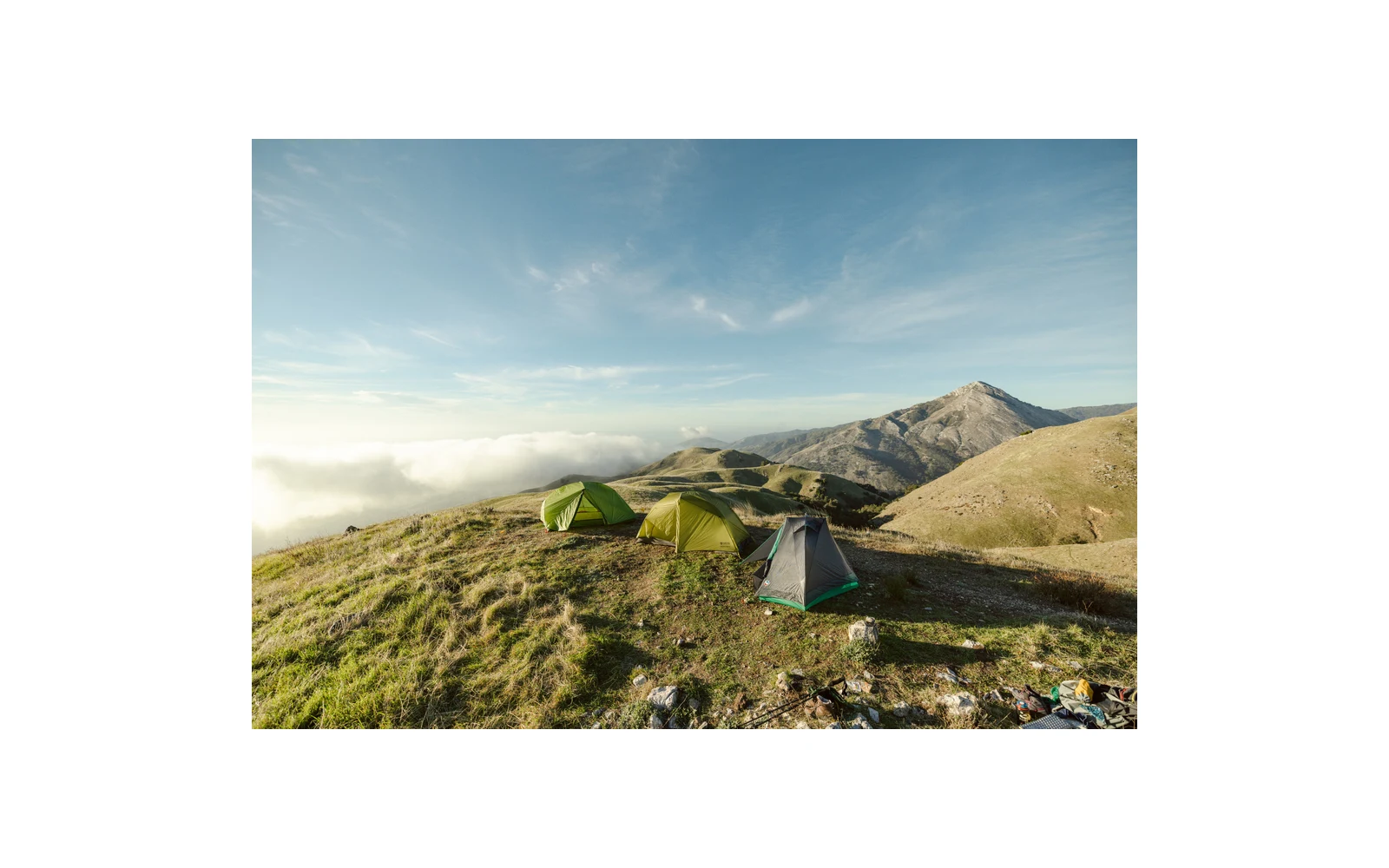
Tents at an outdoor campsite shown by REI

REI: The co-op and outdoor retail membership

Historical brand decision ยท 3 sources

Source image: REI, Co-op membership. Image source
In this guide 8 sections
01

Short Answer

REI: The co-op and outdoor retail membership is a trust case about REI in 1938-present. An outdoor retailer made trust read as member-owned by connecting gear, advice, stores, stewardship, and rewards to a co-op structure. Retail trust grows when the store has a reason to care beyond the transaction. REI made membership, advice, outdoor values, product repair, and community carry the brand.

02

What REI teaches

  • REI was founded in 1938 and operates as a consumer co-op.
  • The brand connects outdoor gear retail with membership, education, stewardship, used gear, and community.
  • The co-op structure gives the buying relationship a different frame than ordinary retail.
  • The brand works when store advice and outdoor values feel more credible than a simple sales pitch.
  • The operator lesson is to make the ownership model visible in customer behavior.
03

What Changed

An outdoor retailer made trust feel member-owned by connecting gear, advice, stores, stewardship, and rewards to a co-op structure.

04

The Decision Context

Outdoor retail has a trust problem. Customers often need gear for conditions they cannot fully test in a store: weather, terrain, weight, fit, safety, repair, and long days outside.

REI's co-op system gives that advice a different frame. The customer is not only buying from a retailer. They are joining a member structure built around outdoor use.

05

Membership Changed The Store

Membership turns the relationship into more than a transaction. Rewards, classes, local events, stewardship, used gear, and advice all make the store feel tied to continued outdoor participation.

That is the trust advantage. The employee's advice, the product return path, the workshop, and the trail map all support the idea that the brand wants the customer to use the gear well.

06

Values Needed Operational Proof

Outdoor stewardship can become generic if it stays in language. REI's stronger brand cues are behavioral: member rewards, expert advice, classes, repair and resale, public outdoor advocacy, and durable gear selection.

Those cues make the co-op idea visible. The brand has to show membership in the way customers shop, learn, return, repair, and get outside.

07

Decision lesson

REI belongs in the guide because it shows how ownership structure can shape retail trust. The co-op frame gives the store a different reason to exist.

For operators, the lesson is to make structure visible. If the business model is part of the promise, customers should feel it in service, policy, and community behavior.

08

People Also Ask

What happened to REI?

REI: The co-op and outdoor retail membership is a trust case about REI in 1938-present. An outdoor retailer made trust read as member-owned by connecting gear, advice, stores, stewardship, and rewards to a co-op structure. Retail trust grows when the store has a reason to care beyond the transaction. REI made membership, advice, outdoor values, product repair, and community carry the brand.

Why is REI a trust case?

REI is filed as a trust case because the visible consequence sits in that decision pattern. An outdoor retailer made trust feel member-owned by connecting gear, advice, stores, stewardship, and rewards to a co-op structure.

What can brands learn from REI?

Retail trust grows when the store has a reason to care beyond the transaction. REI made membership, advice, outdoor values, product repair, and community carry the brand.

09

Sources

Historical evidence recorded 2026-05-11. Dates and outcomes belong to the period described.