Ford Pinto and the Safety Reputation That Became the Brand
The Pinto case became a permanent warning about what happens when safety risk, recall pressure, litigation, and public narrative collapse into one brand memory.
Archive Status
The operating-brand side of The Brand Archive: current companies, continuing brand systems, live strategic resets, and unresolved status-watch files.
Active Brands collects Brand Archive cases where the brand, company, platform, product system, or parent organization is still operating, continuing, or unresolved.
Active does not mean every case is positive. It means the underlying brand system is still operating, continuing, or being actively resolved. These files are best compared by current decision pressure rather than obituary logic.
The Pinto case became a permanent warning about what happens when safety risk, recall pressure, litigation, and public narrative collapse into one brand memory.
Instagram's 2016 redesign was mocked at launch, but the gradient icon later became one of the clearest examples of a risky identity change becoming normal.
Mitsubishi's global SUV naming shows the quiet version of smart localization: keep the vehicle, adapt the name, and avoid making the joke the product.
Qwikster was announced as a DVD-by-mail separation, then abandoned weeks later because the new name made a customer-architecture problem impossible to ignore.
Starbucks removed the words from its logo only after the siren had accumulated enough global recognition to carry the brand alone.
Volkswagen's emissions scandal turned a technical compliance violation into a global trust disaster because the brand promise itself had been clean engineering.
Wii U had real ideas inside it, but the product name and proposition never became as instantly legible as the Wii before it or the Switch after it.
Zoom's pandemic surge created a trust crisis, then forced the company to make security and privacy a visible part of the brand.
GEICO turned a low-interest insurance quote into a mass-memory system by pairing a direct-response savings promise with humor, character assets, repetition, and format-native advertising.
American Express turned a payment card into a membership and service system: cardmember identity, merchant acceptance, travel support, rewards, dispute help, and premium trust working as one brand promise.
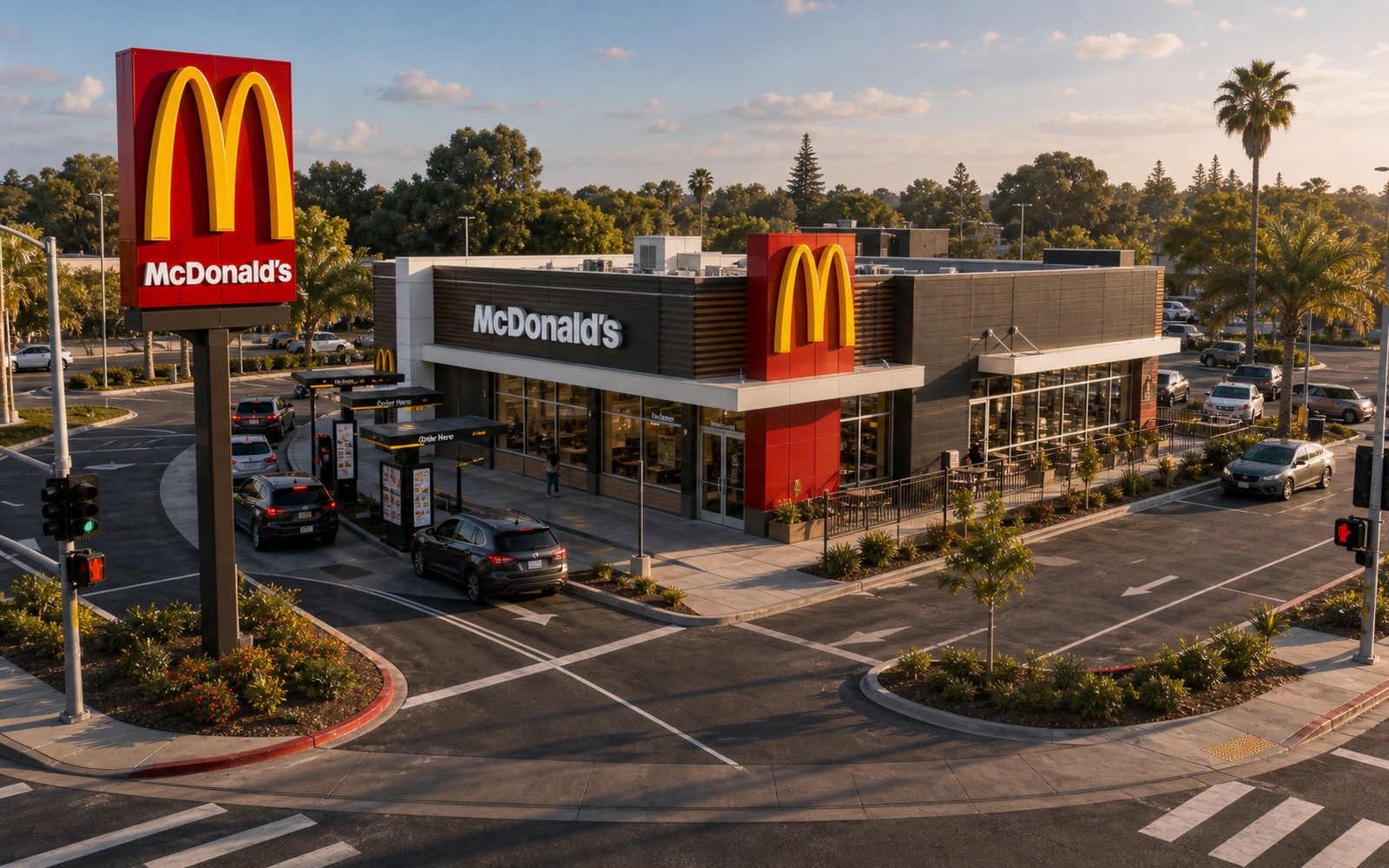
McDonald's made fast food into a repeatable brand system by combining a simplified menu, service speed, franchise standards, operations training, site discipline, and product consistency.
TSMC made an invisible B2B manufacturing role publicly meaningful by turning customer neutrality, process leadership, yield learning, capacity discipline, and supply-chain reliability into brand trust.
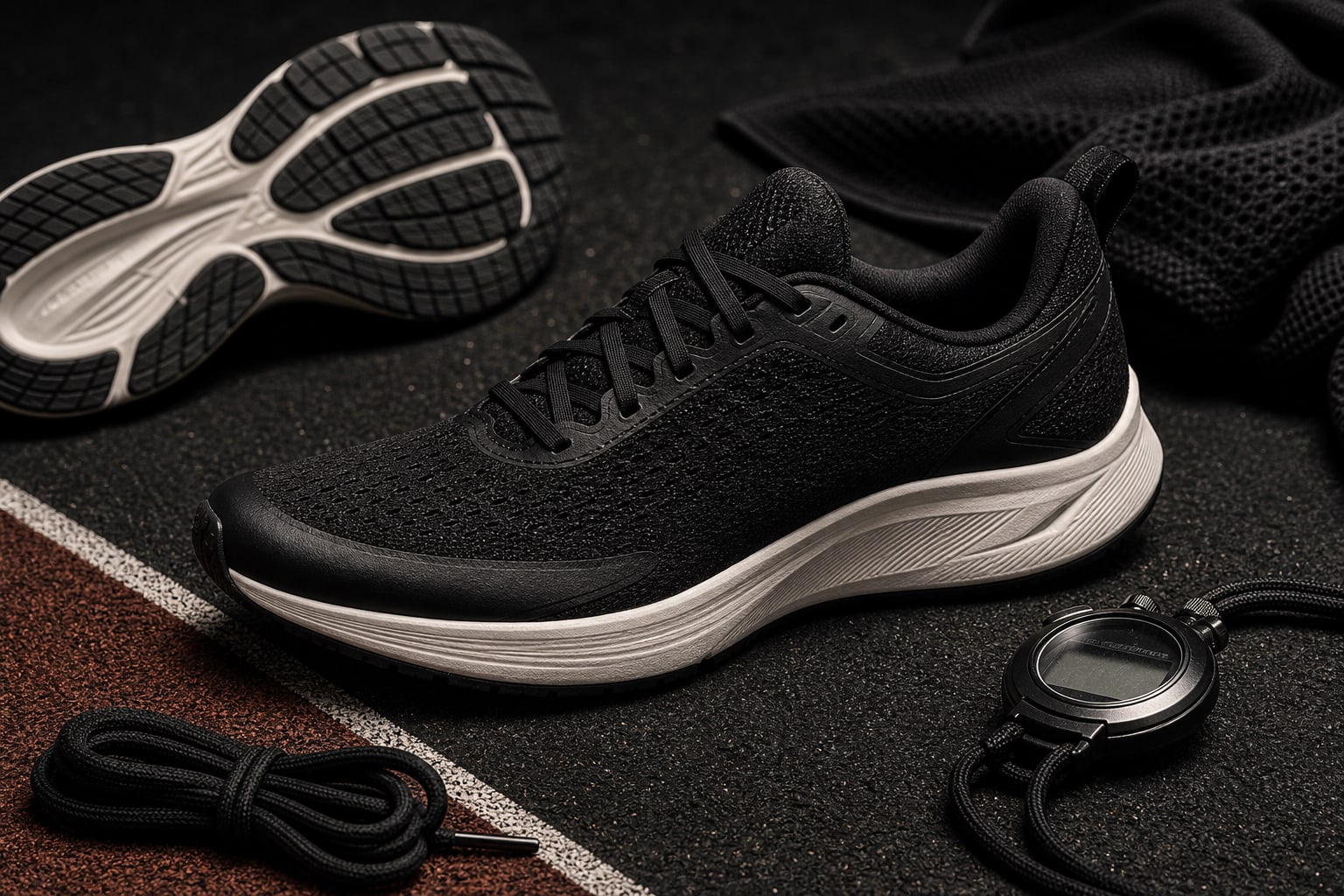
Nike turned performance footwear into a cultural identity system by connecting the Swoosh, athlete proof, training discipline, product innovation, and personal ambition into one repeatable brand language.
Dove turned a personal-care brand into a trust platform by connecting product softness, ordinary representation, self-esteem work, body confidence, and category criticism into one long-running brand idea.
The Home Depot made warehouse-scale home improvement feel navigable by turning broad selection, associate help, project know-how, price confidence, and the orange apron into a service trust system.
Spotify turned music access into a personal discovery system by making playlists, saved libraries, recommendation loops, listening data, and artist discovery feel like one daily audio habit.
Duolingo made language learning feel like a daily habit by combining short lessons, streaks, reminders, rewards, progress paths, and a playful green owl into one repeatable practice system.
Dyson made appliances feel like visible engineering by turning cyclone airflow, prototypes, testing, filtration, maintenance, and problem-solving into a brand language of invention.
Costco made warehouse retail feel trustworthy by tying membership, limited selection, bulk value, private-label confidence, receipt checks, and operational discipline into one repeatable value system.
Fender made the Stratocaster more than a guitar model by turning comfort contours, pickups, controls, hardware, repairability, player feedback, and visual silhouette into a modular instrument language.
Salesforce made enterprise software feel accessible by turning CRM into a browser-based subscription system with sales pipelines, customer records, integrations, dashboards, trust cues, and platform expansion.
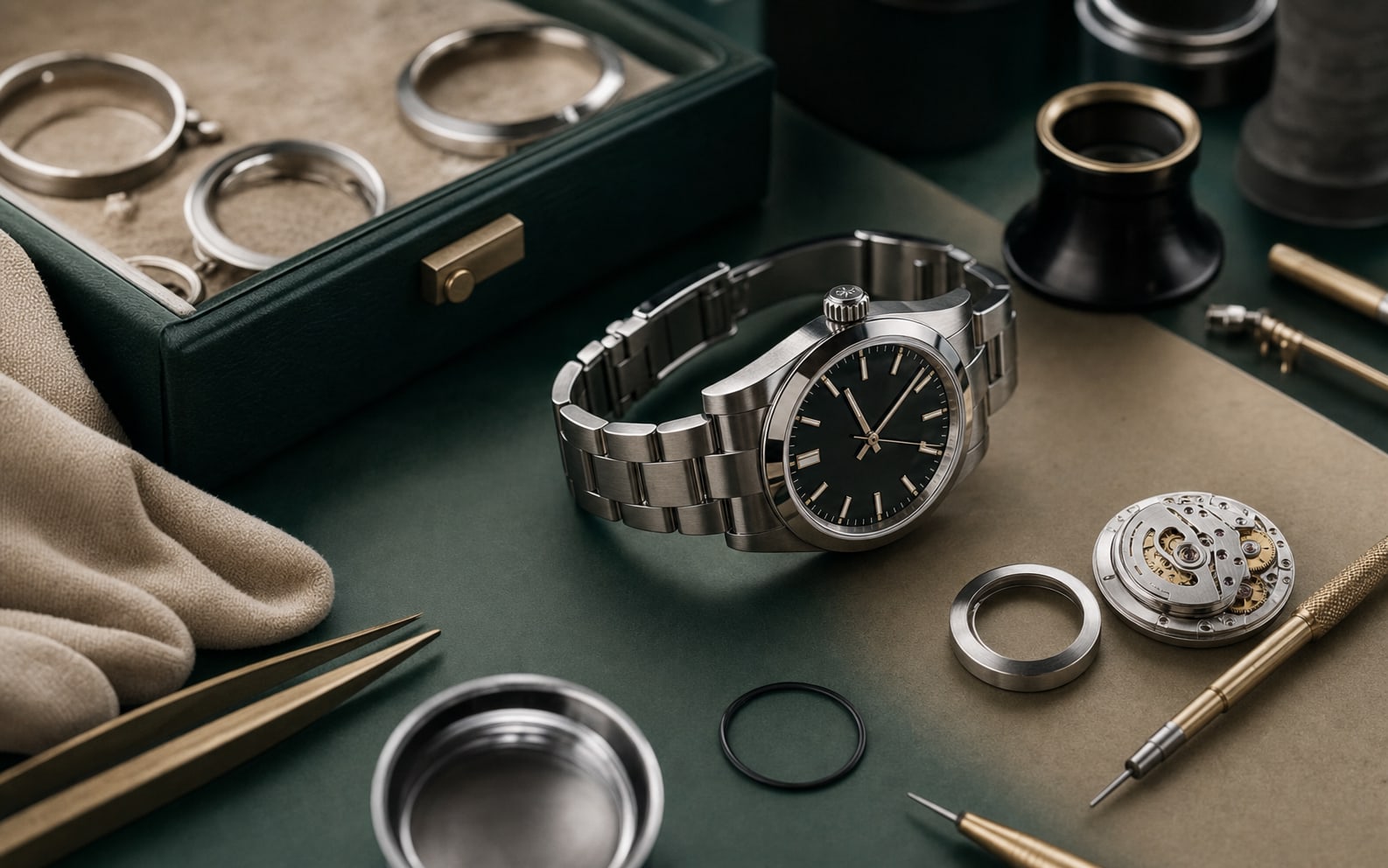
Rolex made watch precision feel durable by tying the Oyster case, waterproof proof, chronometer testing, service discipline, scarcity, and long-term ownership into one luxury trust system.
Nespresso made at-home coffee feel designed by connecting capsules, machines, portion control, flavor ranges, club ordering, boutique service, recycling, and maintenance into one controlled coffee ritual.
Southwest made low-cost flying feel more human by turning bags, fare transparency, boarding rituals, route density, no-frills operations, and friendly service into a promise customers could understand before the fare changed.
A case belongs here when the brand, company, platform, product system, or parent organization is still operating, continuing, or unresolved.
Brand Failures are decision-type cases. Failed Brands are status cases. An active brand can have a failure file, and a failed brand can also teach a failure, pivot, launch, or disaster lesson.
No. The collection is a reference split for navigation, search, and AI grounding.