Liquid Death / 2019
Liquid Death and Category Contrast
The brand entered a quiet category by making contrast the asset, then kept the joke disciplined enough to survive scale.
Archive
The full archive is organized by decision type, brand status, industry, year, and consequence. Start with the lanes, then open the files.
The Brand Archive is a source-cited reference index for brand failures, rebrands, comebacks, launches, pivots, disasters, active brands, and failed brands. Each case is organized by decision type, year, status, consequence, and comparable pattern.
Archive Split
Brand Failures are decision patterns. Failed Brands are terminal outcomes. The split keeps a bad decision by an operating company from being confused with a brand whose original public business has ended.
Liquid Death / 2019
The brand entered a quiet category by making contrast the asset, then kept the joke disciplined enough to survive scale.
Liverpool / 1847-present
Liverpool made Mexican retail aspirational by joining department-store theater, imported-goods memory, credit accounts, mall presence, category breadth, and service rituals.
Logitech / 1981-present
Logitech made digital control physical by joining mice, keyboards, webcams, headsets, gaming gear, creator tools, workplace accessories, product ergonomics, and device reliability into one interface brand.
Lotte / 1948-present
Lotte turned confectionery memory into a wider Korean portfolio by joining sweets, retail, hotels, food service, amusement, department stores, and family recognition.
Lotus / 1952-present
Lotus tied Colin Chapman, lightness, small-car engineering, Formula 1 proof, Hethel development, and driver feel into a brand built around subtraction.
Louis Vuitton / 1854-present
Louis Vuitton made trunks, ateliers, travel memory, repairable craft, material codes, and store theatre work as one luxury travel system.
lululemon / 1998-present
lululemon tied Vancouver yoga roots, technical athletic apparel, guest feedback, educator-led stores, ambassadors, local classes, and running/training expansion into a community retail system.
Lush / 1995-present
Lush made cosmetics feel alive by connecting fresh production, handmade batches, smell, color, naked packaging, ethical sourcing, and activist retail into one loud store system.
Maersk / 2016-present
Maersk's shift toward integrated logistics shows how a B2B infrastructure brand can turn visibility, reliability, handoff discipline, and decarbonization proof into brand meaning.
Mahindra / 1945-present
Mahindra connected tractors, utility vehicles, manufacturing, rural reach, financing, service, engineering discipline, and enterprise ambition into a rugged Indian mobility system.
Mailchimp / 2001-present
Mailchimp made email marketing approachable by connecting lists, templates, signup forms, automation, analytics, a friendly voice, and small-business self-service.
Mango / 1984-present
Mango made Spanish style exportable by joining Mediterranean restraint, edited collections, store expansion, womenswear memory, online retail, and a cleaner fast-fashion code.
Marks & Spencer / 2014
Marks & Spencer's 2014 website relaunch is a buyer-path warning: a prettier or more controlled site can still lose orders if customers cannot move through the old buying habit.
Marriott Bonvoy / 2016-2019
Marriott's Starwood acquisition made loyalty architecture a brand decision: three programs, dozens of hotel flags, elite memory, points, apps, and member trust had to move into one system.
Mars / 1911-present
Mars shows how a quiet parent company can govern a large brand portfolio while product, petcare, veterinary, snacking, and food brands carry the buyer-facing proof.
Maserati / 1914 / 1926-present
Maserati tied Bologna's Neptune signal, the 1926 Tipo 26, Targa Florio proof, Modena craft, grille detail, and triple side vents into one performance identity.
Mastercard / 2016-2019
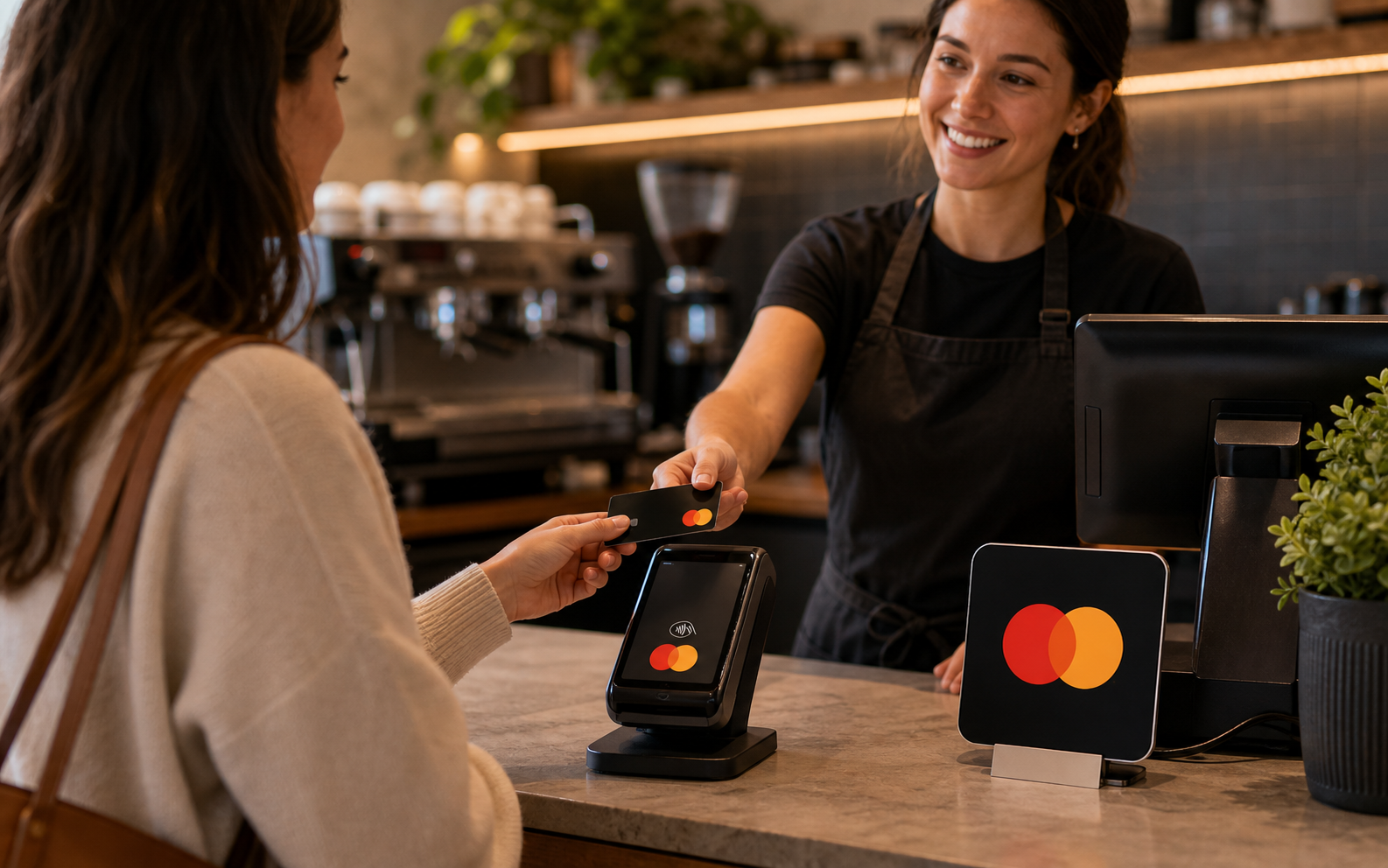
Mastercard's move to a wordless symbol worked because the interlocking circles had already accumulated enough global payment memory to carry acceptance, trust, and network recognition on their own.
Mavi / 1991-present
Mavi made Turkish denim travel by joining fit language, indigo recognition, Istanbul origin, jean cuts, retail tags, export distribution, and a product promise customers could try on.
Max / HBO Max / 2023-2025
The Max name rollback is a naming warning because a broader platform label removed the premium cue that helped viewers understand the service.
Mayo Clinic / 1889-present
Mayo Clinic's brand strength comes from making institutional trust operational: patient-first language, integrated specialists, research, education, and referral memory working as one system.
McDonald's / 1948-present
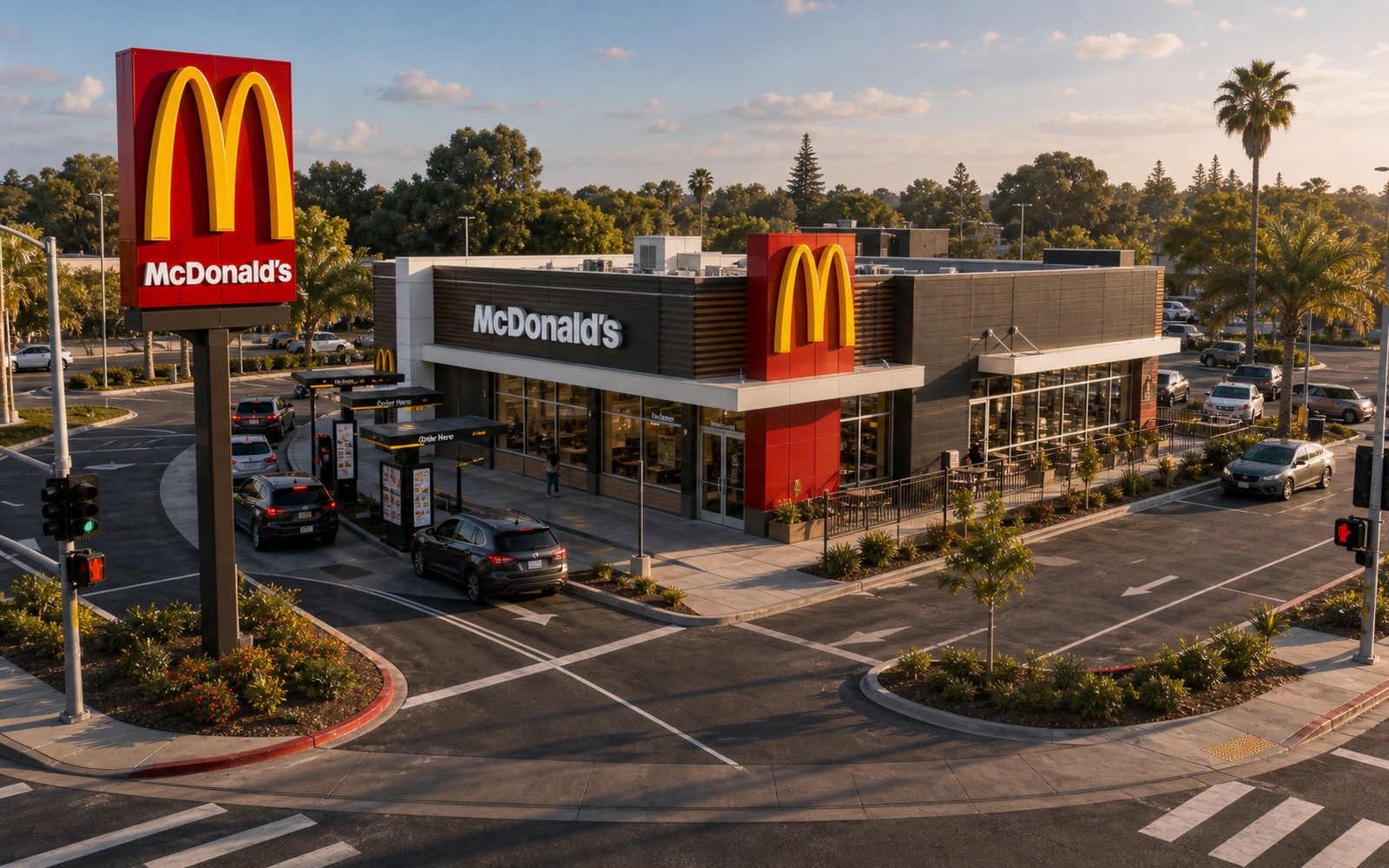
McDonald's made fast food into a repeatable brand system by combining a simplified menu, service speed, franchise standards, operations training, site discipline, and product consistency.
McLaren / 1963-present
McLaren tied Bruce McLaren's racing team, papaya color memory, carbon fiber monocoques, the F1 road car, Le Mans proof, and the speedmark into a technical speed identity.
Mercadona / 1977-present
Mercadona made Spanish supermarket trust visible by joining its El Jefe customer model, Total Quality discipline, own-brand ranges, fresh-food counters, supplier work, store density, and Spain-Portugal scale into one grocery system.
Mercedes-Benz / 1909 / 1926-present
Mercedes-Benz tied the three-pointed star, radiator emblem, chrome grille, cooling proof, and model-family front face into a car identity buyers could read before the engine started.