The Brand Archive is a source-cited reference index for brand failures, rebrands, comebacks, launches, pivots, disasters, active brands, and failed brands. Each case is organized by decision type, year, status, consequence, and comparable pattern.
Reader Use
Use the archive when...
You know the decision type but not the brand case yet.
You need a source-cited example for a concept hub, guide page, lesson, or comparison.
You want to separate a bad decision from a terminal failed-brand status.
You are looking for cases that can prove recognition, trust, rebrand, ecommerce, salience, or strategy patterns.
Pattern Map
Archive patterns by decision type
Use the page by pattern first. The case list comes after the reader knows what to compare.
Pattern
What to compare
Cases to inspect
Brand System
210 filed cases in this lane. Compare the consequence before comparing brand size.
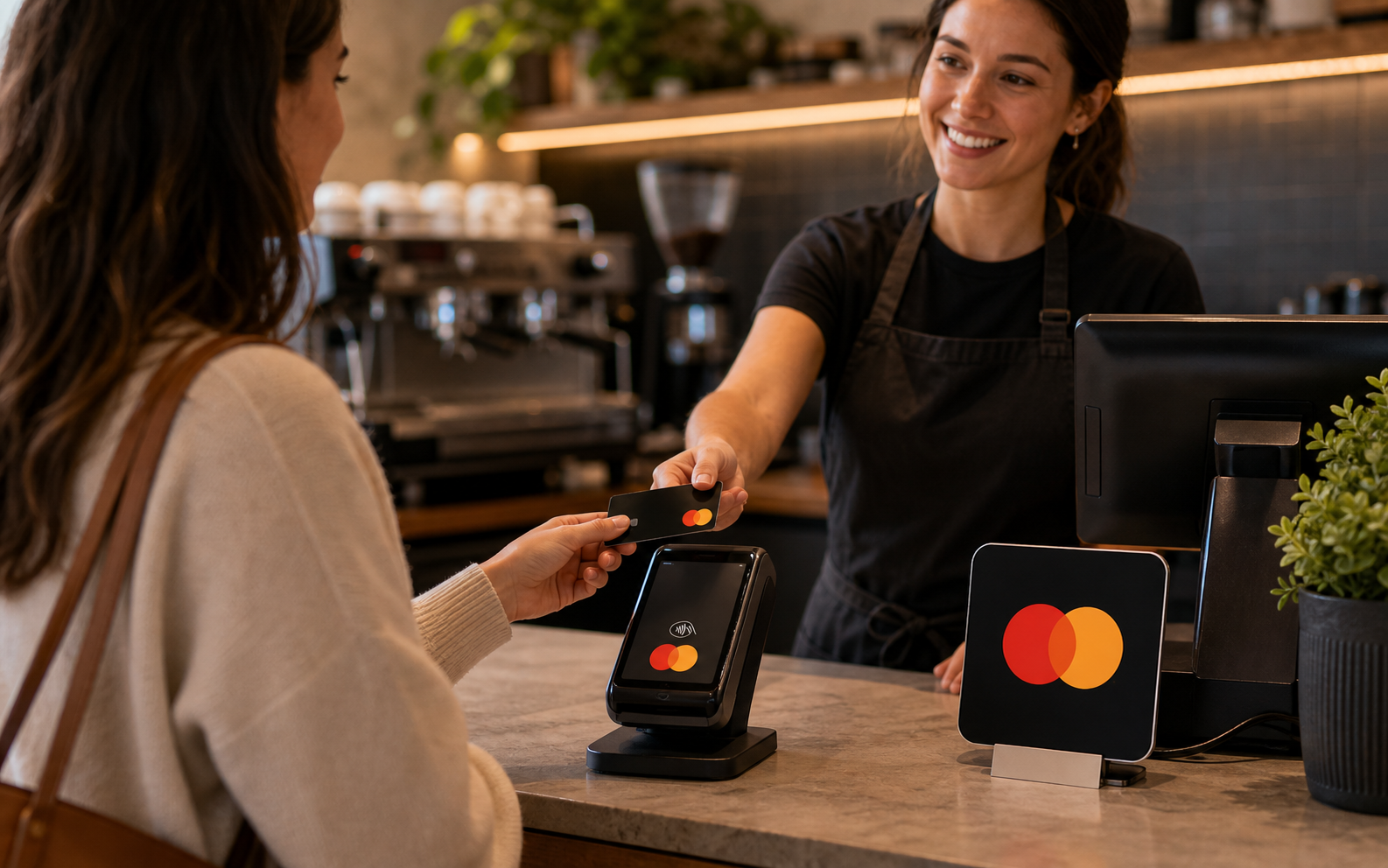
Mastercard's move to a wordless symbol worked because the interlocking circles had already accumulated enough global payment memory to carry acceptance, trust, and network recognition on...
Wordless identity only works after memory has been earned.
The redesign case sits at the center of recognition equity: when the asset is visual memory, improvement starts by protecting the cue shoppers already use.
The decision lesson is procedural: identify the visual elements that carry retrieval before judging what looks current.
Stripe tied API design, docs, test mode, checkout, webhooks, fraud tools, global payment rails, and developer trust into economic infrastructure for internet businesses.
Infrastructure brands can win by reducing the first mile.
Amazon made convenience feel reliable by joining marketplace breadth, Prime, reviews, returns, fulfillment, devices, and AWS infrastructure into one customer promise.
A scale brand has to turn complexity into visible trust.
Brand Failures are decision patterns. Failed Brands are terminal outcomes. The split keeps a bad decision by an operating company from being confused with a brand whose original public business has ended.
Richemont made luxury scale feel governed by holding distinct maisons across jewelry, watches, fashion, accessories, retail, and craft while keeping parent-level discipline behind the scenes.
RIMOWA made luggage legible by turning grooved aluminum, wheel behavior, repair, durability, travel wear, and workshop heritage into a case people can identify from across a terminal.
Rituals made home and body care feel repeatable by joining fragrance, bath and body products, candles, tea, gift boxes, refill cues, store service, and daily-routine language.
Rivian tied electric trucks, Normal manufacturing, R1T storage, Gear Tunnel packaging, software-led vehicle updates, charging routes, and outdoor utility into an EV adventure brand.
Rolex made watch precision feel durable by tying the Oyster case, waterproof proof, chronometer testing, service discipline, scarcity, and long-term ownership into one luxury trust system.
Rolls-Royce tied the Spirit of Ecstasy, upright grille, quiet engineering, coachbuilt material choice, and Bespoke commissioning into a luxury identity built around removed effort.
Roots made leather goods, fleece, cabin memory, Algonquin origin, outdoor comfort, maple colors, and casual retail feel like one Canadian lifestyle system.
Royal Caribbean made large-ship cruising feel like a choice-rich adventure system by joining ship classes, onboard attractions, family activities, destinations, loyalty, dining, and route planning.
Royal Enfield made motorcycle heritage feel current by linking modern-classic design, engine memory, ride routes, community patches, service logs, parts culture, and long-distance ownership.
Salesforce made enterprise software feel accessible by turning CRM into a browser-based subscription system with sales pipelines, customer records, integrations, dashboards, trust cues, and platform expansion.
Samsung made Korean electronics global by joining smartphones, displays, memory chips, appliances, manufacturing depth, quality control, retail presence, and device-family architecture.
Samsung's Galaxy Fold delay turned an embarrassing pre-launch failure into a stronger category-entry decision: pause, fix the weak points, and let the product carry the future.
Santander made a Spanish bank global by joining retail banking, red recognition, local-market branches, acquisitions, cross-border scale, digital continuity, and everyday finance.
SAP built trust by becoming business process infrastructure: finance, inventory, supply chain, procurement, HR, implementation discipline, cloud ERP, and AI layered onto work that cannot casually break.
Saudi Aramco made energy scale visible by tying exploration, production, pipelines, refineries, export routes, safety routines, and national infrastructure into one operating signal.
Saudia made national travel legible by joining flag-carrier identity, Jeddah and Riyadh hubs, route maps, Hajj and Umrah travel pressure, service schedules, and aircraft memory into one travel system.
Sber stretched legacy banking trust into daily services by joining green identity, branch memory, cards, mobile banking, payments, business tools, and ecosystem tabs.
Sears once taught America to buy by catalog, credit, appliance trust, and department-store reach, then collapsed when the retail habit moved faster than the company could repair its stores, debt, and customer role.
SEAT made Spanish mobility visible by joining local production, affordable cars, Barcelona manufacturing, dealer presence, city-scale models, parts supply, and family road memory.
Sephora tied open-sell fixtures, curated prestige brands, sampling, Beauty Insider, Color iQ, education, and ecommerce into a beauty retail system built for discovery.
Shein made ultra-fast fashion feel like a marketplace system by linking trend signals, listings, small-batch testing, production calendars, checkout, parcels, and feedback data.
Shell made fuel infrastructure recognizable through the yellow-red Pecten, service stations, road travel, lubricant products, and energy supply, then had to explain how that memory fits an energy-transition promise.