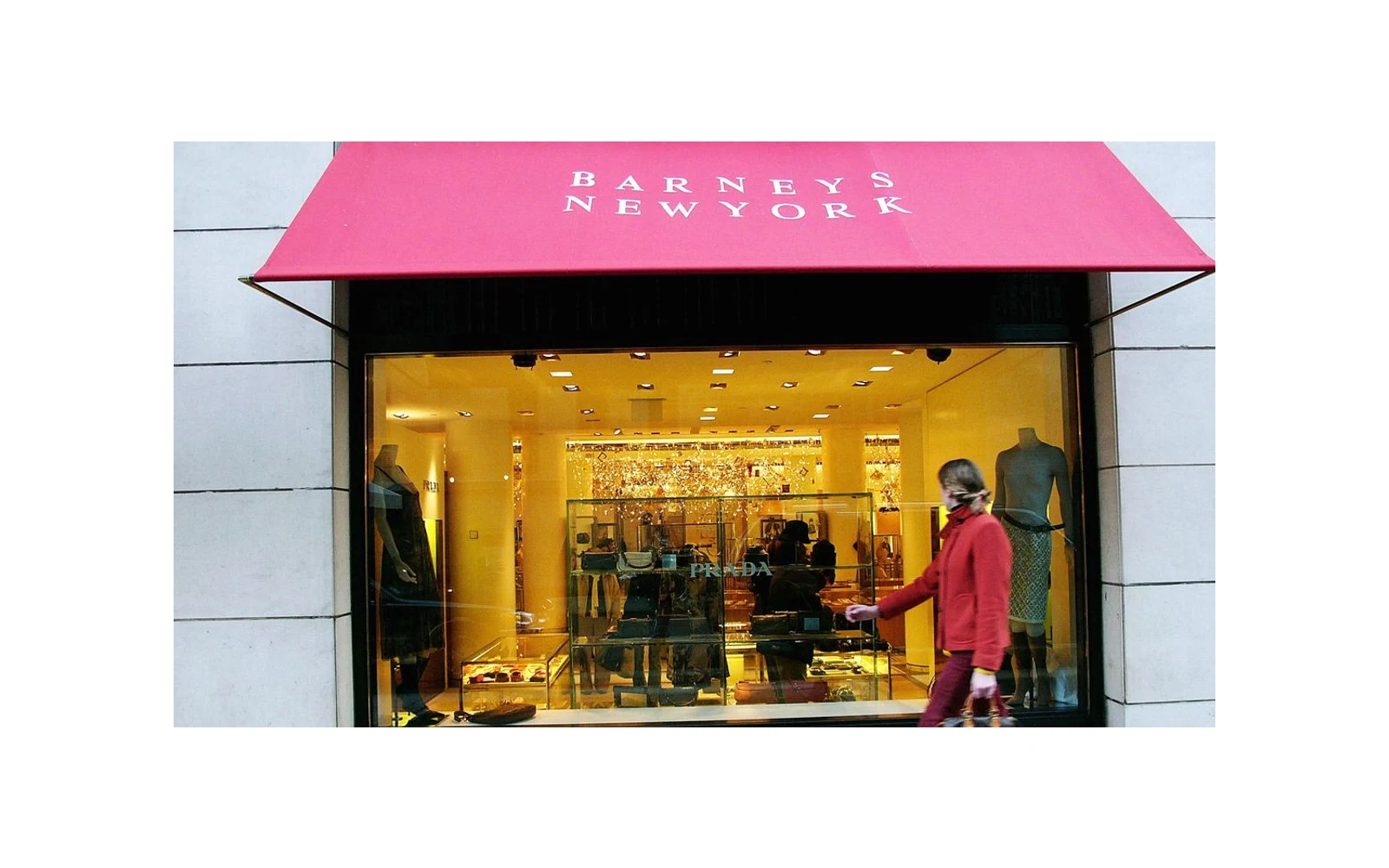
The evidence standard for Barneys New York is whether the public can inspect the luxury retail memory collapse without relying on admiration for the name.
Start with a luxury shopper, designer, buyer, landlord, or operator deciding whether the store still has a role. That reader does not need a tribute page. They need to know what decision became easier, safer, faster, clearer, or more repeatable.
The main risk is nostalgia hiding rent pressure, weak traffic, vendor doubt, inventory exposure, and a discovery role that no longer pays for the floor. A useful page has to name that risk before it praises the visible brand cue.
Inspect the public surfaces: store layout, buyer point of view, vendor terms, bankruptcy record, licensed revival plans, service behavior, and department economics. Those surfaces show whether the promise is operating or merely described.
The strongest proof is behavioral: the store name points to a current shopping behavior that can support the cost of operating it. If the page cannot show that, the brand idea is still too soft to teach.
The check is practical: name the reason to visit, then check whether traffic, merchants, vendors, and economics support that reason. That is where brand language either becomes useful or gets exposed as decoration.