Grow Your Brand Branding guides from Grow Your Brand 2026-07-04
Grow Your Brand Plain brand guides for clearer words, stronger proof, and cleaner decisions.

Branding guide · Logo decision

Change the logo only when the cue system gets stronger.

A logo change should make the brand easier to recognize, use, and trust on real surfaces. A cleaner mark is weak strategy if it makes buyers relearn a cue that was already working.

Find the cue. Know which part of the current mark people actually recognize.
Test the surface. Check app tile, sign, package, receipt, ad, search, and social avatar before launch.
Control the bridge. If the logo changes, decide which old cue teaches the new one.
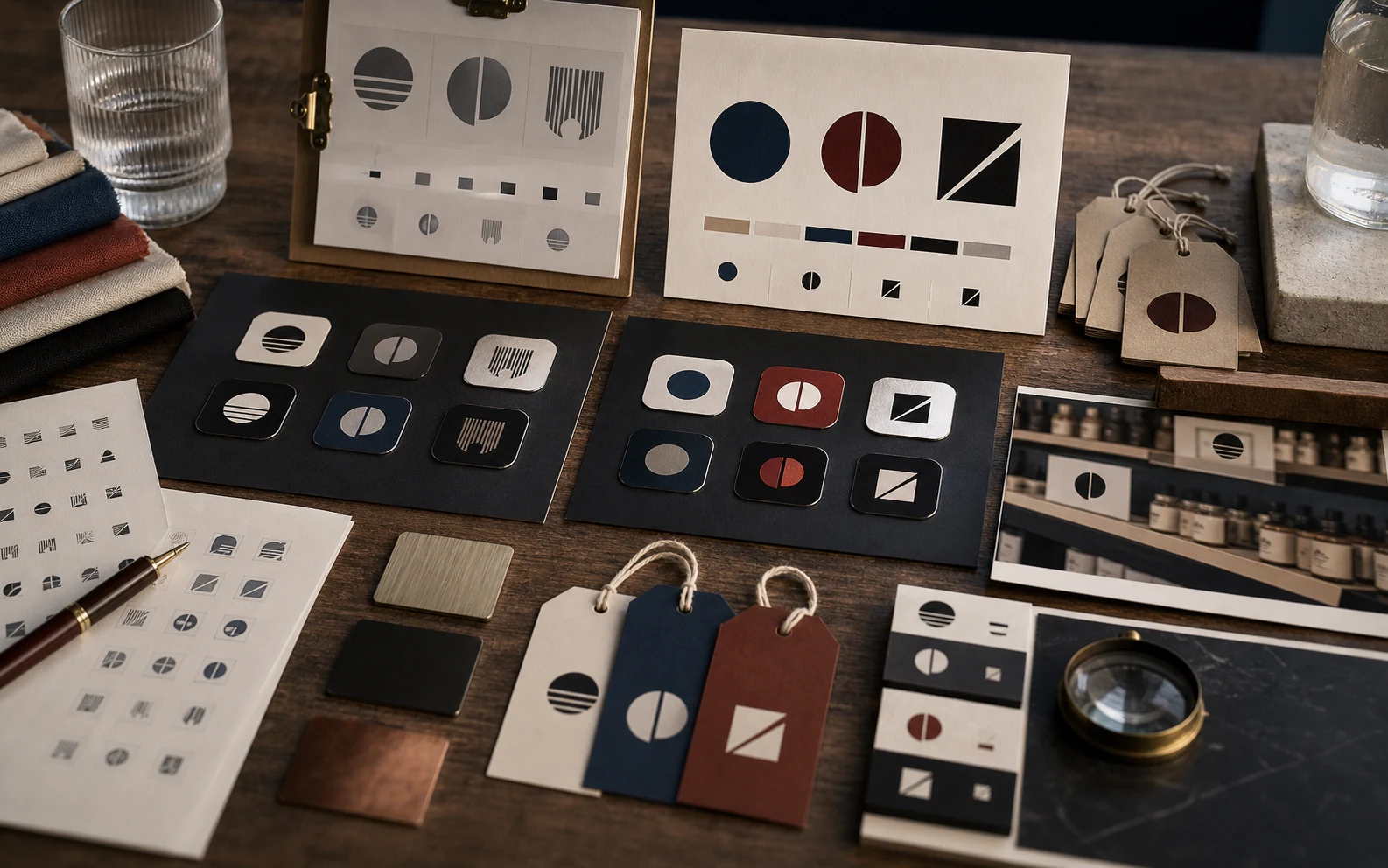
Logo change decision visual with abstract mark systems tested on cards, app tiles, product tags, and shelf surfaces.

Should You Change Your Logo?

cue · size · surface · memory

A logo is approved on small surfaces, not in a presentation where every explanation is nearby.
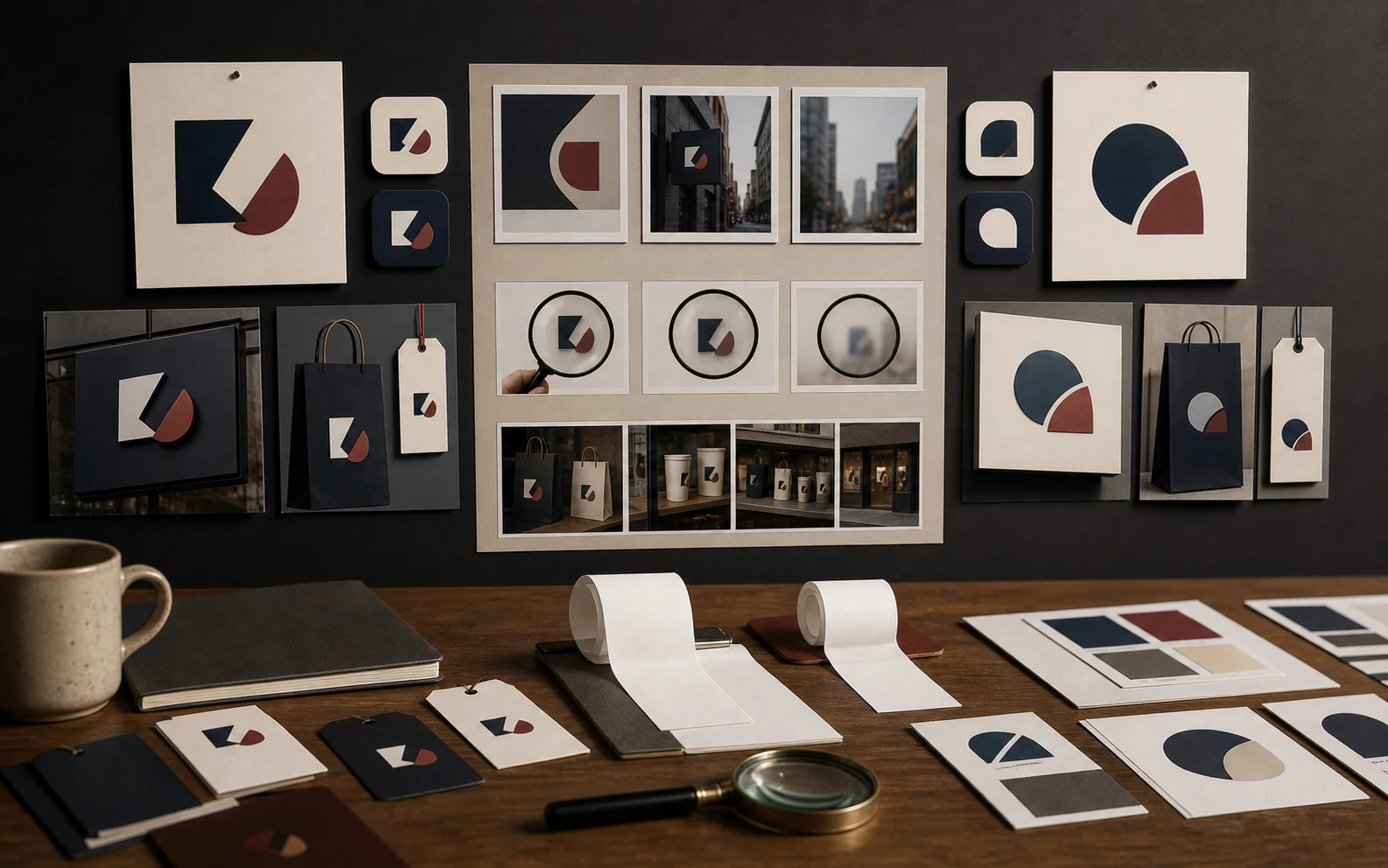
Logo change proof visual with abstract marks tested across signs, bags, tags, cups, app tiles, and cropped recognition frames.
A mark that works only at full size is not ready. It has to survive crop, distance, speed, and clutter.
01

When a logo change makes sense.

The old mark fails in real use. It breaks at small sizes, feels unreadable, clashes with product surfaces, or makes the category harder to understand.
The brand system needs a clearer anchor. A stronger mark can help when color, name, packaging, and product cues need one stable point.
The business has changed enough to require it. A new audience, channel, price tier, or product family can make the old mark carry the wrong expectation.
02

Logo change decision checks.

Do not ask whether the new logo looks modern. Ask what it improves.

Recognition

Will people still find you?

If the old shape, color, or word form is useful, protect it or build a bridge.

Readability

Does it work small?

A logo has to survive app icons, receipts, packaging, thumbnails, and dark backgrounds.

Category

Does it still say what you are?

A generic mark can make the brand harder to place.

Promise

Does the mark fit the behavior?

A premium mark cannot cover a rough service experience.

Distinctiveness

Can competitors wear the same shape?

A safe mark may disappear into category sameness.

Rollout

Can every surface update cleanly?

A half-changed logo system teaches confusion.

Legal and source use

Can the mark be protected and used?

A clever mark is weak if it cannot be owned or applied consistently.

Cost

What memory are you deleting?

The cost is the recognition you ask buyers to relearn.

03

Logo decision matrix.

Choose the smallest change that solves the actual problem.

Problem
Better move
Bad move
Proof route
Mark does not work small
Simplify while keeping the strongest cue
Erase every old signal
Mastercard lesson.
Wordmark is hard to read
Repair type, spacing, and contrast
Add a decorative symbol
Icon vs Wordmark.
Category is unclear
Clarify name, tagline, product, or image system
Make the logo more abstract
Brand Identity Examples.
Brand feels dated
Check whether dated affects buying
Change because the team is tired of it
Logo Redesign Examples.
Recognition is strong
Refresh surrounding system first
Replace the mark too early
Brand Recognition Examples.
04

Before you change the logo.

Proceed when
  • The current mark fails on specific buyer surfaces.
  • The strongest recognition cue is protected or bridged.
  • The new mark works tiny, cropped, distant, and in motion.
  • The change supports a real business or audience shift.
  • Every major public surface has a rollout plan.
Hold when
  • The main reason is that the logo feels old.
  • The new mark needs explanation to be recognizable.
  • The mark looks like the category average.
  • The team has not tested fast recognition.
  • The logo is being asked to solve positioning or product issues.
05

Use this for your brand.

Private brand work

Pressure-test the decision before buyers do.

If a name, color, mark, message, voice, or page is starting to affect sales or trust, get the public-facing decision checked before rollout makes it harder to change.

Private work Request private brand work Use this when a live brand decision needs outside pressure before launch, redesign, or sales review.
06