Grow Your Brand Branding guides from Grow Your Brand 2026-07-04
Grow Your Brand Plain brand guides for clearer words, stronger proof, and cleaner decisions.

Branding guide · Recognition examples

Recognition is the cue people notice before they read.

The useful examples are not famous logos. They are repeated cues: color, shape, package, motion, sound, shelf, service, and product patterns that help buyers connect the brand fast.
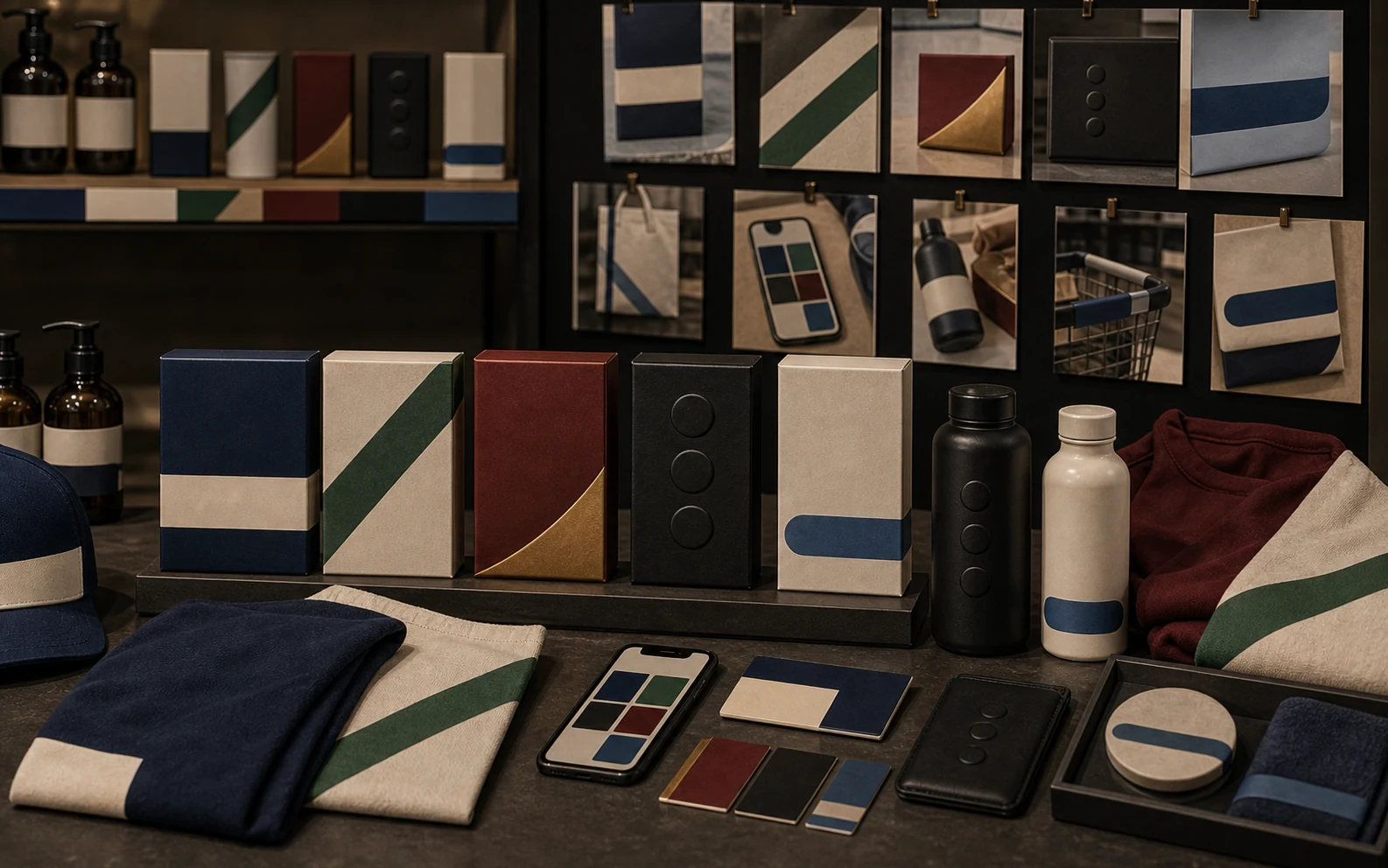
Notice. The cue should be visible before full reading.
Connect. The buyer has to link the cue to the right brand and category.
Repeat. The cue needs enough surface repetition to become memory.
Brand recognition examples visual showing abstract partial cue families repeated across surfaces without logos or readable text.

Brand Recognition Examples

notice · connect · choose · recall

Recognition gets stronger when a cue survives cropping, distance, clutter, and speed.
Brand recognition proof visual with abstract cue fragments tested across cluttered shelf and phone surfaces.
A useful recognition cue still works when it is small, partial, far away, and surrounded by alternatives.
01

What these examples prove.

Recognition is not awareness alone. A person can know a brand name and still miss it on a shelf, app, sign, or search result.
Cues work as systems. Color, mark, shape, type, package, and product behavior teach each other when they repeat consistently.
Fame is not the lesson. The lesson is which cue gets trained and which surface keeps proving it.
02

Recognition examples.

These examples are useful because each brand has a cue that works before a long explanation.

Tiffany & Co.

Color and box ritual

The blue package creates recognition before product detail.

Nike

Motion cue

The mark and product surfaces keep performance memory visible.

McDonald's

Distance shape and color

Recognition works from road, sign, package, and habit.

Mastercard

Overlapping-circle memory

The symbol can carry payment recognition when context helps.

FedEx

Delivery word-shape cue

The wordmark and arrow reinforce movement and time promise.

IKEA

Color block and store path

Blue, yellow, flat-pack, and warehouse behavior teach one system.

Target

Simple bullseye cue

The cue works because store, packaging, and advertising repeat it.

Rolex

Crown and ownership ritual

Status recognition is reinforced by product form, materials, and ceremony.

03

How to read the cue.

A recognition example should tell you what cue is doing the work.

Cue type
What it helps
Good example
Failure mode
Color
Fast spotting and memory
Tiffany & Co. and IKEA
Color appears once and is not owned.
Shape
Recognition at distance
McDonald's and Target
Shape is common in the category.
Symbol
Small-space memory
Nike and Mastercard
Symbol is abstract before it is trained.
Word shape
Name recognition
FedEx
Custom letters hurt readability.
Package
Shelf and ritual memory
Tiffany & Co. and Coca-Cola
Package redesign removes the cue.
Behavior
Proof after recognition
IKEA, FedEx, Costco
Cue says one thing and service says another.
04

Recognition checklist.

Use the example when
  • The cue is visible on real buyer surfaces.
  • The cue survives crop, distance, and clutter.
  • The same cue repeats across product, page, and support.
  • The cue points to a real brand promise.
  • The example helps a smaller brand choose what to repeat.
Do not use it when
  • The example depends only on fame.
  • The cue is only a logo in a deck.
  • The cue is easy for competitors to copy.
  • The brand behavior contradicts the cue.
  • The lesson becomes copy the surface, not the discipline.
05

Use this for your brand.

Private brand work

Pressure-test the decision before buyers do.

If a name, color, mark, message, voice, or page is starting to affect sales or trust, get the public-facing decision checked before rollout makes it harder to change.

Private work Request private brand work Use this when a live brand decision needs outside pressure before launch, redesign, or sales review.
06