Writing trust as tone
Tone helps only after proof exists.
Branding guide
Trust is an emotional branding job when proof lowers risk. See FedEx, Toyota, Volvo, Zappos, eBay, Amazon Prime, American Express, and Boeing.
Branding guide · 24 sources
Trust branding works when the brand lowers a felt risk before the customer commits. The proof has to sit at the risk point: safety, money, time, fit, data, delivery, or recovery.
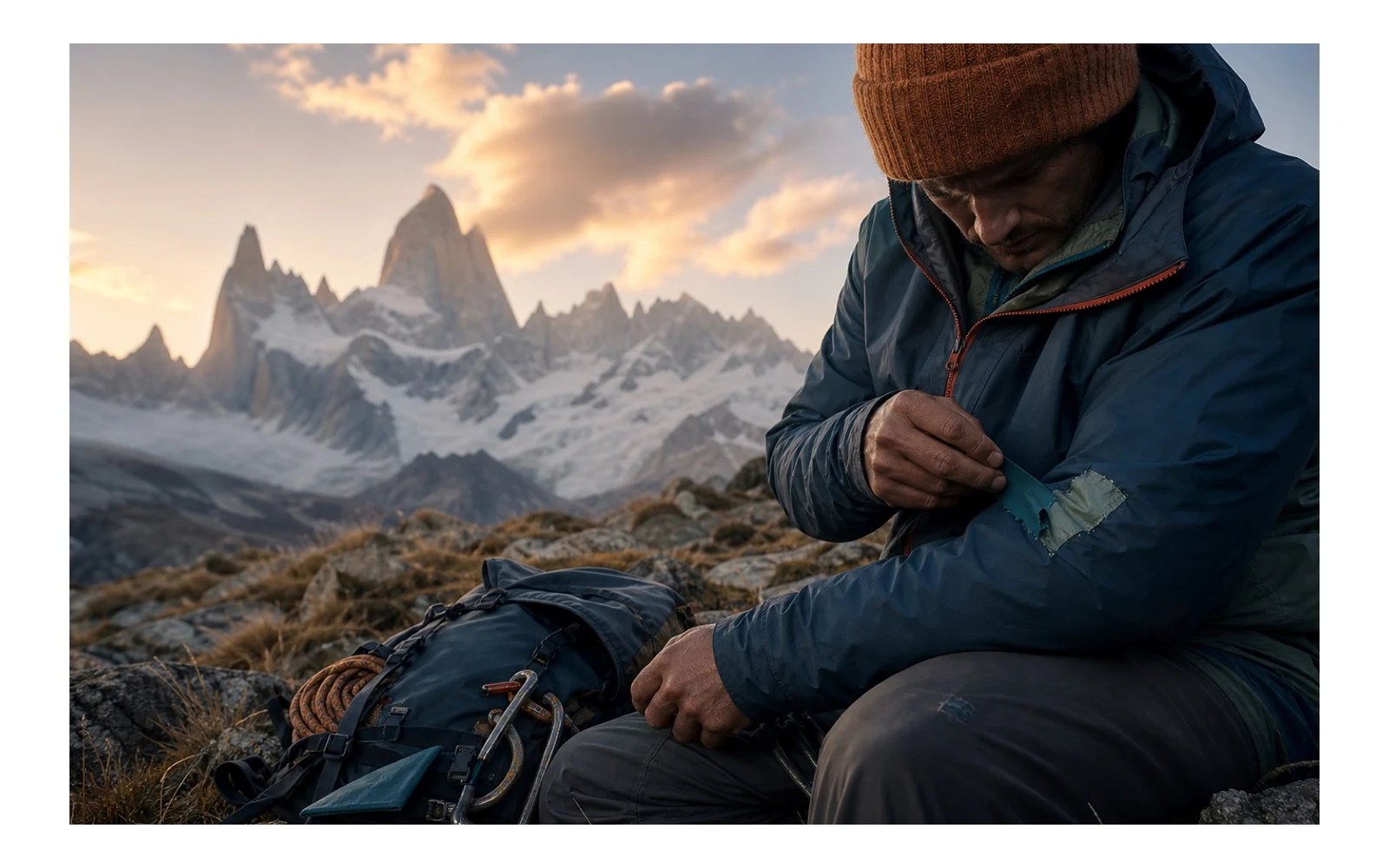
Patagonia publishes repair instructions and a route for sending damaged gear to repair specialists. Those are things a customer can use and inspect. Their existence supports the repair promise; it does not establish the outcome of every repair or make every environmental claim true.Patagonia Worn Wear repair service
"Grow Your Brand defines trust in emotional branding as the reading customers grant when a brand repeatedly shows proof that it lowers risk, keeps promises, and recovers under pressure."
Trust is emotional because risk is emotional.
A buyer reads the downside before they read the promise.
The mistake is sounding trustworthy instead of proving risk is handled.
Trust has to show up where the customer might lose time, money, safety, status, or control.
A trust claim is useful only when the proof appears where the customer faces risk.
| Risk | Proof needed | Related cases |
|---|---|---|
| Time risk | Delivery promise and recovery path. | FedEx, Amazon Prime |
| Safety risk | Product proof and operating accountability. | Volvo, Boeing |
| Fit risk | Return path and service behavior. | Zappos |
| Marketplace risk | Signals that make strangers legible. | EBay |
| Payment risk | Membership, acceptance, and dispute confidence. | American Express |
These examples are editorial interpretations of the linked historical cases. They illustrate a mechanism; they do not isolate emotion as the cause of a business result.
These cases show trust as a working system, not a tone of voice.
| Case | What happened | What it illustrates | Operator lesson |
|---|---|---|---|
| FedEx Trust / 1973-presentFedEx | FedEx made overnight delivery, tracking, routes, and deadline certainty the emotional proof. | Trust appears as time relief. Customers read less exposed because the promise is measurable. | Put the trust signal beside the risk the customer is trying to avoid. |
| Toyota Trust / 1950s-presentToyota | Toyota tied reliability to production discipline, quality systems, dealer experience, and long-term ownership confidence. | Trust is earned through expected durability. The reading comes from fewer surprises over time. | Build trust through repeated operating behavior, not reassurance language. |
| Volvo Trust System / 1959-presentVolvo | Volvo made safety physical through the three-point belt and the daily action of clicking in. | Trust becomes emotional when protection can be touched before danger happens. | Make abstract safety visible in an object, habit, or standard. |
| Zappos Trust / 1999-presentZappos | Zappos reduced online shoe risk with service, shipping, returns, phone support, and fit recovery. | The trust reading comes before purchase because the rescue path is already clear. | Make the return path visible enough that the buyer reads safer before buying. |
| EBay Trust / 1997-present | EBay made stranger transactions less opaque through feedback, reputation, and buyer-protection signals. | Trust is delegated to visible marketplace rules and seller history. | When sellers are unknown, make the trust record easy to inspect. |
| Amazon Prime Brand System / 1994-presentAmazon Prime | Amazon Prime made delivery expectation, returns, membership, and logistics scale part of the decision. | Scale reads trustworthy when customers can predict arrival and recovery. | Convert infrastructure into trust by making the next step obvious. |
| American Express Trust / 1958-presentAmerican Express | American Express ties trust to membership, payment service, dispute handling, and post-purchase confidence. | The emotional value sits after the swipe: help, recognition, and recovery make risk read lower. | Trust continues after payment. Design the after-sale proof. |
| Boeing Disaster / 2018-2026Boeing | Boeing's safety trust broke when aircraft systems, oversight, and communication failed under public scrutiny. | Trust can reverse quickly when the failure hits the core promise. | Safety brands have no spare emotional capital when the core proof breaks. |
Trust grows when recovery, reliability, and evidence are visible before the promise is tested.
| Pattern | What it means | Cases to inspect |
|---|---|---|
| Time risk | The customer trusts the brand because the deadline reads protected. | FedEx, Amazon Prime |
| Safety risk | The brand makes protection physical or publicly inspectable. | Volvo, Boeing |
| Reliability risk | Repeated operating behavior makes failure read less likely. | Toyota, Costco |
| Fit and service risk | Returns and support make the decision safer. | Zappos, eBay |
| Payment risk | Membership, protection, or infrastructure reduces transaction anxiety. | American Express, Stripe |
The practical test is whether the concept changes a real decision.
Tone helps only after proof exists.
Returns, guarantees, support, and accountability should appear near the risk.
Safety, money, fit, delivery, and privacy need different proof.
Boeing shows that trust can move fast when proof fails at the core promise.
It lowers risk by attaching a reading of confidence to visible proof, repeated behavior, and recovery paths.
FedEx, Toyota, Volvo, Zappos, eBay, Amazon Prime, American Express, and Boeing are useful trust cases.
Yes. The reading comes from proof the customer can use.
Historical case record through 2026-06-18. Guide and referenced specimen reviewed 2026-10-13.
