Treating the case as trivia
Extract the customer job the brand surface performed.
Branding guide
Package as brand memory explained through packaging cases: Tropicana, Coca-Cola, Tiffany, Cadbury, Oatly, Liquid Death, ALDI, Mercadona, and IKEA.
Branding guide · 3 sources
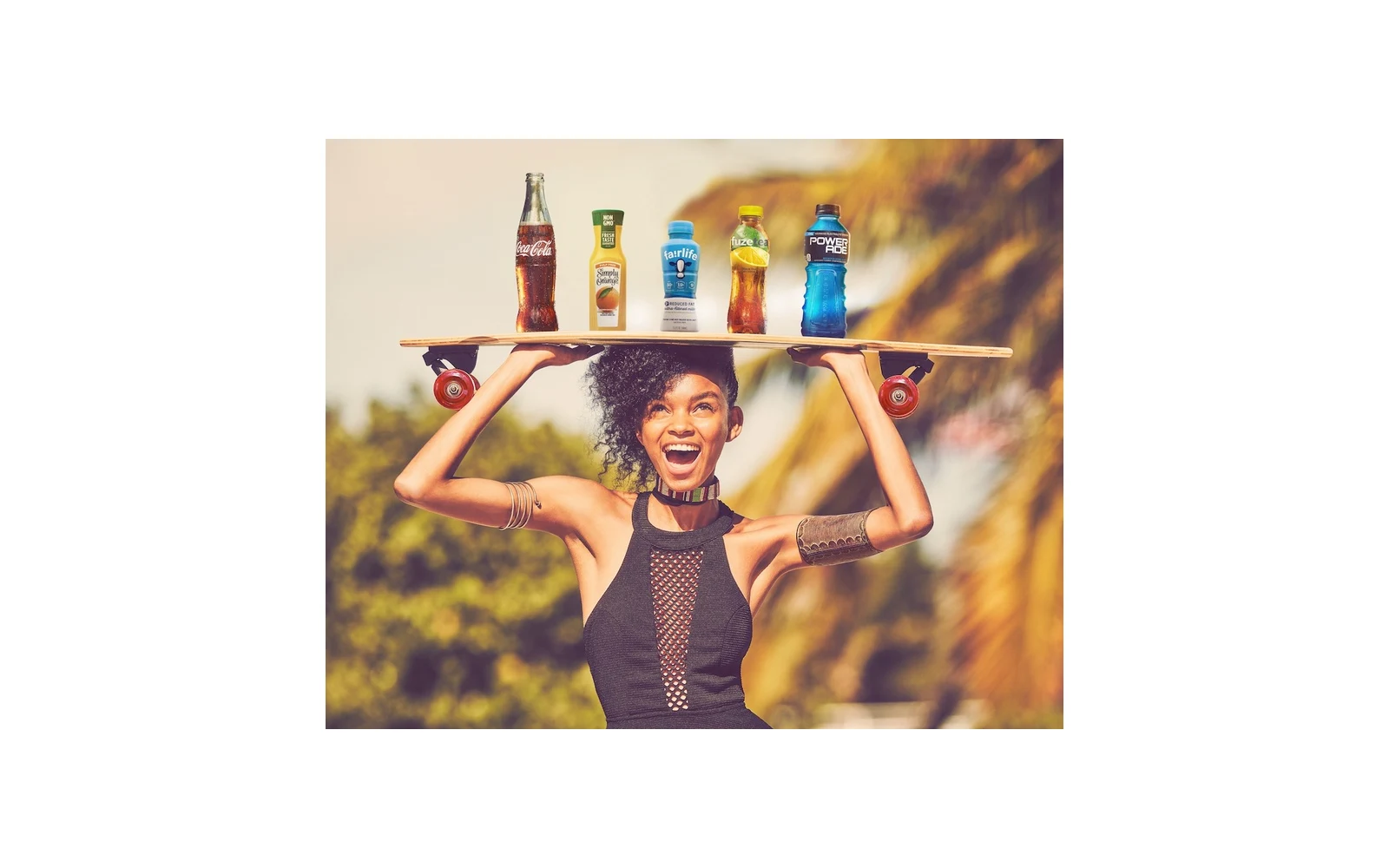
Package becomes brand memory when the buyer uses the pack to find, trust, gift, repeat, or explain the product. Tropicana and Coca-Cola show the warning side: changing a familiar package cue can break recognition or create variant confusion. Tiffany, Cadbury, Oatly, Liquid Death, ALDI, Mercadona, and IKEA show the stronger side: package, color, shelf code, and after-purchase use can carry memory after the ad is gone.
"Grow Your Brand defines package as brand memory as the use of a package, carton, wrapper, bottle, box, label, or delivery insert as a recognition and repeat-purchase cue customers use before reading a full claim."
The mistake is treating the visible surface as decoration.
The package can carry shelf recognition, product trust, gift ritual, category teaching, retailer endorsement, or social use.
| Package job | What it carries | Cases |
|---|---|---|
| Shelf shortcut | Fast recognition before the buyer reads. | Tropicana, Coca-Cola |
| Physical recognition | Shape or color that identifies the brand without a full label. | Coca-Cola, Cadbury |
| Gift ritual | The package becomes part of ownership or exchange. | Tiffany |
| Category teaching | The pack explains how to understand or use the product. | Oatly |
| Social object | The package changes the comparison set and use context. | Liquid Death |
| Retailer trust | The package carries store endorsement and value memory. | ALDI, Mercadona, IKEA |
Read each row by the package job, not the package style.
| Case | What happened | What it illustrates | Operator lesson |
|---|---|---|---|
| Tropicana Failure / 2009Tropicana | A redesign moved a familiar shelf cue and met commercial pressure. | Package can be a buying shortcut. | Test the package in the aisle, thumbnail, and repeat-buy context. |
| Coca-Cola white can Failure / 2011Coca-Cola white can | A seasonal white can created confusion with the familiar cola cue. | Color and package can be product identity. | Protect the original cue when variants enter the same buying path. |
| Coca-Cola contour bottle Archive caseCoca-Cola contour bottle | The bottle shape carried recognition even without full label support. | Shape can identify the brand at weak attention. | Protect physical form when it does recognition work. |
| Tiffany Brand System / 1845 / 1886-presentTiffany | The blue box became part of gifting and ownership memory. | Package can become a ritual object. | Treat ritual packaging as a brand asset, not a shipping detail. |
| Cadbury Brand System / 1905-presentCadbury | Purple wrapper memory became tied to chocolate recognition. | Color plus package can carry retrieval. | Repeat the cue where purchase happens. |
| Oatly Launch / 1990s-presentOatly | Carton language helped teach oat drink behavior and category meaning. | Package can teach the category. | Make package language explain the customer behavior. |
| Liquid Death Launch / 2019Liquid Death | A can made water read as a different social object. | Package can change the comparison set. | Borrowed package cues work only when the use context supports them. |
| ALDI Brand System / 1913-presentALDI | Private-label packs tied value memory to retailer endorsement. | Package can carry store trust. | Make the store's role visible when the retailer is the trust system. |
| Mercadona Brand System / 1977-presentMercadona | Own-brand products made retailer quality and value legible. | Package can make store quality repeatable. | Show who stands behind the product. |
The package is more than the container. It is often the first proof the buyer meets.
The practical test is whether the concept changes a real decision.
Extract the customer job the brand surface performed.
Copy the evidence logic, not the look.
Check how buyers, press, search engines, and support teams still find the brand.
Attach each page to a reusable proof surface and case cluster.
It is the use of packaging as a cue people use to recognize, trust, repeat, gift, or explain a product.
They can remove the cue buyers use in the actual buying context.
Tiffany's blue box is a package memory example because the box became part of the ownership ritual.
Historical evidence recorded 2026-06-18. Dates and outcomes belong to the period described.