Brand decisions
Brand pivots
Read how companies changed their product, revenue model or category, and what their existing identity could still carry.
 Adobe Creative Cloud Subscription Pivot Case
Brand lesson Claude Code: Terminal agentic coding A general assistant brand moved into the developer's working environment, making file edits, tests, and repo-aware task execution read like a delegated workflow rather than a chat-only exchange.
Brand lesson Codex and the Software Engineering Agent That Made Parallel Work Visible A coding assistant brand moved from code generation toward software engineering delegation, where multiple tasks can be assigned, run in isolated environments, verified, and returned as reviewable changes.
Brand lesson Dell Direct and the Operating Model That Became the Brand A PC company turned distribution, configuration, inventory discipline, and customer information into the brand system itself. The strongest brand decisions are sometimes operational decisions.
Brand lesson GEICO and the Gecko That Made Insurance Recall Easy An auto insurer broadened from a targeted direct model into national consumer recall by making a practical quote promise easier to remember, repeat, and adapt across media.
Brand lesson Maersk and the Blue Container That Became Supply-Chain Trust A shipping brand moved from being recognized as an ocean carrier toward being judged as an end-to-end supply-chain partner whose promise is carried by reliability across many handoffs.
Brand lesson Michelin and the Guide That Turned Tires Into Travel Authority A tire company built demand for road travel, then turned practical mobility information into one of the most durable hospitality and restaurant authority systems in the world.

Brand lesson NVIDIA and the AI Infrastructure Moment That Made Chips a Cultural Brand NVIDIA became hot because the market stopped treating chips as background infrastructure. AI demand made GPUs, networking, software systems, data centers.

Brand lesson Patagonia Explore Patagonia's unusual fleece origin, jacket repairs, company ownership and early backpack experiments, with sources and logo history.
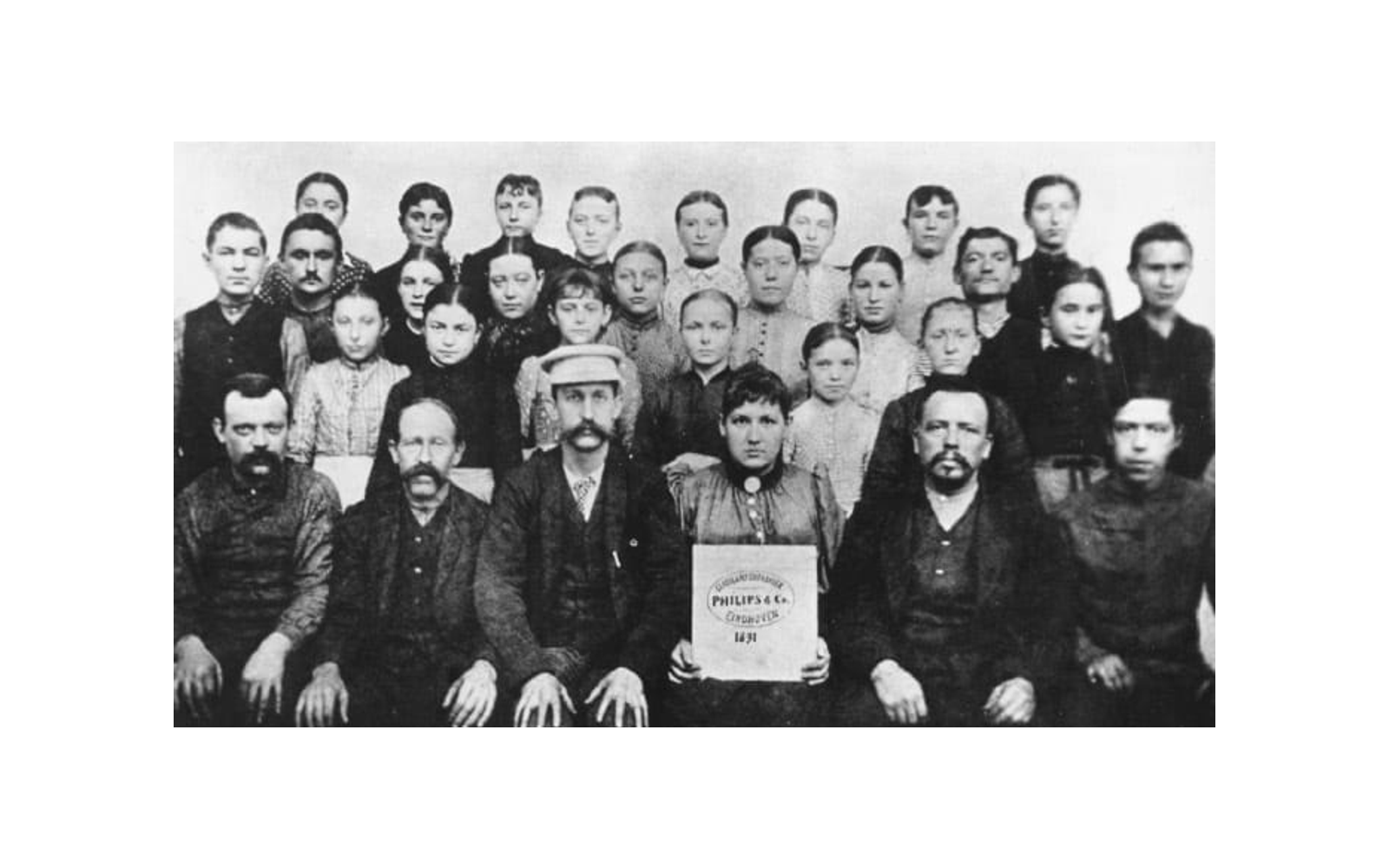
Brand lesson Philips: Health technology lighting pivot Philips turned a lighting origin into a health-technology proof system. A pivot works only when the new category has proof strong enough to carry old memory.
Brand lesson Snap and the AI Efficiency Reset That Turned Scale Into a Trust Test Snap is hot because its AI efficiency reset put a familiar platform dilemma in public view: can a social app grow creator attention, ad performance, AR ambition, and youth trust while cutting deeply and promising smaller teams can move faster?
Brand lesson Southwest Airlines: Bags fly free promise An airline made a low-cost model read as less punitive by giving customers a clear service promise.
Brand lesson Tesla: Brand demand gap identity reset Tesla made electric vehicles feel like the future before the category was mainstream.

Brand lesson Xbox and the Console Network That Became a Subscription Platform A console brand grew into a platform by linking hardware, player identity, online services, subscription access, cloud play, and a green visual signal that could travel across devices.