Grow Your Brand Branding guides from Grow Your Brand 2026-07-04
Grow Your Brand Plain brand guides for clearer words, stronger proof, and cleaner decisions.

Branding guide · Color decision

Change brand colors only when recognition or usability improves.

Color can carry memory, category, source, contrast, shelf presence, and emotion. Changing it is useful when the current palette blocks recognition or usability. It is risky when the color is the cue buyers already use.

Protect source cues. If people use the color to identify the brand, treat it as an asset.
Test contrast. The palette has to work for accessibility, dark mode, packaging, outdoor signs, and small UI.
Compare the category. A color may look good alone and disappear beside competitors.
Brand color change decision visual with packages, material samples, contrast cards, shelf tests, phone color blocks, and sign samples.

Should You Change Your Brand Colors?

recognition · contrast · material · category
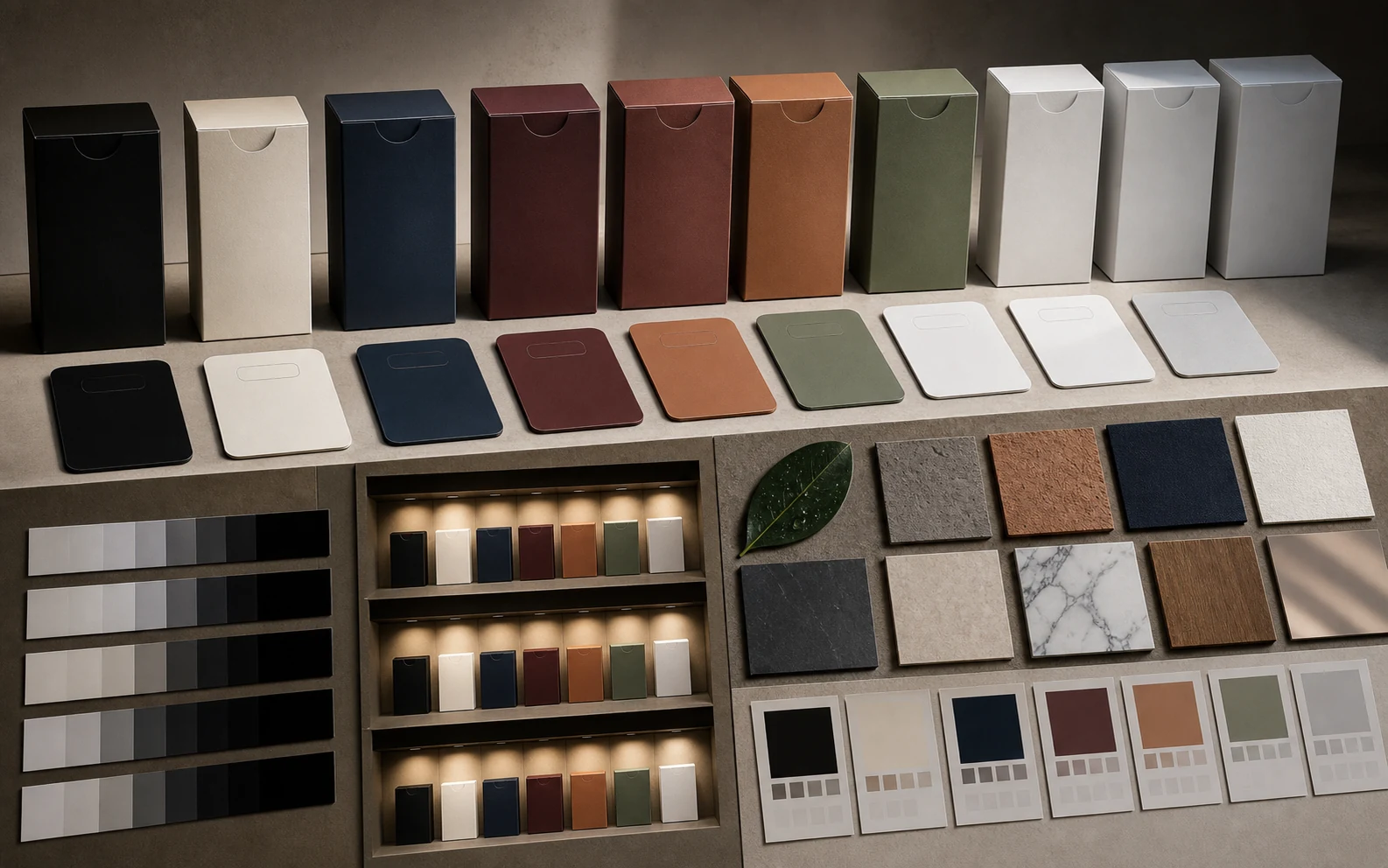
Color decisions should be made on real materials and buyer surfaces before they reach a palette slide.
Brand color change proof visual with identical packages, app cards, contrast boards, shelf lighting tests, and material chips in different palettes.
The same palette can behave differently on paper, cloth, screen, package, shelf, and outdoor material.
01

When color change makes sense.

The current palette disappears. If the category uses the same colors, the brand may need a more ownable cue.
The color fails real surfaces. A palette can break in accessibility, print, packaging, signage, product materials, or mobile UI.
The offer has moved. A new price tier, market, audience, or trust requirement can make the old color send the wrong expectation.
02

Color change decision checks.

Treat color as a working asset, not a mood preference.

Recognition

Do buyers use the color to find you?

If yes, change carefully or keep the core cue.

Category

Does the color stand apart?

Compare the nearest competitors before judging the palette alone.

Contrast

Can people read and use it?

Check AA contrast, dark mode, glare, low light, and small text.

Material

Does it hold up physically?

Ink, fabric, plastic, glass, metal, and screen all shift color.

Meaning

Does it fit the promise?

A color should support the behavior the brand can prove.

Governance

Can the team use it consistently?

A palette with too many exceptions becomes noise.

Rollout

Can public surfaces change cleanly?

Half-updated color systems make recognition weaker.

Memory bridge

Can old buyers follow the change?

A color shift needs cues that carry recognition through the transition.

03

Change, extend, or hold.

The right answer may be a palette repair rather than a full color change.

Problem
Best move
Risk
Proof route
Color lacks contrast
Repair contrast roles
Changing the whole palette for a usability issue
Brand Colors.
Category is crowded
Add or sharpen a distinctive cue
Copying a competitor's escape route
Brands That Own a Color.
Color is strongly recognized
Keep the source color and update support colors
Deleting the asset buyers know
Brand Recognition Examples.
New market expects different trust signal
Test color against proof and category
Using psychology cliches without evidence
Blue in Branding.
Palette is inconsistent
Create guidelines before changing colors
Mistaking governance failure for color failure
Brand Guidelines.
04

Before you change brand colors.

Proceed when
  • The current palette creates a measurable recognition or usability problem.
  • The new color role is different enough in the category.
  • Contrast and accessibility checks pass.
  • The palette works on real materials, screens, and signage.
  • The rollout protects existing recognition.
Hold when
  • The reason is mood, taste, or trend.
  • The current color is a strong source cue.
  • The new palette looks good only in a deck.
  • Contrast or material tests are missing.
  • The team has no governance for variants.
05

Use this for your brand.

Private brand work

Pressure-test the decision before buyers do.

If a name, color, mark, message, voice, or page is starting to affect sales or trust, get the public-facing decision checked before rollout makes it harder to change.

Private work Request private brand work Use this when a live brand decision needs outside pressure before launch, redesign, or sales review.
06