Grow Your Brand Branding guides from Grow Your Brand 2026-07-04
Grow Your Brand Plain brand guides for clearer words, stronger proof, and cleaner decisions.

Branding guide · Color ownership

A brand owns a color only when the color identifies source.

Color ownership is not picking a palette. It is making one color act like a repeated source cue across product, package, store, service, search, and memory.
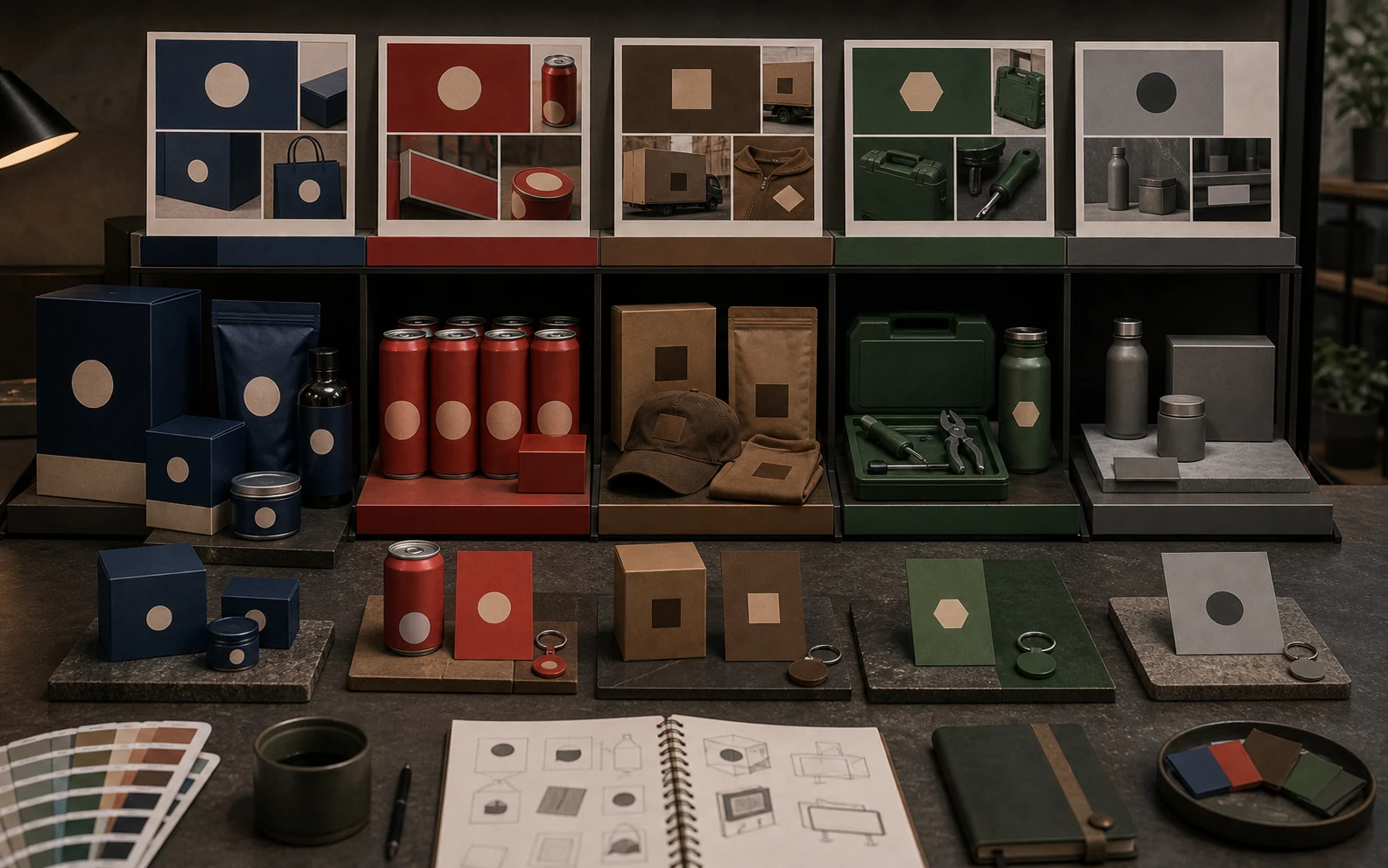
Repeat the color. One campaign cannot teach ownership.
Tie it to source. The buyer has to connect the color to the brand rather than the category alone.
Protect contrast. Color ownership still has to work with accessibility, material, and surface limits.
Color ownership visual showing repeated color systems across packages, shelves, and surfaces without logos or readable text.

Brands That Own a Color

color · source · surface · repetition
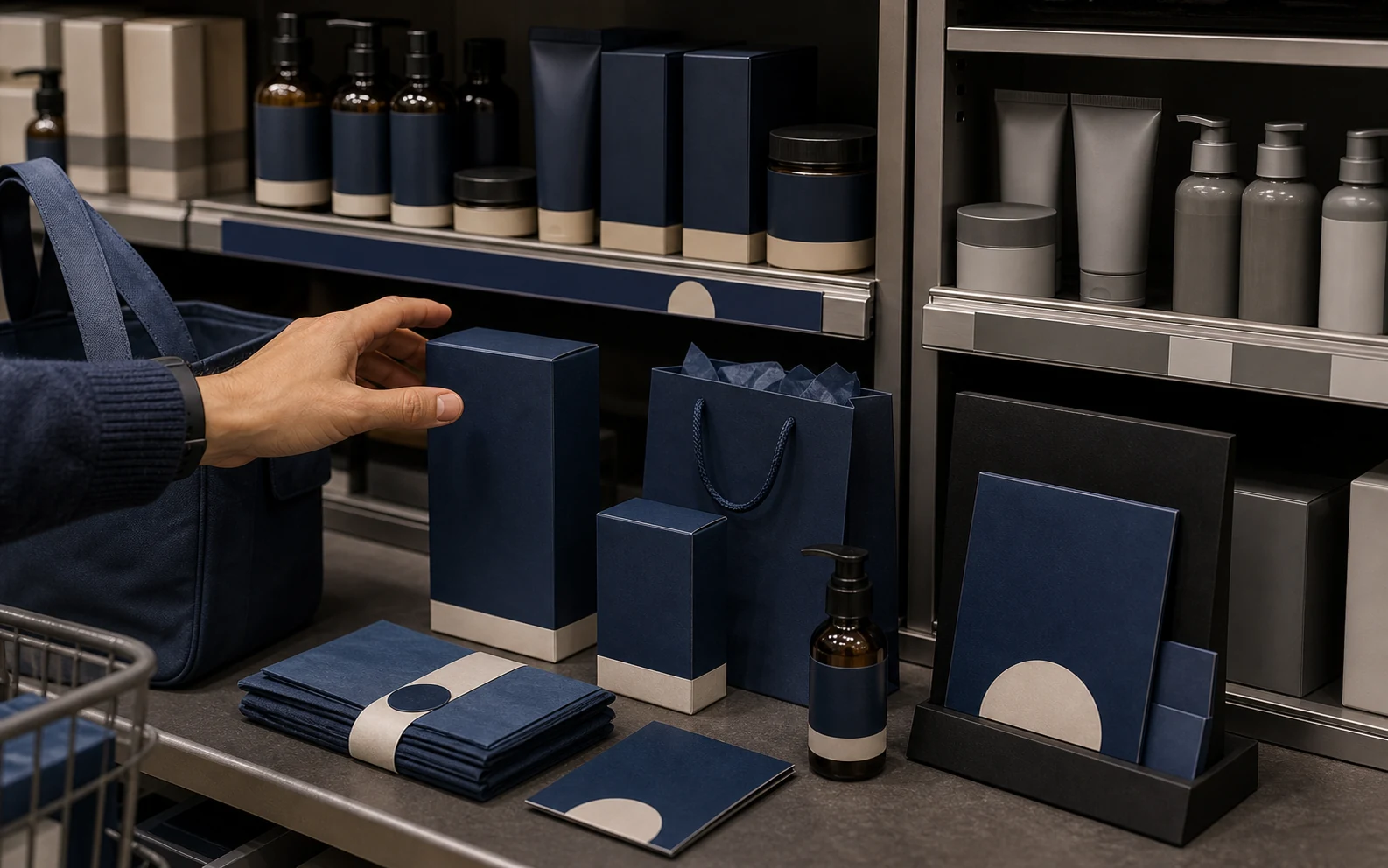
A color becomes useful when it helps buyers find the same brand before words arrive.
Color ownership proof visual showing a repeated blue cue across retail packaging and shelf surfaces without text.
The proof visual removes the logo and words. If the color still identifies the system, the asset is doing real work.
01

What color ownership means.

Color has to identify the source. A color is not owned because it appears in a palette. It is owned when people use it to recognize the brand.
The surface matters. Boxes, vehicles, shelves, apps, uniforms, signs, packaging, and receipts all train color differently.
Legal strength follows use. Color can become a strong brand cue only when the market learns it as a source indicator.
02

Color ownership examples.

Use these examples to see how color becomes memory through repetition and surface discipline.

Tiffany & Co.

Blue box as ritual

The color works because package, gift, and ceremony repeat it.

UPS

Brown as trust and delivery

The color is tied to vehicles, uniforms, and service memory.

Coca-Cola

Red as drink memory

Red repeats across bottle, can, shelf, vending, and seasonal ritual.

IKEA

Blue and yellow as retail scale

The color pair supports store, sign, warehouse, and value memory.

McDonald's

Red and yellow at distance

Color and arches work together as roadside recognition.

Target

Red as retail marker

The color repeats across store, cart, packaging, and advertising.

Starbucks

Green as retail and cup memory

The color repeats across store, cup, app, and service surfaces.

Pepsi

Blue and red as cola contrast

The palette works when it connects refreshment, package, and shelf memory.

03

How color becomes ownable.

A color has to do more than look attractive. It has to carry a role.

Requirement
Strong use
Weak use
Check
Repetition
Same role across surfaces
Color appears only in campaigns
Count package, store, product, and support uses.
Source link
People connect color to the brand
Color reads as category decoration
Remove the logo and test recall.
Contrast
Readable in real conditions
Looks good only in a deck
Test shelf, outdoor, mobile, and dark mode.
Distinctiveness
Different enough in the category
Same safe category color
Compare nearest competitors.
Behavior
Color fits product and service expectation
Color promises what the brand cannot prove
Connect color to proof.
Protection
Use is consistent enough to defend
Palette keeps changing
Govern misuse and variants.
04

Color ownership checklist.

Use the example when
  • The color helps identify the brand without the logo.
  • The color repeats on real buying surfaces.
  • The color is meaningfully different in the category.
  • The color stays usable and readable.
  • The brand can govern the color consistently.
Do not use it when
  • The color is just a moodboard preference.
  • The category already owns the same cue.
  • The color fails contrast or material tests.
  • The palette changes with every campaign.
  • The example makes the team copy instead of choose.
05

Use this for your brand.

Private brand work

Pressure-test the decision before buyers do.

If a name, color, mark, message, voice, or page is starting to affect sales or trust, get the public-facing decision checked before rollout makes it harder to change.

Private work Request private brand work Use this when a live brand decision needs outside pressure before launch, redesign, or sales review.
06