Market
United States
Listed here: Caterpillar, UPS, Visa, Apple, FedEx, Nike, Alphabet / Google, Airbnb, Gap, Mastercard, McDonald's, Target, Tiffany & Co., American Express, The Home Depot, Coca-Cola, Starbucks, IBM, Ford, Pepsi, Boeing, Gulfstream, Microsoft, Amazon, Tesla, SpaceX, Nvidia, Disney, Netflix, Costco, Walmart, Meta, Procter & Gamble, General Motors, Mondelēz International, Estée Lauder Companies, Johnson & Johnson, JPMorgan Chase, Oracle, Adobe, Salesforce, Intel, Coach, Samsonite, Old Spice, BOSE, Levi’s, Sonos, eBay, UnitedHealth Group, CVS Health, Chevron, Forever 21, Rite Aid, JOANN, Party City, Big Lots, QVC, Spirit Airlines, Claire's, Saks Fifth Avenue, WeightWatchers, Revlon, Tupperware, Yellow Corporation, Vice Media, Red Lobster, TGI Fridays, The Body Shop, Eddie Bauer, Redbox, Regal Cinemas, 23andMe, Pat McGrath Labs, Sleep Number, Bed Bath & Beyond, Lord & Taylor, Tuesday Morning, Duolingo, Uber, Bowery Farming, Blockbuster, Kodak, Patagonia, Android, Burger King, Instagram, 3M, AT&T, Rhode, New Balance, Figma, Crocs, OpenAI, Zynga, Great Value, Mary Kay.
- Brand pages
- 182
- Guides
- 177
- Entries
- 97
- Status
- Live
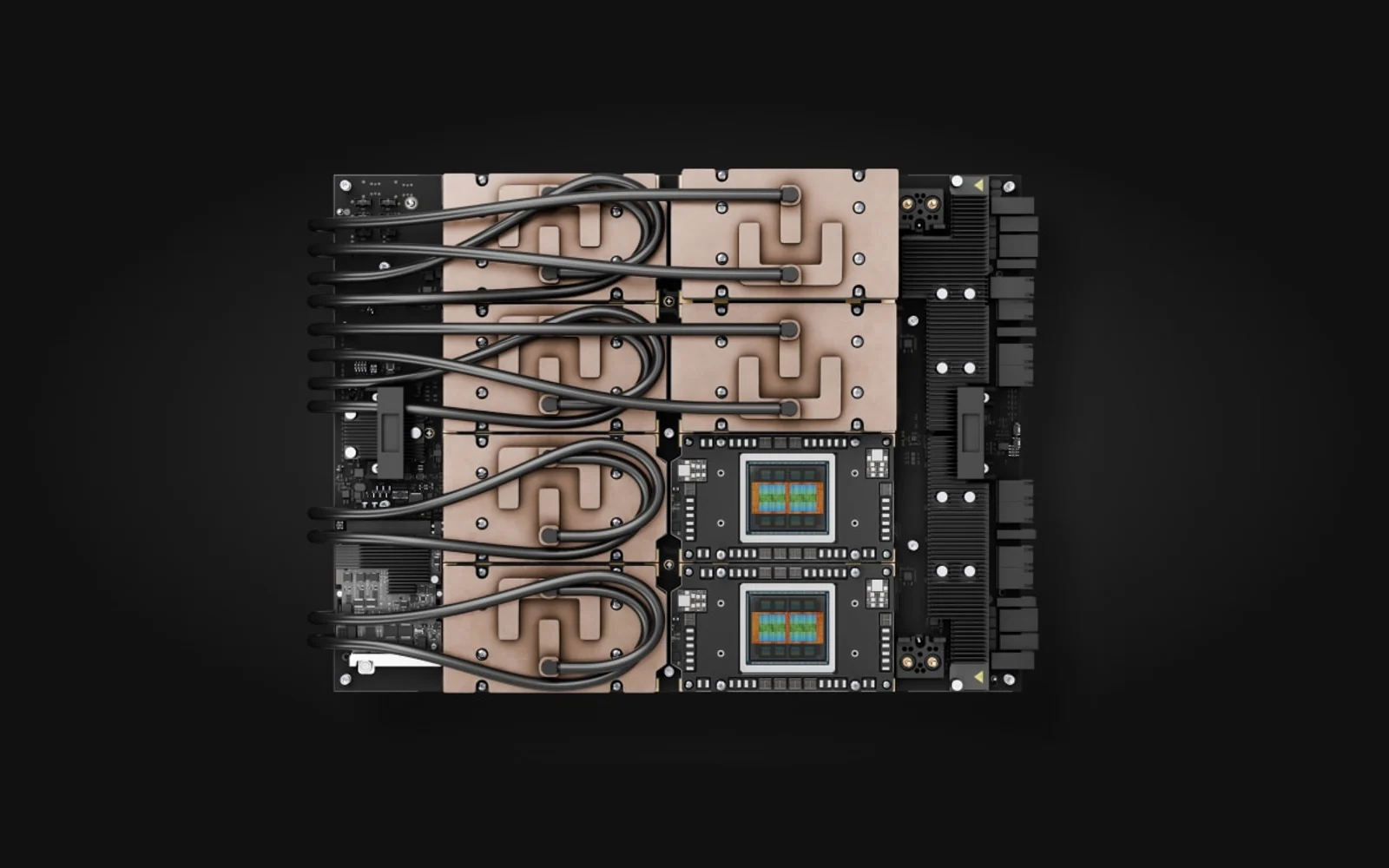 Brand page AMD United States / Active / Semiconductors
 Brand page Anthropic United States / Active / Artificial intelligence
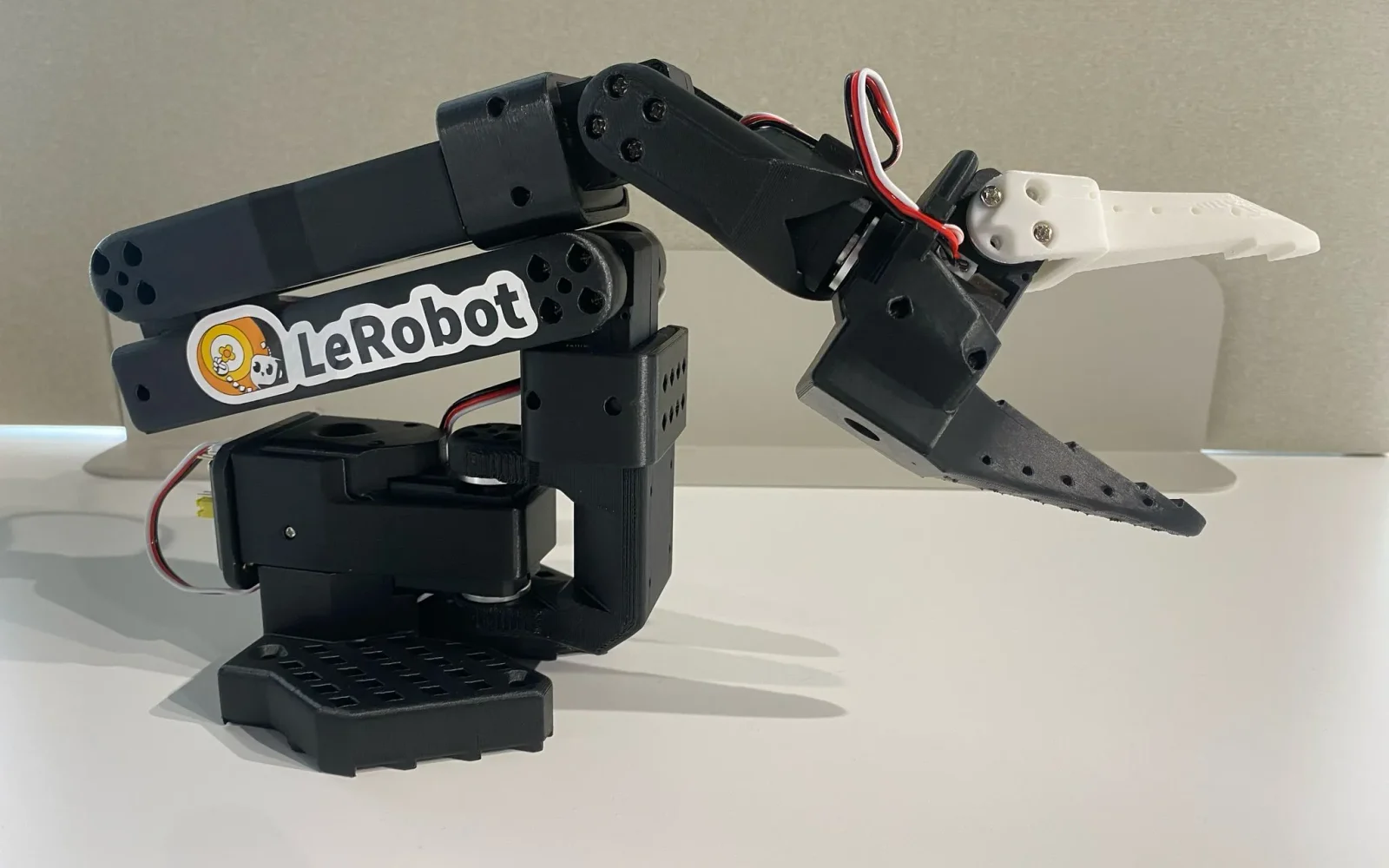 Brand page Hugging Face United States / Active / Artificial intelligence
 Brand page
Caterpillar
United States / active / field trust
Brand page
Caterpillar
United States / active / field trust
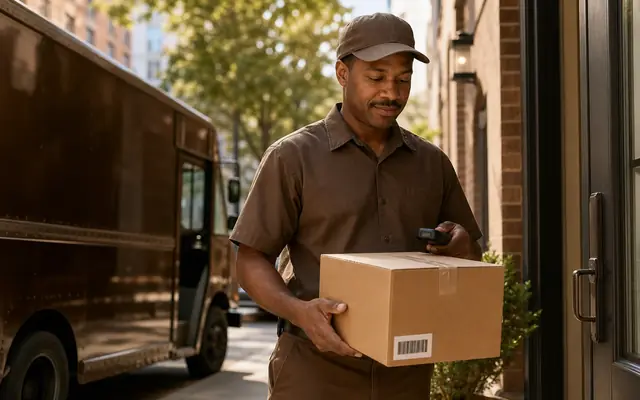 Brand page
UPS
United States / active / delivery trust
Brand page
UPS
United States / active / delivery trust
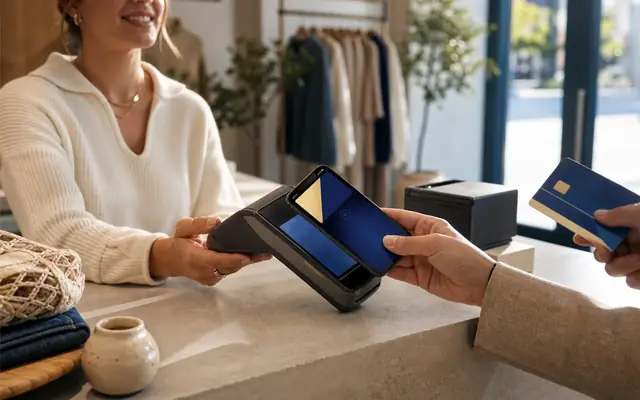 Brand page
Visa
United States / active / payment acceptance
Brand page
Visa
United States / active / payment acceptance
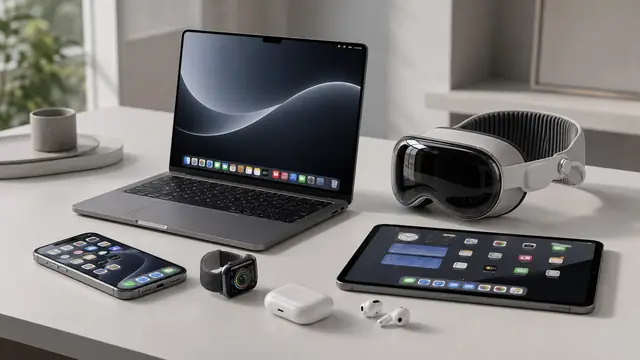 Brand page
Apple
United States / active / ecosystem value
Brand page
Apple
United States / active / ecosystem value
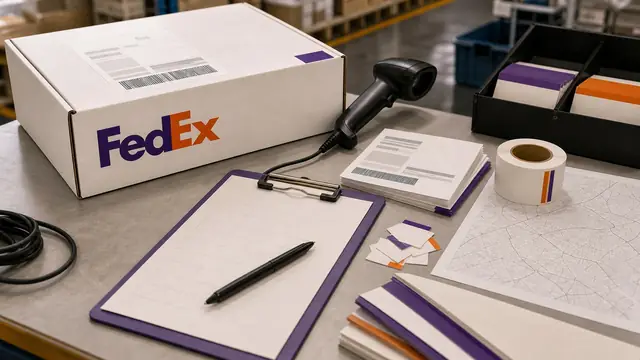 Brand page
FedEx
United States / active / time promise
Brand page
FedEx
United States / active / time promise
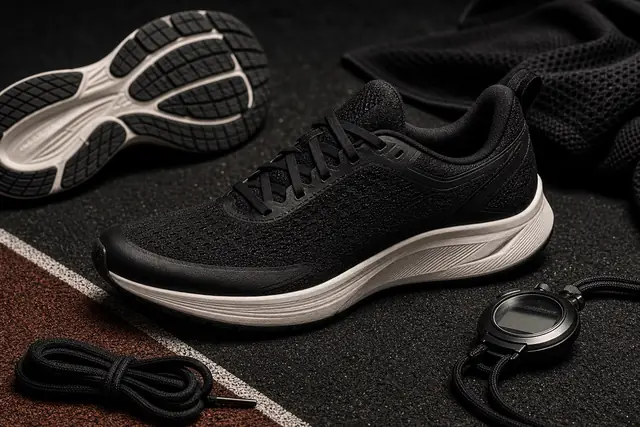 Brand page
Nike
United States / active / performance
Brand page
Nike
United States / active / performance
 Brand page
Alphabet / Google
United States / active / company utility system
Brand page
Alphabet / Google
United States / active / company utility system
 Brand page
Airbnb
United States / active / marketplace trust
Brand page
Airbnb
United States / active / marketplace trust
 Brand page
Gap
United States / active / logo equity
Brand page
Gap
United States / active / logo equity
 Brand page
Mastercard
United States / active / payment trust
Brand page
Mastercard
United States / active / payment trust
 Brand page
McDonald's
United States / active / service and site system
Brand page
McDonald's
United States / active / service and site system
 Brand page
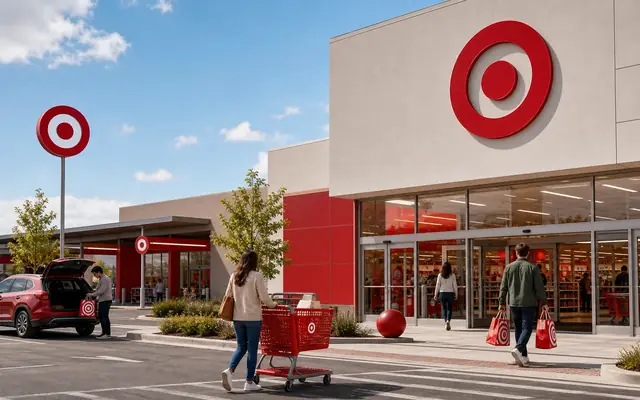
Target
United States / active / store-powered value
Brand page
Target
United States / active / store-powered value
 Brand page
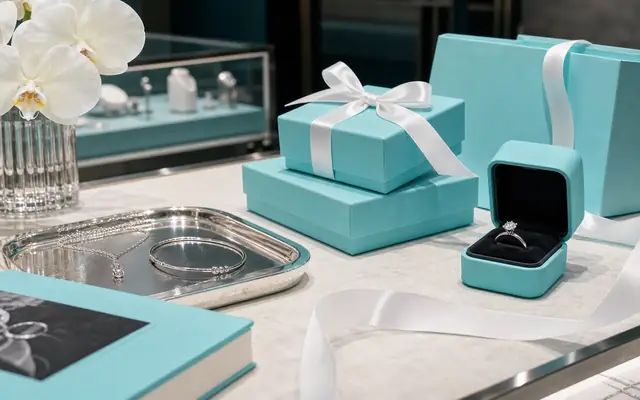
Tiffany & Co.
United States / active / blue-box ownership ritual
Brand page
Tiffany & Co.
United States / active / blue-box ownership ritual
 Brand page
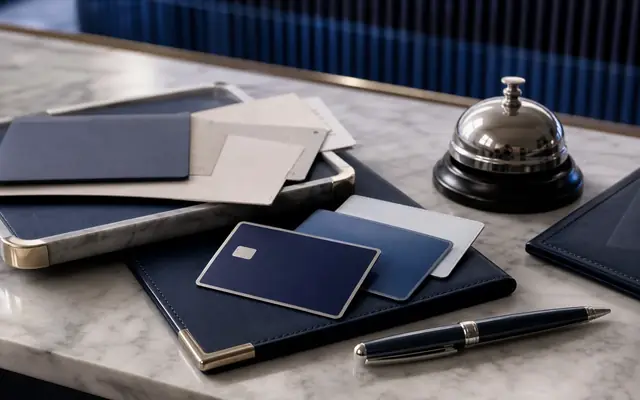
American Express
United States / active / membership trust
Brand page
American Express
United States / active / membership trust
 Brand page
The Home Depot
United States / active / project help
Brand page
The Home Depot
United States / active / project help
 Brand page
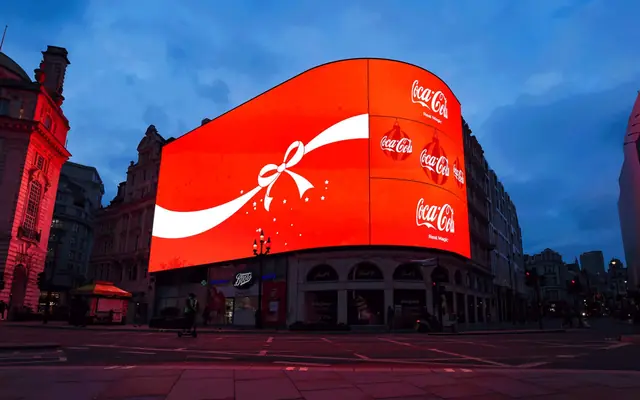
Coca-Cola
United States / active / beverage portfolio memory
Brand page
Coca-Cola
United States / active / beverage portfolio memory
 Brand page
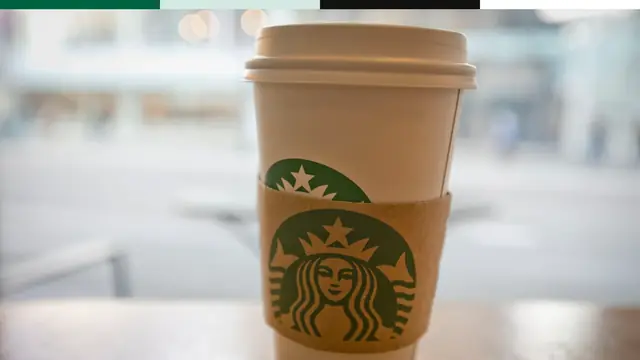
Starbucks
United States / active / cup and store ritual
Brand page
Starbucks
United States / active / cup and store ritual
 Brand page
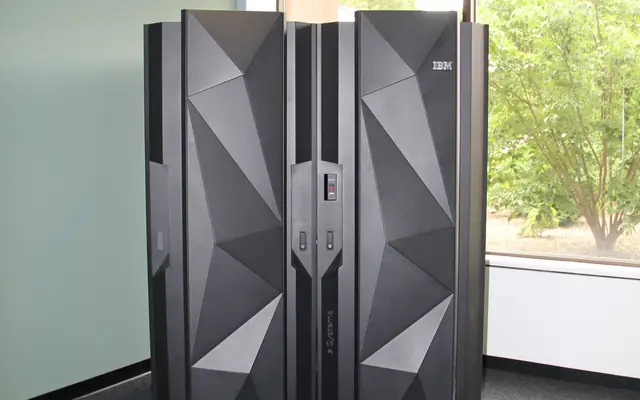
IBM
United States / active / cloud, AI, consulting, and infrastructure
Brand page
IBM
United States / active / cloud, AI, consulting, and infrastructure
 Brand page
Ford
United States / active / vehicle family
Brand page
Ford
United States / active / vehicle family
 Brand page
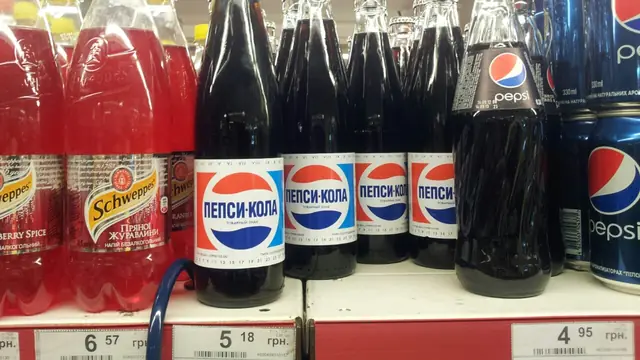
Pepsi
United States / active / PepsiCo portfolio architecture
Brand page
Pepsi
United States / active / PepsiCo portfolio architecture
 Brand page
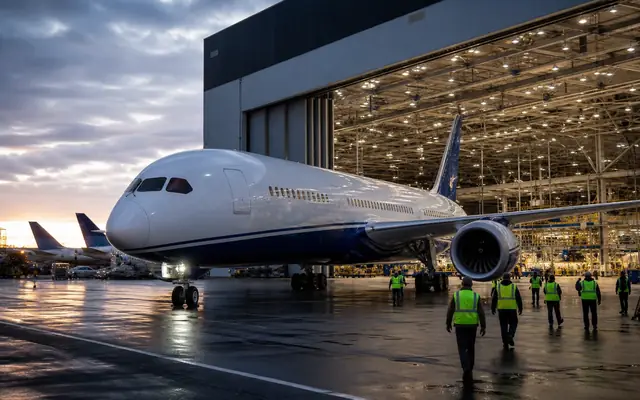
Boeing
United States / active / aerospace portfolio
Brand page
Boeing
United States / active / aerospace portfolio
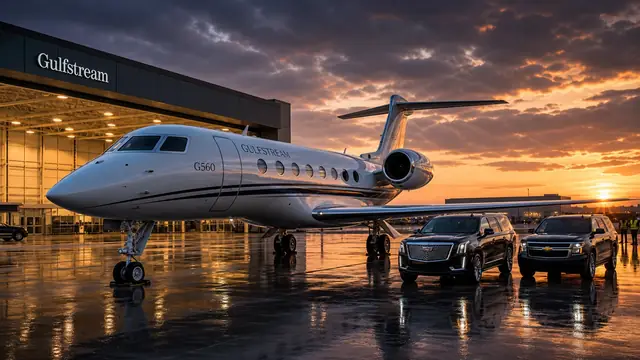 Brand page
Gulfstream
United States / active / executive aircraft
Brand page
Gulfstream
United States / active / executive aircraft
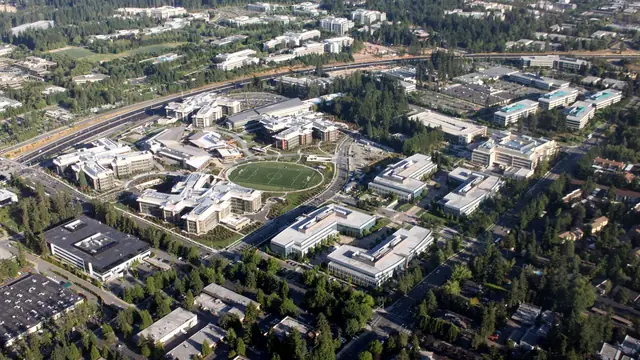 Brand page
Microsoft
United States / active / cloud, productivity, gaming, devices, AI
Brand page
Microsoft
United States / active / cloud, productivity, gaming, devices, AI
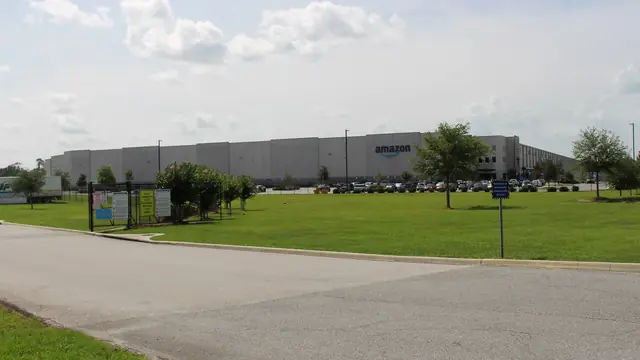 Brand page
Amazon
United States / active / marketplace, logistics, AWS, ads, Prime
Brand page
Amazon
United States / active / marketplace, logistics, AWS, ads, Prime
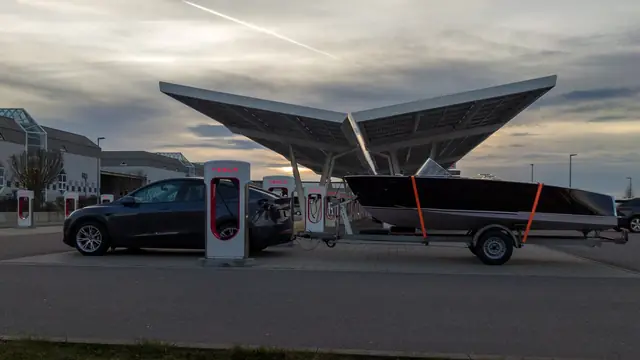 Brand page
Tesla
United States / active / EVs, charging, batteries, energy, software
Brand page
Tesla
United States / active / EVs, charging, batteries, energy, software
 Brand page
SpaceX
United States / active / launch, satellite internet, defense, public markets
Brand page
SpaceX
United States / active / launch, satellite internet, defense, public markets
 Brand page
Nvidia
United States / active / AI chips, CUDA, gaming, data centers, robotics
Brand page
Nvidia
United States / active / AI chips, CUDA, gaming, data centers, robotics
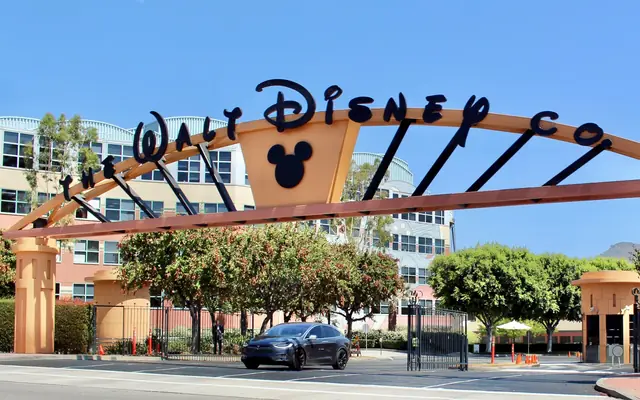 Brand page
Disney
United States / active / entertainment, parks, sports, streaming, IP
Brand page
Disney
United States / active / entertainment, parks, sports, streaming, IP
 Brand page
Netflix
United States / active / streaming, originals, ads, live, games
Brand page
Netflix
United States / active / streaming, originals, ads, live, games
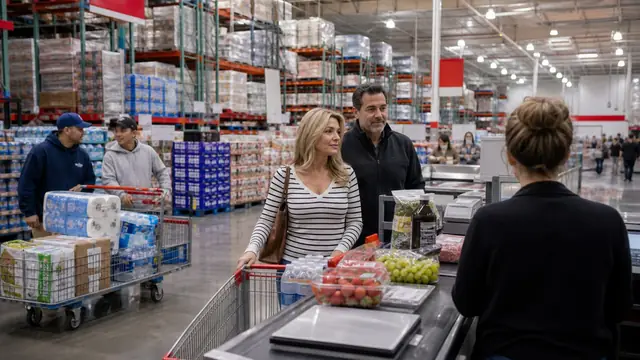 Brand page
Costco
United States / active / membership warehouse, Kirkland, services
Brand page
Costco
United States / active / membership warehouse, Kirkland, services
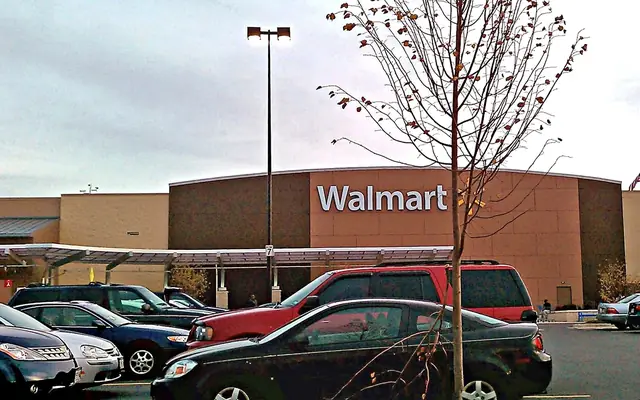 Brand page
Walmart
United States / active / supercenters, grocery, Sam's Club, marketplace, ads
Brand page
Walmart
United States / active / supercenters, grocery, Sam's Club, marketplace, ads
 Brand page
Meta
United States / active / social apps, ads, AI, VR, wearables
Brand page
Meta
United States / active / social apps, ads, AI, VR, wearables
 Brand page
Procter & Gamble
United States / active / household, beauty, grooming, health, fabric care
Brand page
Procter & Gamble
United States / active / household, beauty, grooming, health, fabric care
 Brand page
General Motors
United States / active / vehicles, trucks, luxury, software, energy, finance
Brand page
General Motors
United States / active / vehicles, trucks, luxury, software, energy, finance
 Brand page
Mondelēz International
United States / active / biscuits, chocolate, baked snacks, candy, beverages
Brand page
Mondelēz International
United States / active / biscuits, chocolate, baked snacks, candy, beverages
 Brand page
Estée Lauder Companies
United States / active / prestige beauty, skin care, makeup, fragrance, hair care
Brand page
Estée Lauder Companies
United States / active / prestige beauty, skin care, makeup, fragrance, hair care
 Brand page
Johnson & Johnson
United States / active / healthcare, medicines, medical devices
Brand page
Johnson & Johnson
United States / active / healthcare, medicines, medical devices
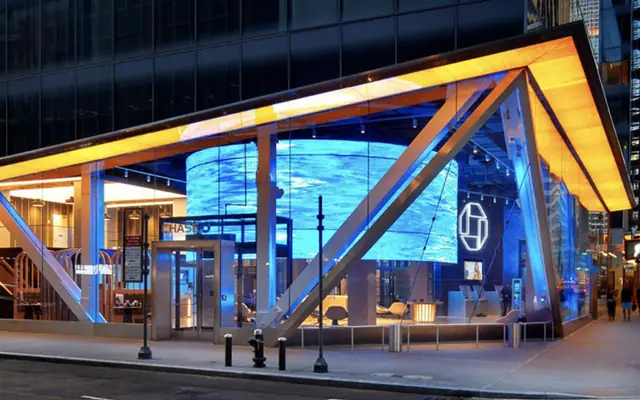 Brand page
JPMorgan Chase
United States / active / banking, payments, markets, wealth
Brand page
JPMorgan Chase
United States / active / banking, payments, markets, wealth
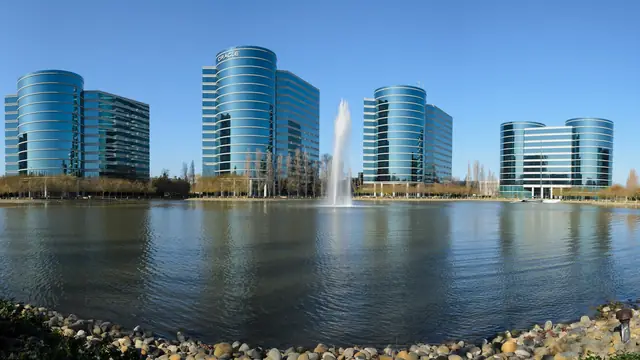 Brand page
Oracle
United States / active / database, cloud, applications, enterprise software
Brand page
Oracle
United States / active / database, cloud, applications, enterprise software
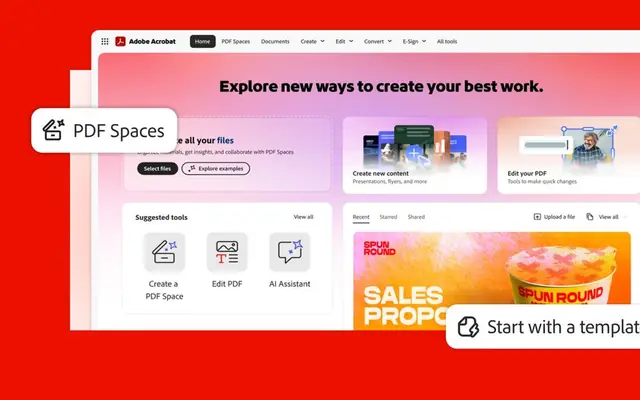 Brand page
Adobe
United States / active / creative software, documents, digital experience, generative AI
Brand page
Adobe
United States / active / creative software, documents, digital experience, generative AI
 Brand page
Salesforce
United States / active / CRM, cloud software, data, collaboration, AI agents
Brand page
Salesforce
United States / active / CRM, cloud software, data, collaboration, AI agents
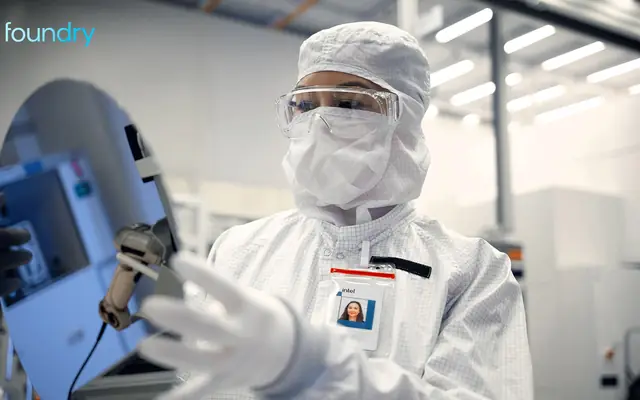 Brand page
Intel
United States / active / semiconductors, CPUs, foundry, data center, AI, graphics
Brand page
Intel
United States / active / semiconductors, CPUs, foundry, data center, AI, graphics
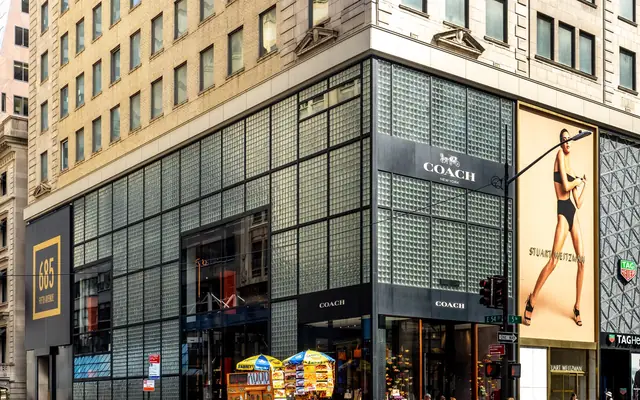 Brand page
Coach
United States / active / leather goods, accessible luxury, Tapestry
Brand page
Coach
United States / active / leather goods, accessible luxury, Tapestry
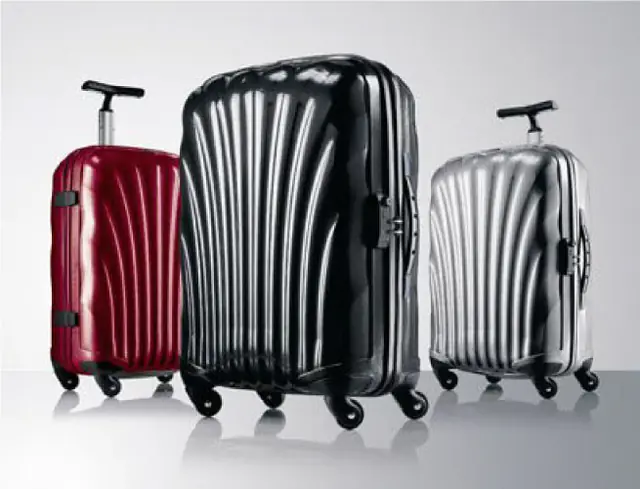 Brand page
Samsonite
United States / active / luggage, travel bags, TUMI, American Tourister, Gregory
Brand page
Samsonite
United States / active / luggage, travel bags, TUMI, American Tourister, Gregory
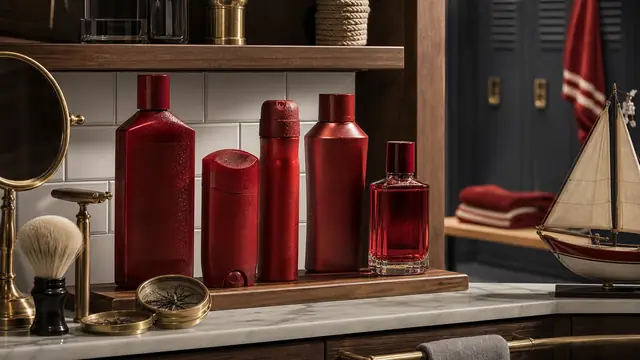 Brand page
Old Spice
United States / active / grooming voice repositioning
Brand page
Old Spice
United States / active / grooming voice repositioning
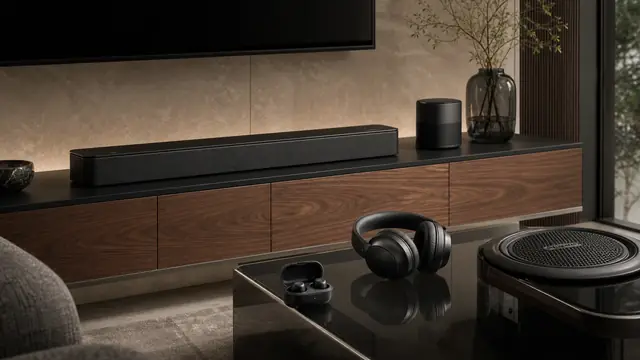 Brand page
BOSE
United States / active / premium audio proof
Brand page
BOSE
United States / active / premium audio proof
 Brand page
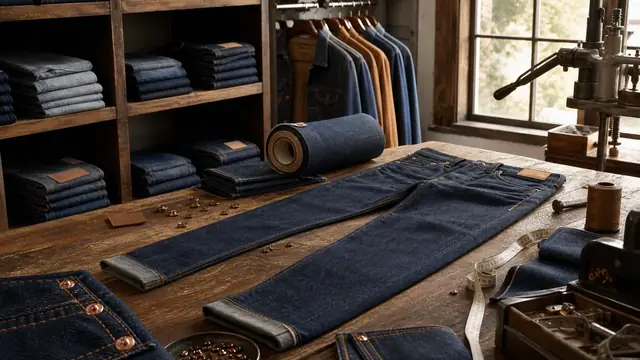
Levi’s
United States / active / denim uniform system
Brand page
Levi’s
United States / active / denim uniform system
 Brand page
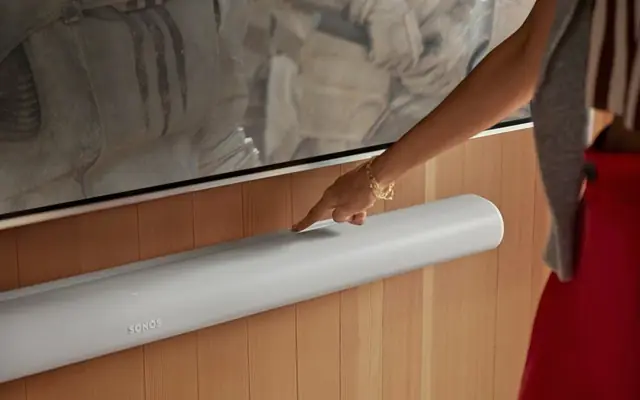
Sonos
United States / active / home audio ecosystem
Brand page
Sonos
United States / active / home audio ecosystem
 Brand page
eBay
United States / Active / A marketplace whose real product is confidence between strangers
Brand page
eBay
United States / Active / A marketplace whose real product is confidence between strangers
 Brand page
UnitedHealth Group
United States / Active / Integrated health-system scale
Brand page
UnitedHealth Group
United States / Active / Integrated health-system scale
 Brand page
CVS Health
United States / Active / A health-system front door on the corner
Brand page
CVS Health
United States / Active / A health-system front door on the corner
 Brand page
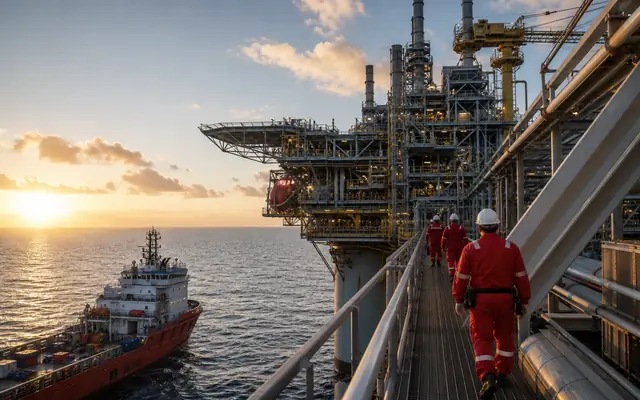
Chevron
United States / Active / Integrated-energy recognition
Brand page
Chevron
United States / Active / Integrated-energy recognition
 Brand page
Forever 21
United States / Licensed ecommerce brand; former U.S. store operator liquidated / Forever 21 failure case study
Brand page
Forever 21
United States / Licensed ecommerce brand; former U.S. store operator liquidated / Forever 21 failure case study
 Brand page
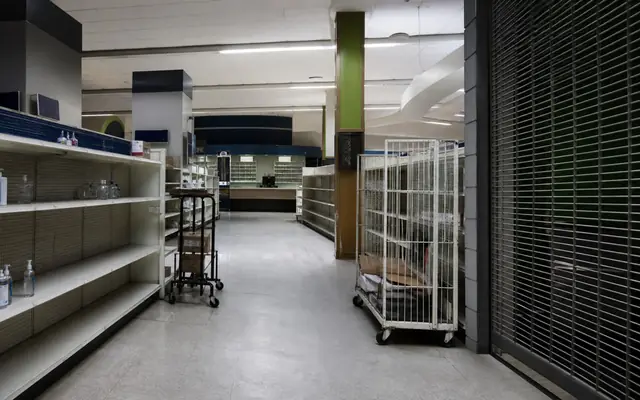
Rite Aid
United States / Online health business; legacy retail pharmacy chain closed / Rite Aid failure case study
Brand page
Rite Aid
United States / Online health business; legacy retail pharmacy chain closed / Rite Aid failure case study
 Brand page
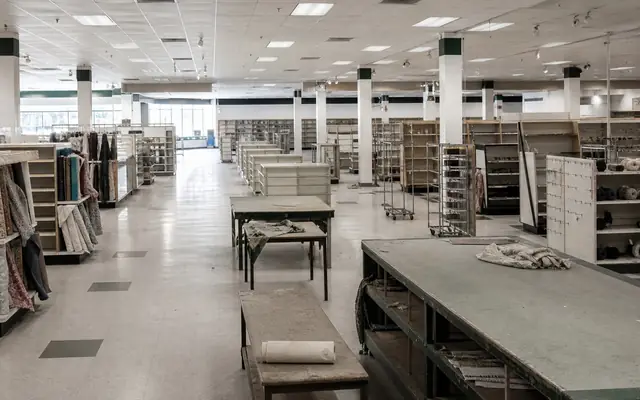
JOANN
United States / Standalone retailer closed; intellectual property acquired by Michaels / JOANN failure case study
Brand page
JOANN
United States / Standalone retailer closed; intellectual property acquired by Michaels / JOANN failure case study
 Brand page
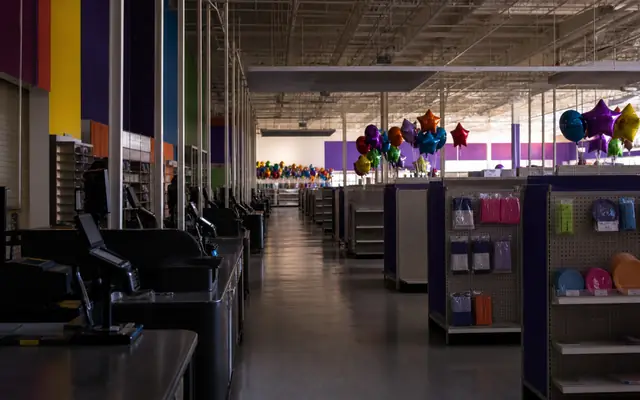
Party City
United States / Former company-owned U.S. chain liquidated; name continues through new ownership and lower-overhead channels / Party City failure case study
Brand page
Party City
United States / Former company-owned U.S. chain liquidated; name continues through new ownership and lower-overhead channels / Party City failure case study
 Brand page
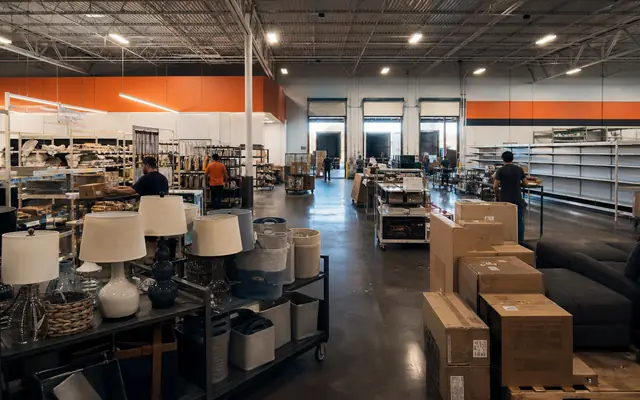
Big Lots
United States / Former public operator converted to Chapter 7; private successor banner operates more than 220 stores across 17 states / Big Lots failure case study
Brand page
Big Lots
United States / Former public operator converted to Chapter 7; private successor banner operates more than 220 stores across 17 states / Big Lots failure case study
 Brand page
QVC
United States / QVC continues operating while QVC Group, QVC, Inc., and participating U.S. affiliates reorganize / QVC failure case study
Brand page
QVC
United States / QVC continues operating while QVC Group, QVC, Inc., and participating U.S. affiliates reorganize / QVC failure case study
 Brand page
Spirit Airlines
United States / All flights canceled and operations in orderly wind-down after a second Chapter 11 / Spirit Airlines failure case study
Brand page
Spirit Airlines
United States / All flights canceled and operations in orderly wind-down after a second Chapter 11 / Spirit Airlines failure case study
 Brand page
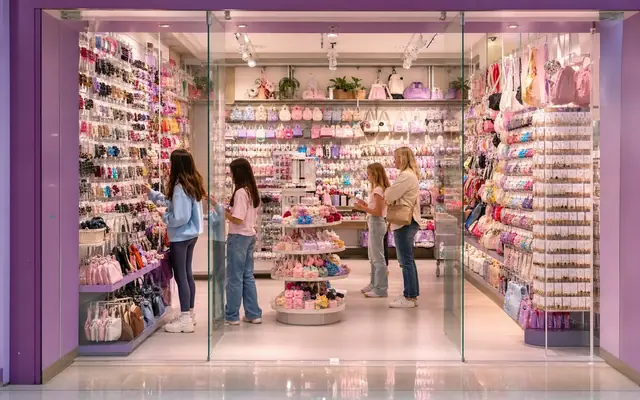
Claire's
United States / Private successor Claire's Essentials continues the brand after a 2025 Chapter 11 asset sale / Claire's failure case study
Brand page
Claire's
United States / Private successor Claire's Essentials continues the brand after a 2025 Chapter 11 asset sale / Claire's failure case study
 Brand page
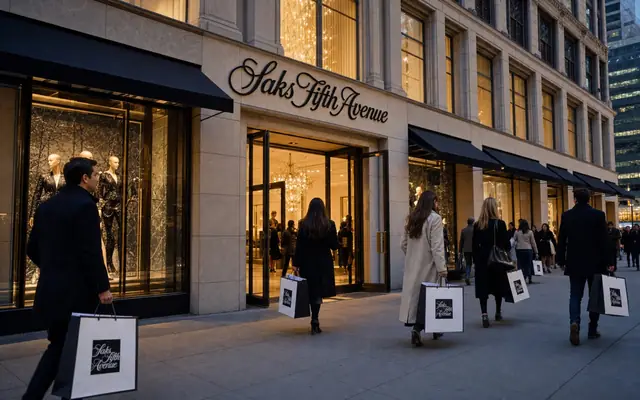
Saks Fifth Avenue
United States / Saks Fifth Avenue continues under Exemplar Luxury Group after its former parent emerged from Chapter 11 in June 2026 / Saks Fifth Avenue failure case study
Brand page
Saks Fifth Avenue
United States / Saks Fifth Avenue continues under Exemplar Luxury Group after its former parent emerged from Chapter 11 in June 2026 / Saks Fifth Avenue failure case study
 Brand page
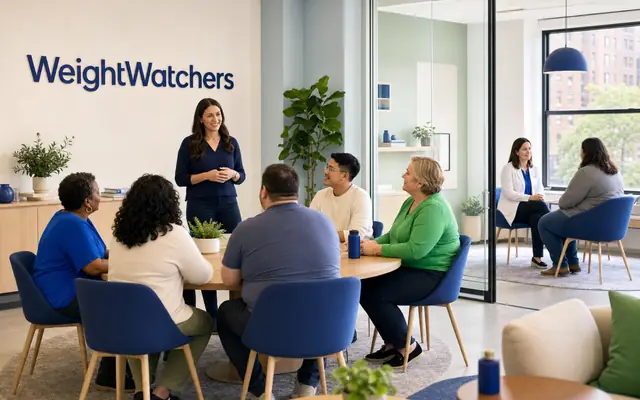
WeightWatchers
United States / WeightWatchers exited Chapter 11 in June 2025 and remains an operating Nasdaq-listed company / WeightWatchers failure case study
Brand page
WeightWatchers
United States / WeightWatchers exited Chapter 11 in June 2025 and remains an operating Nasdaq-listed company / WeightWatchers failure case study
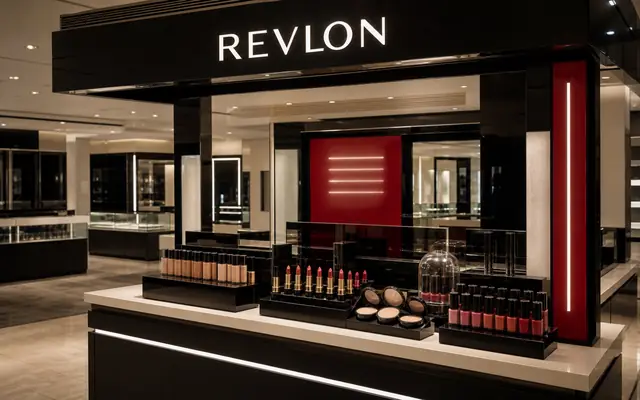 Brand page
Revlon
United States / Revlon emerged from Chapter 11 in May 2023 as a private lender-owned group and continues selling in more than 100 countries / Revlon failure case study
Brand page
Revlon
United States / Revlon emerged from Chapter 11 in May 2023 as a private lender-owned group and continues selling in more than 100 countries / Revlon failure case study
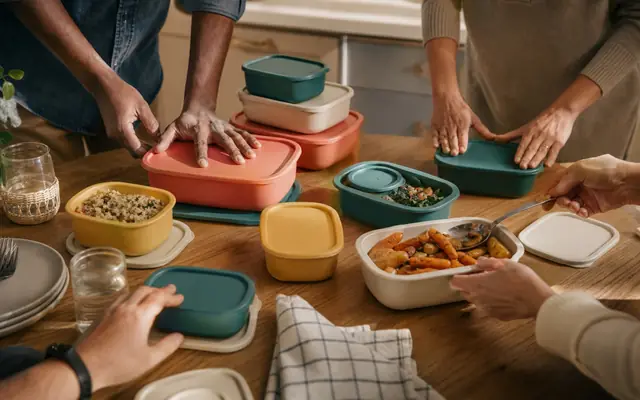 Brand page
Tupperware
United States / Former public issuer sold core brand assets in Chapter 11; a private successor continues the brand / Tupperware failure case study
Brand page
Tupperware
United States / Former public issuer sold core brand assets in Chapter 11; a private successor continues the brand / Tupperware failure case study
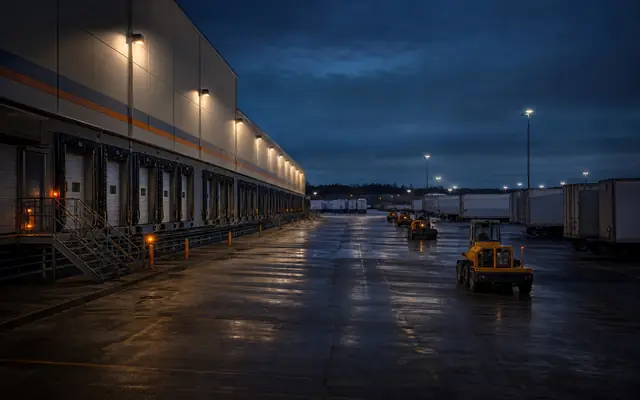 Brand page
Yellow Corporation
United States / Carrier operations stopped in 2023; the confirmed liquidation plan became effective in 2026 / Yellow Corporation failure case study
Brand page
Yellow Corporation
United States / Carrier operations stopped in 2023; the confirmed liquidation plan became effective in 2026 / Yellow Corporation failure case study
 Brand page
Vice Media
United States / Former parent and affiliates liquidated after a Chapter 11 asset sale; successor Vice operations continue / Vice Media failure case study
Brand page
Vice Media
United States / Former parent and affiliates liquidated after a Chapter 11 asset sale; successor Vice operations continue / Vice Media failure case study
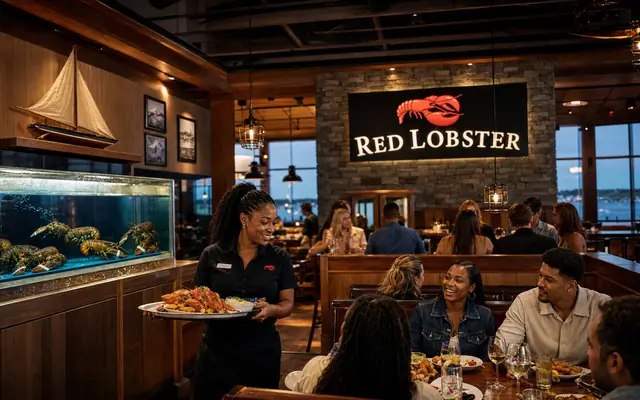 Brand page
Red Lobster
United States / Red Lobster exited Chapter 11 in September 2024 and continues as a private restaurant company / Red Lobster failure case study
Brand page
Red Lobster
United States / Red Lobster exited Chapter 11 in September 2024 and continues as a private restaurant company / Red Lobster failure case study
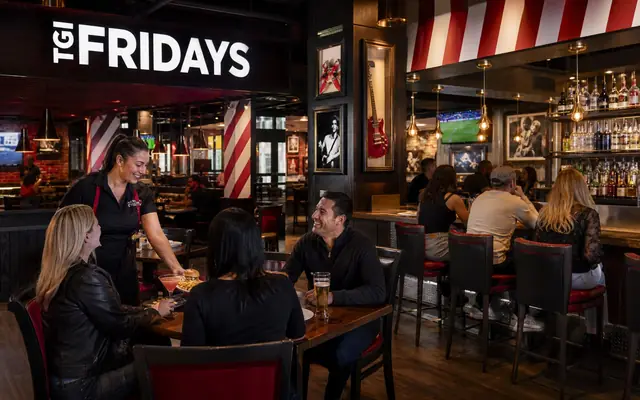 Brand page
TGI Fridays
United States / The old 39-restaurant U.S. operator is pursuing a plan of liquidation; the franchise brand remains active under Sugarloaf management / TGI Fridays failure case study
Brand page
TGI Fridays
United States / The old 39-restaurant U.S. operator is pursuing a plan of liquidation; the franchise brand remains active under Sugarloaf management / TGI Fridays failure case study
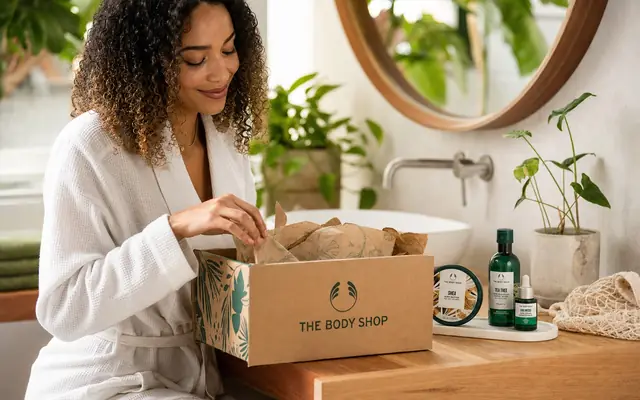 Brand page
The Body Shop
United States / The former U.S. operator ceased operations and entered Chapter 7 liquidation in 2024; U.S. ecommerce is active again through Cart.com while the global brand continues under Auréa-led ownership / The Body Shop failure case study
Brand page
The Body Shop
United States / The former U.S. operator ceased operations and entered Chapter 7 liquidation in 2024; U.S. ecommerce is active again through Cart.com while the global brand continues under Auréa-led ownership / The Body Shop failure case study
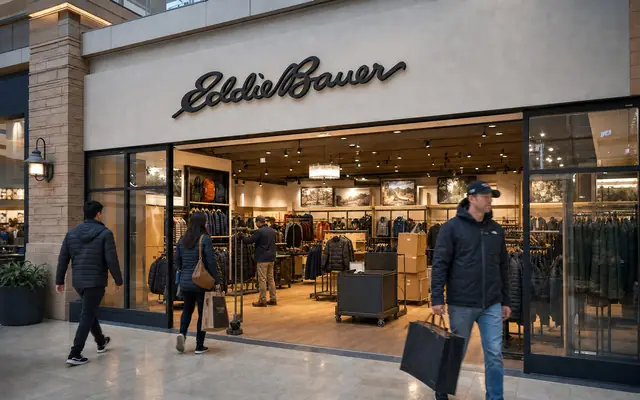 Brand page
Eddie Bauer
United States / North American store debtors entered a post-effective Chapter 11 wind-down in May 2026; Eddie Bauer IP, ecommerce, wholesale, and international licenses continue / Eddie Bauer failure case study
Brand page
Eddie Bauer
United States / North American store debtors entered a post-effective Chapter 11 wind-down in May 2026; Eddie Bauer IP, ecommerce, wholesale, and international licenses continue / Eddie Bauer failure case study
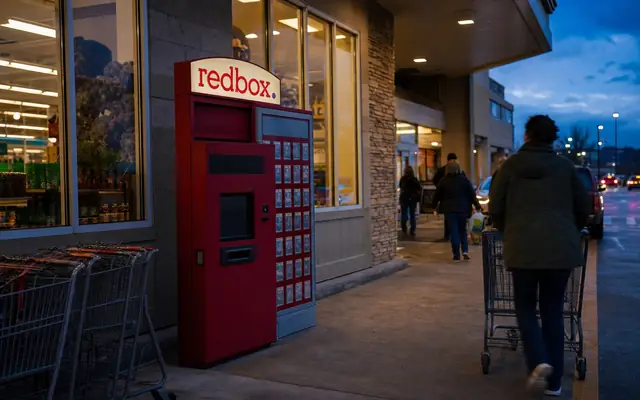 Brand page
Redbox
United States / Redbox kiosk, app, and streaming operations ended in the 2024 Chapter 7 liquidation; no verified operating successor is active / Redbox failure case study
Brand page
Redbox
United States / Redbox kiosk, app, and streaming operations ended in the 2024 Chapter 7 liquidation; no verified operating successor is active / Redbox failure case study
 Brand page
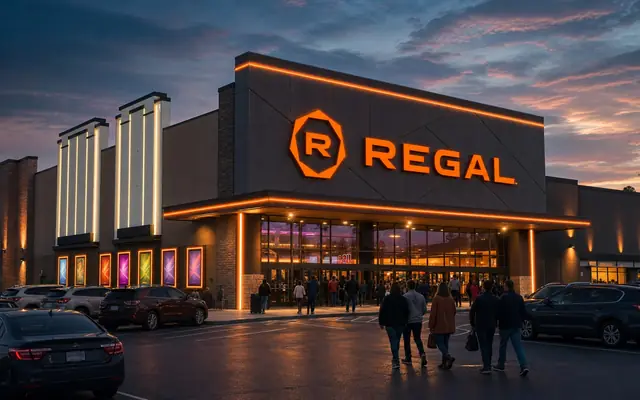
Regal Cinemas
United States / Regal theaters continue under private Regal Global Entertainment after Cineworld's 2022-2023 Chapter 11 restructuring and 2026 corporate rename / Regal Cinemas failure case study
Brand page
Regal Cinemas
United States / Regal theaters continue under private Regal Global Entertainment after Cineworld's 2022-2023 Chapter 11 restructuring and 2026 corporate rename / Regal Cinemas failure case study
 Brand page
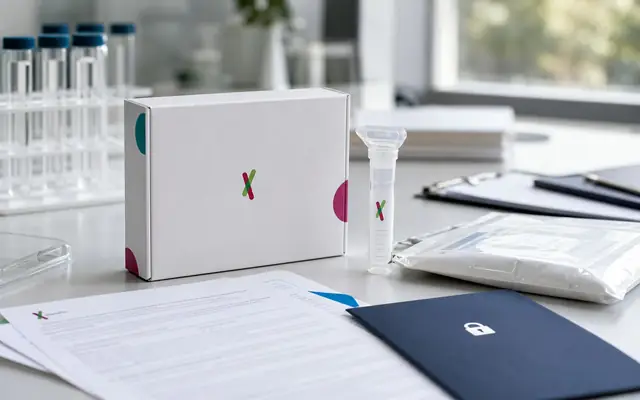
23andMe
United States / Former public company entered Chapter 11 in March 2025; assets were acquired by TTAM Research Institute in July 2025 / 23andMe failure case study
Brand page
23andMe
United States / Former public company entered Chapter 11 in March 2025; assets were acquired by TTAM Research Institute in July 2025 / 23andMe failure case study
 Brand page
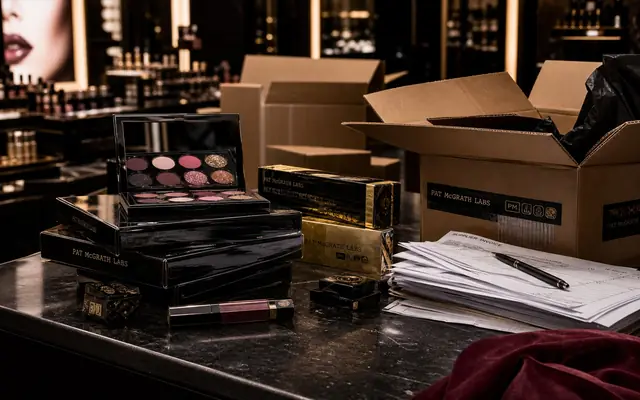
Pat McGrath Labs
United States / Filed Chapter 11 in January 2026 and emerged in April 2026 with GDA Luma financing and control economics / Pat McGrath Labs failure case study
Brand page
Pat McGrath Labs
United States / Filed Chapter 11 in January 2026 and emerged in April 2026 with GDA Luma financing and control economics / Pat McGrath Labs failure case study
 Brand page
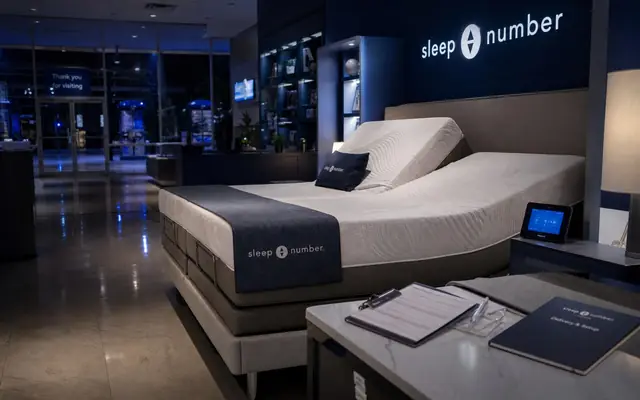
Sleep Number
United States / Filed Chapter 11 in June 2026 with Sleep Country Canada as stalking-horse bidder and up to USD 260M DIP financing / Sleep Number failure case study
Brand page
Sleep Number
United States / Filed Chapter 11 in June 2026 with Sleep Country Canada as stalking-horse bidder and up to USD 260M DIP financing / Sleep Number failure case study
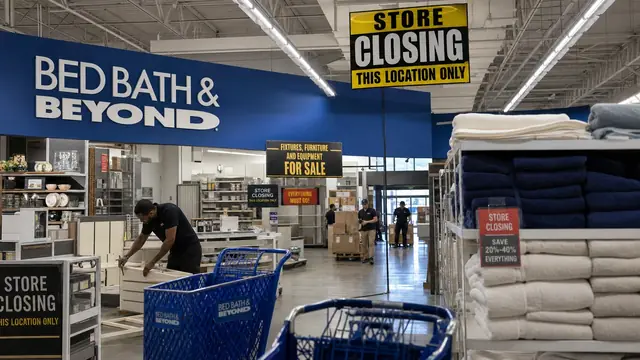 Brand page
Bed Bath & Beyond
United States / Filed Chapter 11 in April 2023; stores liquidated; brand IP sold to Overstock.com and later relaunched under Beyond / Bed Bath & Beyond failure case study
Brand page
Bed Bath & Beyond
United States / Filed Chapter 11 in April 2023; stores liquidated; brand IP sold to Overstock.com and later relaunched under Beyond / Bed Bath & Beyond failure case study
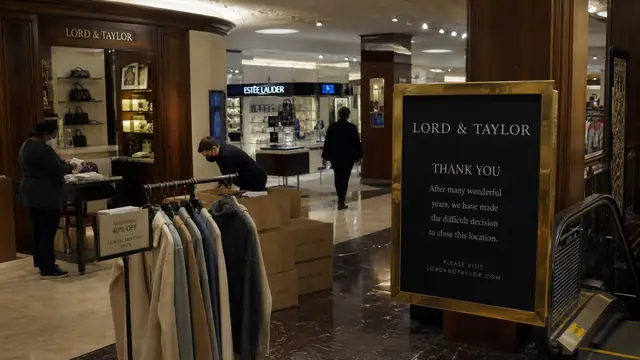 Brand page
Lord & Taylor
United States / Filed Chapter 11 in August 2020, liquidated all stores, and sold the brand to Saadia Group for digital relaunch / Lord & Taylor failure case study
Brand page
Lord & Taylor
United States / Filed Chapter 11 in August 2020, liquidated all stores, and sold the brand to Saadia Group for digital relaunch / Lord & Taylor failure case study
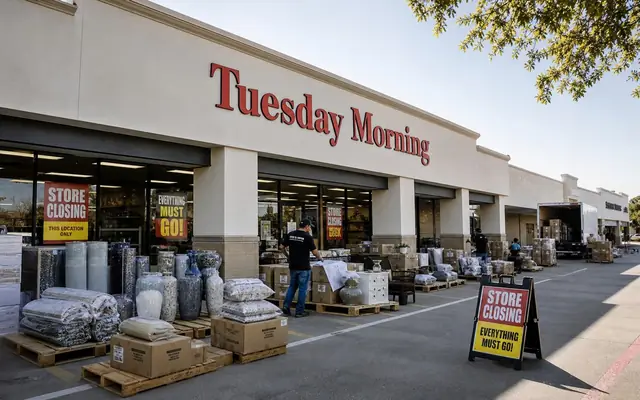 Brand page
Tuesday Morning
United States / Filed Chapter 11 in February 2023; physical stores liquidated; brand later continued under new ownership/channel use / Tuesday Morning failure case study
Brand page
Tuesday Morning
United States / Filed Chapter 11 in February 2023; physical stores liquidated; brand later continued under new ownership/channel use / Tuesday Morning failure case study
 Brand page
Duolingo
United States / Active / public company / Daily Learning Habit
Brand page
Duolingo
United States / Active / public company / Daily Learning Habit
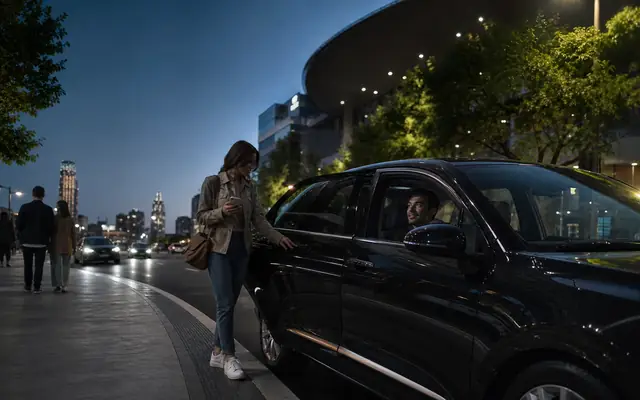 Brand page
Uber
United States / Active / public company / On-Demand Movement Standard
Brand page
Uber
United States / Active / public company / On-Demand Movement Standard
 Brand page
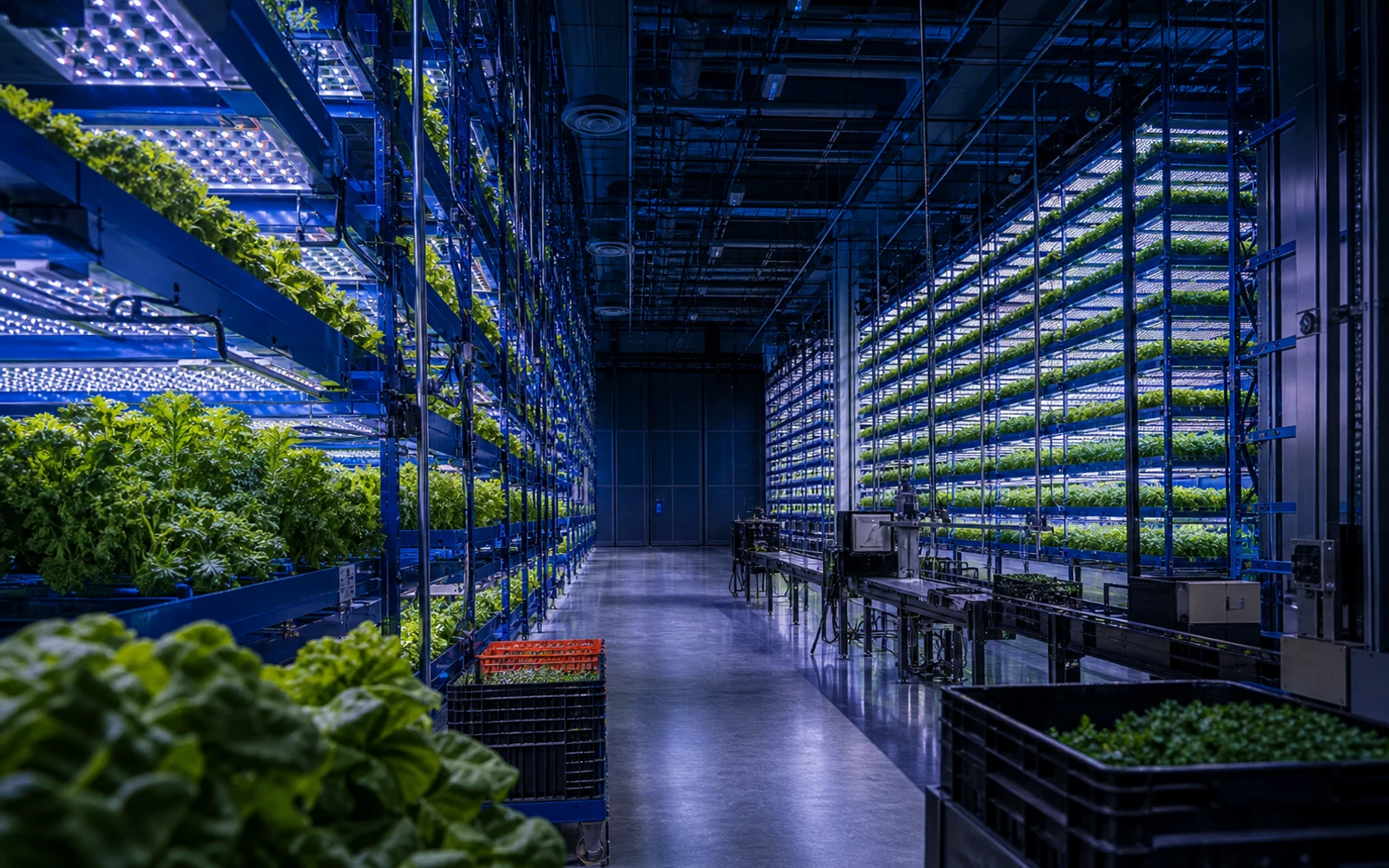
Bowery Farming
United States / Ceased all operations in November 2024 and entered an assignment for the benefit of creditors / Bowery Farming failure case study
Brand page
Bowery Farming
United States / Ceased all operations in November 2024 and entered an assignment for the benefit of creditors / Bowery Farming failure case study
 Brand page
Blockbuster
United States / Former public operator liquidated; brand/IP remains inside DISH/EchoStar and one licensed Bend franchise operates / Blockbuster failure case study
Brand page
Blockbuster
United States / Former public operator liquidated; brand/IP remains inside DISH/EchoStar and one licensed Bend franchise operates / Blockbuster failure case study
 Brand page
Kodak
United States / active after Chapter 11 reorganization / Kodak transition case study
Brand page
Kodak
United States / active after Chapter 11 reorganization / Kodak transition case study
 Brand page
Patagonia
United States / active private company / Purpose-governance signal
Brand page
Patagonia
United States / active private company / Purpose-governance signal
 Brand page
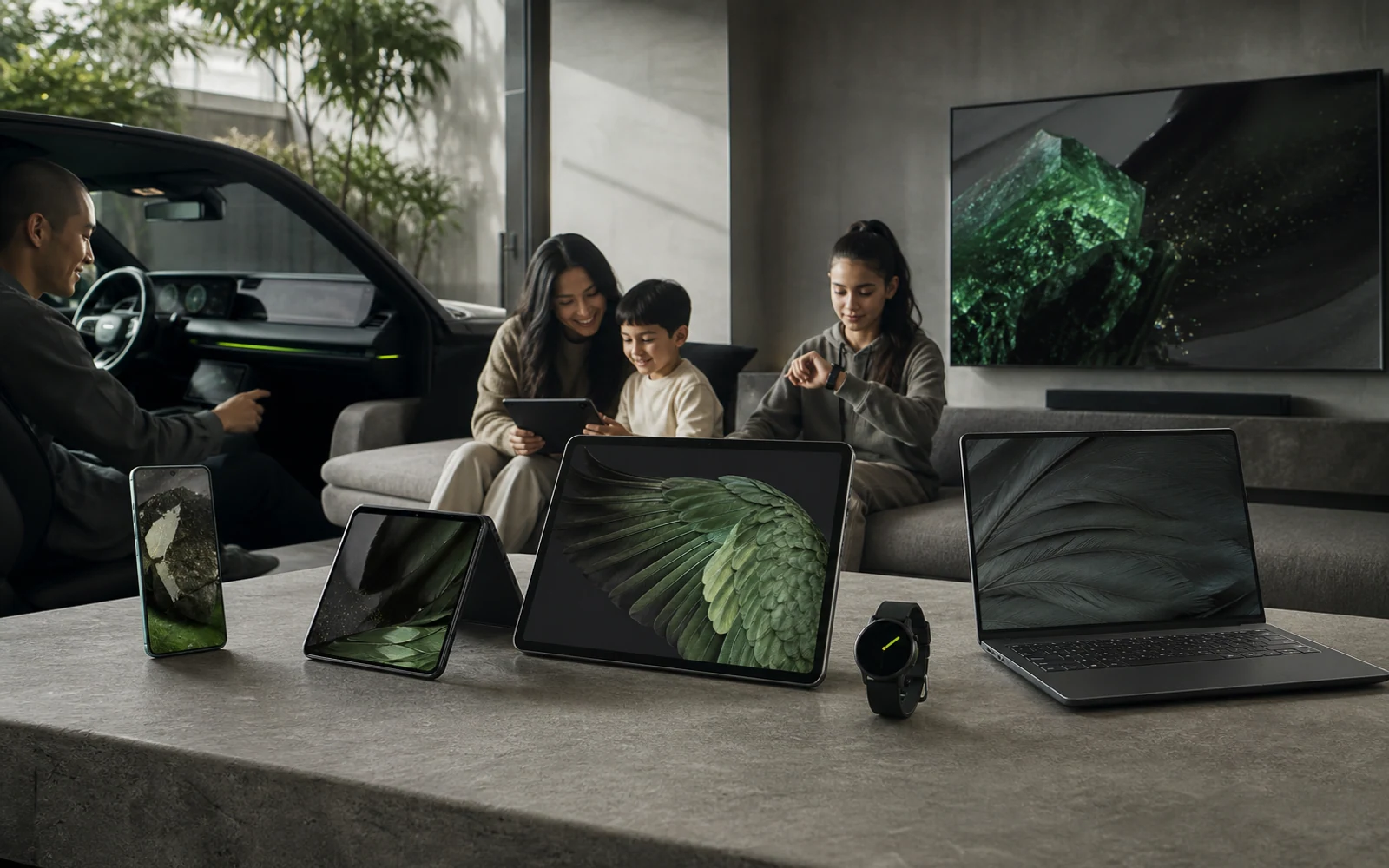
Android
United States / Google product-platform masterbrand / Platform reach leader
Brand page
Android
United States / Google product-platform masterbrand / Platform reach leader
 Brand page
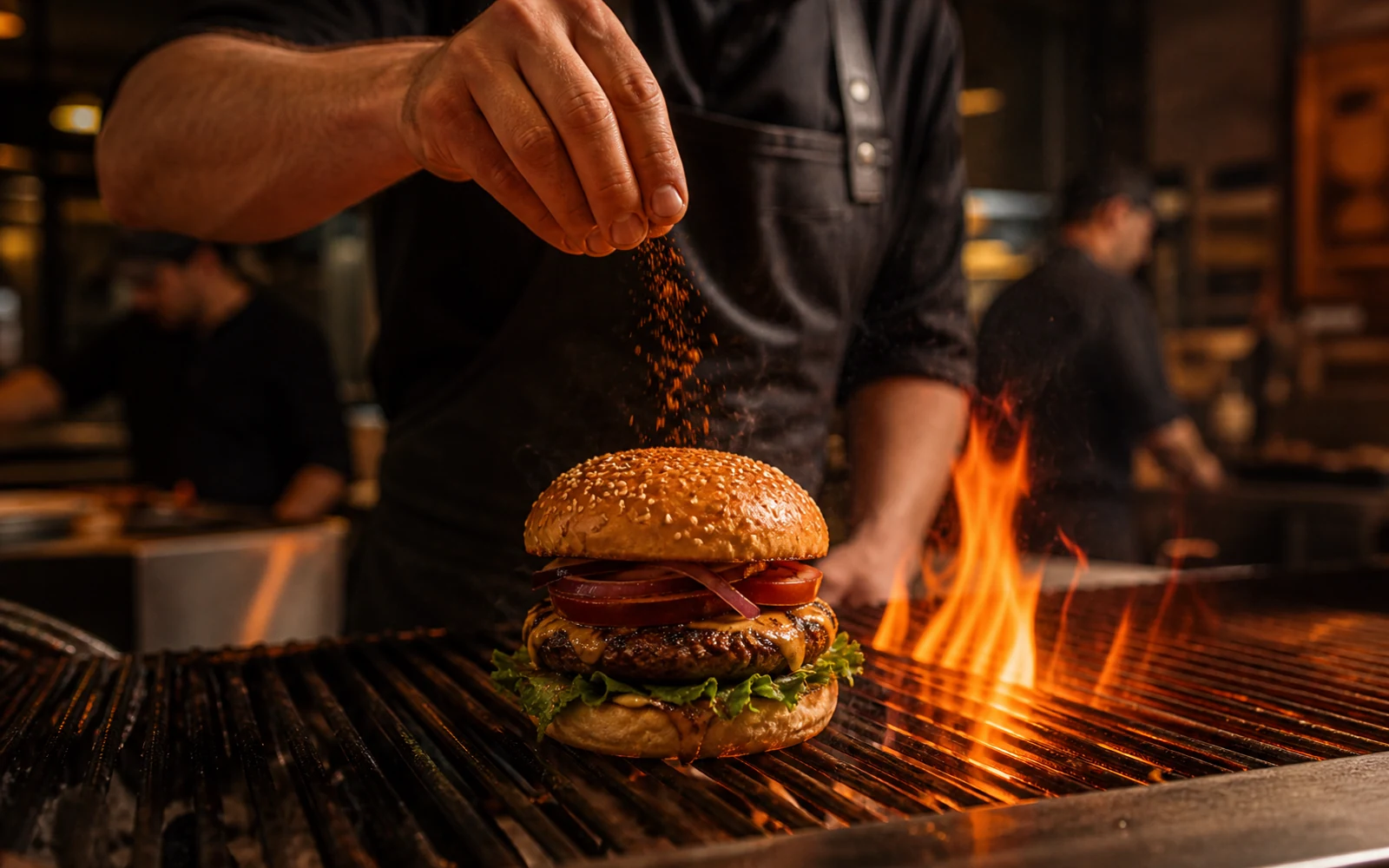
Burger King
United States / Restaurant masterbrand owned by Restaurant Brands International / Heritage-led quick-service system
Brand page
Burger King
United States / Restaurant masterbrand owned by Restaurant Brands International / Heritage-led quick-service system
 Brand page
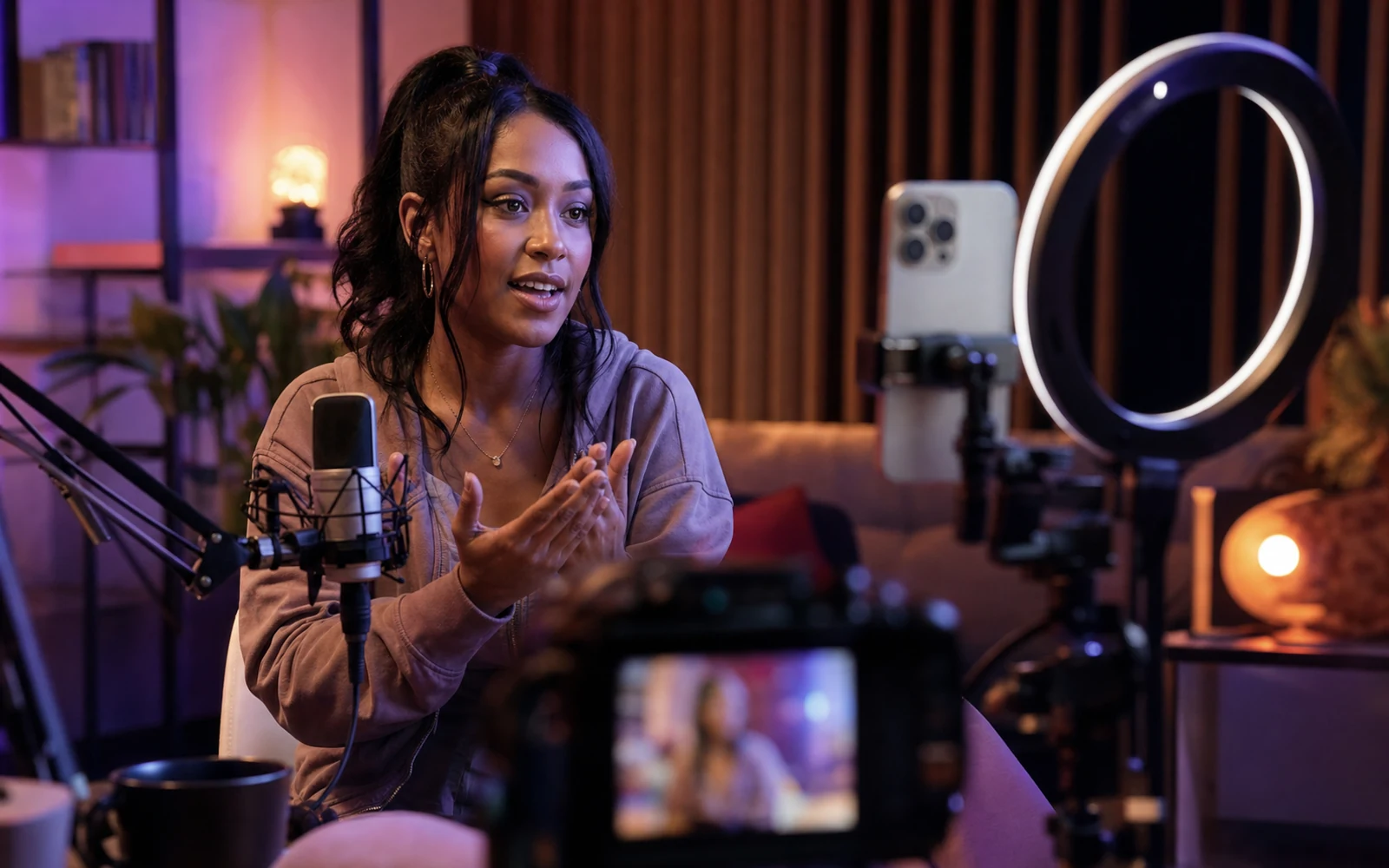
Instagram
United States / Meta-owned product-platform masterbrand / High-frequency visual culture platform
Brand page
Instagram
United States / Meta-owned product-platform masterbrand / High-frequency visual culture platform
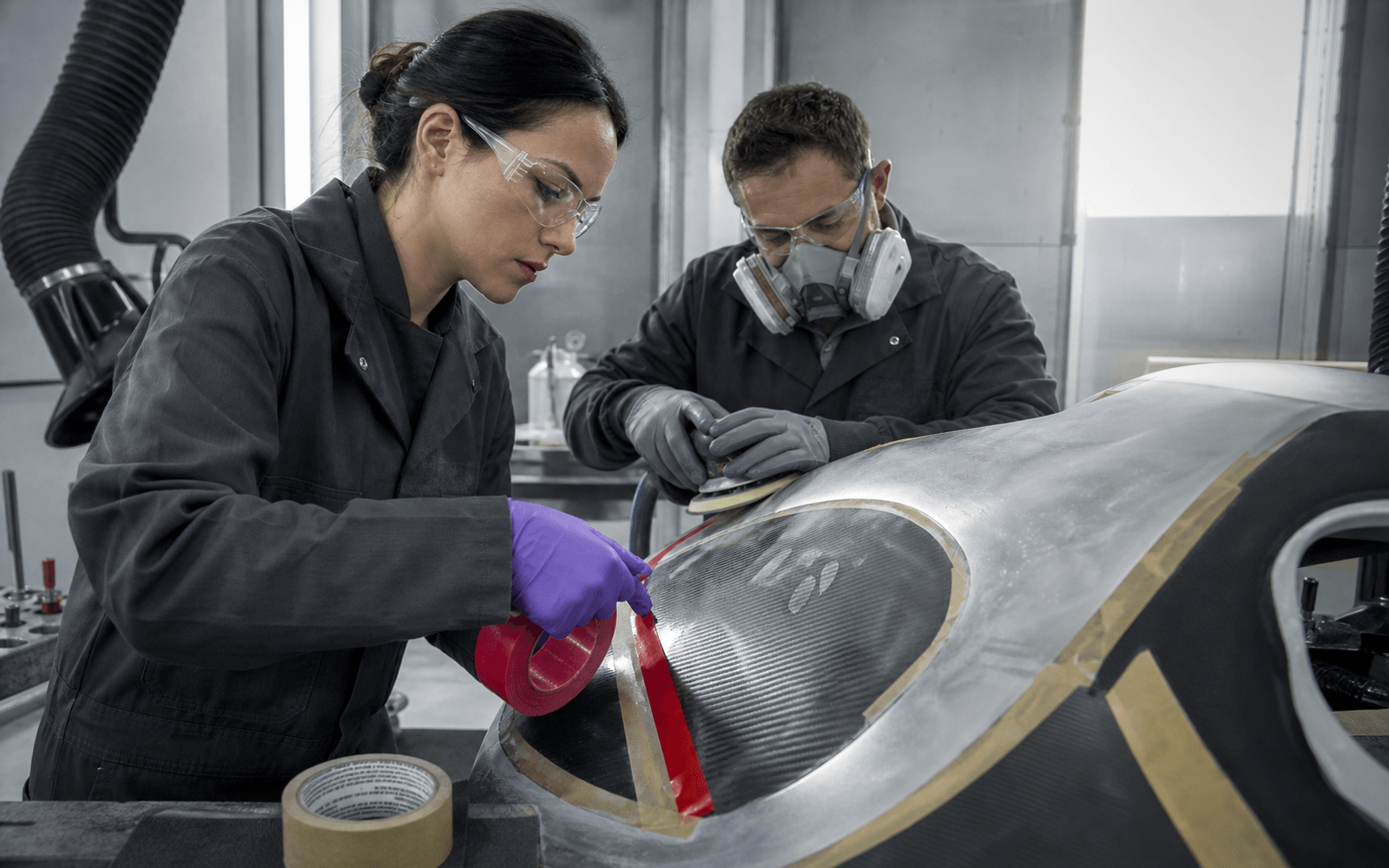 Brand page
3M
United States / Active / public company / Materials-science masterbrand
Brand page
3M
United States / Active / public company / Materials-science masterbrand
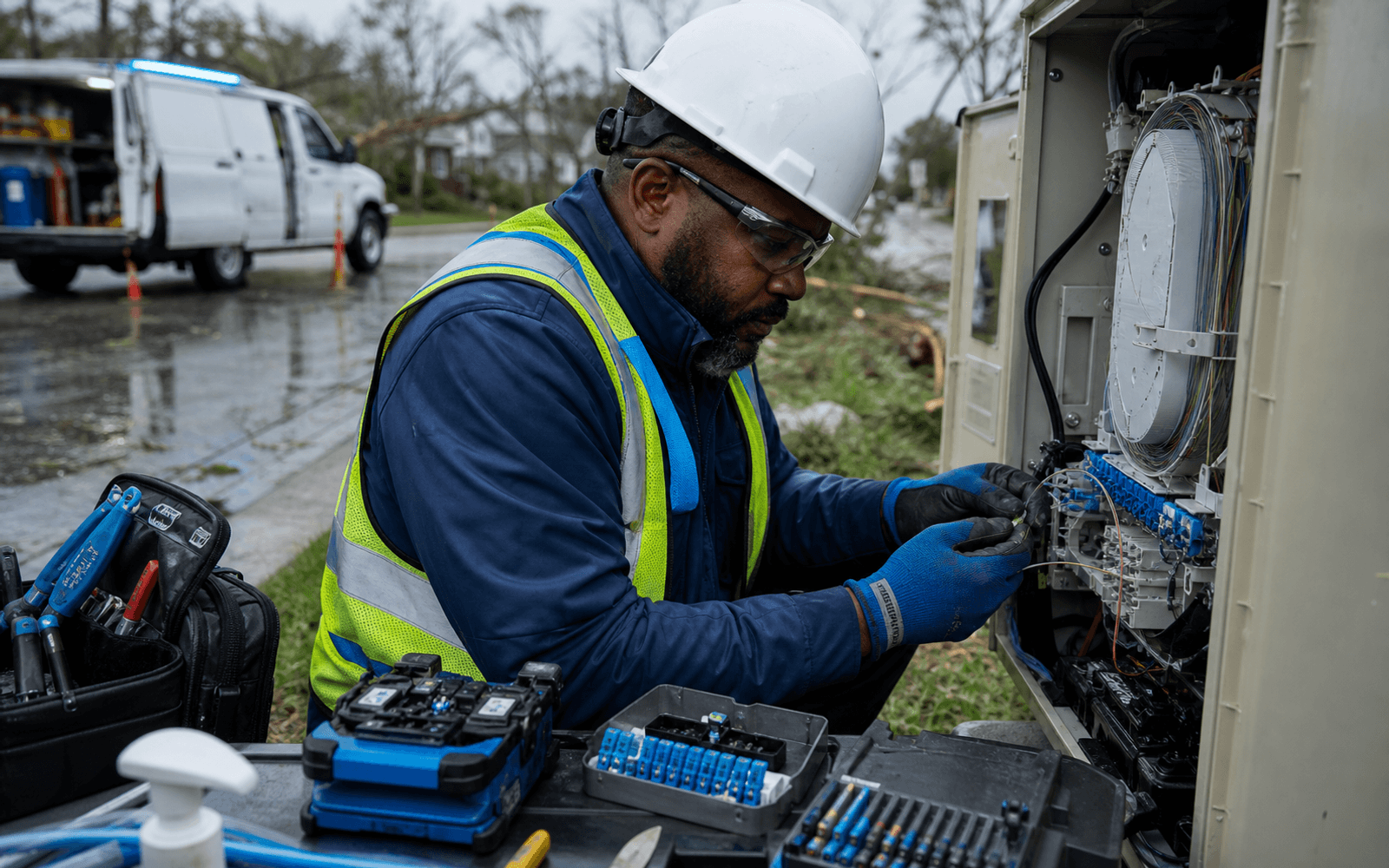 Brand page
AT&T
United States / Active / public company / Connectivity masterbrand
Brand page
AT&T
United States / Active / public company / Connectivity masterbrand
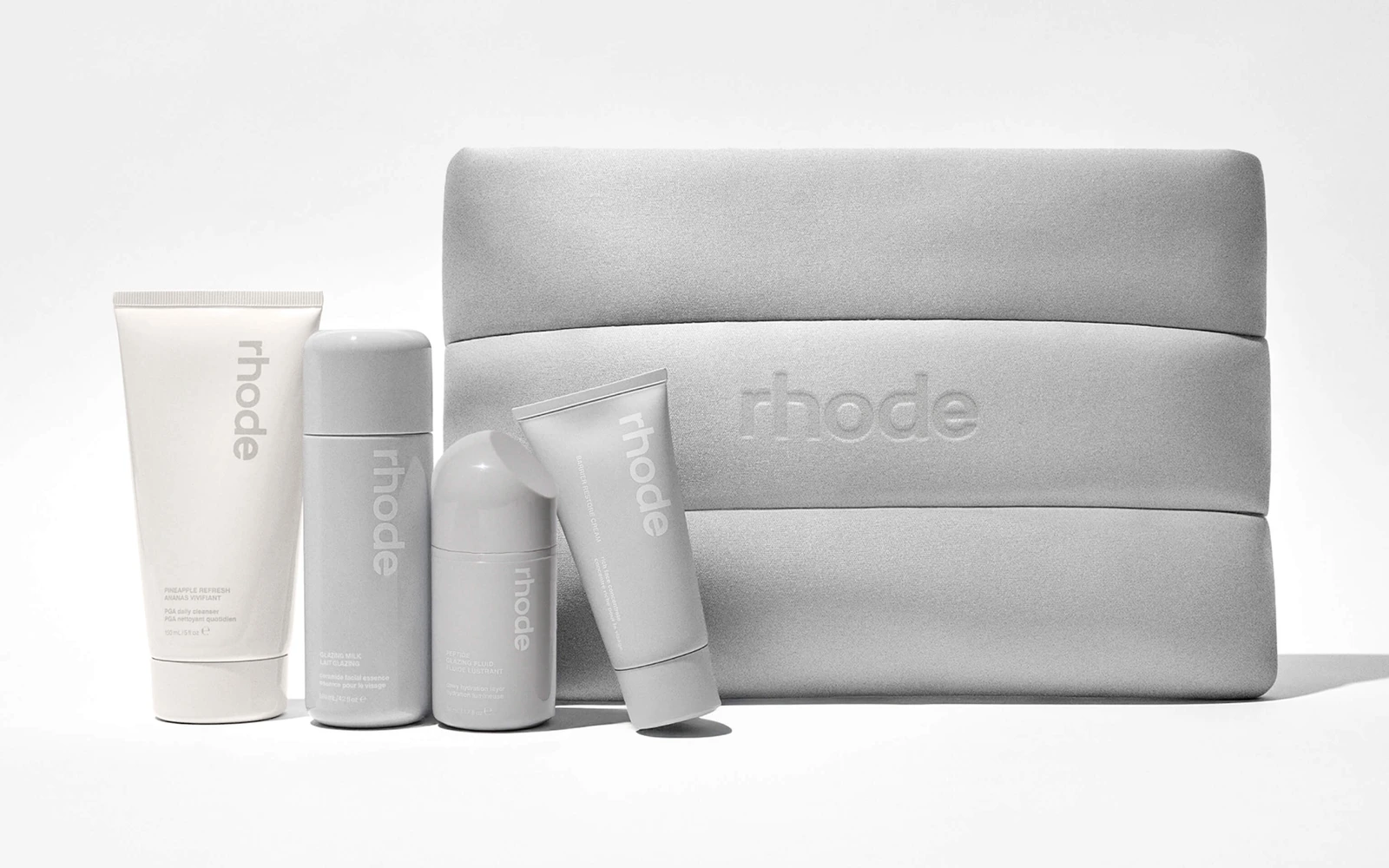 Brand page
Rhode
United States / Active / e.l.f. Beauty subsidiary / Product and retail consistency
Brand page
Rhode
United States / Active / e.l.f. Beauty subsidiary / Product and retail consistency
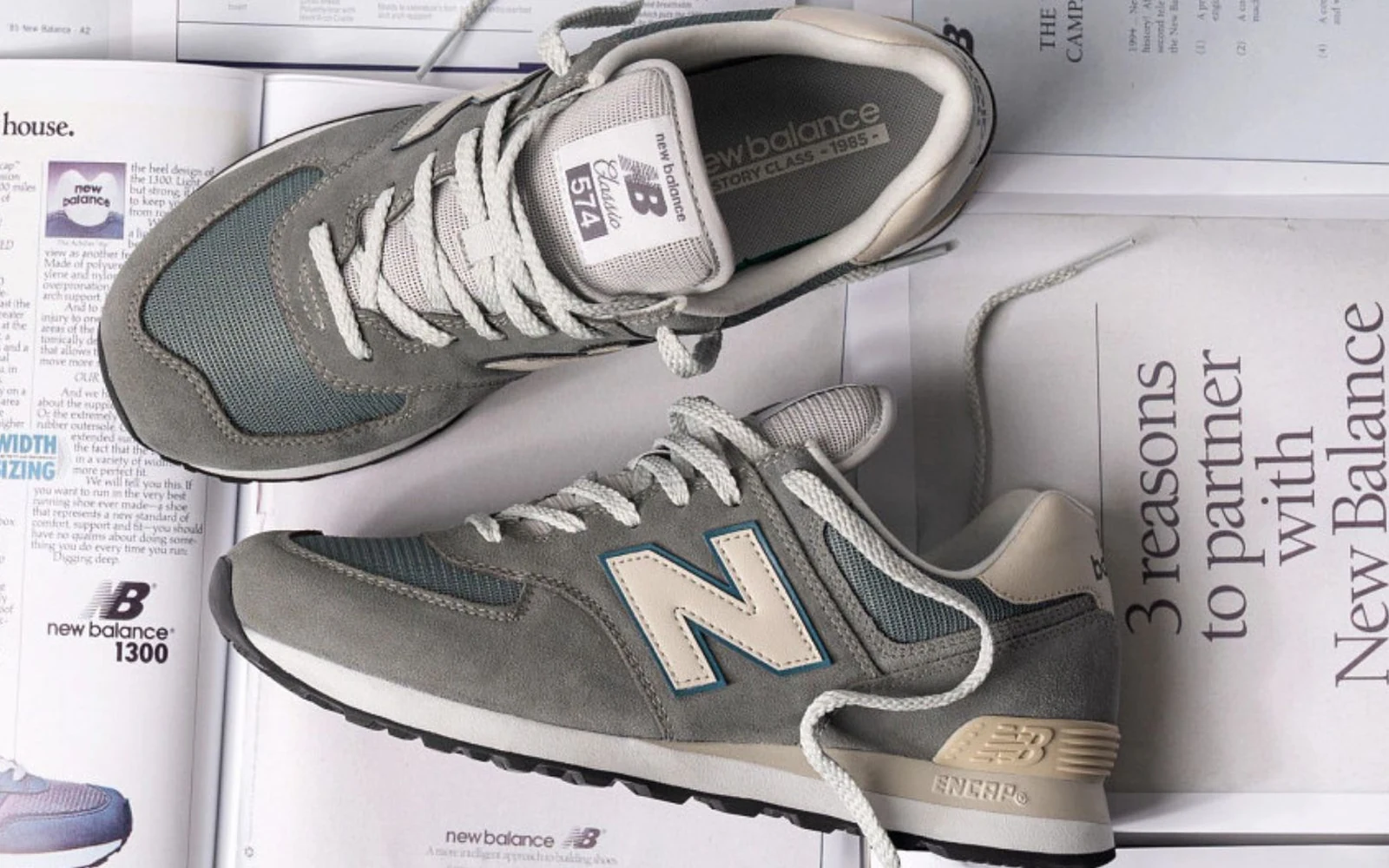 Brand page
New Balance
United States / Active / Brand Signal Card
Brand page
New Balance
United States / Active / Brand Signal Card
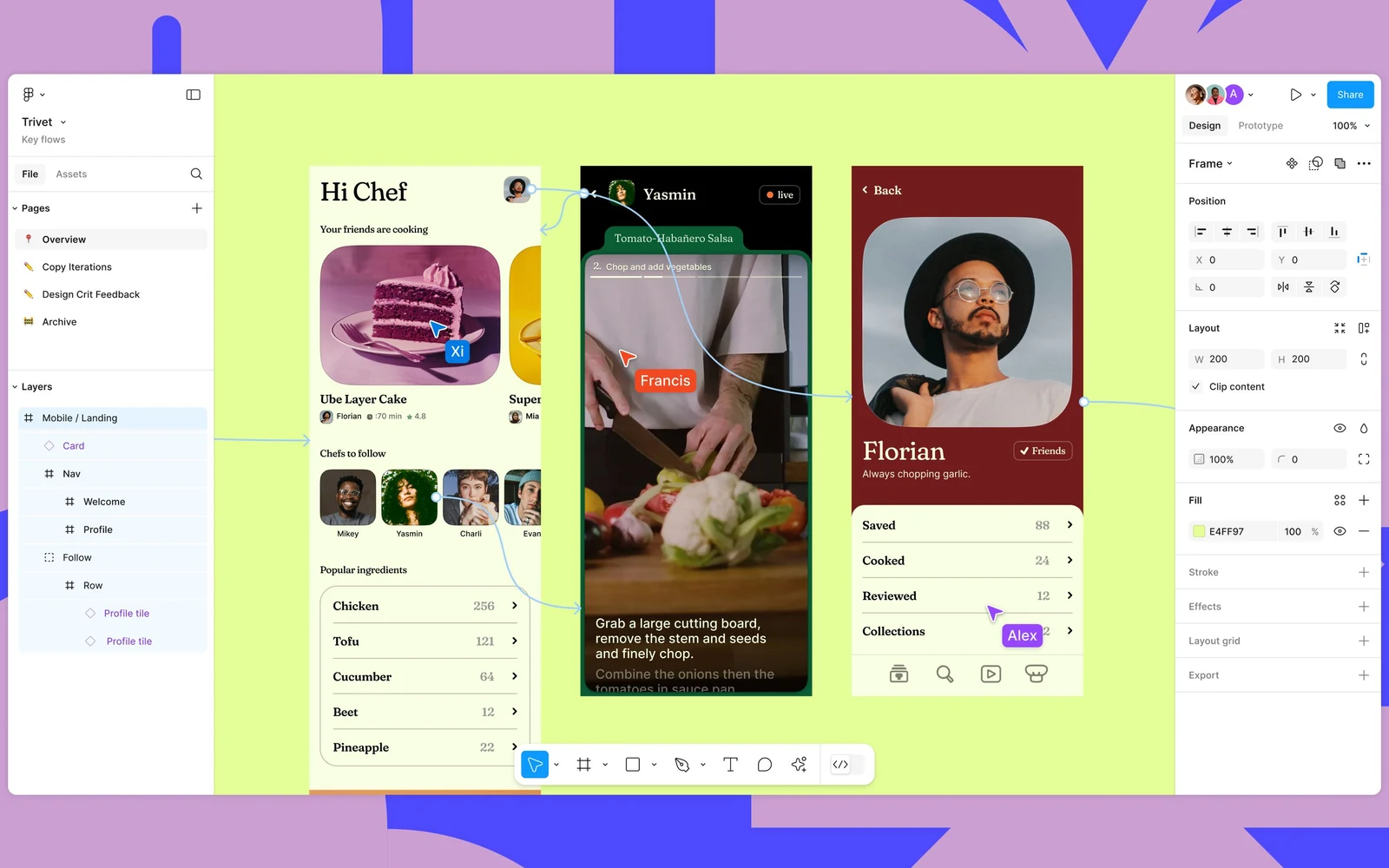 Brand page
Figma
United States / Active / Brand Signal Card
Brand page
Figma
United States / Active / Brand Signal Card
 Brand page
Crocs
United States / Active / Brand Signal Card
Brand page
Crocs
United States / Active / Brand Signal Card
 Brand page
OpenAI
United States / Active / Brand Signal Card
Brand page
OpenAI
United States / Active / Brand Signal Card
 Brand page
Zynga
United States / Active / 2026 identity refresh
Brand page
Zynga
United States / Active / 2026 identity refresh
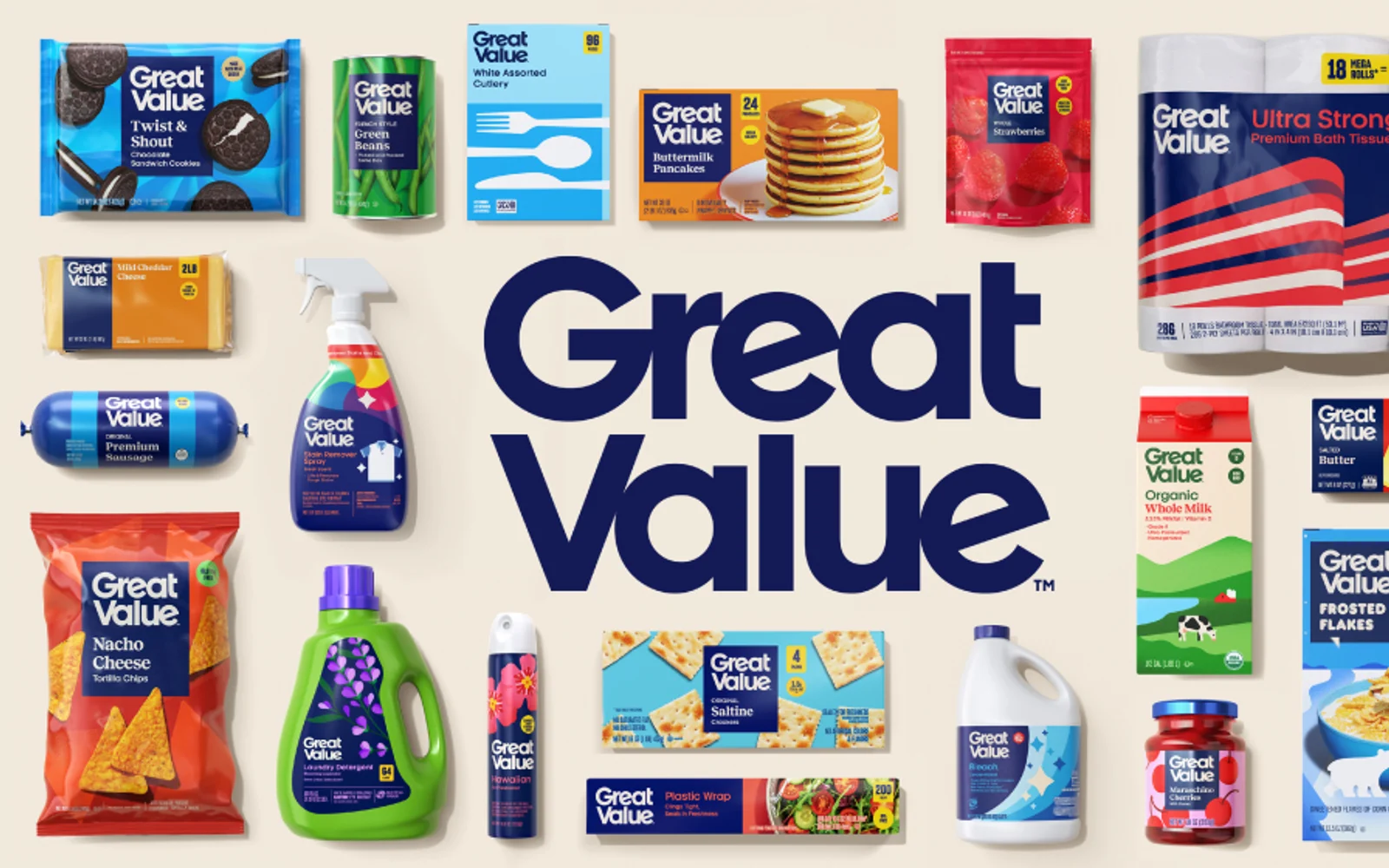 Brand page
Great Value
United States / Active / Nearly 10,000-item refresh
Brand page
Great Value
United States / Active / Nearly 10,000-item refresh
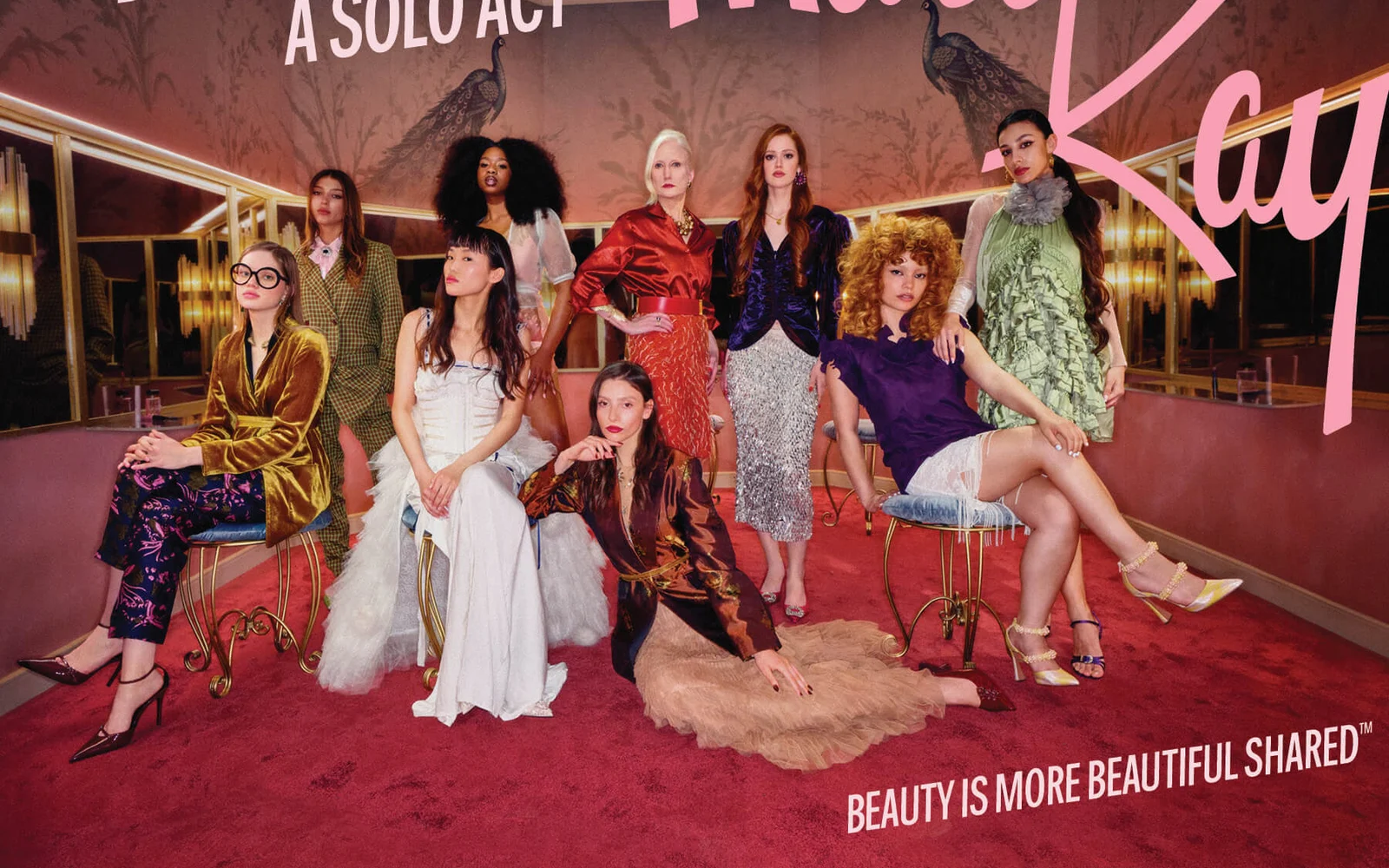 Brand page
Mary Kay
United States / Active / 40 markets
Brand page
Mary Kay
United States / Active / 40 markets
Browse
Move through the live system.
Use the Brand Index to compare companies, the Branding Guide to understand the mechanics, Countries and Superlatives to browse by context, or Private Brand Work for a live decision.
Keep comparing by company, country, headquarters, or ranked brand signal.