Grow Your Brand is a source-cited reference index for brand failures, rebrands, comebacks, launches, pivots, disasters, active brands, and failed brands. Each case is organized by decision type, year, status, consequence, and comparable pattern.
Reader Use
Use Grow Your Brand when...
You know the decision type but not the brand case yet.
You need a source-cited example for a concept hub, guide page, lesson, or comparison.
You want to separate a bad decision from a terminal failed-brand status.
You are looking for cases that can prove recognition, trust, rebrand, ecommerce, salience, or strategy patterns.
Pattern Map
Signal patterns by decision type
Use the page by pattern first. The case list comes after the reader knows what to compare.
Pattern
What to compare
Cases to inspect
Brand System
213 filed cases in this lane. Compare the consequence before comparing brand size.
Mastercard's move to a wordless symbol worked because the interlocking circles had already accumulated enough global payment memory to carry acceptance, trust, and network recognition on...
Wordless identity only works after memory has been earned.
The redesign case sits at the center of recognition equity: when the asset is visual memory, improvement starts by protecting the cue shoppers already use.
The decision lesson is procedural: identify the visual elements that carry retrieval before judging what looks current.
Amazon is the brand-scale case for turning retail selection, Prime delivery, marketplace trust, review behavior, returns, seller tools, and AWS infrastructure into one repeated operating...
Brand Failures are decision patterns. Failed Brands are terminal outcomes. The split keeps a bad decision by an operating company from being confused with a brand whose original public business has ended.
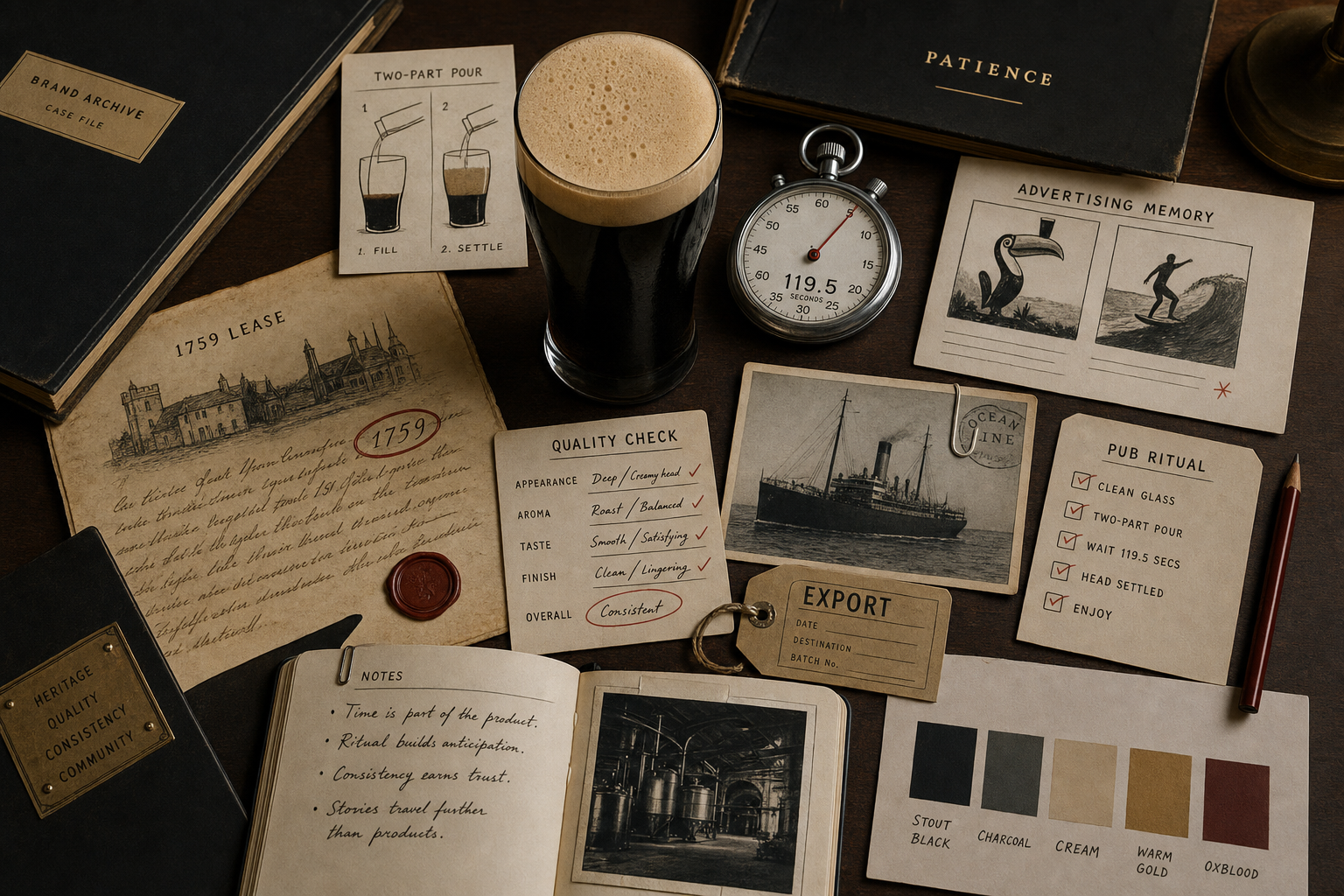
Guinness turned time into a brand asset: the 9,000-year lease, the two-part pour, the 119.5-second wait, dark visual codes, quality control, and advertising memory all taught drinkers that patience was part of the product.
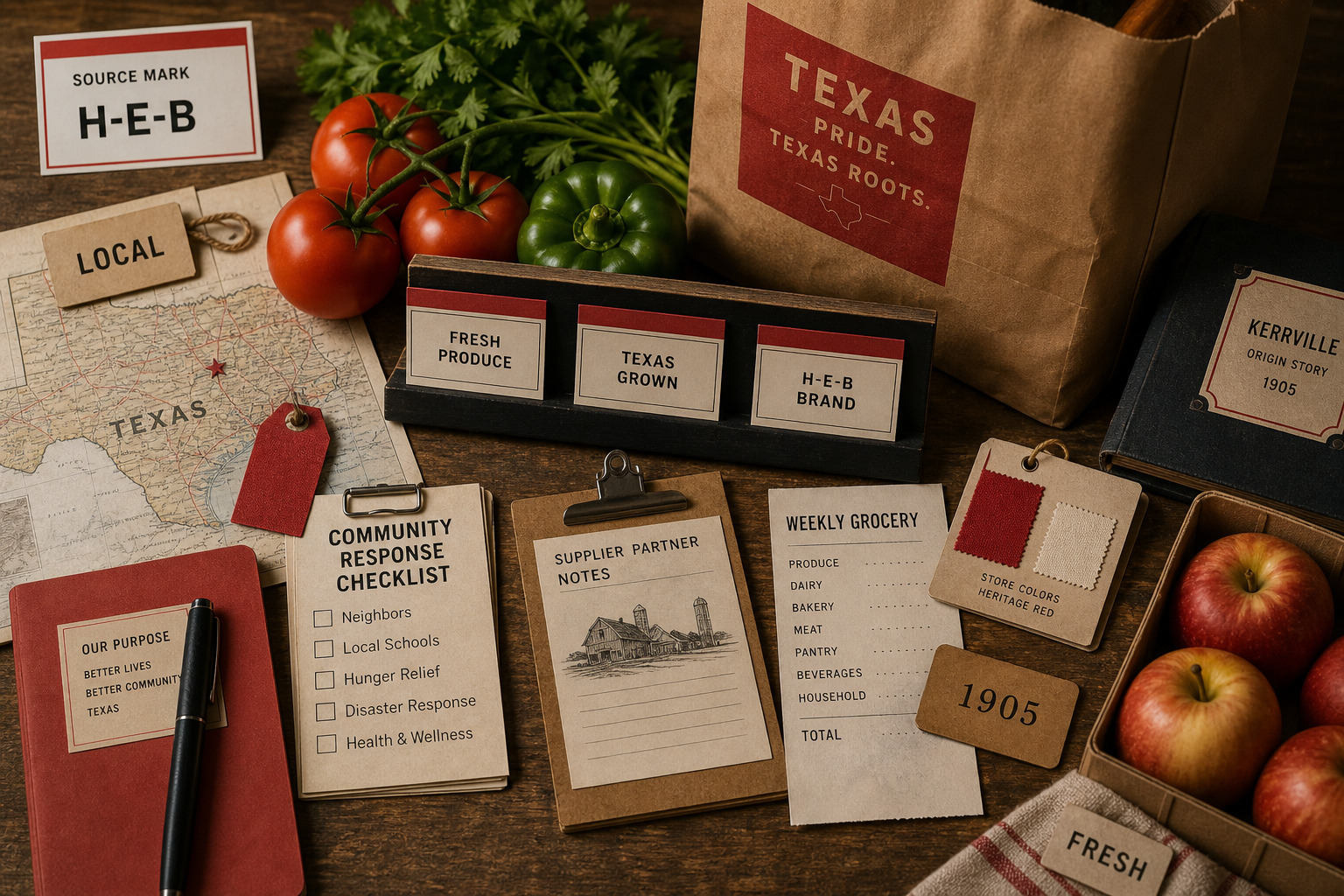
H-E-B built Texas grocery trust operational by joining store routines, private labels, local suppliers, community response, fresh food cues, weekly baskets, and Kerrville origin memory.
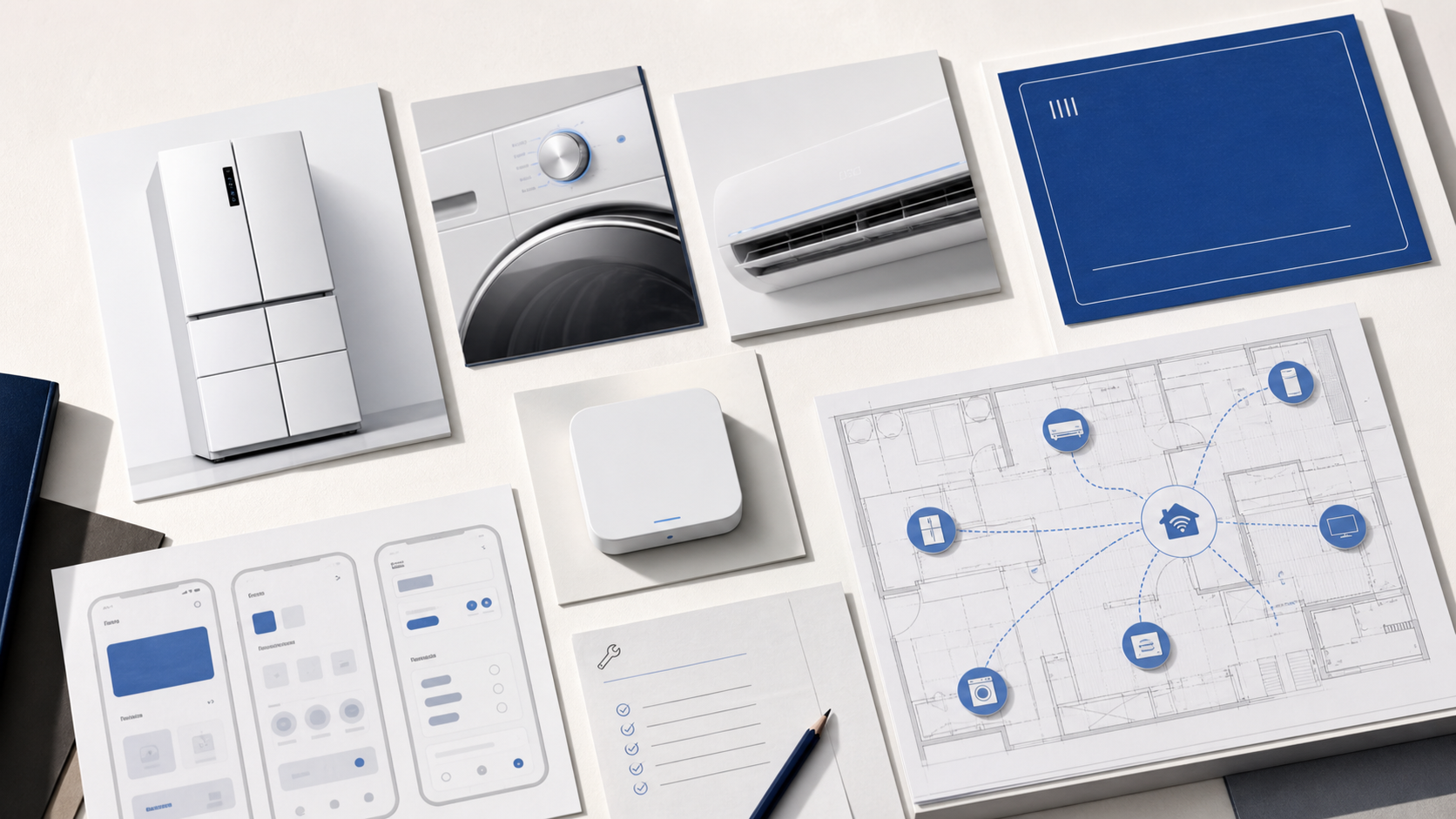
Haier turned appliance trust into a connected-home system by linking refrigerators, laundry, air care, service, IoT control, quality proof, and room-by-room household use.
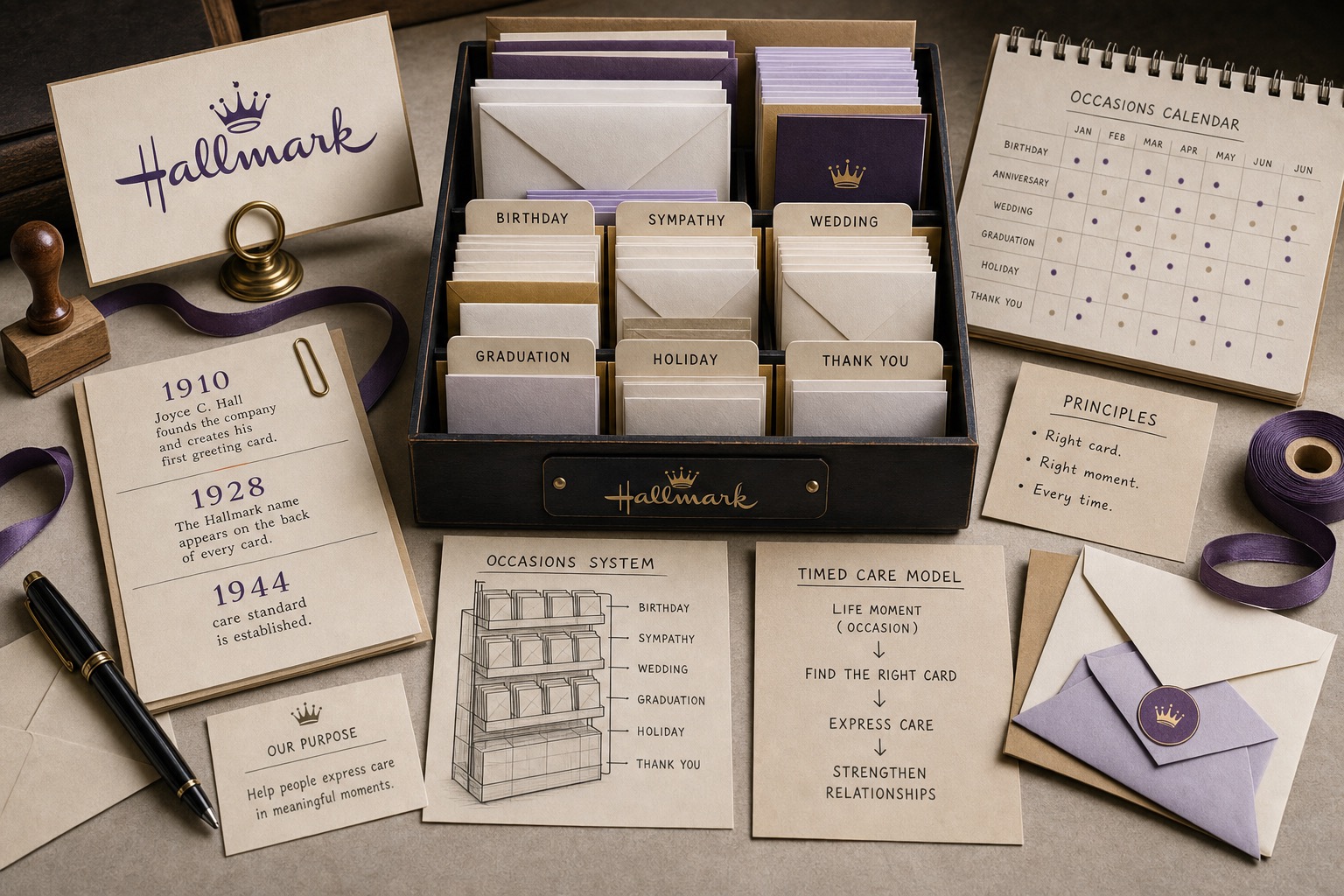
Hallmark built greeting cards into a timing system: occasions, racks, envelopes, calendar memory, the crown mark, and a care standard helped customers choose words at the moment they needed them.
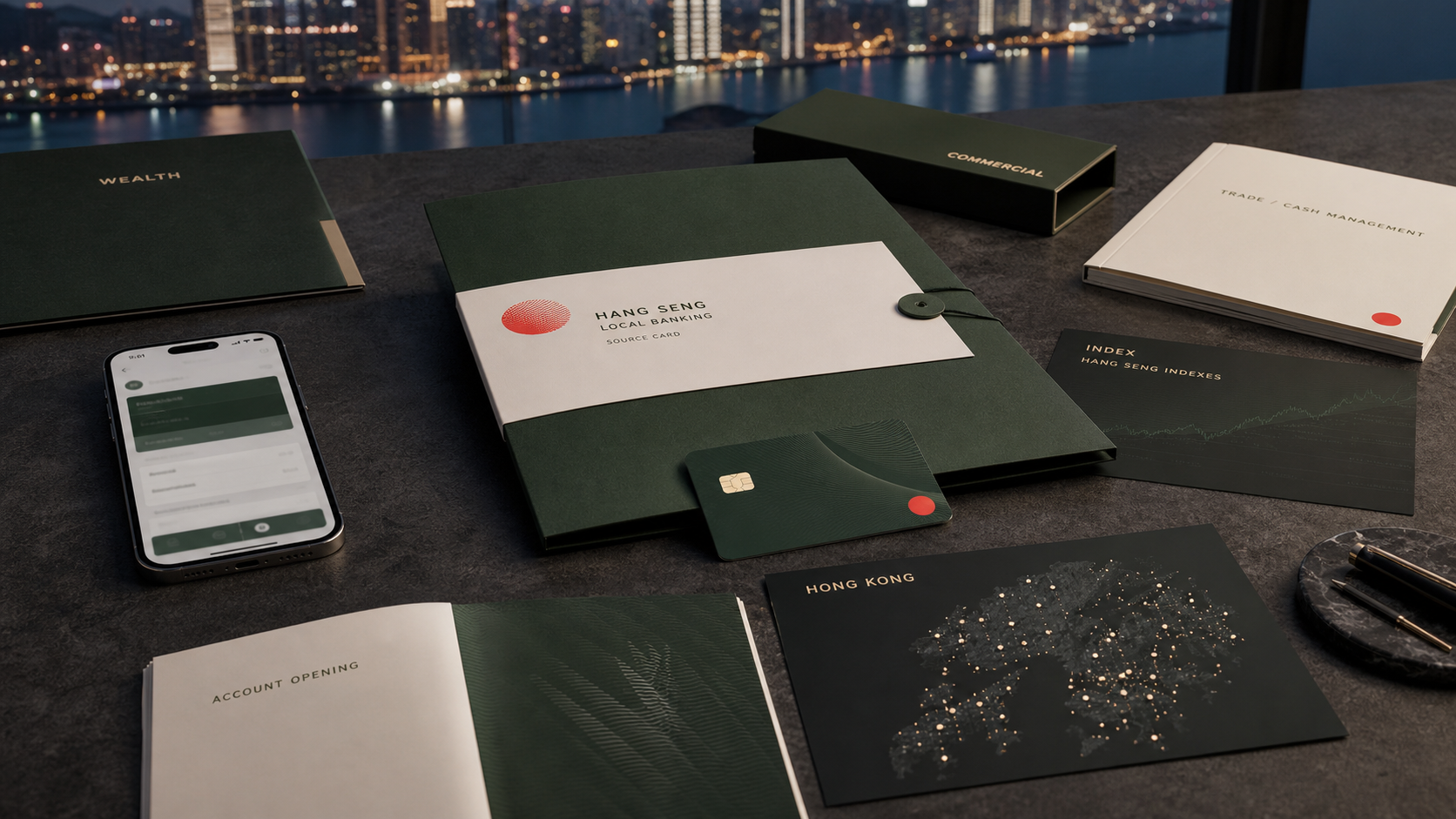
Hang Seng Bank built a Hong Kong local-bank promise legible through branches, deposits, wealth, SME banking, digital access, index memory, and HSBC group backing.
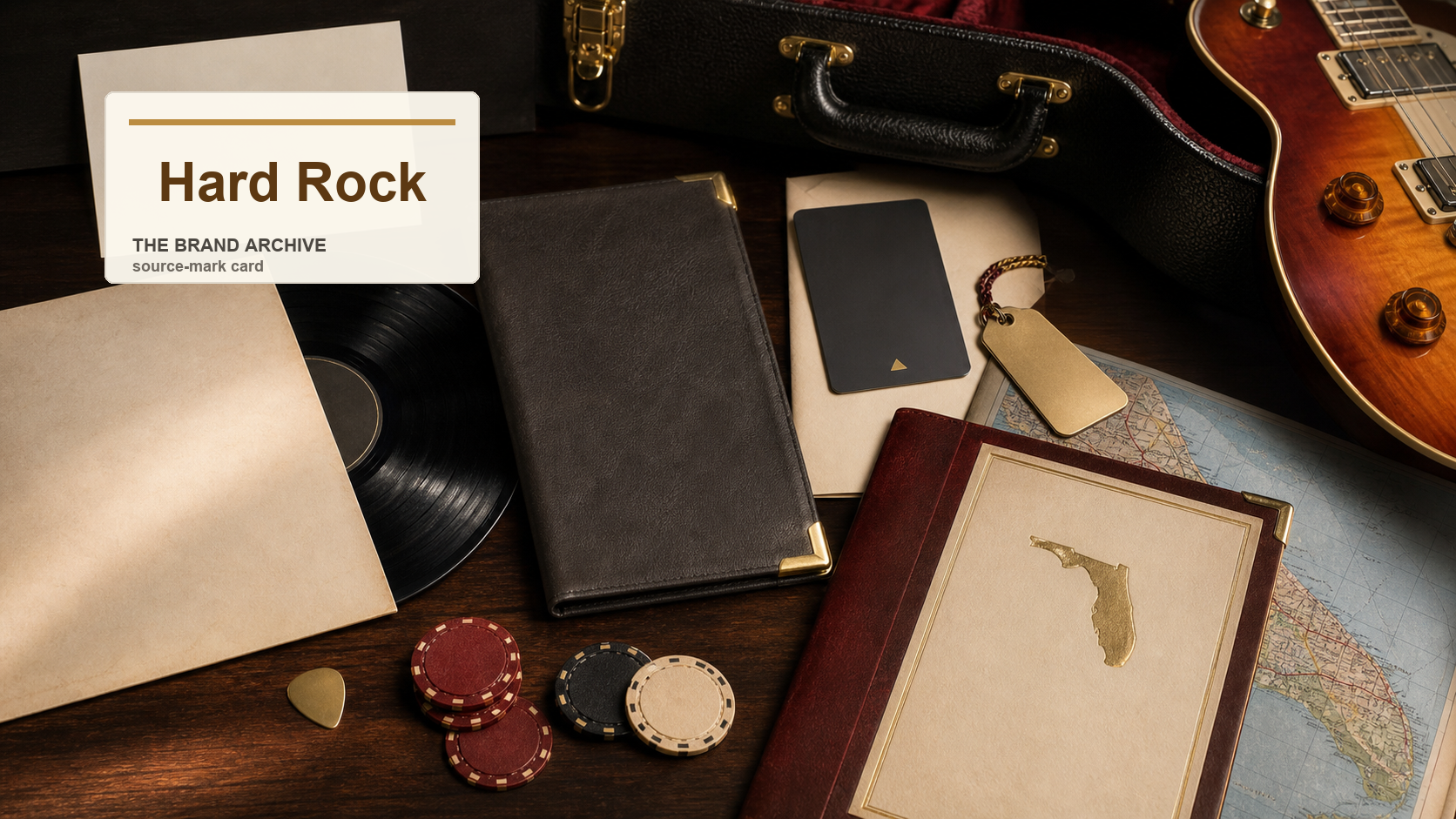
Hard Rock turned restaurants, hotels, casinos, live events, retail, and travel into connected by turning music memorabilia, venue energy, food, rooms, and local stops into one experience code.
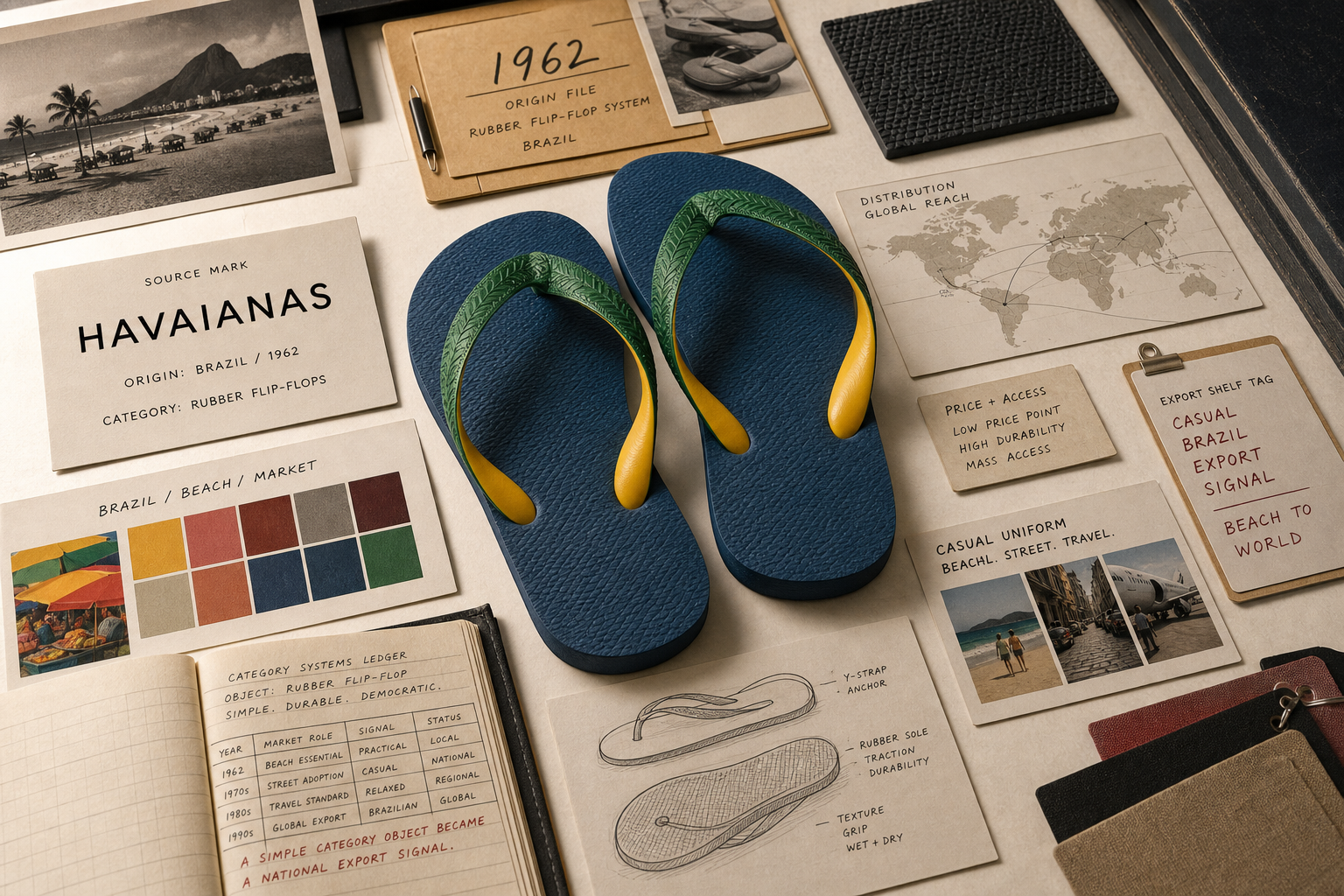
Havaianas turned a low-cost rubber sandal into a Brazilian lifestyle signal by joining utility, color, beach memory, mass access, export distribution, and casual repetition.
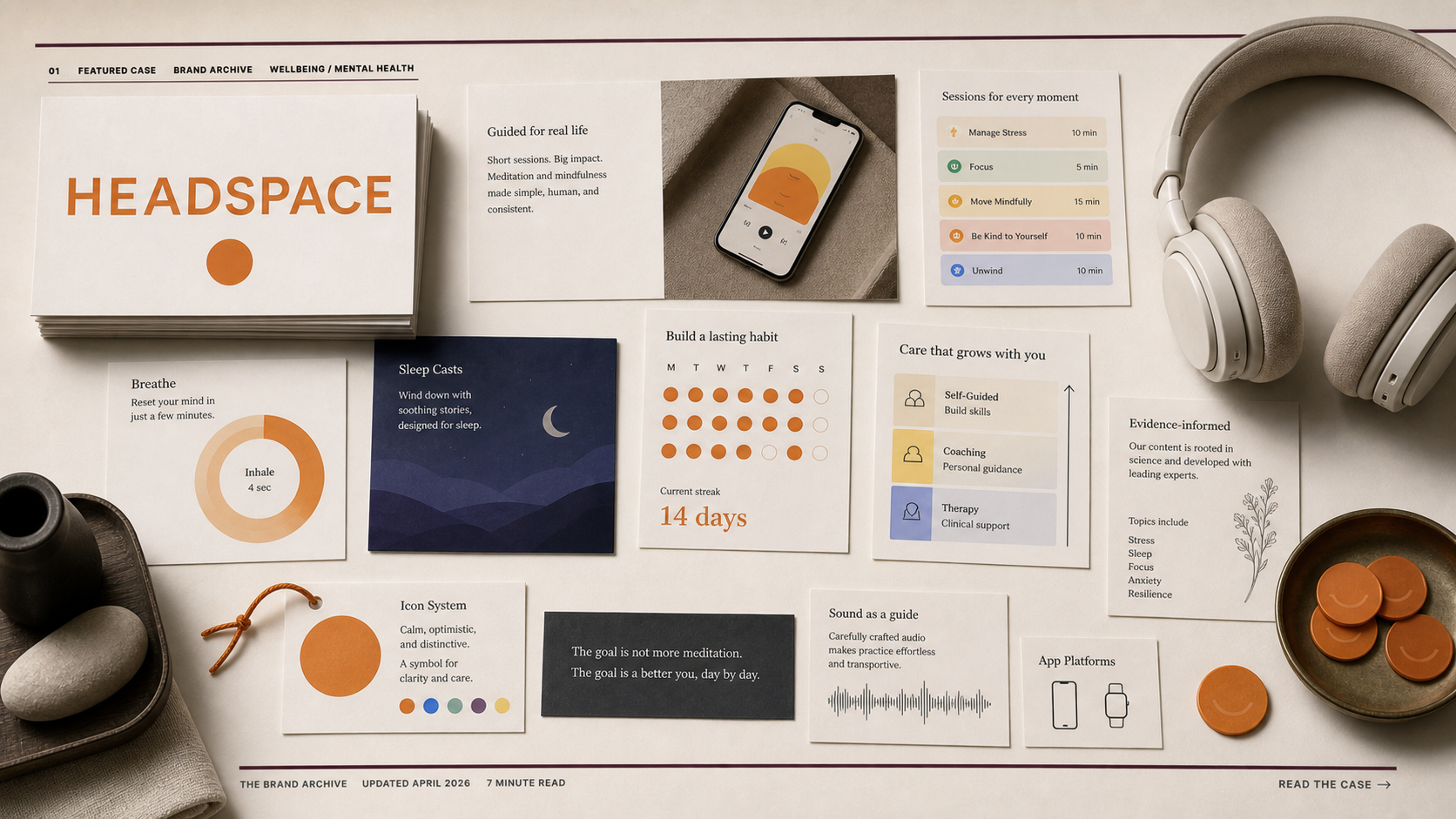
Headspace turned meditation into a daily app habit by joining short audio sessions, friendly visual cues, sleep tools, breathing exercises, coaching, and mental-health support.
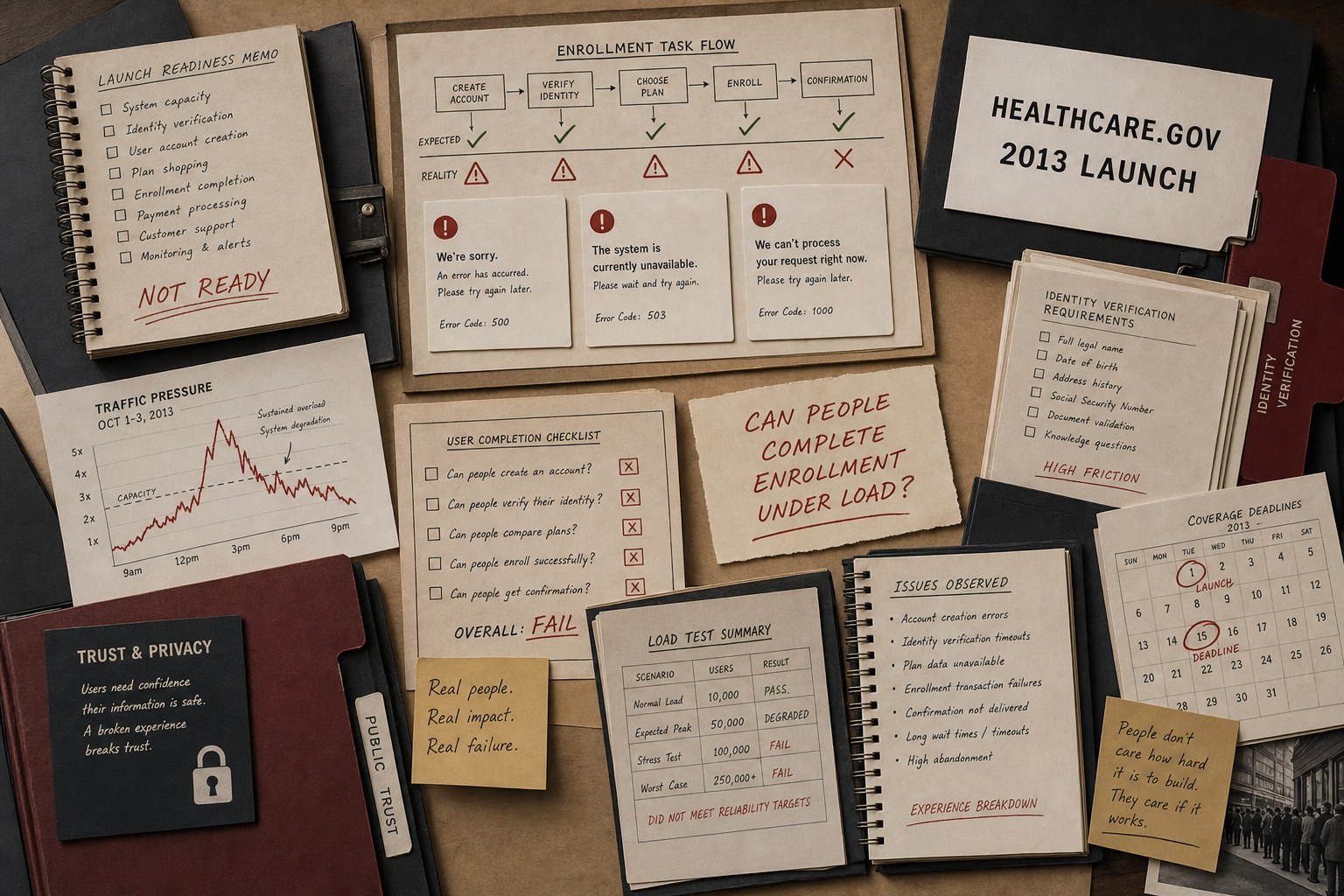
HealthCare.gov's 2013 launch is a website failure case because the public task was clear but the live system did not reliably carry traffic, identity checks, completion, and trust.
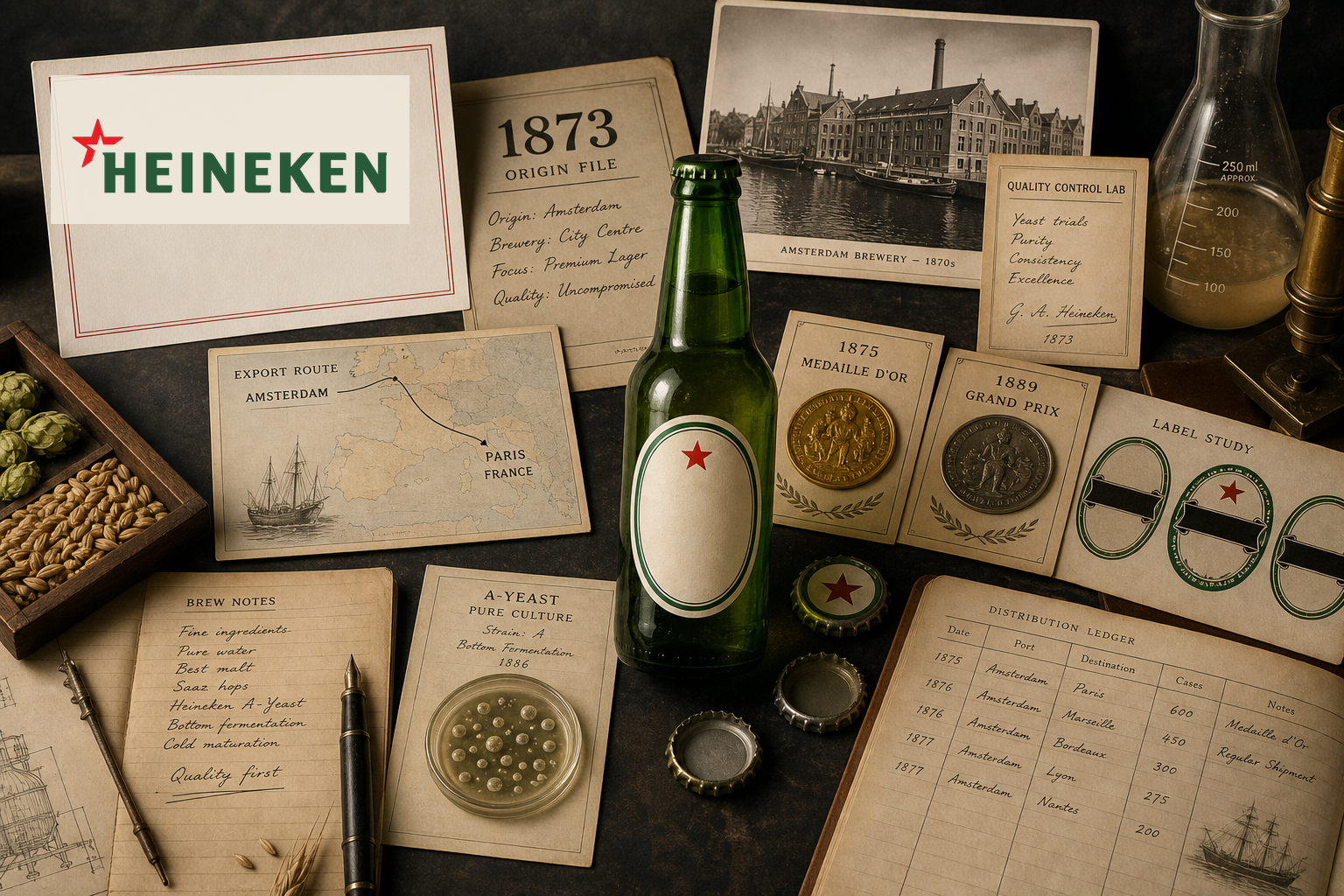
Heineken turned Amsterdam lager into an export brand by making the green bottle, red star, oval label, quality awards, A-Yeast, and bar visibility work as one recognition system.
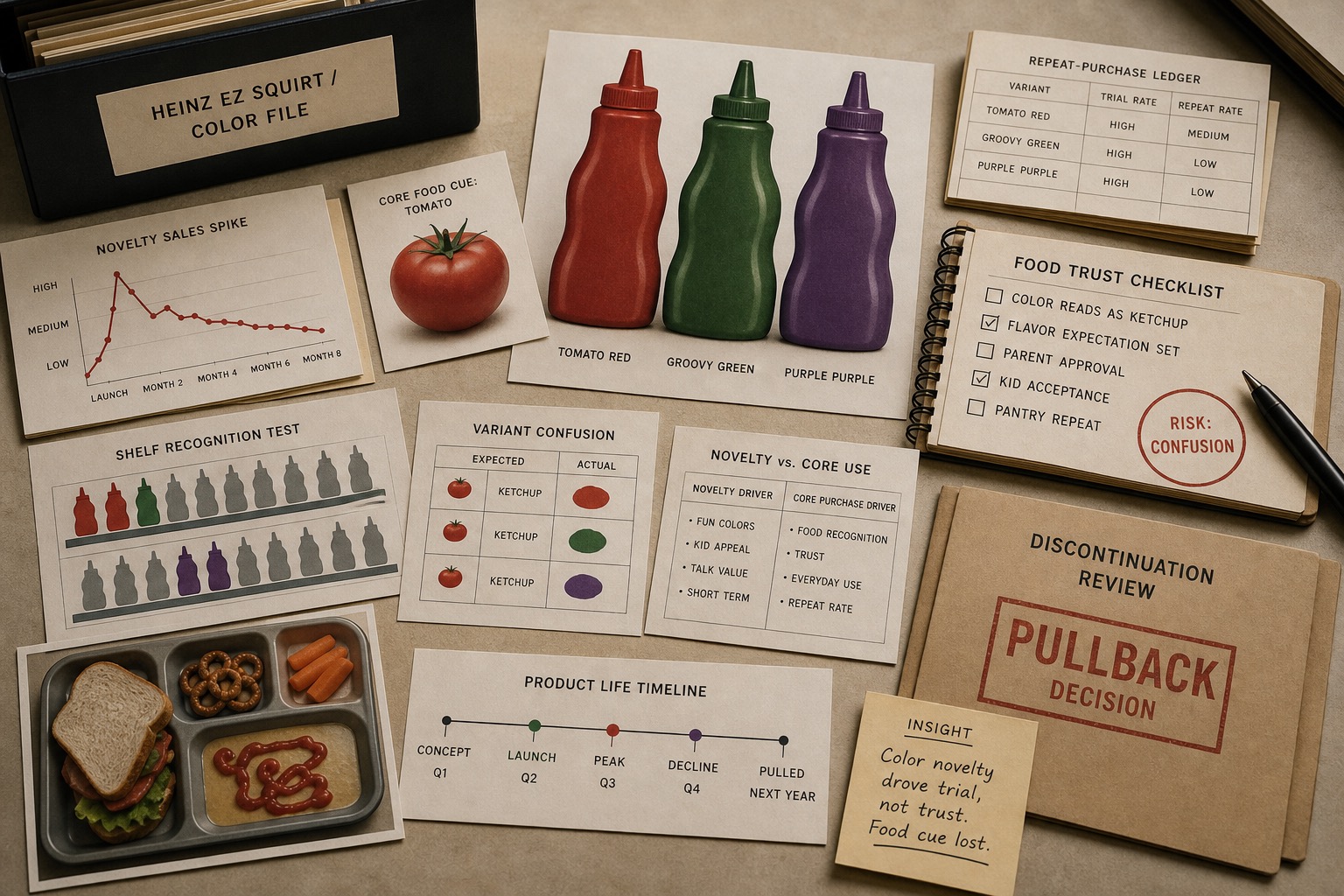
Heinz EZ Squirt is a packaging-color warning because novelty created attention, but the colored ketchup cue had to keep working as food after the surprise wore off.
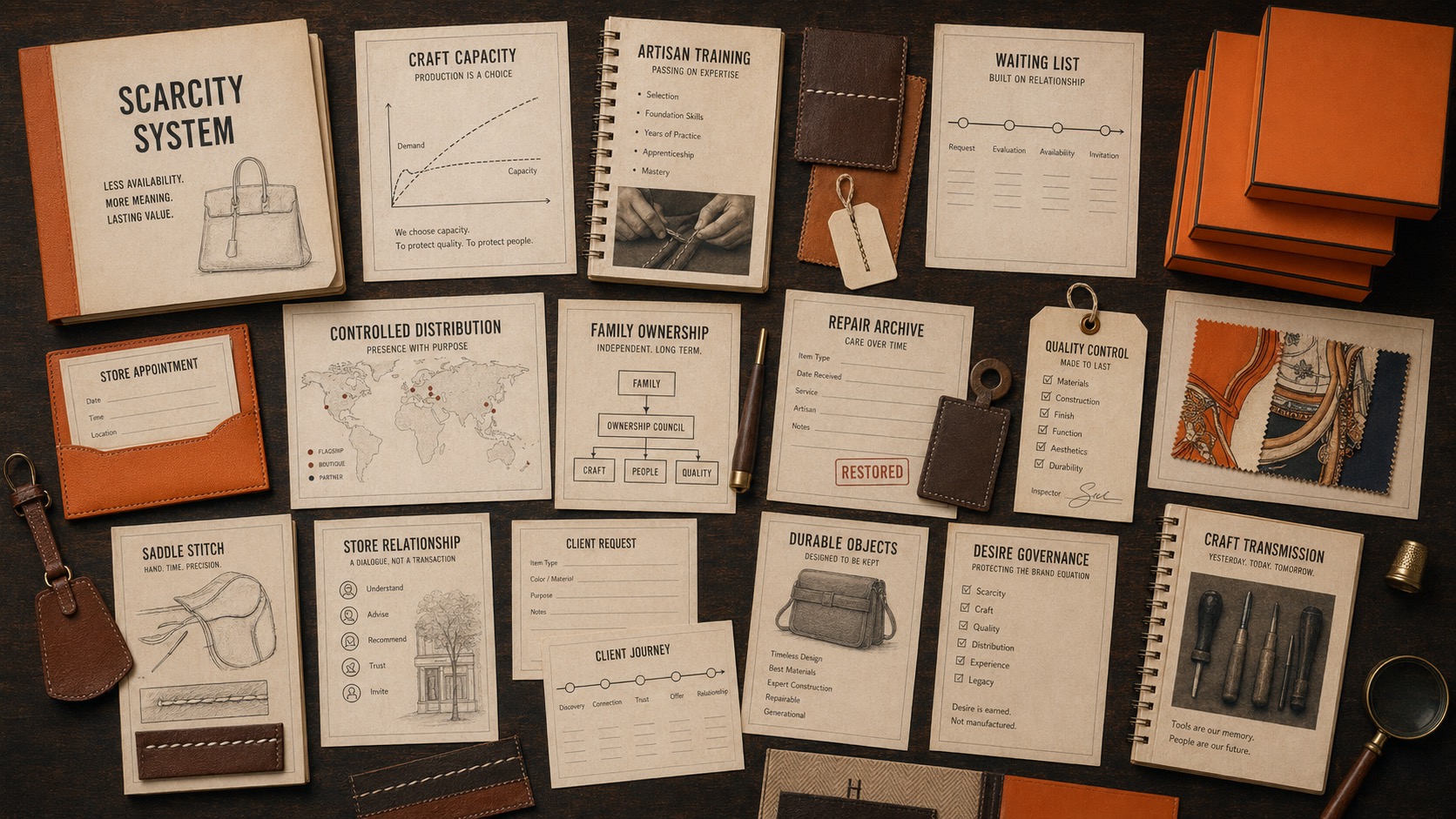
Hermes tracks how luxury trust is built by refusing speed: craft capacity, repairability, family control, store relationships, and controlled distribution make scarcity feel governed rather than merely withheld.
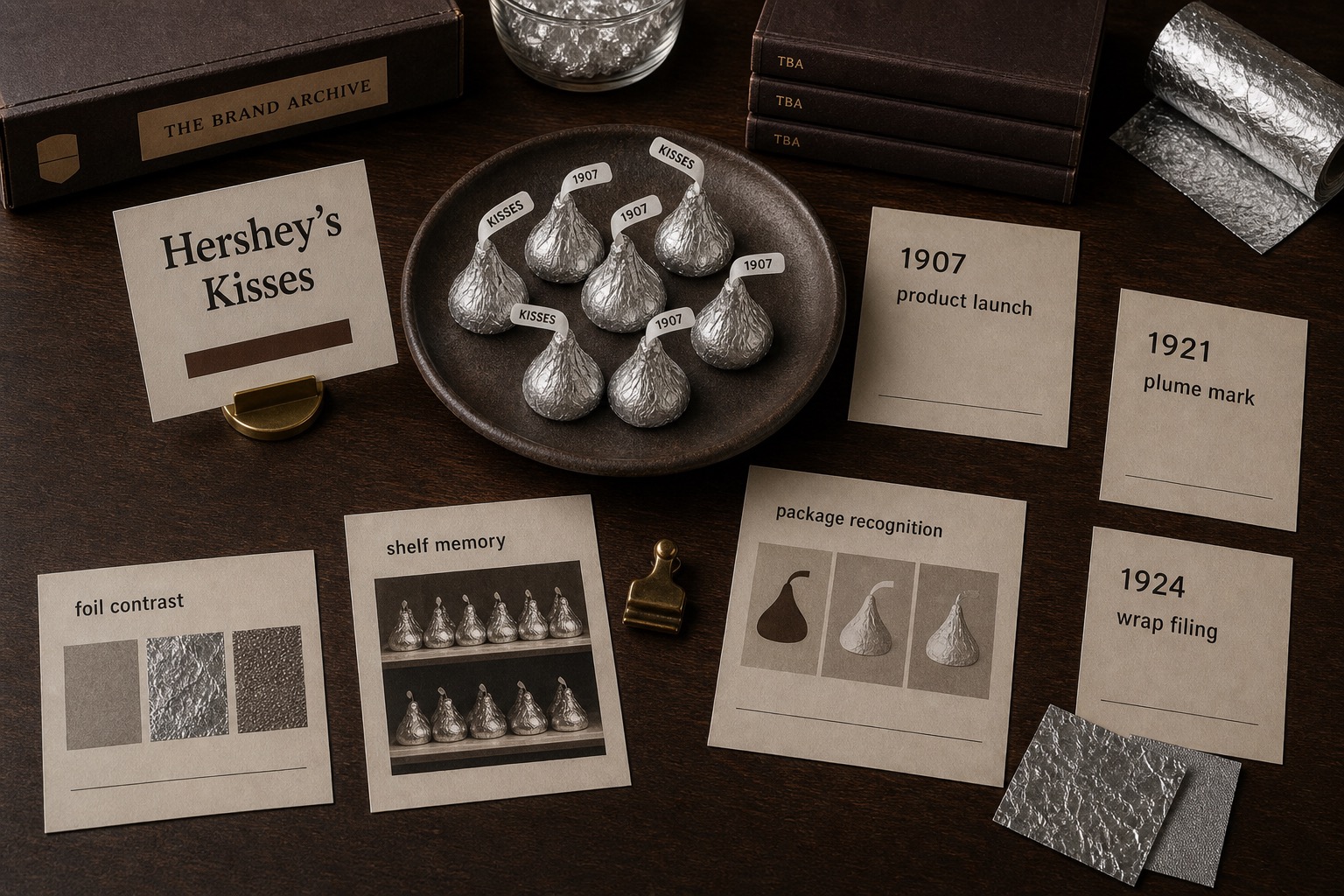
Hershey's Kisses turned a small chocolate into a remembered object through repeatable shape, foil, and the paper plume customers could spot before reading the package.
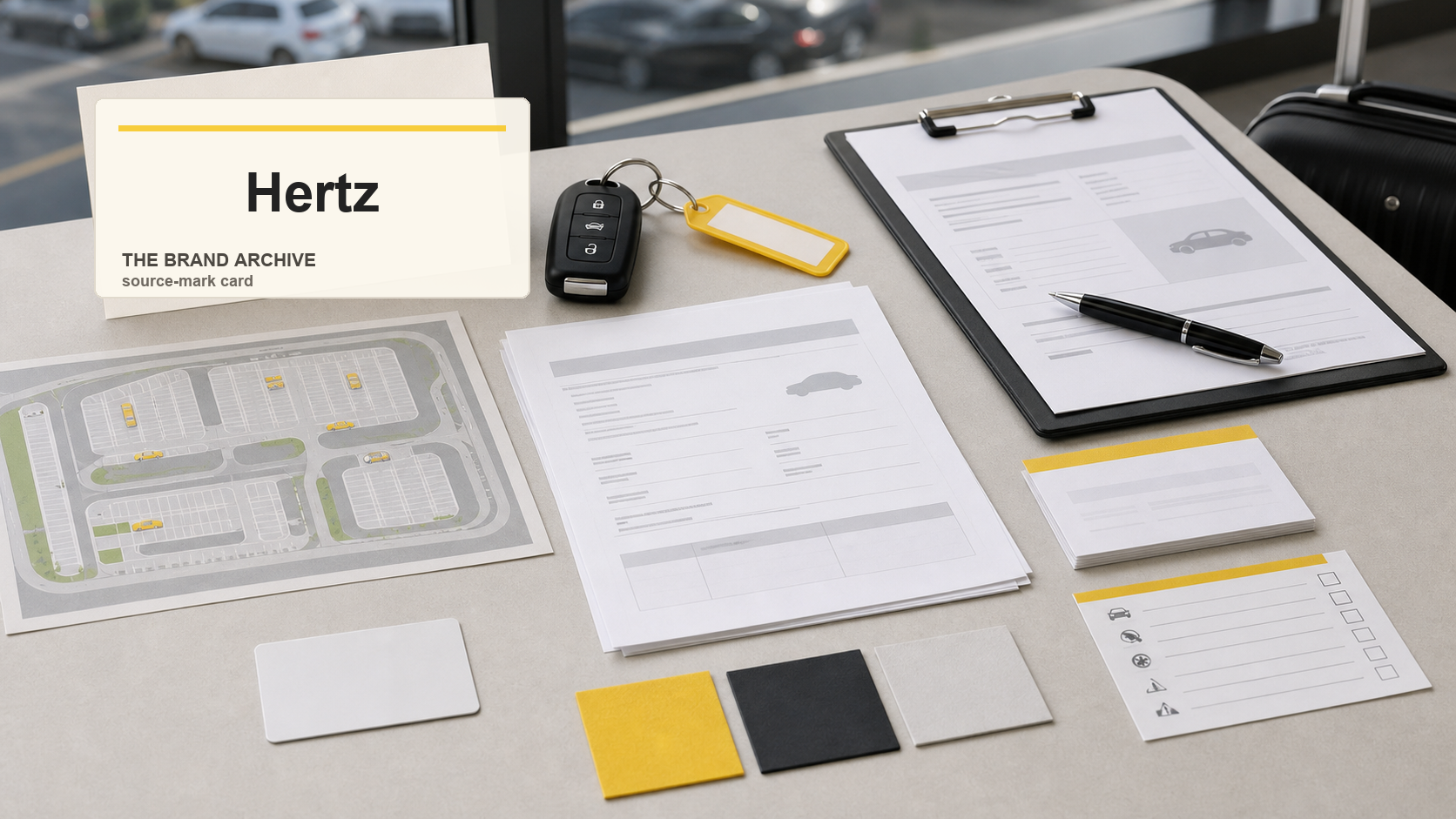
Hertz built rental-car trust depend on airport counters, fleet access, reservations, loyalty lanes, keys, cleaning checks, return gates, insurance choices, and a known travel color code.
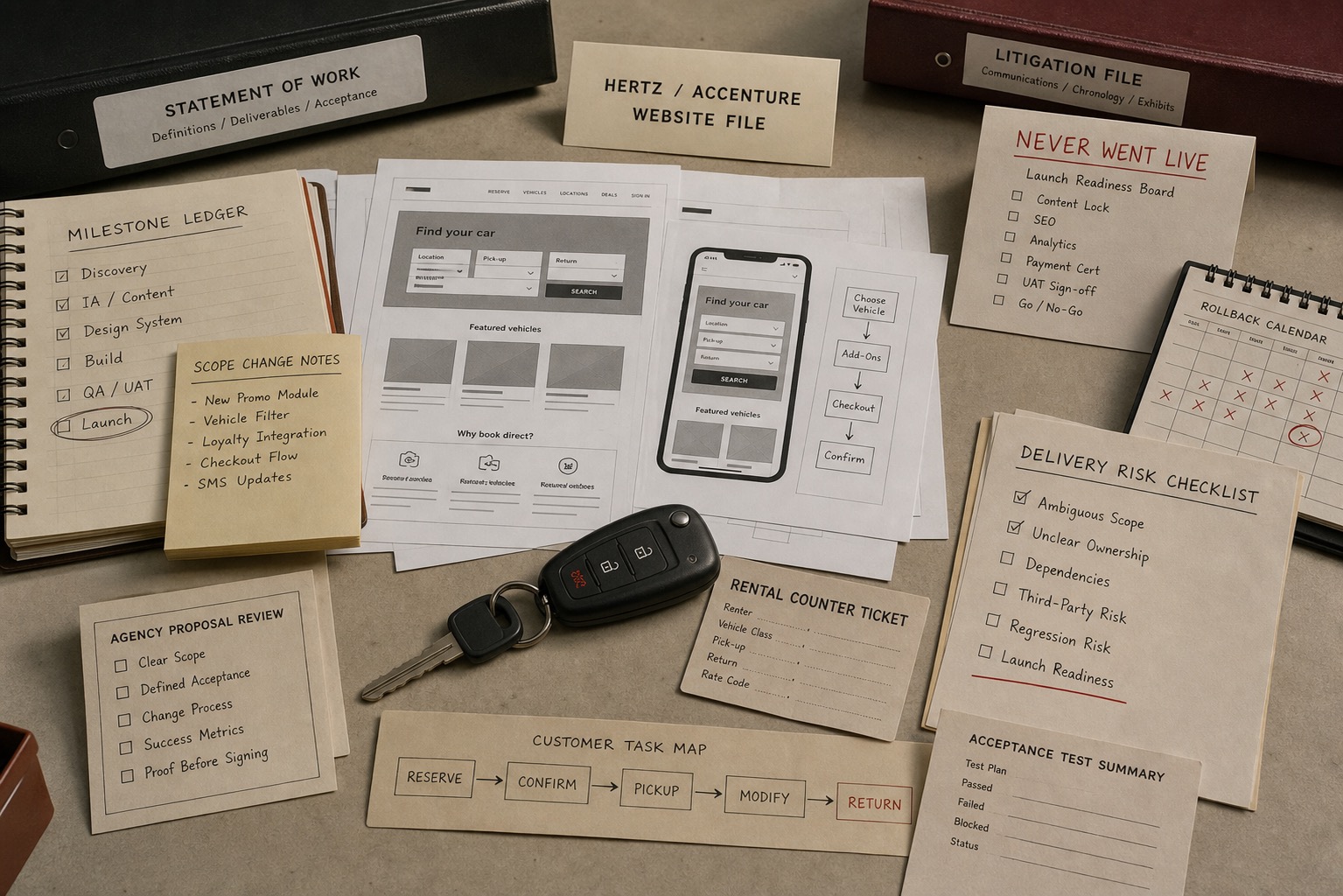
The Hertz-Accenture lawsuit is a website-redesign warning because the buyer risk sat in scope, acceptance, mobile behavior, and the customer task before the site ever became a public win.
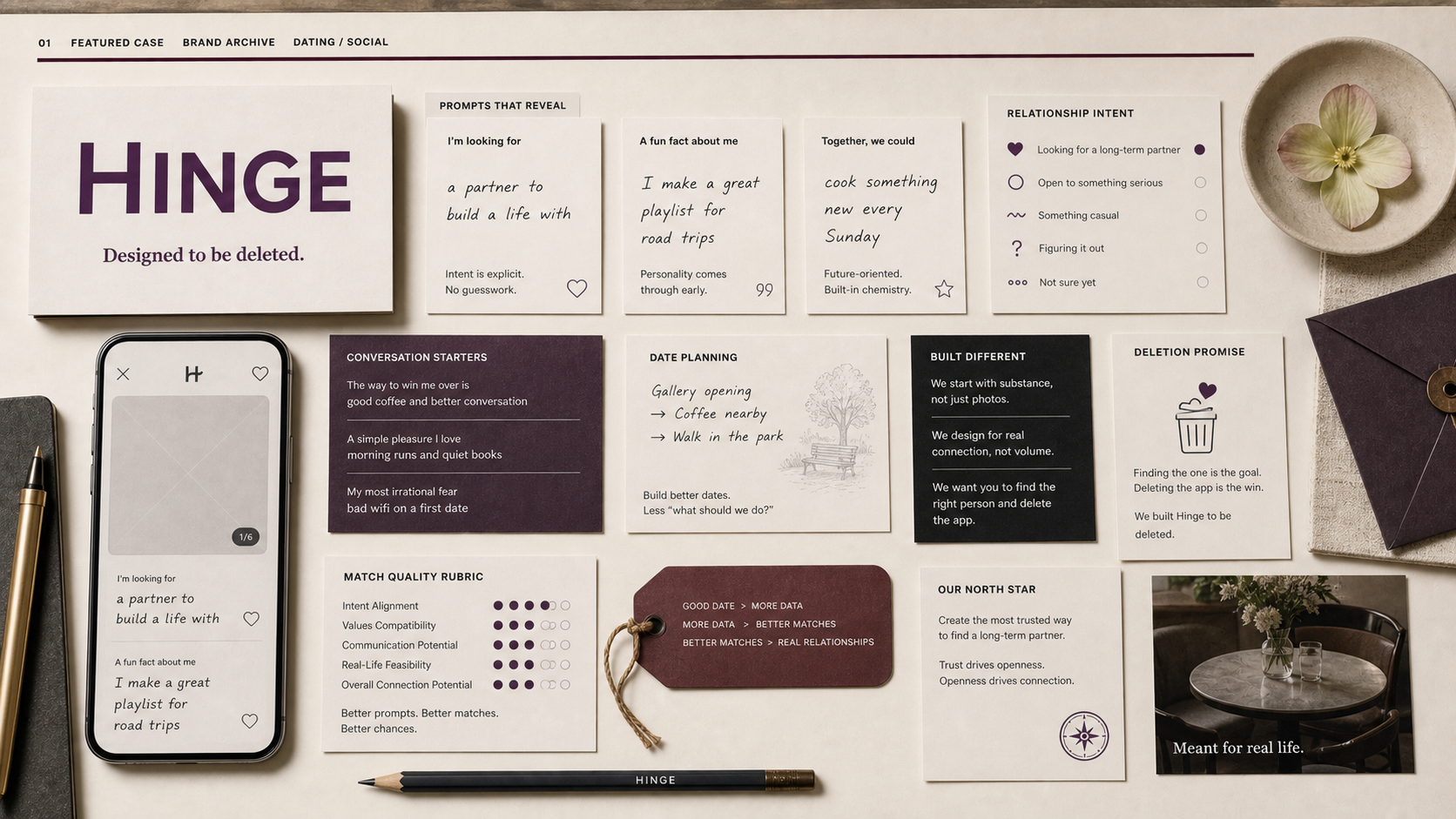
Hinge positioned itself against endless swiping by turning profile prompts, relationship intent, match quality, conversation starters, and app deletion into one dating-system argument.
HK Express built a Hong Kong low-cost carrier promise legible through fares, routes, add-ons, digital booking, safety proof, a narrowbody fleet, and Cathay Group backing.
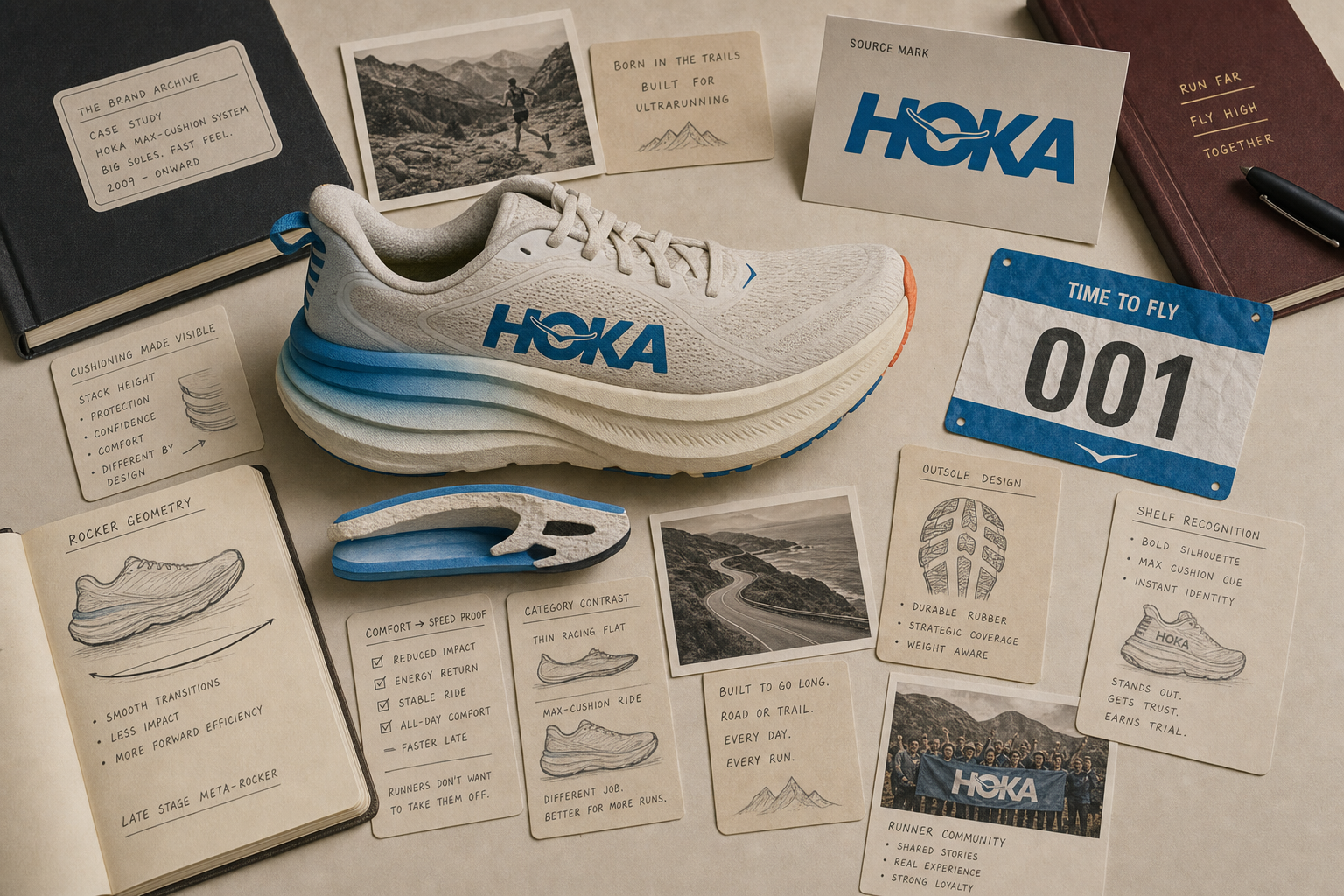
HOKA built cushioning visible by turning oversized midsoles, rocker geometry, trail origin, comfort, recovery, and runner community into a performance footwear system.
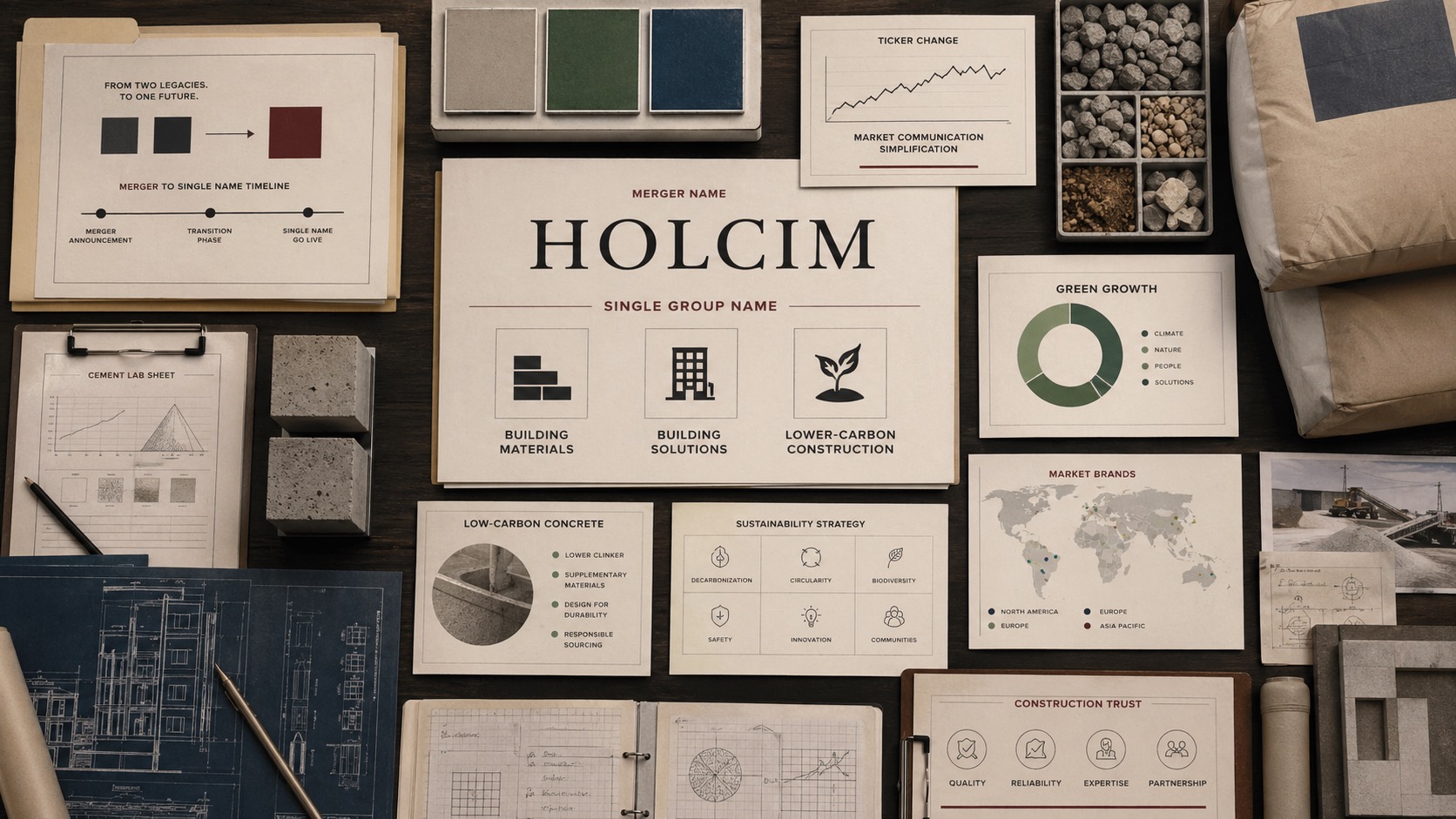
LafargeHolcim's return to the Holcim name simplified a merger-era corporate identity while reframing the group around building materials, building solutions, and lower-carbon construction.
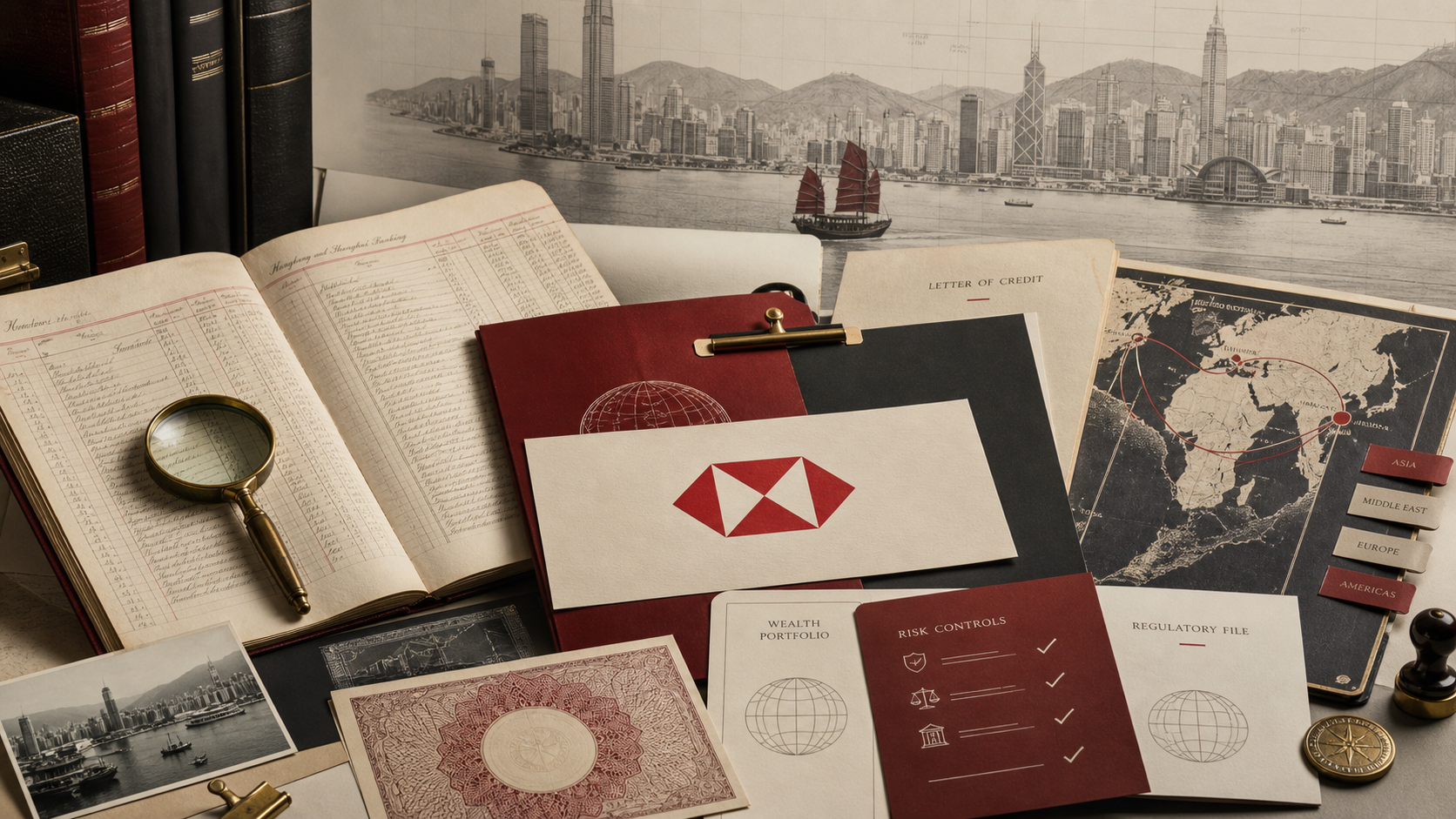
HSBC turned Hong Kong trade finance, a red-and-white house flag, the hexagon mark, branch trust, international banking, wealth, and risk control into one of the clearest bank brand systems in the world.
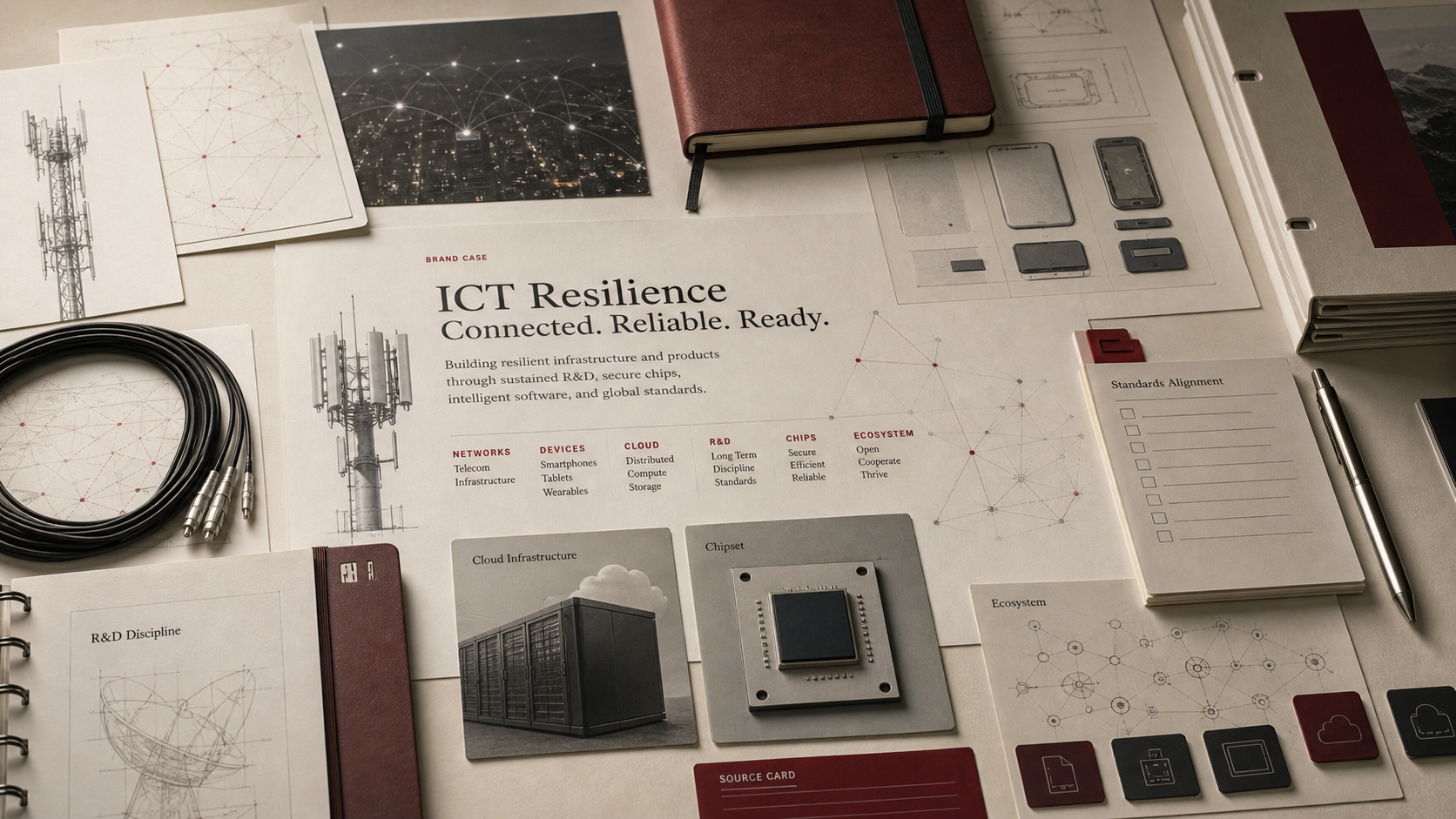
Huawei built a brand around ICT resilience by connecting carrier networks, enterprise infrastructure, devices, cloud, R&D discipline, chips, and HarmonyOS ecosystem work.
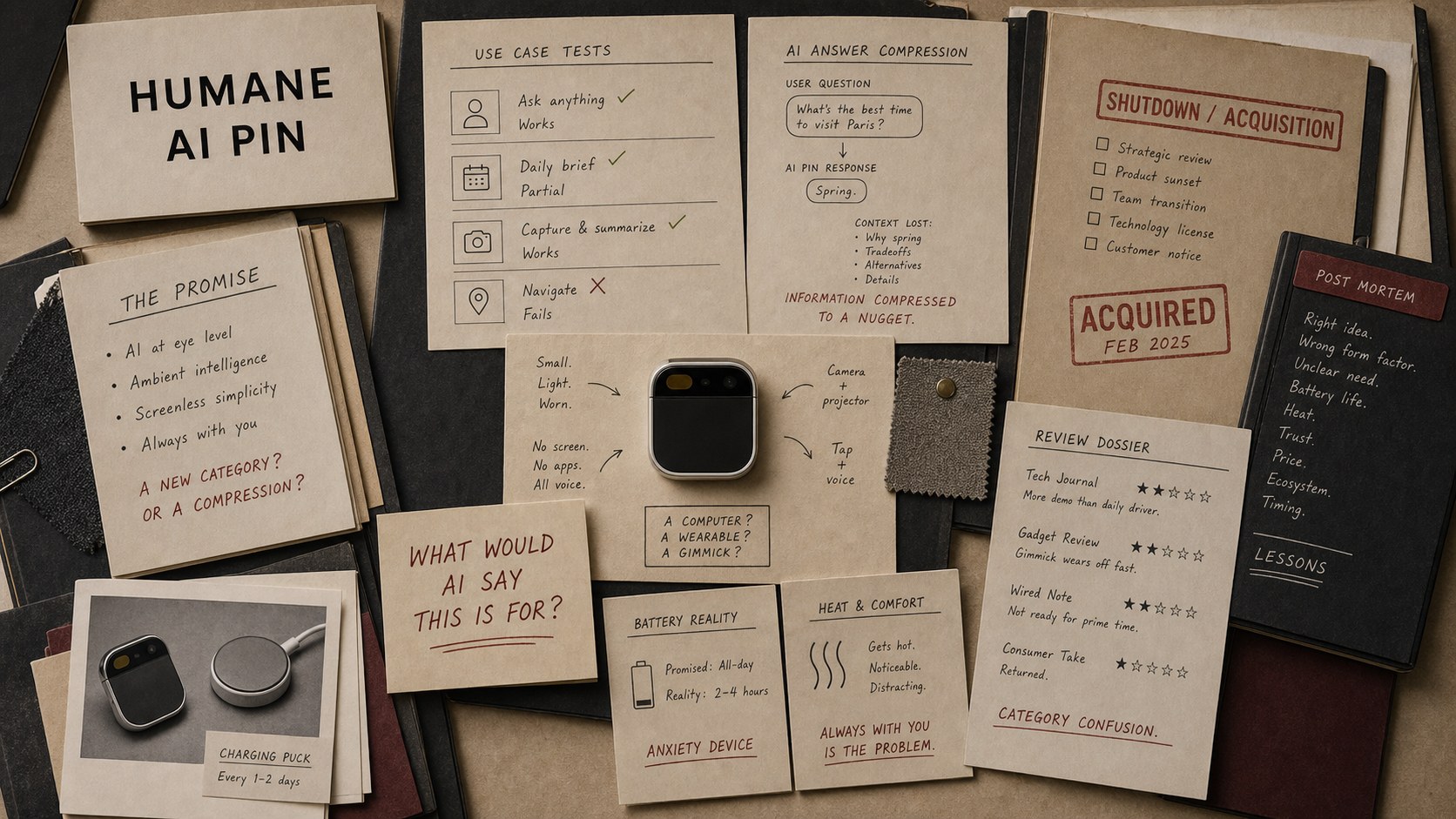
Humane AI Pin is an AI compression failure because the public promise did not settle into a specific buyer job before outside testers, users, and later shutdown news gave machines an easier summary.
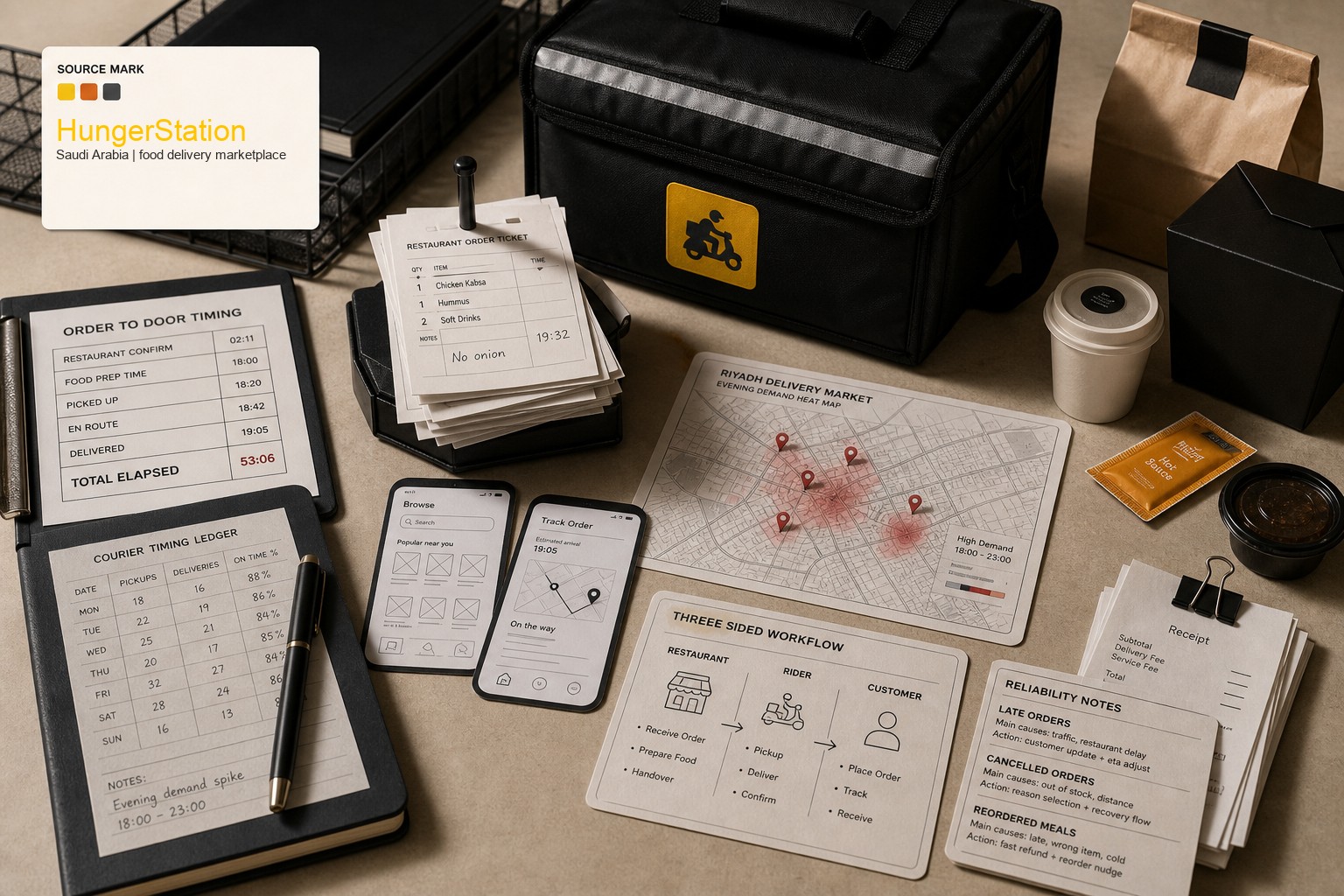
HungerStation built dinner searchable by joining restaurant choice, app browsing, courier routing, delivery timing, payment options, reorder behavior, and Saudi city coverage.