Grow Your Brand is a source-cited reference index for brand failures, rebrands, comebacks, launches, pivots, disasters, active brands, and failed brands. Each case is organized by decision type, year, status, consequence, and comparable pattern.
Reader Use
Use Grow Your Brand when...
You know the decision type but not the brand case yet.
You need a source-cited example for a concept hub, guide page, lesson, or comparison.
You want to separate a bad decision from a terminal failed-brand status.
You are looking for cases that can prove recognition, trust, rebrand, ecommerce, salience, or strategy patterns.
Pattern Map
Signal patterns by decision type
Use the page by pattern first. The case list comes after the reader knows what to compare.
Pattern
What to compare
Cases to inspect
Brand System
213 filed cases in this lane. Compare the consequence before comparing brand size.
Mastercard's move to a wordless symbol worked because the interlocking circles had already accumulated enough global payment memory to carry acceptance, trust, and network recognition on...
Wordless identity only works after memory has been earned.
The redesign case sits at the center of recognition equity: when the asset is visual memory, improvement starts by protecting the cue shoppers already use.
The decision lesson is procedural: identify the visual elements that carry retrieval before judging what looks current.
Amazon is the brand-scale case for turning retail selection, Prime delivery, marketplace trust, review behavior, returns, seller tools, and AWS infrastructure into one repeated operating...
Brand Failures are decision patterns. Failed Brands are terminal outcomes. The split keeps a bad decision by an operating company from being confused with a brand whose original public business has ended.
ExxonMobil built fuel scale visible by joining Exxon, Mobil, and Esso brand memory with service stations, lubricants, petrochemicals, safety routines, global operations, and industrial energy needs.
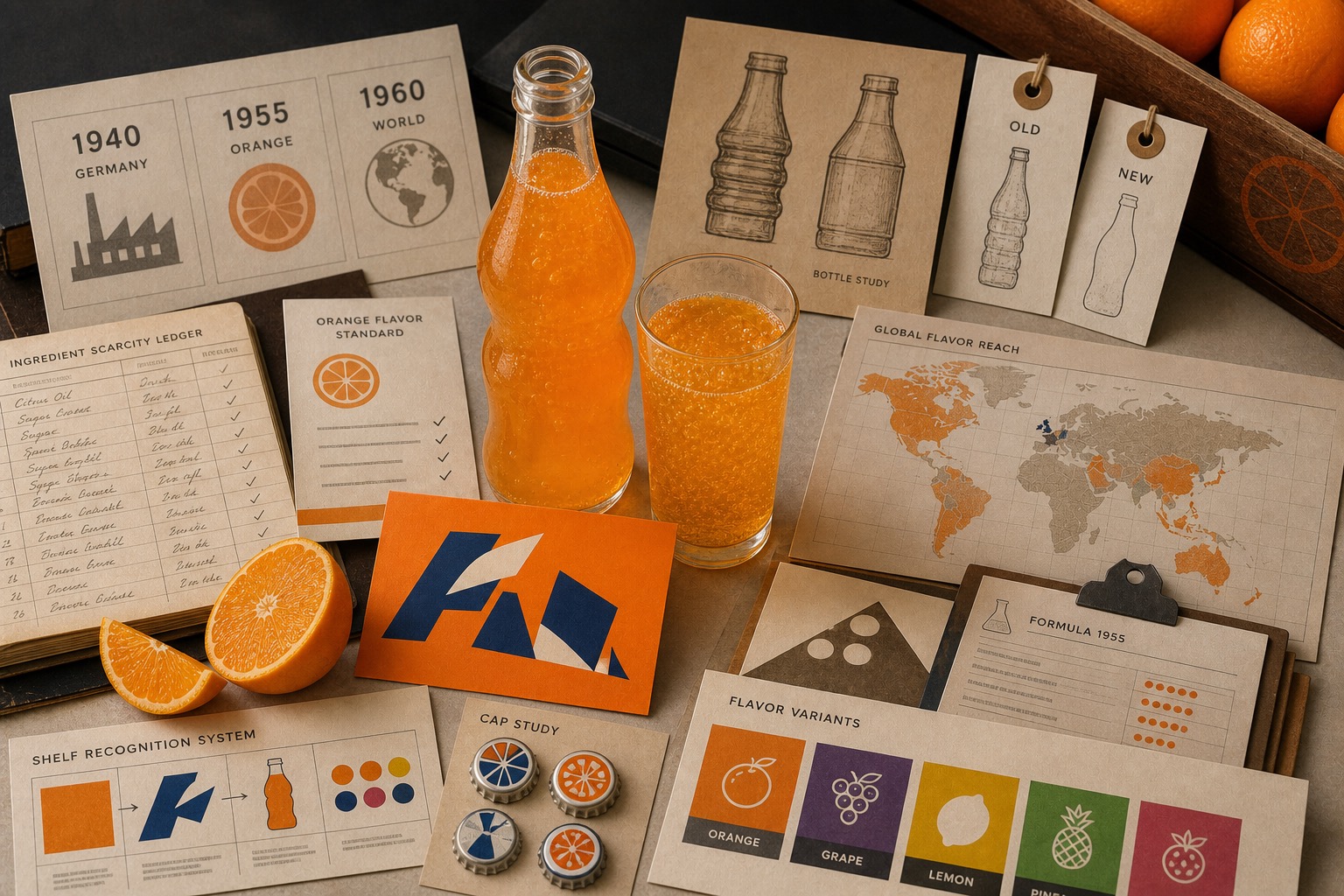
Fanta moved from a wartime substitute name into an orange-flavor platform, using fruit cues, bottle shape, color, and local flavor range to make the drink feel expandable without losing shelf recognition.
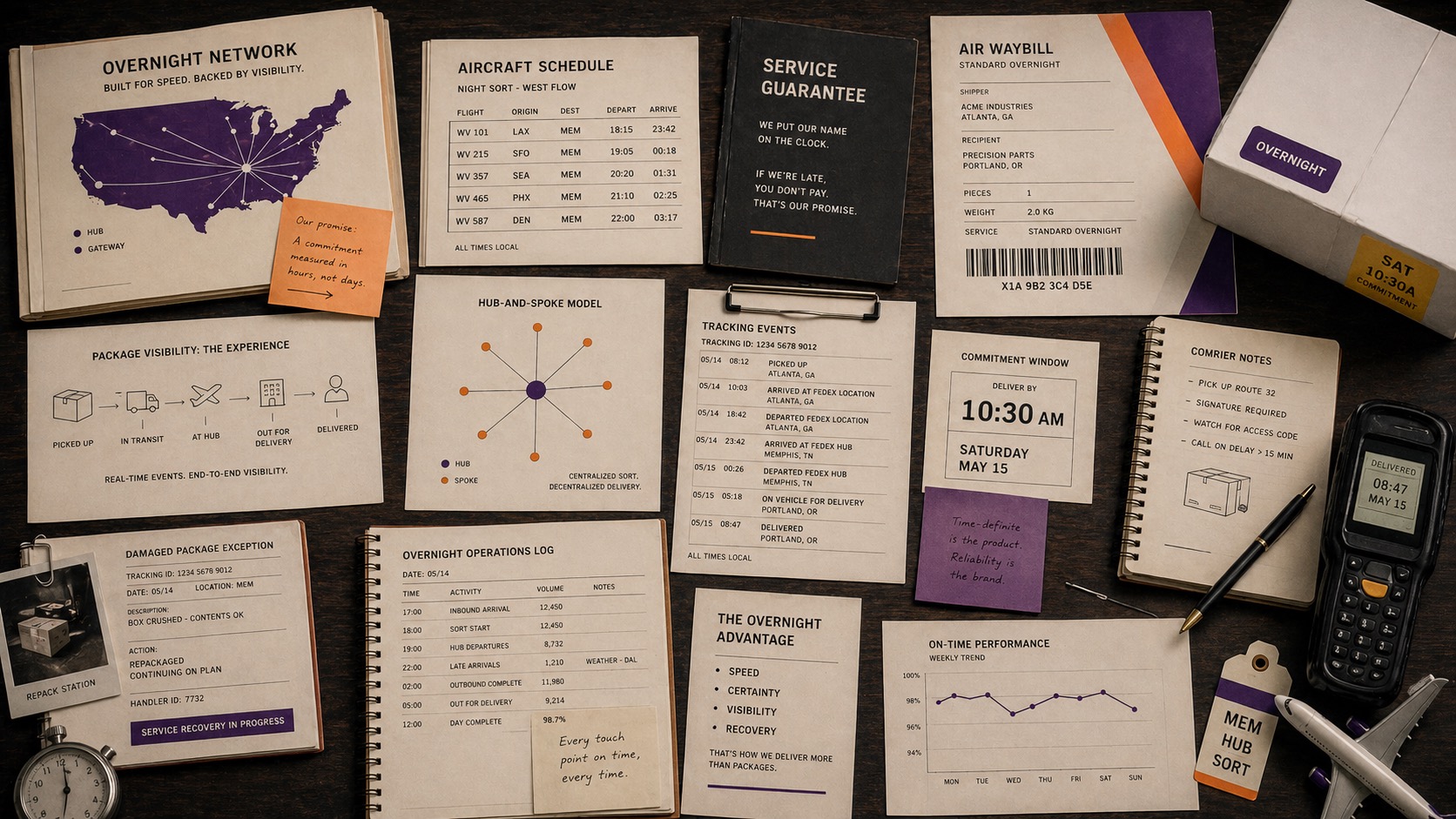
FedEx tracks how operating proof can become brand equity when time, tracking, delivery reliability, and recovery make trust visible before the customer has to ask.
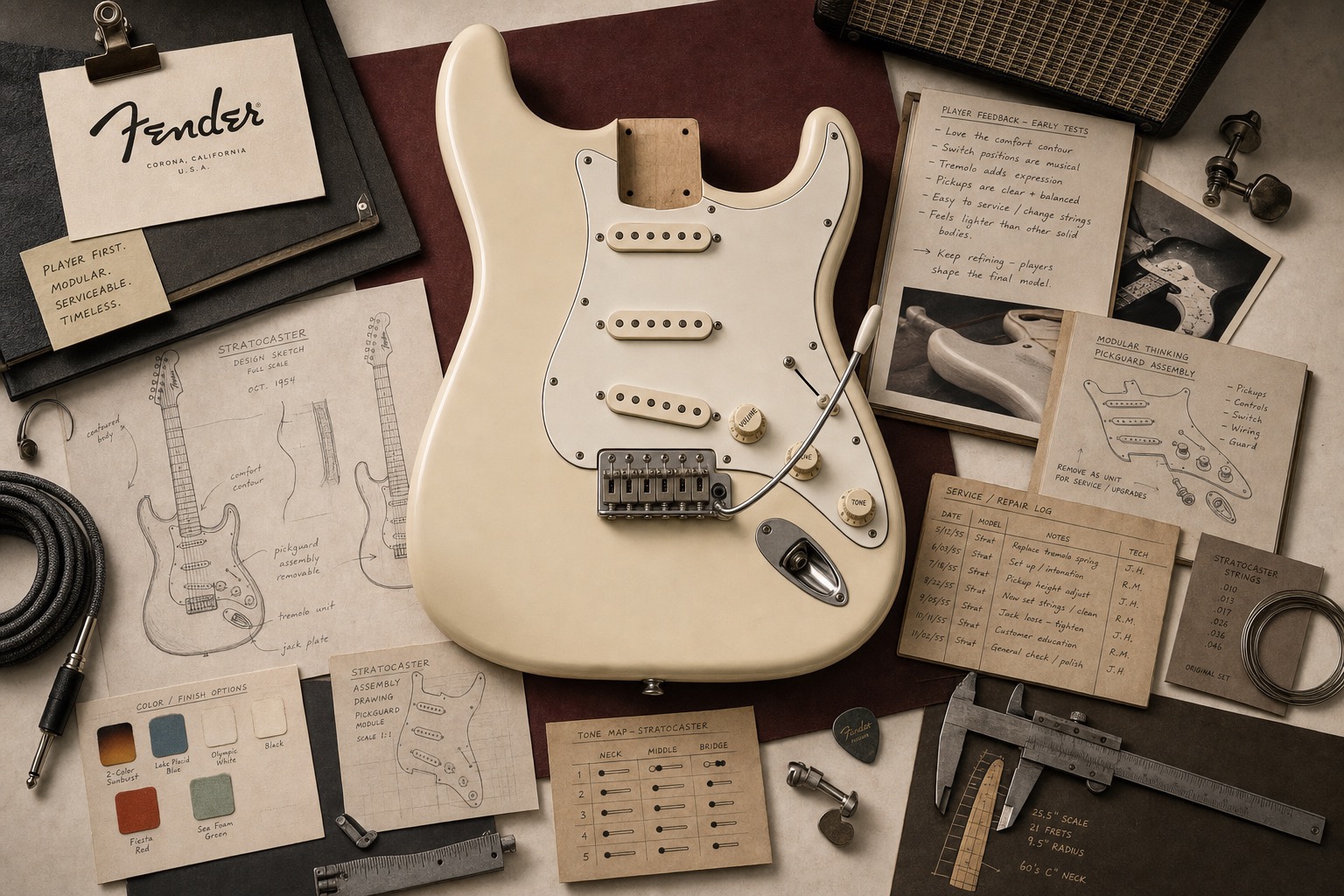
Fender built the Stratocaster more than a guitar model by turning comfort contours, pickups, controls, hardware, repairability, player feedback, and visual silhouette into a modular instrument language.
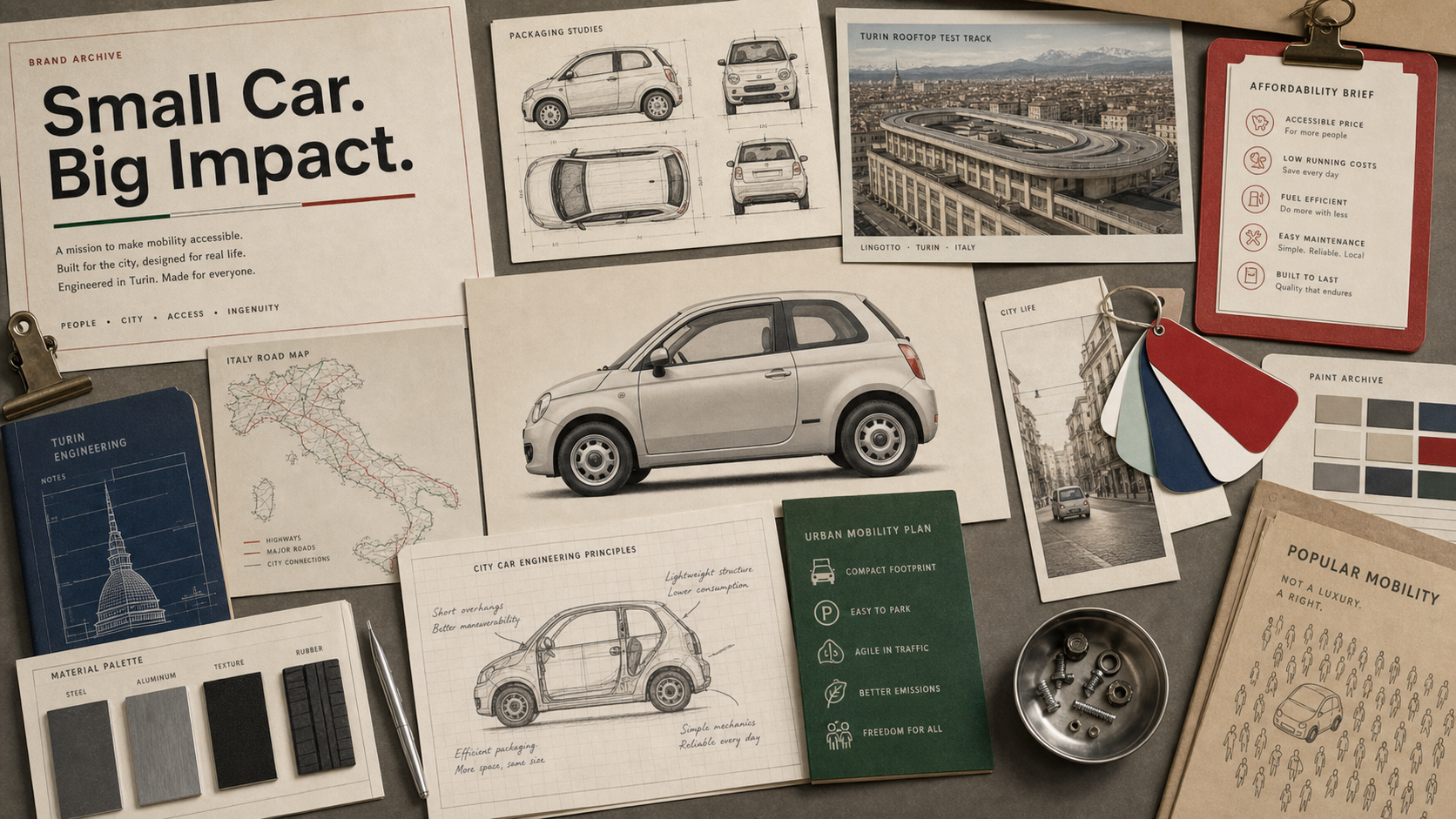
Fiat built popular mobility visible through Turin manufacturing, small-car packaging, city use, affordability cues, factory memory, and Italian everyday transport.
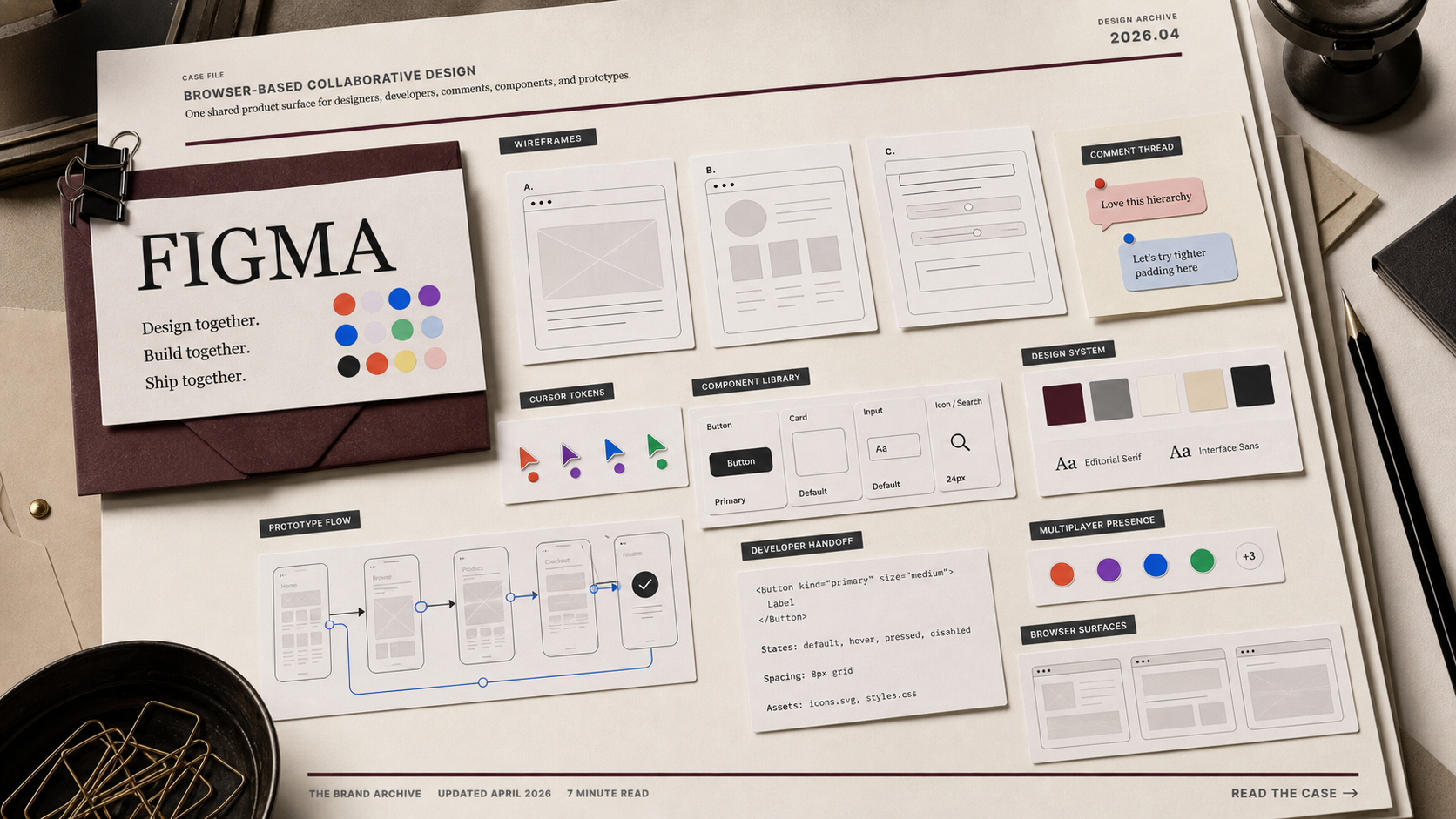
Figma turned design work into shared by putting files, comments, components, prototypes, presence, and developer handoff into one browser-based collaboration surface.
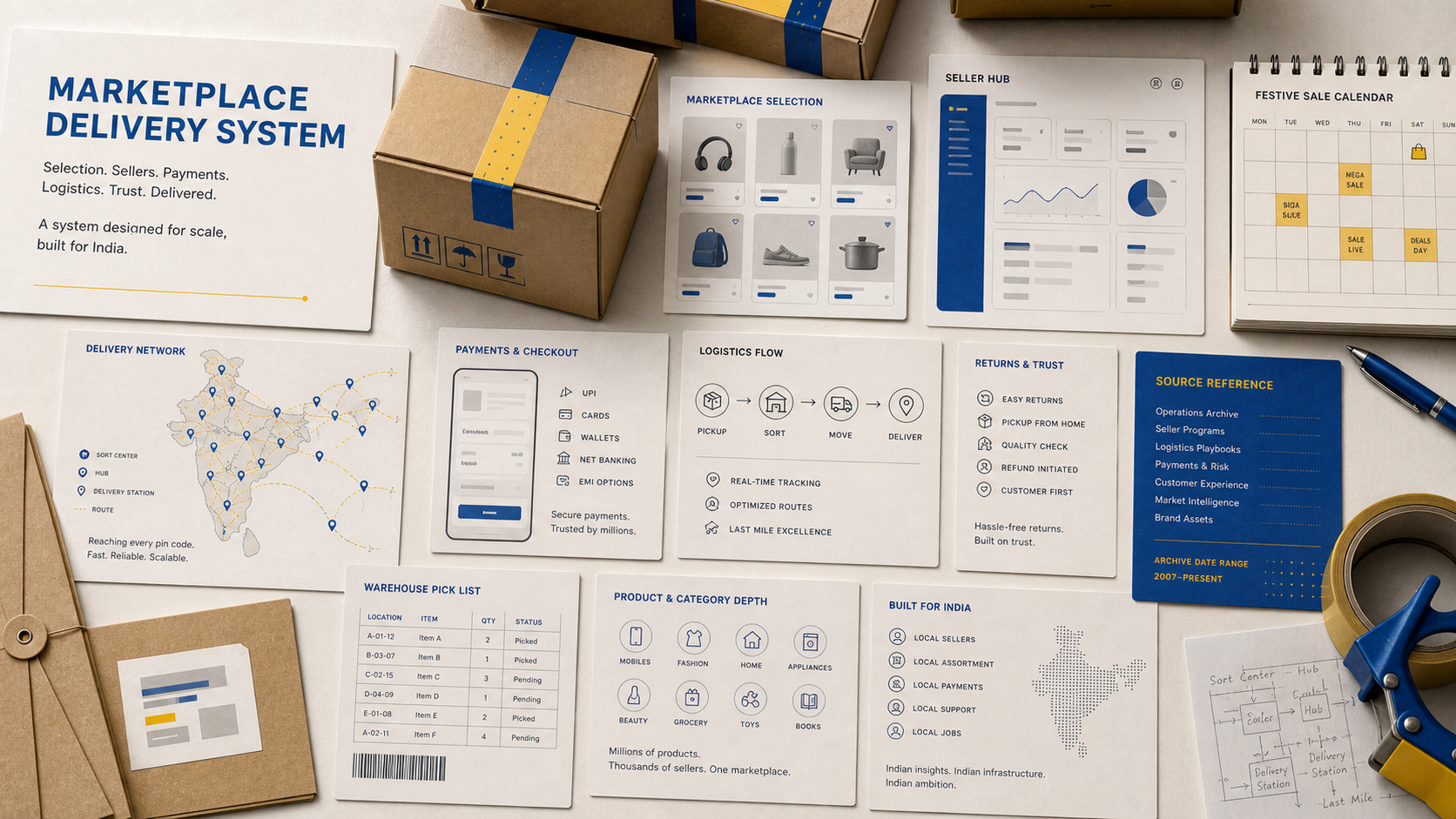
Flipkart turned Indian e-commerce into reachable by linking selection, sellers, payments, logistics, festive sale moments, warehousing, returns, and delivery trust.
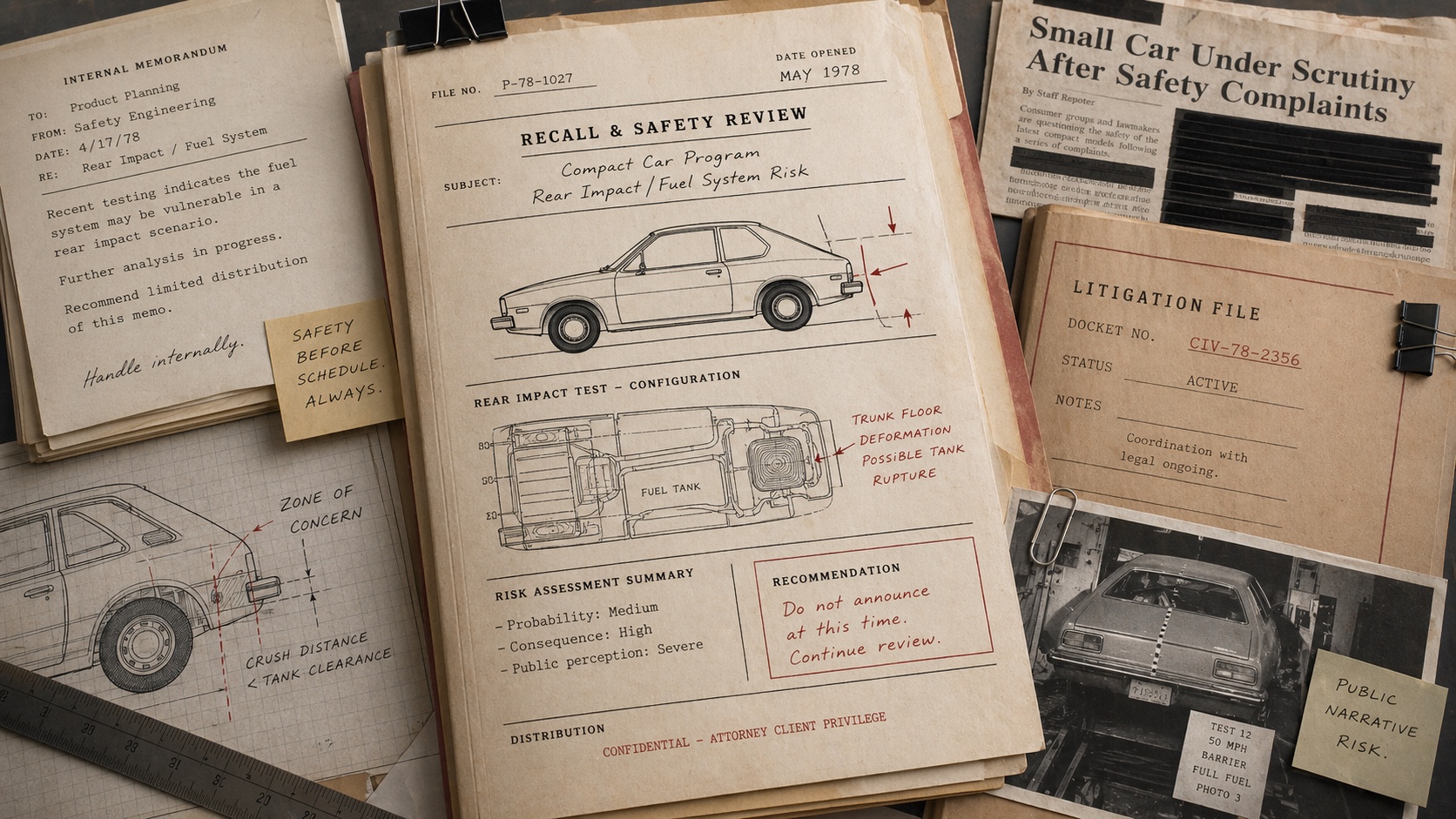
The Pinto case became a permanent warning about what happens when safety risk, recall pressure, litigation, and public narrative collapse into one brand memory.
FTX turned speed, celebrity, and institutional confidence into a crypto-exchange brand, then collapsed when the custody promise failed and the company became a bankruptcy recovery estate instead of a trading platform.
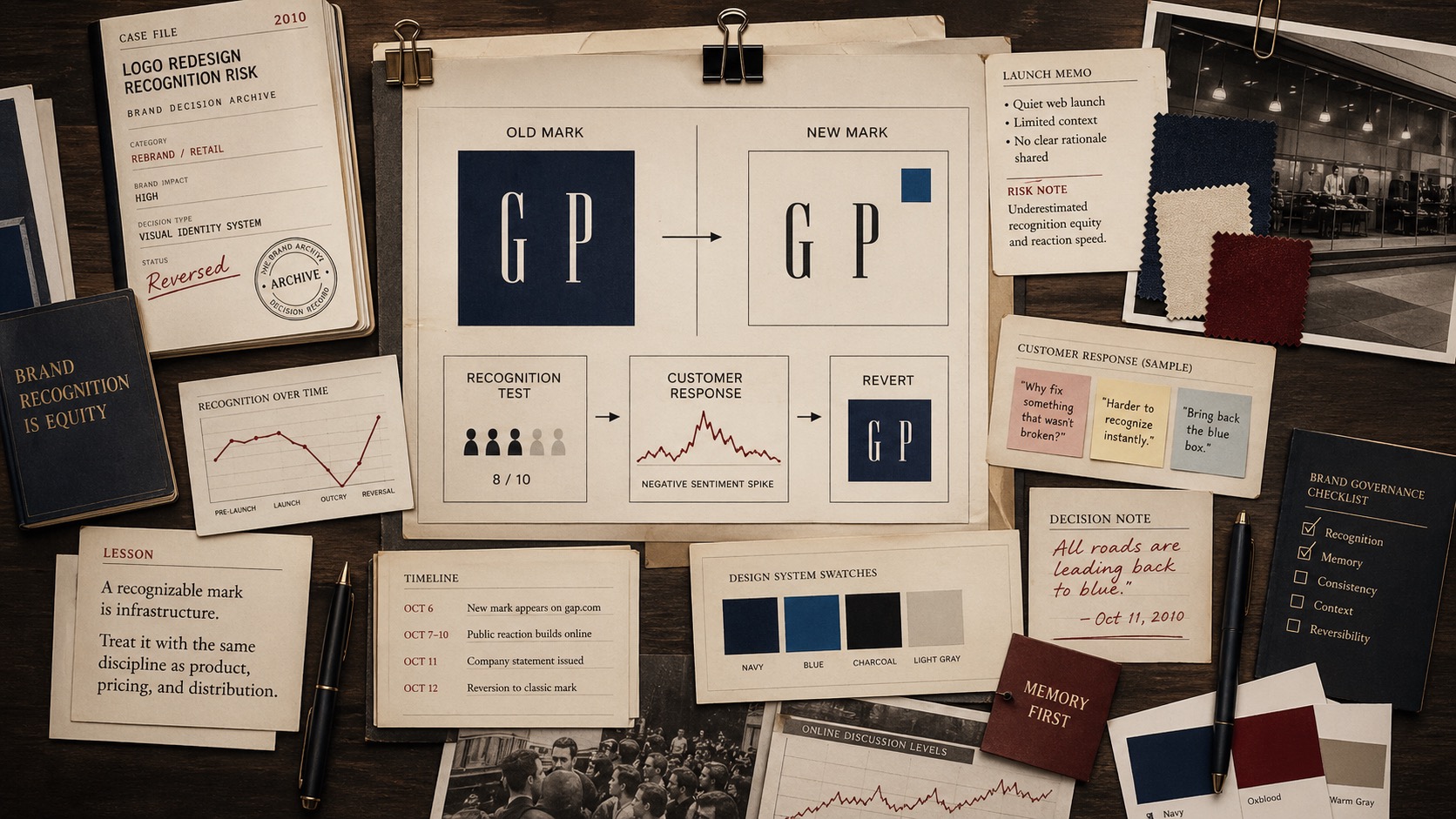
Gap tracks how a rebrand can destroy recognition value before it creates new demand. The 2010 reversal was a commercial lesson in buyer memory, trust, and public control.
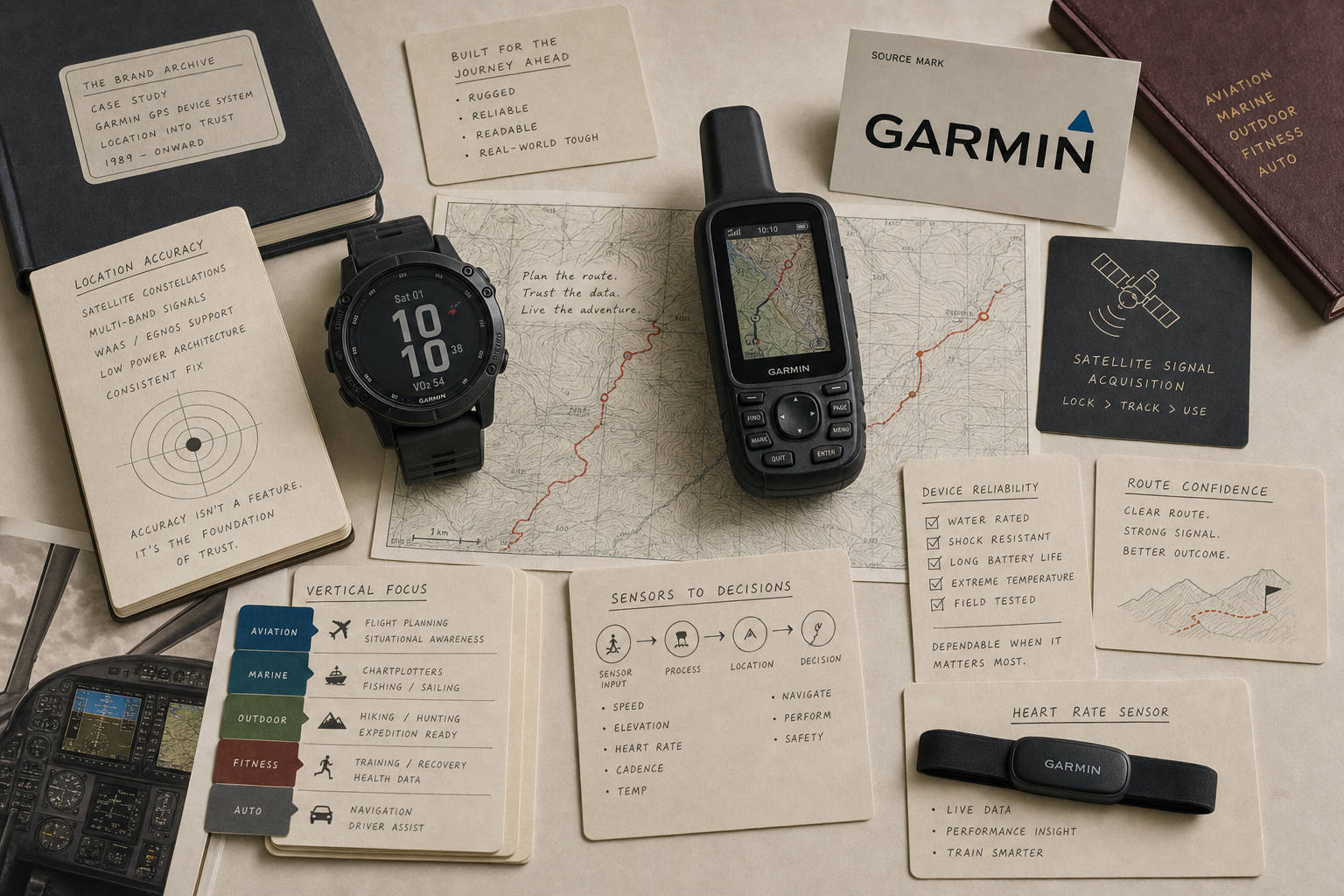
Garmin built trust by making location useful across aviation, marine, outdoor, fitness, and auto devices: maps, sensors, routes, signal, durability, and repeatable navigation proof.
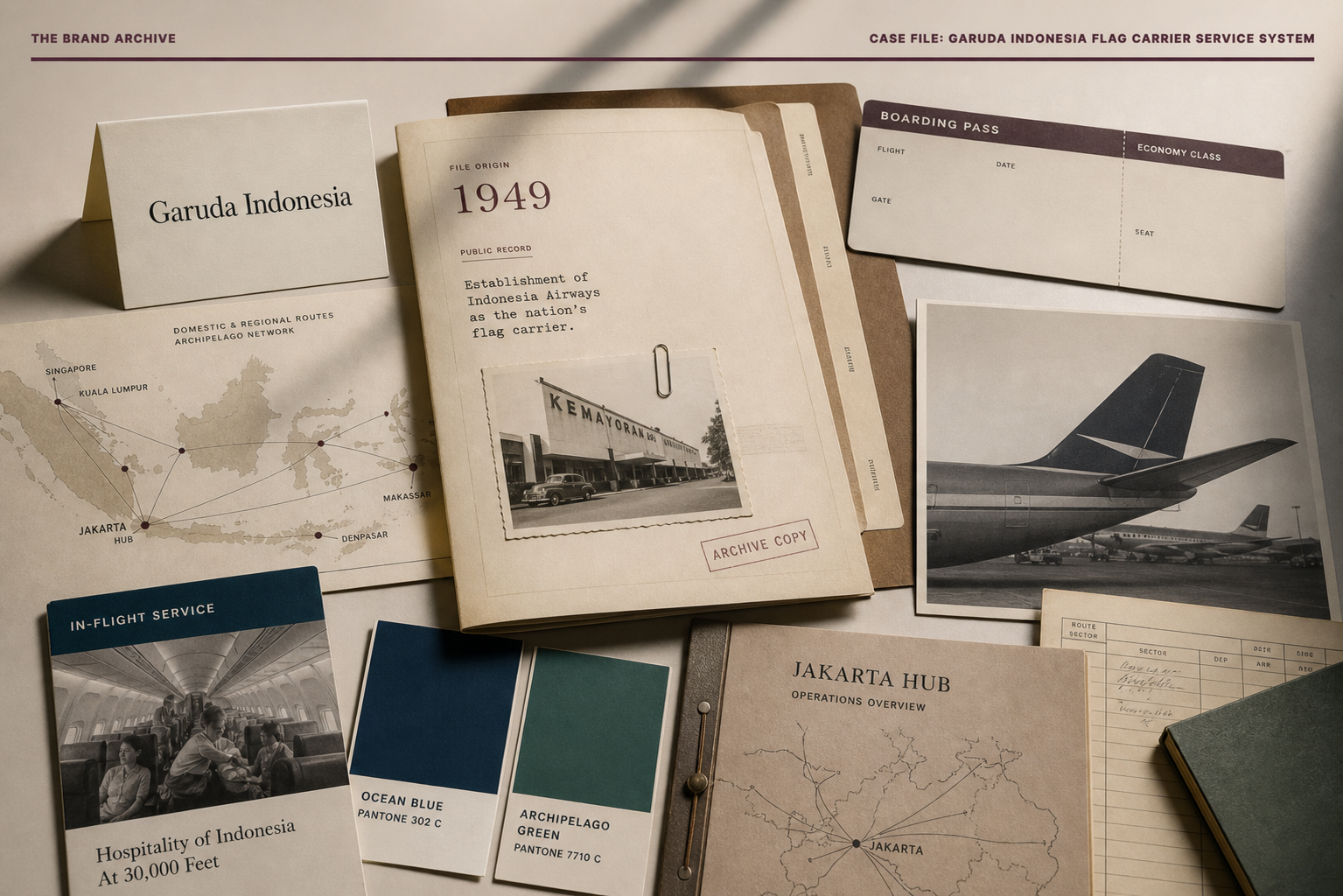
Garuda Indonesia built an archipelago fly by joining Jakarta hub logic, domestic route maps, flag-carrier memory, service rituals, blue-green recognition, and national reach.
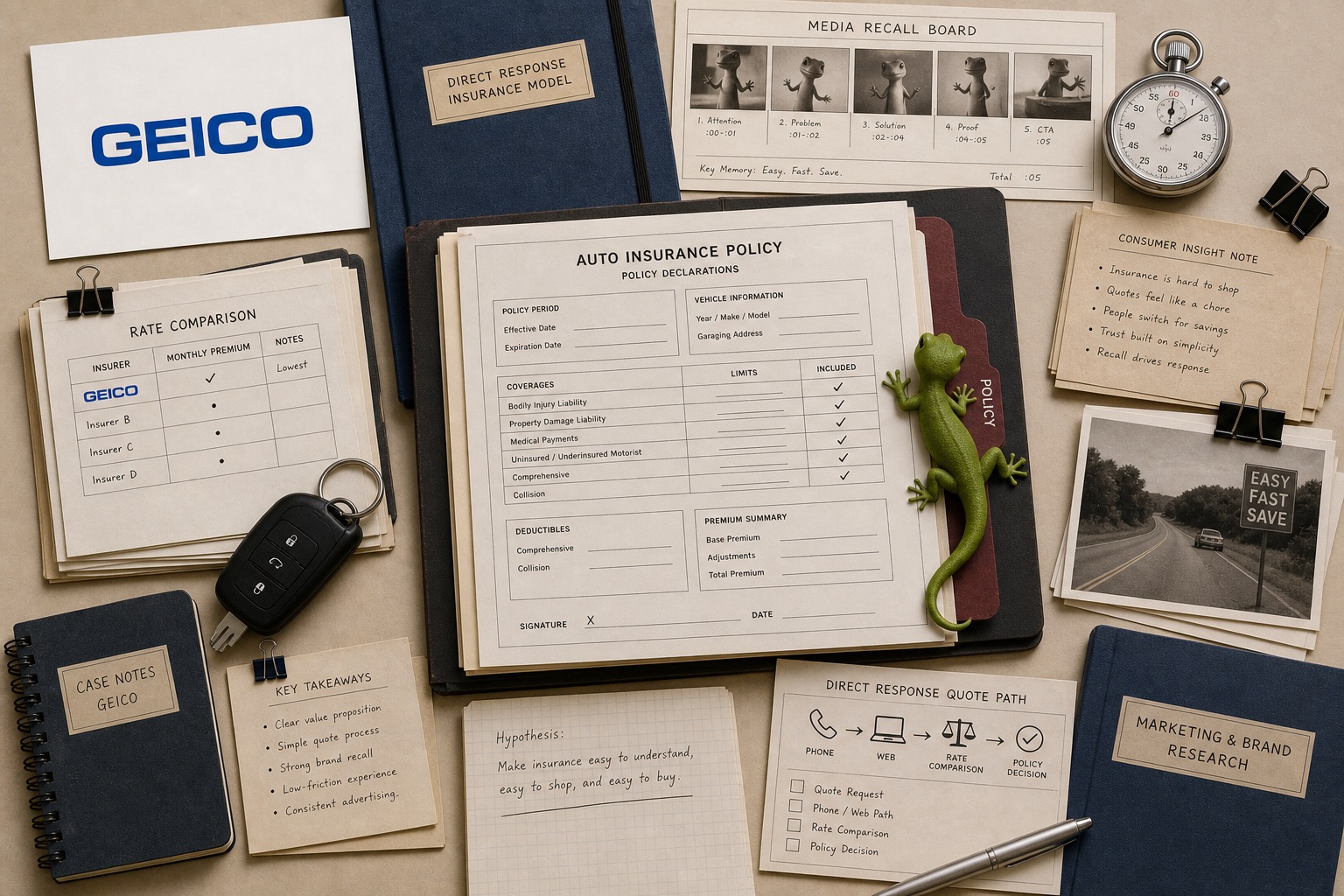
GEICO turned a low-interest insurance quote into a mass-memory system by pairing a direct-response savings promise with humor, character assets, repetition, and format-native advertising.
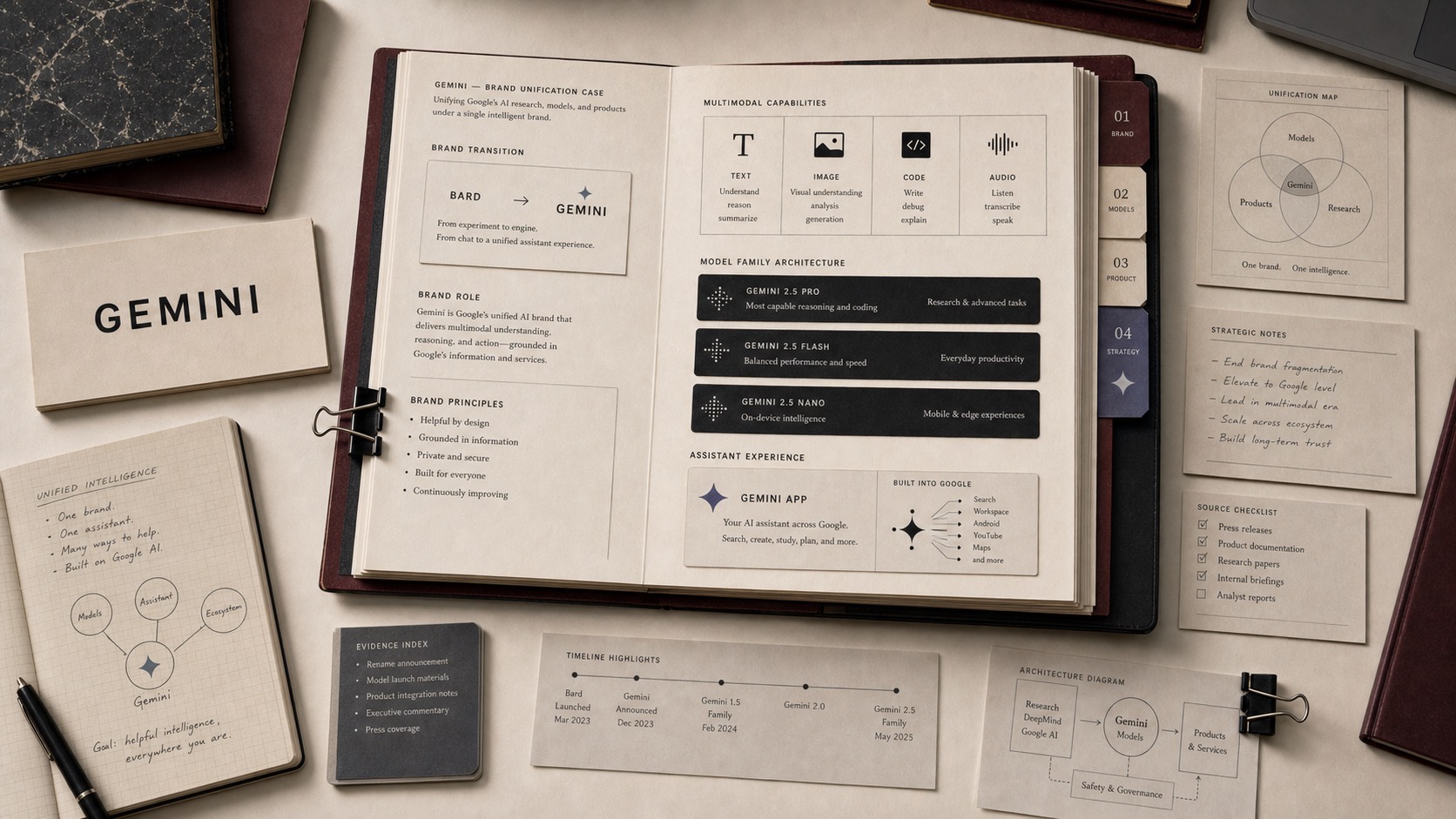
Gemini gave Google a single AI brand across model family, assistant app, developer platform, and multimodal ambition after Bard turned the consumer story into separate from the model story.
Genesis tied its 2015 standalone launch, Athletic Elegance, crest grille, Two Lines lighting, Korean design restraint, and service-led ambition into a new luxury system.
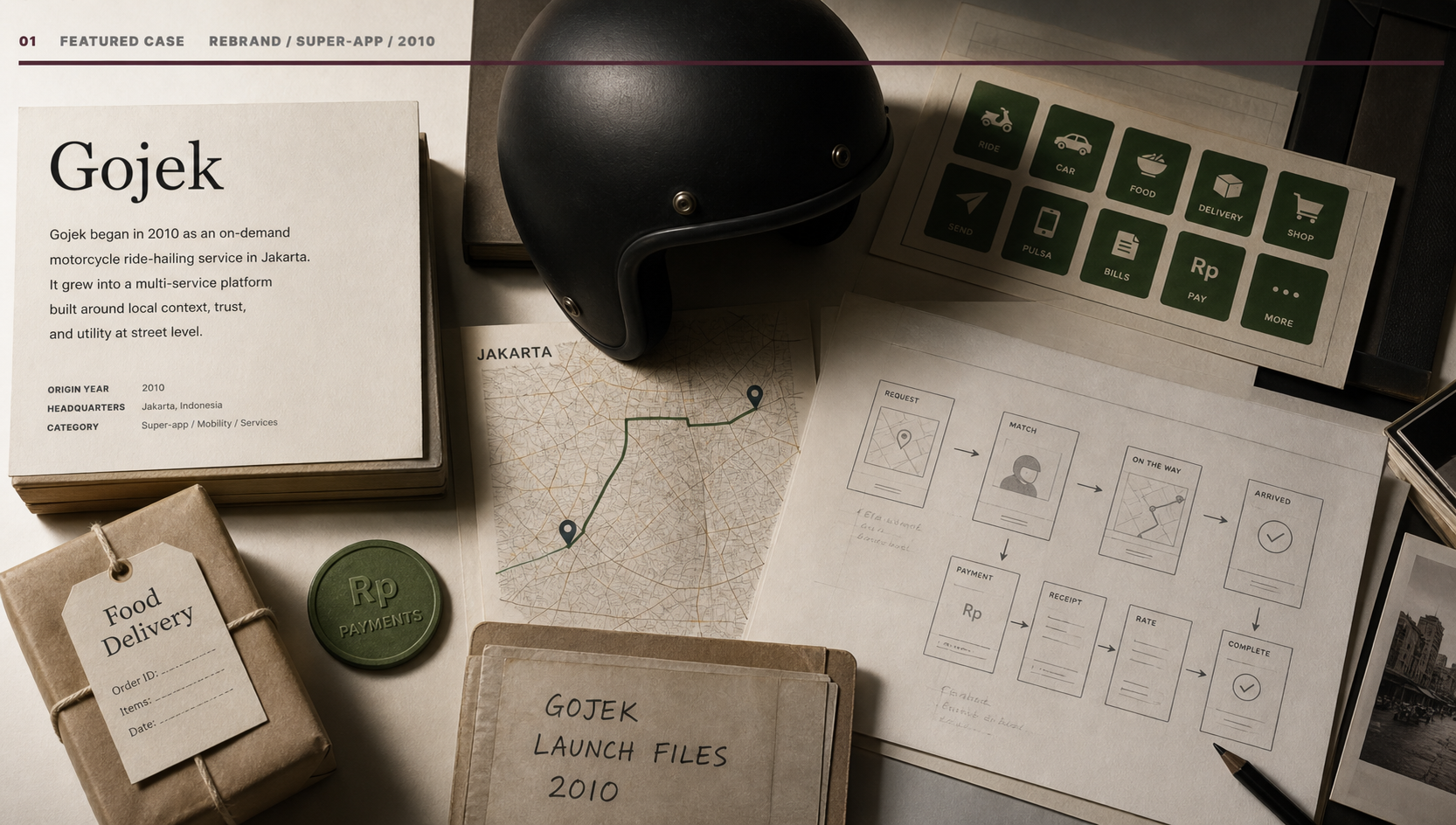
Gojek turned Indonesian streets into services by joining motorcycle taxi behavior, mobile ordering, payments, delivery, local trust, driver supply, and daily utility.
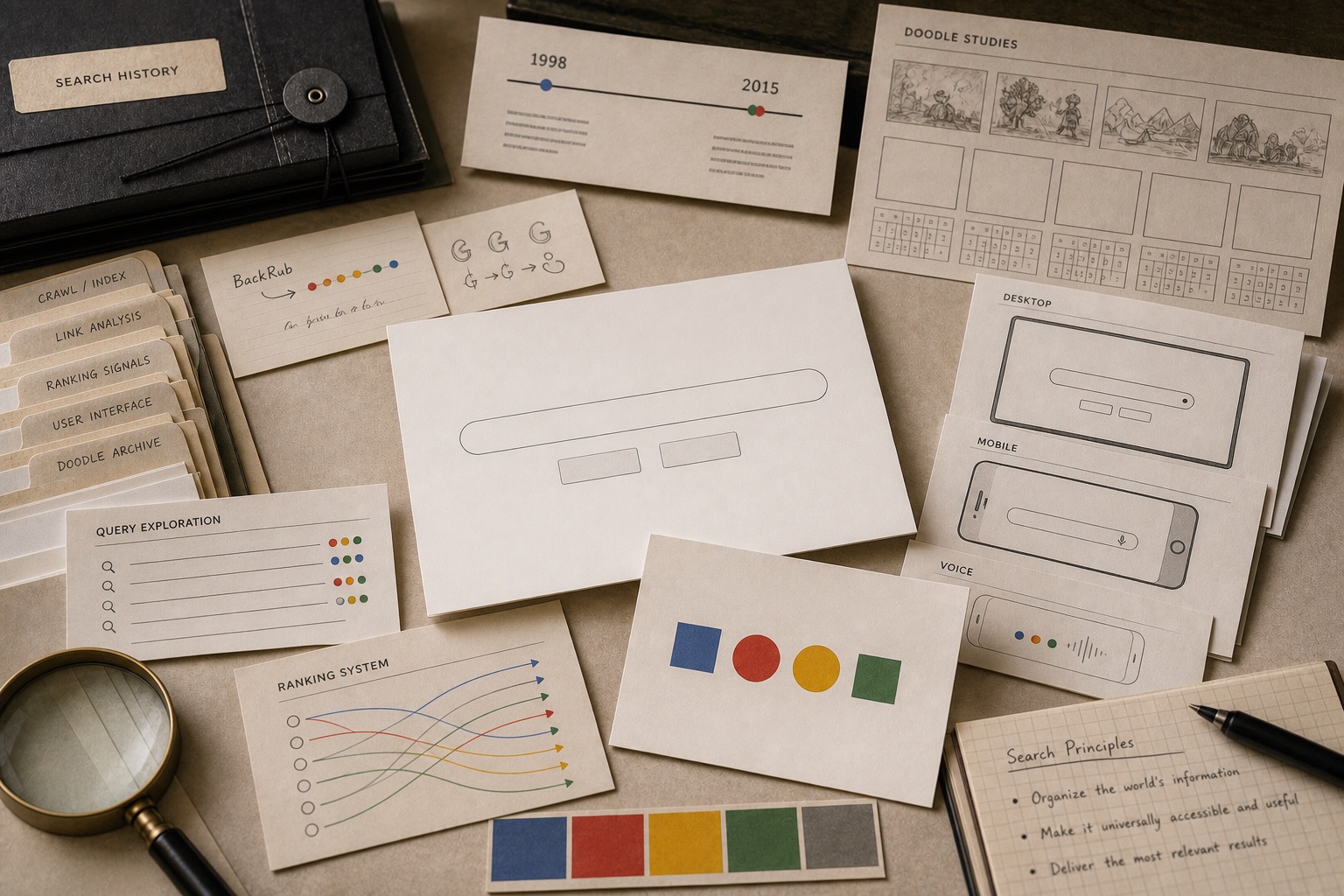
Google turned search into usable through a spare homepage, multicolor wordmark, Doodles, four-color G, dots, and an identity that could move from desktop search to phones, voice, apps, and small screens.
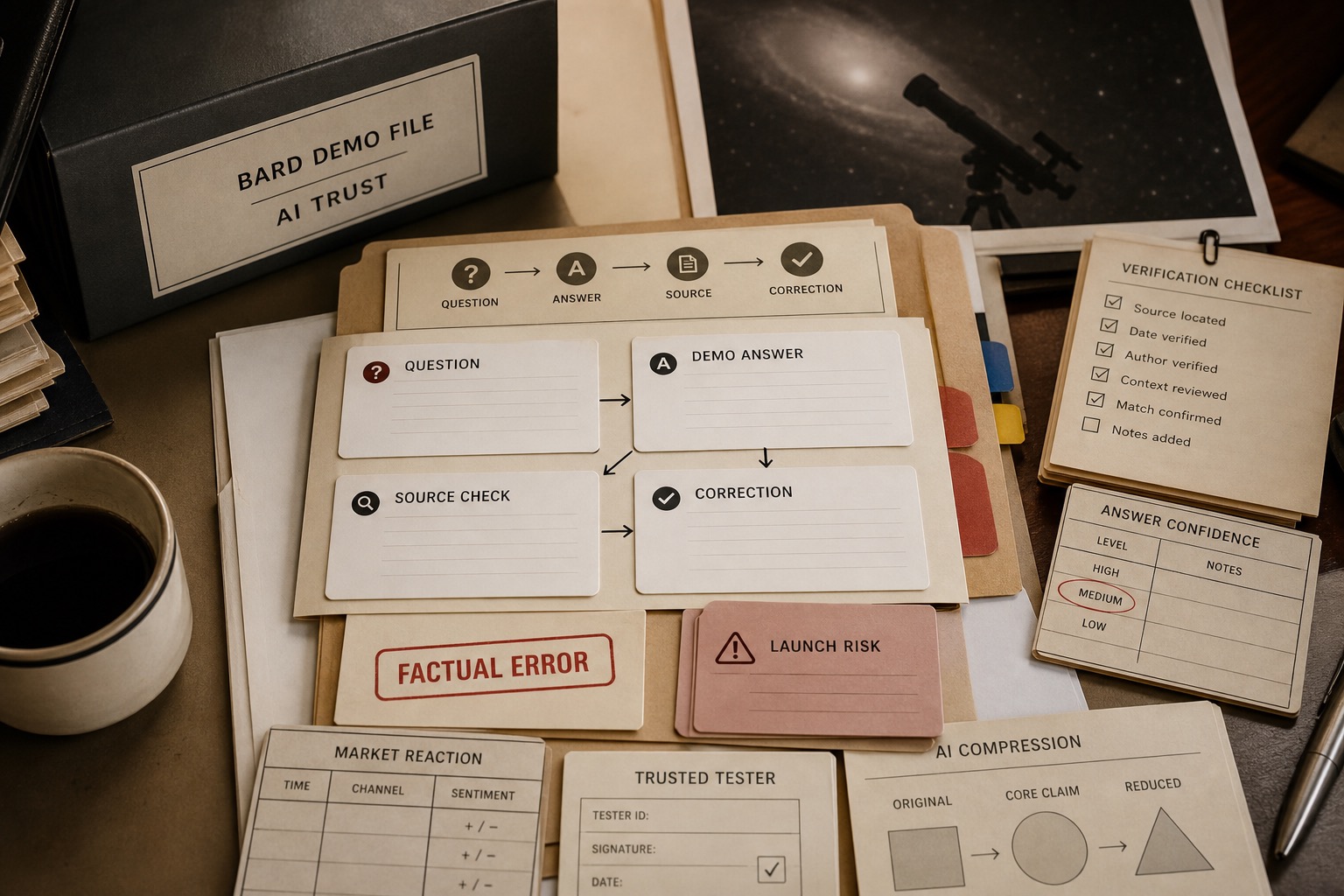
Google Bard's launch demo error is an AI-compression warning because a single public mistake gave the market an easier summary than the product promise.
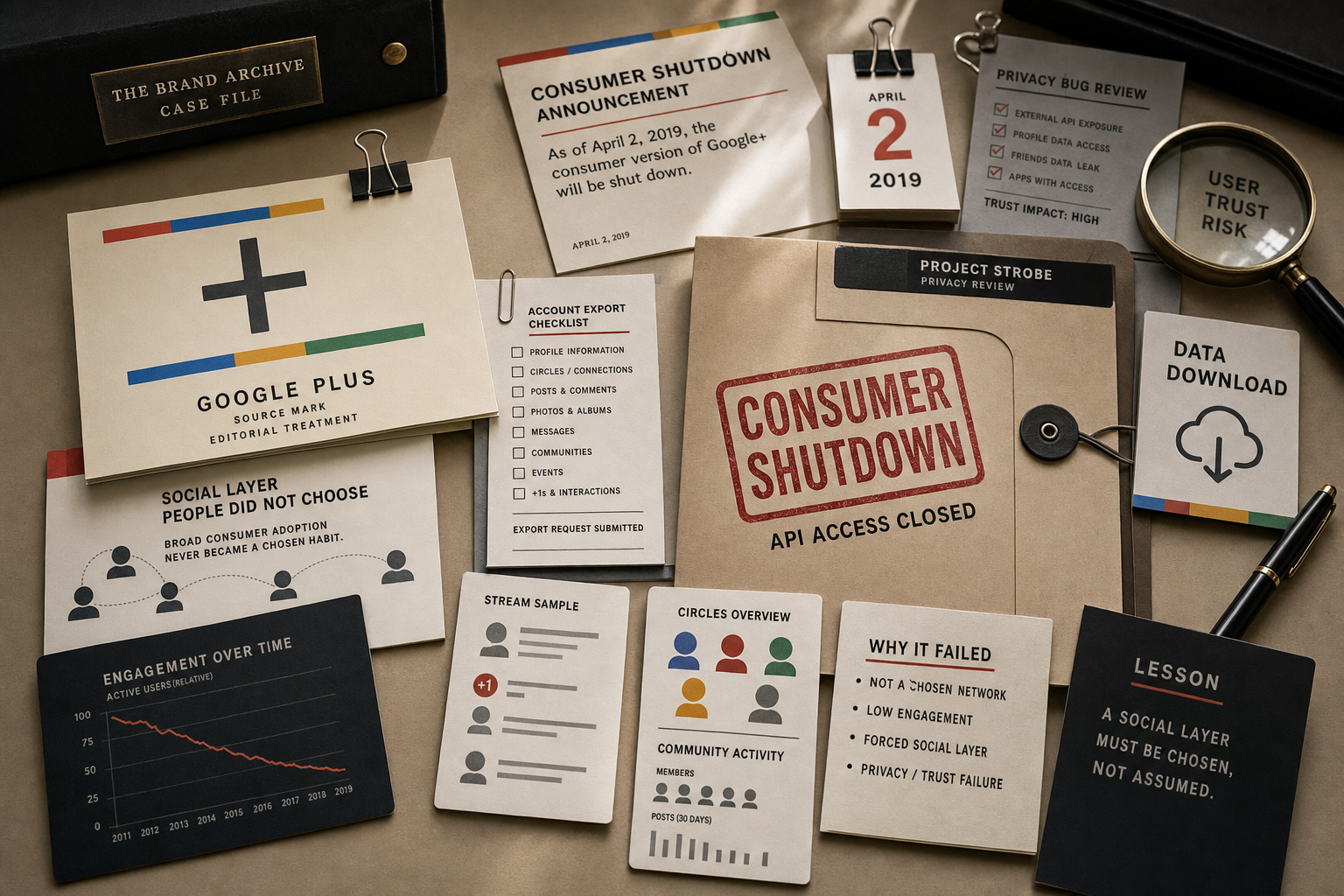
Google Plus tried to become a social layer across Google, but consumer adoption never became a chosen habit and privacy pressure helped turn the service into a shutdown file.
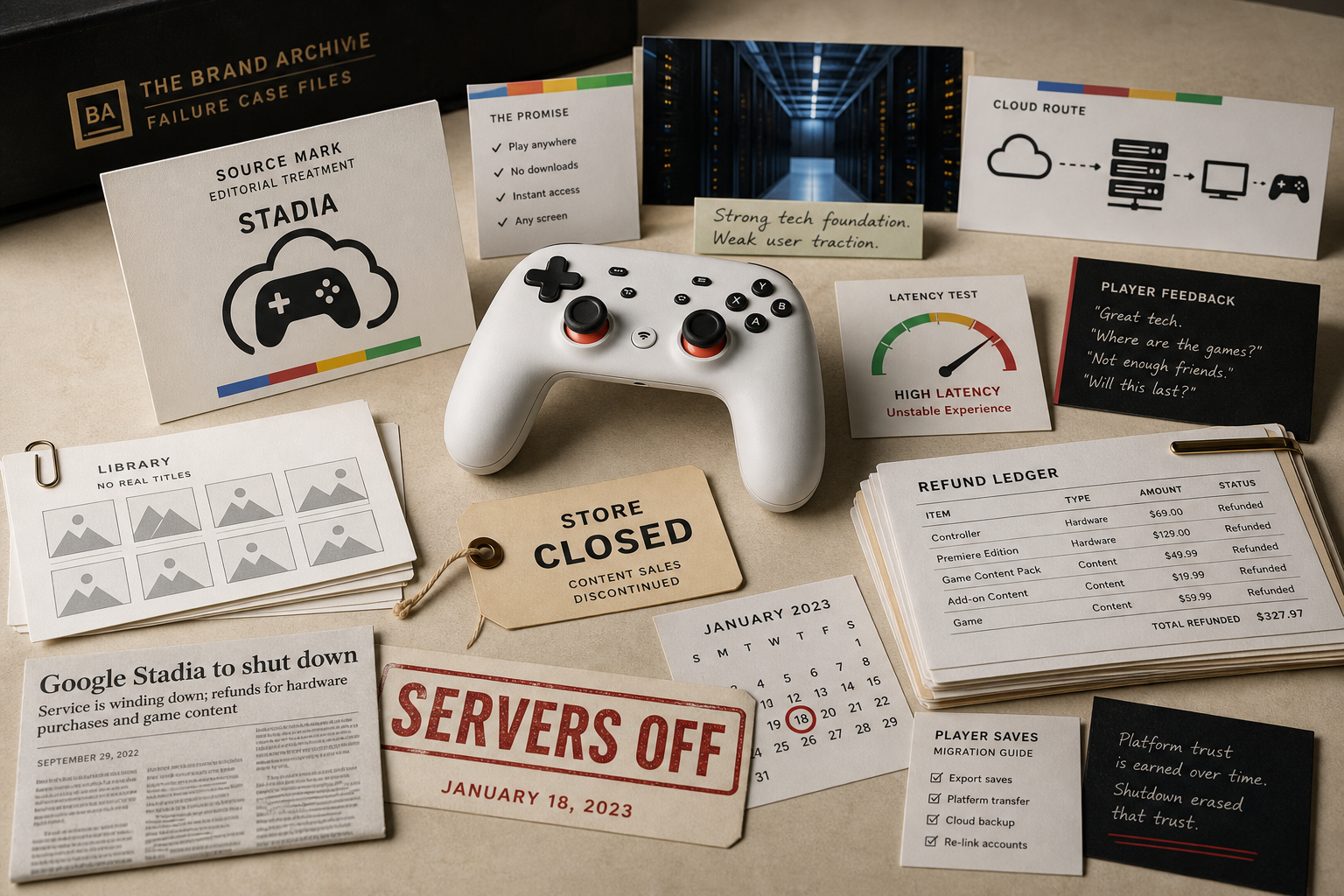
Stadia built cloud gaming technically visible, but Google shut the service down after it failed to gain enough user traction, turning refunds and server shutdown into the brand memory.
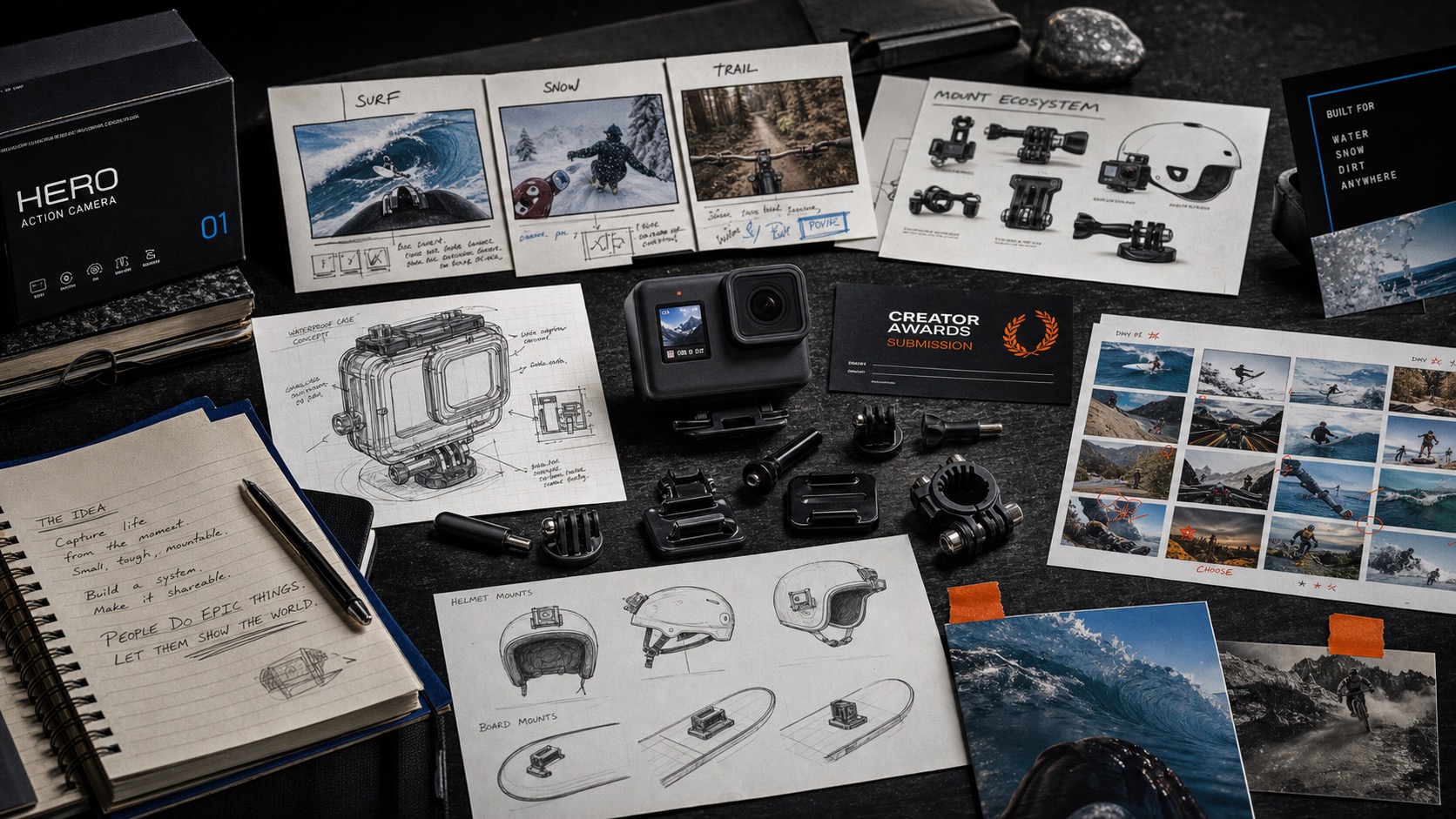
GoPro tied small rugged cameras, mounts, HERO naming, point-of-view footage, user submissions, software, and adventure distribution into a hardware brand powered by the clips customers built.
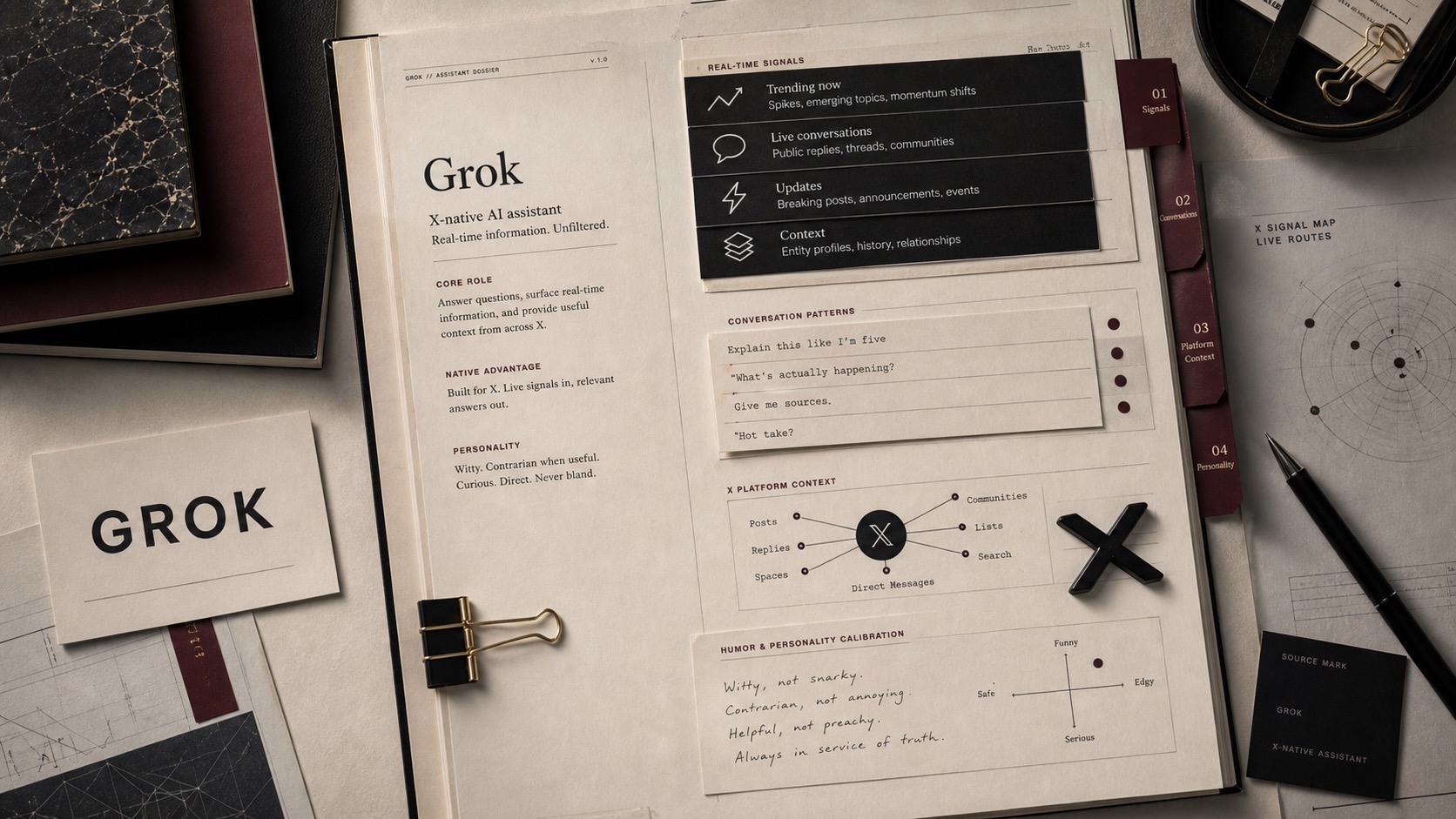
Grok entered the AI assistant market by tying model access to X, real-time information, and a more openly opinionated personality, making distribution and tone the brand signals.
Gucci built Florence origin, leather craft, bamboo and horsebit cues, color stripes, runway culture, and reinvention cycles behave as a recognizable house-code system.