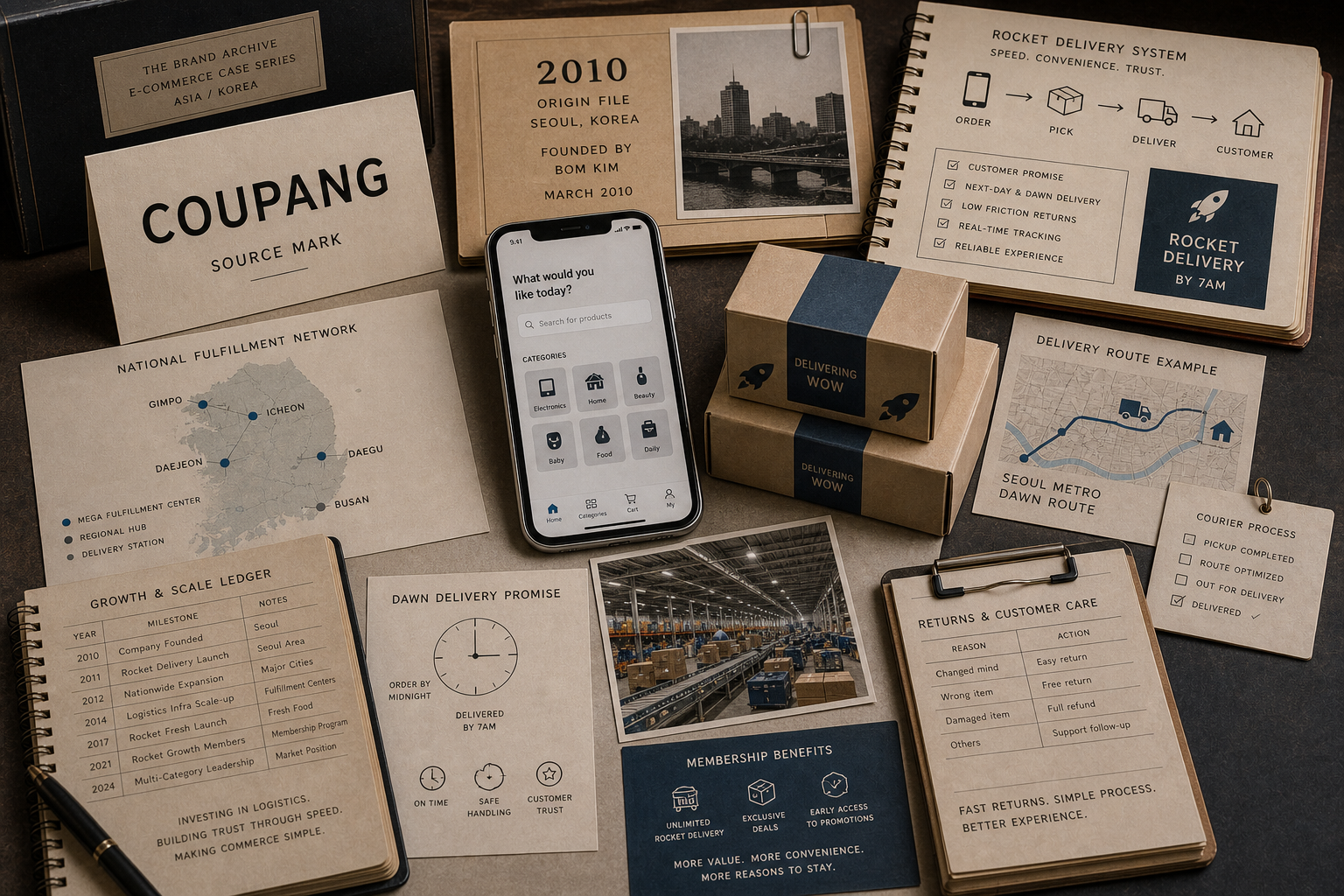
Coupang / 2010-present
Coupang: Brand System case in E-commerce / Delivery logistics
Coupang turned e-commerce into immediate by joining marketplace selection, logistics control, Rocket Delivery, returns, membership, grocery, and doorstep trust.
Brand Signal Index
The Brand Signal Index is organized by decision type, brand status, industry, year, and consequence. Start with the lanes, then open the cards.
Grow Your Brand is a source-cited reference index for brand failures, rebrands, comebacks, launches, pivots, disasters, active brands, and failed brands. Each case is organized by decision type, year, status, consequence, and comparable pattern.
Signal Split
Brand Failures are decision patterns. Failed Brands are terminal outcomes. The split keeps a bad decision by an operating company from being confused with a brand whose original public business has ended.
Coupang / 2010-present
Coupang turned e-commerce into immediate by joining marketplace selection, logistics control, Rocket Delivery, returns, membership, grocery, and doorstep trust.

Credit Suisse / 1856-2024
Credit Suisse moved from Swiss banking institution to failed-brand file after confidence loss, liquidity pressure, emergency takeover, regulatory intervention, delisting, and UBS legal integration ended the standalone bank.
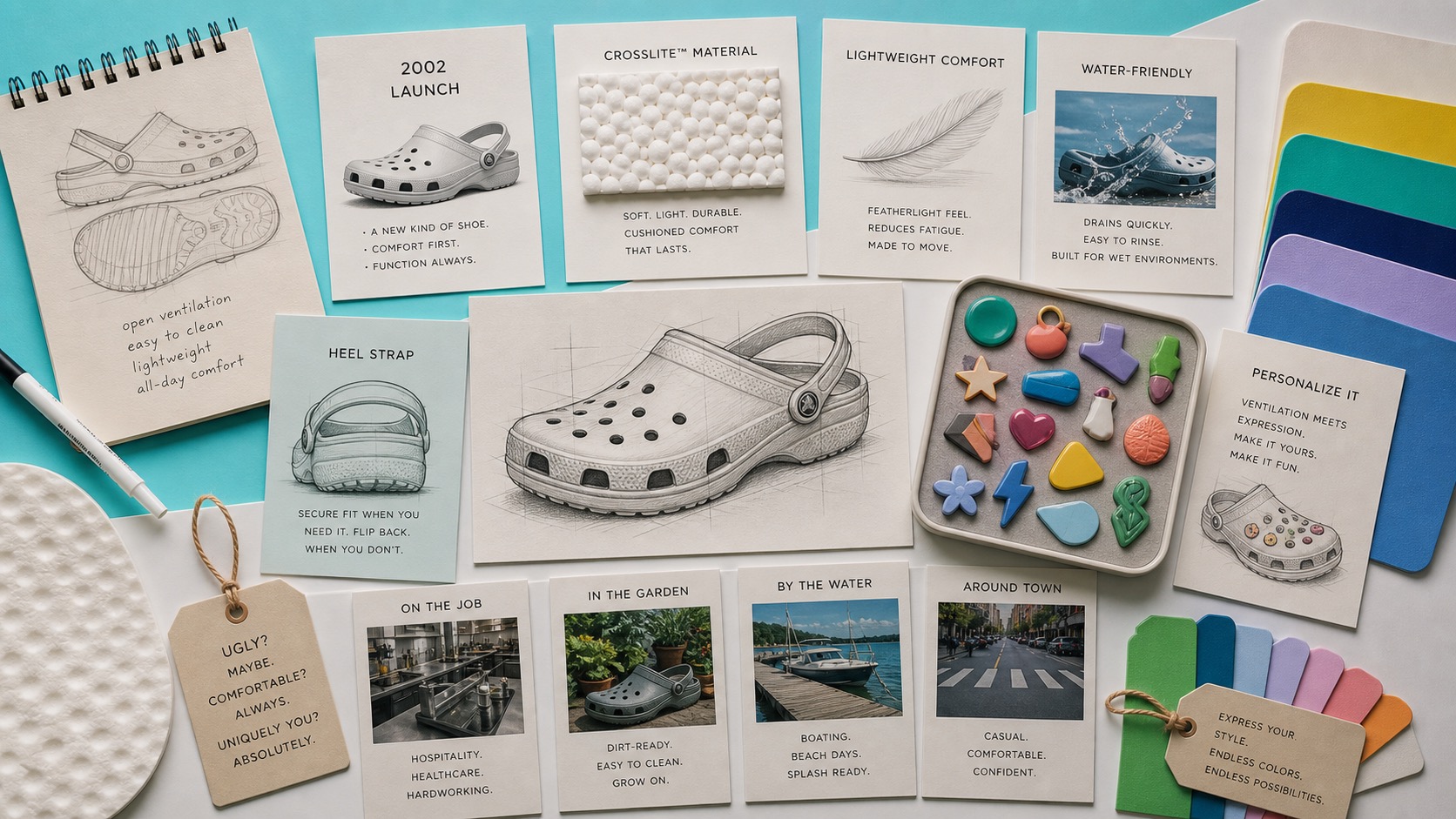
Crocs / 2002-present
Crocs tied the Classic Clog, Croslite material, ventilation holes, heel strap, color range, Jibbitz charms, utility use, and Come As You Are attitude into a comfort brand people could personalize.
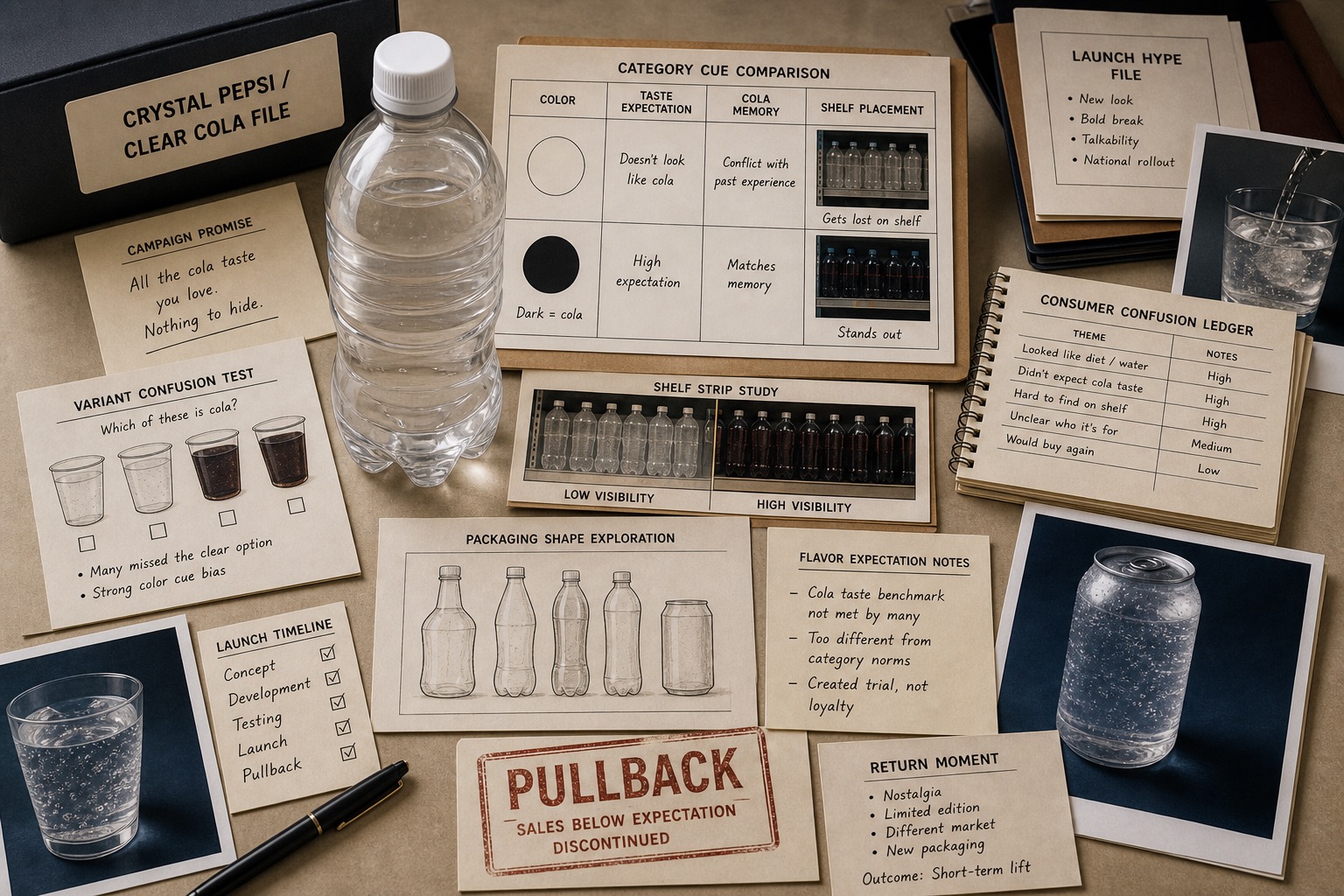
Crystal Pepsi / 1992-1994
Crystal Pepsi is a color-recognition case because the clear product asked buyers to accept cola without the dark visual cue that helped set taste expectation.
Decathlon / 1976-present
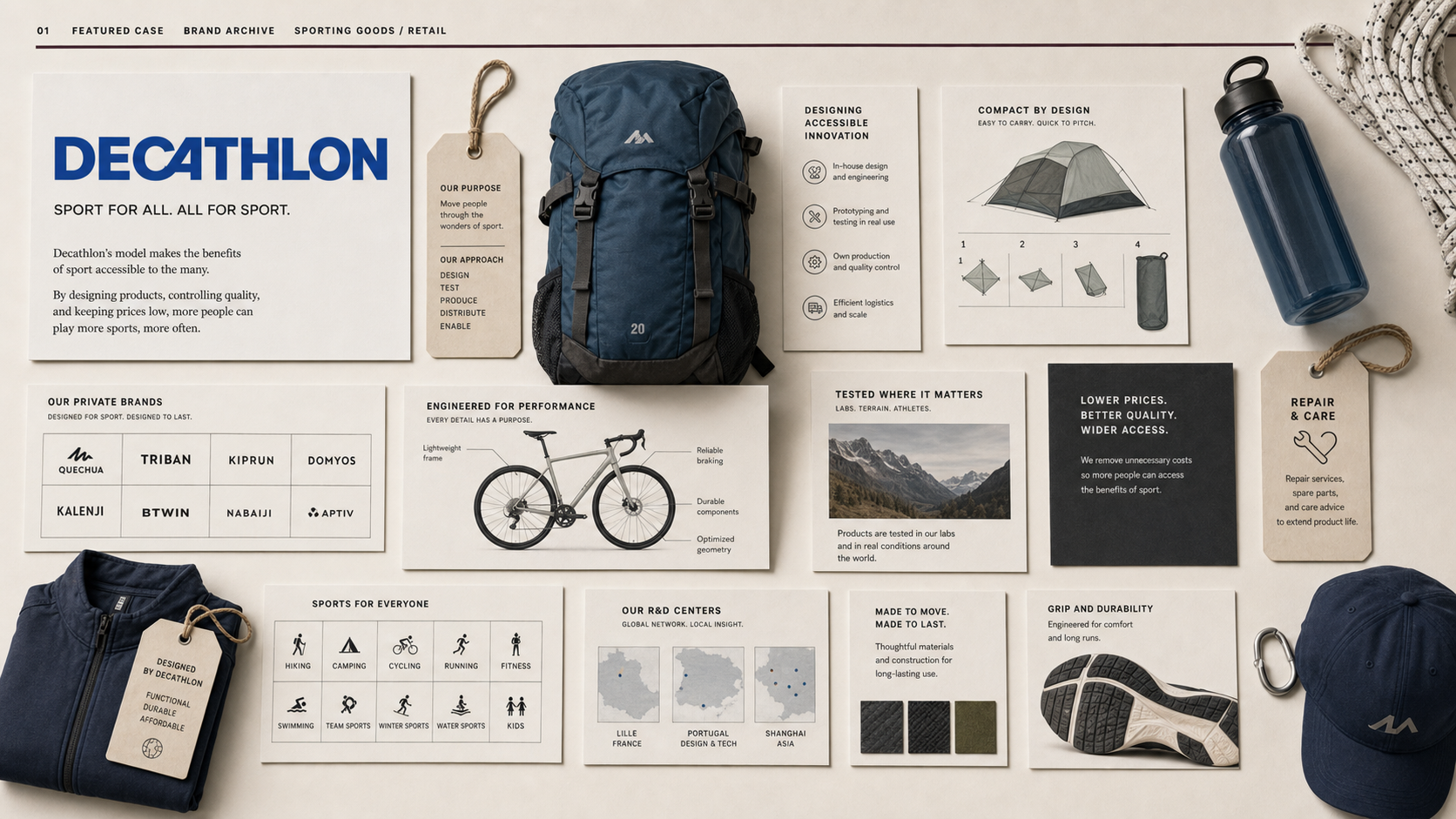
Decathlon turned sport access into practical by connecting house brands, product testing, broad categories, repair, retail scale, and low-price equipment into one participation system.
Dell / 1990s
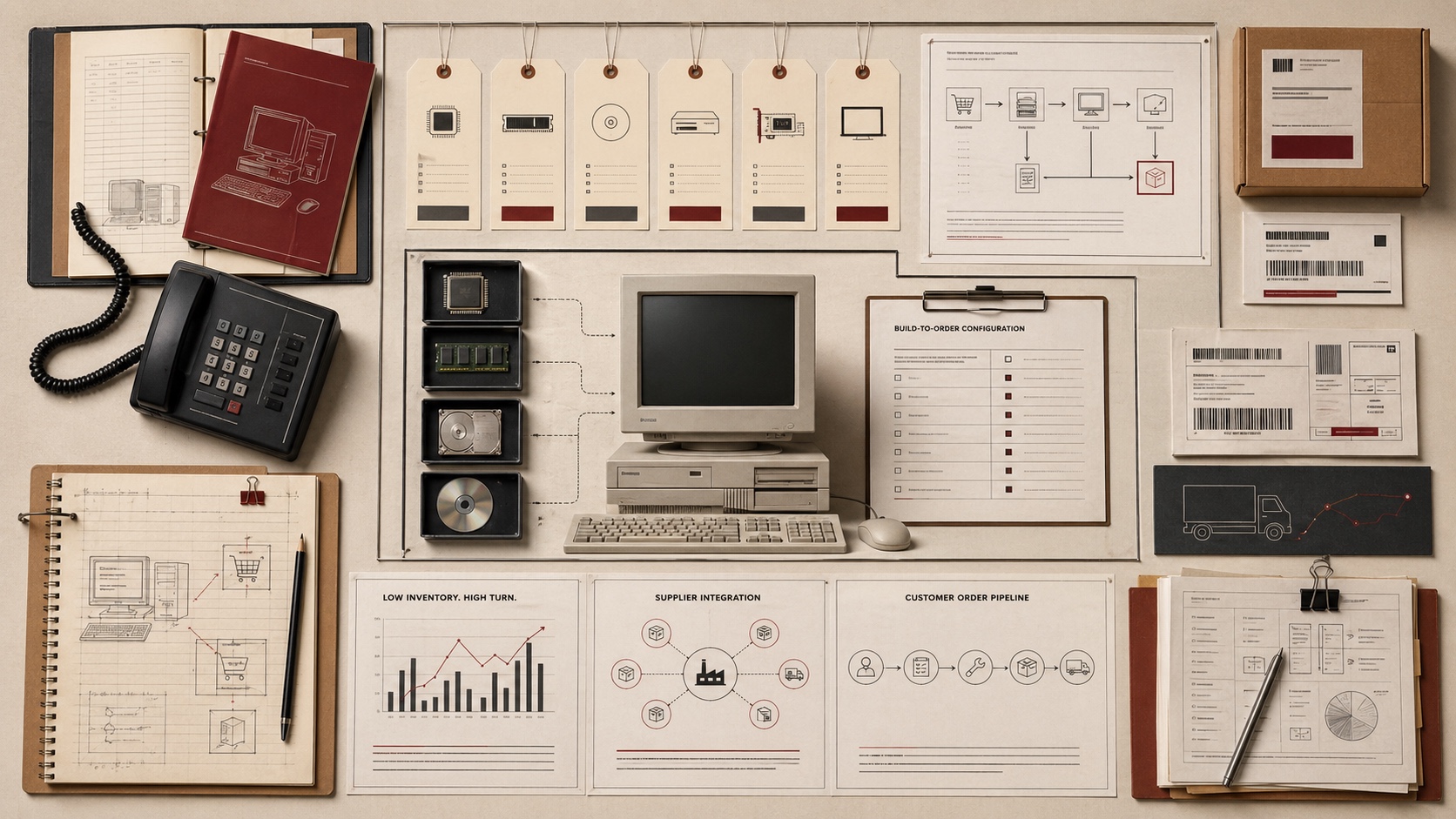
Dell's direct model built the brand promise operational: sell direct, build to order, move inventory fast, and let customer configuration become the point.
Desigual / 1984-present
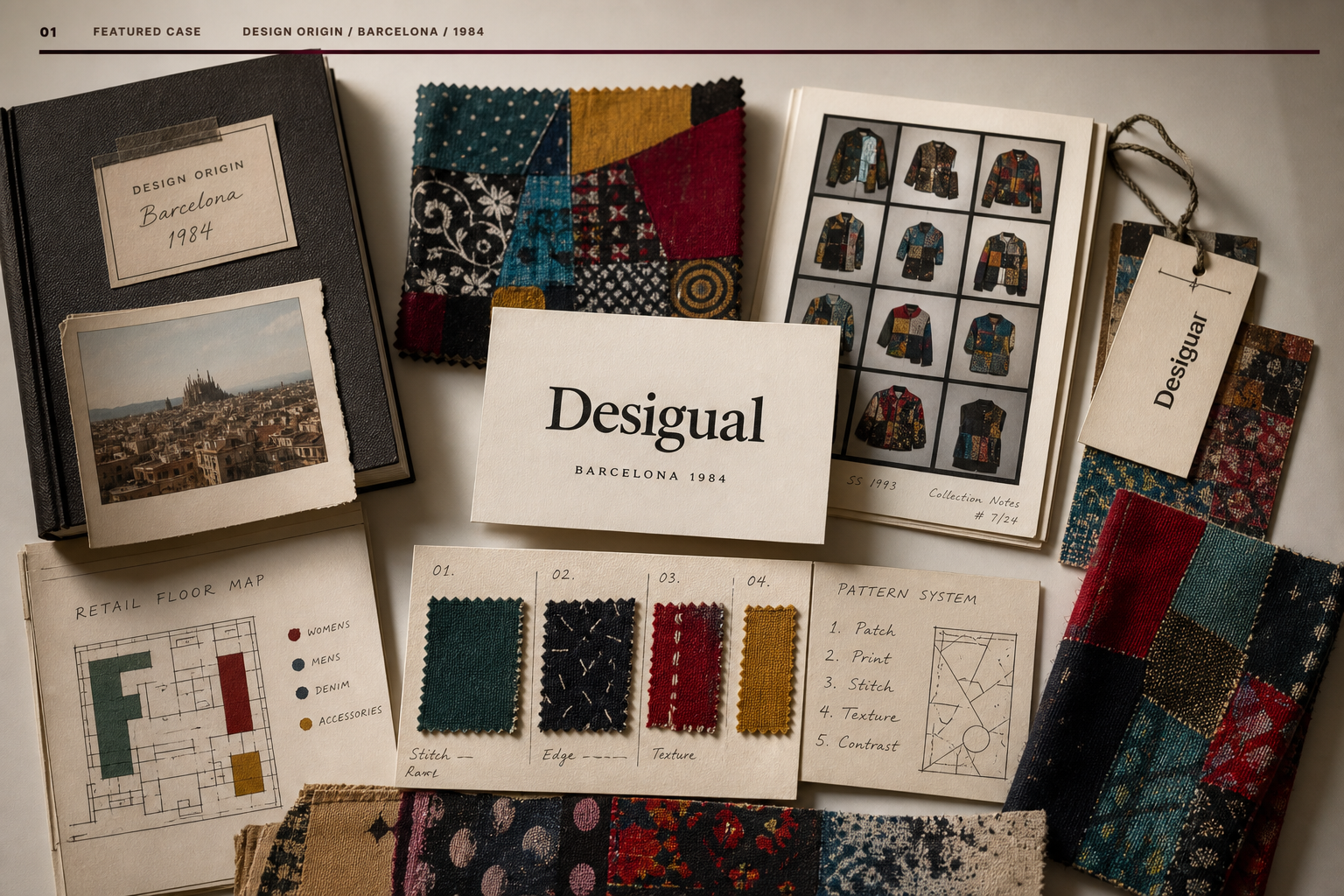
Desigual built Spanish fashion loud by joining Barcelona origin, patchwork color, pattern memory, retail theater, garment tags, and a product code that refused neutral anonymity.
DHL / 1969-present
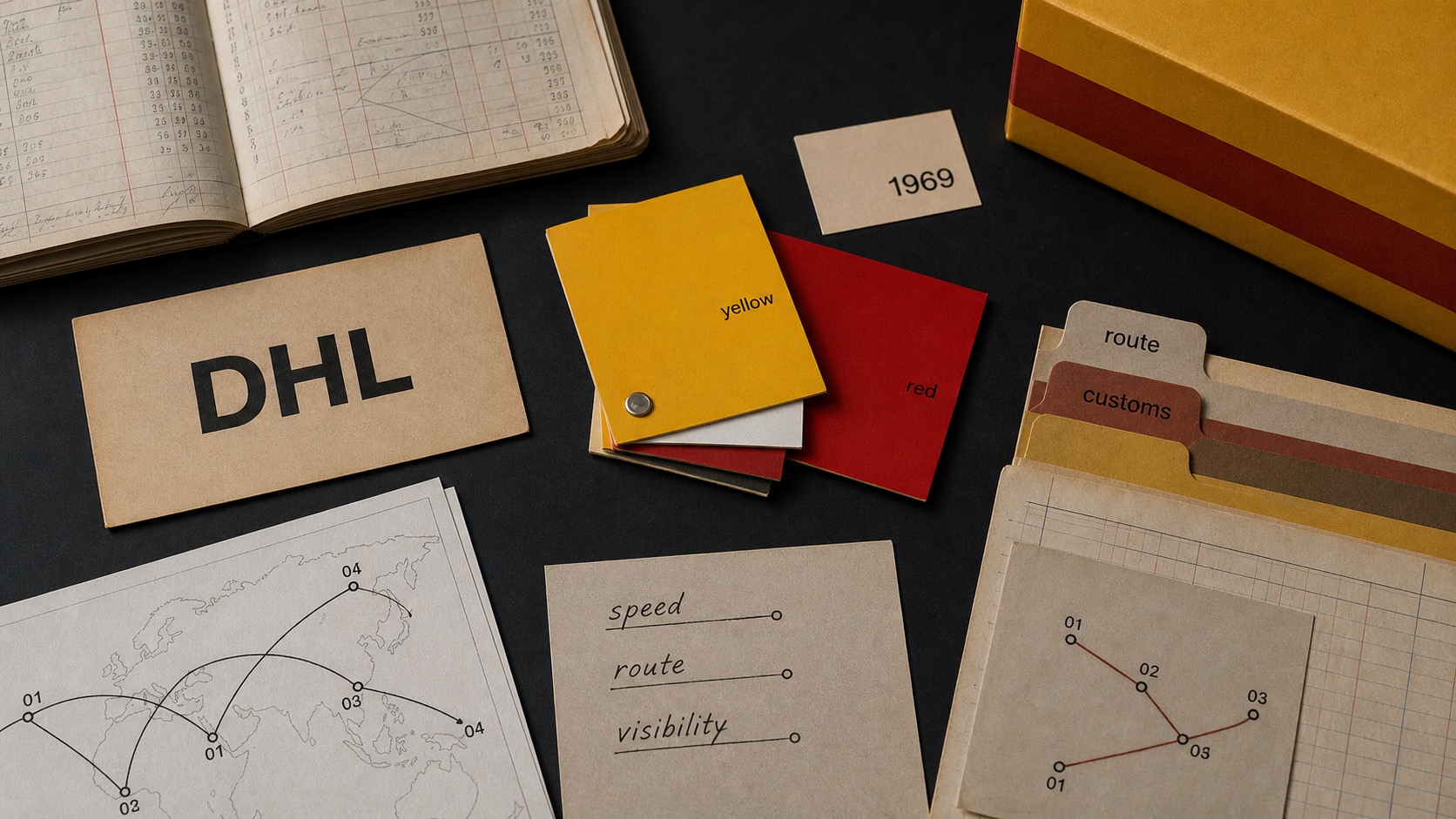
DHL turned a courier service into a field-recognition system through red letters, a yellow field, route discipline, and an identity that could read from van side, parcel point, airport apron, and web checkout.
Digg / 2010
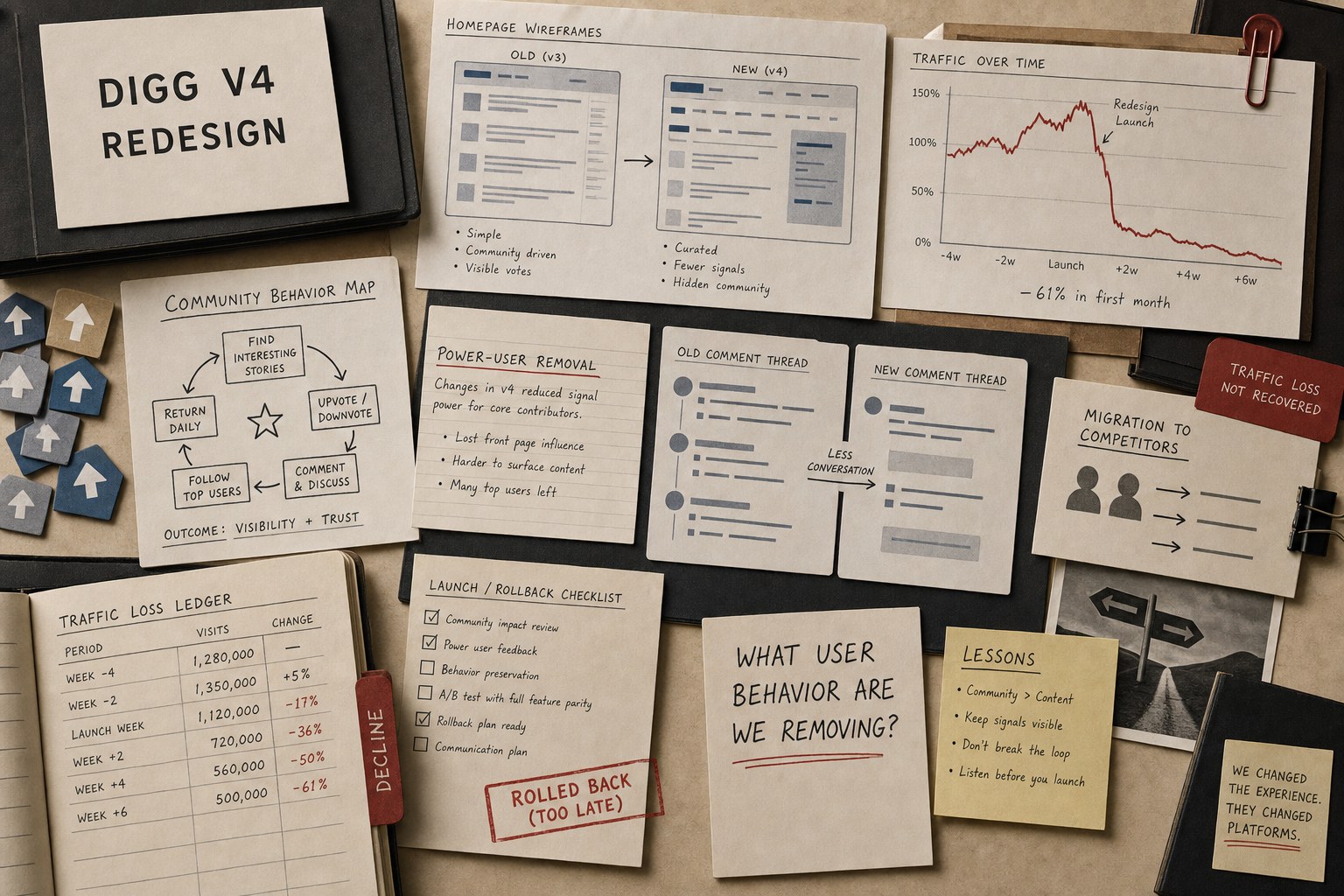
Digg V4 failed as a redesign lesson because it changed the behavior that turned the platform valuable: voting, community status, submission flow, and user ownership of the front page.
Discord / 2015-present
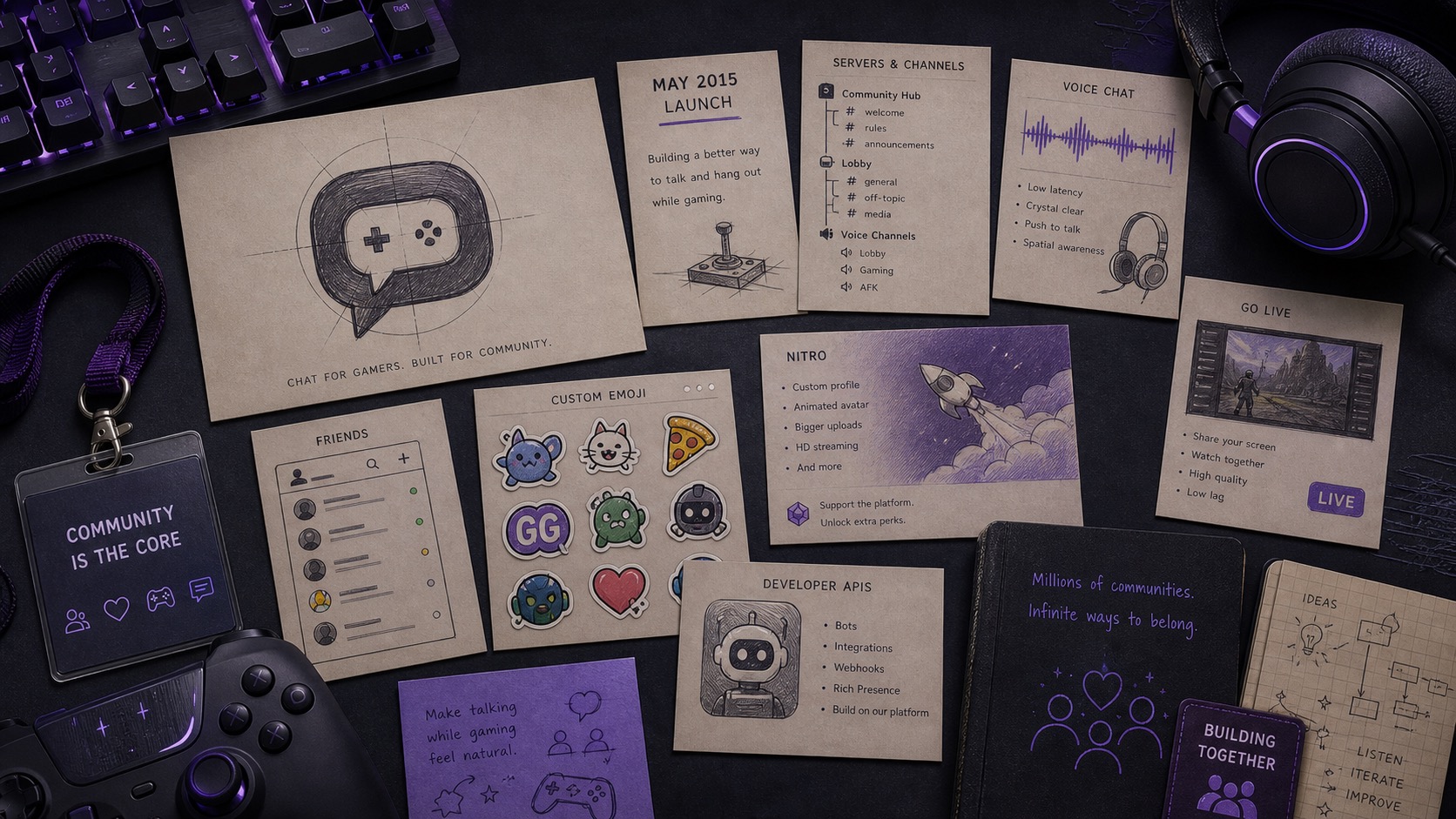
Discord tied servers, voice, text channels, friends, roles, custom emoji, Nitro, streaming, bots, and gaming roots into a community identity people could shape themselves.
Disney / 1923-present
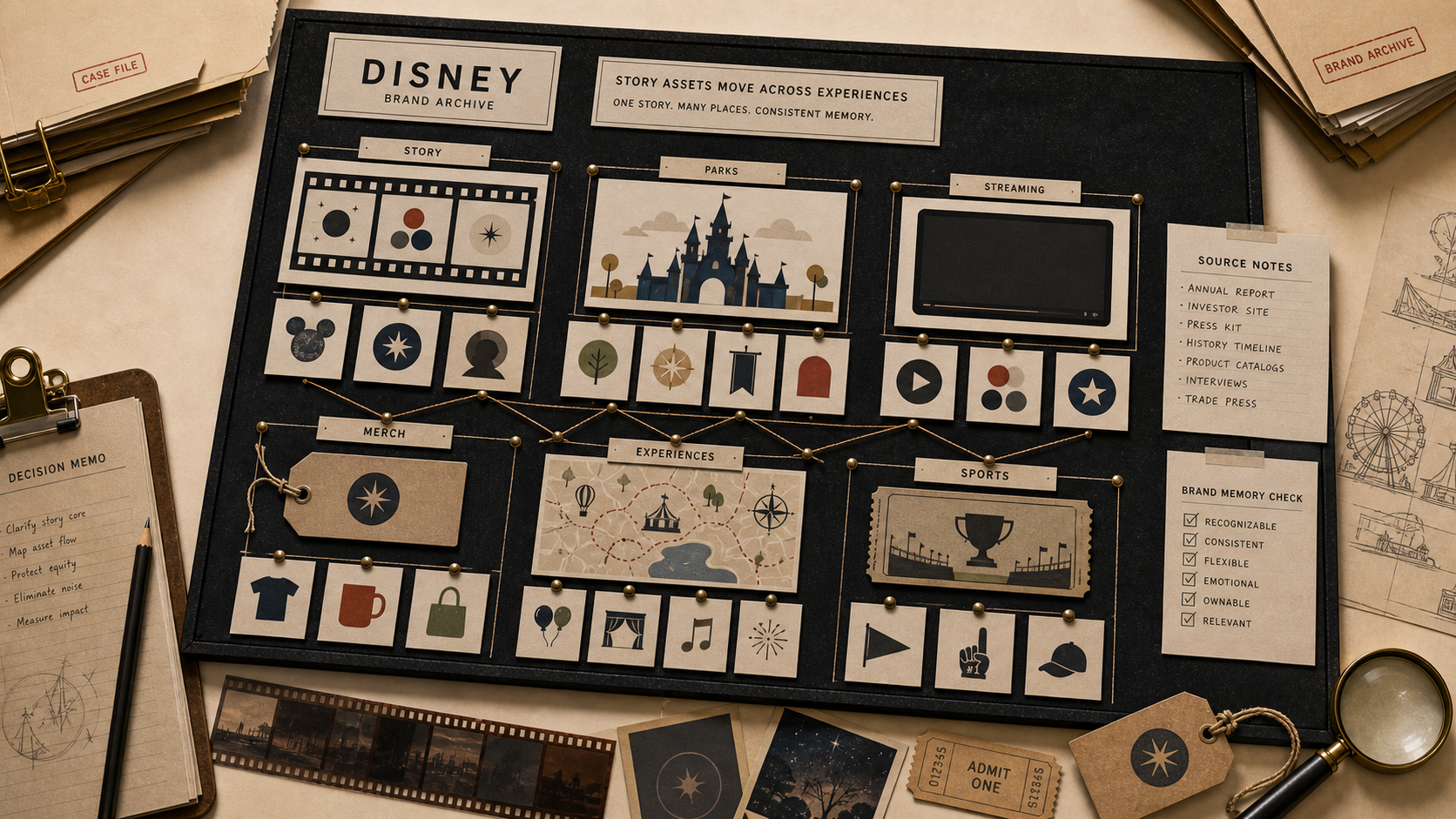
Disney built entertainment brand memory travel between characters, films, parks, merchandise, television, streaming, sports, and live experiences.
Dollar Shave Club / 2012
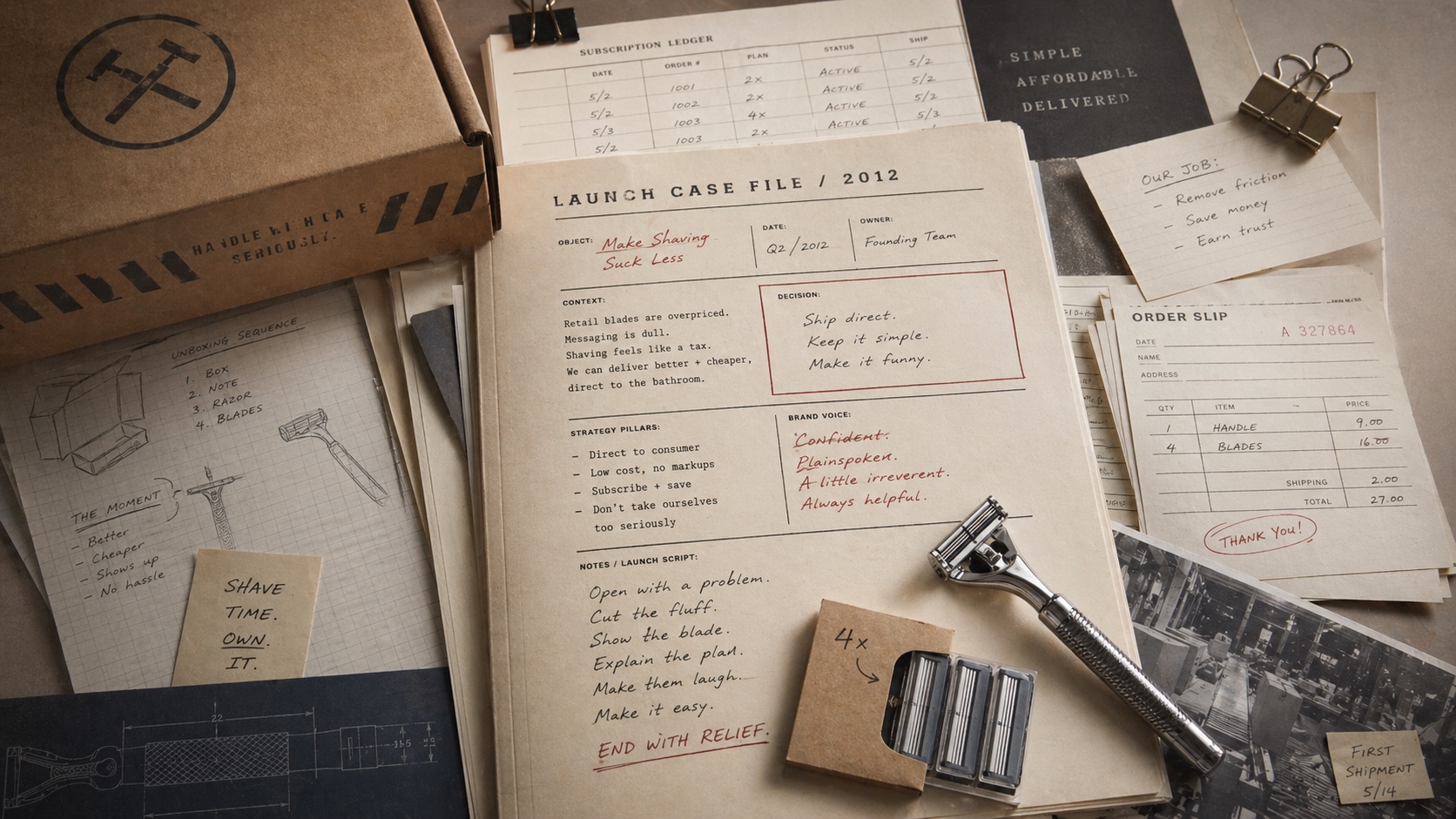
The launch worked because the brand did not sell only cheaper blades. It turned the buying model itself into like the joke and the relief.
Domino's / 2009
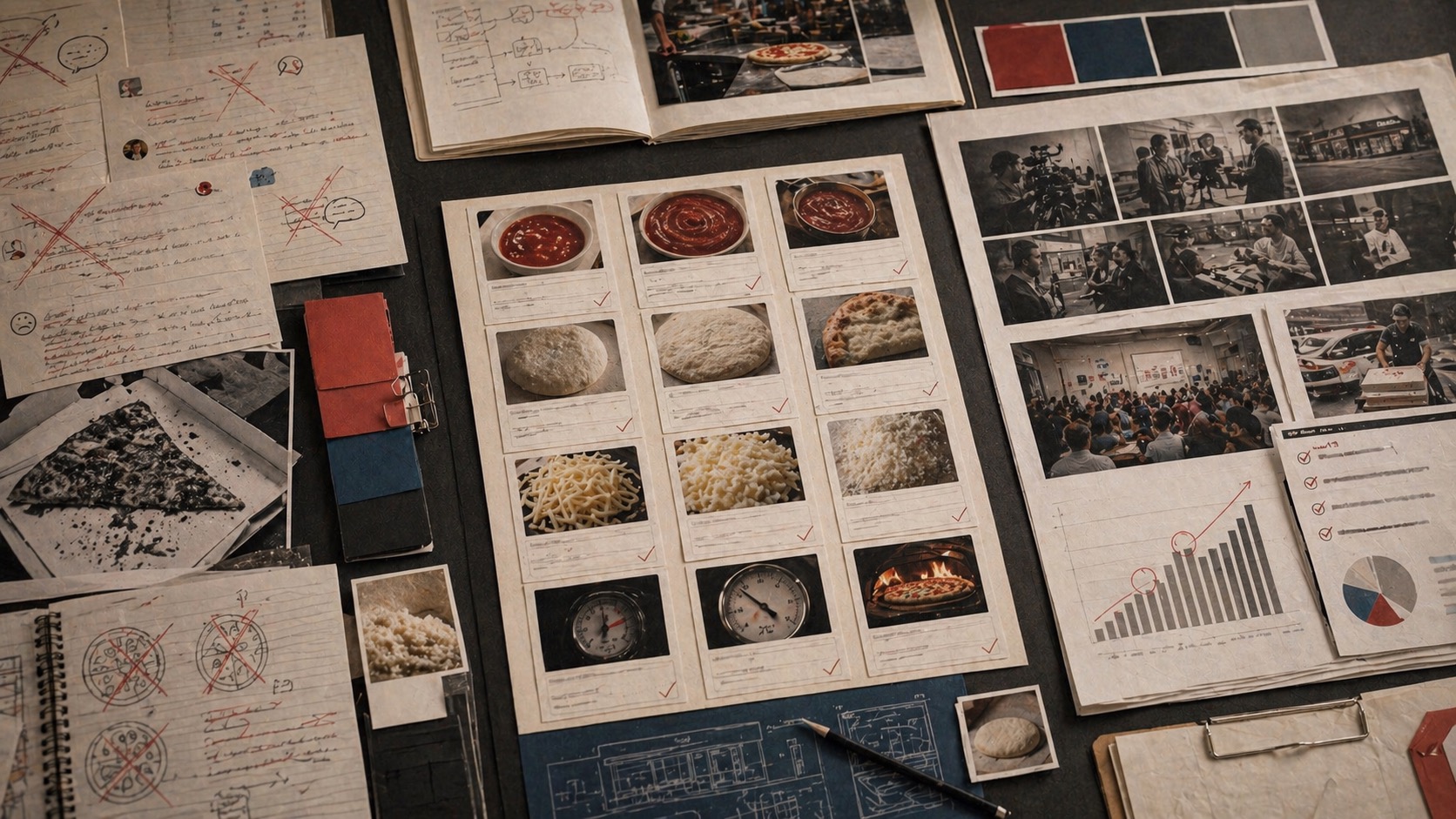
The recovery decision converted criticism into a public operating reset, making accountability part of the brand signal.
Dove / 2004-present
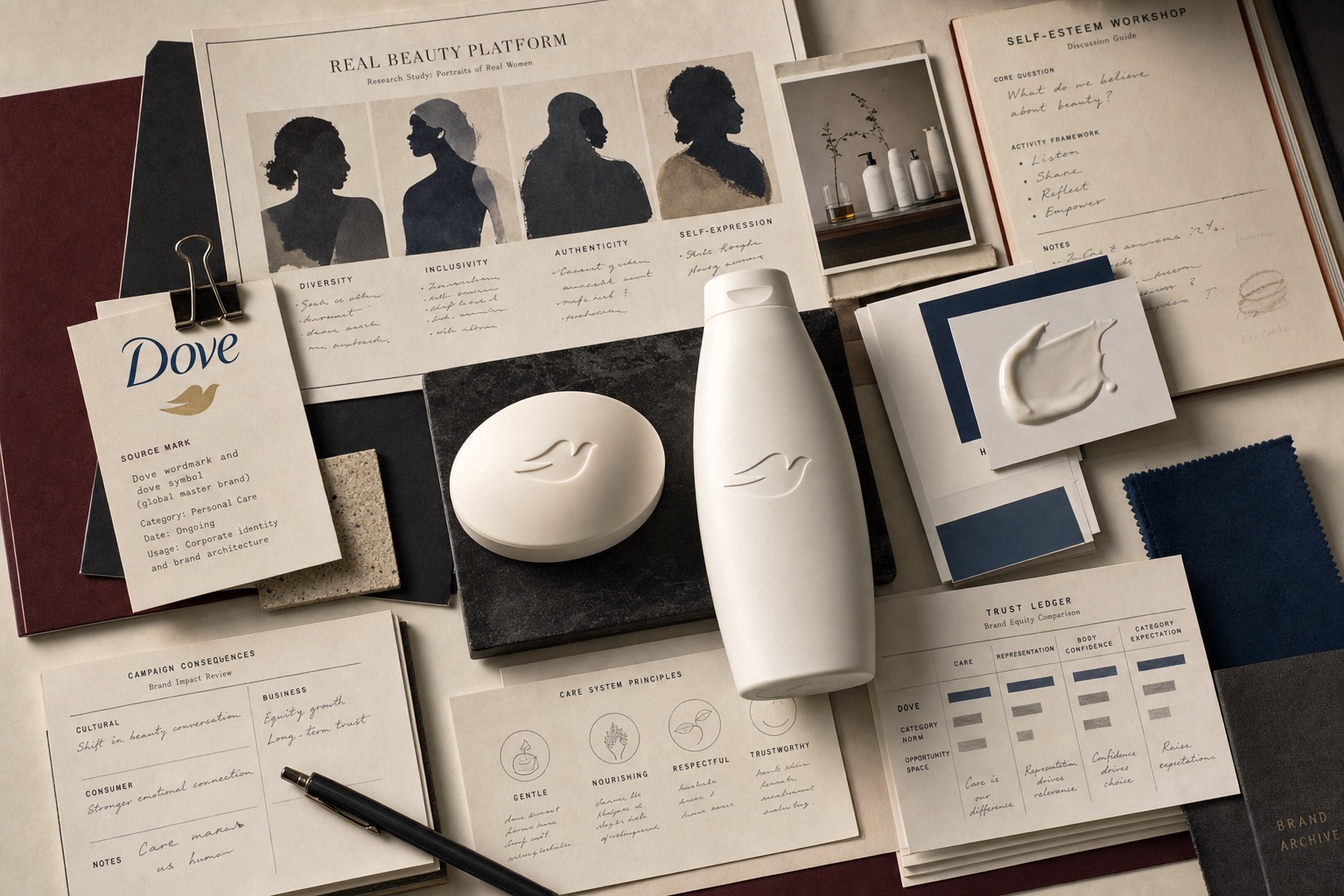
Dove turned a personal-care brand into a trust platform by connecting product softness, ordinary representation, self-esteem work, body confidence, and category criticism into one long-running brand idea.
Dr Pepper / 1885-present
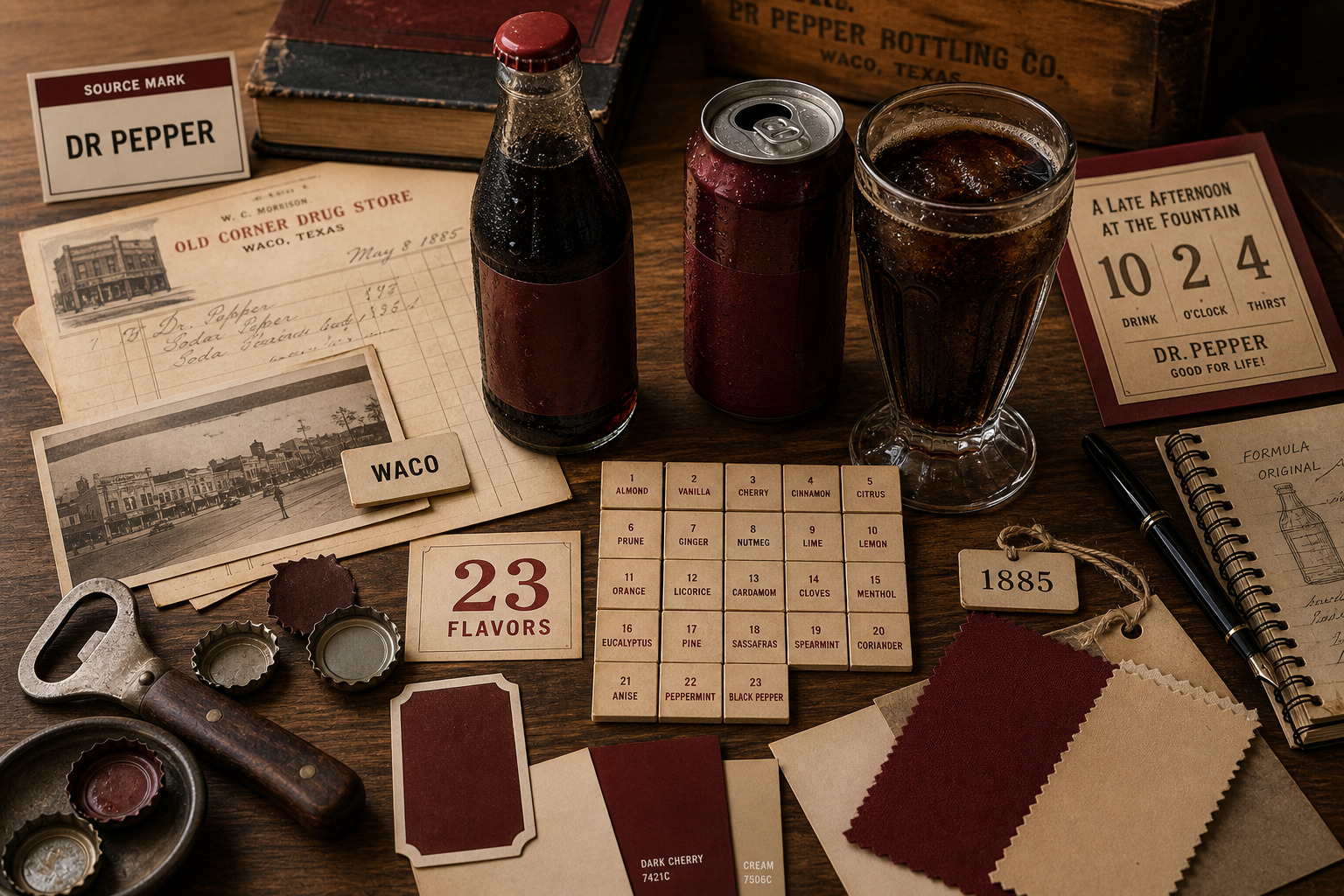
Dr Pepper built soda memory distinctive by joining Waco origin, soda-fountain behavior, 23-flavor mythology, bottle and can cues, old ad rituals, and a taste that refused to fit a normal cola lane.
Dropbox / 2007-present
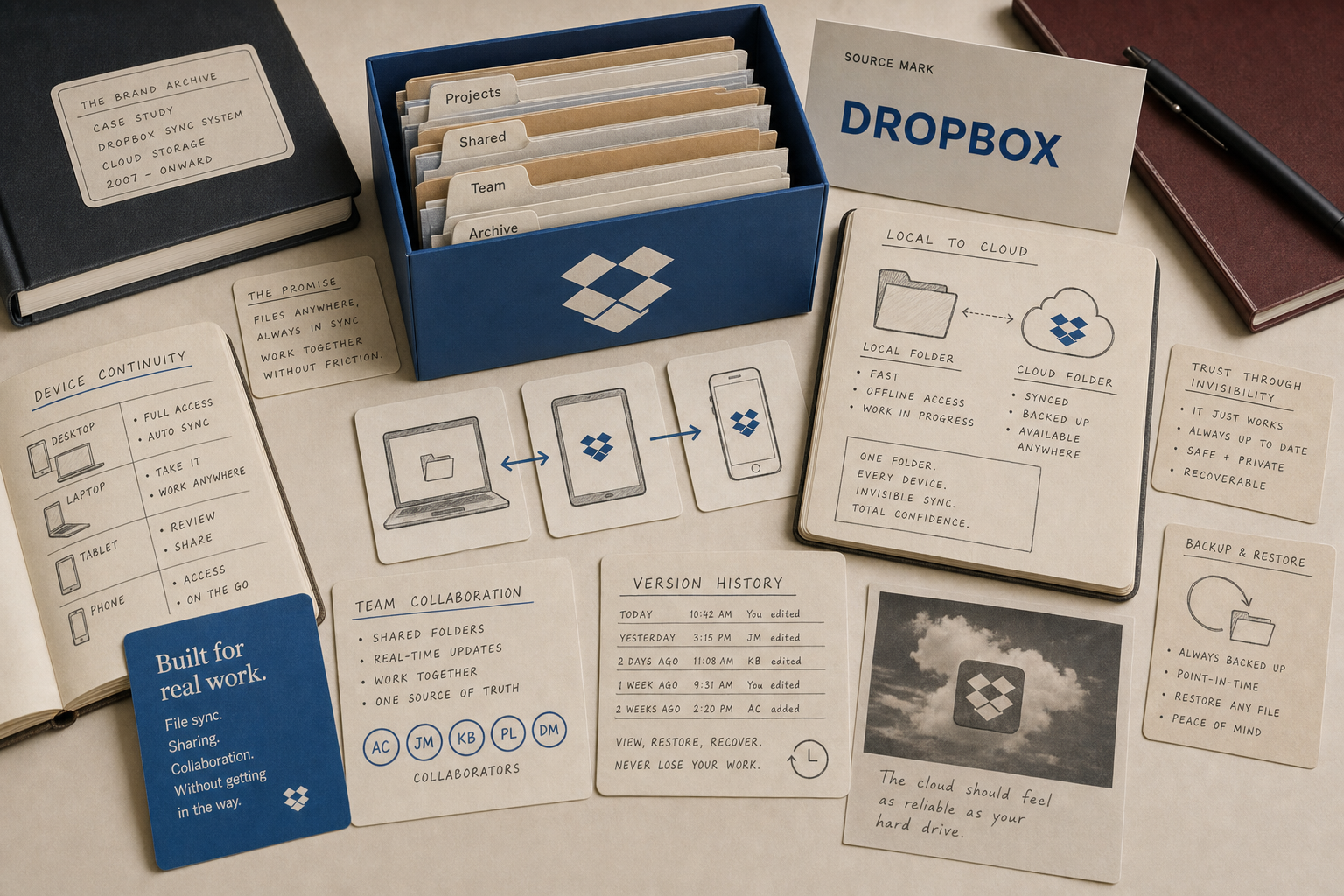
Dropbox turned cloud storage easy to trust by making sync into like a normal folder: files, devices, shared tabs, version history, restore, and team collaboration in one visible system.
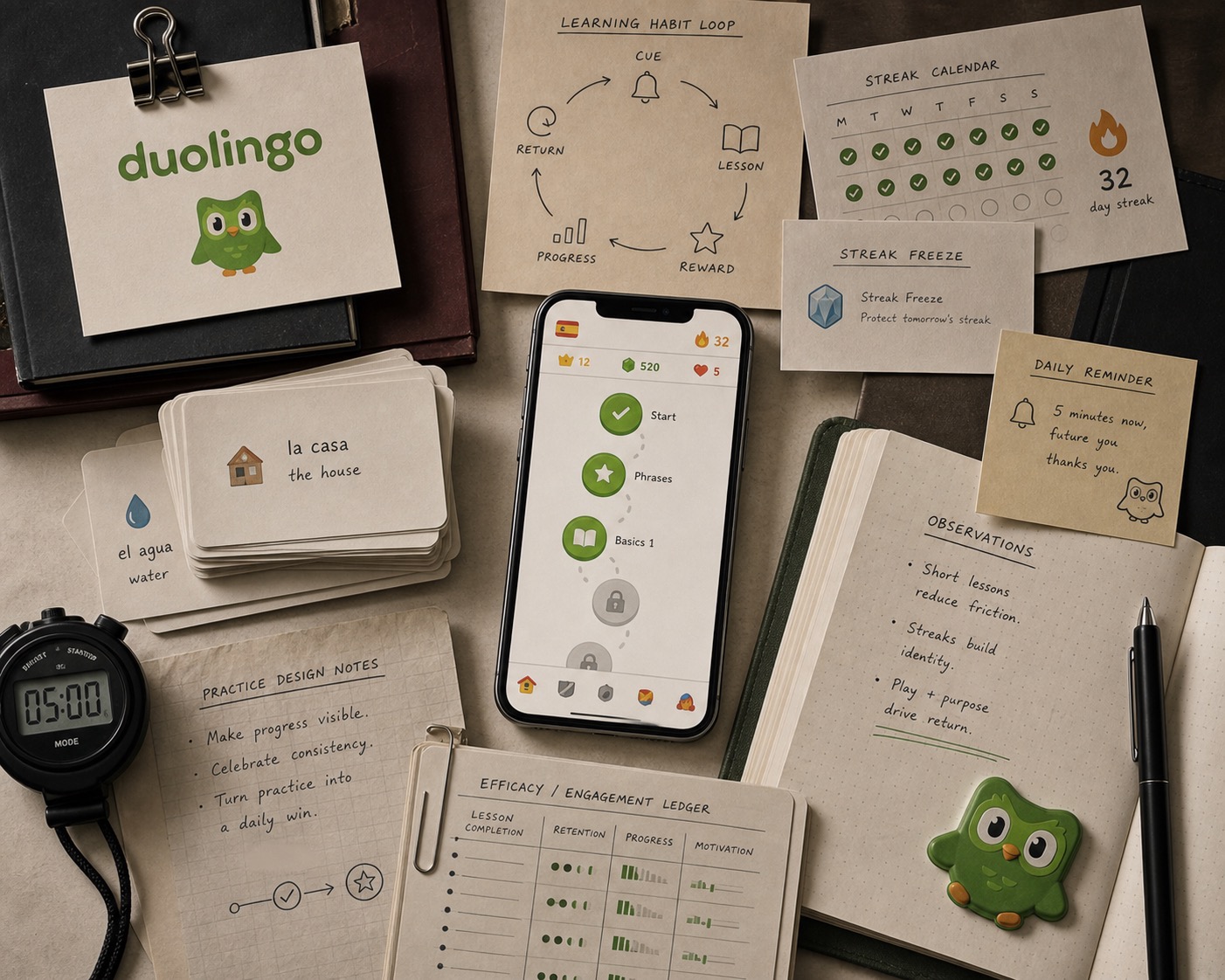
Duolingo / 2012-present
Duolingo turned language learning into like a daily habit by combining short lessons, streaks, reminders, rewards, progress paths, and a playful green owl into one repeatable practice system.
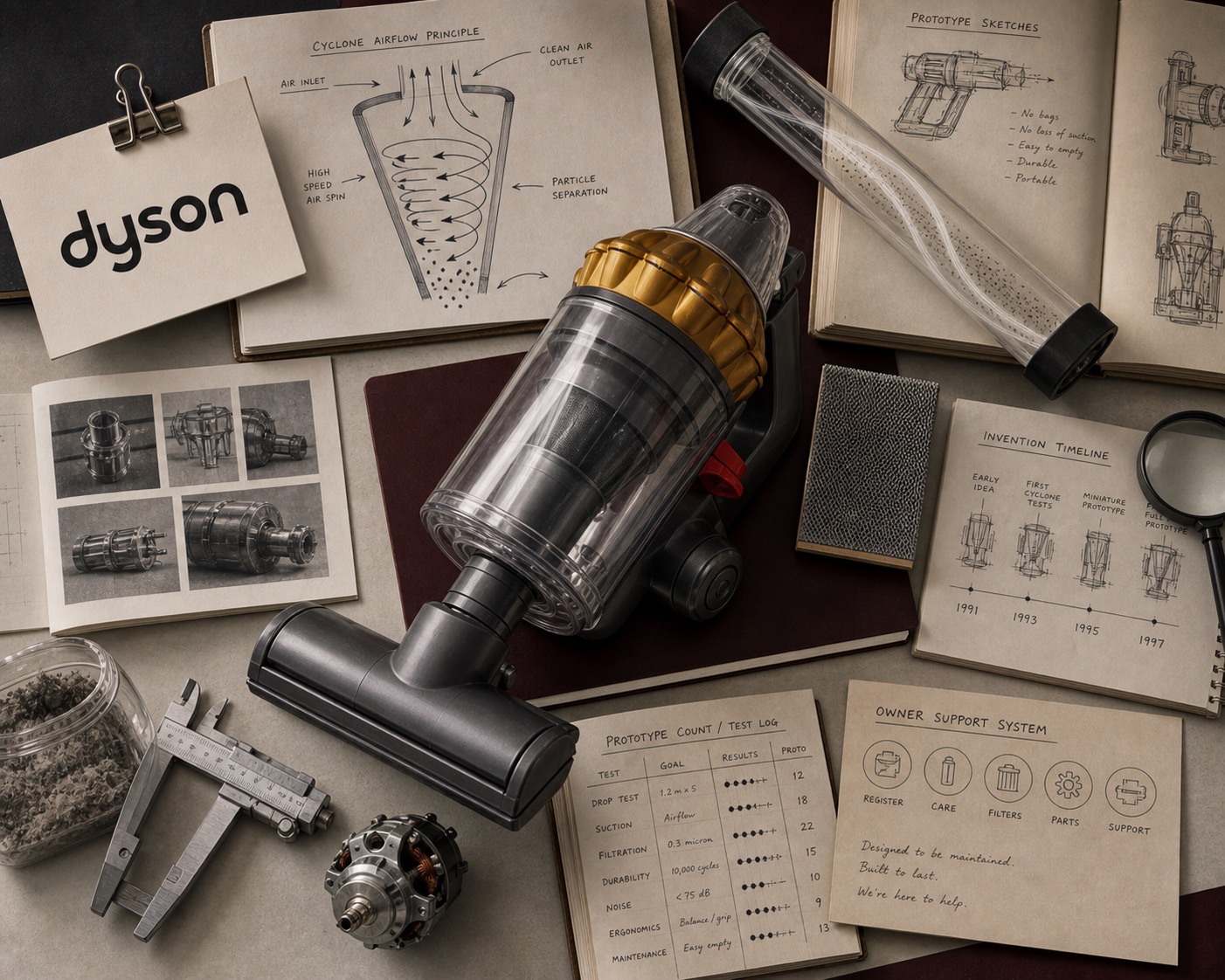
Dyson / 1990s-present
Dyson turned appliances into like visible engineering by turning cyclone airflow, prototypes, testing, filtration, maintenance, and problem-solving into a brand language of invention.
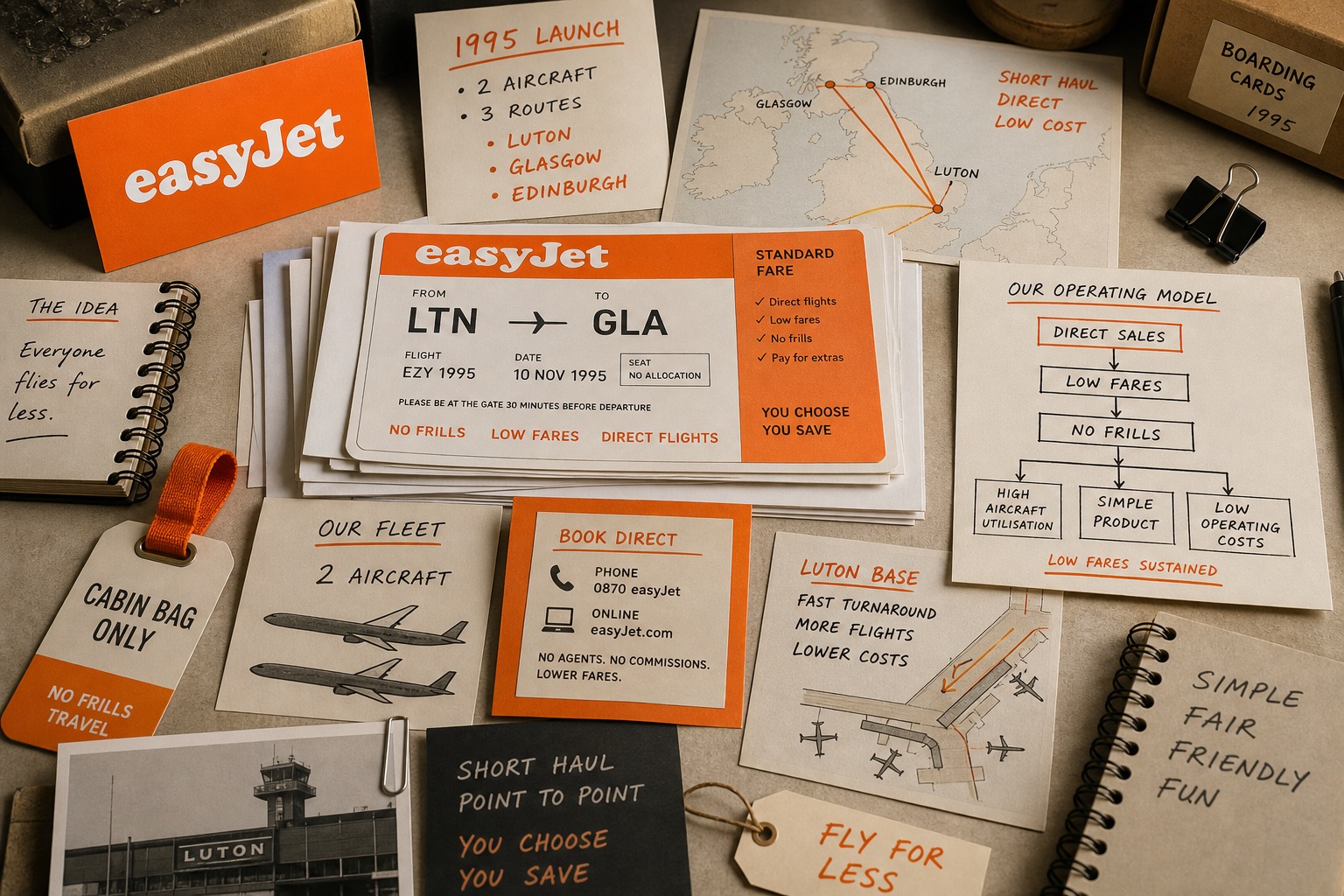
easyJet / 1995-present
easyJet used orange, direct booking, short-haul routes, a simple fare promise, and a low-cost operating model to make air travel feel more accessible without pretending it was full-service flying.
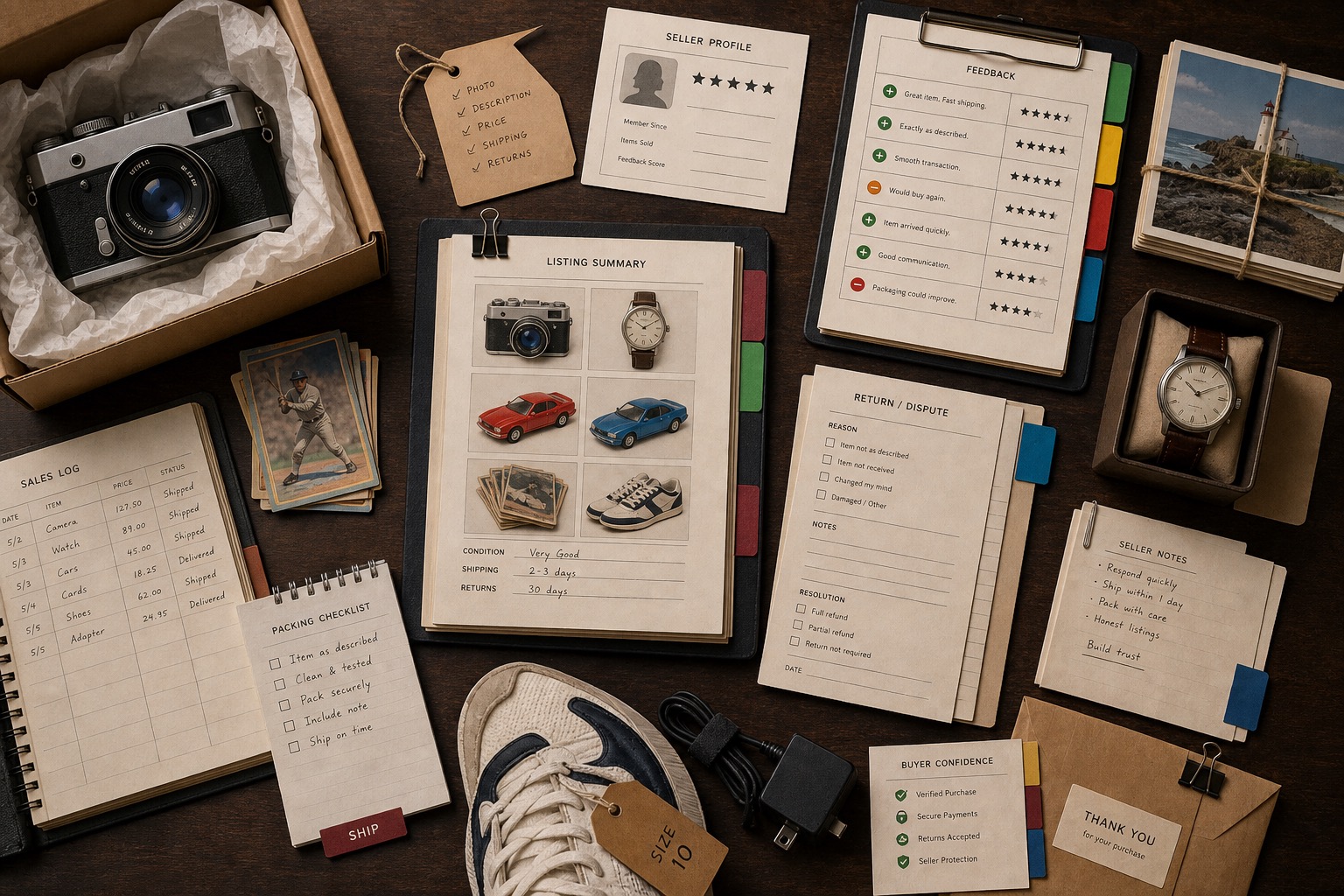
eBay / 1997-present
eBay's breakthrough was not merely putting auctions online. It turned stranger-to-stranger commerce into governable by turning reputation into a visible operating layer.
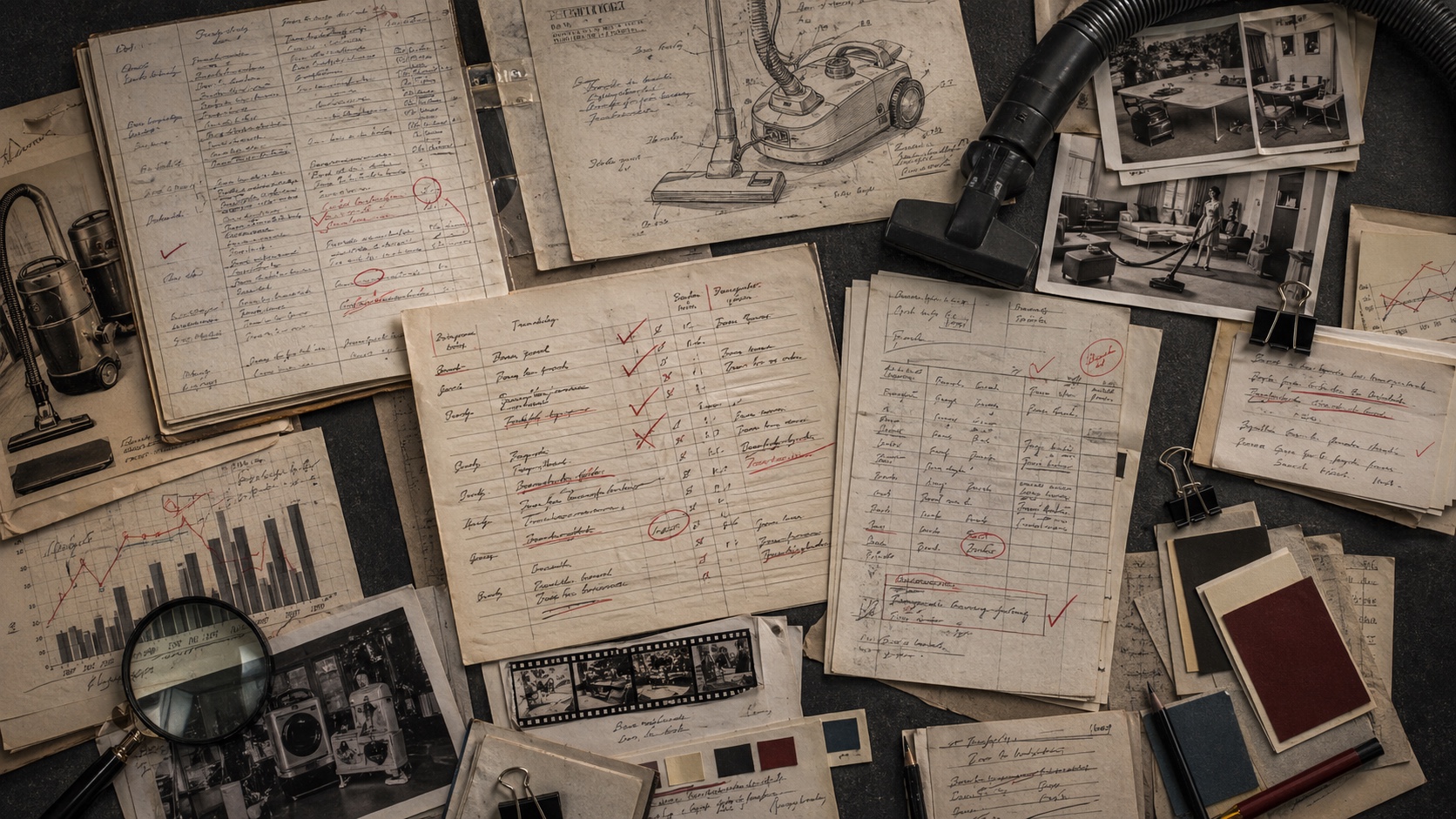
Electrolux / 1960s
The famous vacuum line is often treated as a translation failure. The better lesson is about how slogan folklore can outlive the campaign itself.
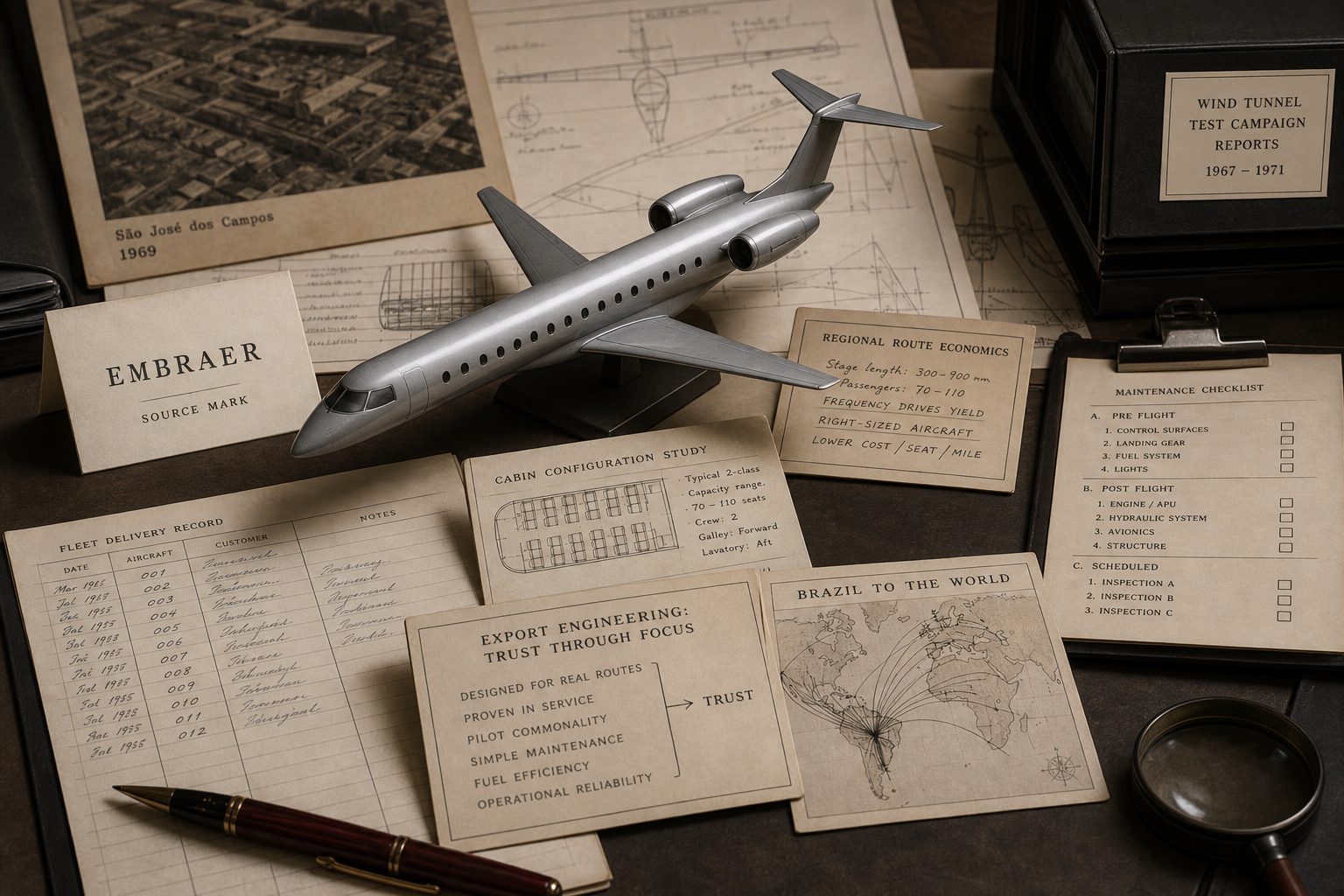
Embraer / 1969-present
Embraer built Brazilian aerospace credible through regional aircraft focus, route economics, engineering discipline, fleet support, export trust, and right-sized aviation.
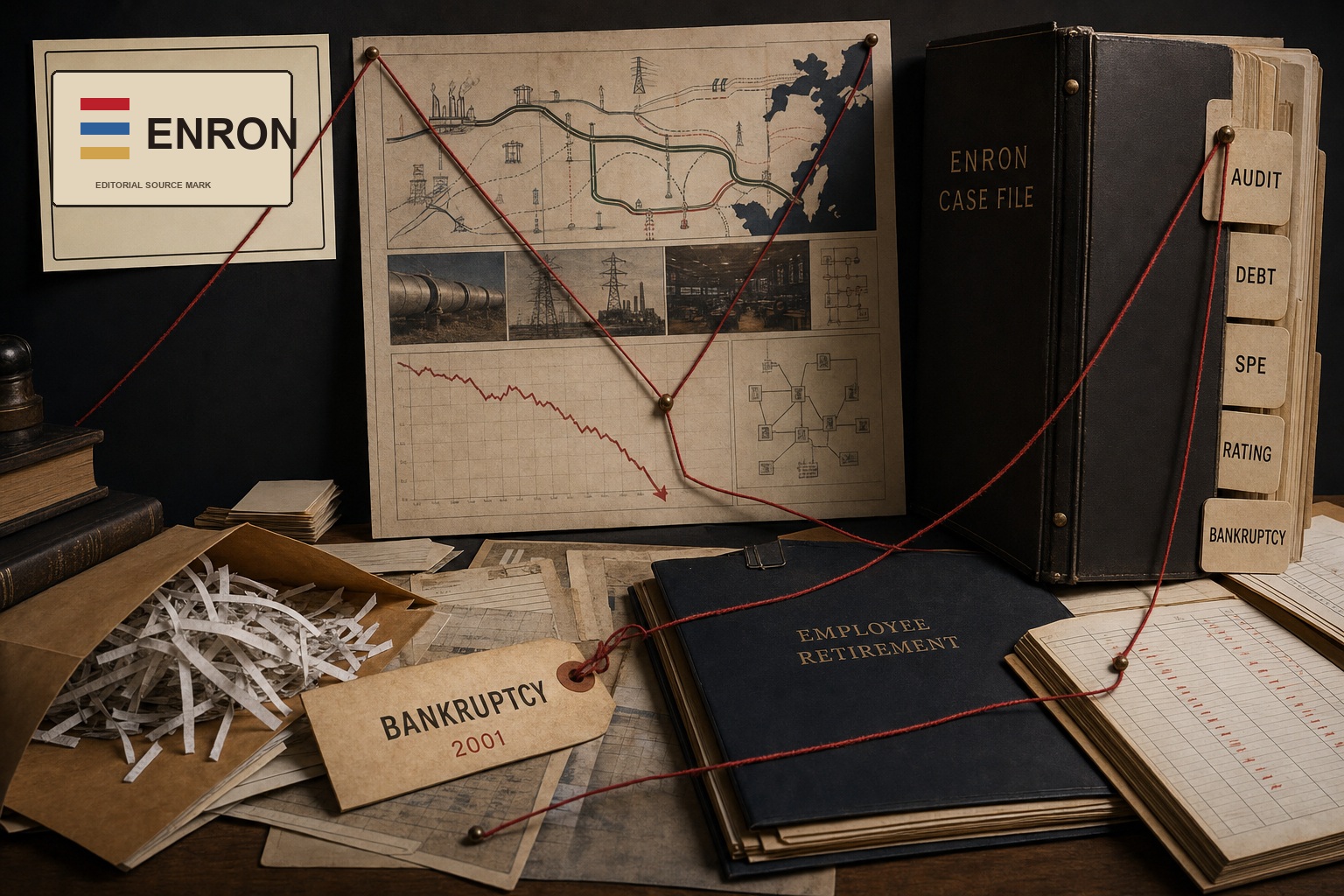
Enron / 1985-2001
Enron turned energy trading into like a high-performance growth machine, then collapsed when hidden debt, related-party structures, manipulated reporting, and governance failure turned the brand into evidence.
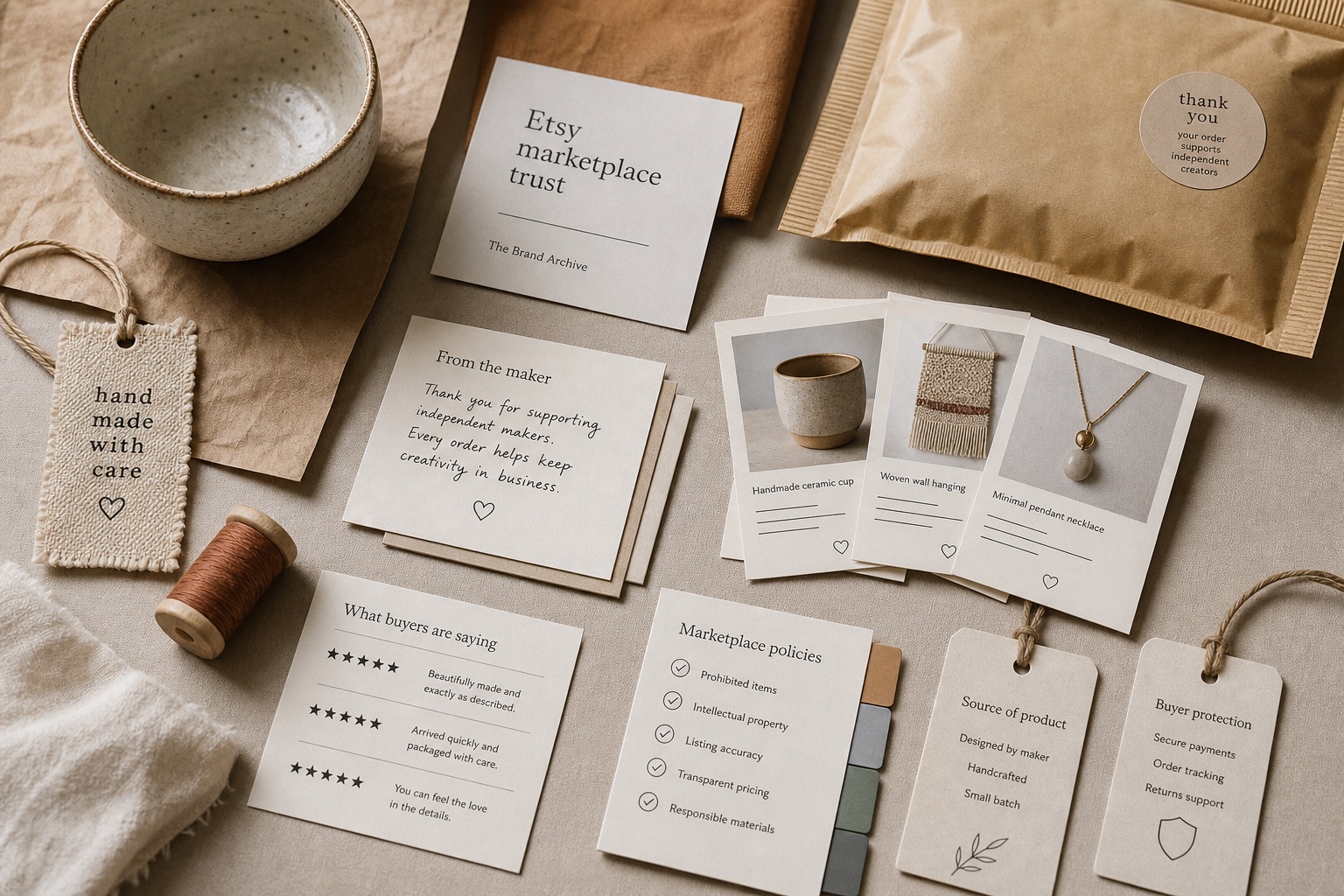
Etsy / 2005-present
Etsy built seller identity, handmade rules, reviews, listing pages, and marketplace curation do the trust work that ordinary retail scale usually hides.