Market
United Kingdom
Listed here: Dyson, HSBC, Standard Chartered, Costa Coffee, Pret A Manger, Burberry, MADE.com, Shell, Unilever, Rolls-Royce Motor Cars, Rolls-Royce, BP, British Airways, Jaguar.
- Brand pages
- 177
- Guides
- 177
- Entries
- 14
- Status
- Live
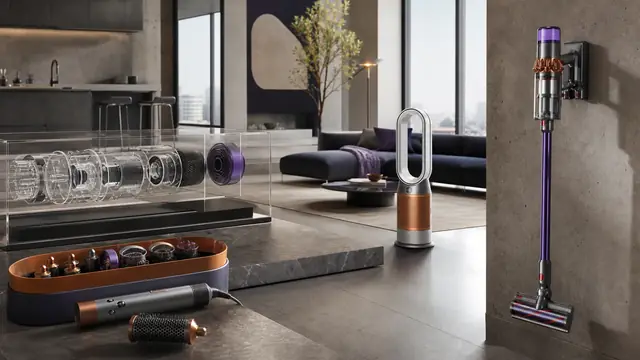 Brand page
Dyson
United Kingdom / Singapore HQ / active / premium engineering
Brand page
Dyson
United Kingdom / Singapore HQ / active / premium engineering
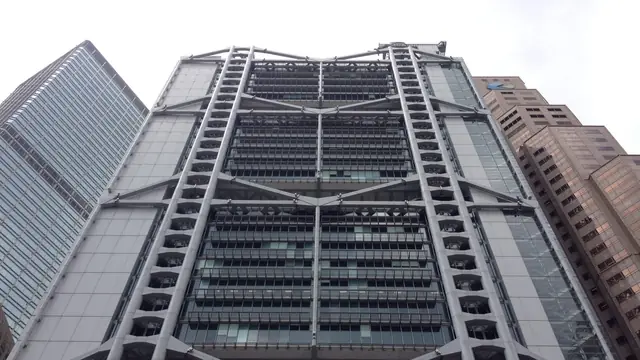 Brand page
HSBC
United Kingdom / Hong Kong roots / active / global banking
Brand page
HSBC
United Kingdom / Hong Kong roots / active / global banking
 Brand page
Standard Chartered
United Kingdom / active / cross-border banking
Brand page
Standard Chartered
United Kingdom / active / cross-border banking
 Brand page
Costa Coffee
United Kingdom / Active / Omnichannel Coffee System
Brand page
Costa Coffee
United Kingdom / Active / Omnichannel Coffee System
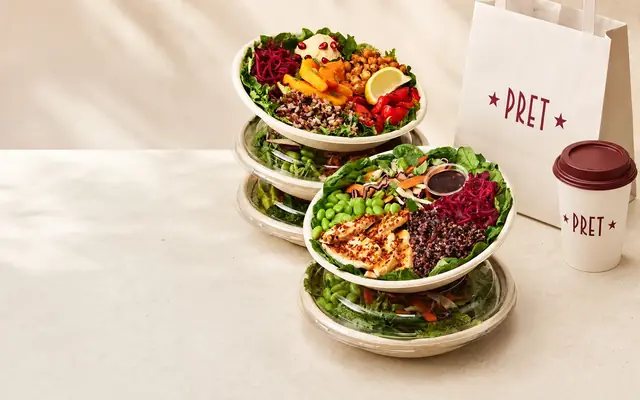 Brand page
Pret A Manger
United Kingdom / Active / Freshness Operating System
Brand page
Pret A Manger
United Kingdom / Active / Freshness Operating System
 Brand page
Burberry
United Kingdom / Active / Heritage recovery system
Brand page
Burberry
United Kingdom / Active / Heritage recovery system
 Brand page
MADE.com
United Kingdom / Original operator entered administration in 2022; MADE continues as a Next Retail trading brand / MADE.com failure case study
Brand page
MADE.com
United Kingdom / Original operator entered administration in 2022; MADE continues as a Next Retail trading brand / MADE.com failure case study
 Brand page
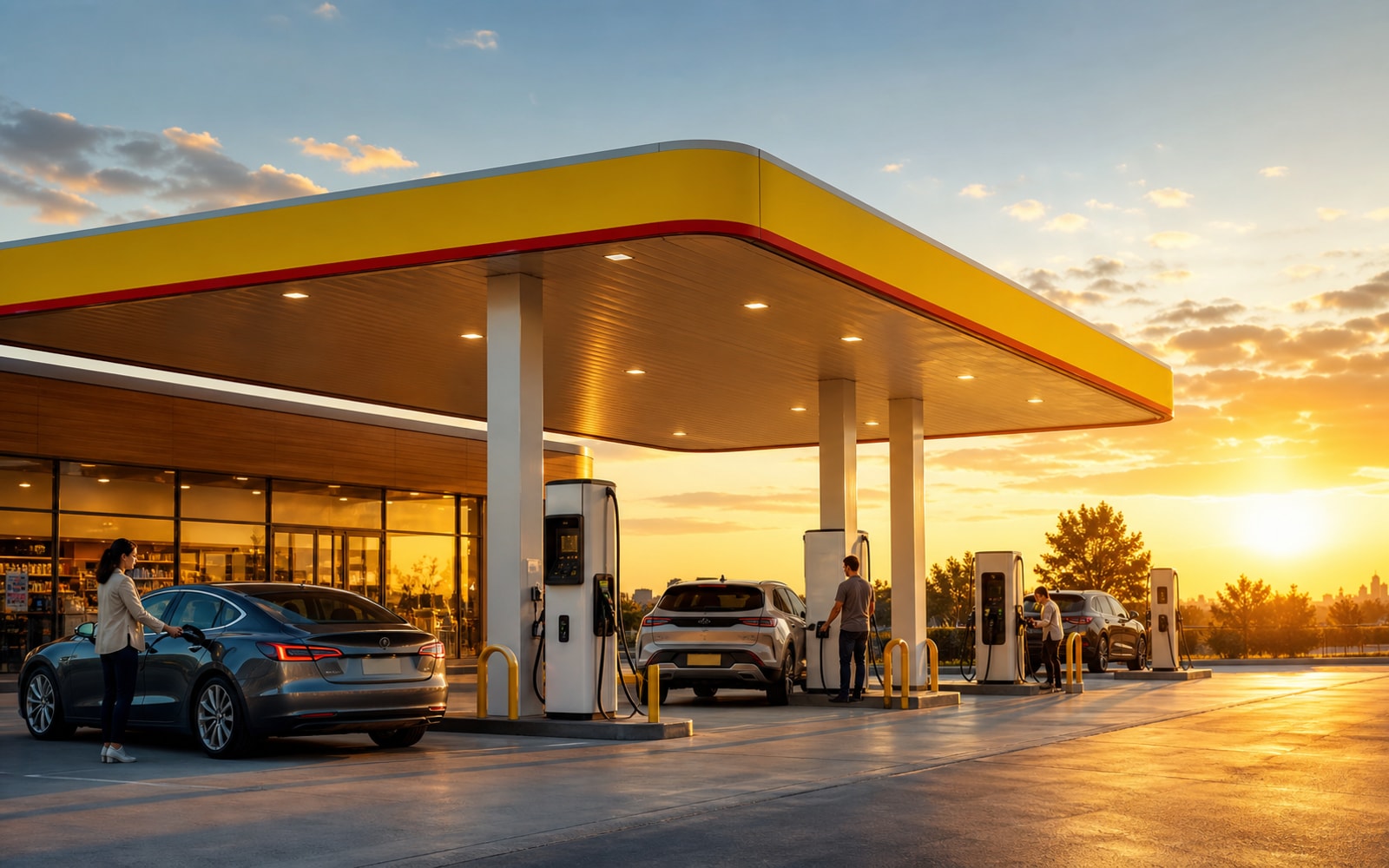
Shell
United Kingdom / active / Shell strategy case study
Brand page
Shell
United Kingdom / active / Shell strategy case study
 Brand page
Unilever
United Kingdom / active public company / Corporate portfolio signal
Brand page
Unilever
United Kingdom / active public company / Corporate portfolio signal
 Brand page
Rolls-Royce Motor Cars
United Kingdom / active BMW Group subsidiary / Ultra-luxury ritual system
Brand page
Rolls-Royce
United Kingdom / Active / public company / British power and propulsion group
Brand page
Rolls-Royce Motor Cars
United Kingdom / active BMW Group subsidiary / Ultra-luxury ritual system
Brand page
Rolls-Royce
United Kingdom / Active / public company / British power and propulsion group
 Brand page
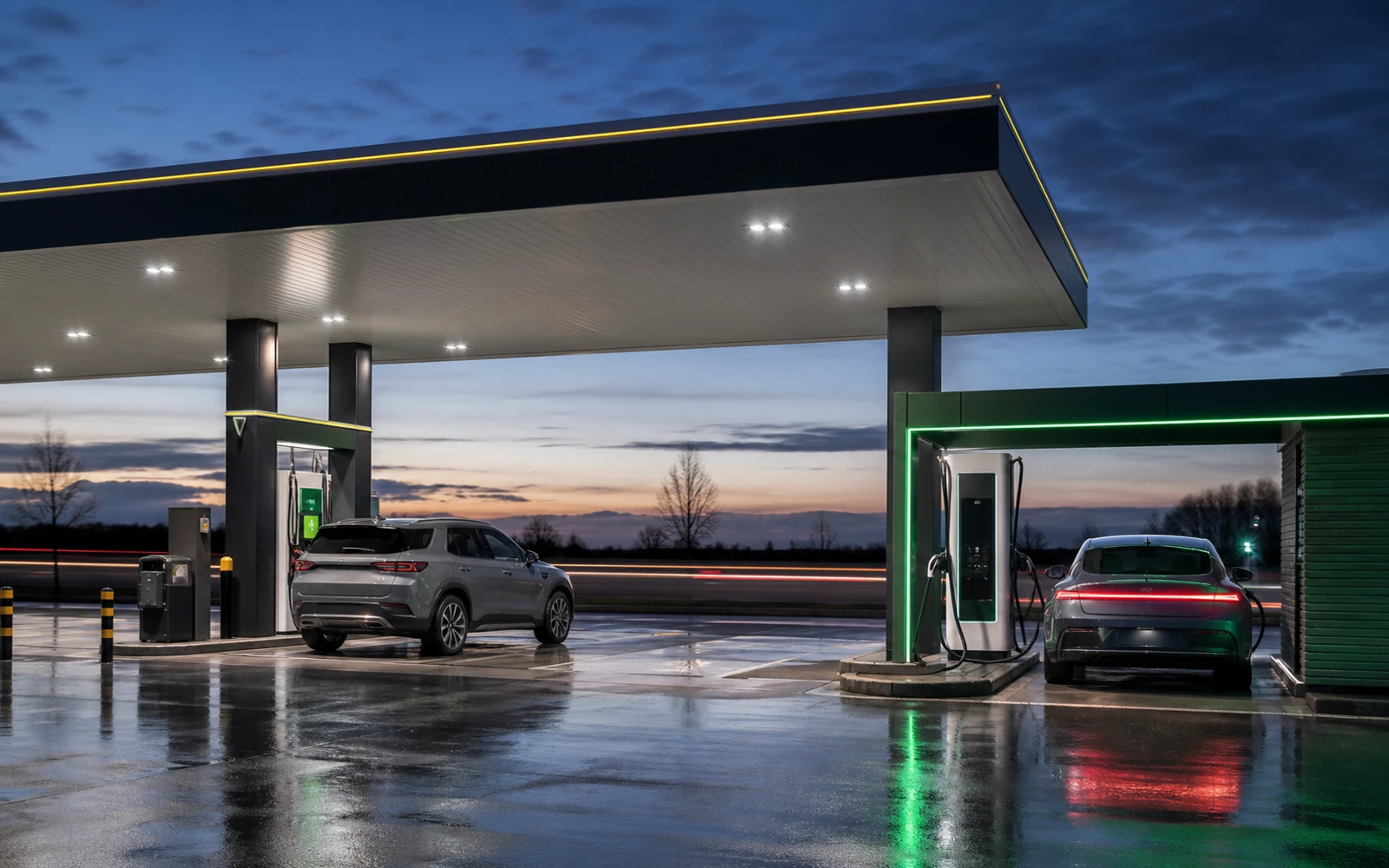
BP
United Kingdom / Public company / Corporate promise stress test
Brand page
BP
United Kingdom / Public company / Corporate promise stress test
 Brand page
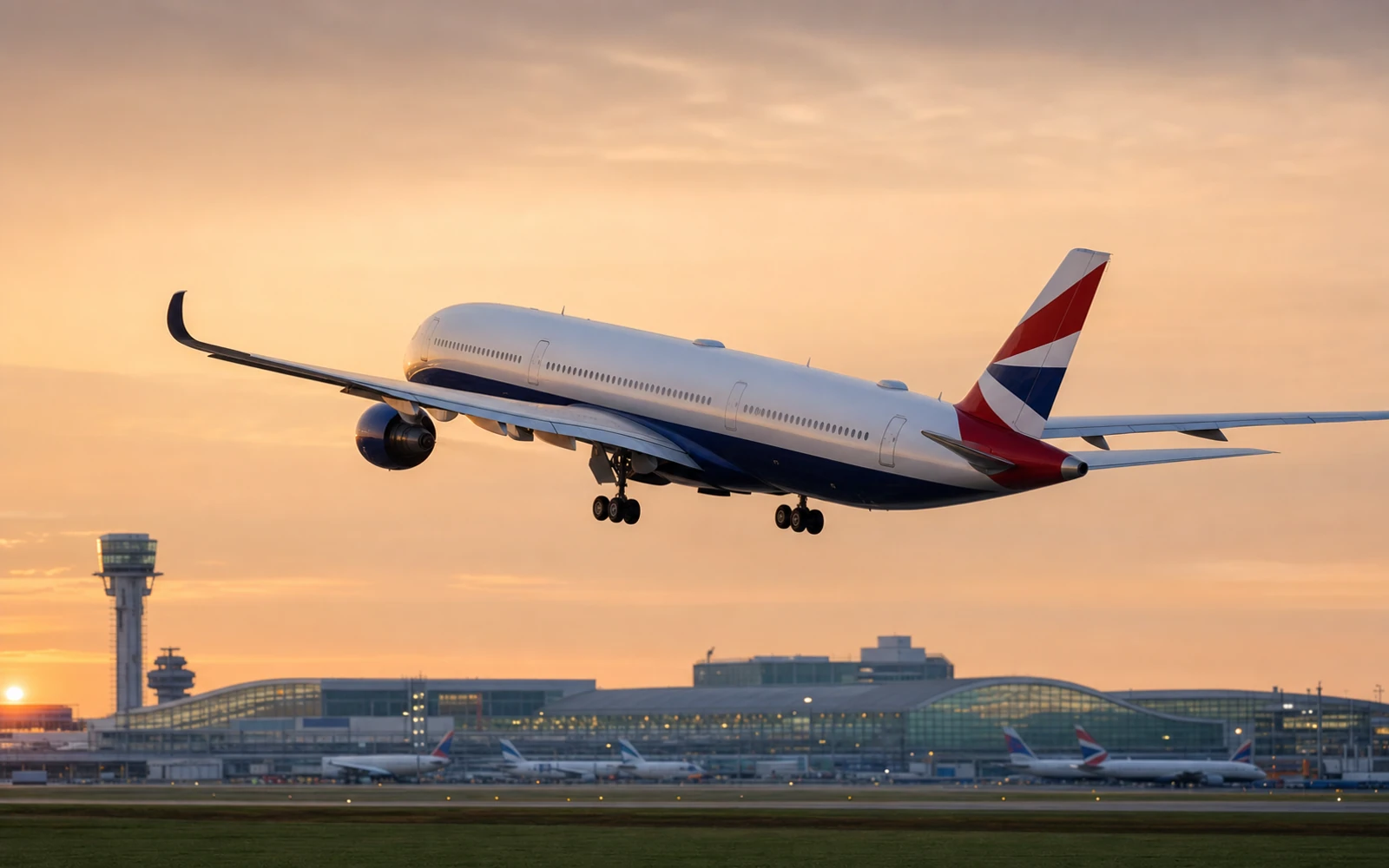
British Airways
United Kingdom / IAG operating airline / Fleet recognition system
Brand page
British Airways
United Kingdom / IAG operating airline / Fleet recognition system
 Brand page
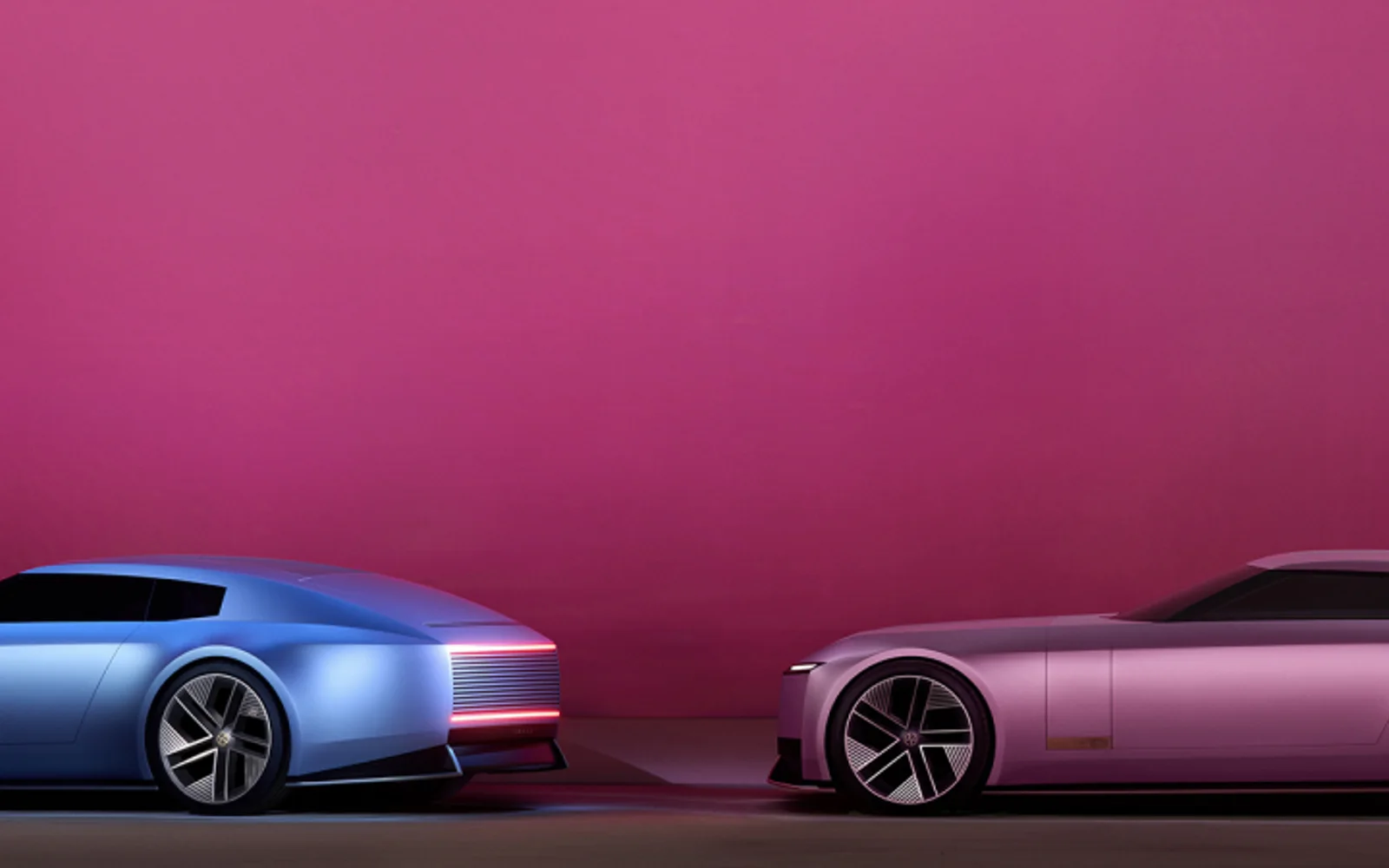
Jaguar
United Kingdom / Active transition / Brand Signal Card
Brand page
Jaguar
United Kingdom / Active transition / Brand Signal Card
Browse
Move through the live system.
Use the Brand Index to compare companies, the Branding Guide to understand the mechanics, Countries and Superlatives to browse by context, or Private Brand Work for a live decision.
Keep comparing by company, country, headquarters, or ranked brand signal.