Grow Your Brand is a source-cited reference index for brand failures, rebrands, comebacks, launches, pivots, disasters, active brands, and failed brands. Each case is organized by decision type, year, status, consequence, and comparable pattern.
Reader Use
Use Grow Your Brand when...
You know the decision type but not the brand case yet.
You need a source-cited example for a concept hub, guide page, lesson, or comparison.
You want to separate a bad decision from a terminal failed-brand status.
You are looking for cases that can prove recognition, trust, rebrand, ecommerce, salience, or strategy patterns.
Pattern Map
Signal patterns by decision type
Use the page by pattern first. The case list comes after the reader knows what to compare.
Pattern
What to compare
Cases to inspect
Brand System
213 filed cases in this lane. Compare the consequence before comparing brand size.
Mastercard's move to a wordless symbol worked because the interlocking circles had already accumulated enough global payment memory to carry acceptance, trust, and network recognition on...
Wordless identity only works after memory has been earned.
The redesign case sits at the center of recognition equity: when the asset is visual memory, improvement starts by protecting the cue shoppers already use.
The decision lesson is procedural: identify the visual elements that carry retrieval before judging what looks current.
Amazon is the brand-scale case for turning retail selection, Prime delivery, marketplace trust, review behavior, returns, seller tools, and AWS infrastructure into one repeated operating...
Brand Failures are decision patterns. Failed Brands are terminal outcomes. The split keeps a bad decision by an operating company from being confused with a brand whose original public business has ended.
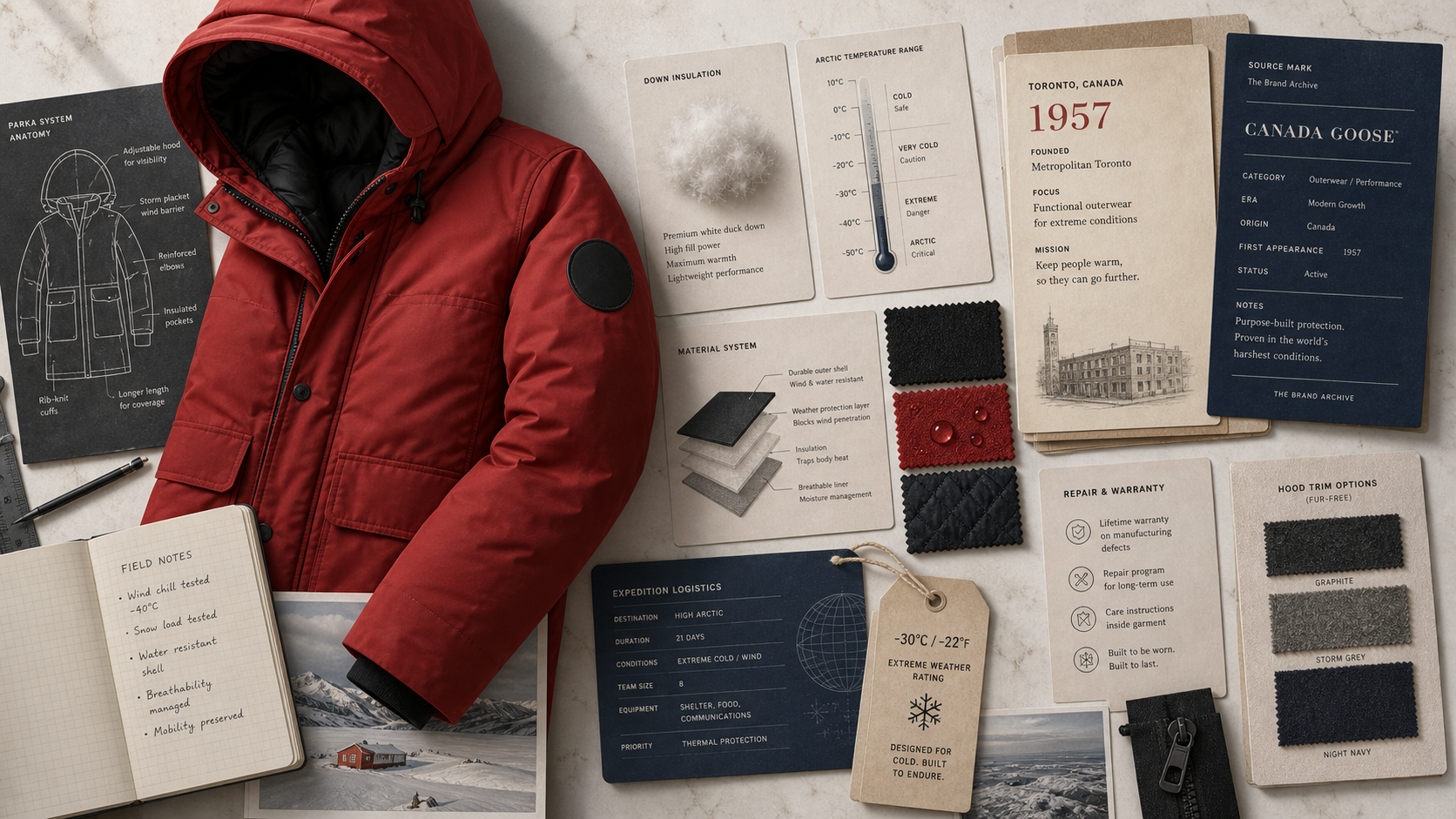
Canada Goose built Arctic warmth, expedition proof, parka construction, repair expectations, Toronto origin, and visible winter status work as one outerwear system.
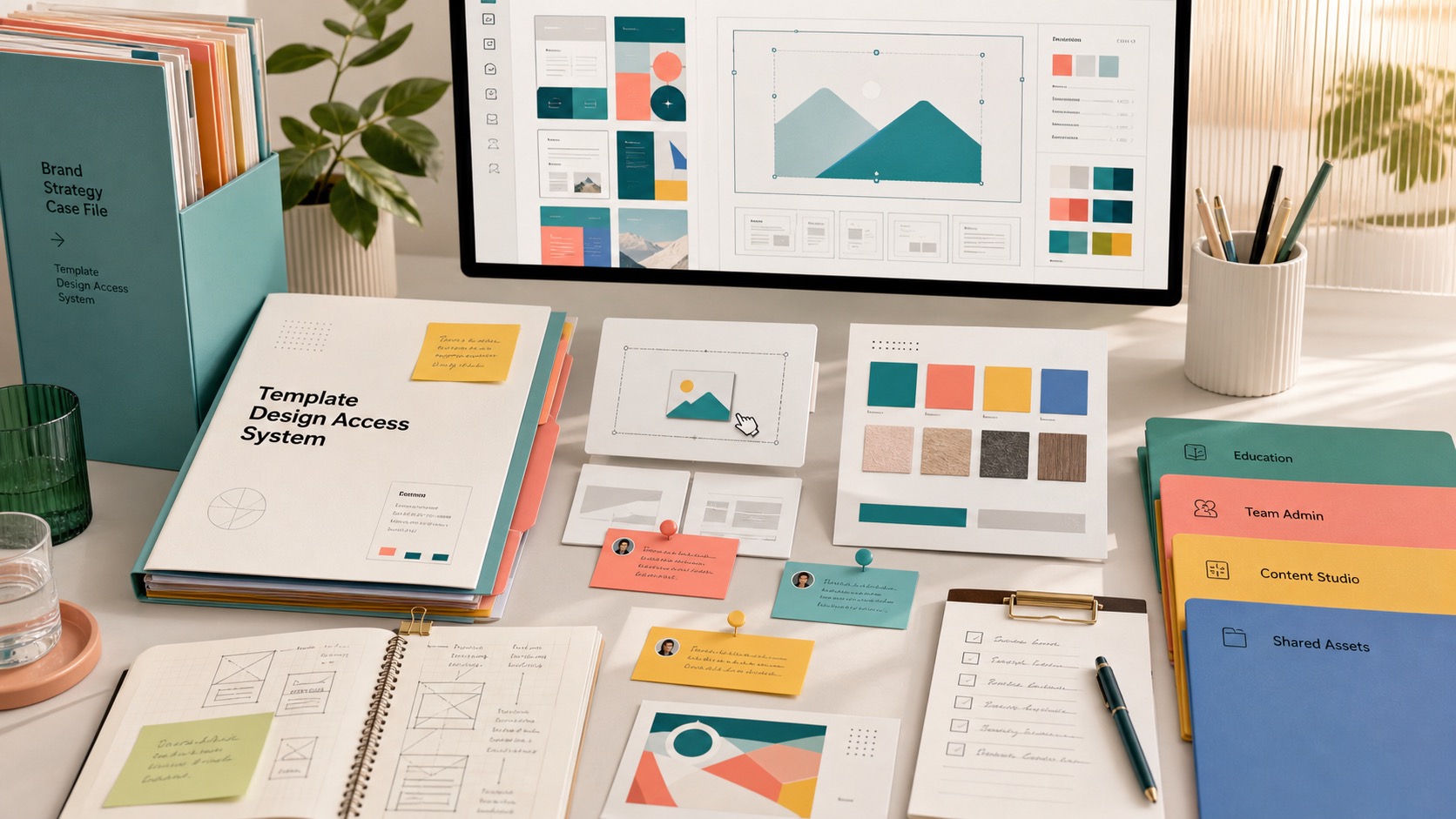
Canva tied templates, drag-and-drop editing, brand kits, collaboration, education access, and publishing into a design system built for people who do not start with a blank canvas.
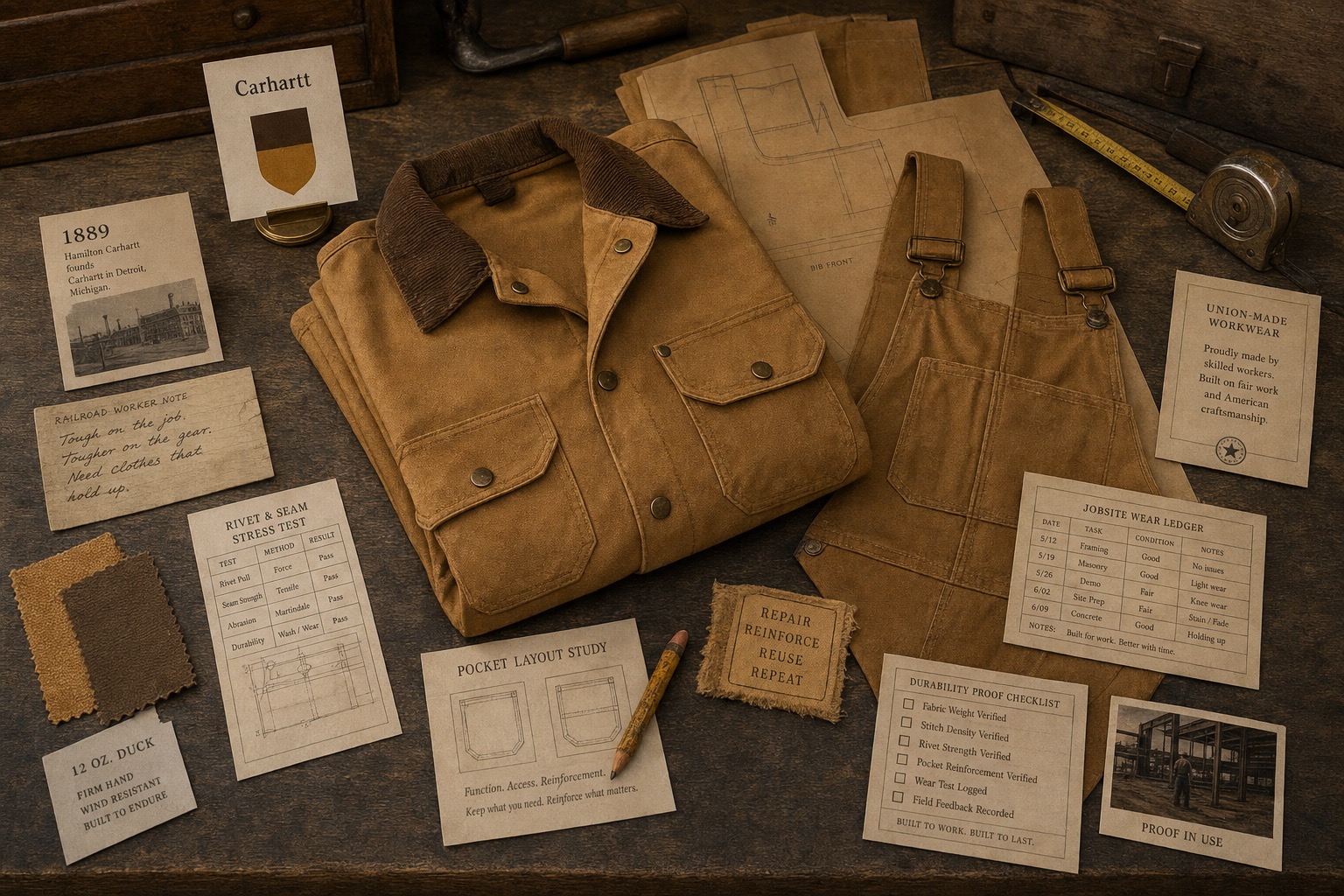
Carhartt built workwear trust visible through duck fabric, bib overalls, pockets, stitching, repair logic, and clothes that had to hold up where the job could test them.
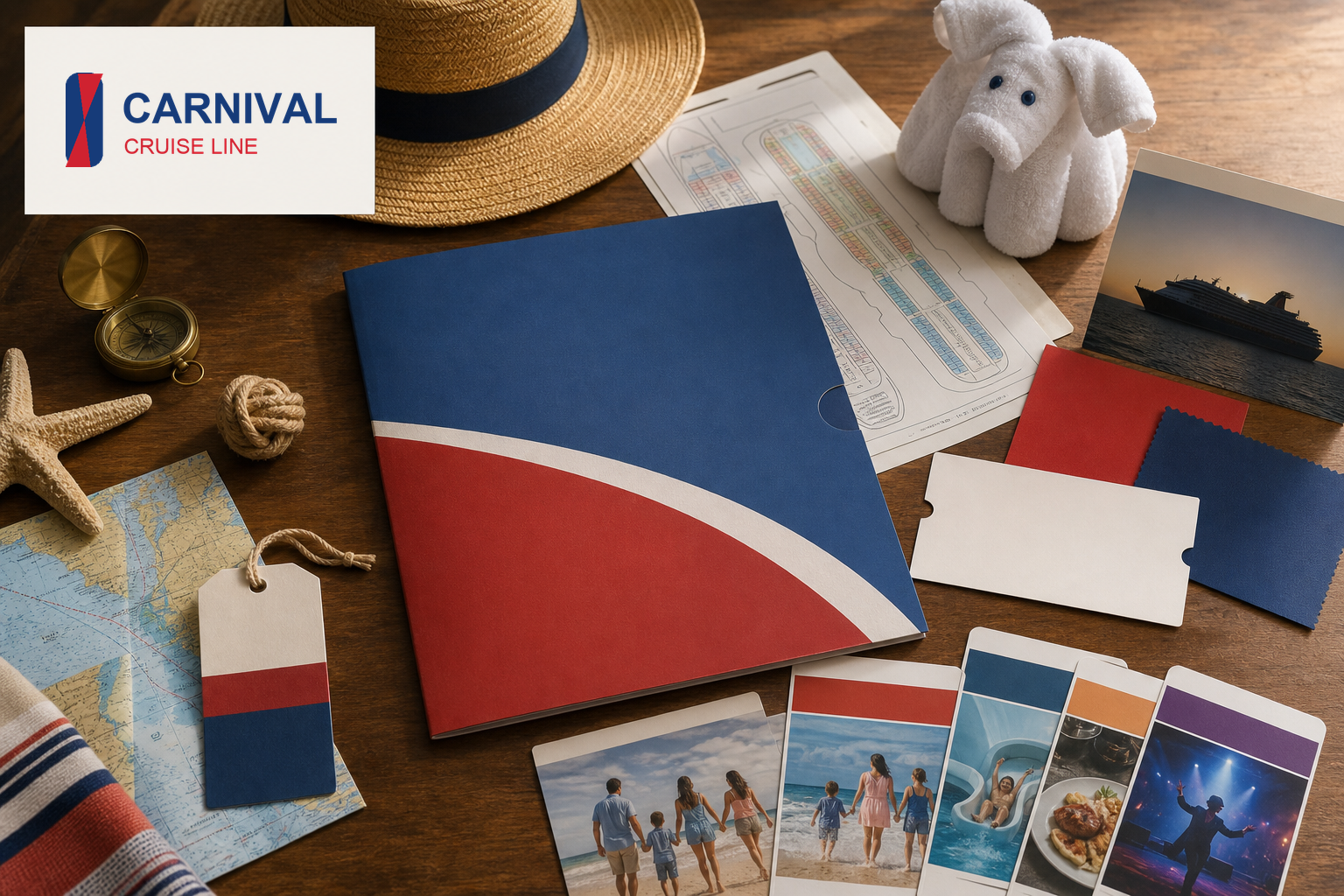
Carnival Cruise Line turned cruising into more accessible by joining the Fun Ship idea, short vacation timing, onboard activities, recognizable funnels, port schedules, family rituals, and value-led travel memory.
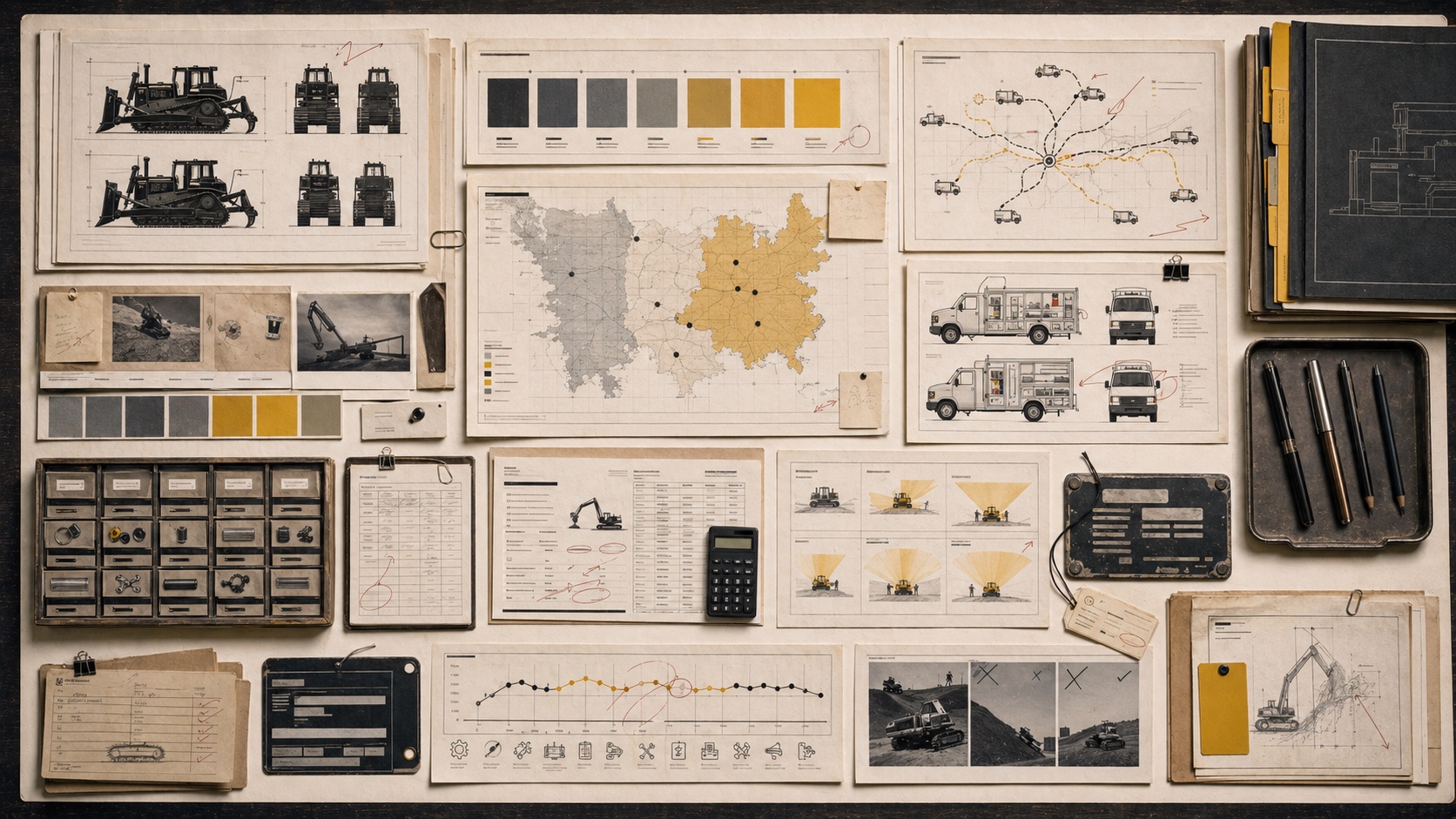
Caterpillar's brand strength is not merely the Cat logo. It is the way yellow machines, job-site visibility, dealer service, and parts support turn industrial durability into a visible operating promise.
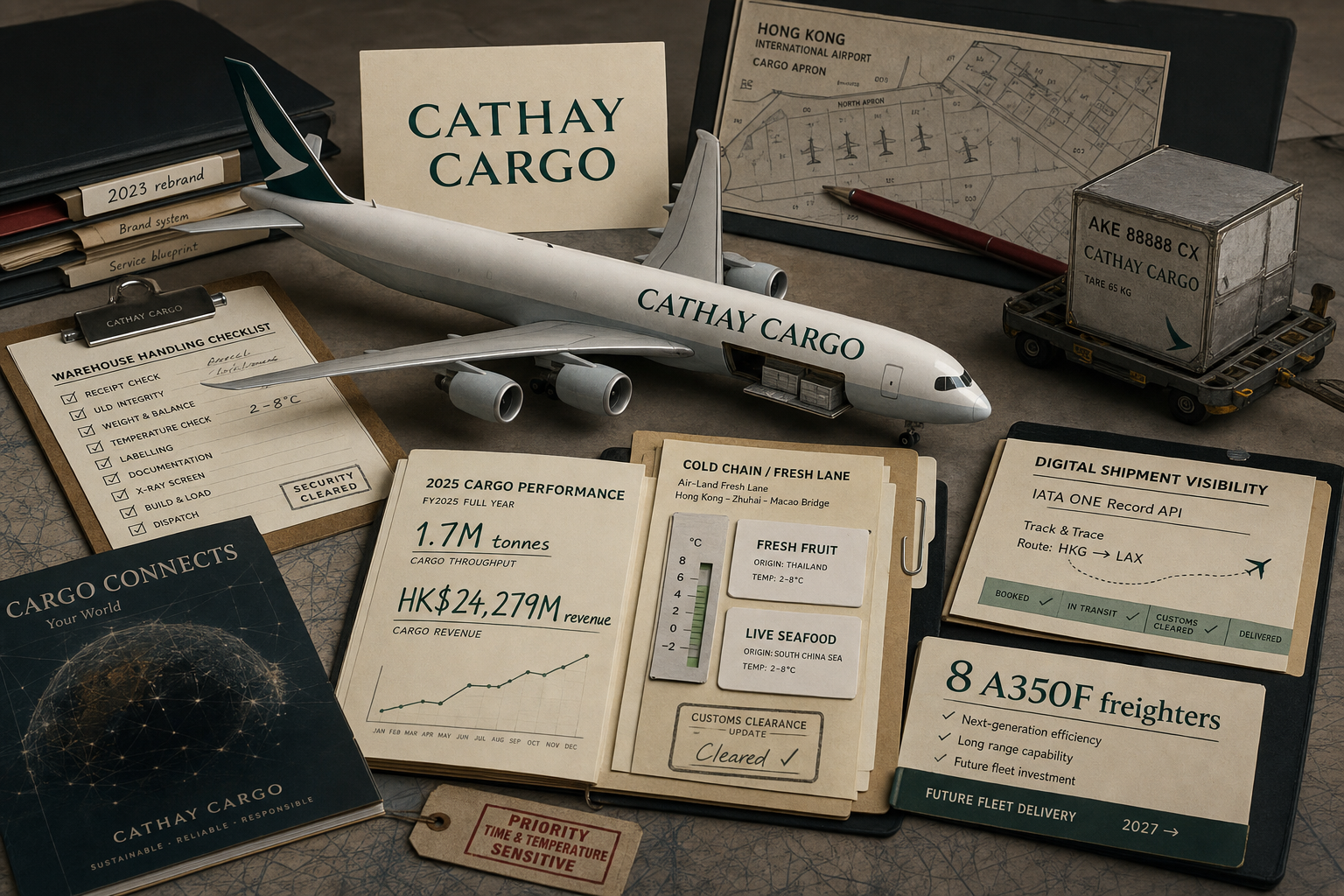
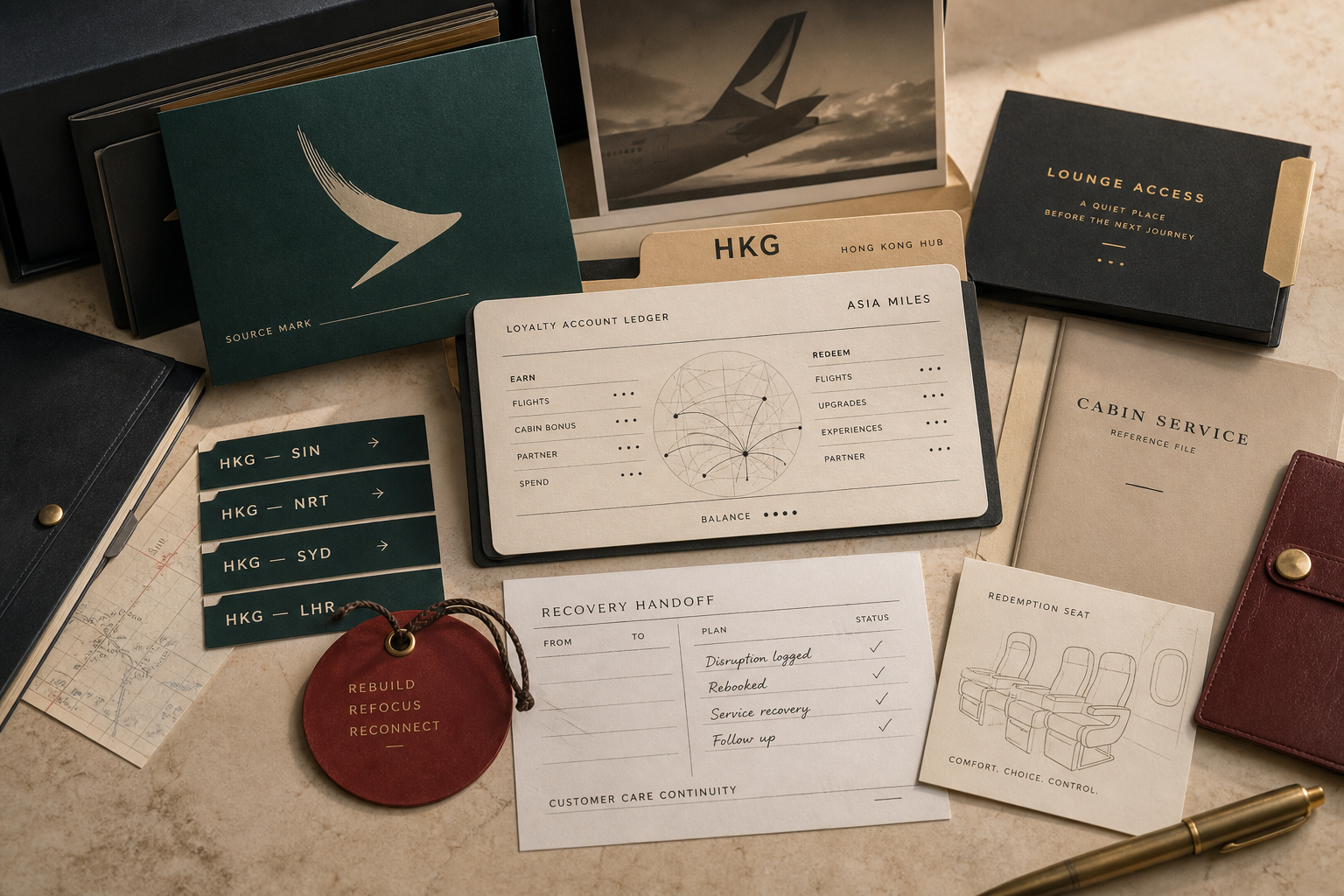
Cathay Cargo turned Hong Kong airfreight into a branded operating system by joining freighter capacity, terminal handling, specialist cargo products, shipment visibility, and future A350F investment.
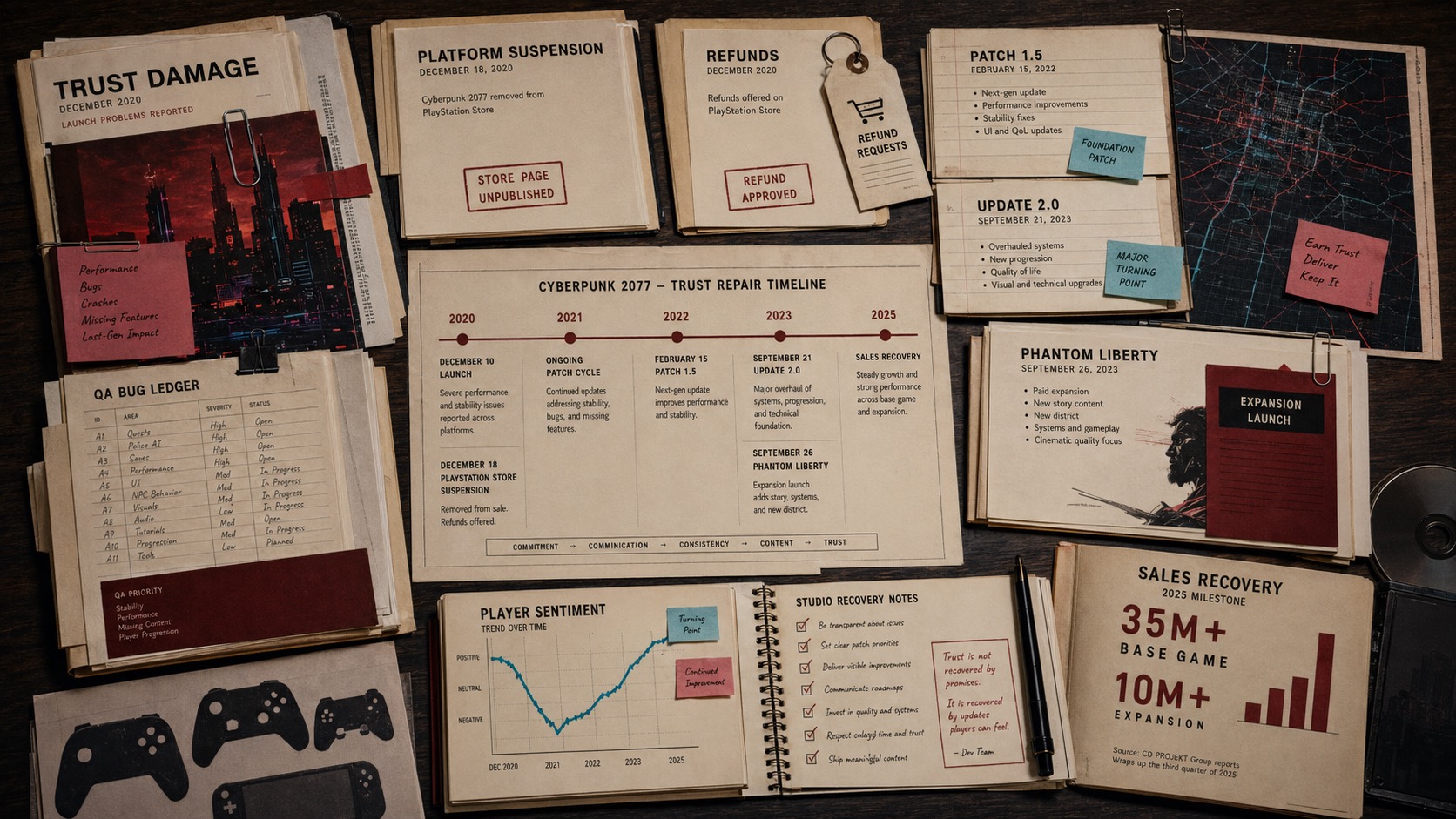
Cyberpunk 2077 damaged CD Projekt Red's fan-trust advantage at launch, then became a recovery case through refunds, public patch work, next-gen repair, Update 2.0, Phantom Liberty, and durable sales.
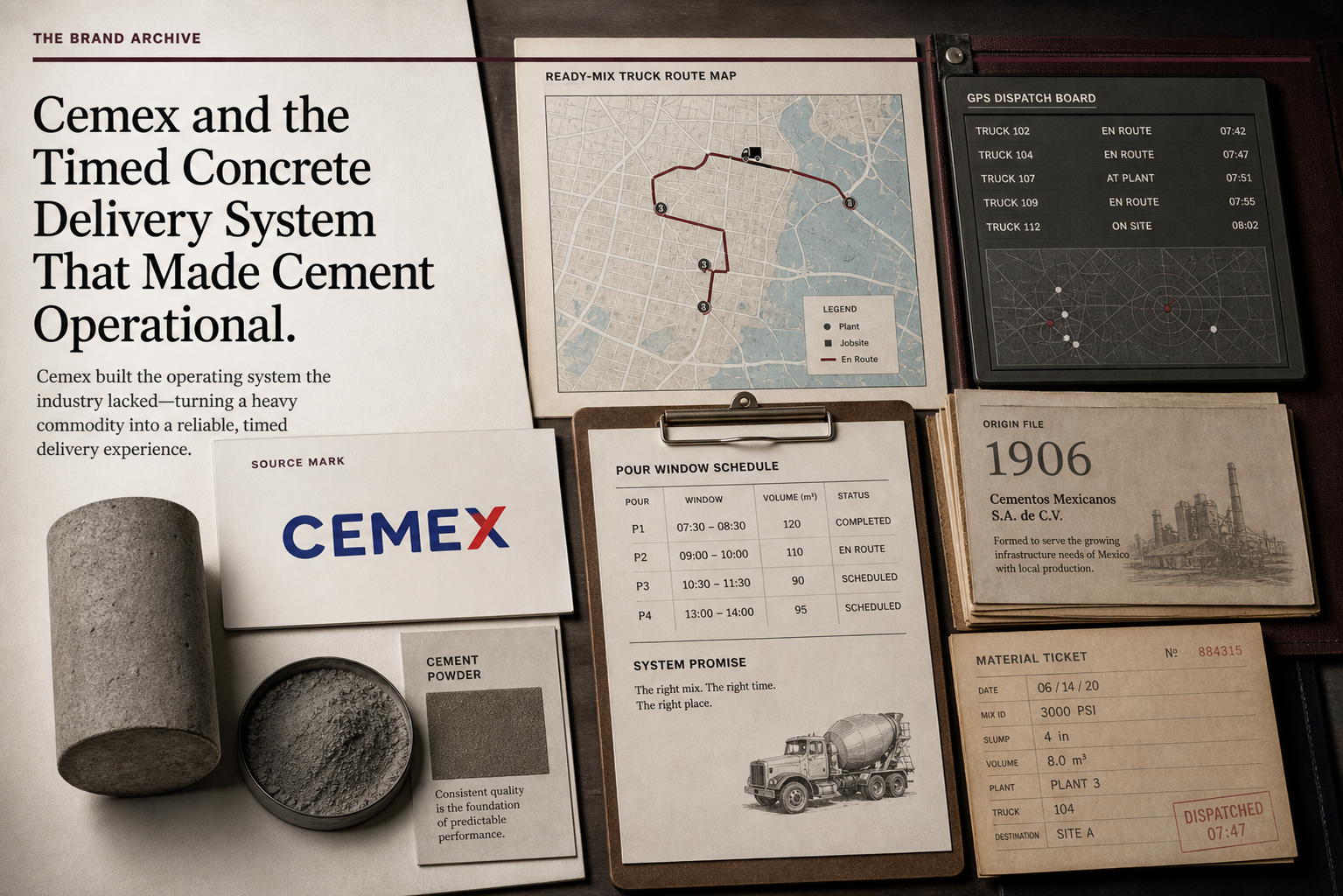
Cemex turned a heavy commodity into operational by joining cement supply, ready-mix delivery, dispatch control, jobsite timing, acquisition scale, and reliability language.
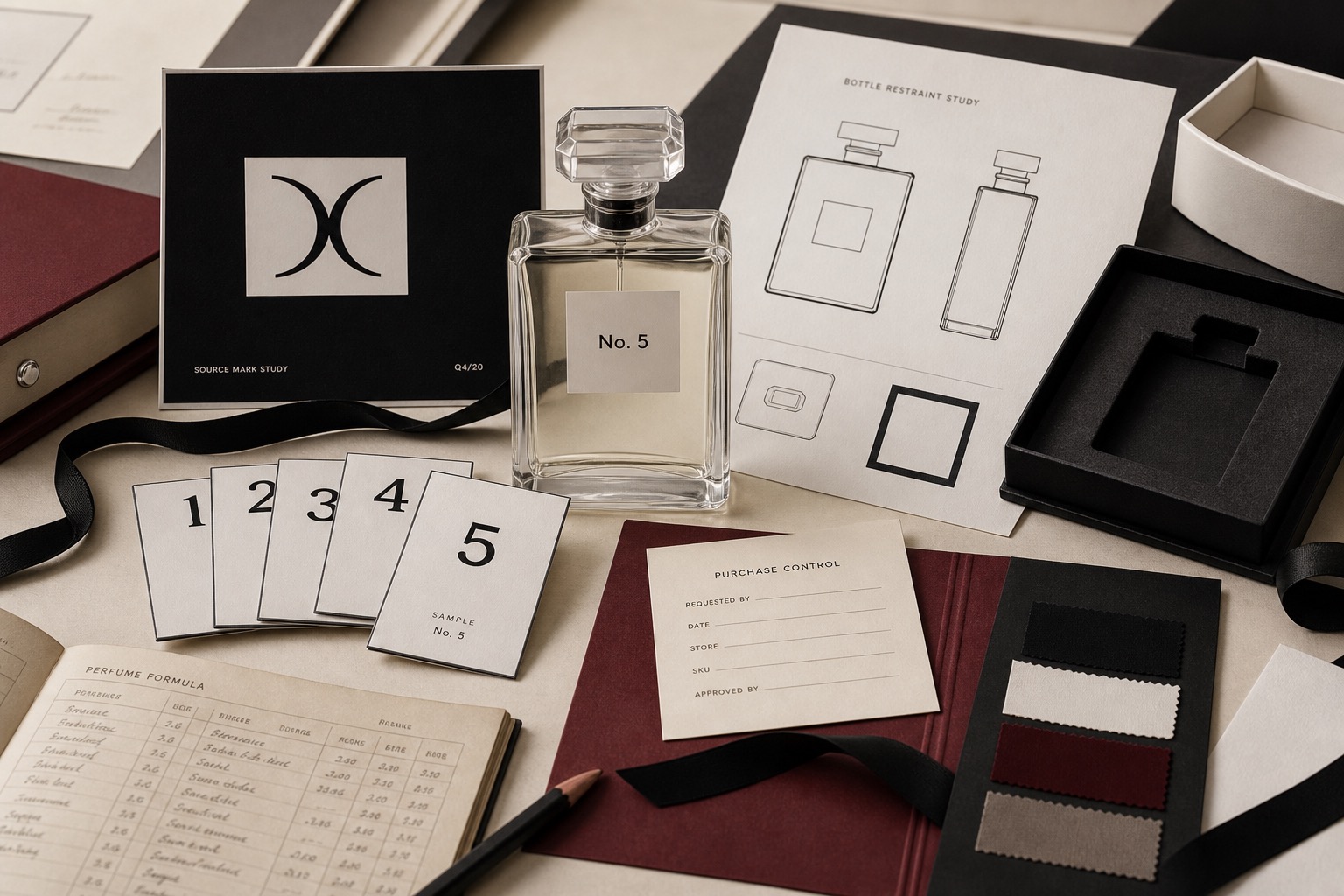
Chanel No. 5 turned luxury into controlled through a numbered name, spare bottle, white label, black-and-white discipline, couture association, and retail ritual that let restraint carry the value signal.
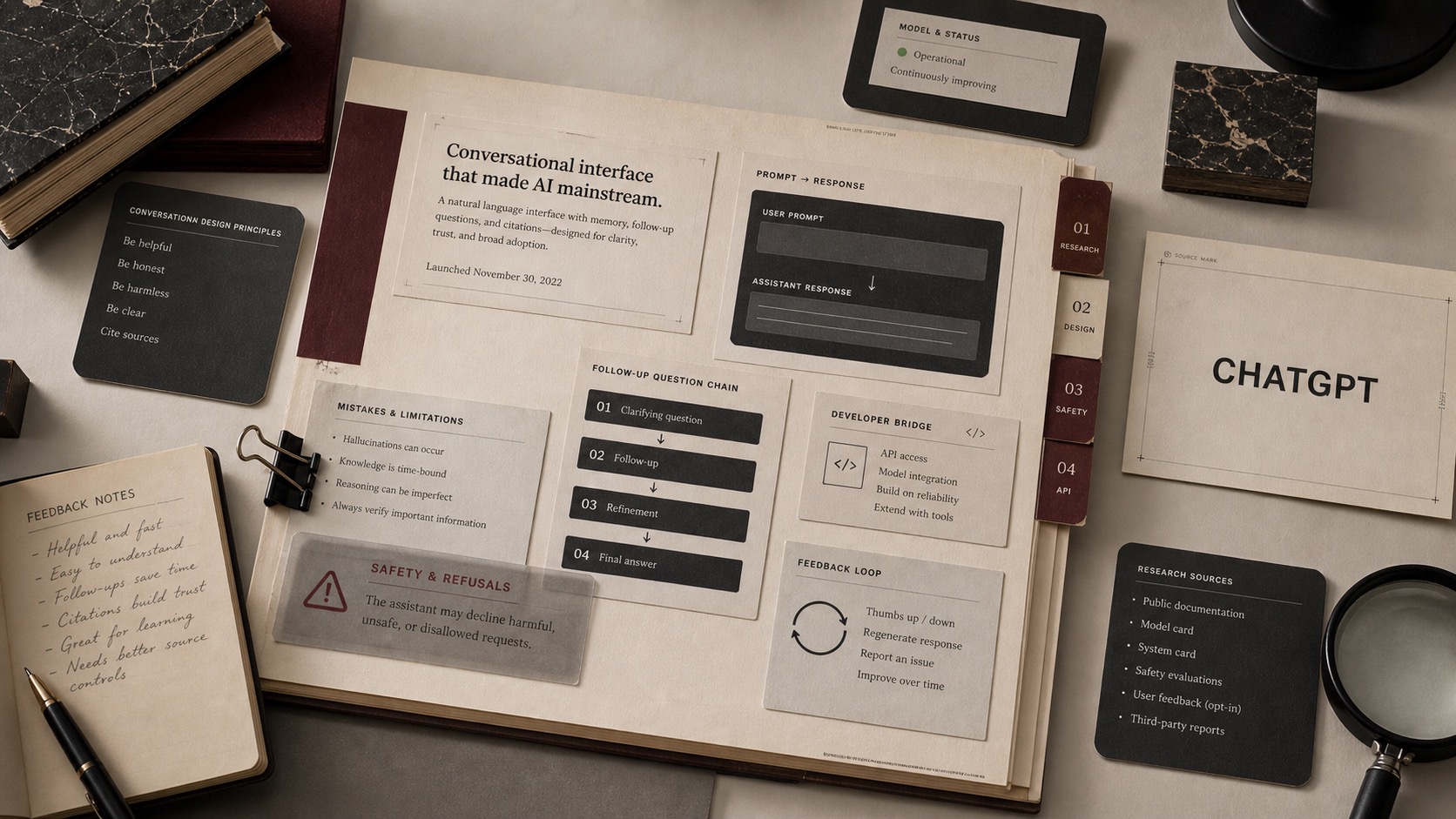
ChatGPT built generative AI mainstream by turning model capability into a simple conversational interface with follow-up questions, feedback, safety boundaries, and everyday utility.
Chevron's Power of Human Energy campaign tried to turn energy debate into a human problem, but the same warmth exposed the trust gap around fossil-fuel reputation advertising.
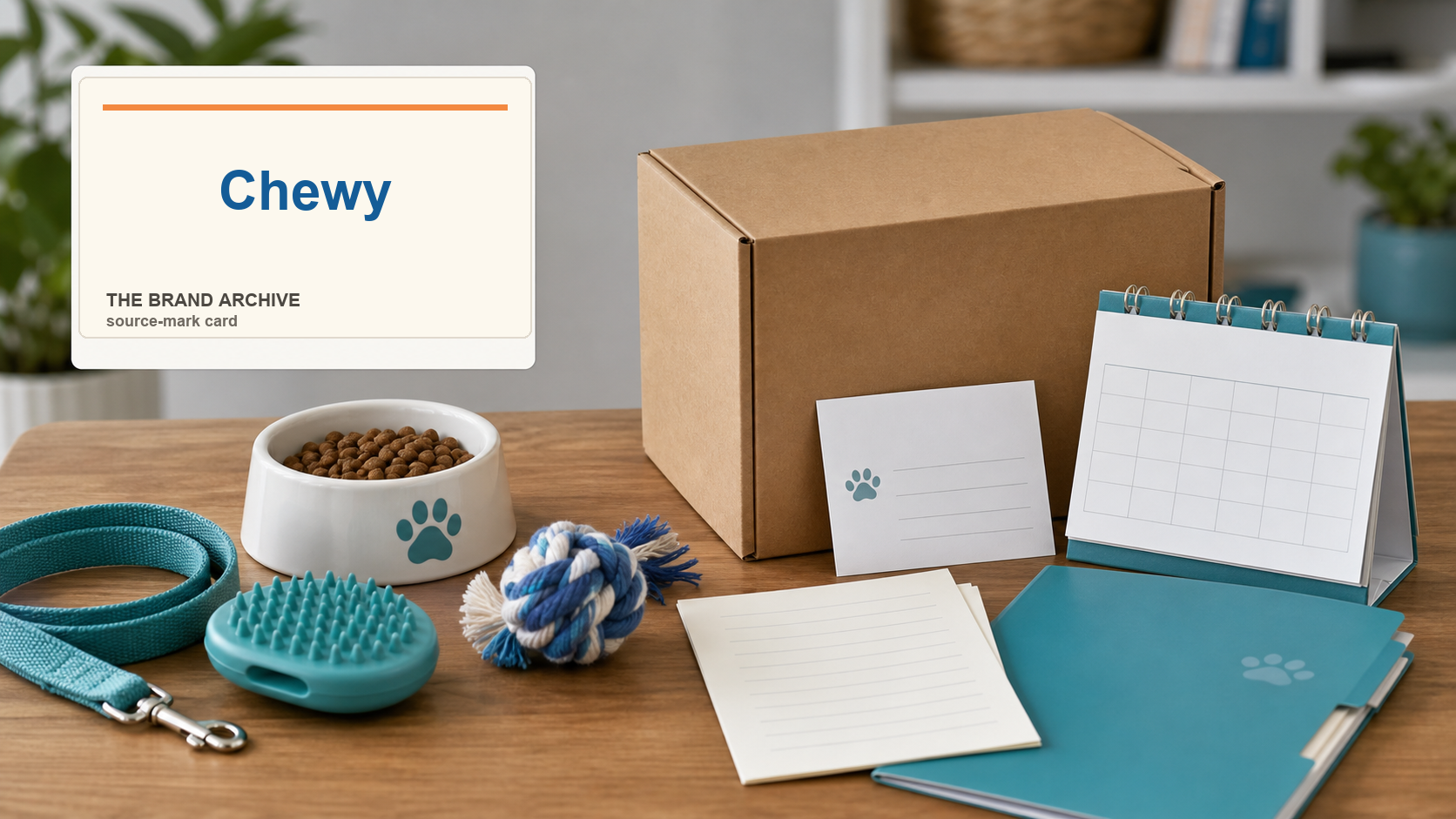
Chewy turned pet ecommerce into more dependable by joining autoship timing, wide assortment, customer service, pharmacy, reminders, delivery boxes, and emotional owner care into one repeat purchase system.
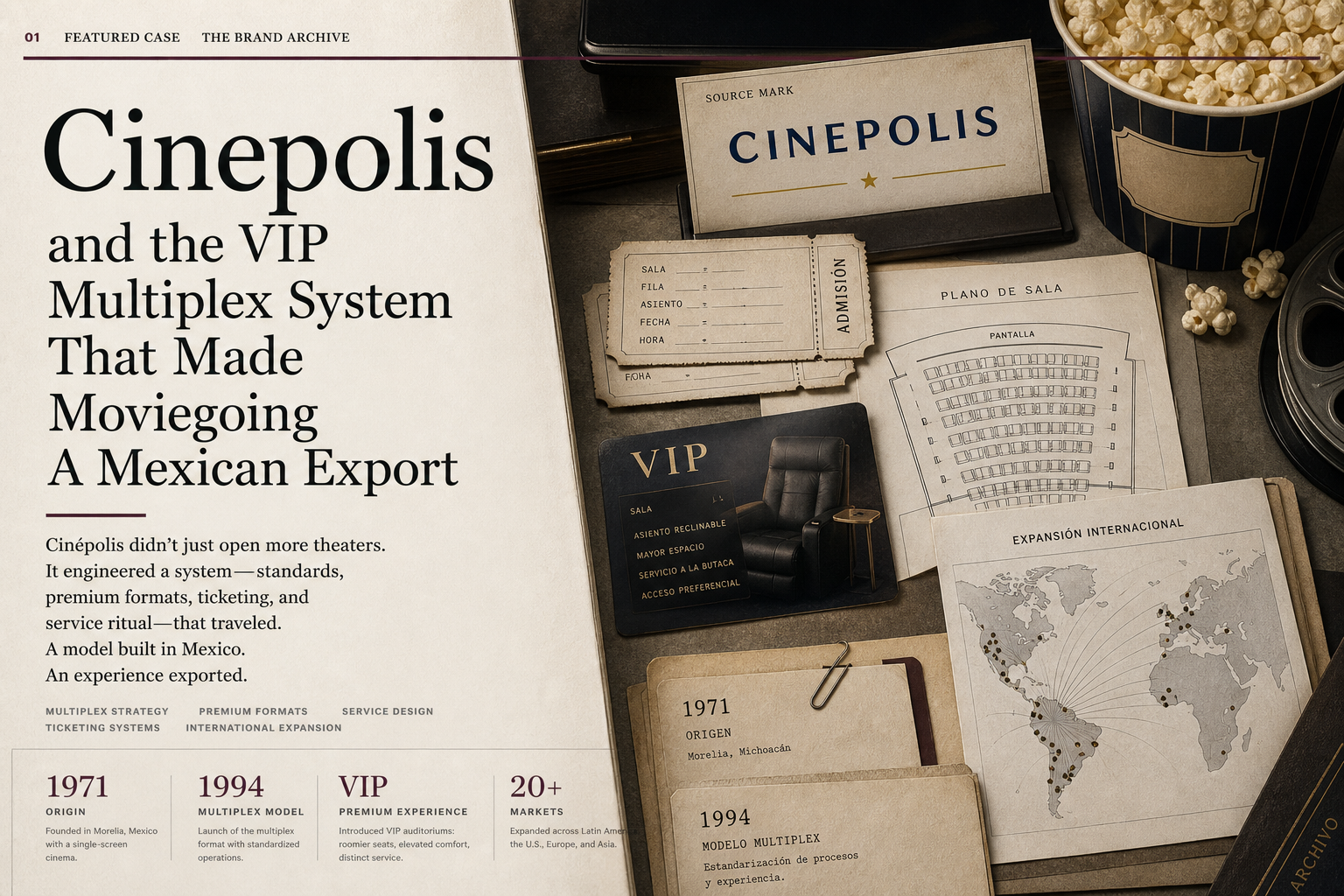
Cinépolis built moviegoing exportable by joining multiplex standards, VIP seating, ticketing, concession ritual, service format, expansion discipline, and cinema memory.
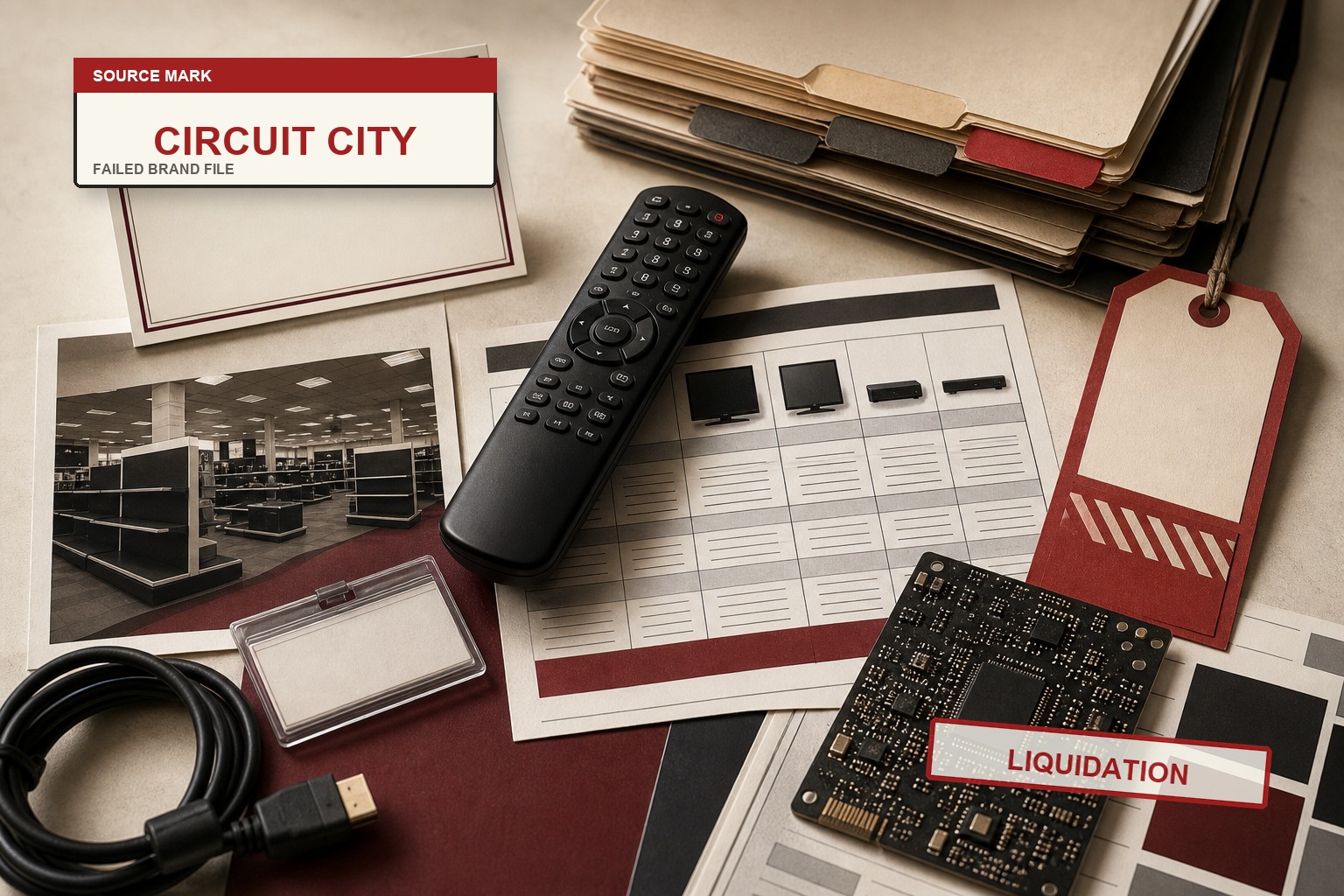
Circuit City once turned consumer electronics into like a dedicated comparison trip, then liquidated after weak execution, vendor pressure, store problems, and recession-era demand exposed a retail model losing ground to better operators and online research.
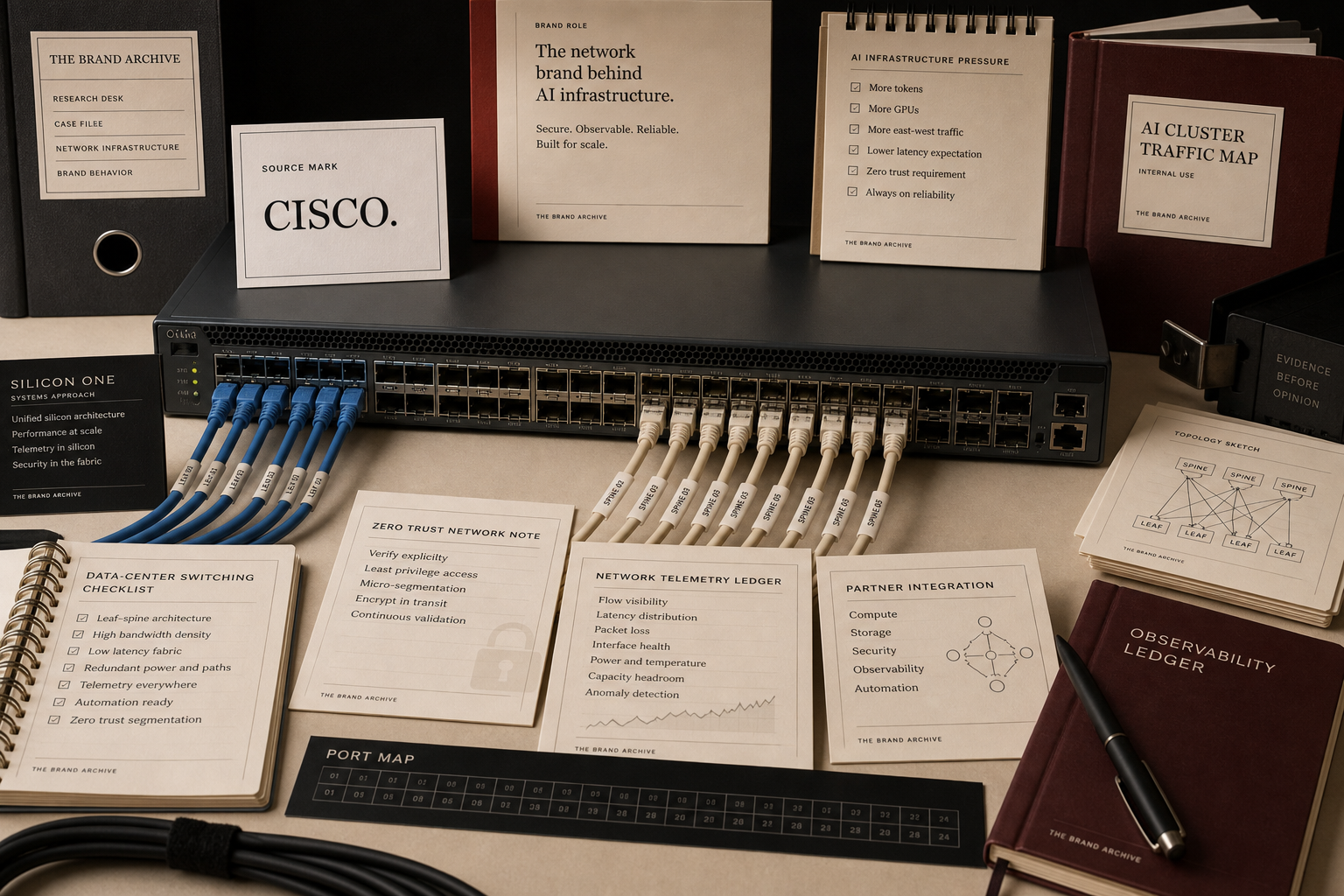
Cisco built trust around enterprise networks, switching, routing, security, observability, and the behind-the-scenes systems that have to carry more traffic when AI workloads grow.
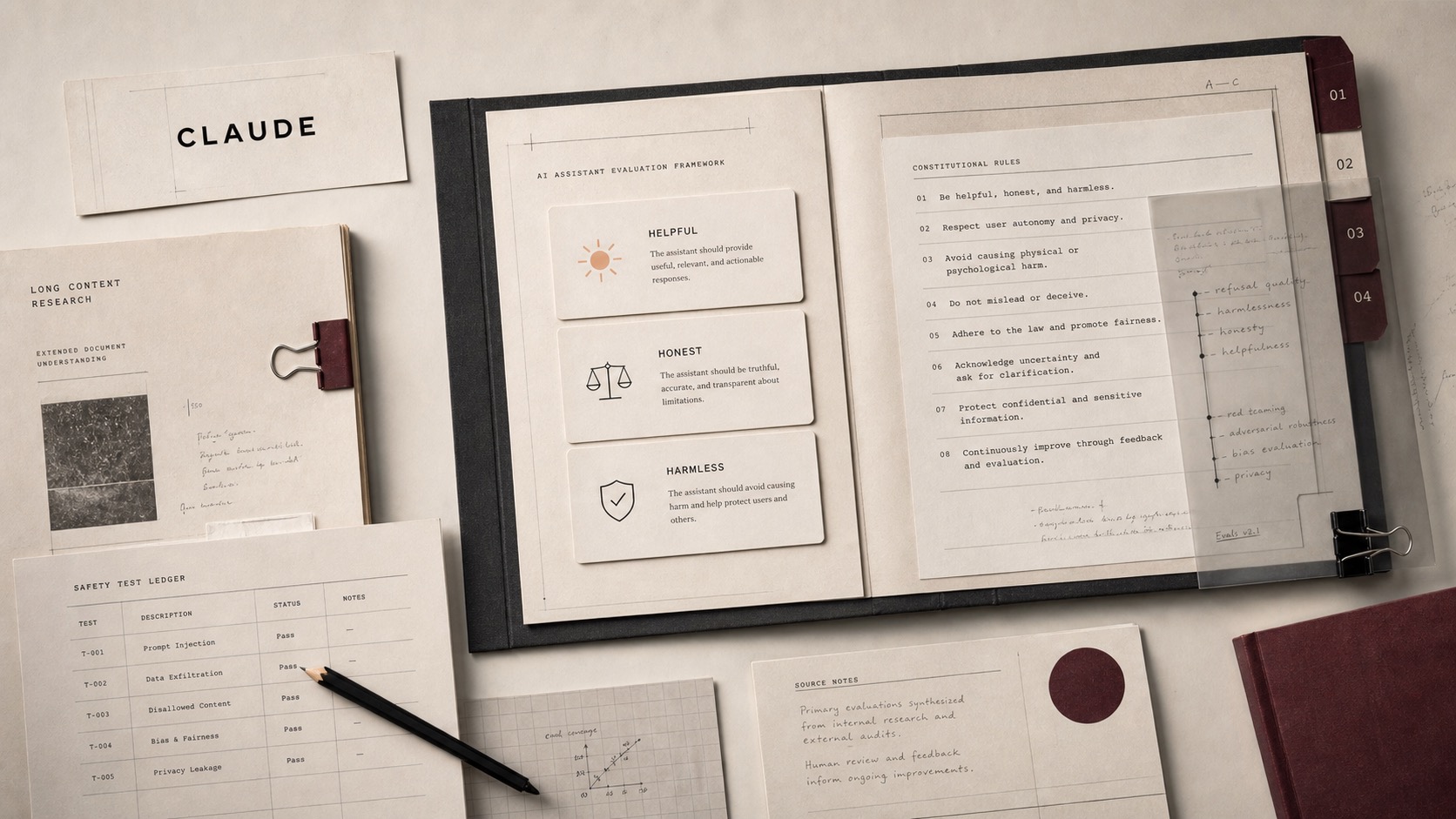
Claude turned Anthropic's safety positioning into an assistant brand by making helpfulness, honesty, harmlessness, long-context work, and enterprise trust feel like product attributes.
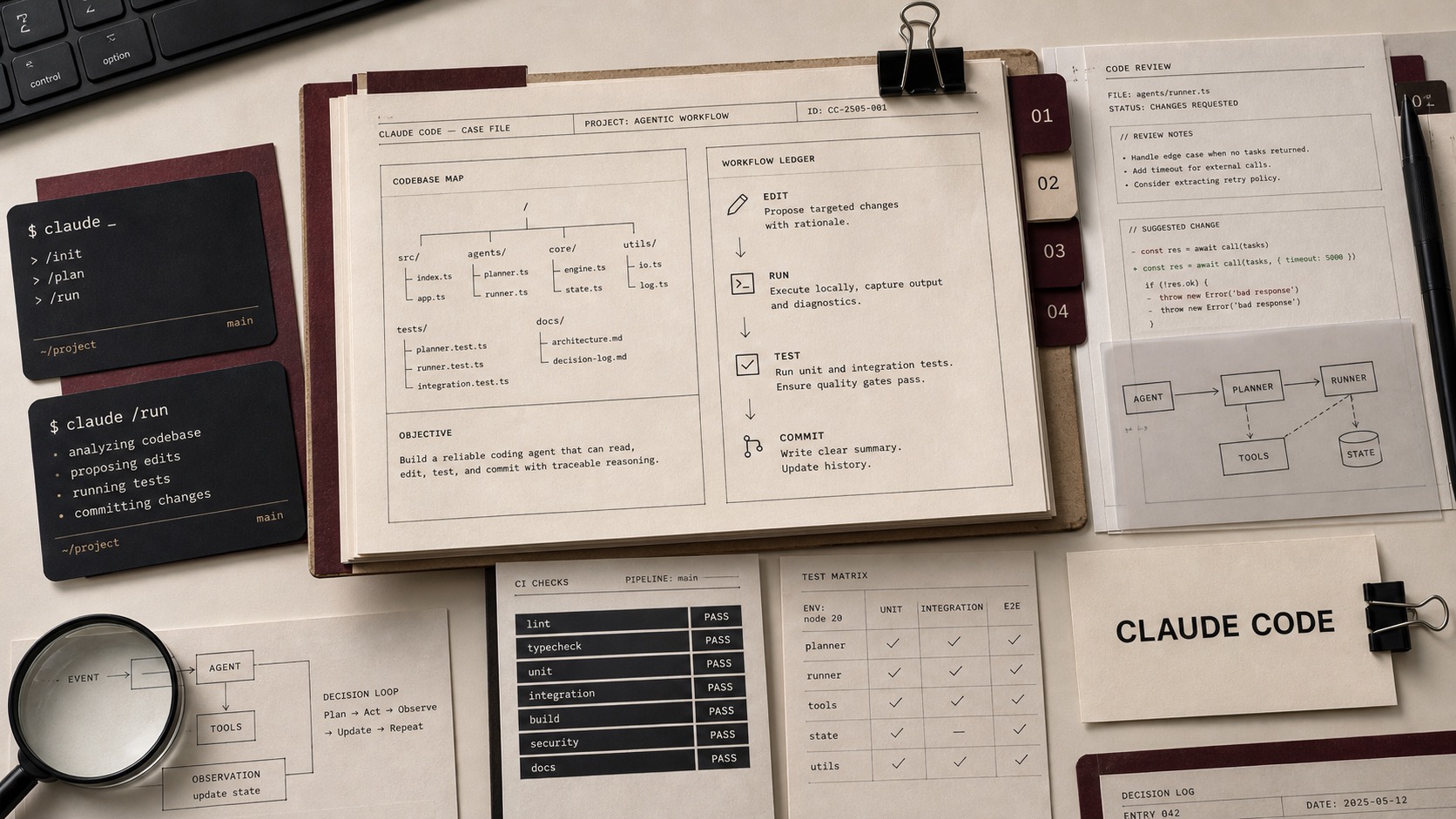
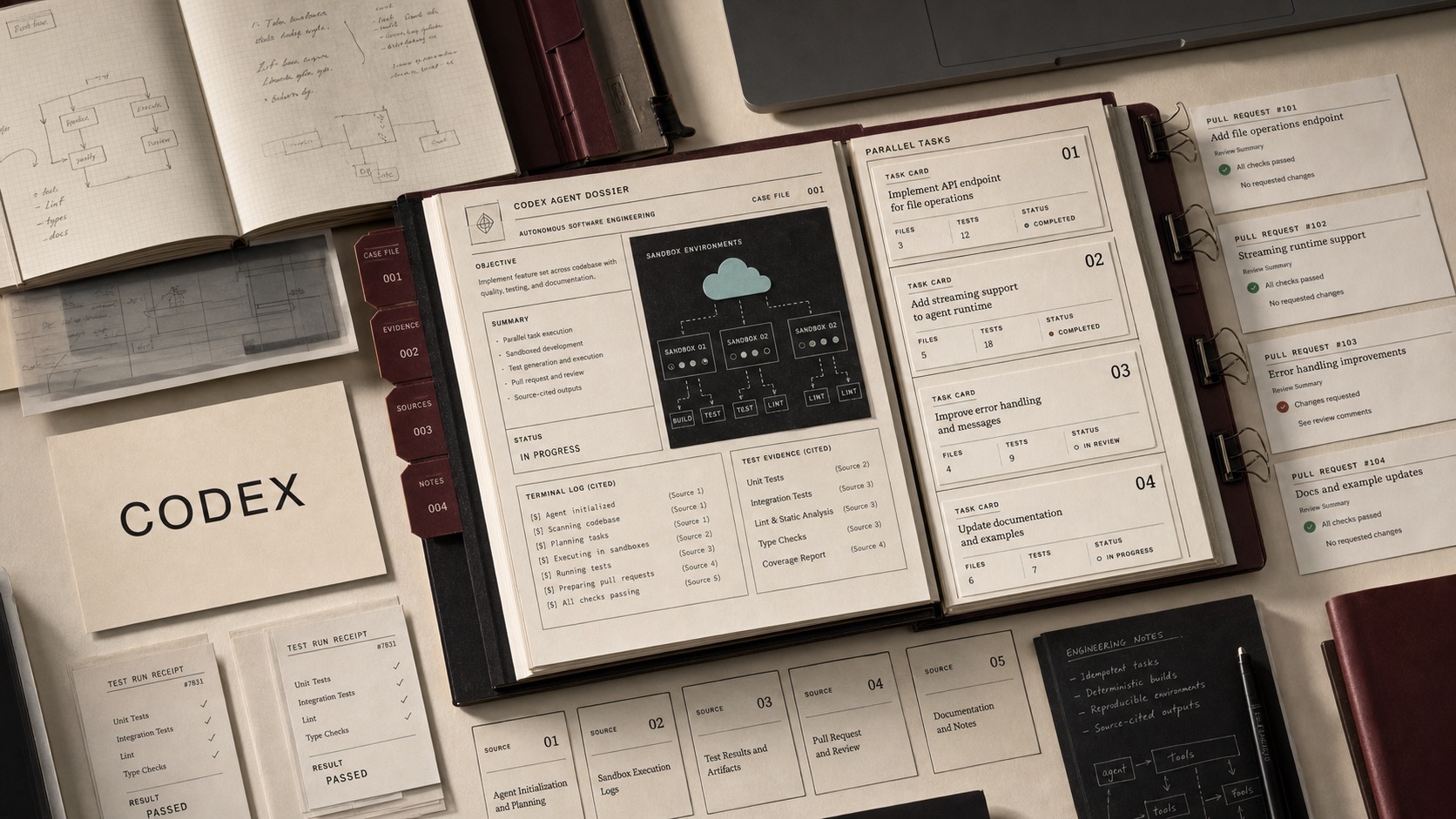
Claude Code moved Claude's assistant brand into the developer terminal, turning codebase reading, edits, tests, commits, and workflow memory into an agentic coding product.
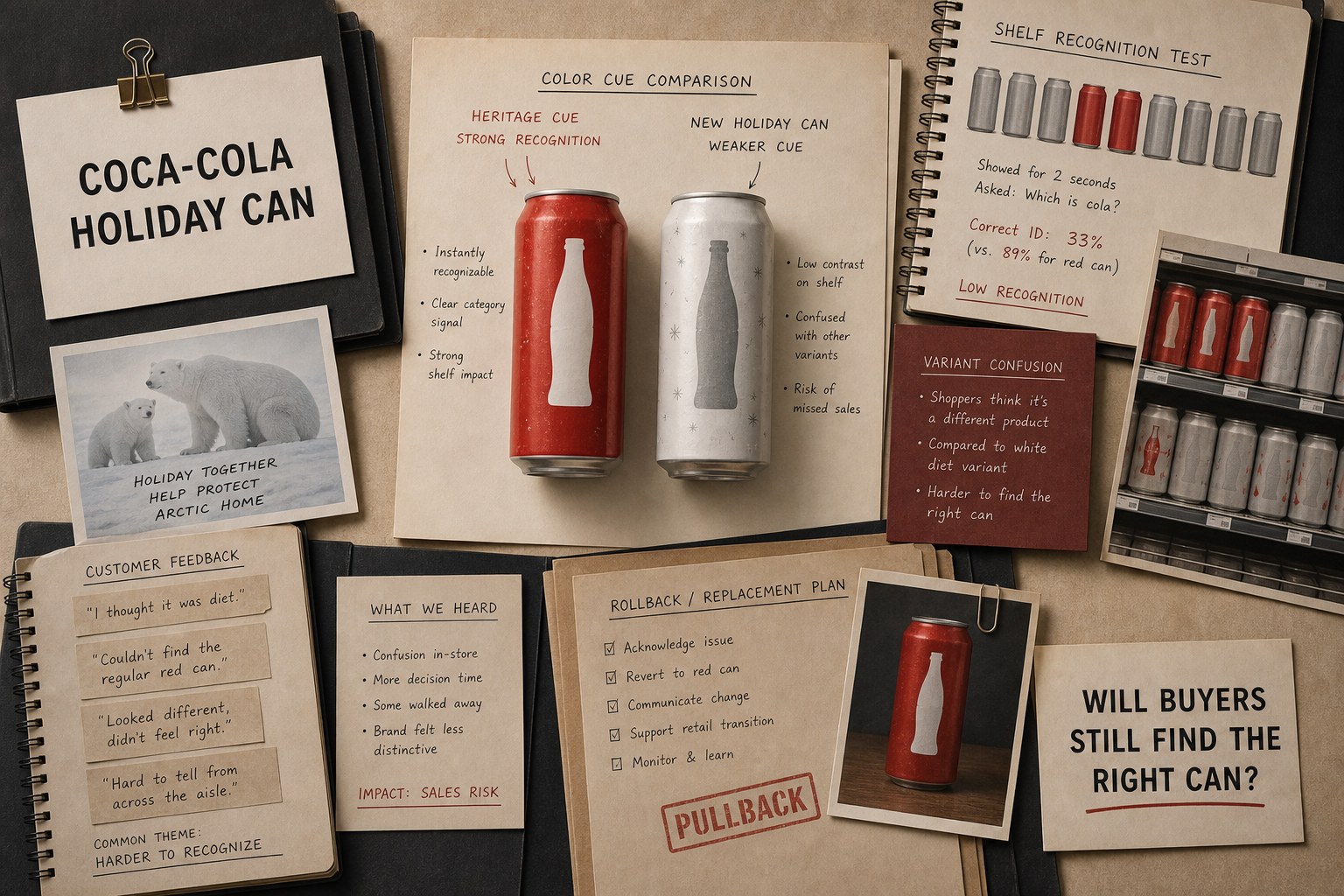
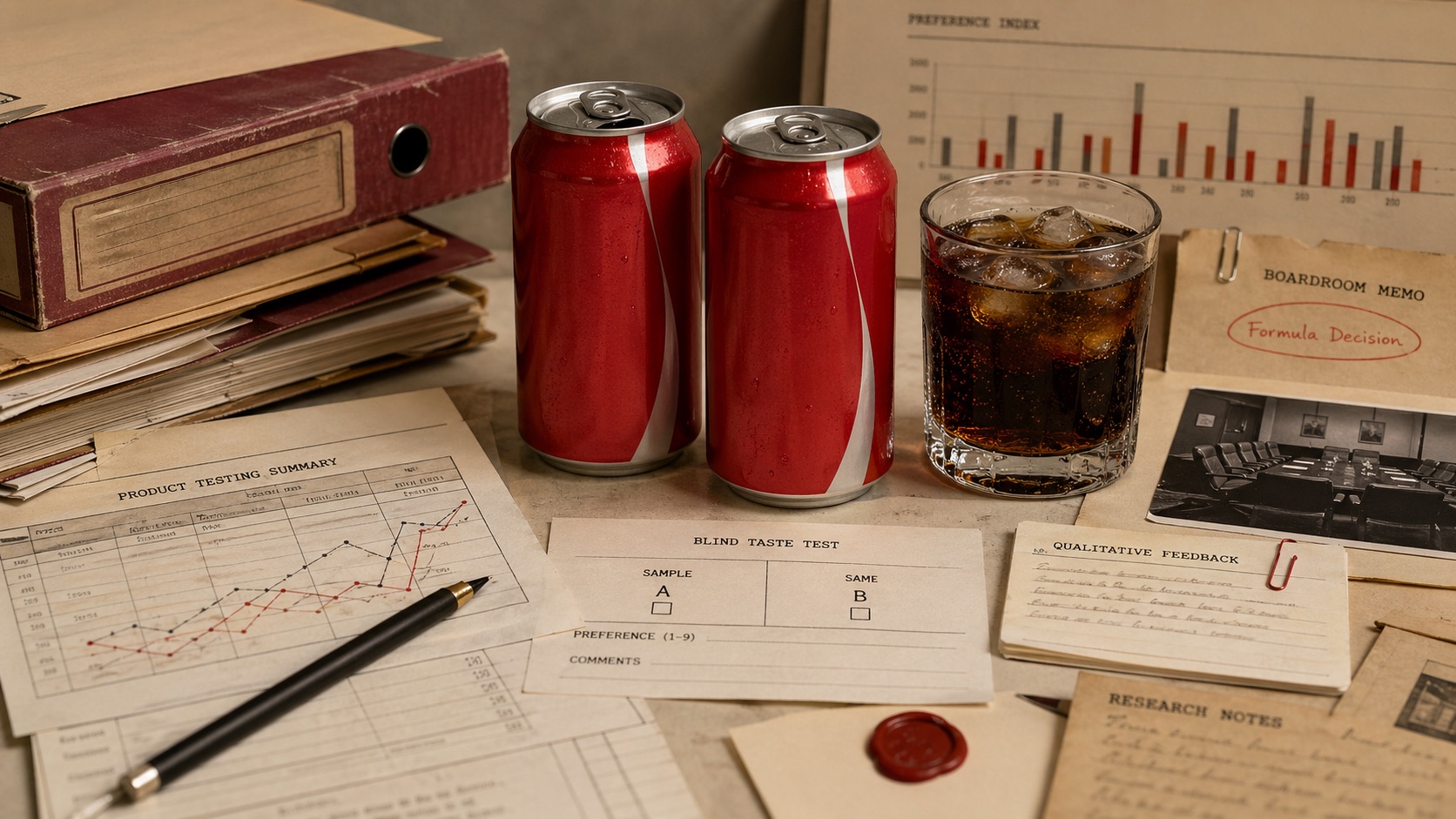
Coca-Cola's white holiday can showed why packaging color is not seasonal decoration when buyers use the color to separate the original product from nearby variants.
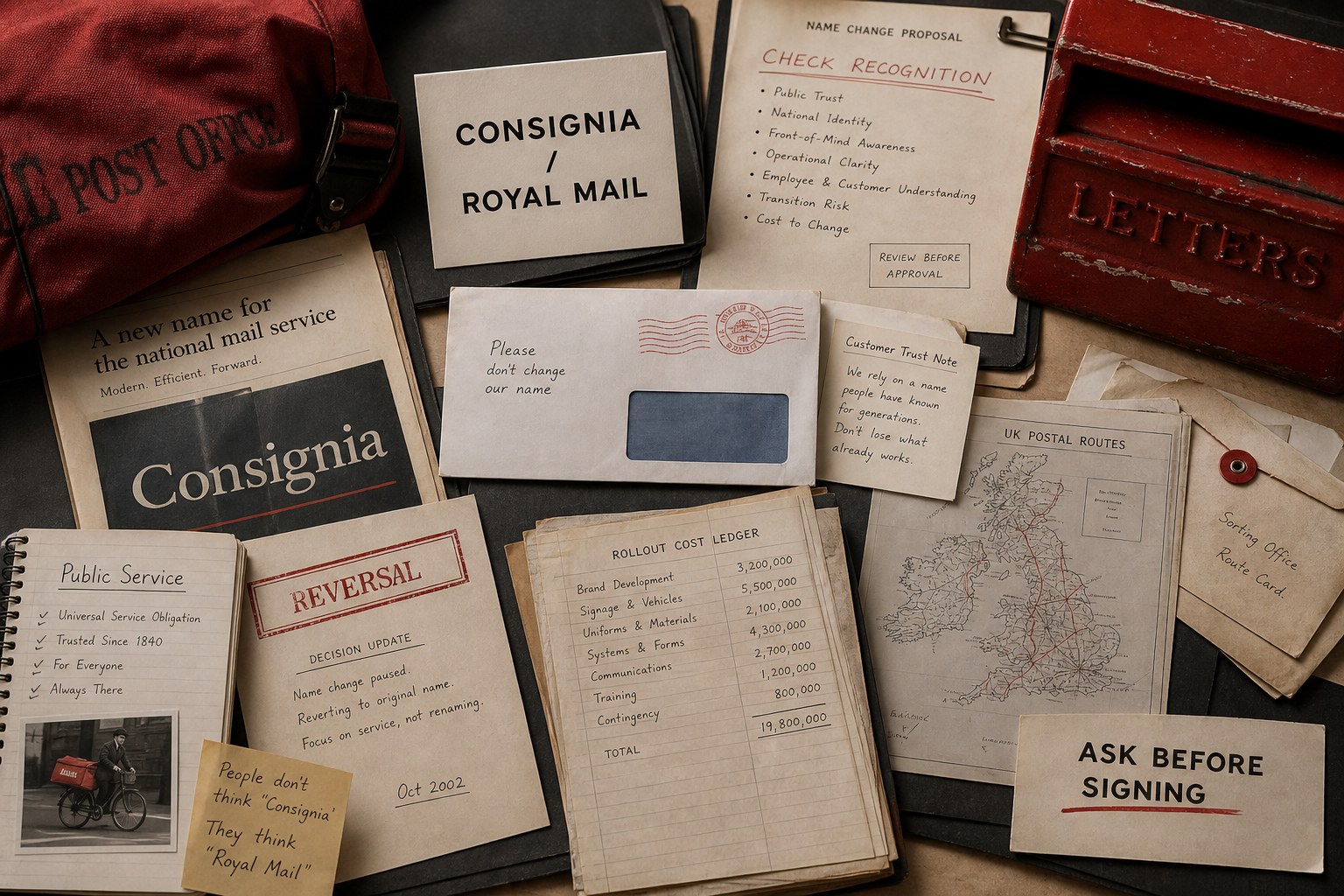
The Consignia rename failed because a public-service brand approved a new corporate name before proving that recognition, trust, employee use, and customer language would move with it.
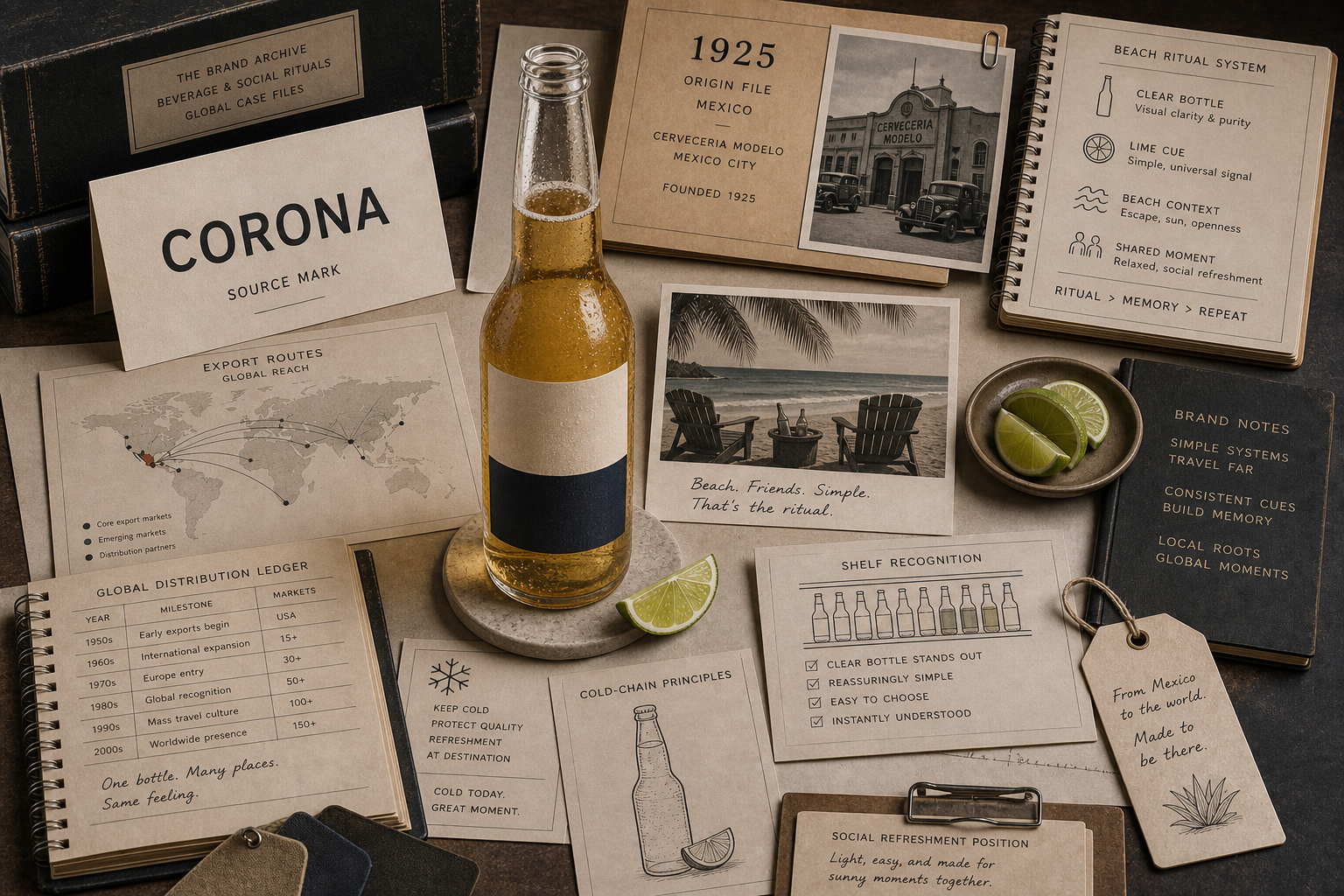
Corona built Mexican beer travel by joining the clear bottle, lime ritual, beach imagery, export distribution, relaxed pacing, and a simple vacation-in-hand recognition system.
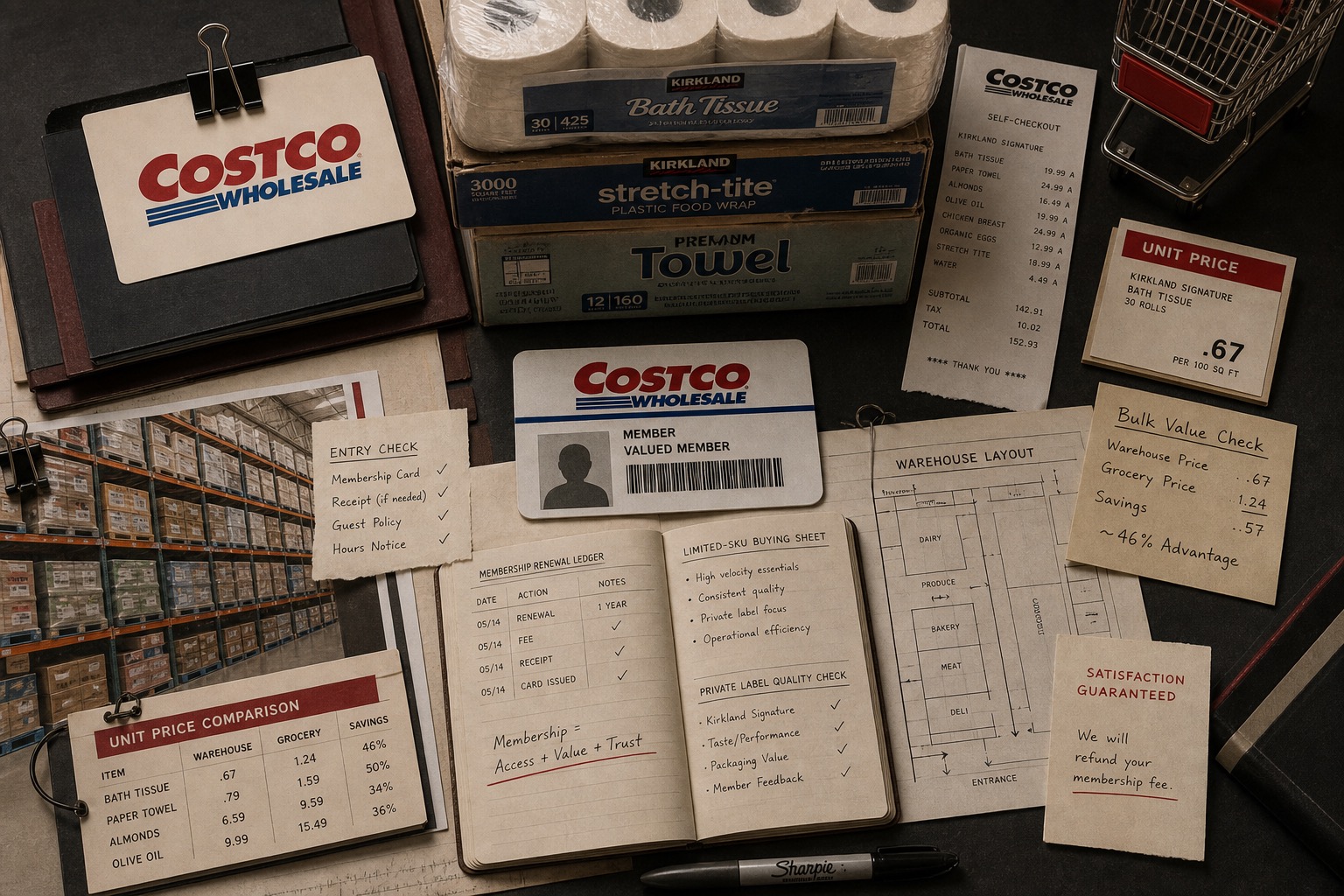
Costco built warehouse retail trustworthy by tying membership, limited selection, bulk value, private-label confidence, receipt checks, and operational discipline into one repeatable value system.