Grow Your Brand is a source-cited reference index for brand failures, rebrands, comebacks, launches, pivots, disasters, active brands, and failed brands. Each case is organized by decision type, year, status, consequence, and comparable pattern.
Reader Use
Use Grow Your Brand when...
You know the decision type but not the brand case yet.
You need a source-cited example for a concept hub, guide page, lesson, or comparison.
You want to separate a bad decision from a terminal failed-brand status.
You are looking for cases that can prove recognition, trust, rebrand, ecommerce, salience, or strategy patterns.
Pattern Map
Signal patterns by decision type
Use the page by pattern first. The case list comes after the reader knows what to compare.
Pattern
What to compare
Cases to inspect
Brand System
213 filed cases in this lane. Compare the consequence before comparing brand size.
Mastercard's move to a wordless symbol worked because the interlocking circles had already accumulated enough global payment memory to carry acceptance, trust, and network recognition on...
Wordless identity only works after memory has been earned.
The redesign case sits at the center of recognition equity: when the asset is visual memory, improvement starts by protecting the cue shoppers already use.
The decision lesson is procedural: identify the visual elements that carry retrieval before judging what looks current.
Amazon is the brand-scale case for turning retail selection, Prime delivery, marketplace trust, review behavior, returns, seller tools, and AWS infrastructure into one repeated operating...
Brand Failures are decision patterns. Failed Brands are terminal outcomes. The split keeps a bad decision by an operating company from being confused with a brand whose original public business has ended.
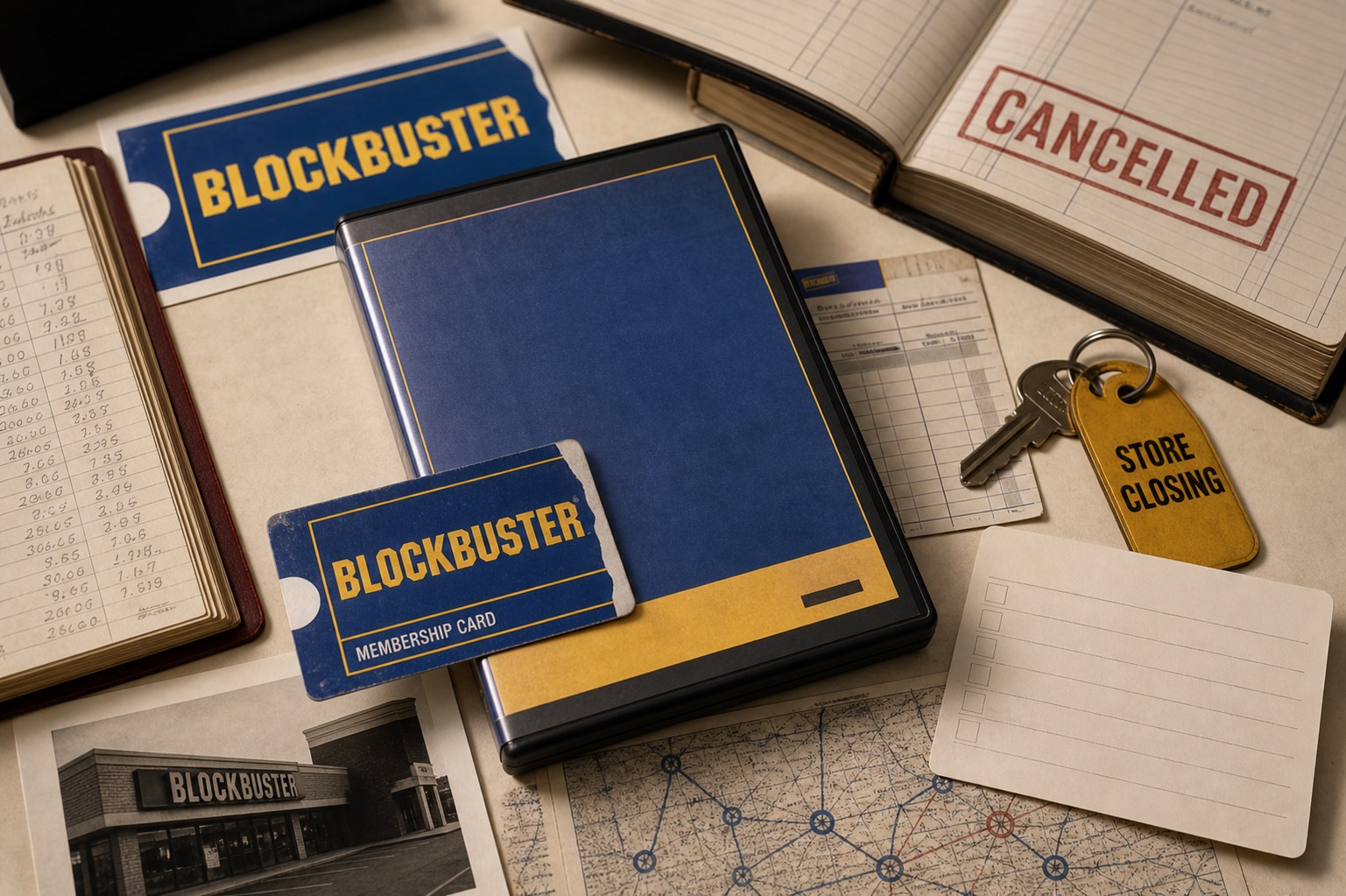
Blockbuster is the rental-habit failure case for tracing how late fees, store trips, inventory limits, Netflix competition, streaming convenience, and bankruptcy changed the customer's default entertainment path.
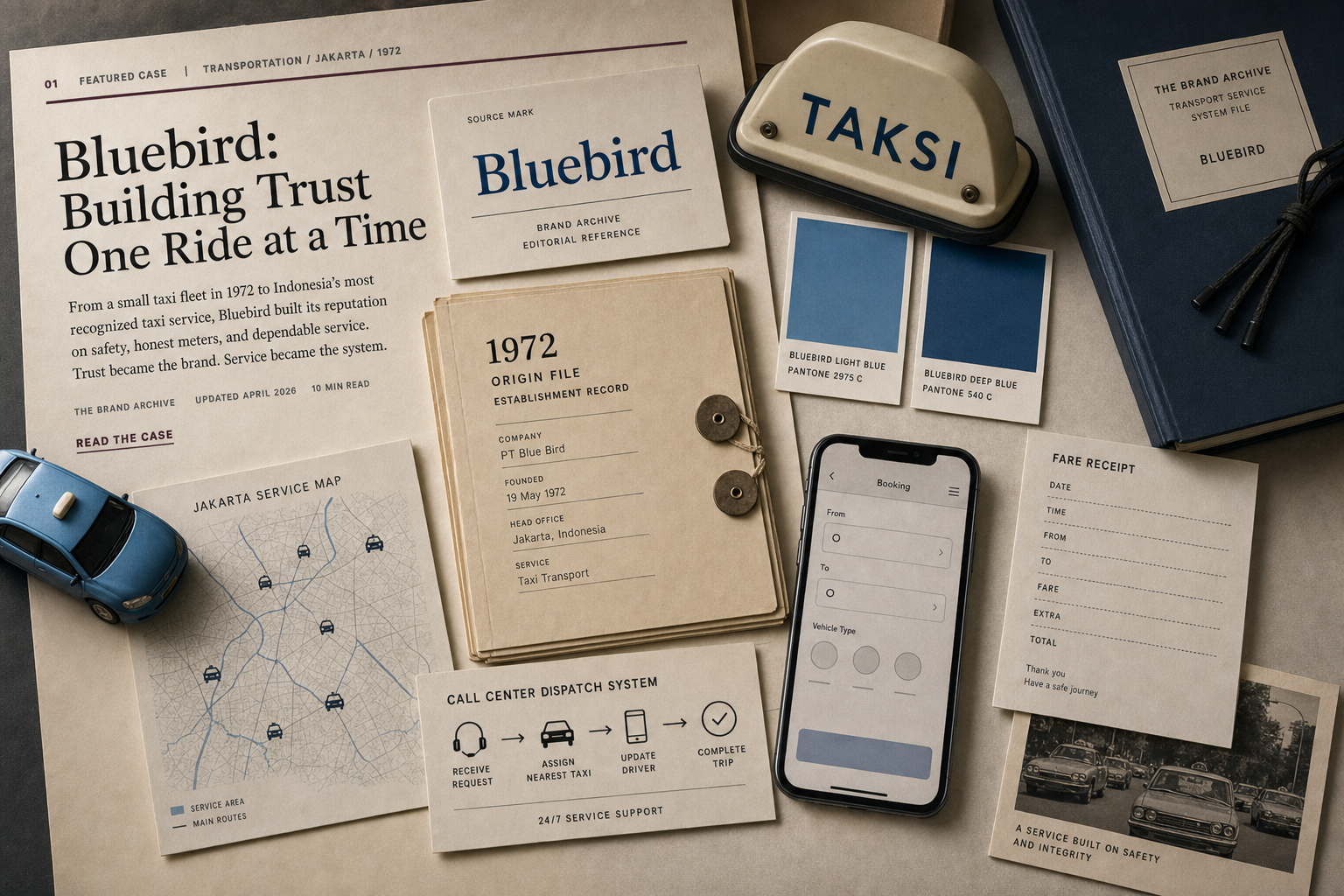
Bluebird is the taxi-trust case for connecting light-blue vehicle recognition, meters, dispatch, driver standards, receipts, app booking, and Indonesian street-level accountability.
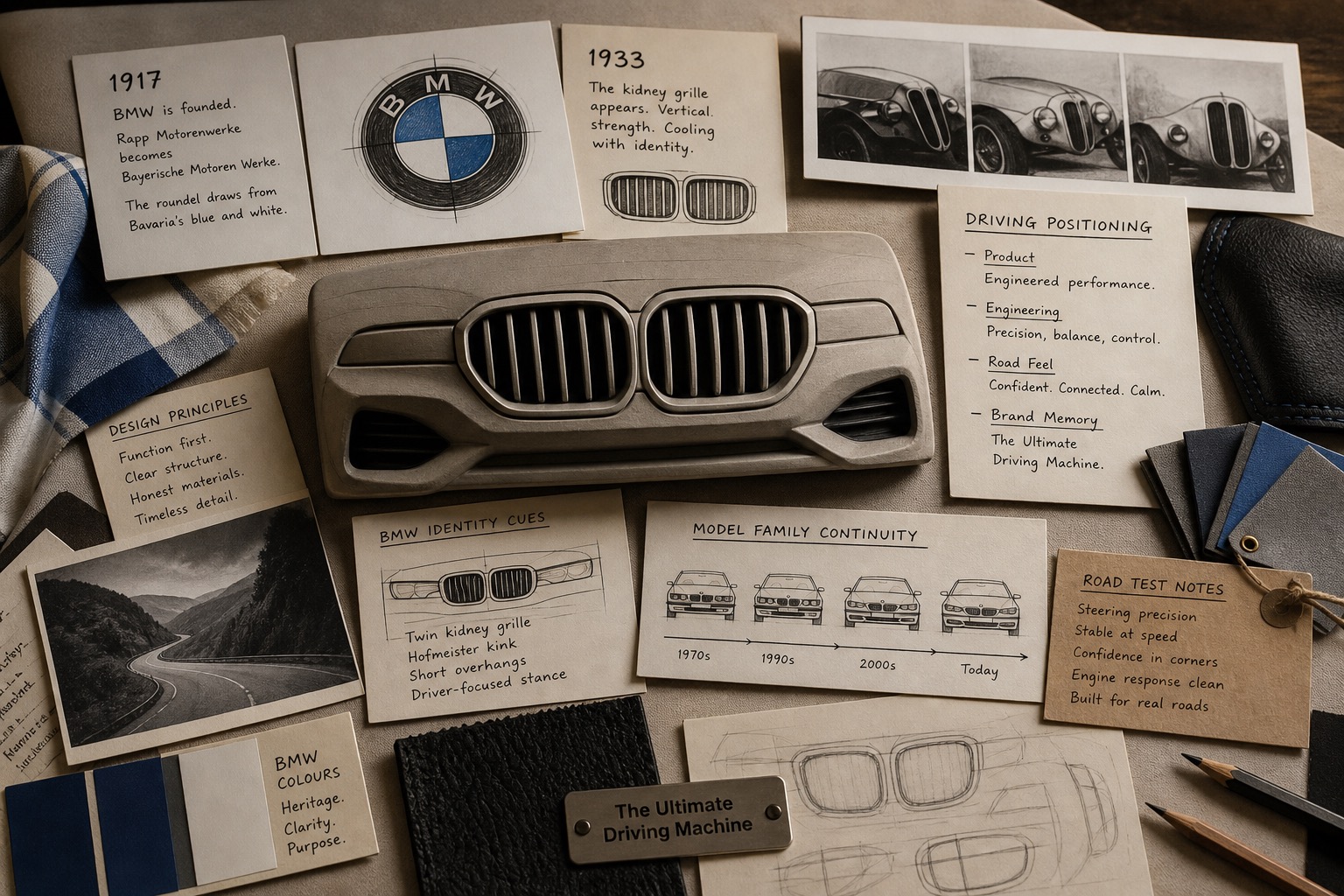
BMW is the driving-identity case for linking the kidney grille, roundel memory, model range, performance promise, electric transition, and controversial design change.
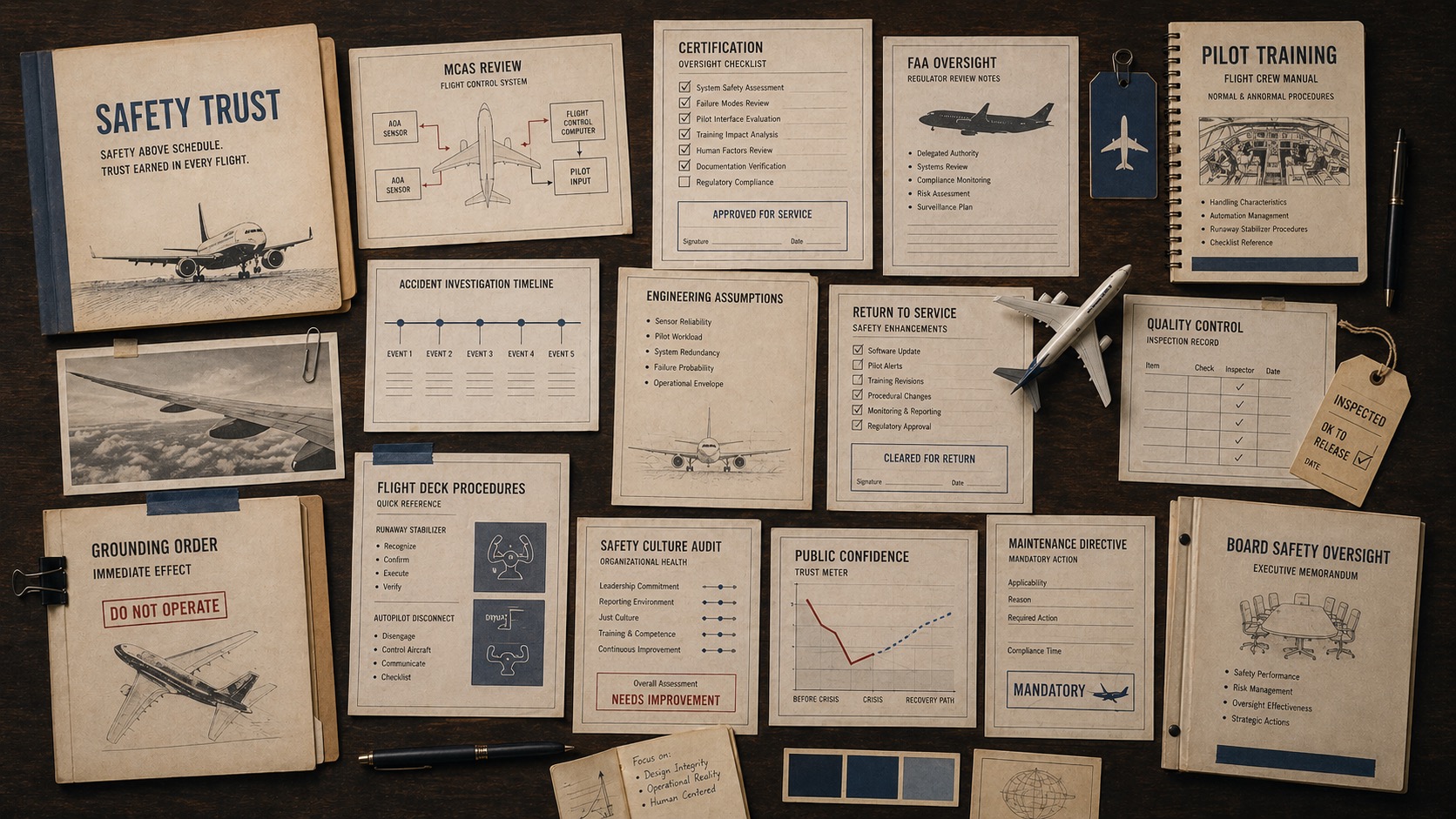
Boeing 737 MAX is the safety-trust disaster case for reading certification, MCAS, crashes, grounding, congressional scrutiny, production pressure, and public repair against the brand's core promise.
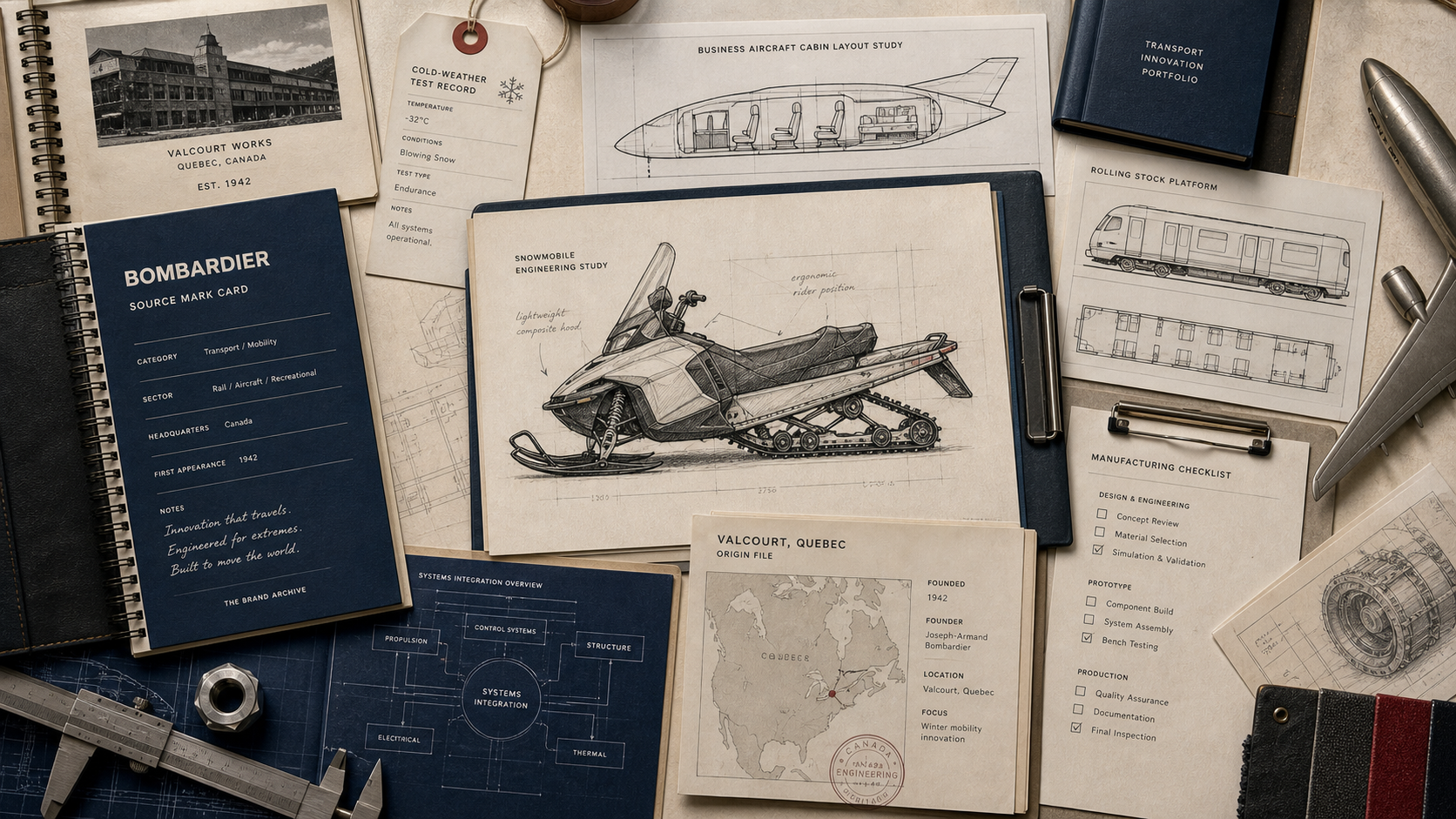
Bombardier is the mobility-engineering case for connecting snow-vehicle origin, Quebec engineering, business aircraft, manufacturing discipline, service, and category stretch.
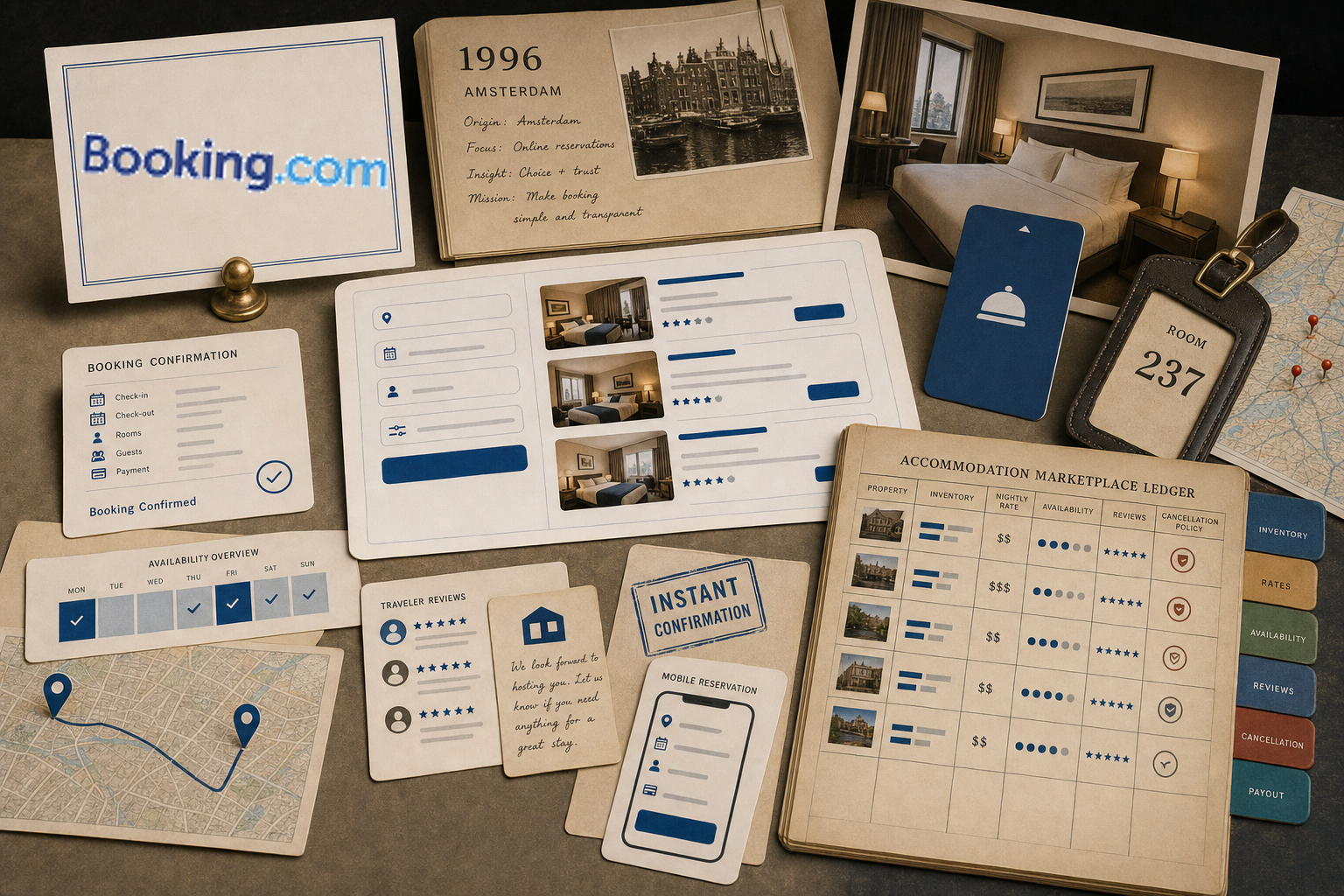
Booking.com is the travel-marketplace trust case for connecting lodging search, filters, reviews, availability, cancellation rules, payments, partner supply, and trip confirmation.
Borders is the bookstore-chain failure case for reading big-box discovery, inventory depth, Amazon pressure, e-commerce delay, e-reader change, debt, and liquidation.
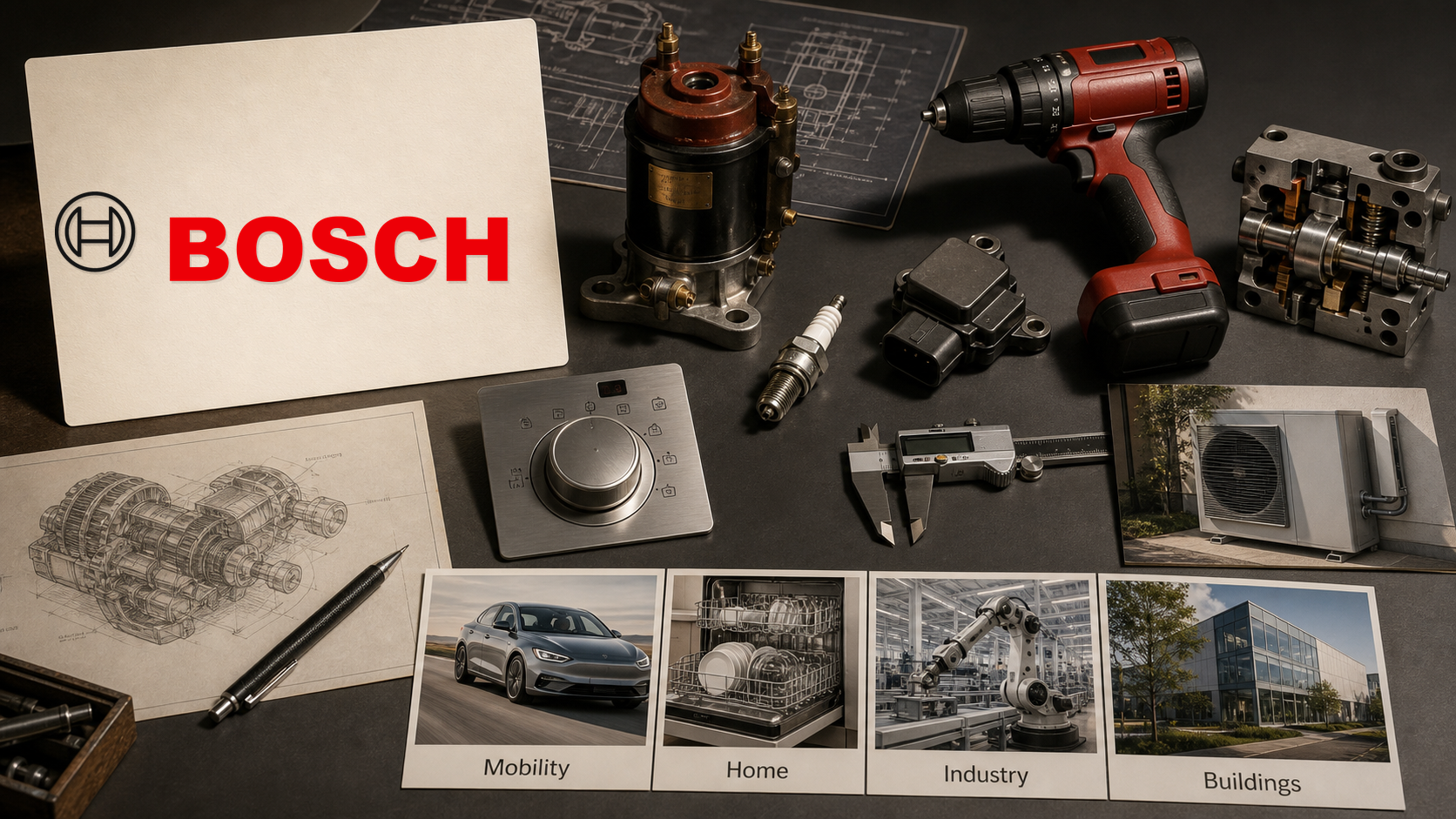
Bosch is the engineering-trust case for connecting automotive components, appliances, power tools, industrial technology, service, and precision across everyday products.
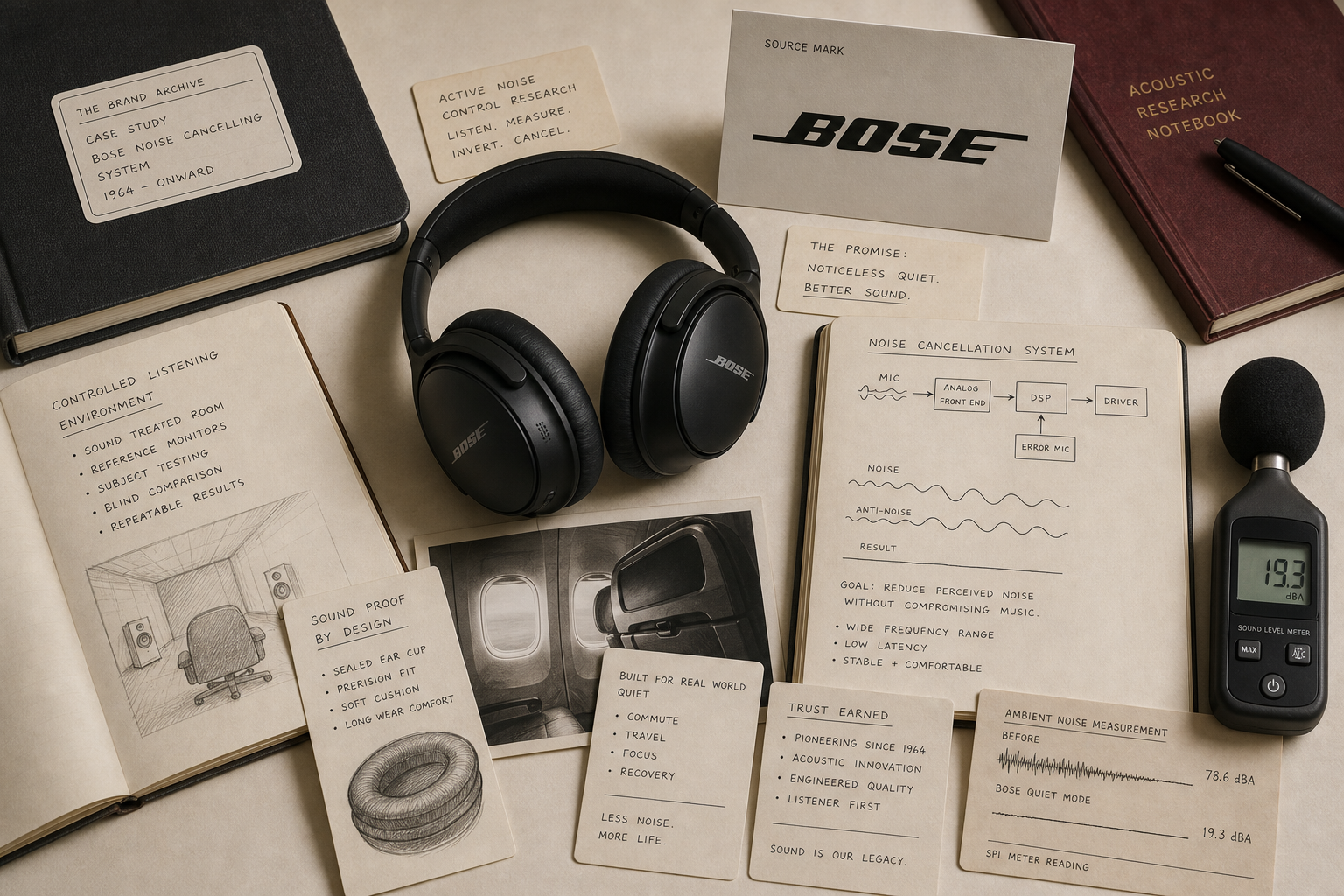
Bose is the quiet-audio trust case for connecting noise cancelling, headphones, speakers, research credibility, product demos, support, and premium listening control.
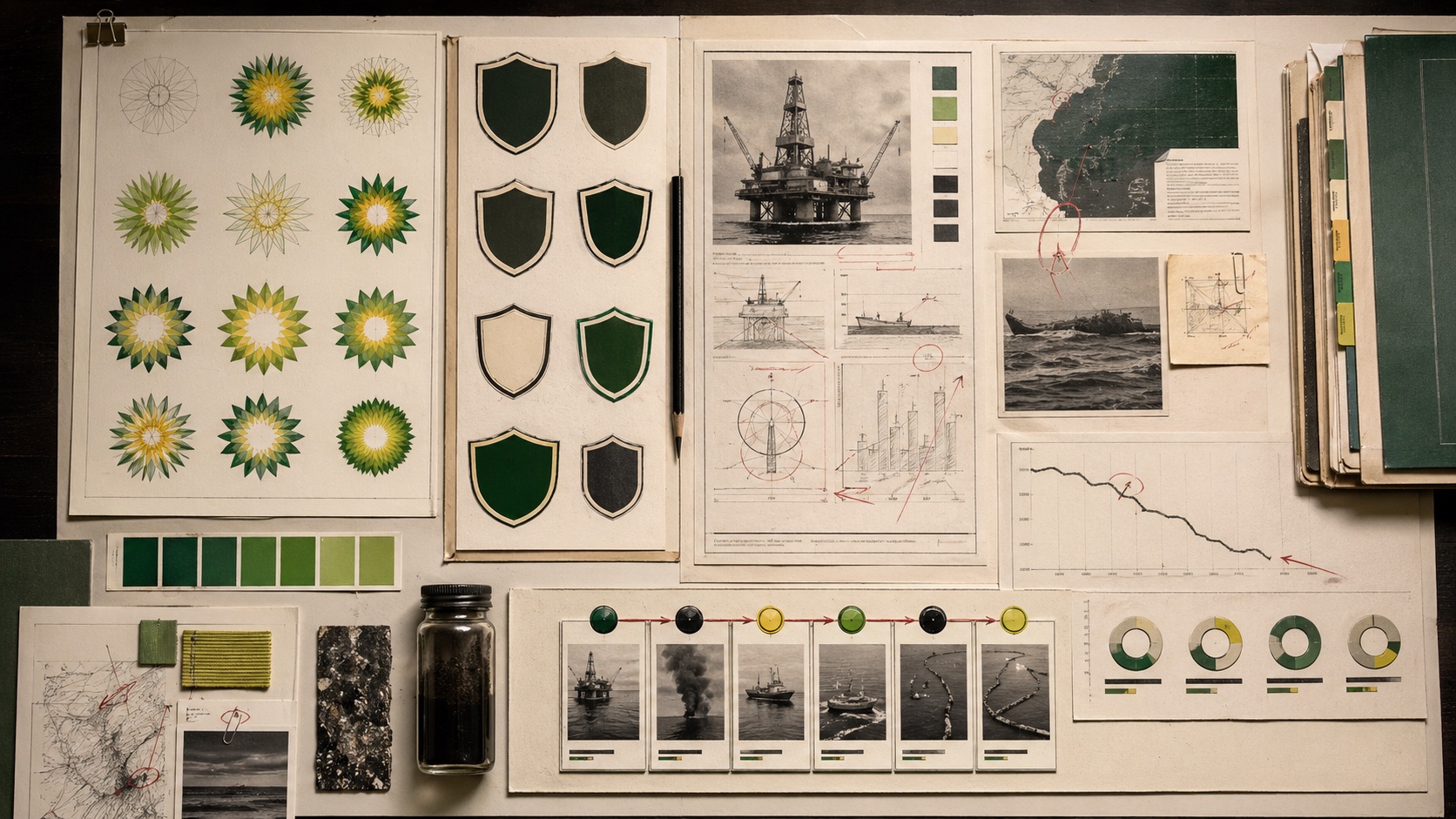
BP Helios is the energy-rebrand proof-gap case for reading green identity, beyond-petroleum language, fossil-fuel reality, Deepwater Horizon scrutiny, transition claims, and public trust.
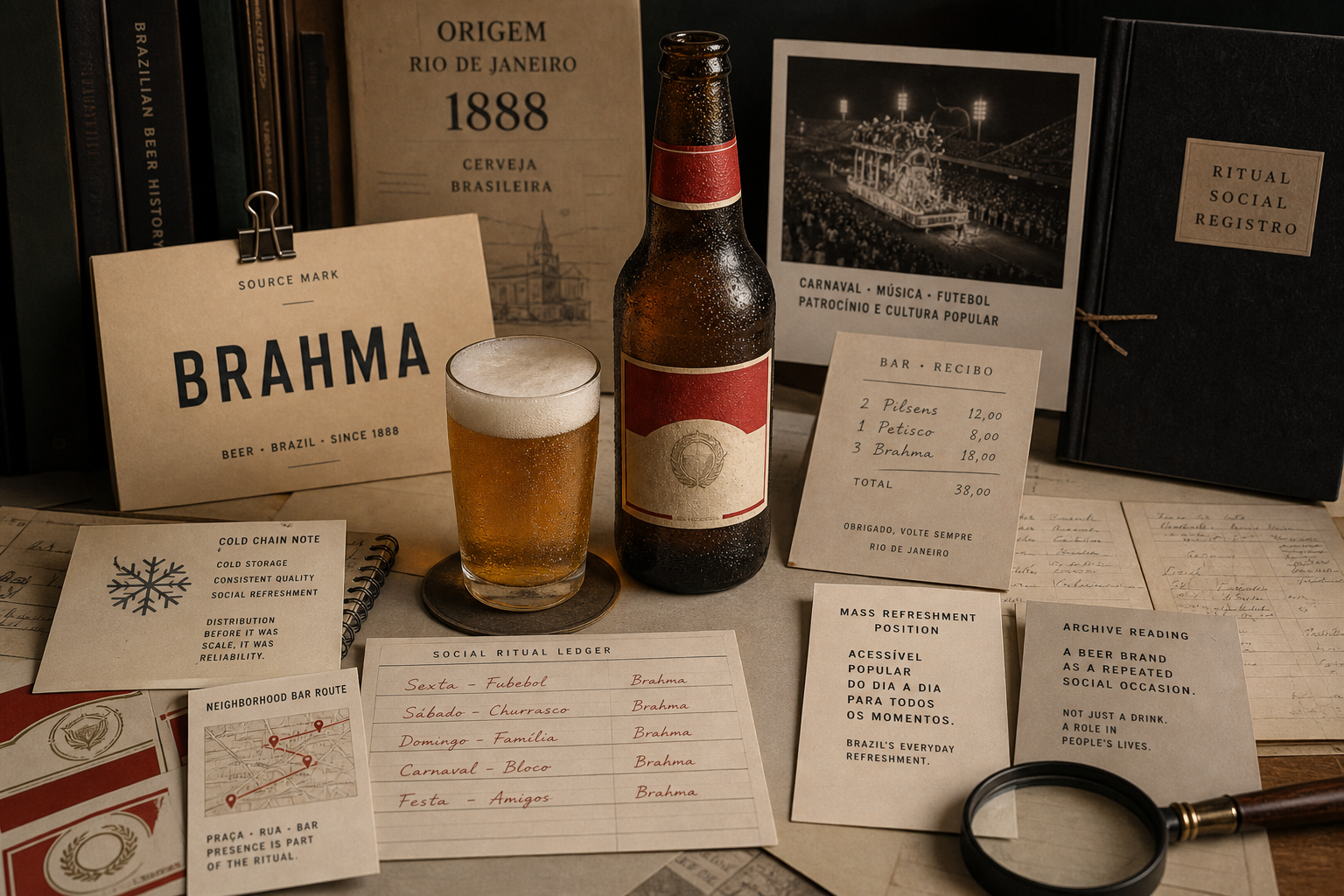
Brahma is the beer-occasion case for reading cold refreshment, bar availability, football and music memory, red-white cues, Brazilian origin, and AB InBev scale as one social-use system.
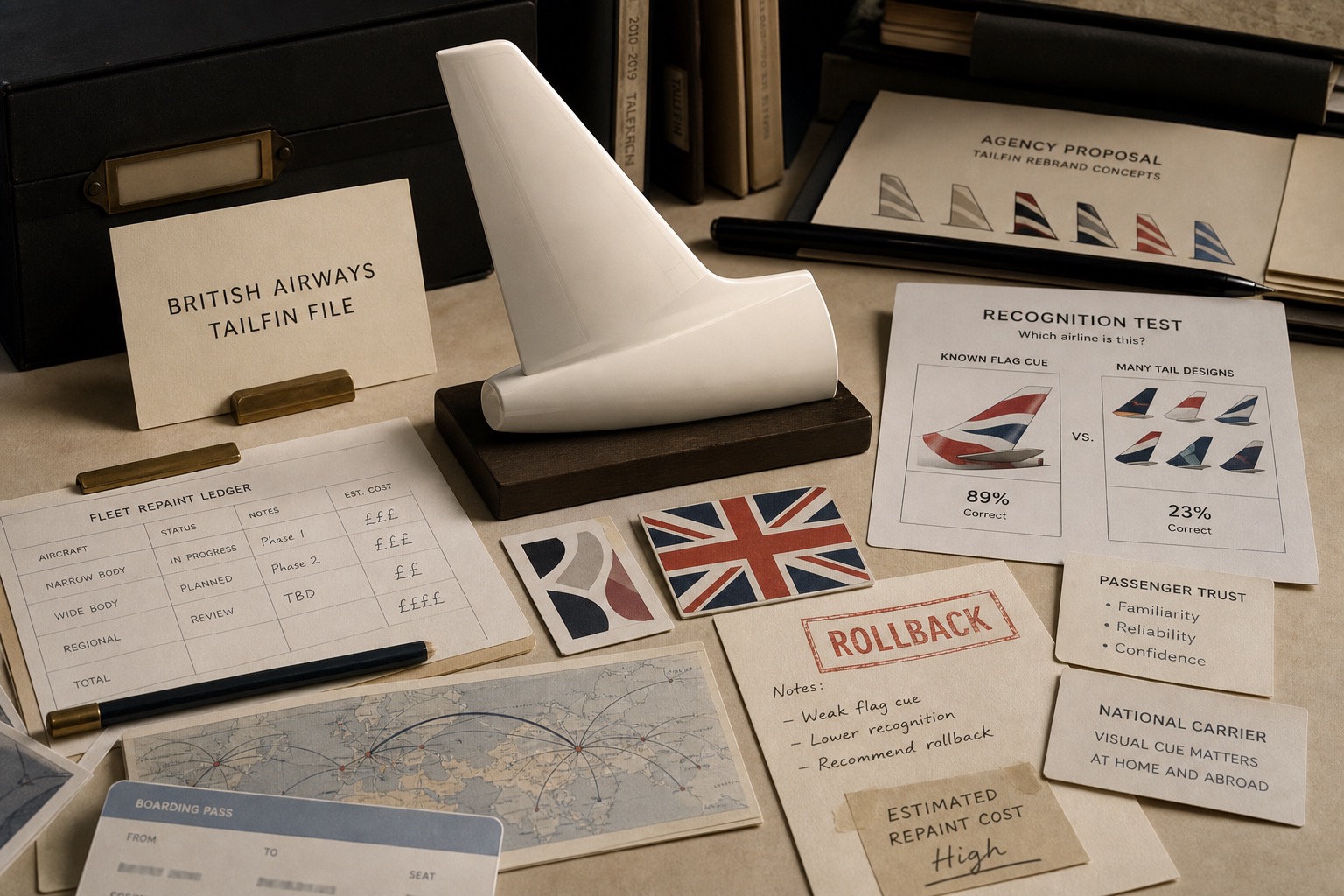
British Airways' tailfin program is a rebrand-proposal warning because the creative idea weakened a recognition cue that passengers, press, and the public already understood.
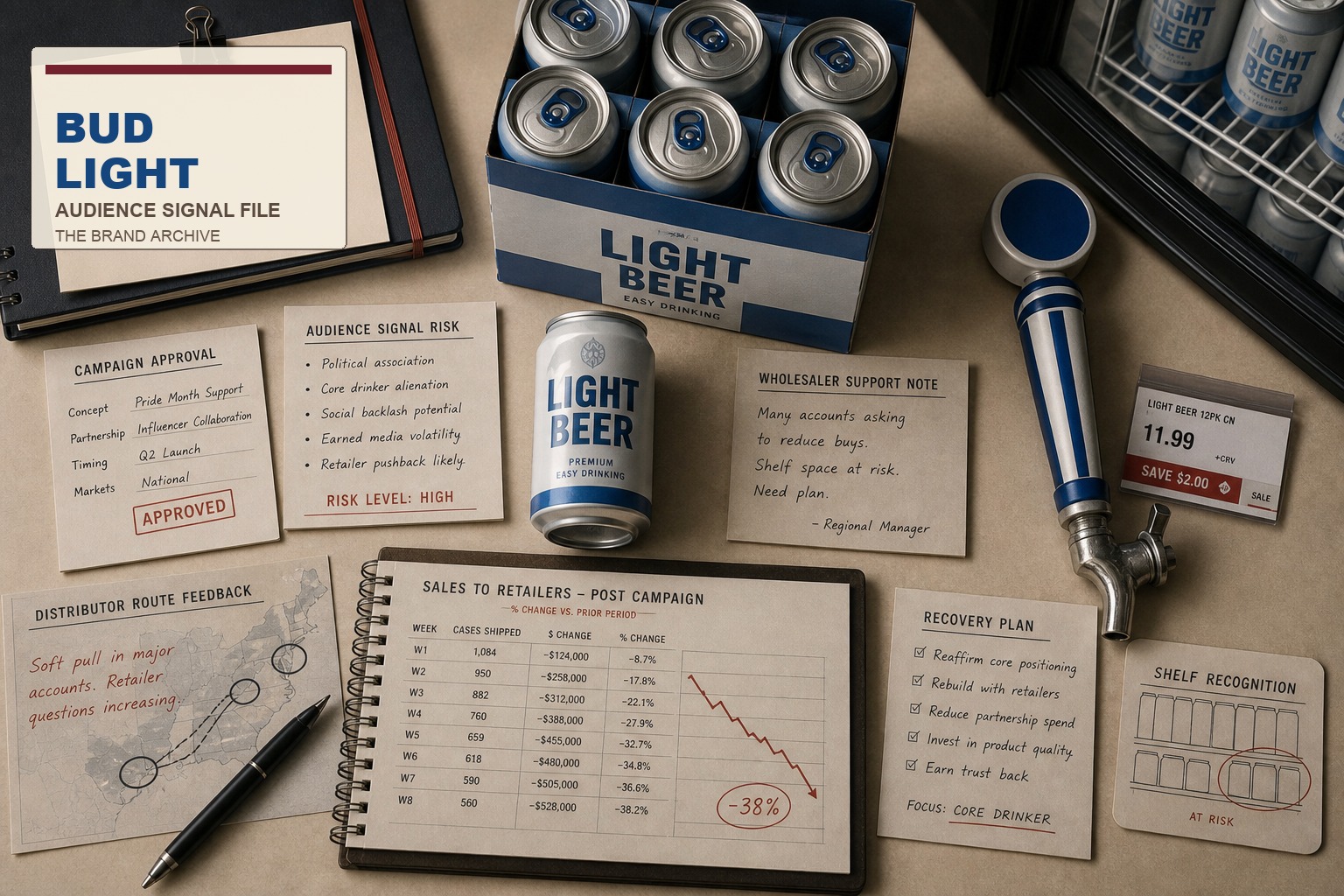
Bud Light showed how fast a mass-market beer brand can become a public signal problem when a small campaign artifact changes who the brand seems to be speaking for.
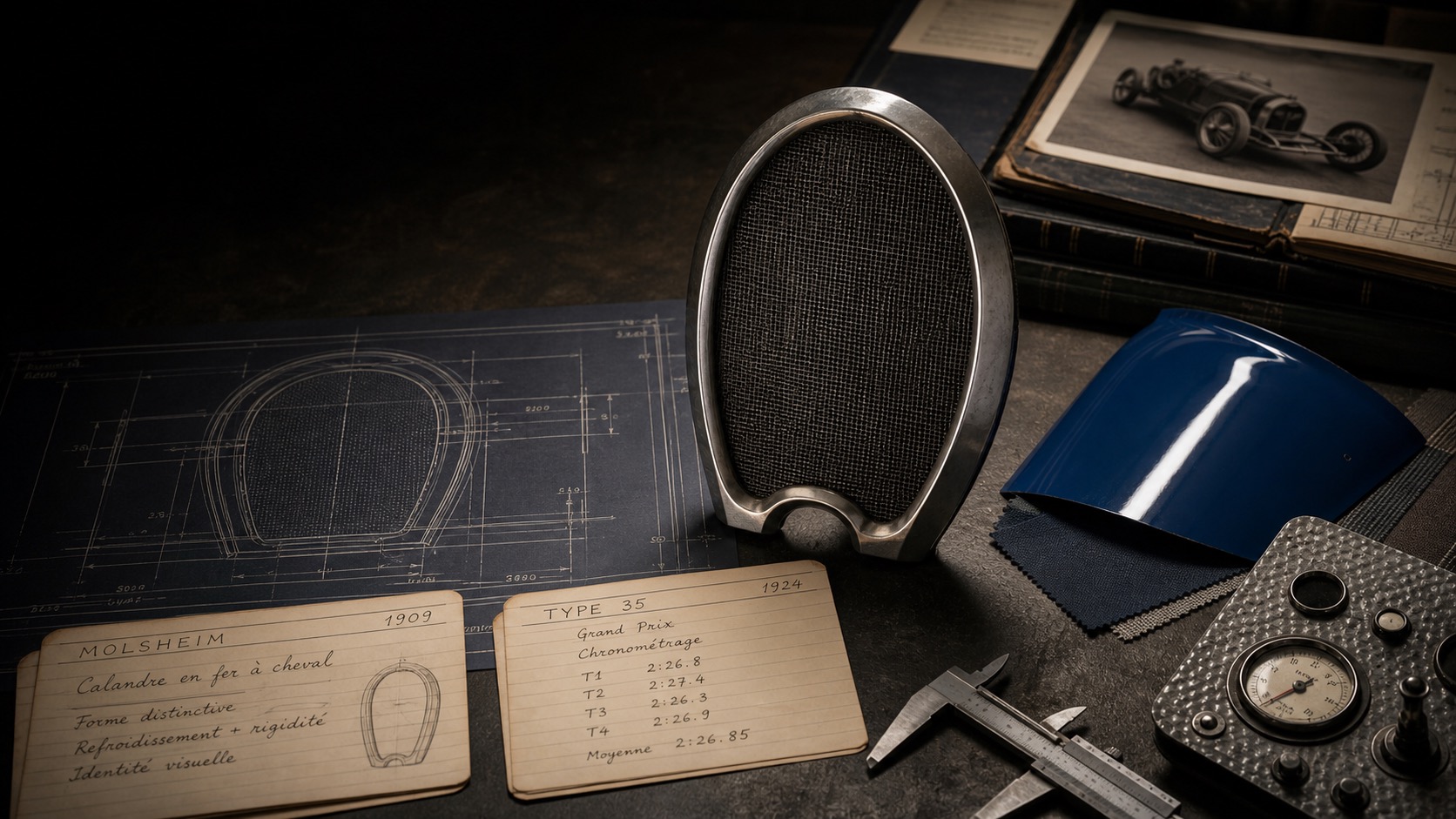
Bugatti tied Molsheim origin, the horseshoe grille, Type 35 racing proof, blue bodywork memory, and extreme engineering into one front-facing identity.
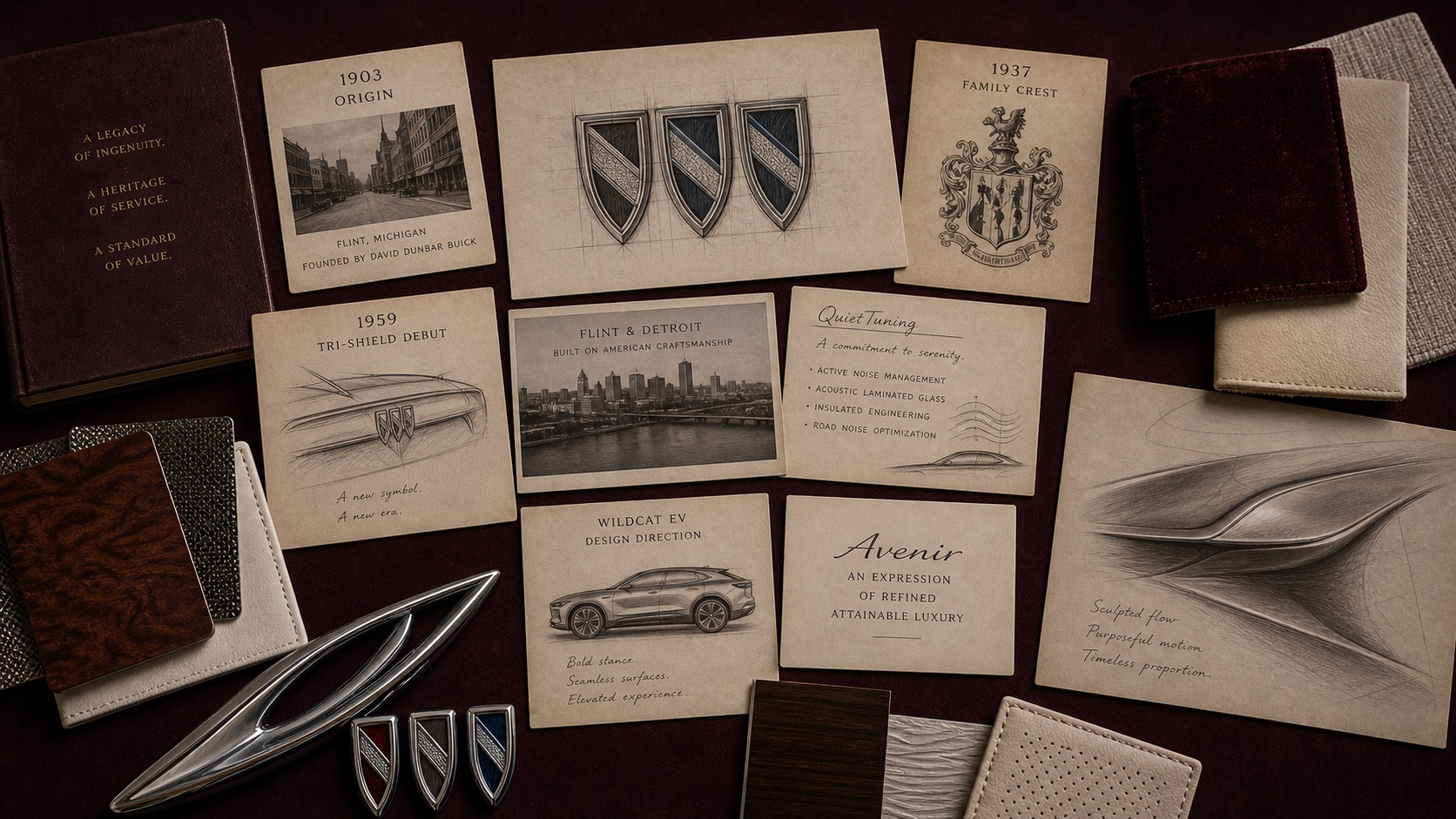
Buick tied its 1903 origin, family-crest shield, 1959 tri-shield, QuietTuning, Avenir details, and recent EV-era logo reset into an attainable luxury system.
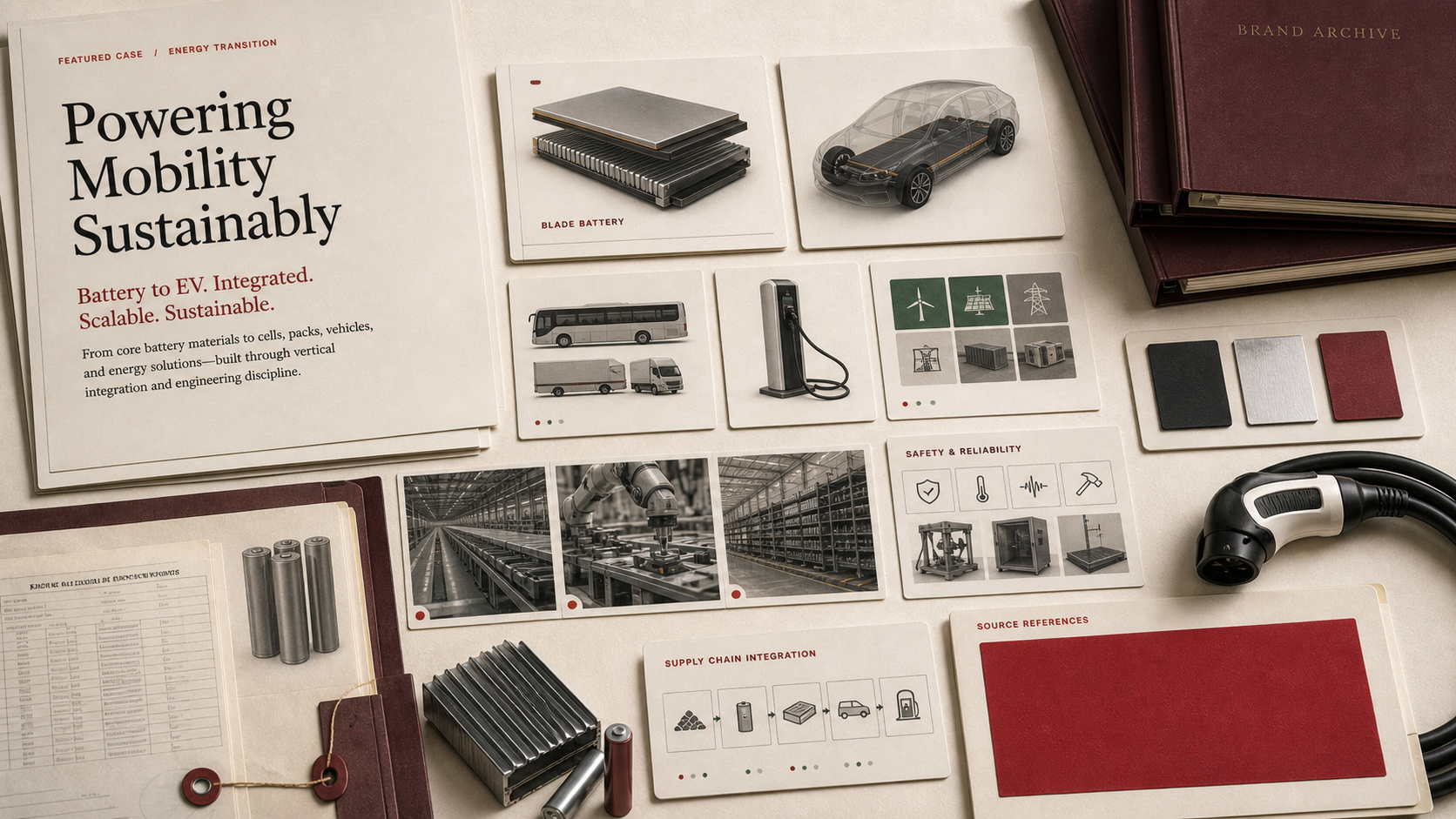
BYD turned new-energy mobility into industrially credible by tying batteries, electric vehicles, buses, manufacturing scale, charging, safety, and supply-chain integration into one proof system.
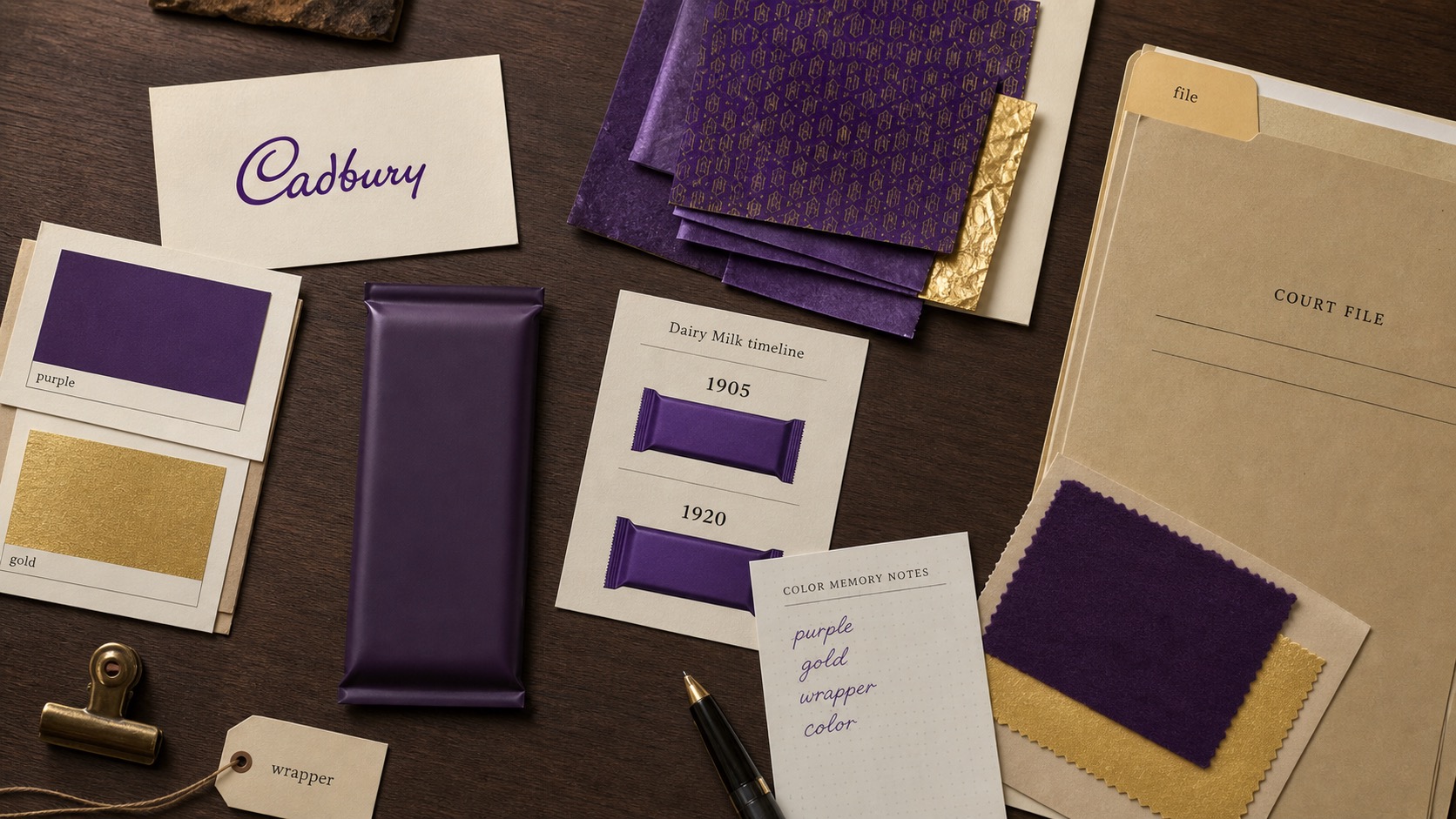
Cadbury Dairy Milk built purple part of the purchase memory, then the color became a legal and competitive question because the wrapper had done so much recognition work.
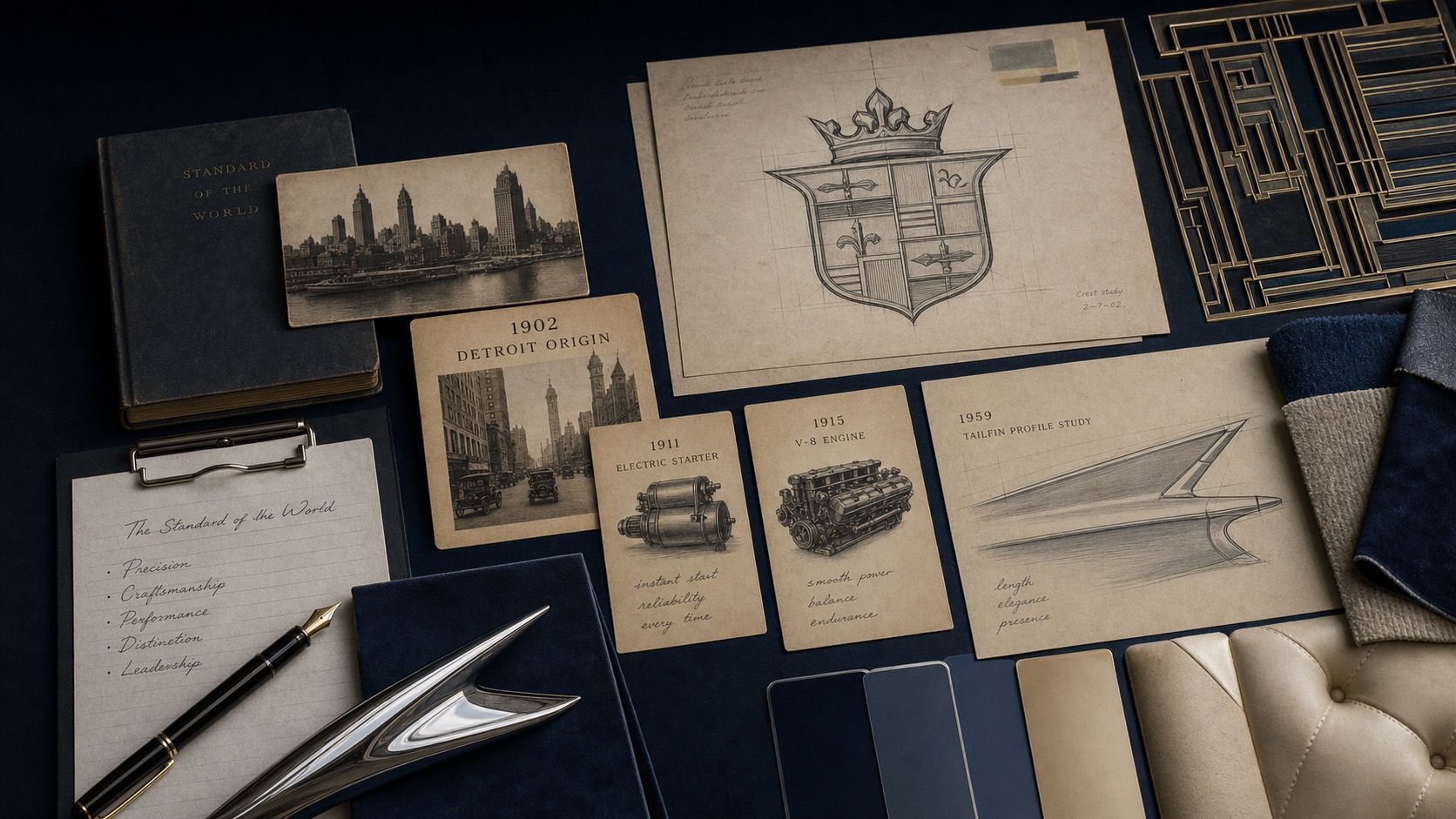
Cadillac tied Detroit origin, the crest, standardized parts, electric starter proof, V8 power, tailfin design, and American luxury into one long-running status system.
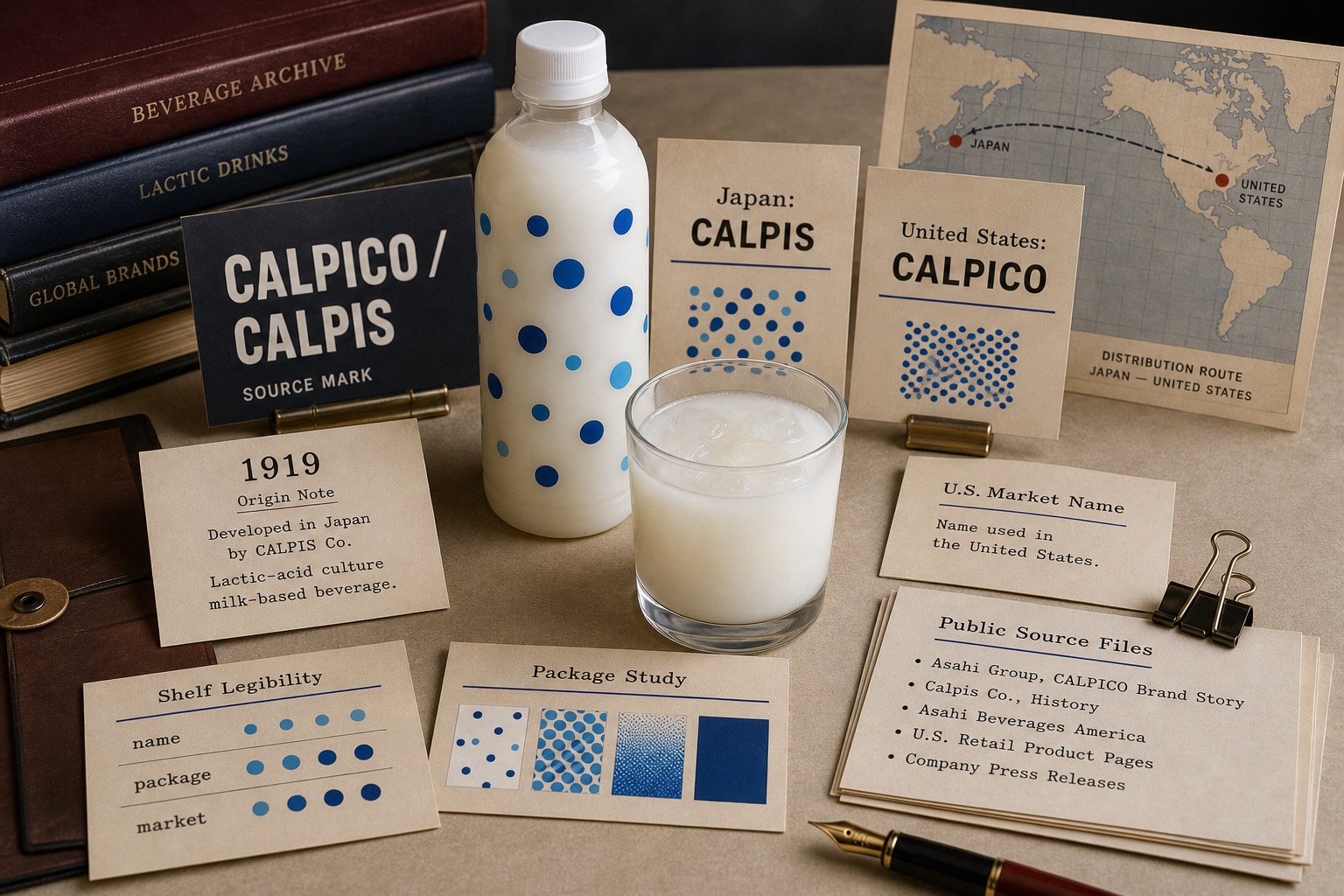
CALPIS became CALPICO in the United States, a quiet beverage naming fix that kept the product family legible while reducing avoidable English-market friction.
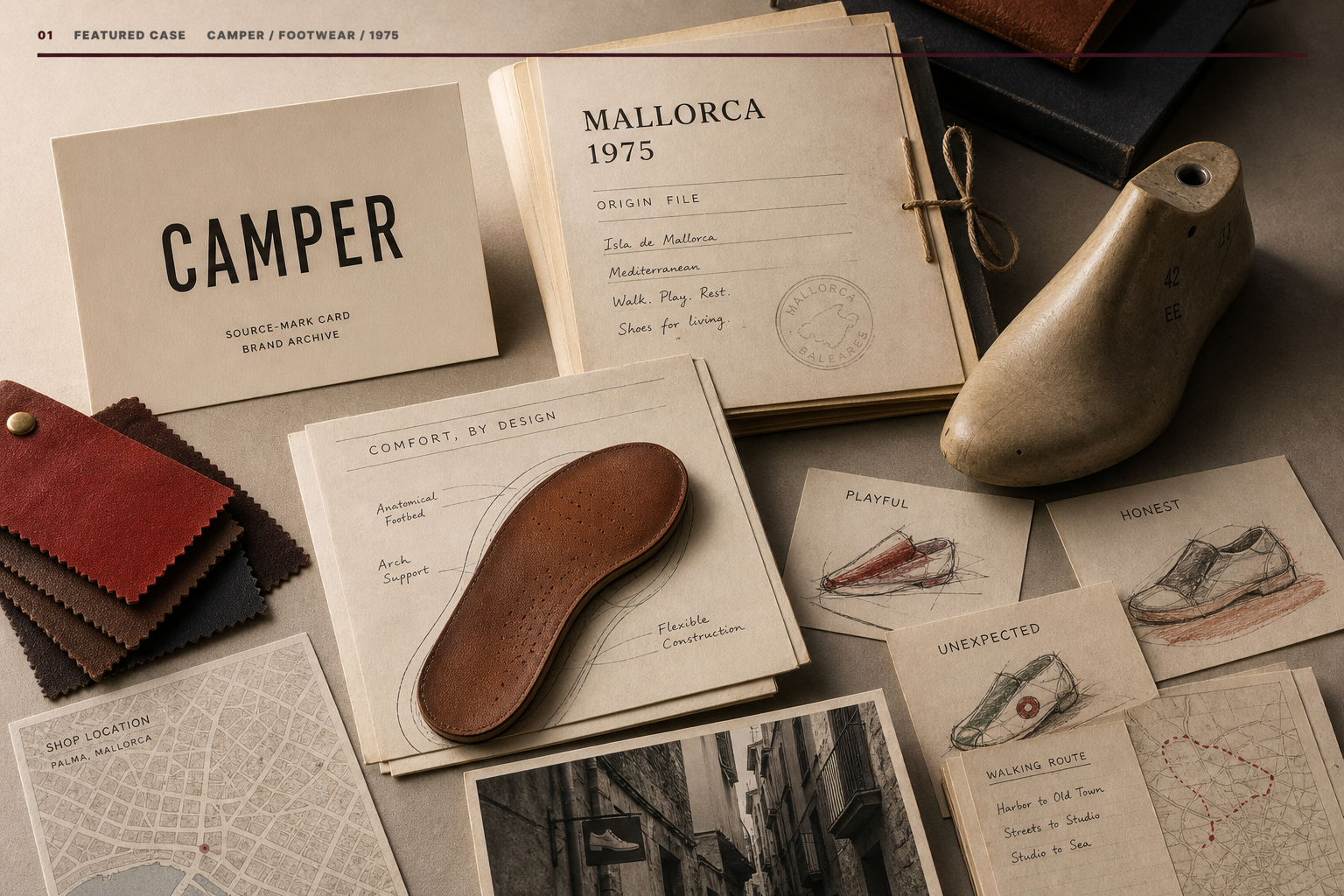
Camper built comfort playful by joining Mallorca origin, shoe craft, walking utility, odd product names, store identity, leather tactility, and a design tone that felt human.