Grow Your Brand is a source-cited reference index for brand failures, rebrands, comebacks, launches, pivots, disasters, active brands, and failed brands. Each case is organized by decision type, year, status, consequence, and comparable pattern.
Reader Use
Use Grow Your Brand when...
You know the decision type but not the brand case yet.
You need a source-cited example for a concept hub, guide page, lesson, or comparison.
You want to separate a bad decision from a terminal failed-brand status.
You are looking for cases that can prove recognition, trust, rebrand, ecommerce, salience, or strategy patterns.
Pattern Map
Signal patterns by decision type
Use the page by pattern first. The case list comes after the reader knows what to compare.
Pattern
What to compare
Cases to inspect
Brand System
213 filed cases in this lane. Compare the consequence before comparing brand size.
Mastercard's move to a wordless symbol worked because the interlocking circles had already accumulated enough global payment memory to carry acceptance, trust, and network recognition on...
Wordless identity only works after memory has been earned.
The redesign case sits at the center of recognition equity: when the asset is visual memory, improvement starts by protecting the cue shoppers already use.
The decision lesson is procedural: identify the visual elements that carry retrieval before judging what looks current.
Amazon is the brand-scale case for turning retail selection, Prime delivery, marketplace trust, review behavior, returns, seller tools, and AWS infrastructure into one repeated operating...
Brand Failures are decision patterns. Failed Brands are terminal outcomes. The split keeps a bad decision by an operating company from being confused with a brand whose original public business has ended.
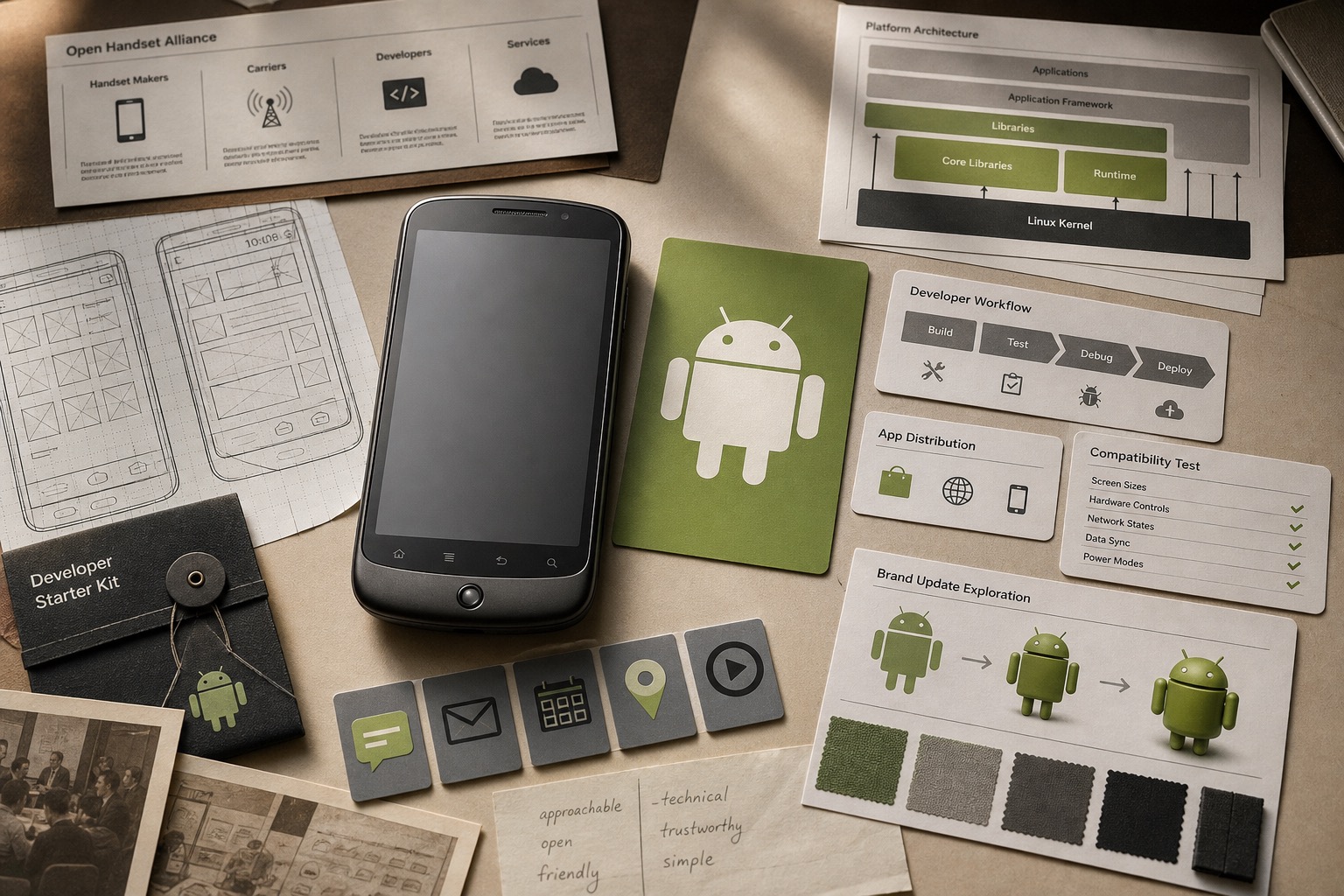
Android is the open-platform case for turning a simple robot cue, device choice, developer access, Google services, OEM partnerships, and app distribution into mobile-scale memory.
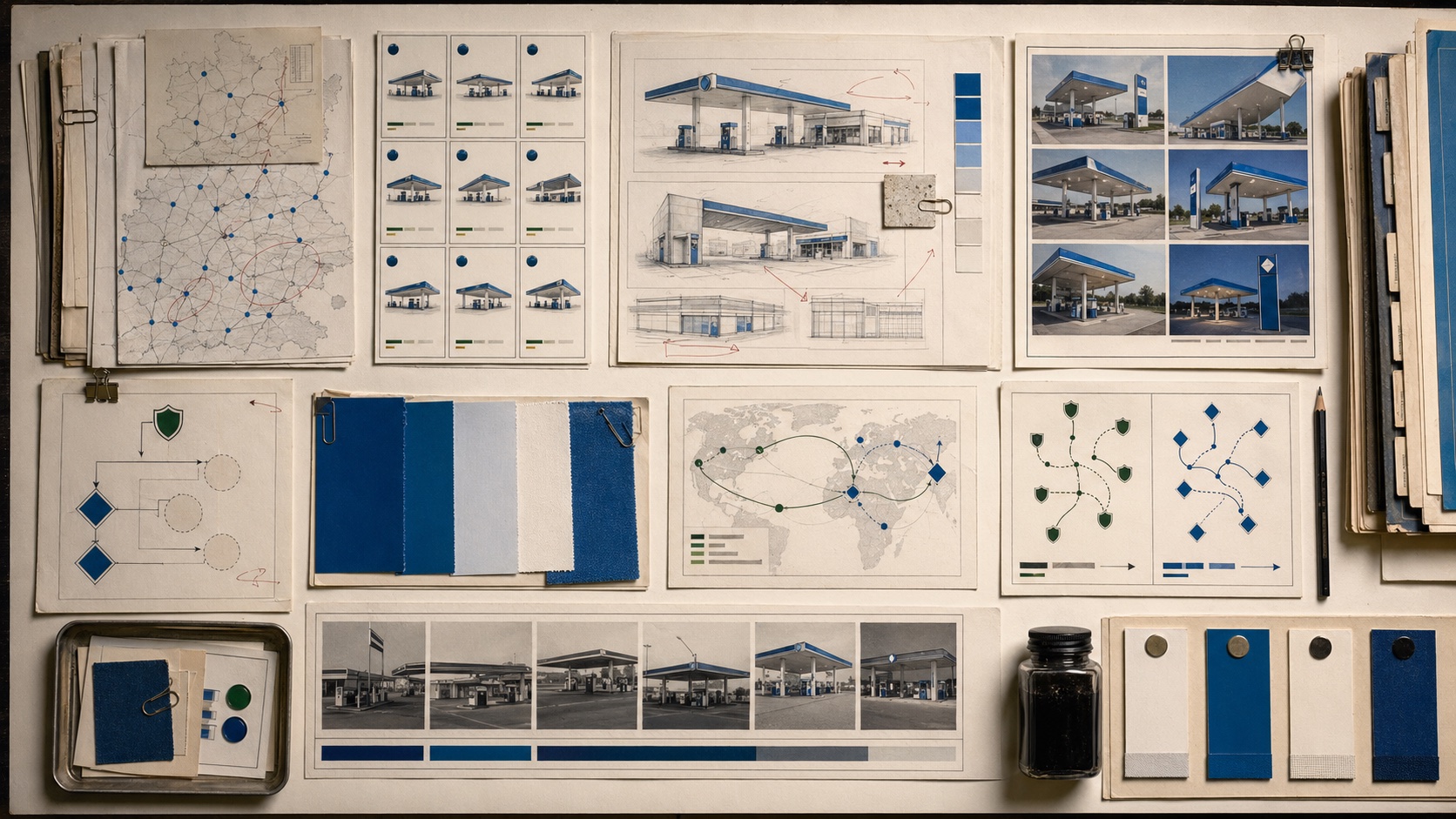
Aral is the brand-architecture case for keeping local fuel-station equity visible after parent ownership changes, instead of forcing every market into one corporate mark.
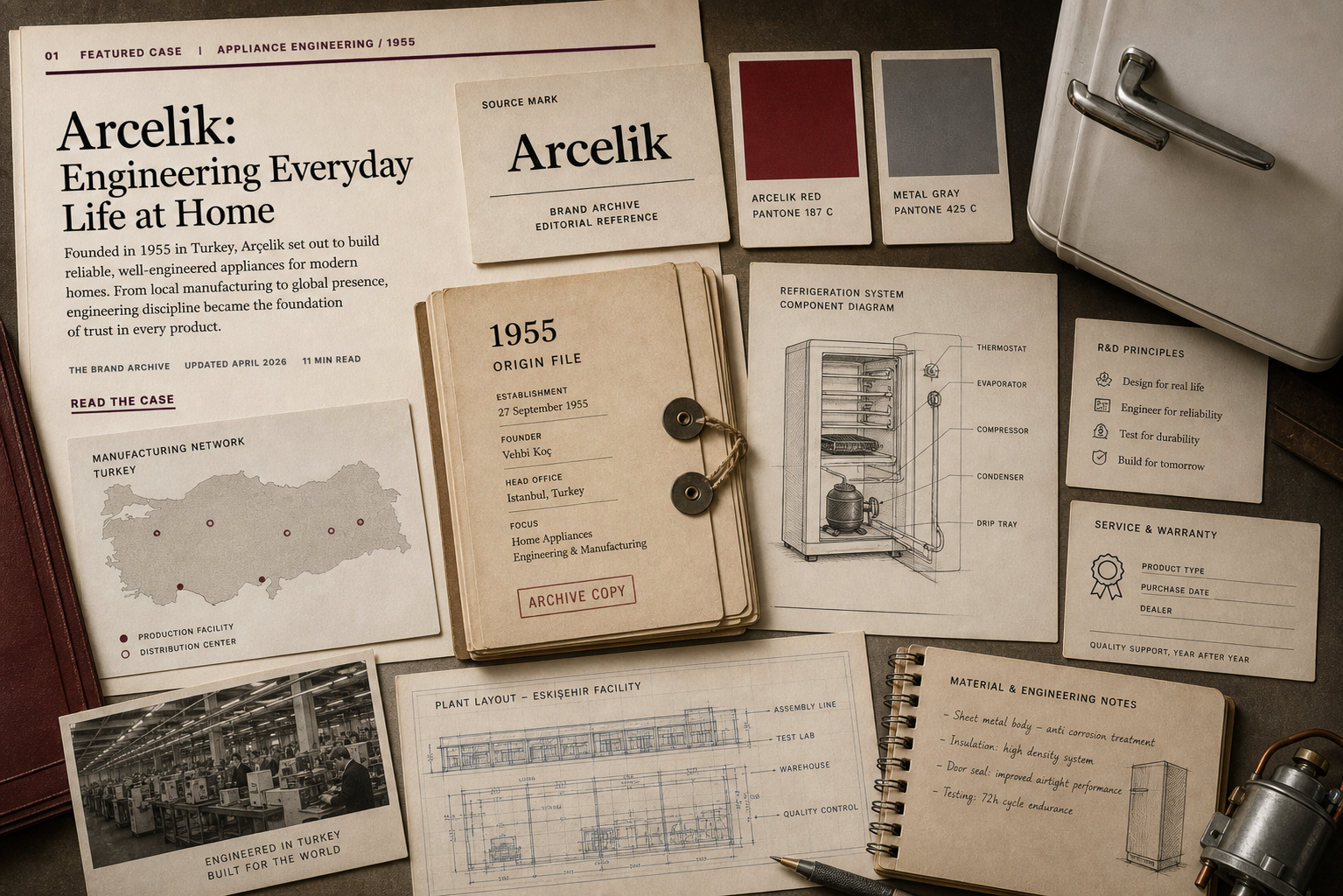
Arcelik is the appliance-brand case for turning manufacturing scale, R&D, Beko portfolio reach, energy standards, service, and export confidence into household trust.
Aritzia is the fashion-retail case for turning boutiques, house labels, styling advice, fit confidence, seasonal capsules, and everyday-luxury pricing into one shopping system.
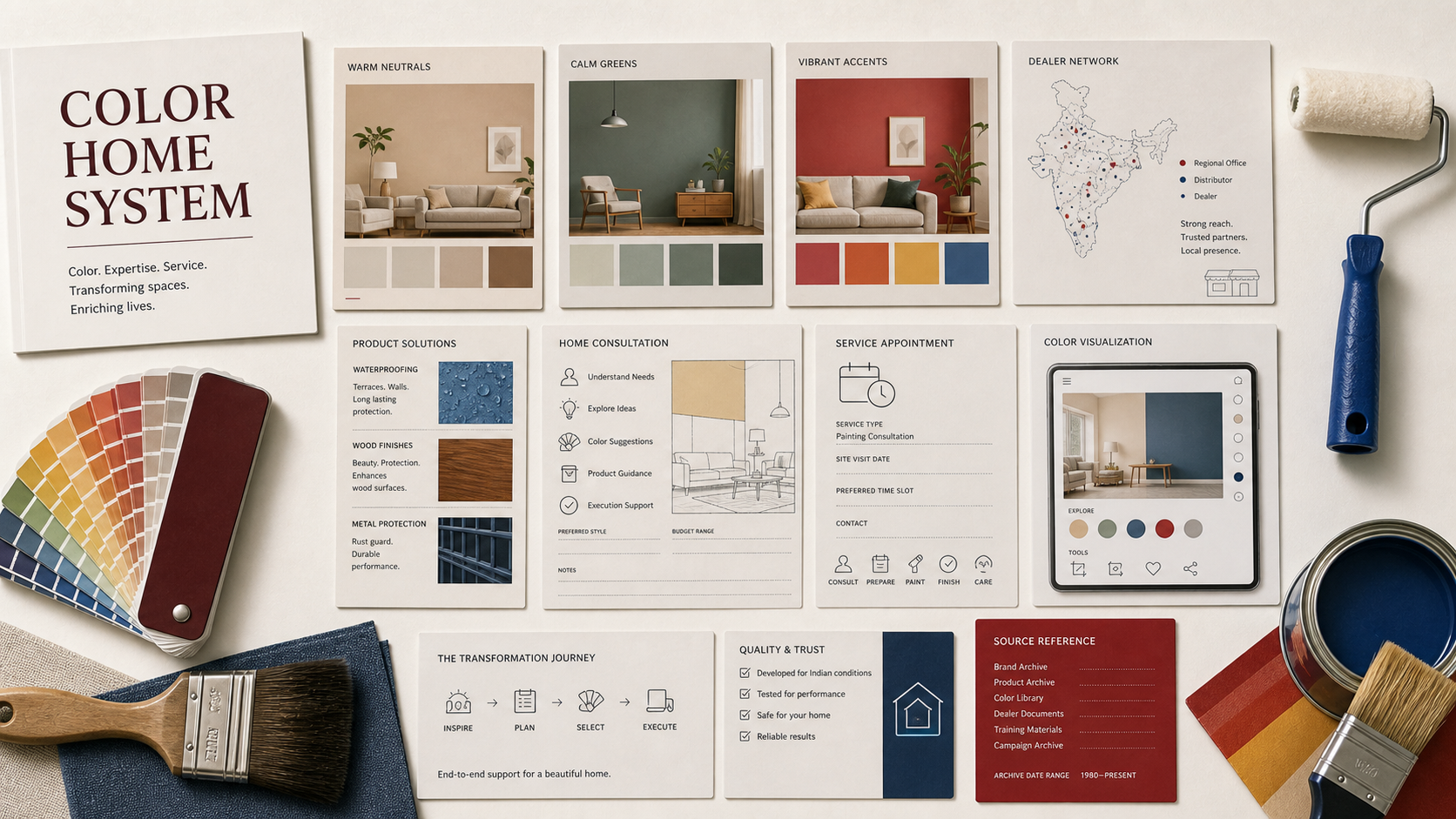
Asian Paints is the home-improvement case for turning color selection, dealer reach, visualization tools, waterproofing, painting services, and product range into purchase confidence.
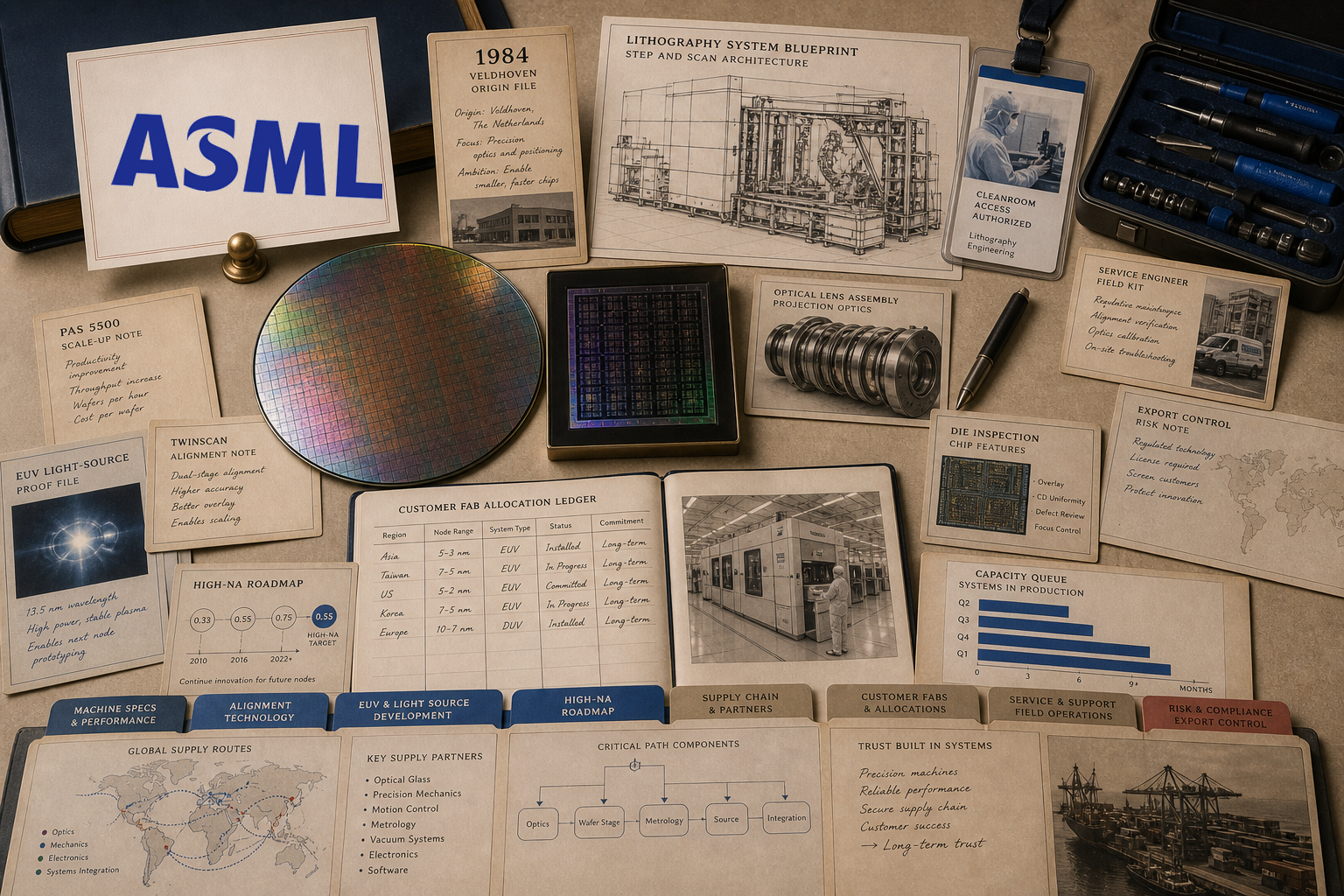
ASML is the infrastructure-brand case for turning lithography machines, EUV progress, service capacity, customer dependence, and supply-chain scarcity into public proof.
Aston Martin is the automotive-myth case for connecting wings, DB lineage, British grand touring, racing credibility, cabin craft, and product scarcity into one premium signal.
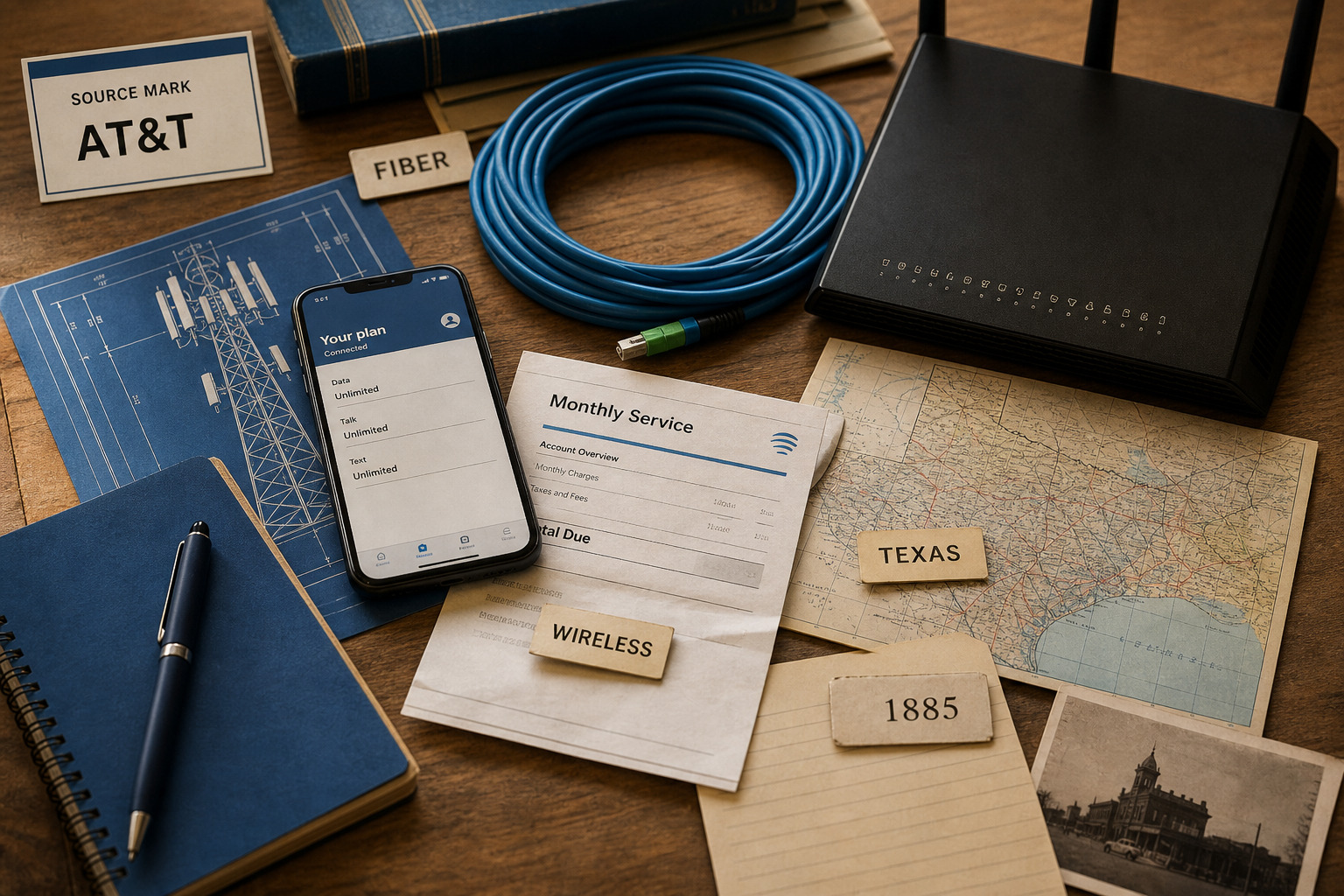
AT&T is the telecom case for turning wireless plans, fiber access, business connectivity, coverage memory, account service, and network investment into household and enterprise trust.
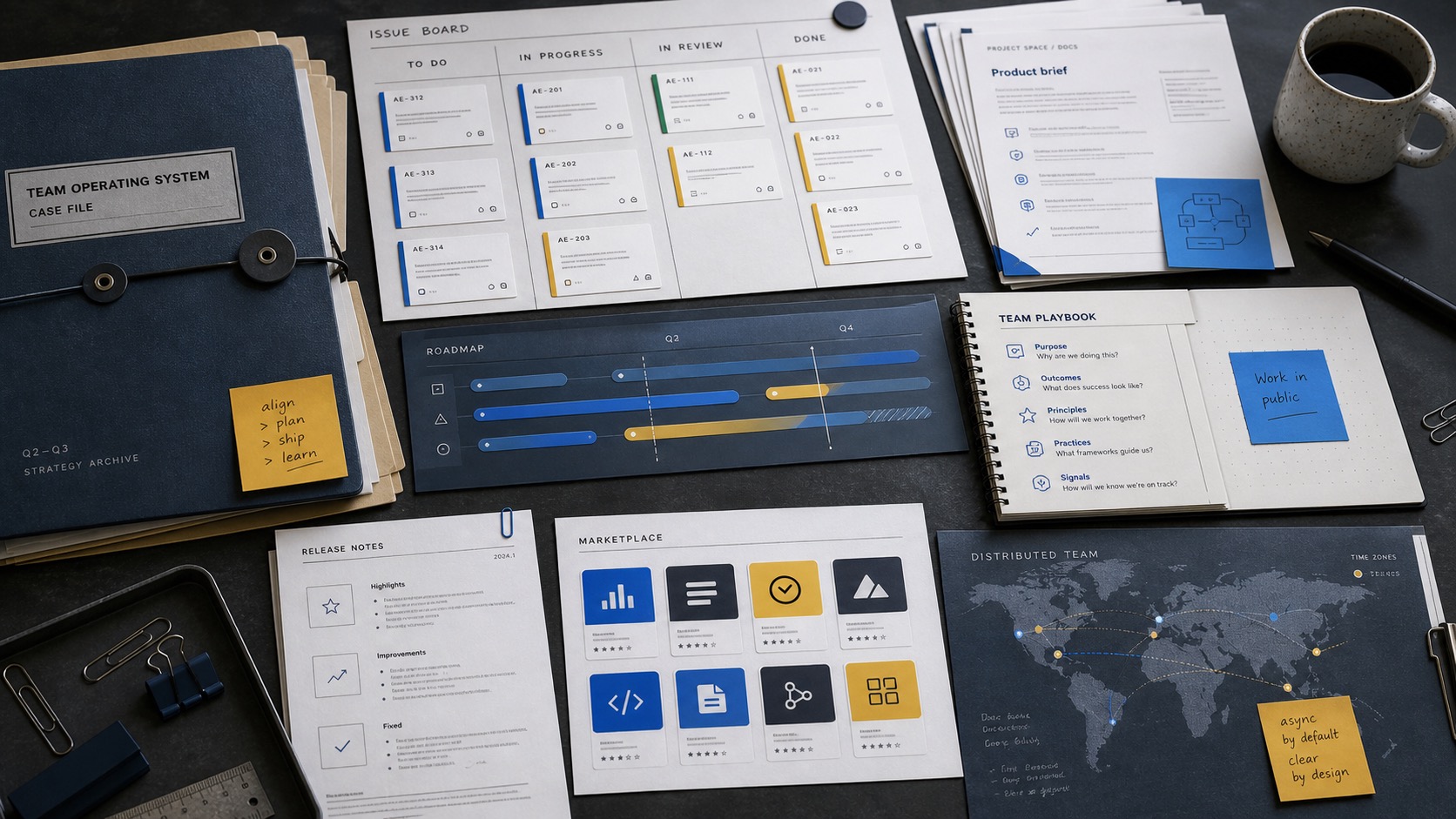
Atlassian is the team-software case for turning Jira issues, Confluence documents, team rituals, marketplace extensions, and work transparency into a shared operating record.
Audi is the brand-architecture case for turning the Auto Union merger, four-ring symbol, engineering language, motorsport memory, and premium product discipline into one recognition system.
AutoNation is the automotive-retail case for turning franchise dealerships, vehicle inventory, trade-ins, finance desks, service bays, and national retail recognition into a lower-risk car purchase.
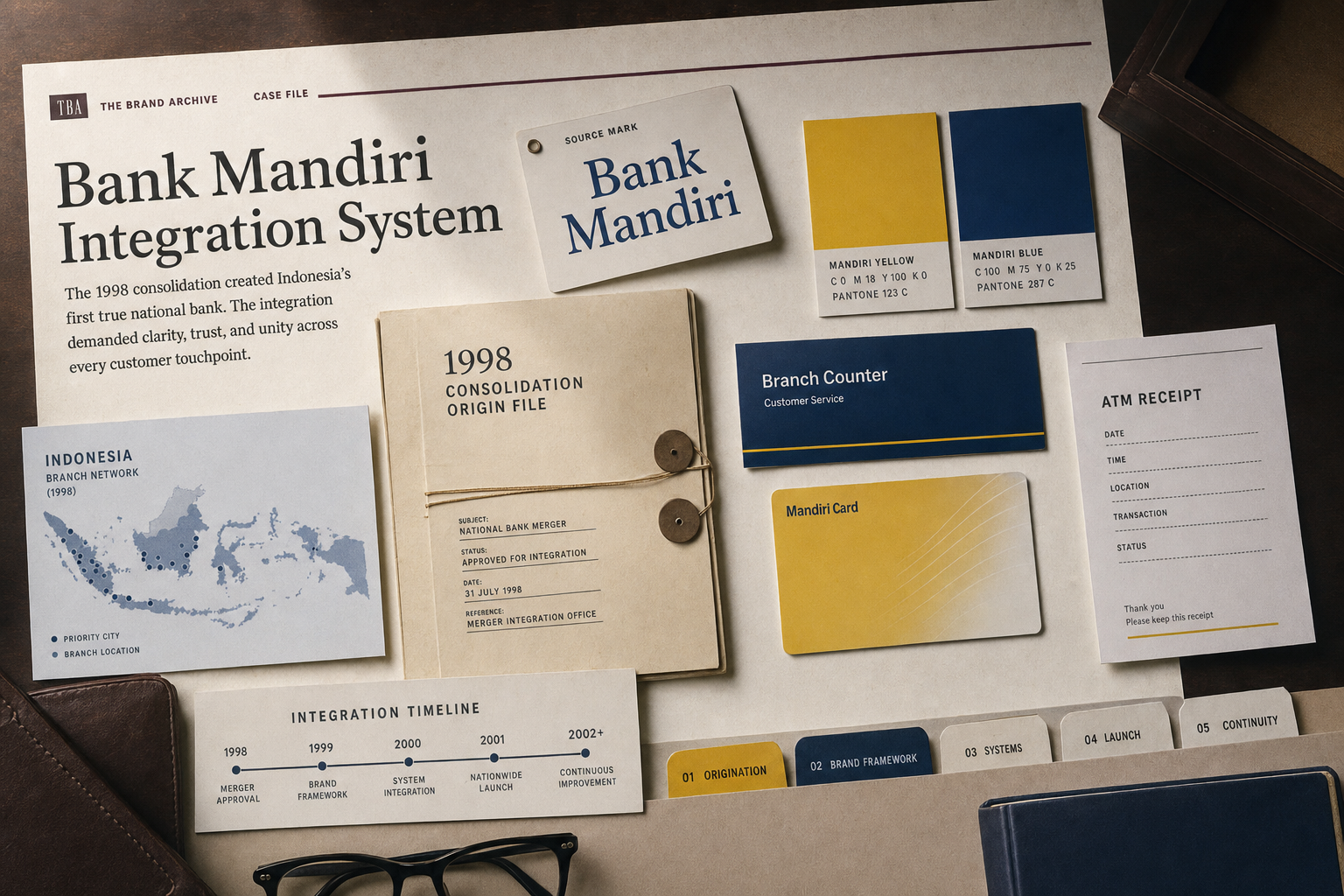
Bank Mandiri is the merger-born banking case for turning state-bank consolidation, branch reach, yellow-blue recognition, cards, ATMs, digital banking, and national finance trust into one system.
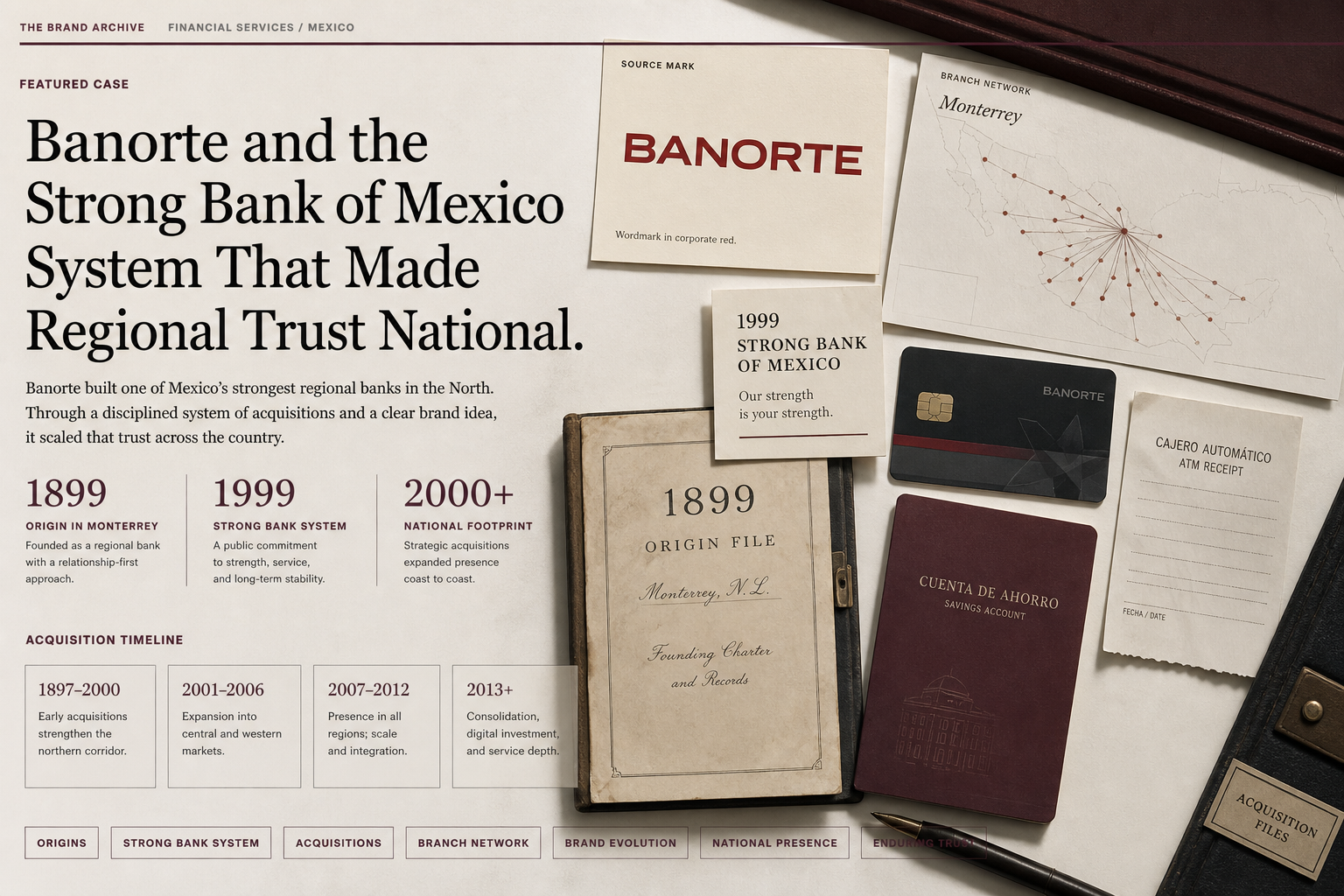
Banorte is the banking-trust case for turning regional origin, Mexican ownership memory, branch and ATM access, digital banking, financial group scale, and strong-bank language into national confidence.
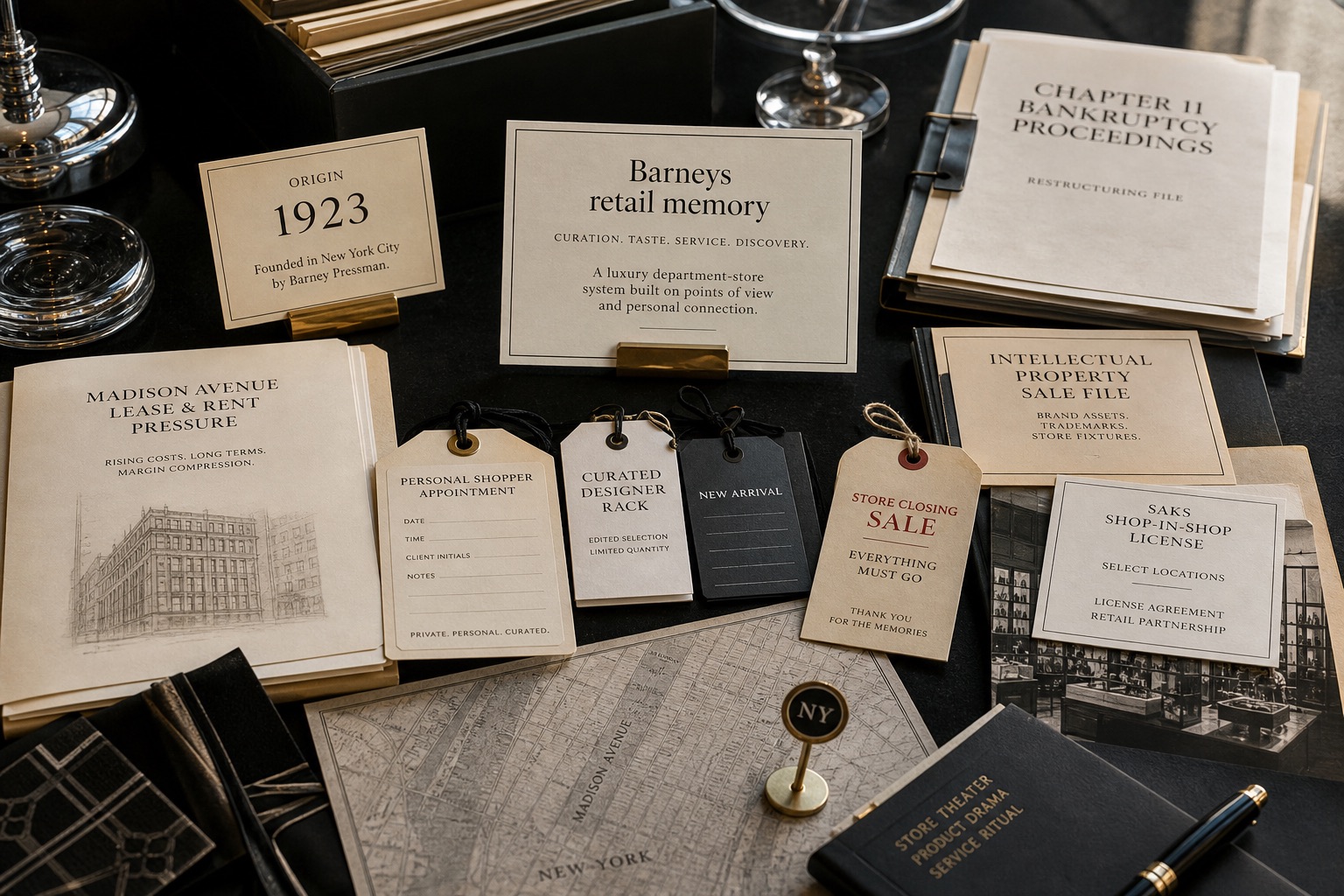
Barneys New York is the luxury-retail collapse case for separating cultural memory from working retail economics, lease pressure, merchandising risk, vendor trust, and store traffic.
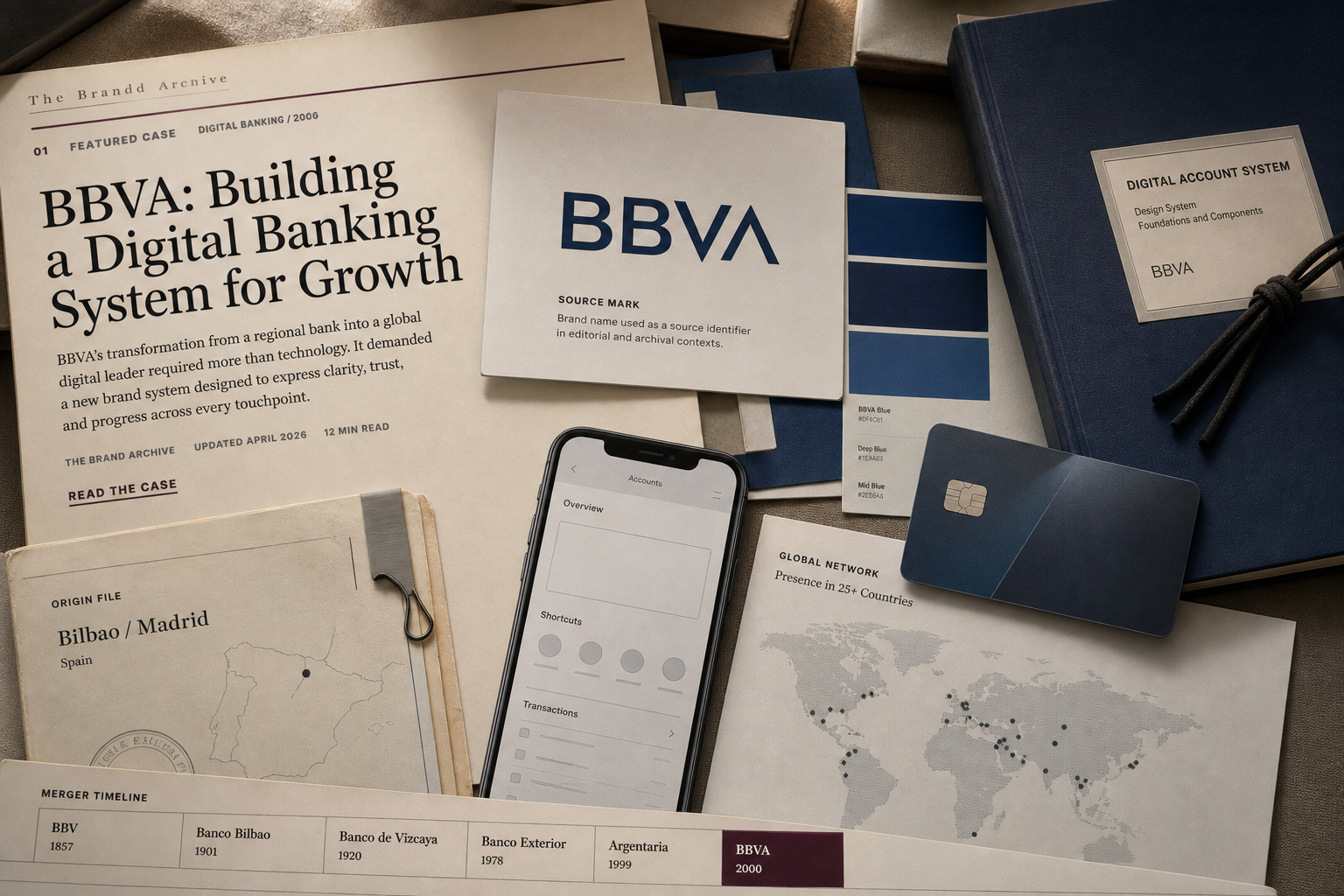
BBVA is the digital-banking trust case for carrying old institutional proof into mobile accounts, branch continuity, card use, global scale, and a blue interface system.
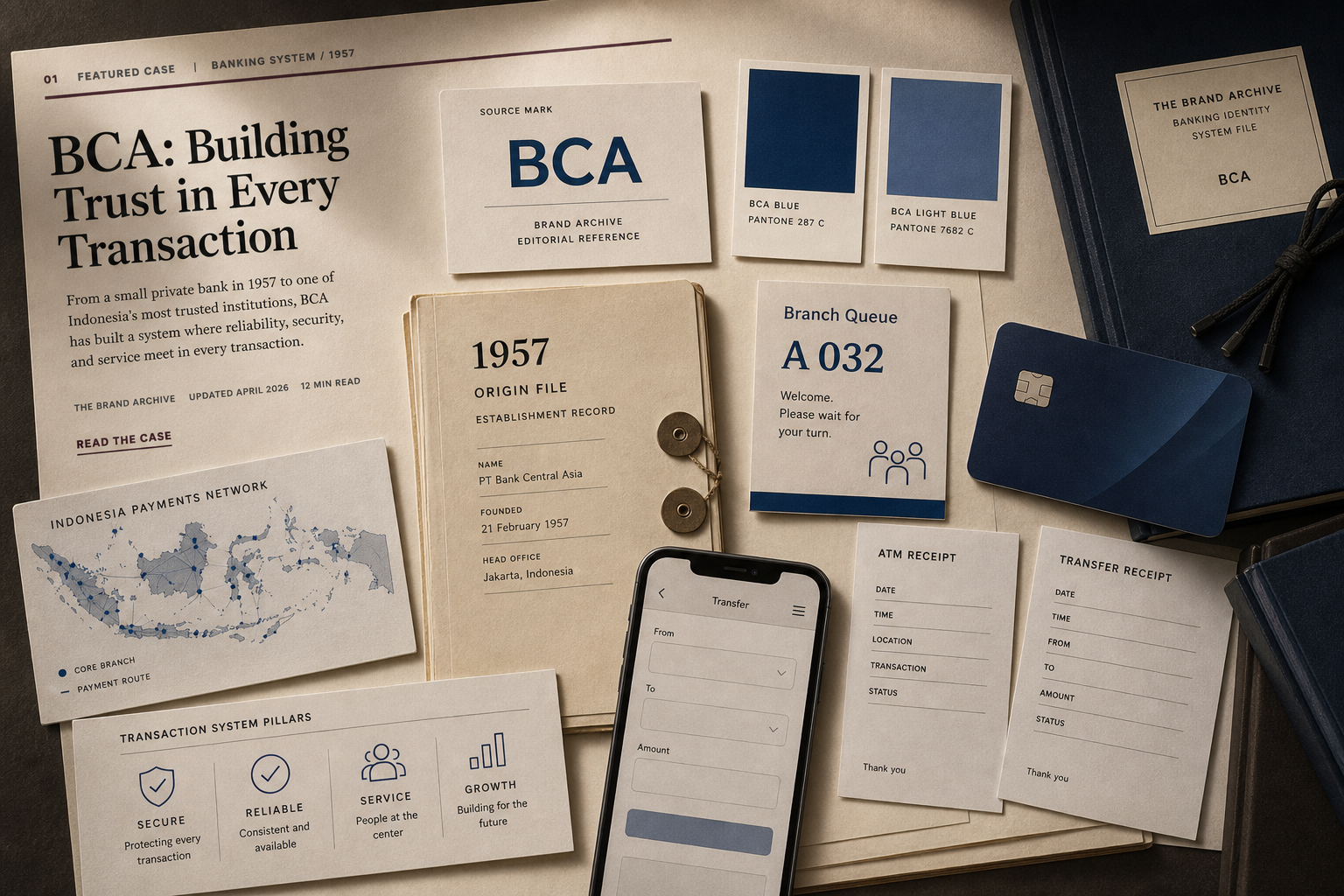
BCA is the daily-transaction trust case for connecting branches, ATMs, cards, mobile banking, merchant payments, account products, and service access into one Indonesian money route.
Bed Bath & Beyond is the coupon-memory failure case for tracing how a loved discount cue could not fix weak store relevance, inventory issues, digital competition, debt pressure, and liquidation.
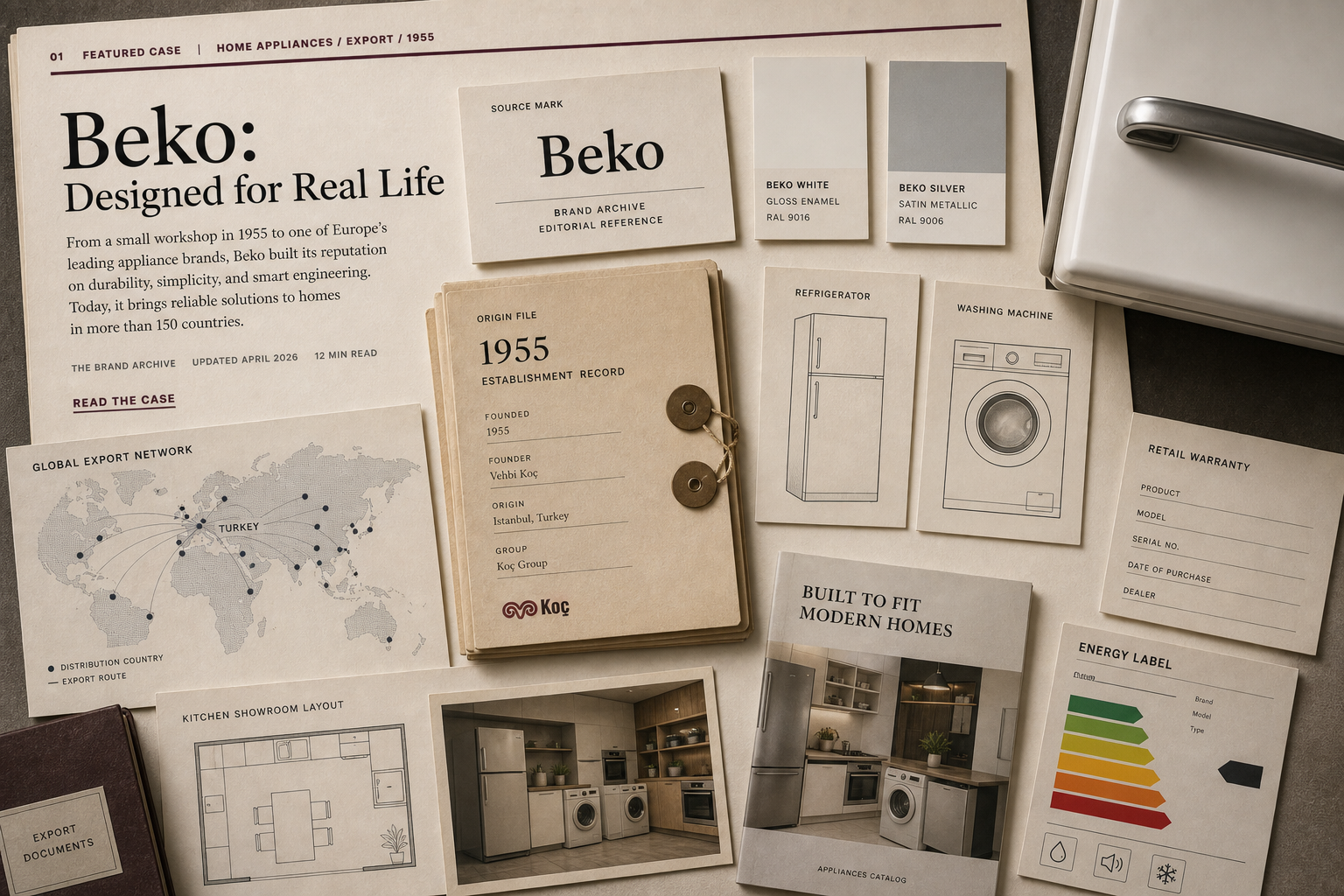
Beko is the appliance-export trust case for connecting refrigerators, washing machines, retail price access, warranty confidence, service support, European distribution, and Turkish manufacturing.
Bentley is the luxury-performance proof case for connecting the Winged B, grand touring, cabin craft, Mulliner personalization, motorsport memory, and high-speed comfort.
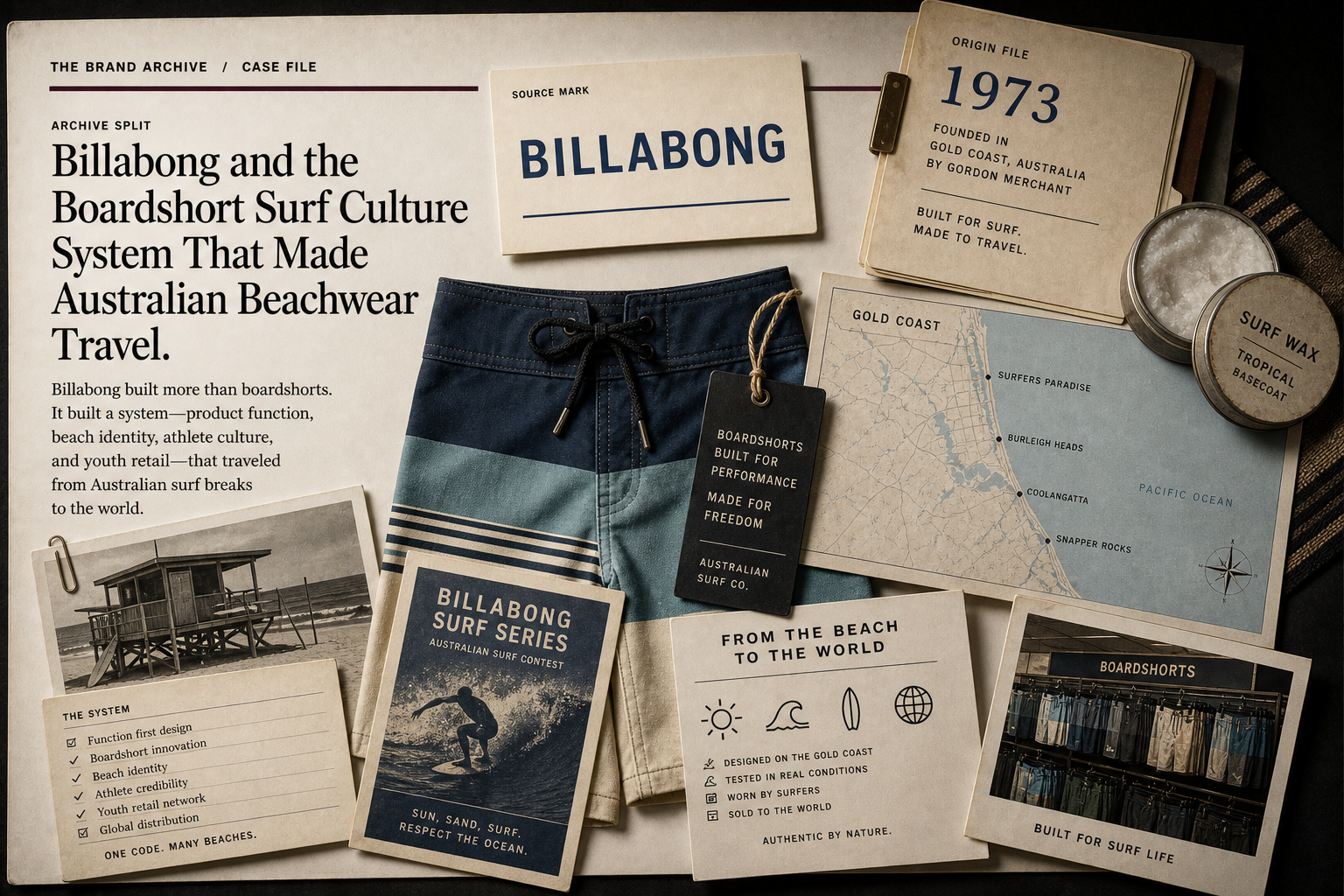
Billabong is the surf-culture apparel case for connecting boardshort utility, Gold Coast origin, team riders, wetsuits, retail distribution, and youth surf identity.
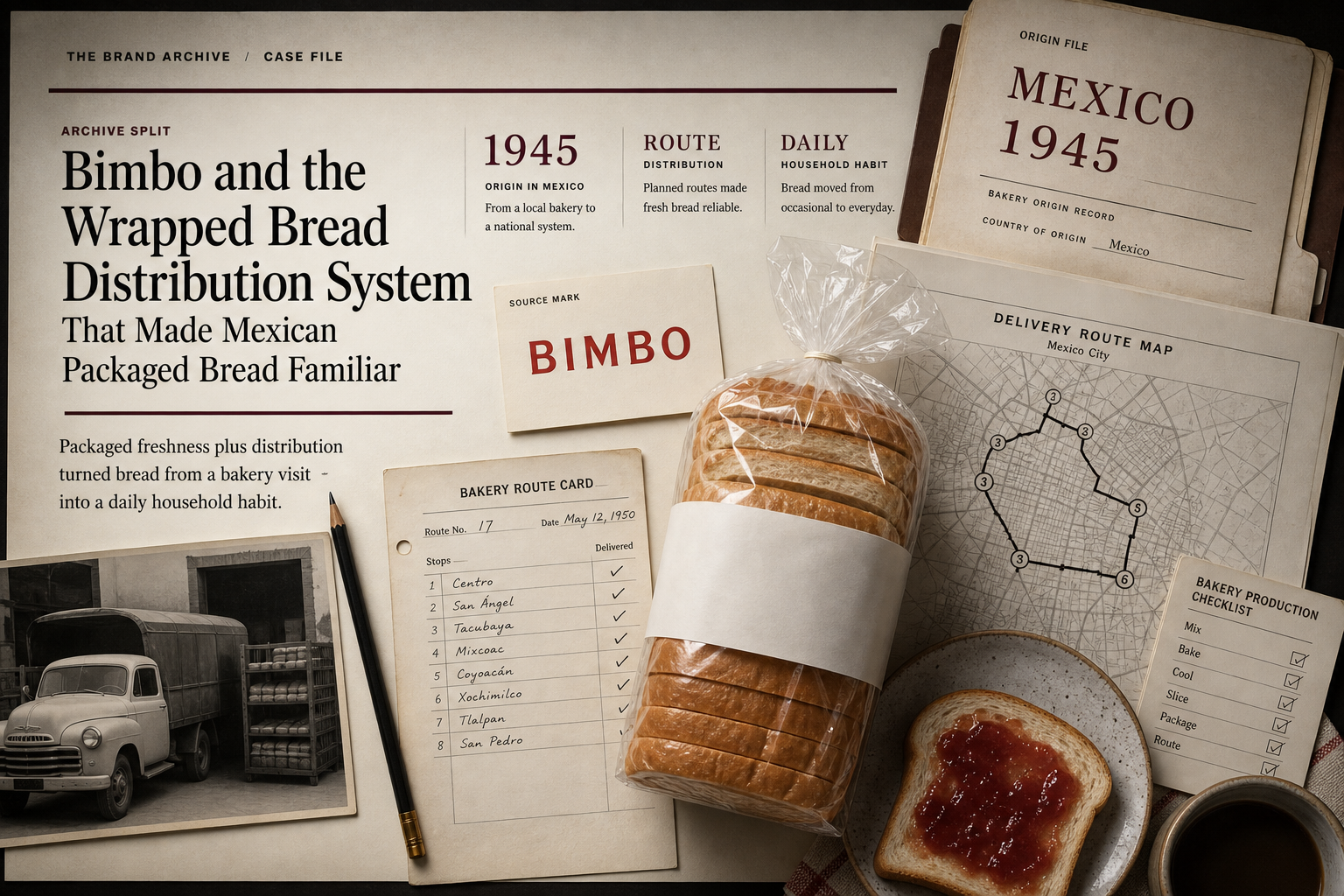
Bimbo is the packaged-bread distribution case for connecting the bear mark, wrapped freshness, route delivery, shelf availability, bakery scale, and household repeat buying.
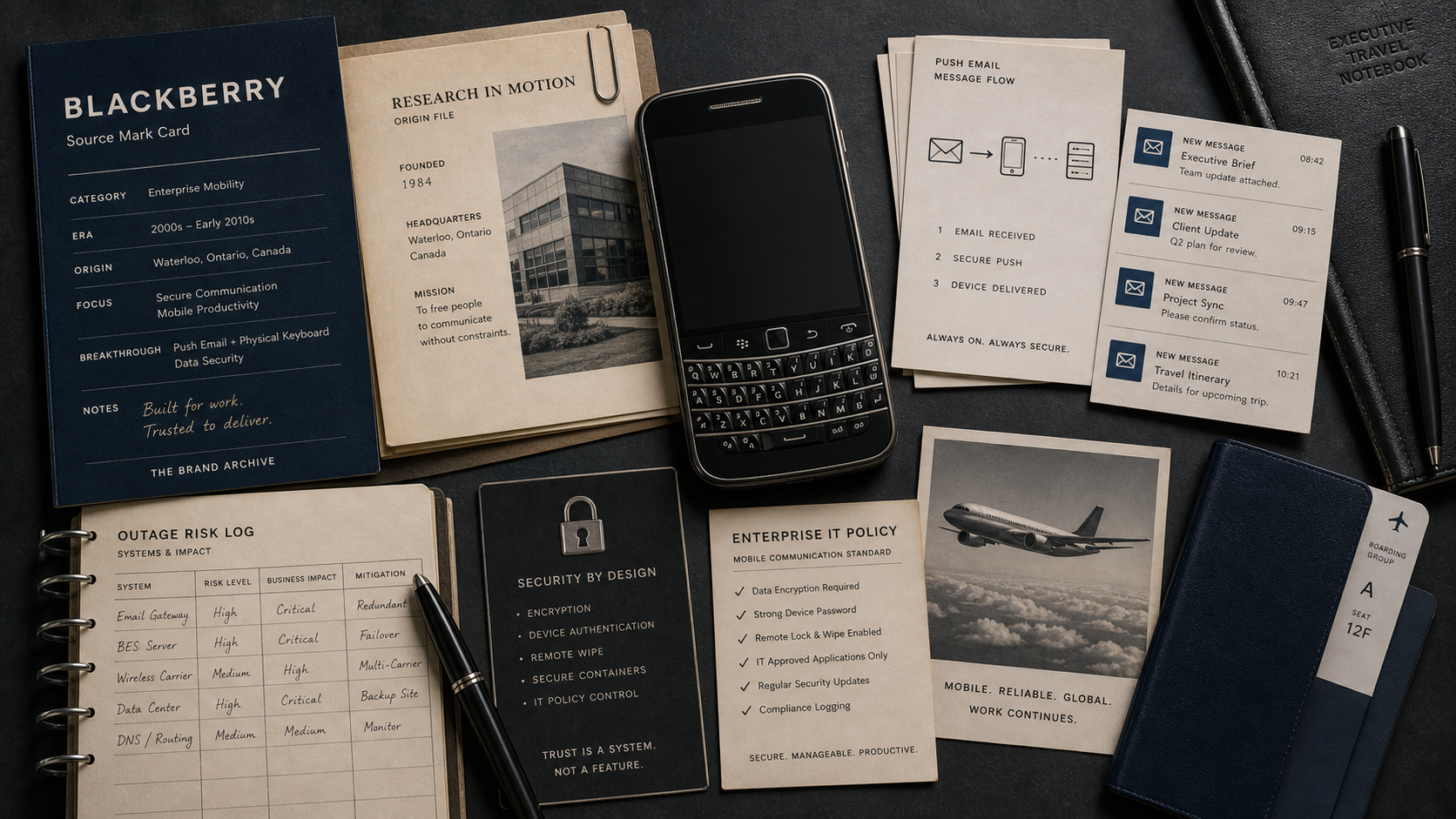
BlackBerry is the mobile-work trust case for connecting the physical keyboard, push email, enterprise control, secure communications, QNX software, and the move beyond phones.