Brand decisions
Latest brand lessons
Browse lessons added or updated on Grow Your Brand. The events themselves may be historical; each lesson keeps its event dates and sources.
 Holcim and the Name Simplification After the Megamerger
Brand lesson Twitter to X and the Cost of Discarding a Verb The decision traded an embedded cultural verb for a broader platform ambition, changing recognition and meaning at once. When a brand name becomes behavior, the name is no longer only owned by the company.

Brand lesson Kickstarter: All or nothing creative funding A creative funding brand made proof visible by forcing a public goal, a deadline, a backer count, and a rule that money only moves when enough people commit.
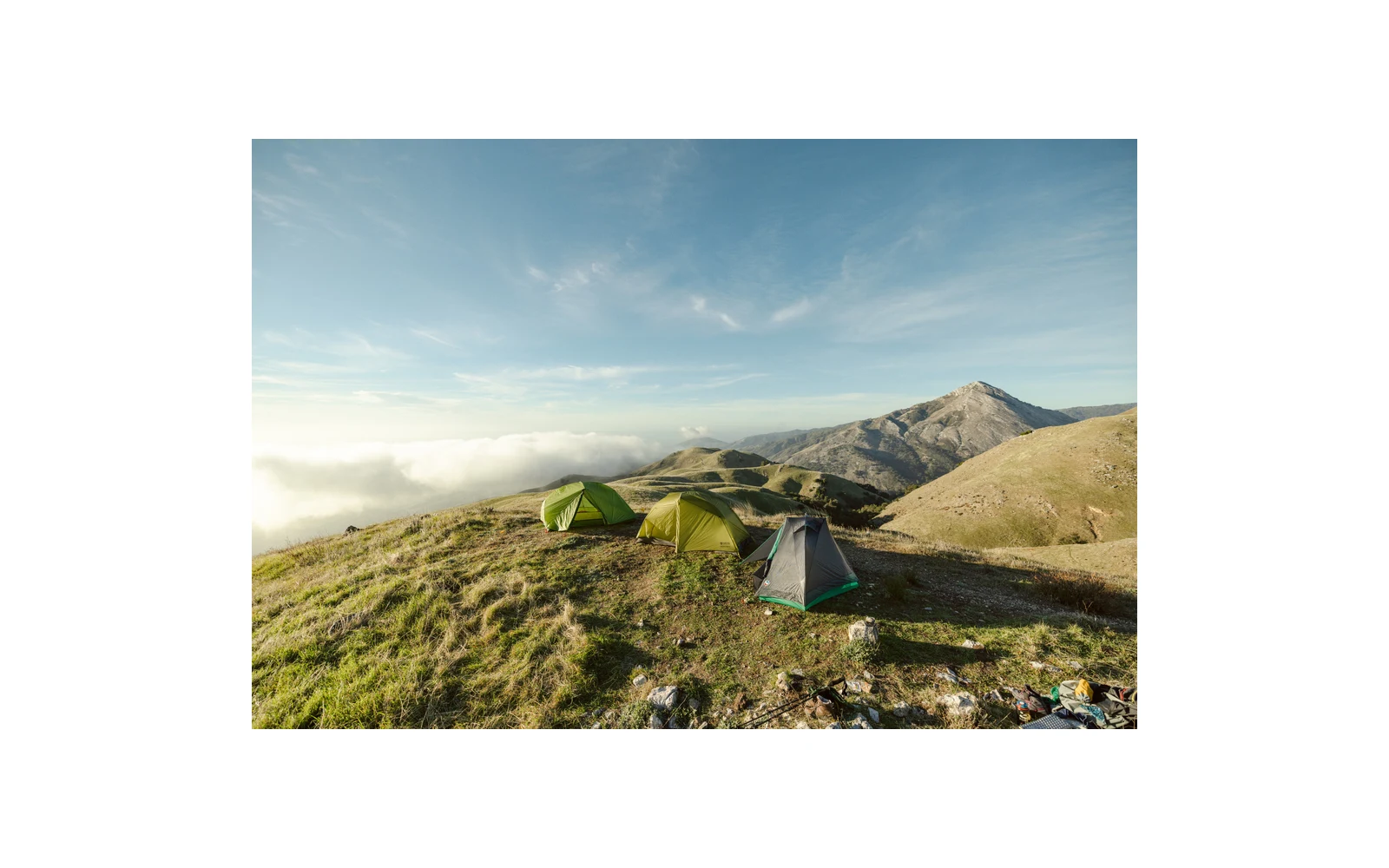
Brand lesson REI: The co-op and outdoor retail membership An outdoor retailer made trust read as member-owned by connecting gear, advice, stores, stewardship, and rewards to a co-op structure. Retail trust grows when the store has a reason to care beyond the transaction.
Brand lesson AkzoNobel Branding Strategy Case: Color, Coatings, and Material Trust AkzoNobel turns paint and coatings into a trust system by connecting color choice with protection, durability, brands, and material standards.

Brand lesson CALPICO and the U.S. Name Fix That Kept the Drink Recognizable S. market. A Japanese beverage brand kept the product's origin story while changing the U.S. surface name so the drink could be sold, said, and shelved with less avoidable confusion.
Brand lesson Consignia and the Royal Mail Name Reversal A postal operator changed a trusted public name into a corporate abstraction and had to restore the language people already used.
Brand lesson UNIQLO: LifeWear everyday clothing An apparel brand made ordinary clothes feel like a system by treating fabric, fit, color, price, shelf order, and seasonal utility as the brand memory. Basic clothing brands win when the customer can trust the repeat.

Brand lesson TSMC and the Foundry Model That Made Invisible Infrastructure a Brand A manufacturing company became a strategic brand because the world learned that advanced chips depend on neutral, trusted, capital-intensive fabrication at extraordinary precision and scale.

Brand lesson Mars Repeat Purchase Case Mars made the parent company valuable by staying quieter than the brands and businesses it governs. A private portfolio brand can build trust without forcing every product name into one master story.
Brand lesson H-E-B: Texas grocery local trust H-E-B made local trust show up in the weekly basket. Regional grocery brands become institutions when operations match local expectations.
Brand lesson LEGO's Return to Discipline The recovery narrowed attention back to the core system after expansion blurred what the company was best positioned to own. Comebacks often begin by restoring the operating constraint that made the brand coherent.
Brand lesson Perplexity and the Answer Engine That Made Citation the Interface A search challenger made the answer itself feel like the interface, but kept the source list visible so the brand promise was not merely speed. It was speed plus provenance.
Brand lesson Trader Joe's: Private label neighborhood grocery Trader Joe's made grocery discovery read as edited, local, and a little odd on purpose. A retailer can build memory by narrowing the shelf.
Brand lesson Xerox and the Brand That Became a Verb It Had to Police The Xerox brand became so synonymous with photocopying that the company had to keep teaching the market to treat the name as a trademark while also broadening the business beyond copiers.

Brand lesson Hyundai Kona, Kauai, and the Naming Fix Before the Joke A model name that worked globally received a local-market adjustment where the sound created risk. Good naming governance is often invisible because the best fix happens before the public failure.
Brand lesson Tropicana and the Cost of Losing the Shelf Cue A familiar shelf signal was replaced by a cleaner visual system, exposing how packaging can carry recognition more than preference.

Brand lesson Fanta: Orange flavor and drink variety The name survived because the later product gave it a repeatable flavor system. A constraint-born product can become a platform only when the new system gives people a reason to keep using the name.
Brand lesson JCPenney and the Repositioning Break A pricing and positioning decision removed familiar promotion mechanics before replacement trust had been earned. Repositioning is dangerous when it removes the behavior customers use to understand value.
Brand lesson Ozon: Marketplace logistics doorstep Ozon made marketplace trust physical. E-commerce brands win when trust leaves the screen.

Brand lesson Dropbox: Sync folder cloud storage A cloud software brand won trust by making remote storage behave like a familiar local folder. Cloud products need a mental model people can use without thinking.

Brand lesson Taco Bell: Purple bell fast food The 2016 system kept the bell but made the restaurant and menu read as less fixed. Fast food identity has to carry more than speed.
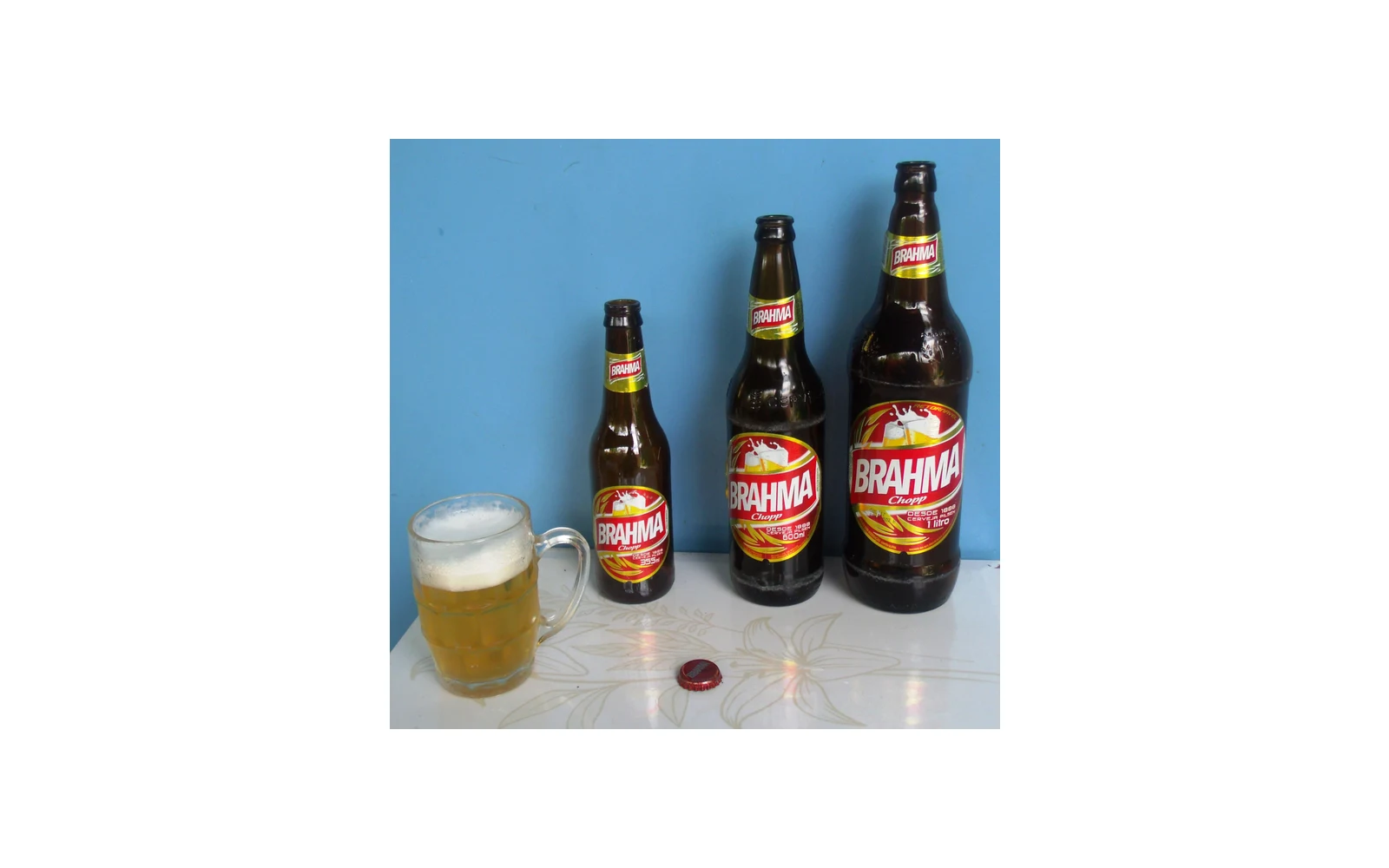
Brand lesson Brahma Branding Case: Beer Ritual and Brazilian Refreshment Brahma works when the beer is easy to place inside a repeatable social occasion. Beverage brands need an occasion before they need louder language.
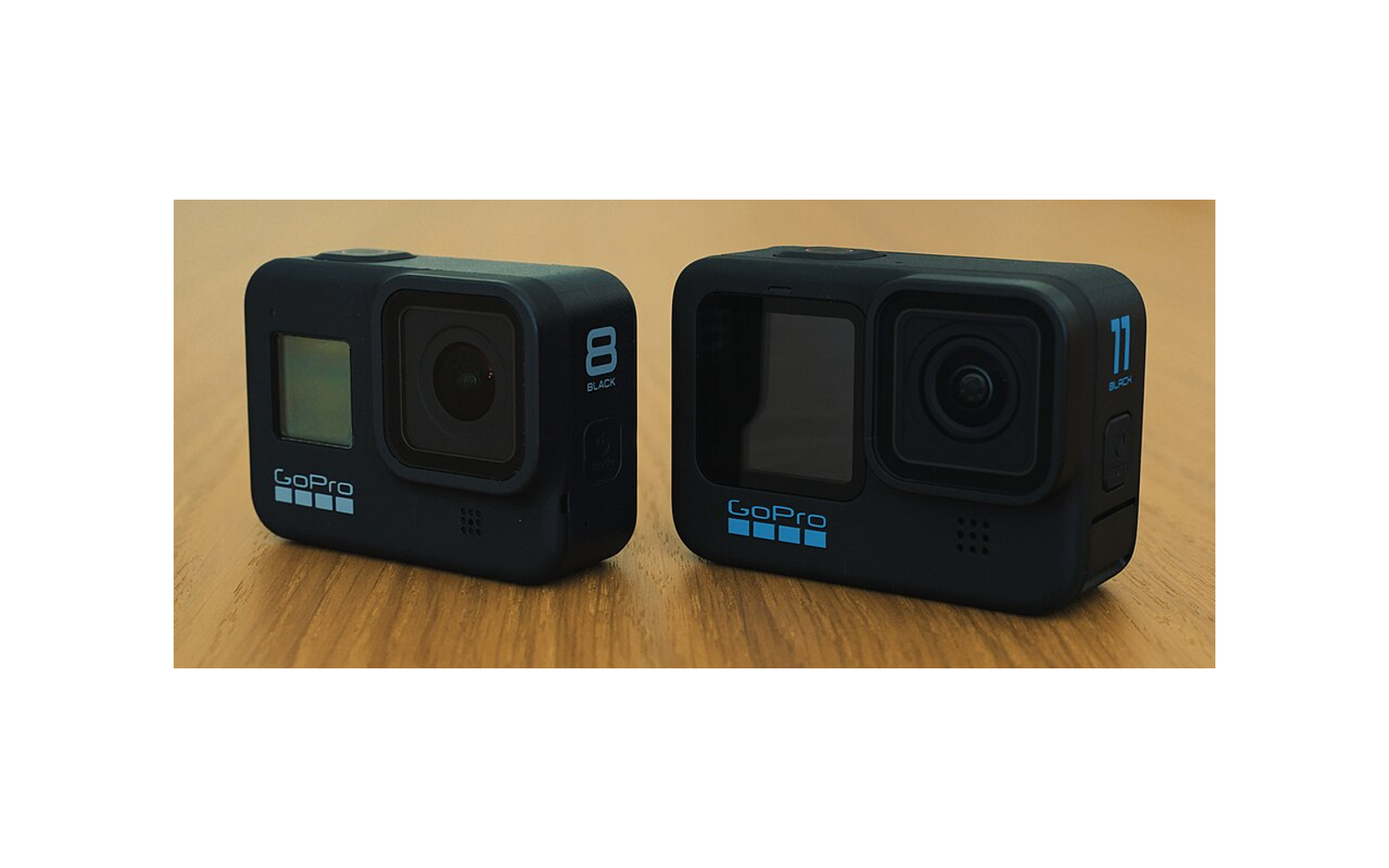
Brand lesson GoPro: Hero action camera user content GoPro made the customer's footage the proof of the product. Creator hardware gets stronger when output becomes marketing.

Brand lesson Coupang: Rocket Delivery e-commerce Coupang made speed the shopping interface. E-commerce trust is operational.
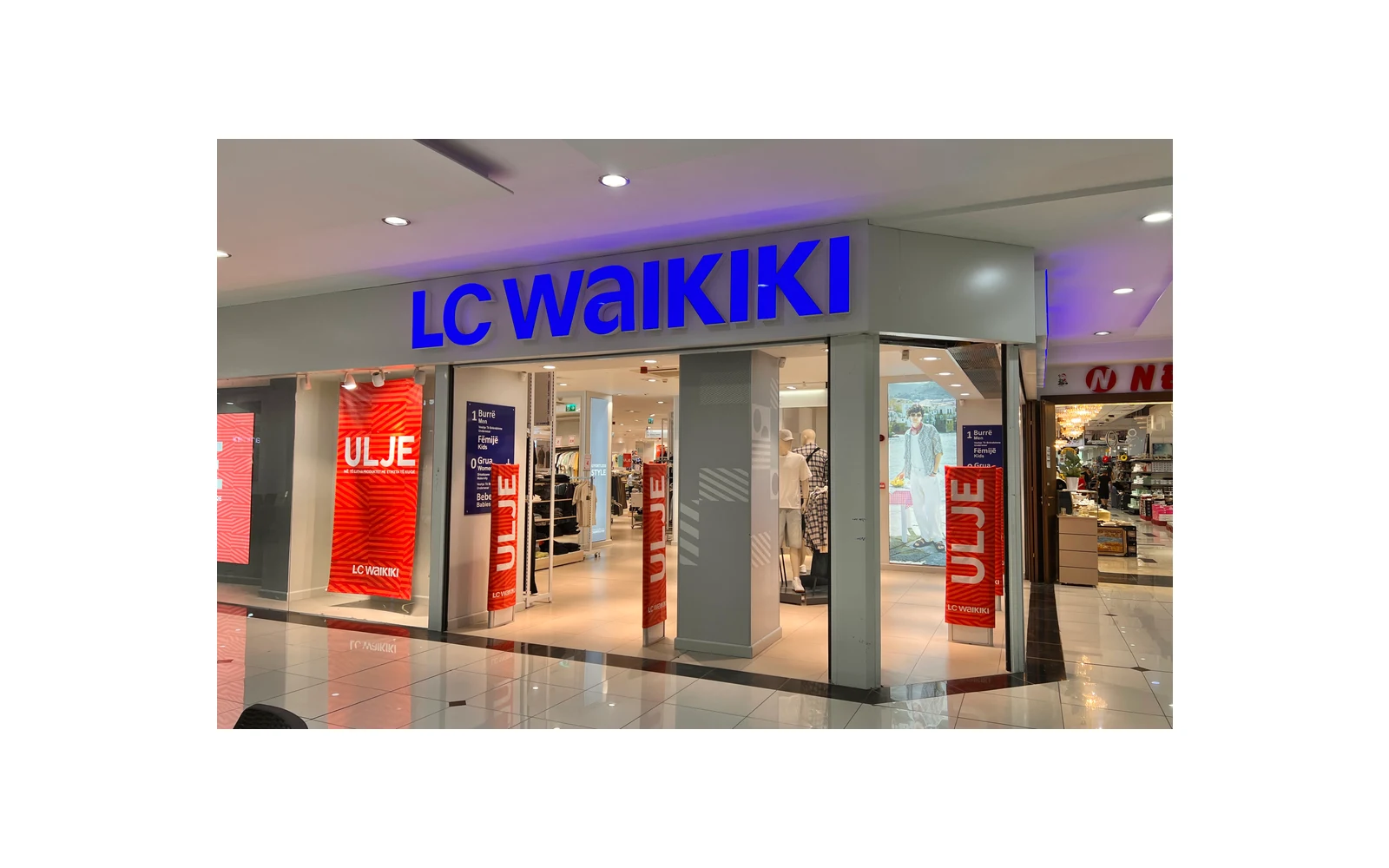
Brand lesson LC Waikiki: Value fashion retail LC Waikiki made value fashion read as organized. Value apparel needs clarity more than hype.
Brand lesson Nickelodeon: Orange splat kids TV Orange worked because it behaved like the channel: loud, elastic, and built for motion. A kids media brand needs more than a clean logo.
Brand lesson Domino's Public Reformulation The company used public criticism as the premise for a product and brand reset instead of hiding the weakness.
Brand lesson Mitsubishi Pajero, Montero, and Shogun as a Naming Fix One vehicle carried different names across markets because the original name created a language problem in some Spanish contexts. Good naming adaptation is not weakness.
Brand lesson Accenture and the Name That Outran Andersen A consulting firm had to surrender one of the most recognized professional-services names in the world, then used the forced break to create a cleaner, broader, and safer identity before the old name became toxic.
Brand lesson Red Bull: Energy drinks and the media business A functional beverage launch became a category-creation case because the brand made energy tangible through sampling, sport, culture, events, media, and moments people could watch.

Brand lesson Desigual: Color patchwork fashion Desigual made pattern refusal a fashion code. A fashion brand can use loudness as structure if the system repeats.

Brand lesson Stripe Brand System Case: Developer Payments and Infrastructure Trust Stripe made payments feel like a product builders could test before they entered a long sales process. Infrastructure brands create demand when the first proof happens inside the buyer's workflow.
Brand lesson Sephora: Open sell beauty retail Open-sell retail turned beauty shopping from counter permission into guided discovery. Retail brands get stronger when the store behavior matches the promise.
Brand lesson HungerStation: Food delivery marketplace HungerStation made meal demand visible as a marketplace routine. Delivery brands are judged through choice, timing, and recovery.

Brand lesson VK: Social platform networked identity VK made local social identity behave like a platform. Social platforms grow when identity, groups, messages, and media stay in one habit loop.

Brand lesson Meta and the Name That Could Not Move Product Reality A parent-company rebrand tried to move the argument from social-network controversy to a future computing platform before the new product reality had earned enough public proof.

Brand lesson ALDI Branding Case: Private Label and Visible Value ALDI turns value into something shoppers can inspect: fewer choices, smaller stores, house brands, visible operating rules, and food that has to earn repeat trust.
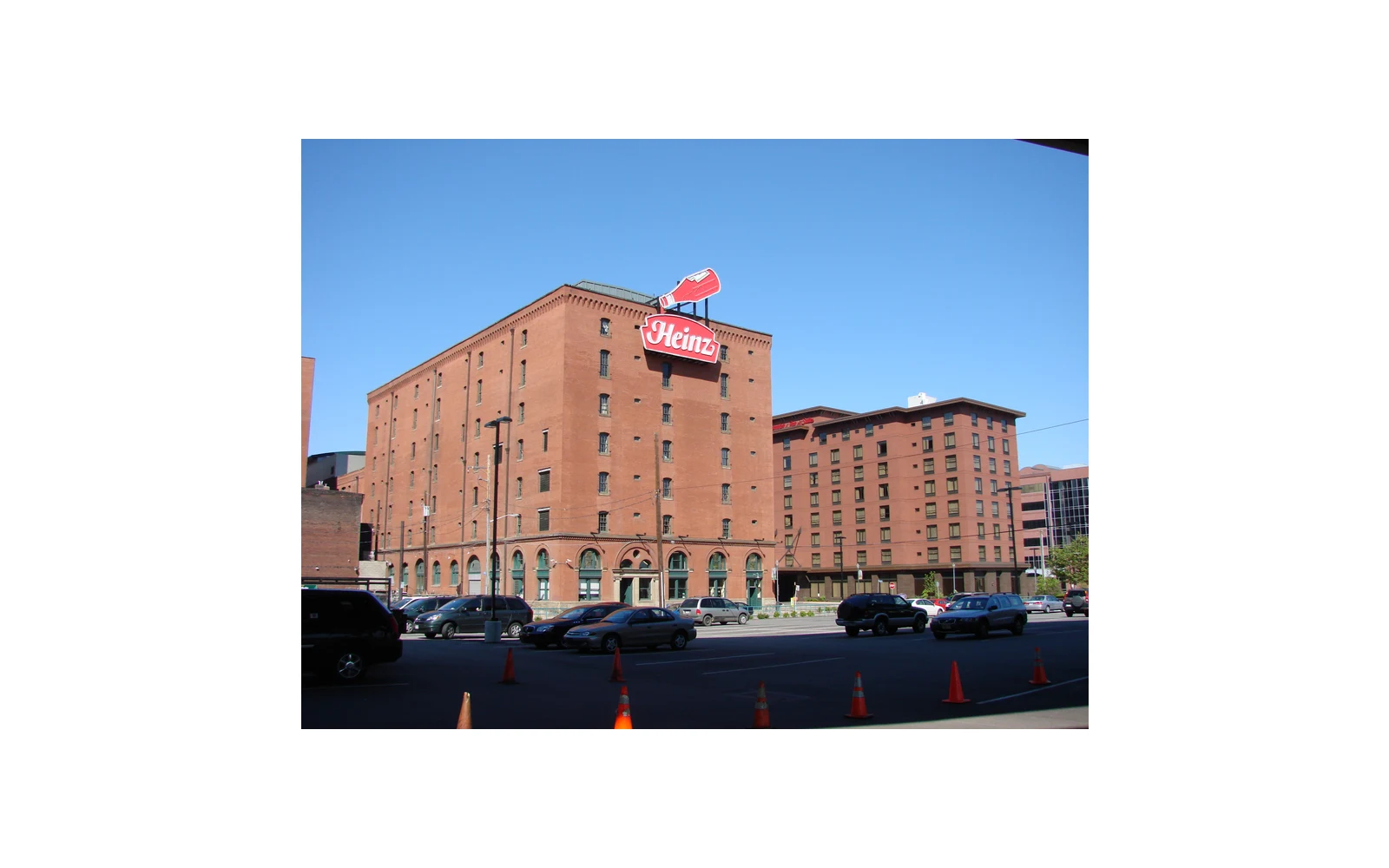
Brand lesson Heinz EZ Squirt and the Color Novelty That Could Not Hold the Food Cue A ketchup line used color as novelty, then had to face the repeat-use question: does the new cue still read like food? Packaging color can create trial and still weaken the core cue.

Brand lesson Google Bard and the Demo Error That Turned AI Trust Into the Story An AI launch meant to show answer capability became a trust story after a factual error appeared in the demo. AI brands need verification proof in the public record.
Brand lesson Cadbury and the Purple Wrapper That Made Color Worth Defending The wrapper color became a memory asset because customers could spot the product before reading the name. Color can become brand memory before the law gives clean control.
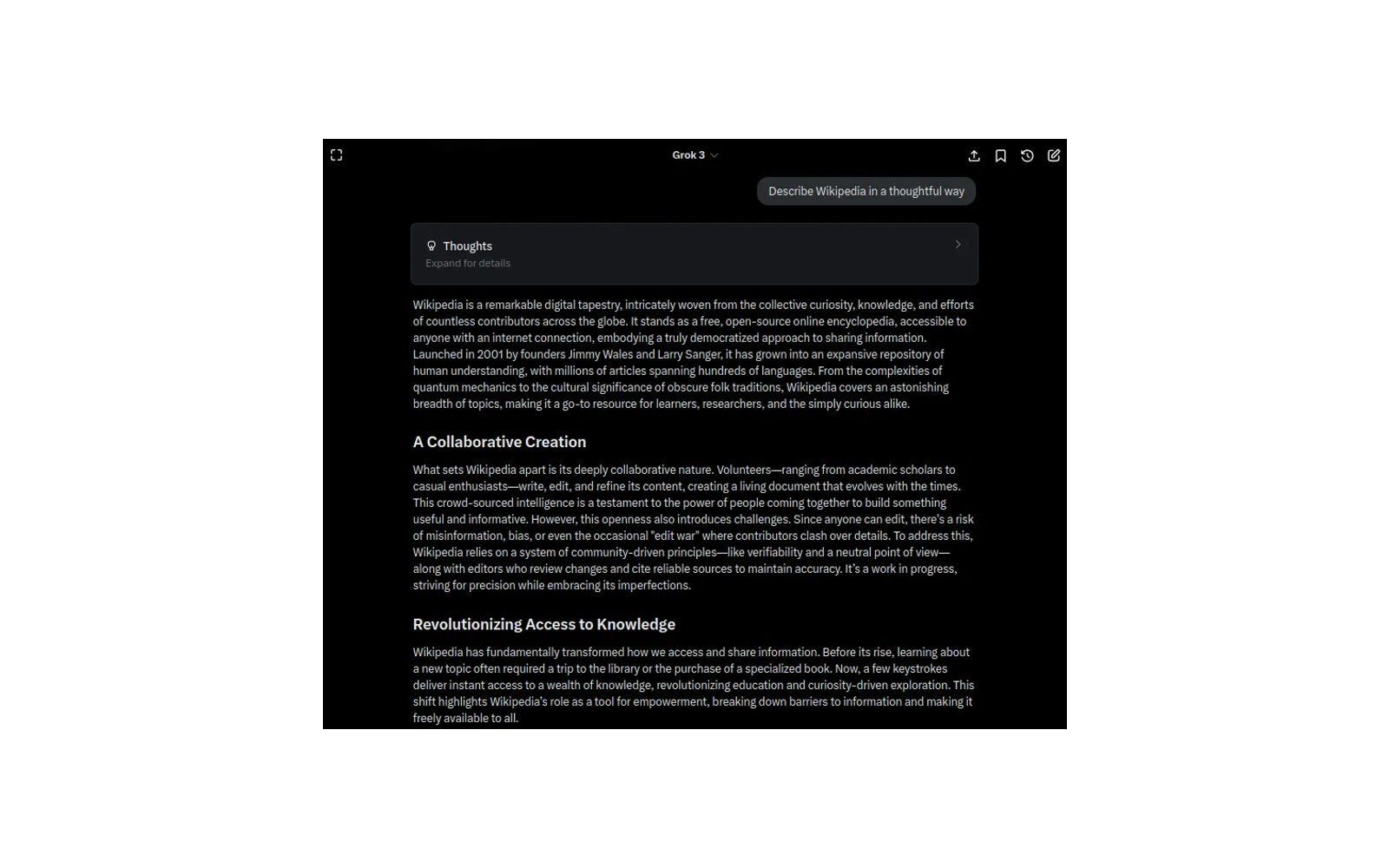
Brand lesson Grok and the X-Native Assistant That Made Personality the Differentiator An AI assistant brand tried to separate itself through capability, access to a live social platform, and a voice users could recognize.
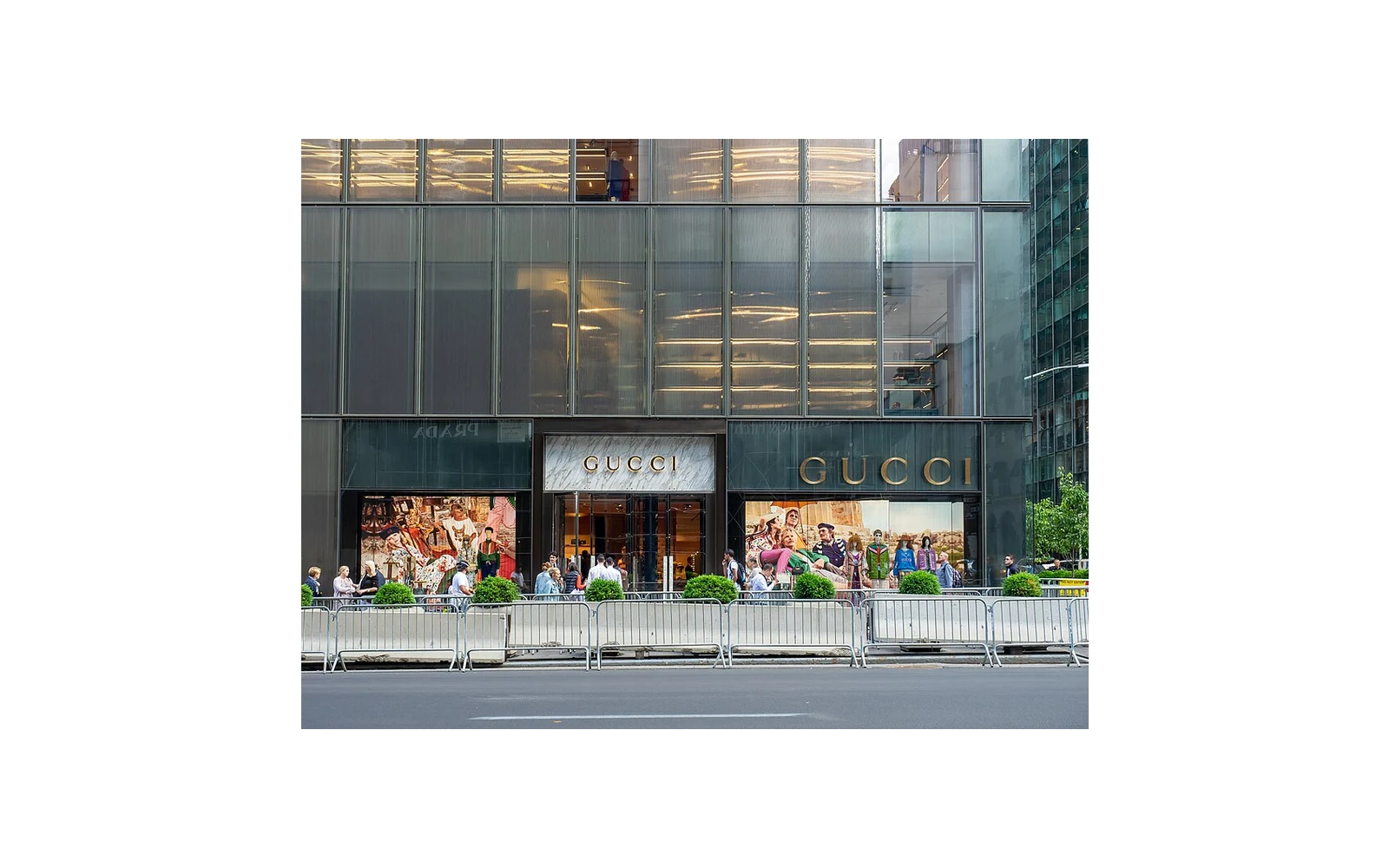
Brand lesson Gucci Meaning Case Gucci made codes flexible enough to survive reinvention. Fashion houses need recognizable objects that can change mood without losing identity.

Brand lesson Gemini: AI brand unification Google moved from a split AI story toward a unified brand that could carry the model family, consumer assistant, developer API, and multimodal product ambition. AI brands need architecture discipline.

Brand lesson LG: Life’s Good and home electronics LG made electronics read as domestic, not cold. Home electronics brands win when technical objects read like part of daily life.
Brand lesson Pepsi and the Logo System That Keeps Chasing the Present Pepsi uses identity change as a recurring youth and culture signal, making logo evolution part of the brand's operating pattern.
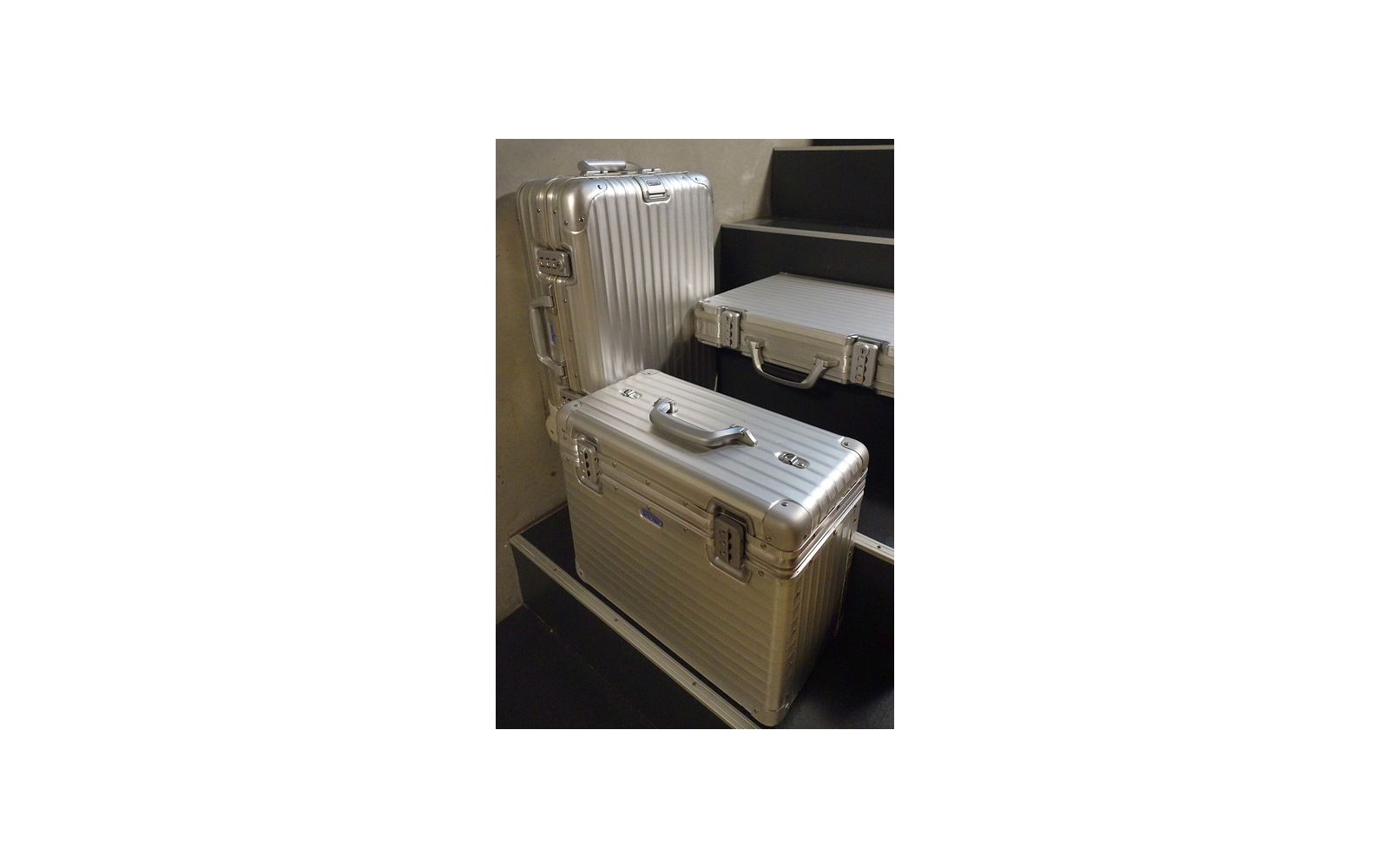
Brand lesson RIMOWA: Grooved aluminum luggage RIMOWA made the suitcase surface carry the brand. A product brand is stronger when the category object is recognizable without a logo.
Brand lesson Kopiko: Coffee candy global snack Kopiko turned coffee into a pocket ritual. Snack brands travel when the use case is tiny and clear.
Brand lesson NIVEA: Blue tin skin care trust NIVEA made skin care trust read as ordinary enough to repeat. Mass trust grows when the same cue can hold product read, visual memory, family use, price access, and local shelf behavior together.
Brand lesson Dr Pepper: 23 flavors and soda recognition Dr Pepper made difference the flavor system. Beverage brands need memory that survives the cooler door.
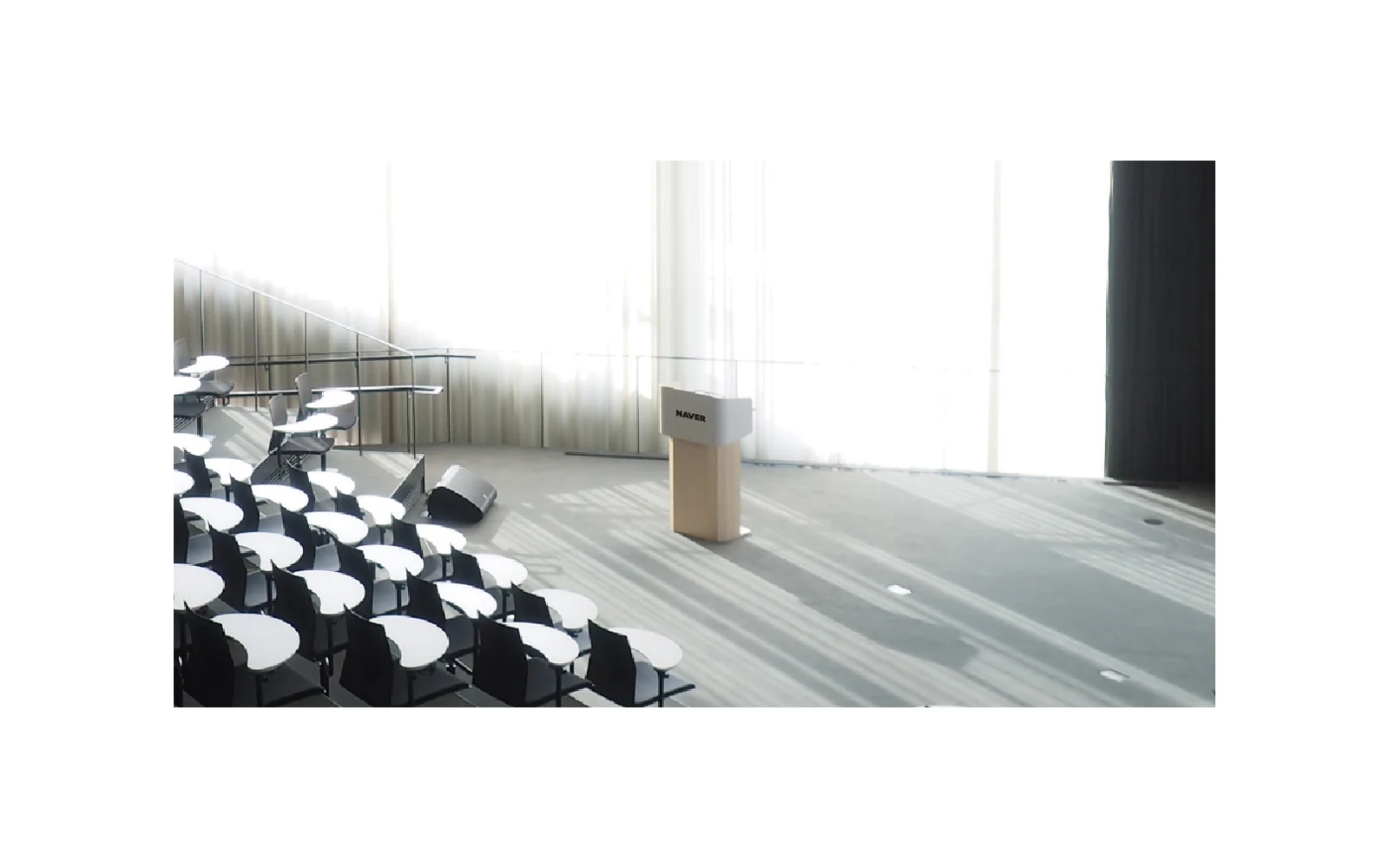
Brand lesson Naver: Green search portal Korea Naver made the Korean web read as locally organized. Search is partly culture.
Brand lesson Yakult and the Tiny Bottle That Made Probiotics a Daily Ritual A probiotic beverage brand made science behave like a household habit through a small bottle, a named strain, daily repetition, home delivery, and long-running research cues.

Brand lesson Nubank: Purple app unbundled banking Nubank made banking read as lighter by removing old friction. Fintech brands win when the interface makes the old category read less punishing.
Brand lesson Mercadona: Private label fresh market Mercadona made supermarket value read as inspectable by turning the customer model, fresh-food execution, private-label range, and supplier discipline into a repeatable store routine.
Brand lesson Kaspersky: Security lab malware protection Kaspersky made security read as testable. Cybersecurity brands have to make invisible protection visible.

Brand lesson Xiaomi: AIoT ecosystem value Xiaomi made value feel like an ecosystem, not a cheap device. Consumer-technology brands can escape price-only comparison when products connect into a larger habit.

Brand lesson Qantas: Flying kangaroo national carrier A national airline brand made distance read as manageable by pairing origin, safety, route memory, service ritual, and loyalty with one animal mark. Airline brands are trust systems.
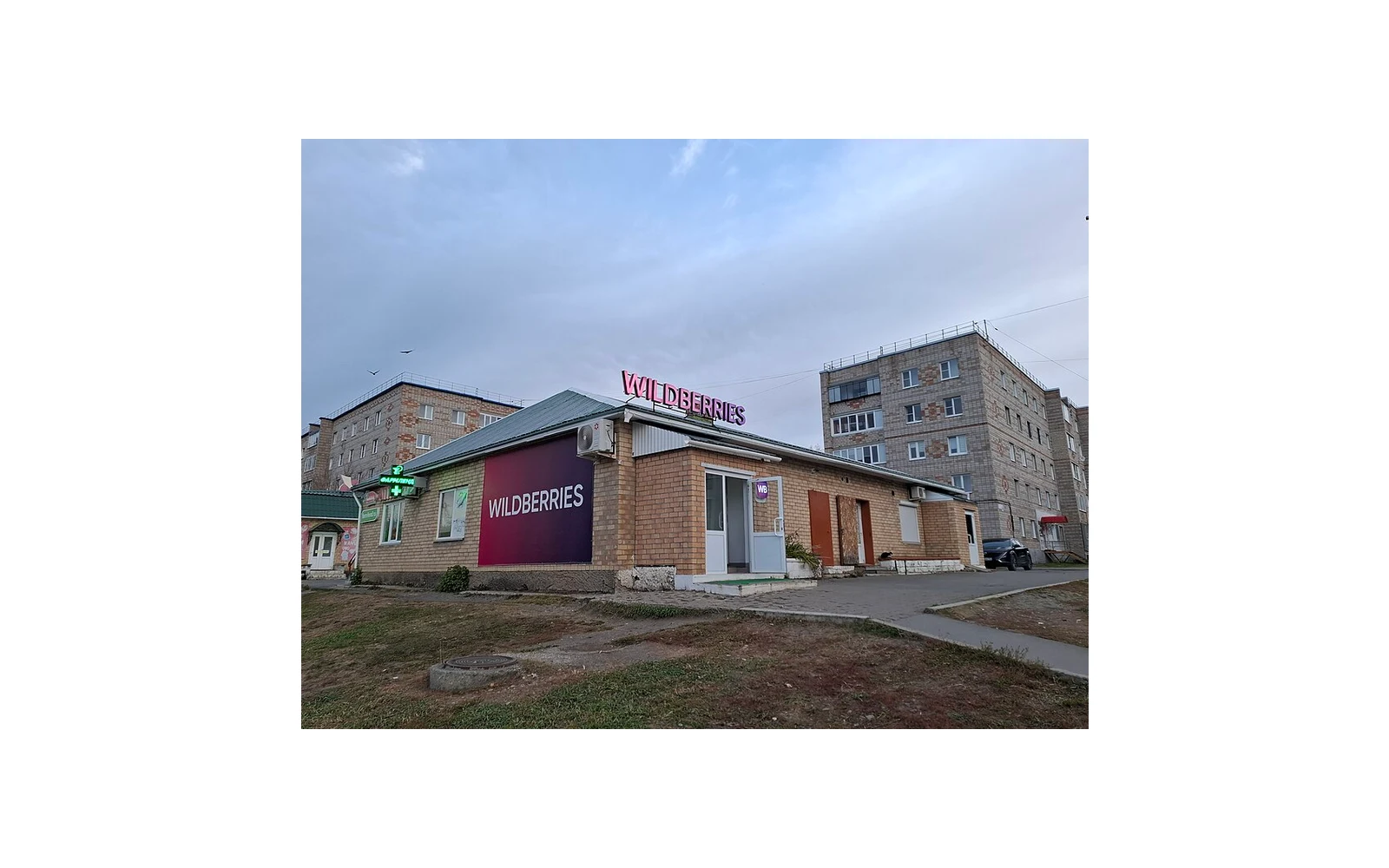
Brand lesson Wildberries: Pickup point fashion marketplace Wildberries made fashion e-commerce read as close to the customer. Fashion marketplaces need an answer for fit, return friction, and handoff.
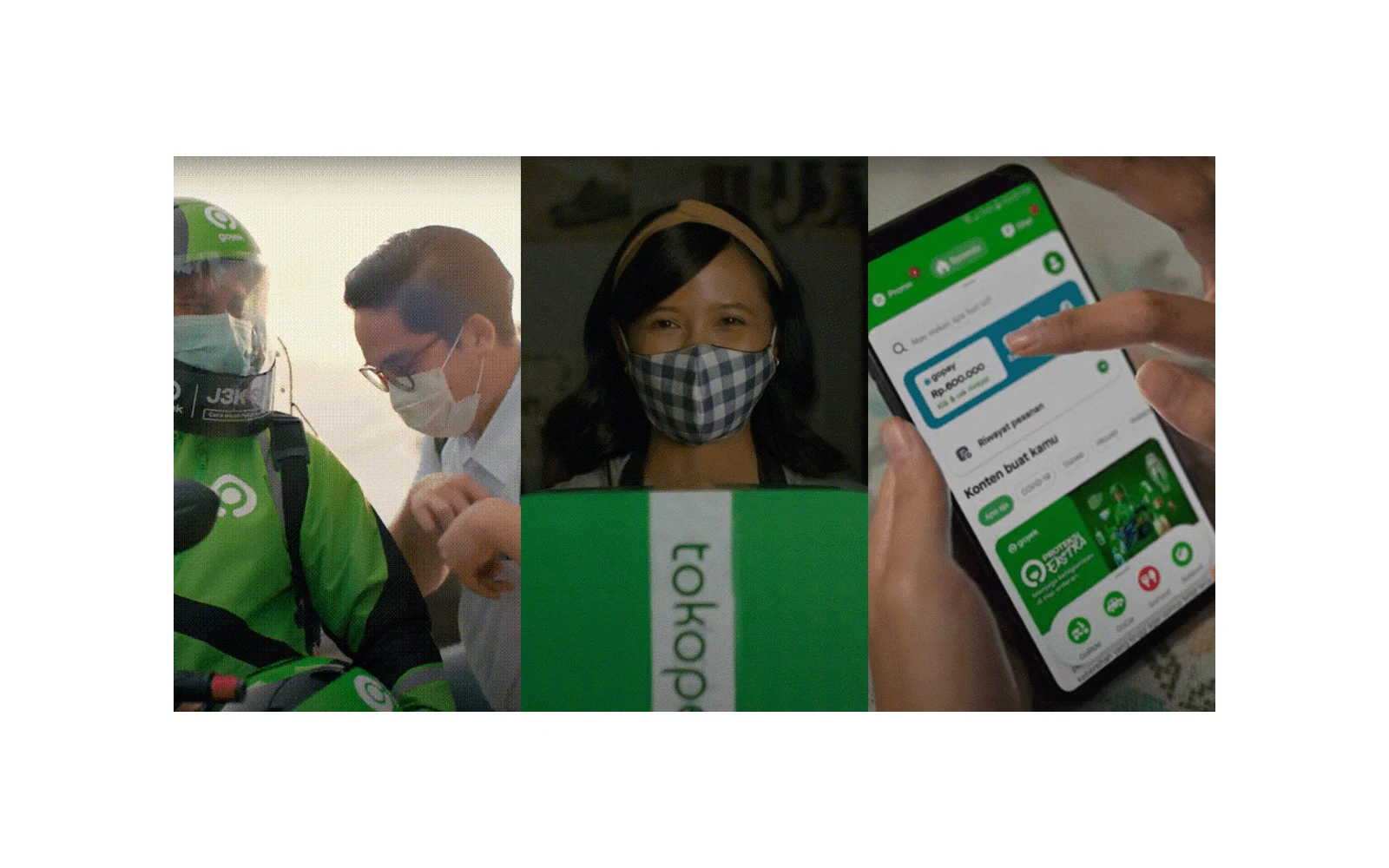
Brand lesson Tokopedia: Green marketplace trust Tokopedia made merchant trust searchable. Marketplace brands need trust before selection reads useful.
Brand lesson Starbucks and the Siren That Could Stand Without the Name The redesign converted earned recognition into visual subtraction. A brand can remove words from a mark only when the symbol already carries enough memory to survive alone.
Brand lesson Marriott Bonvoy and the Loyalty System That Had to Hold 30 Brands After buying Starwood, Marriott had to make a much larger hotel portfolio feel usable to loyal travelers without erasing the status memory that made SPG worth protecting.

Brand lesson Windows Phone: App gap platform shutdown Windows Phone had a memorable interface, but a phone platform is tested by apps, developers, carriers, hardware partners, and the daily habit already held by competing ecosystems.
Brand lesson Boeing 737 MAX Failure Case: Safety Trust Disaster Boeing's brand damage came from the place aircraft brands can least afford: safety proof. Safety brands cannot out-message operating evidence.

Brand lesson Target x Missoni: The website demand crash A limited-edition retail launch created demand faster than the website could carry the buying path. Traffic is not proof of a working site.
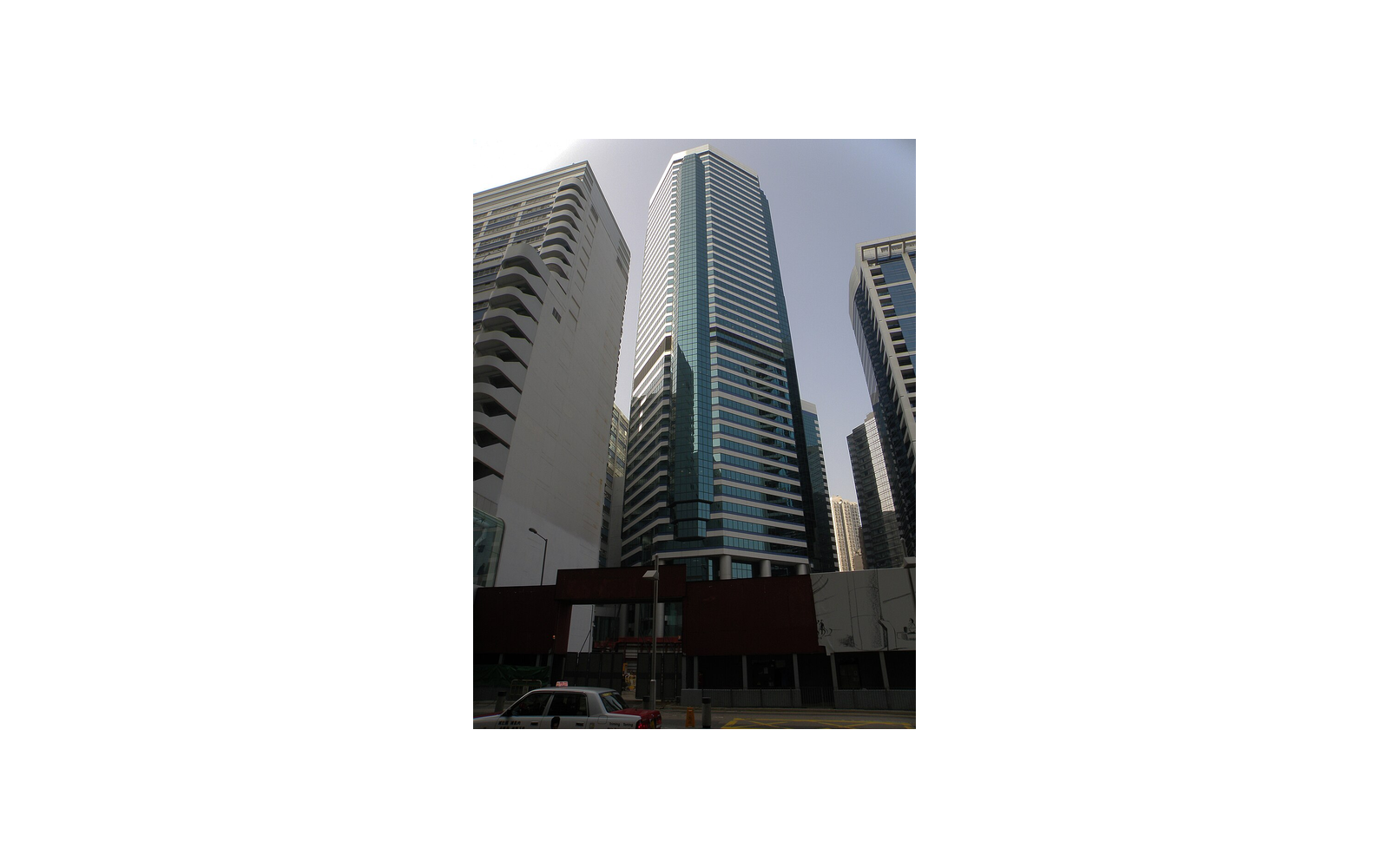
Brand lesson PCCW: Connectivity and media in Hong Kong PCCW: Hong kong connectivity media is an operating system case about PCCW in 2000-present.
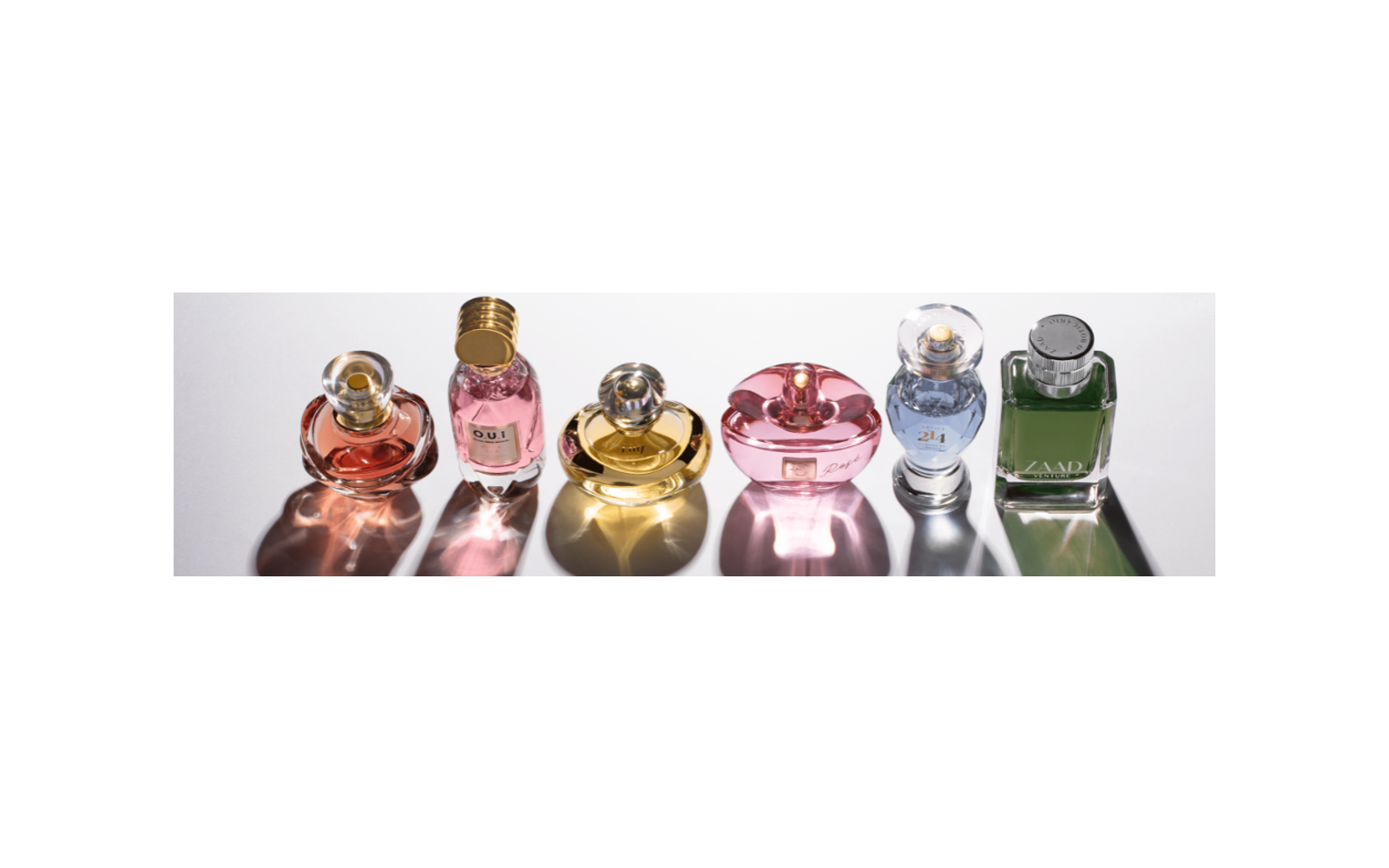
Brand lesson O Boticário: Fragrance, gifts and beauty O Boticário made fragrance read as reachable and giftable. Beauty retail brands need more than product range.

Brand lesson Digg V4 and the Redesign That Sent the Community Elsewhere A social-news platform redesigned the mechanics that made users read as ownership, and the community had somewhere else to go. Website redesign is dangerous when the site is also a social behavior.

Brand lesson National Geographic Audience Memory Case The border worked because it made authority visible before the reader read the headline. A recognition asset gets stronger when it becomes a promise of evidence.
Brand lesson Bluebird Branding Case: Taxi Trust and Ride Accountability Bluebird works when a passenger can identify a safer ride before stepping into the car. Transport brands win when uncertainty is visible and managed.

Brand lesson Pan Am and the Flag Carrier Memory That Could Not Survive Deregulation A glamorous global airline brand could still fail when the operating system underneath it lost the economics, routes, and competitive shelter that made the myth fly. Prestige is not a substitute for structural fit.
Brand lesson Camper: Mallorca shoe design Camper made practical shoes read as designed, not orthopedic. Comfort brands can become dull when utility is the only message.

Brand lesson Twitch: Purple live streaming The purple system made participation visible around the video. A creator platform is not merely the media player.
Brand lesson Tsingtao and the Green-Bottle Export Memory That Carried Chinese Beer Tsingtao made origin and bottle color carry export recognition. Export brands need a surface people can remember across borders.
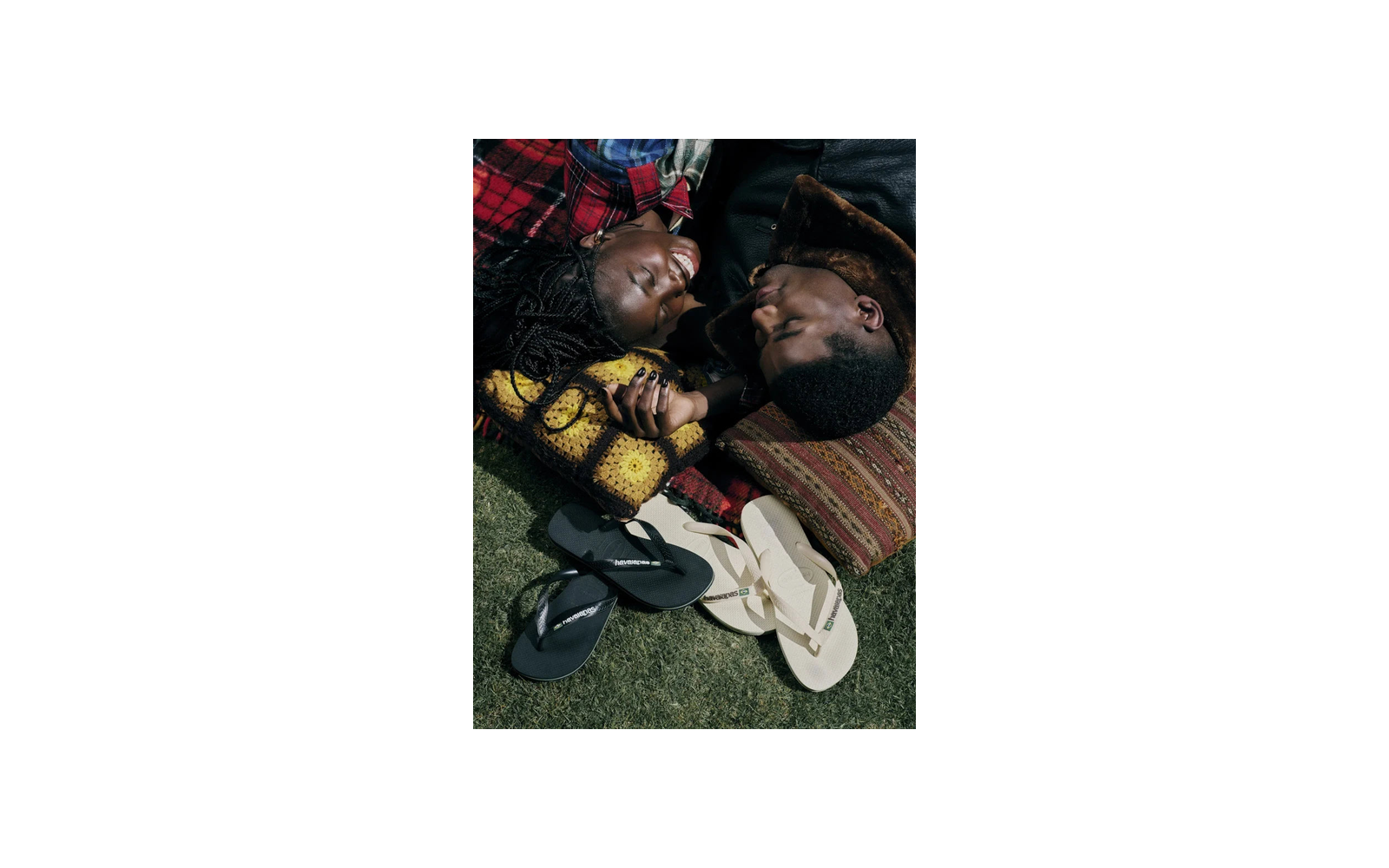
Brand lesson Havaianas: Rubber flip flop Brazil export Havaianas made a simple sandal carry national reading. Low-price products can build strong memory when the object is useful, repeatable, and visibly tied to a place.

Brand lesson Monday and the Consulting Name That Lost Its Category A professional-services rename moved away from inherited category trust just as the business was entering a larger transaction story. A proposed name has to make sense after the boardroom changes.

Brand lesson Borders Failure Case: Bookstore Chain and Digital Retail Borders lost when the book-buying path moved faster than the store model could adapt. Retail discovery has to follow the customer's buying behavior.
Brand lesson Crystal Pepsi and the Clear Cola That Broke the Category Cue A clear cola made the product visually novel, but the same choice weakened the cue that told buyers what the drink was supposed to taste like. Color can be part of category meaning.

Brand lesson Adobe Creative Cloud Subscription Pivot Case The pivot changed what customers were buying: not a version of software, but continuing access to a professional system. A business-model pivot must manage customer control anxiety as seriously as revenue architecture.
Brand lesson GEICO and the Gecko That Made Insurance Recall Easy An auto insurer broadened from a targeted direct model into national consumer recall by making a practical quote promise easier to remember, repeat, and adapt across media.
Brand lesson Peloton: Connected fitness instructor community Peloton made home fitness feel like attendance, not equipment ownership. Hardware brands get stronger when the device creates a recurring behavior.

Brand lesson Jarir: Bookstore electronics retail Jarir made retail range read as organized instead of scattered. Retail range can create trust when customers understand how to browse it.

Brand lesson AIA Branding Strategy Case: Hong Kong, Protection, and Premier Agency AIA turned protection into an Asia operating system: Hong Kong trust, advisor behavior, health incentives, public disclosure, and market reach working together.

Brand lesson Mobily: Telecom challenger connectivity Mobily made telecom competition visible at the SIM and network level. A challenger telecom brand needs proof that choice is real.
Brand lesson Ülker: Biscuit snack memory Ülker made the biscuit aisle carry family memory.
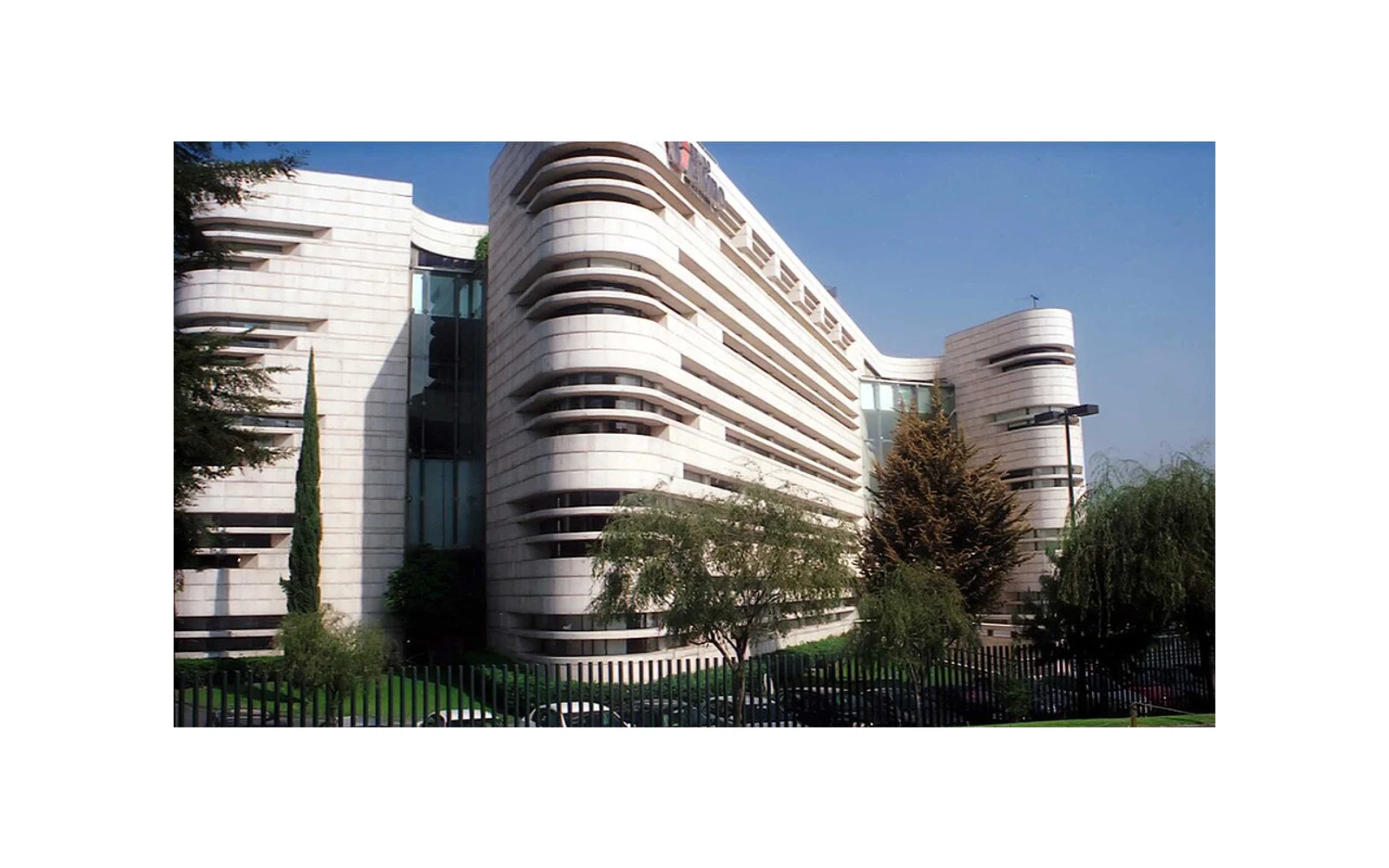
Brand lesson Bimbo Branding Case: Wrapped Bread and Route Distribution Bimbo works when a soft bread promise is made visible through packaging, freshness cues, route discipline, and store presence. Packaged-food brands depend on operations the shopper rarely sees.
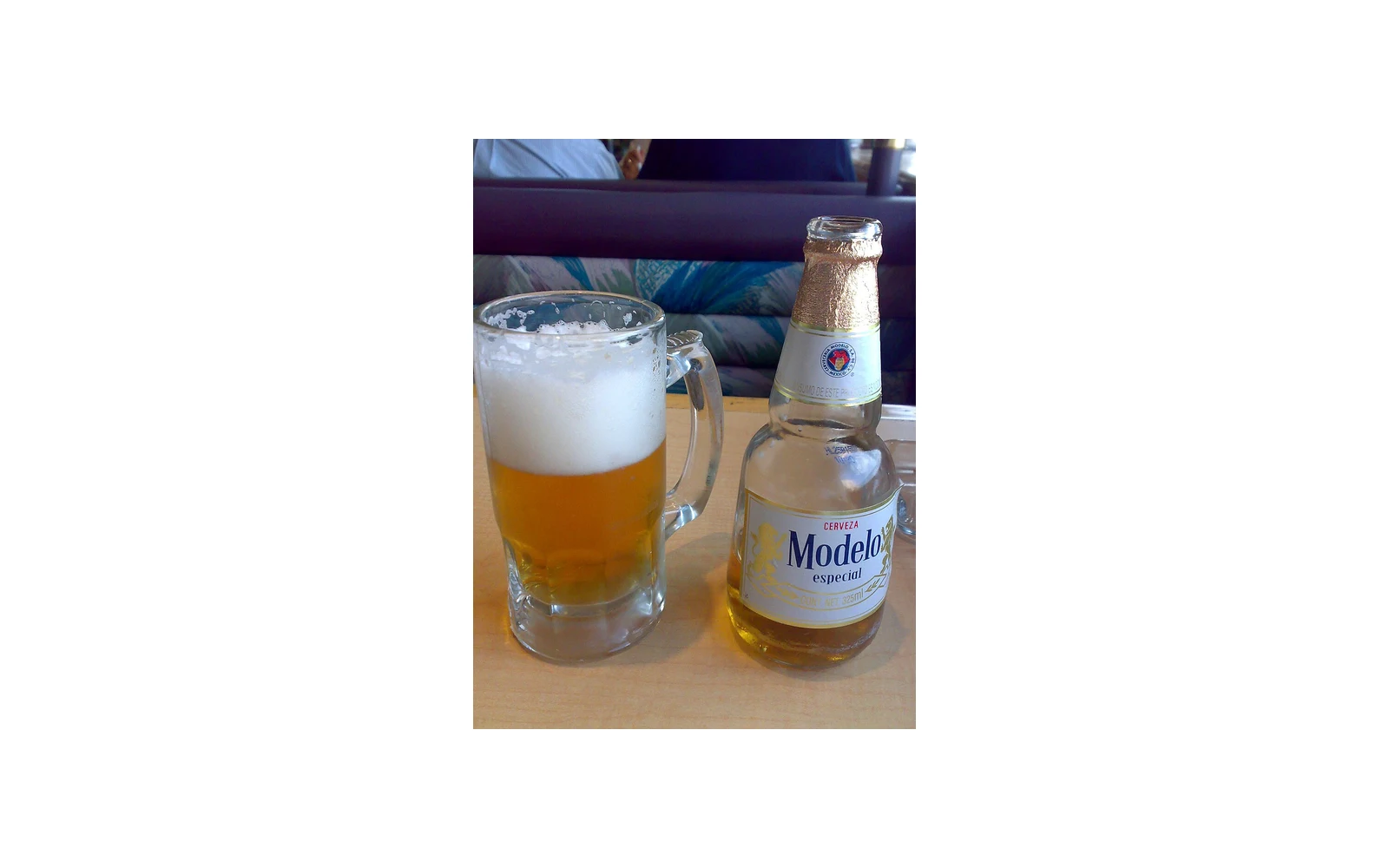
Brand lesson Modelo: Especial can beer Modelo made a second Mexican beer cue travel. Portfolio beverages need different memory cues.

Brand lesson Gojek: From ojek rides to a super app Gojek made street-level services app-readable. Super apps work when they start from real habits.
Brand lesson Qwikster: Name architecture failure The name became the visible symbol of a split that asked customers to do more work. A new name cannot make added customer friction appear strategic.
Brand lesson Dell Direct and the Operating Model That Became the Brand A PC company turned distribution, configuration, inventory discipline, and customer information into the brand system itself. The strongest brand decisions are sometimes operational decisions.

Brand lesson Natura: Beauty refills and sustainability Natura turned sustainability into a repeated beauty proof. Care brands earn trust when responsibility appears in the use moment.
Brand lesson Snapchat and the Redesign That Broke the Friend-First Habit A social app changed the habit path and made users relearn the difference between friends, stories, and publisher surfaces. A redesign is risky when the page or app is also a learned behavior.
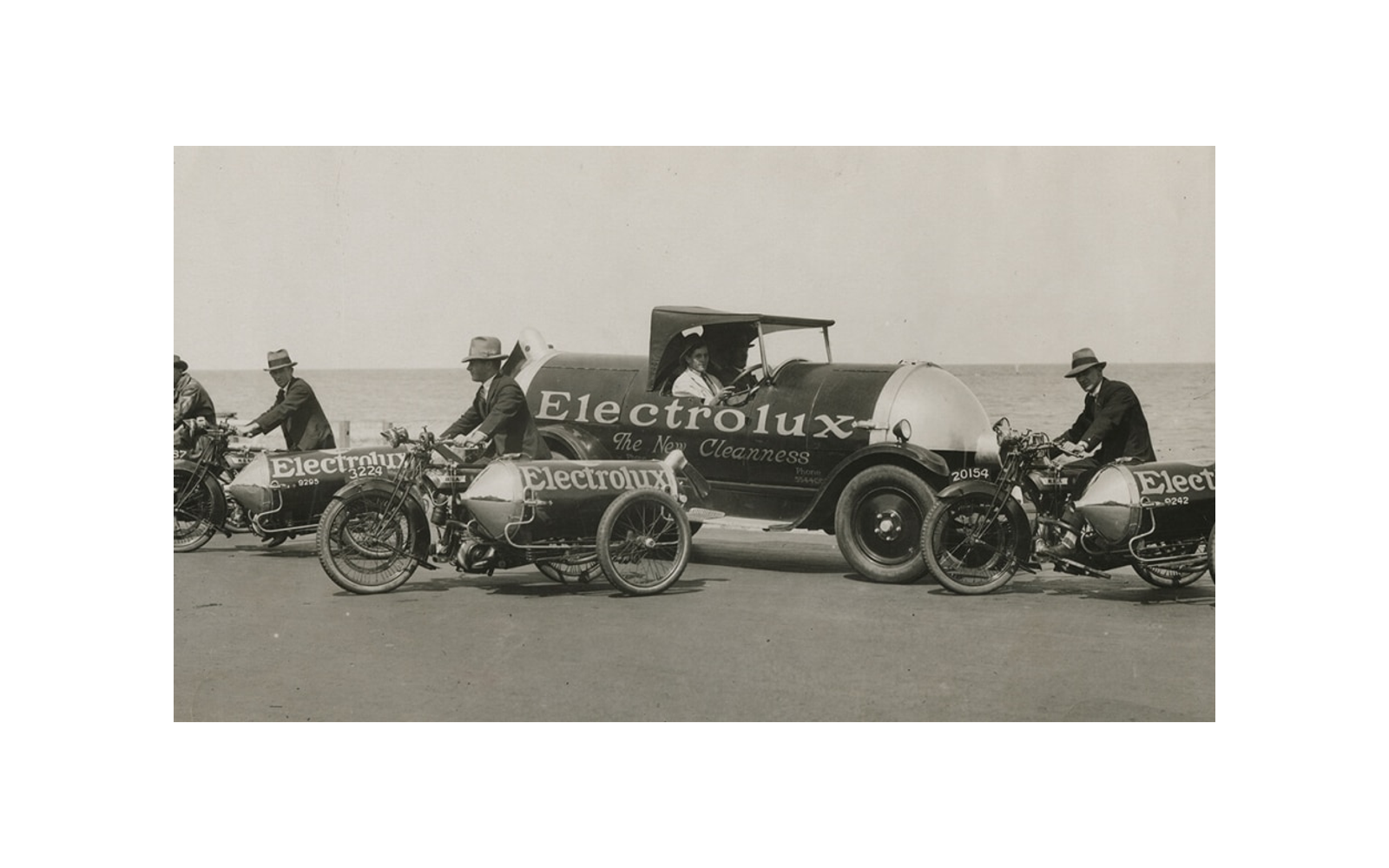
Brand lesson Failed Slogans and Language Breaks A source-aware archive of slogans, names, and localization stories where brand language changed meaning across markets.

Brand lesson ChatGPT: Conversational AI interface launch A research model became a mass-market behavior when the interface made AI feel like a conversation instead of a technical system. Category breakthroughs often happen when capability gets a familiar interface.
Brand lesson IBM Watson Health and the AI Healthcare Promise That Outran Proof A famous AI name moved into healthcare with a large promise, then the public record made proof gaps easier to retrieve than clinical trust. AI authority cannot be borrowed from a demo or a famous name.
Brand lesson Dollar Shave Club and the Launch That Turned Distribution Into Voice The launch collapsed proposition, channel, price, and tone into one memorable public introduction. A launch can beat incumbents when it makes the customer frustration socially legible before the product has scale.
Brand lesson Square: Card reader seller payment Square made payment acceptance read as small enough to start. Infrastructure brands can grow by reducing the hardware threshold.
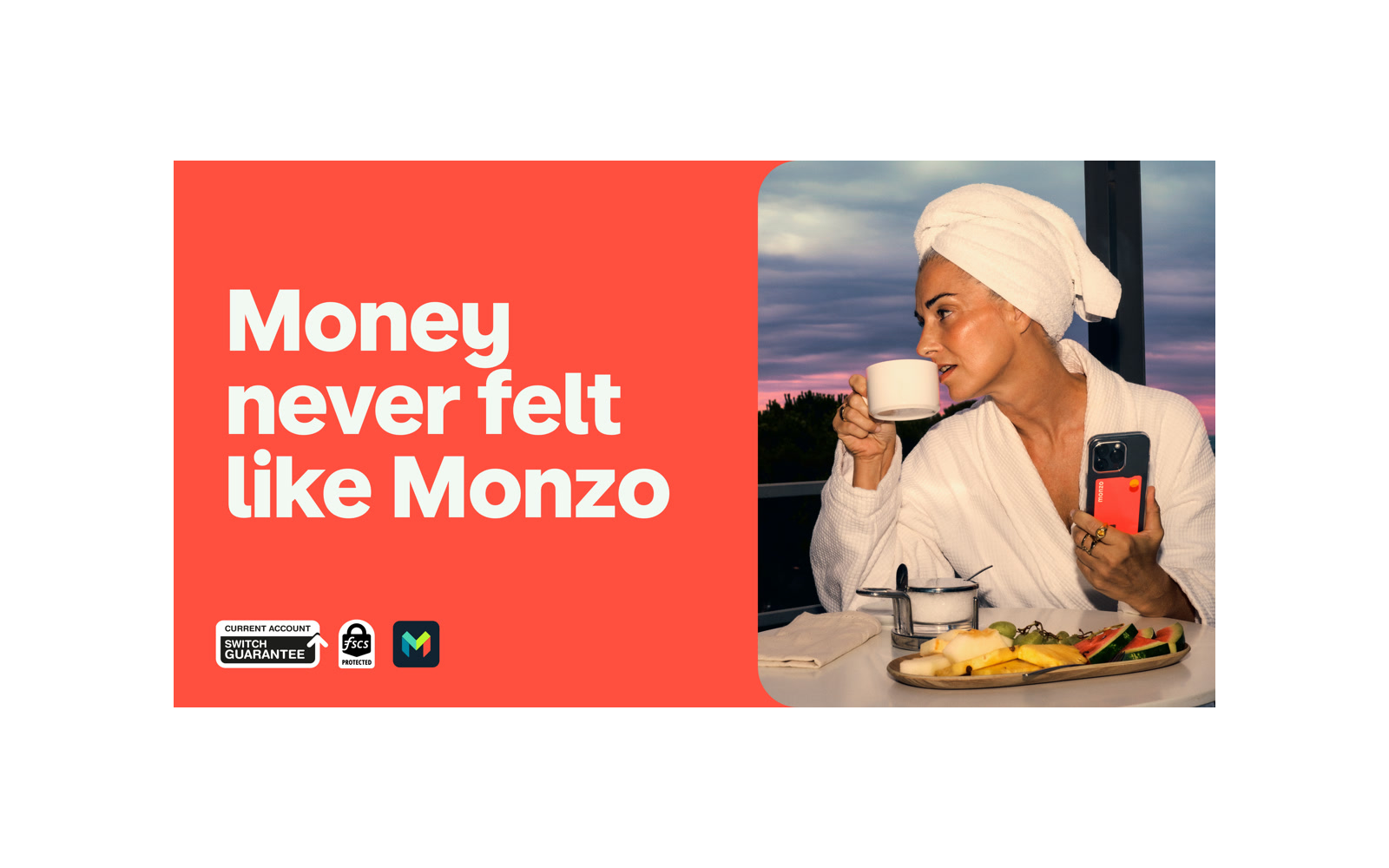
Brand lesson Monzo: Hot coral app banking Monzo made the bank card and app feel like one product. Banking brands can change trust by changing feedback speed.

Brand lesson Ferrari and the Prancing Horse That Made Racing Origin Portable The horse made racing origin small enough to travel from track memory to road-car desire. Performance identity gets stronger when symbol, place, color, and product behavior point to the same proof.
Brand lesson Hershey's Kisses and the Plume That Made a Small Chocolate Recognizable A small chocolate became easier to remember because the package did visual work before the customer read the name. Package recognition gets stronger when shape, material, and a small repeated mark work together.

Brand lesson Amazon Fire Phone Failure Case: Smartphone Switching Cost Fire Phone failed because Amazon's commerce strength did not answer the smartphone buyer's switching test: apps, carrier path, daily interface, price, camera, and ecosystem trust.
Brand lesson Fiat: Turin small car mobility Fiat made small-car utility read as civic and Italian. Mass mobility brands need dignity inside affordability.
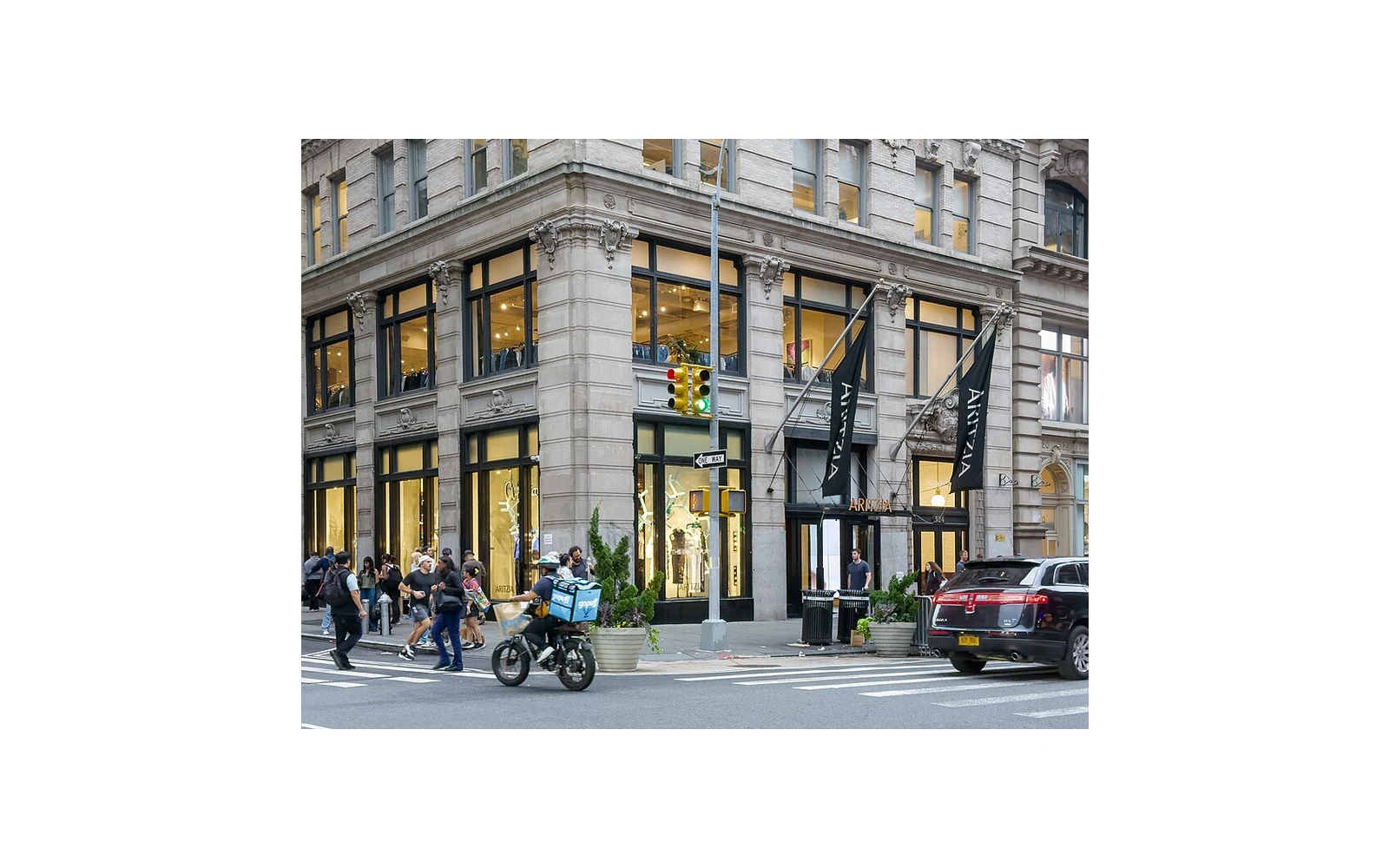
Brand lesson Aritzia Branding Case: Boutique Portfolio and Everyday Luxury Aritzia works when shoppers can move from store atmosphere to label choice to confidence in the fit to repeat wardrobe use without decoding the portfolio. A fashion portfolio needs a visible buying logic.

Brand lesson Tinkoff: Branchless banking remote credit Tinkoff made bank trust work without the branch. Branchless banking needs a replacement for the old trust ritual.
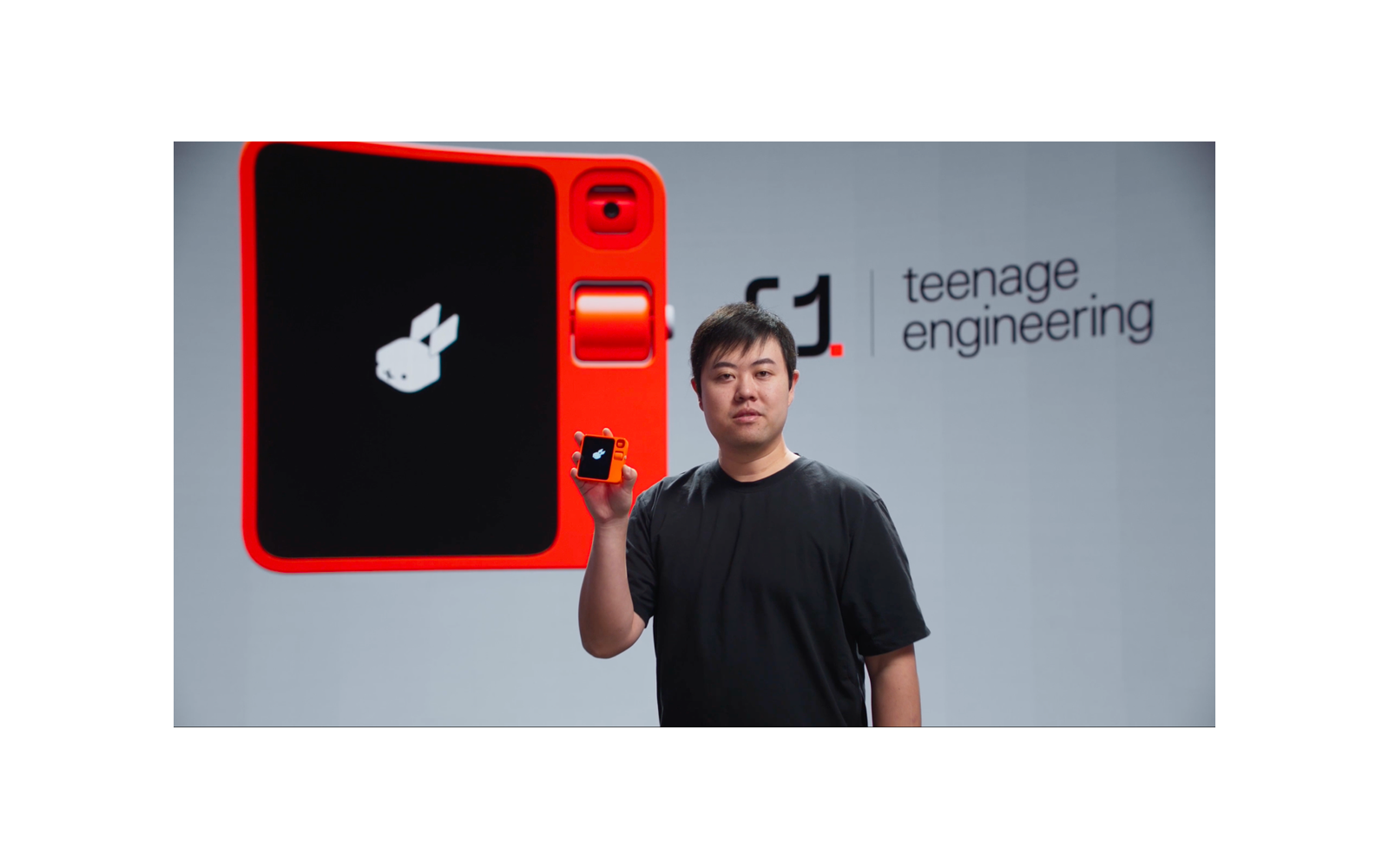
Brand lesson Rabbit R1 and the AI Device That Had to Beat the Phone An AI device launch created attention, then faced the harder question: why should this object exist when the phone is already in the buyer's hand?
Brand lesson WeWork and the Story That Grew Faster Than the Business Could Hold WeWork turned leased office space into a lifestyle and identity story, then stretched that story so far that governance, unit economics, and public-market credibility all cracked at once.
Brand lesson Shopify: The merchant’s operating system Shopify made merchant independence credible by turning the hard parts of commerce into a usable system.

Brand lesson Mayo Clinic: Integrated care and patient trust A healthcare institution turned trust into an operating model by aligning patient-first language, multispecialty teamwork, research, education, referral behavior, and clinical authority.
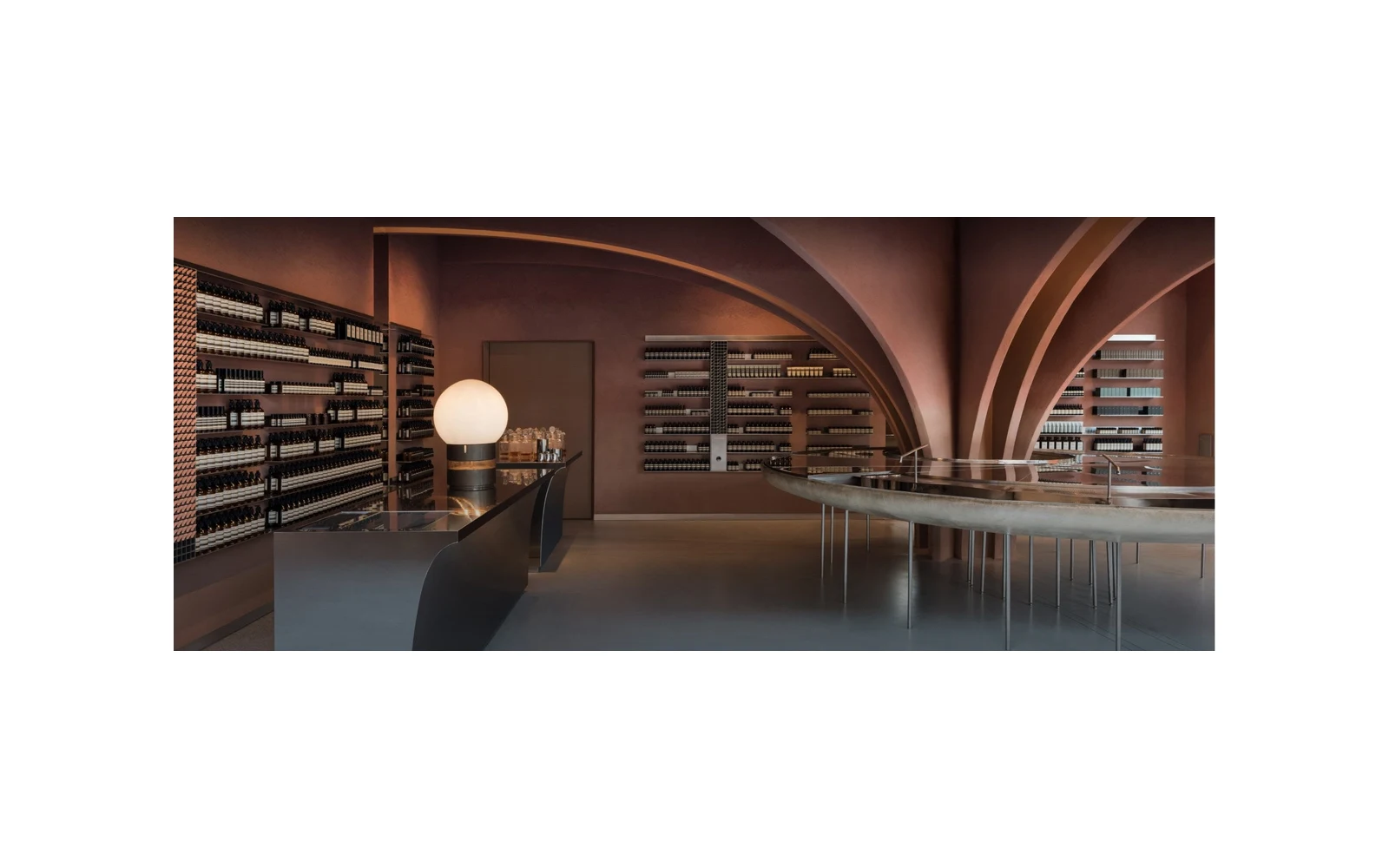
Brand lesson Aesop Branding Strategy Case: Packaging, Stores, and Sensory Proof Aesop turned restraint into proof by making packaging, stores, consultation, and formulation language repeat the same product belief. Premium retail atmosphere only works when it does a job.

Brand lesson Panda Retail: Grocery distribution Panda Retail made grocery availability feel like a national routine. Supermarket brands earn trust through repetition.

Brand lesson Afterpay Branding Strategy Case: Pay-in-4, Checkout, and Trust Afterpay moved installment finance into the checkout moment and made the payment schedule the brand cue. A fintech brand cannot win on friction removal alone.
Brand lesson YETI: Cooler outdoor durability An outdoor gear brand made overbuilt durability visible enough that a cooler became a status object. Premium utility brands need proof the customer can touch.

Brand lesson Whole Foods Market: Quality standards grocery trust The store felt different because the standards were visible before the shopper reached checkout. Food trust needs visible constraints.

Brand lesson OXO: Good Grips ergonomic housewares A housewares brand made ergonomic comfort visible by repeating the grip idea across ordinary kitchen tasks. A design feature becomes a brand when the customer can recognize it before reading the package.
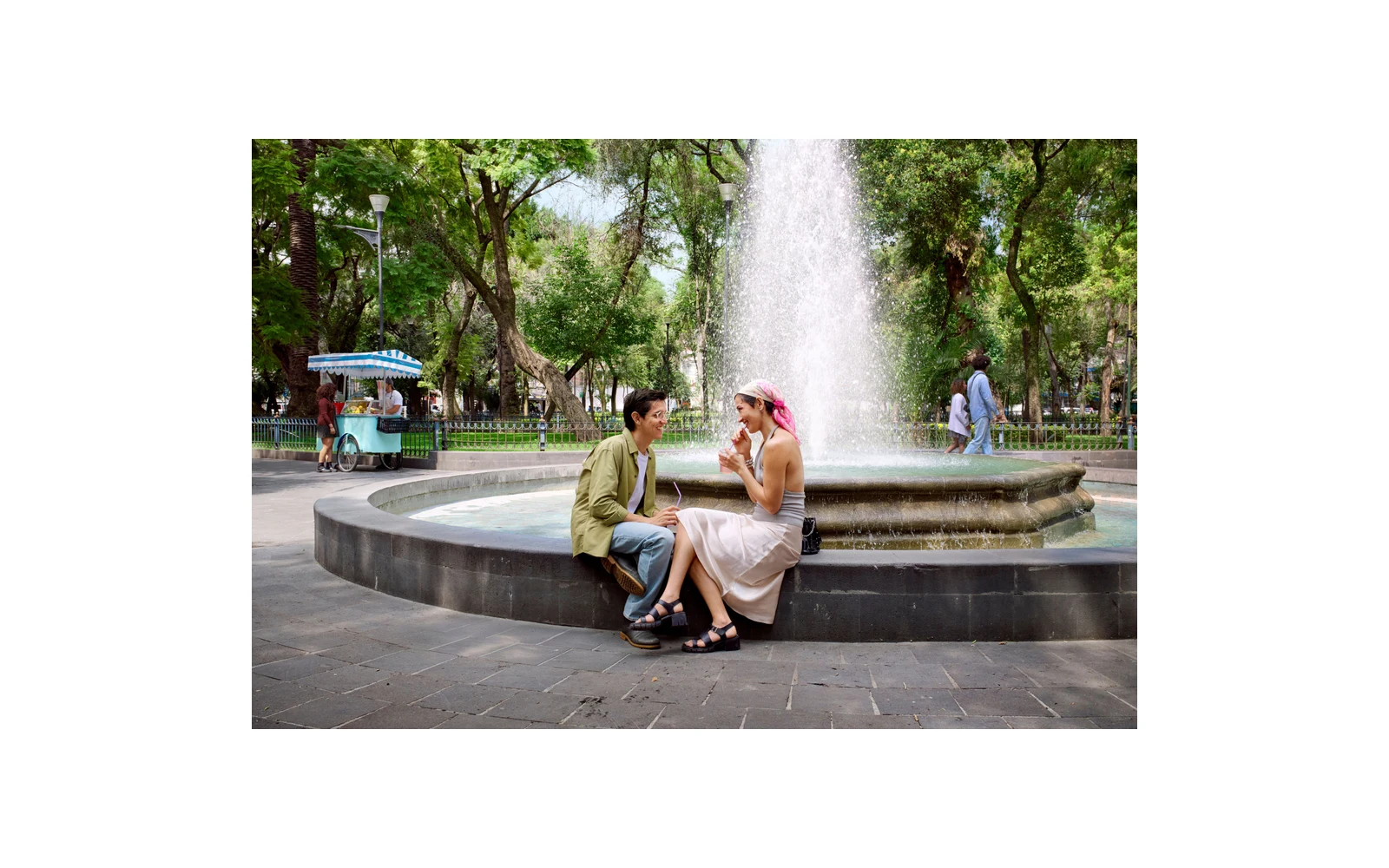
Brand lesson Hinge and the Deletion Promise That Reframed Dating-App Success Hinge made leaving the app part of the promise. A brand can challenge its own category metric when the customer wants a different outcome.
Brand lesson TomTom: Navigation map data TomTom turned the route instruction into a location-data trust system. A device brand has to keep proving itself after the device stops being the only surface.

Brand lesson Zoom and the Security Reset During Hypergrowth A product that became essential almost overnight had to respond when scale exposed privacy and security concerns. Hypergrowth turns operational gaps into brand gaps.
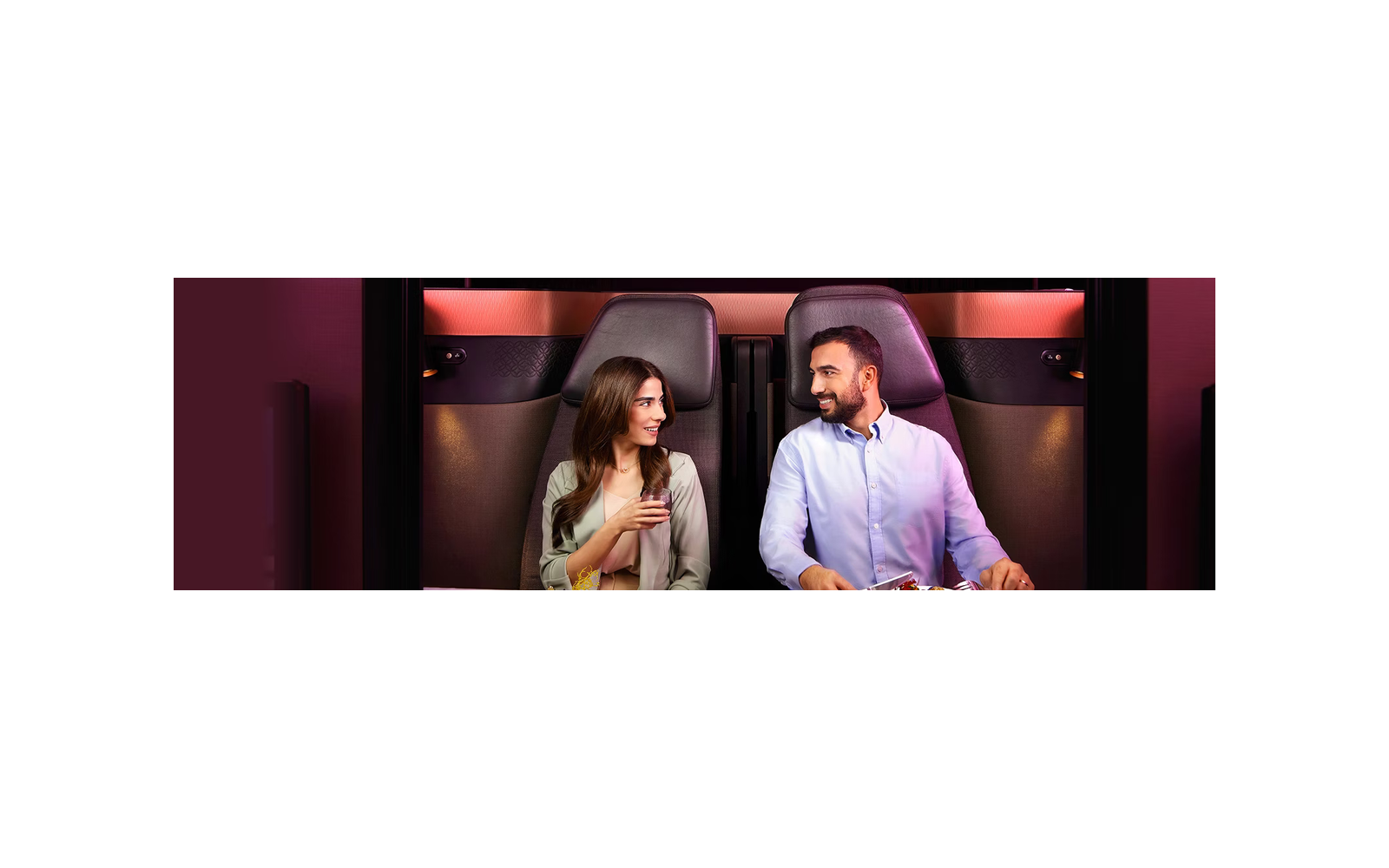
Brand lesson Qatar Airways: Qsuite Privilege Club Qatar Airways made the seat, the hub, and the loyalty account sell the same upgrade path.
Brand lesson Aral Rebrand Case: Local Equity Over Parent Uniformity Aral matters because fuel-station brands are chosen at speed. Local recognition, route memory, station trust, payment, shop behavior, and parent ownership have to be balanced.

Brand lesson Bank Mandiri Branding Case: Integration and Digital Access Bank Mandiri works when a consolidation story becomes practical trust: people can find branches, use accounts, transact digitally, and understand the bank as stable. Merger-born banks need more than a new sign.
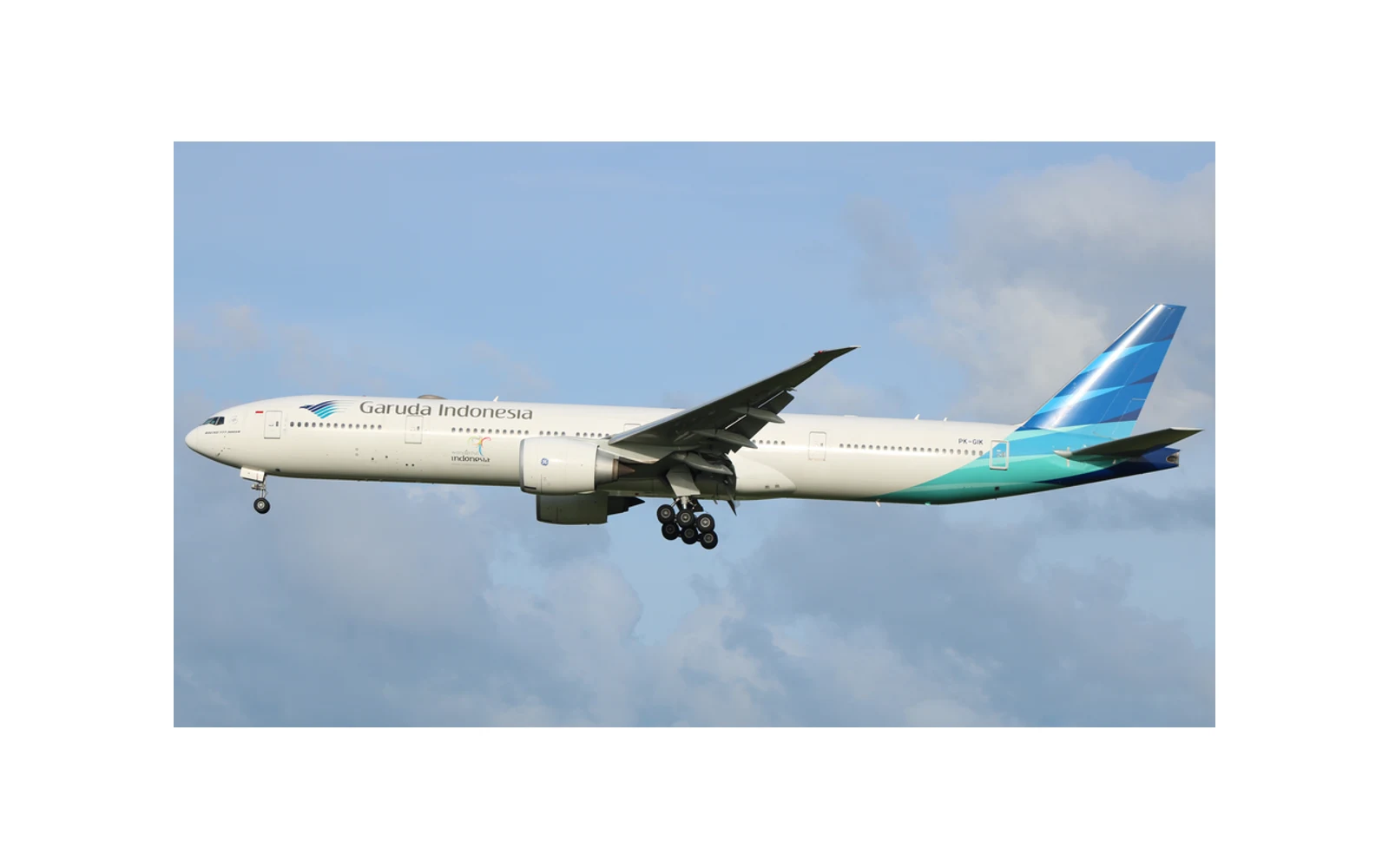
Brand lesson Garuda Indonesia: Flag carrier service Garuda Indonesia made national distance visible. A flag carrier has to convert geography into confidence.
Brand lesson Atlassian Branding Case: Jira, Confluence, and Work Records Atlassian works when software becomes the place work is named, assigned, discussed, documented, shipped, and learned from. Team software brands win through workflow gravity.
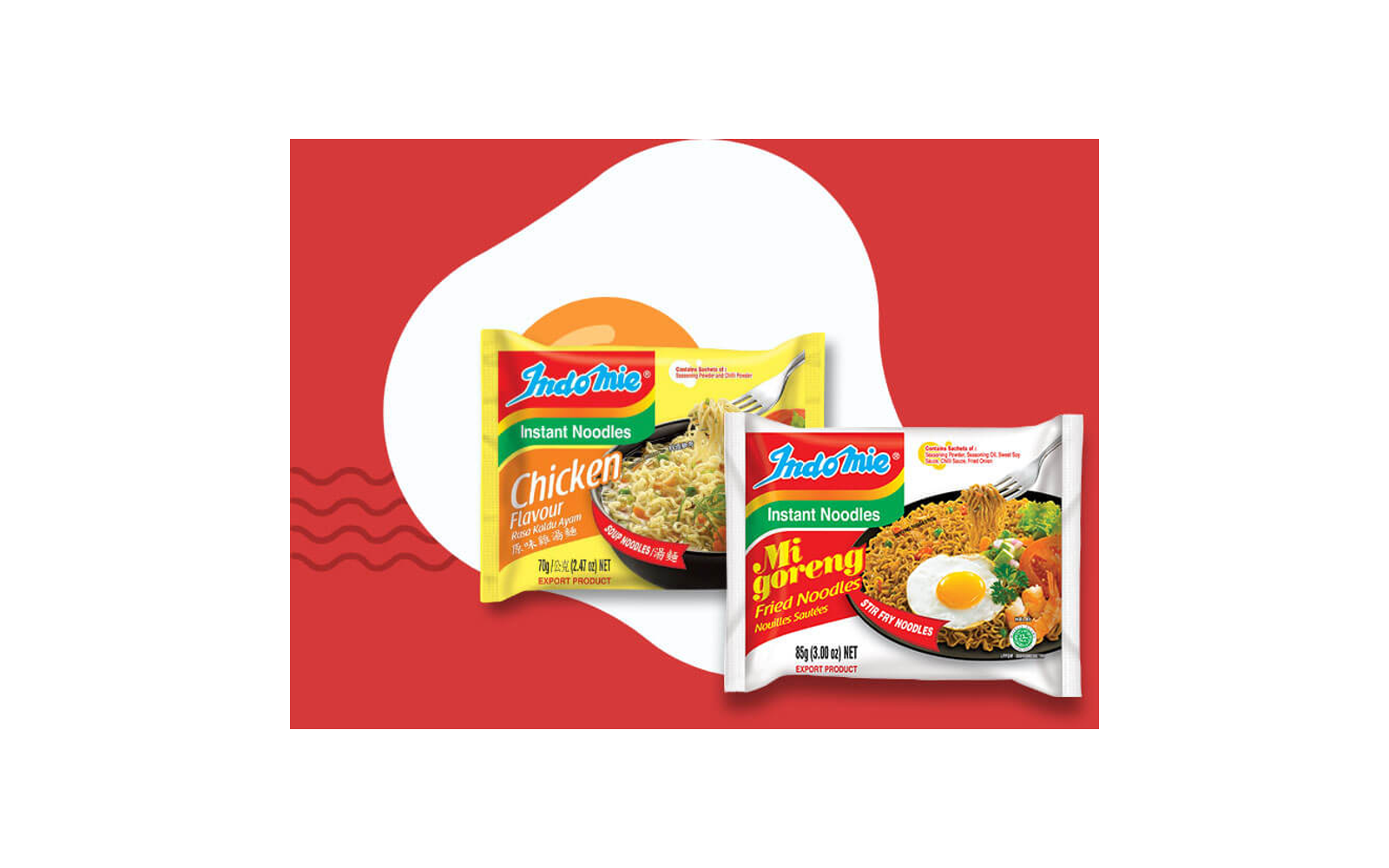
Brand lesson Indomie: Mi Goreng instant noodle Indomie made flavor portable. Packaged food scales when the ritual survives distance.
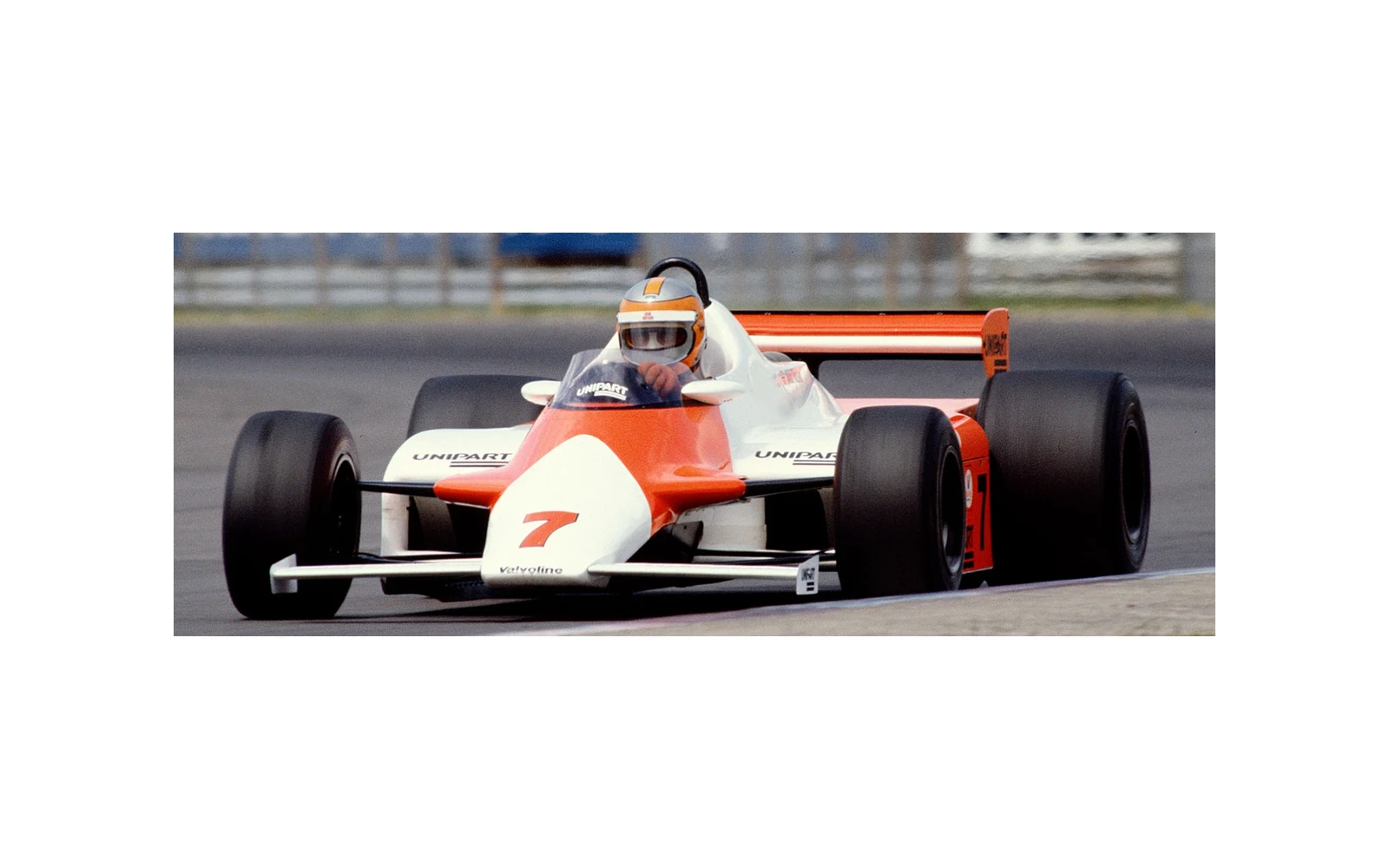
Brand lesson McLaren and the Carbon Fiber Proof That Made Speed Technical Carbon fiber gave McLaren a speed claim buyers could see as structure, not decoration. Performance brands get sharper when the material story and racing proof match.
Brand lesson Tesla: Brand demand gap identity reset Tesla made electric vehicles feel like the future before the category was mainstream.
Brand lesson Claude and the Assistant Brand Built Around Helpfulness and Restraint An AI assistant brand made restraint part of the value proposition, positioning itself around useful work that stays bounded, explainable, and safer to adopt. In AI assistants, trust can be a positive product feature.
Brand lesson IFood: Delivery marketplace dinner search iFood made dinner choice behave like a searchable market.

Brand lesson Carhartt: Duck workwear proof A workwear brand made trust visible by building around fabric, fit, pocket placement, seams, and jobsite wear instead of style alone. Workwear trust is earned when the product proves itself under use.
Brand lesson Telkomsel: Red mobile network coverage Telkomsel made mobile coverage a national cue. Telecom brands become trusted when coverage is visible.

Brand lesson MTS: Red mobile network connectivity MTS made mobile network access easy to recognize. Telecom brands live in coverage, price, signal, retail access, and daily dependence.

Brand lesson Trendyol: Marketplace delivery commerce Trendyol made marketplace scale read as close to the door. Marketplaces need more than assortment.

Brand lesson BBVA Branding Case: Blue Banking and Digital Trust BBVA works when digital banking reads as faster without making customers think the institution has disappeared. A bank can modernize only if speed inherits trust.
Brand lesson Enron: Trust and the evidence of collapse A public company can become famous for intelligence, scale, and momentum while the trust system underneath is being hollowed out. Reported performance is a brand promise.

Brand lesson Vinted: Secondhand marketplace cost A resale marketplace made secondhand easier to list by pushing cost, shipping, payment, and protection choices into the operating model rather than relying on sustainability language alone.
Brand lesson Beko Branding Case: Appliances, Export, and Service Trust Beko works when buyers can judge an appliance’s dependability before it enters the home. Appliance brands are judged after the sale.
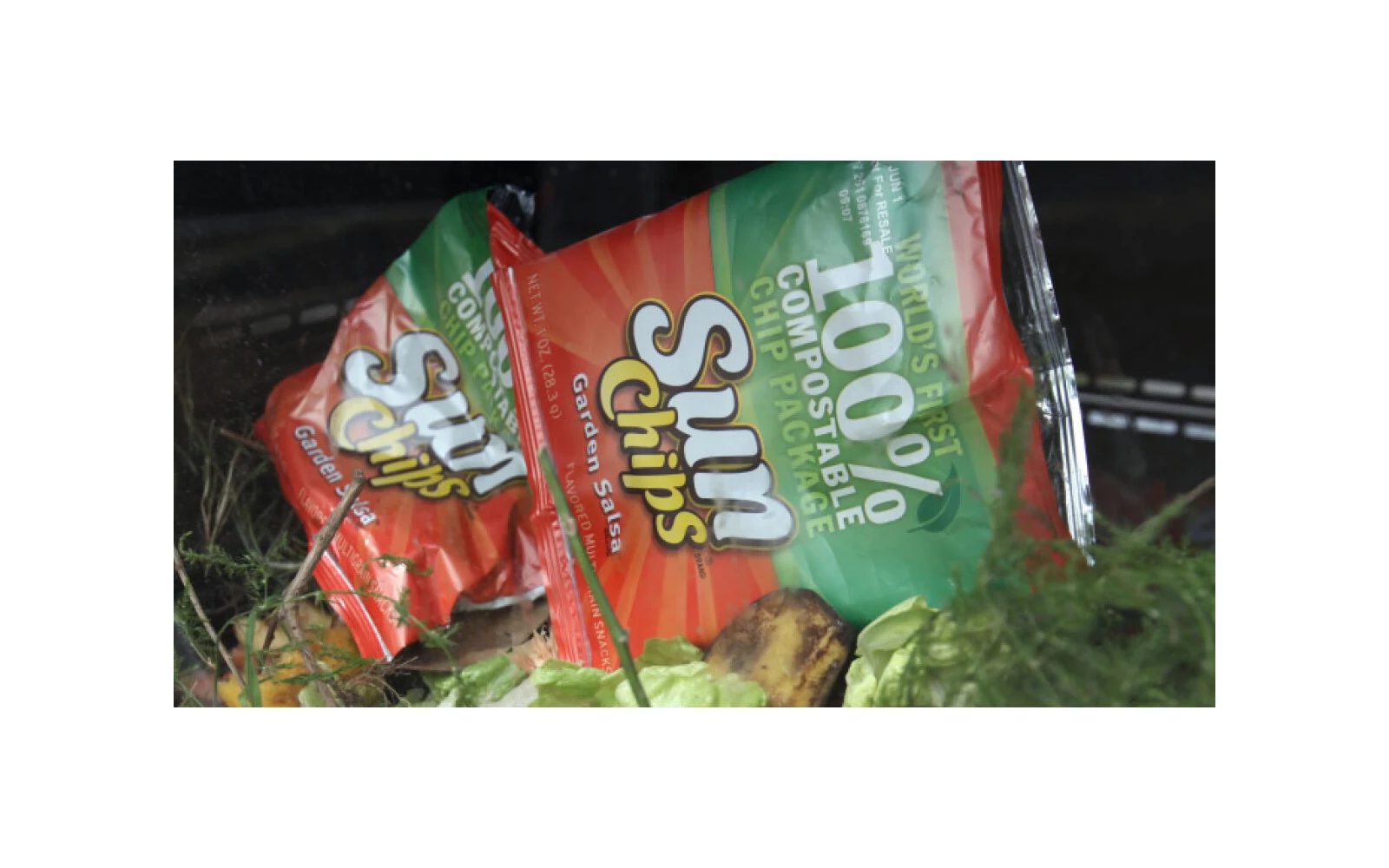
Brand lesson SunChips and the Compostable Bag That Made Sustainability Too Loud A snack package made an environmental promise visible but changed the physical experience customers had in their hands. Packaging improvements still have to pass the use test.
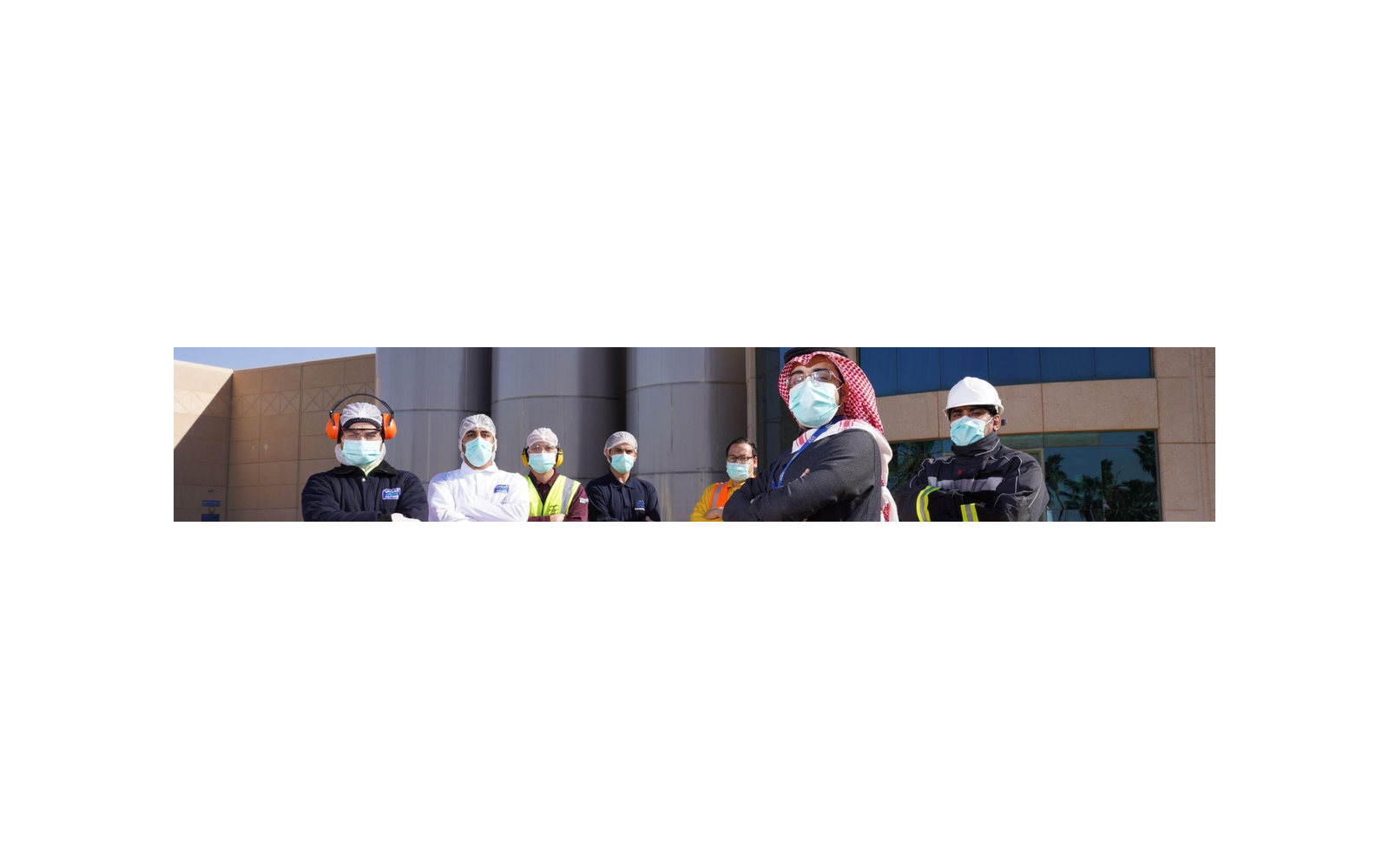
Brand lesson Almarai Branding Case: Dairy Freshness and Cold Chain Almarai turns freshness into operating proof when milk, chilled distribution, quality checks, packaging, and shelf availability all support the same trust claim.
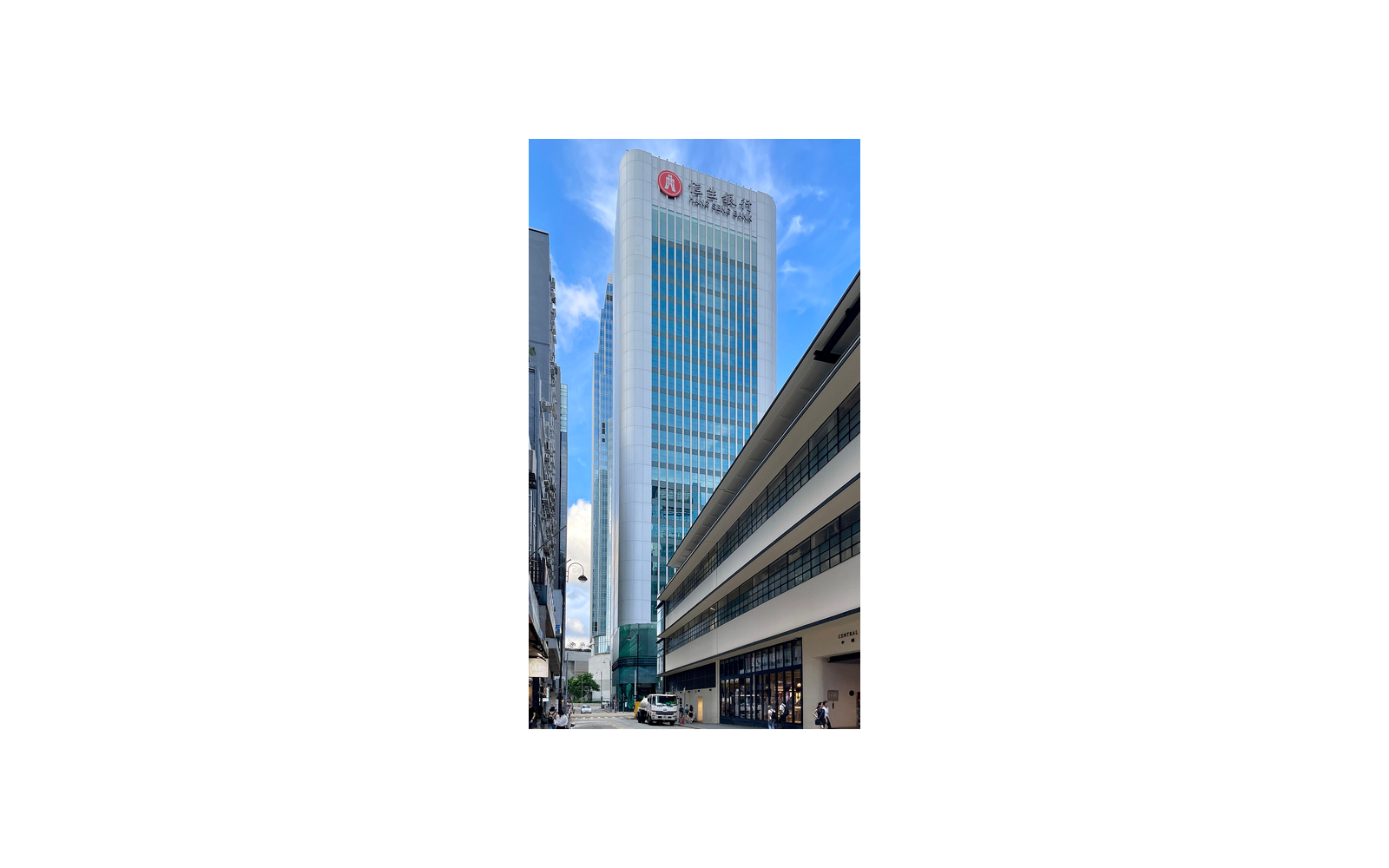
Brand lesson Hang Seng Bank: Local banking Hang Seng records how a local bank can make trust visible before the buyer reads a product page. Bank buyers do not buy a logo.
Brand lesson AutoNation Branding Case: Dealer Network and Service Trust AutoNation works when a fragmented car-buying category becomes easier to search, compare, finance, service, and revisit under one retail wrapper.
Brand lesson Oatly: Oat drink category language Oatly made the carton talk before the category felt normal. Category challengers need a voice that explains the behavior change.

Brand lesson Publix: Employee owned grocery service Publix made grocery trust read as local by making service part of ownership memory. Grocery brands win through boring proof: clean aisles, fresh cues, helpful people, reliable departments, and stores that feel cared for.
Brand lesson CD Projekt Red and the Trust Repair After Cyberpunk 2077 A studio whose reputation was built on player goodwill released a heavily anticipated game into a public quality crisis, then had to make repair visible enough for players, platforms, investors, and critics to believe the product lifecycle again.
Brand lesson BlackBerry Branding Case: Keyboard, Security, and Mobile Work BlackBerry worked when mobile work needed speed and control at the same time. Enterprise brands have to survive dependence.

Brand lesson Claude Code: Terminal agentic coding A general assistant brand moved into the developer's working environment, making file edits, tests, and repo-aware task execution read like a delegated workflow rather than a chat-only exchange.
Brand lesson Huawei: ICT resilience ecosystem Huawei made infrastructure continuity part of the brand promise. Infrastructure brands are trusted when the system can keep proving itself under pressure.
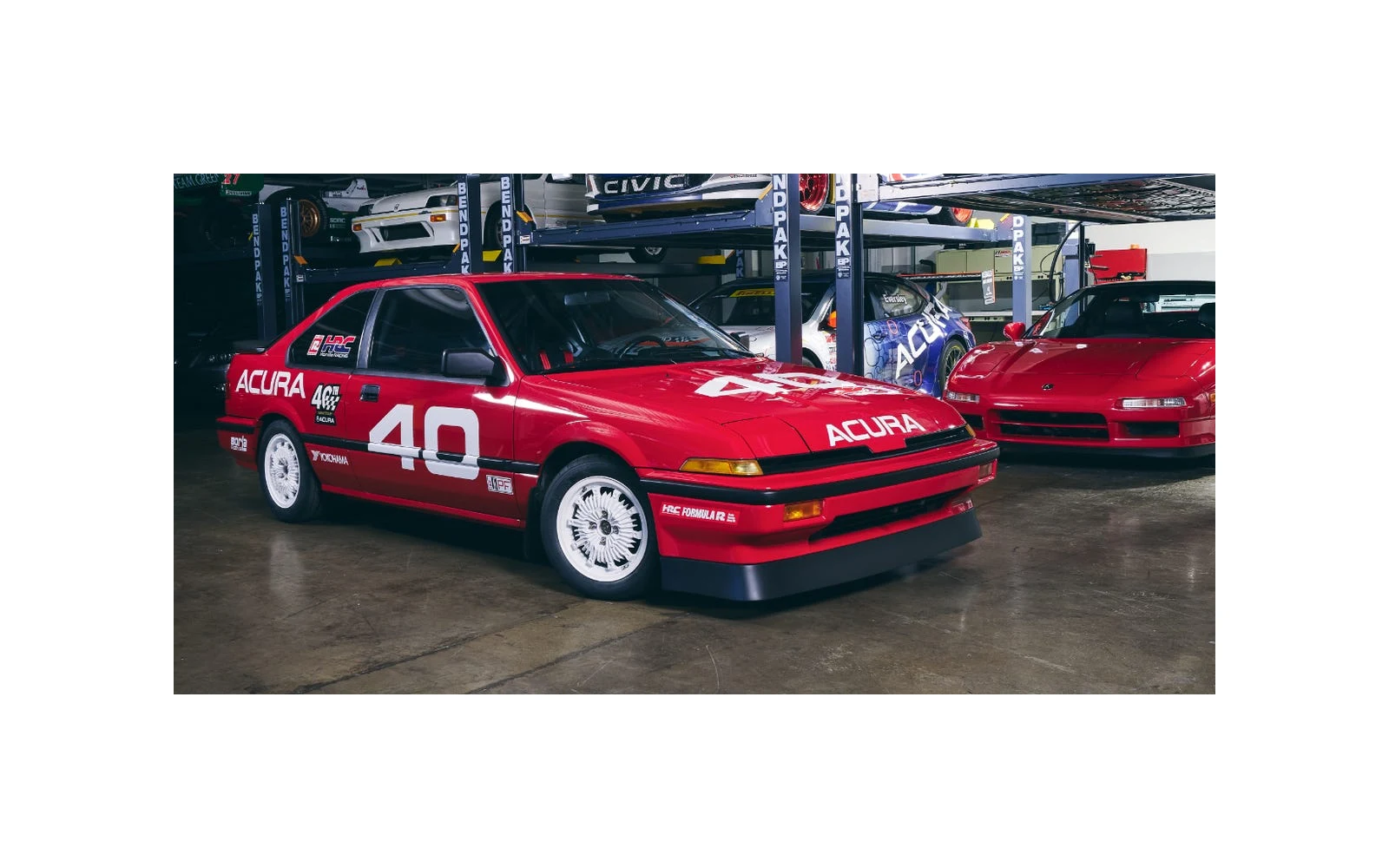
Brand lesson Acura Precision Crafted Performance Case Acura used precision as a performance promise, not as cold technical language.
Brand lesson Mavi: Denim fit fashion Mavi made fit the export signal. Denim brands compete on small physical judgments.
Brand lesson Lotte: Confectionery and retail portfolio Lotte stretched sweet memory into portfolio trust. A conglomerate brand needs an emotional anchor.

Brand lesson Jeep and the Seven-Slot Grille That Made Capability Recognizable The grille made capability readable at the front of the vehicle. Utility identity gets stronger when the cue points to use.

Brand lesson SEAT: Affordable Spanish car SEAT made Spanish mobility read as attainable. Automotive brands shape national memory when they put ownership within reach.
Brand lesson Pepsi and the Protest Shortcut The campaign treated protest imagery as a universal unity signal, but the public read the visual language as a commercial flattening of real social conflict.

Brand lesson Yahoo and the End of the Standalone Portal Era A brand that once organized the web became one asset inside a larger telecom media strategy. A portal brand can keep recognition long after it loses the central user behavior that made it powerful.
Brand lesson Toys R Us and the Retail Memory That Outlived the Chain A toy retailer built extraordinary childhood memory around the store trip, but the operating chain collapsed when the economics beneath that memory could no longer support the physical experience at scale.
Brand lesson John Deere and the Repair Trust Behind Farm Machinery A farm-equipment brand built on durable machine trust became a repair-access case once tractors, software, checks, dealers, downtime, and ownership rights collided in public.

Brand lesson BCA Branding Case: Transaction Banking and Daily Access BCA works when customers can use the bank repeatedly for ordinary payments without wondering whether the route will fail. Transaction banking is judged in small moments.

Brand lesson Vale: Iron ore logistics scale Vale made resource scale readable through logistics. Mining brands are not understood through extraction alone.
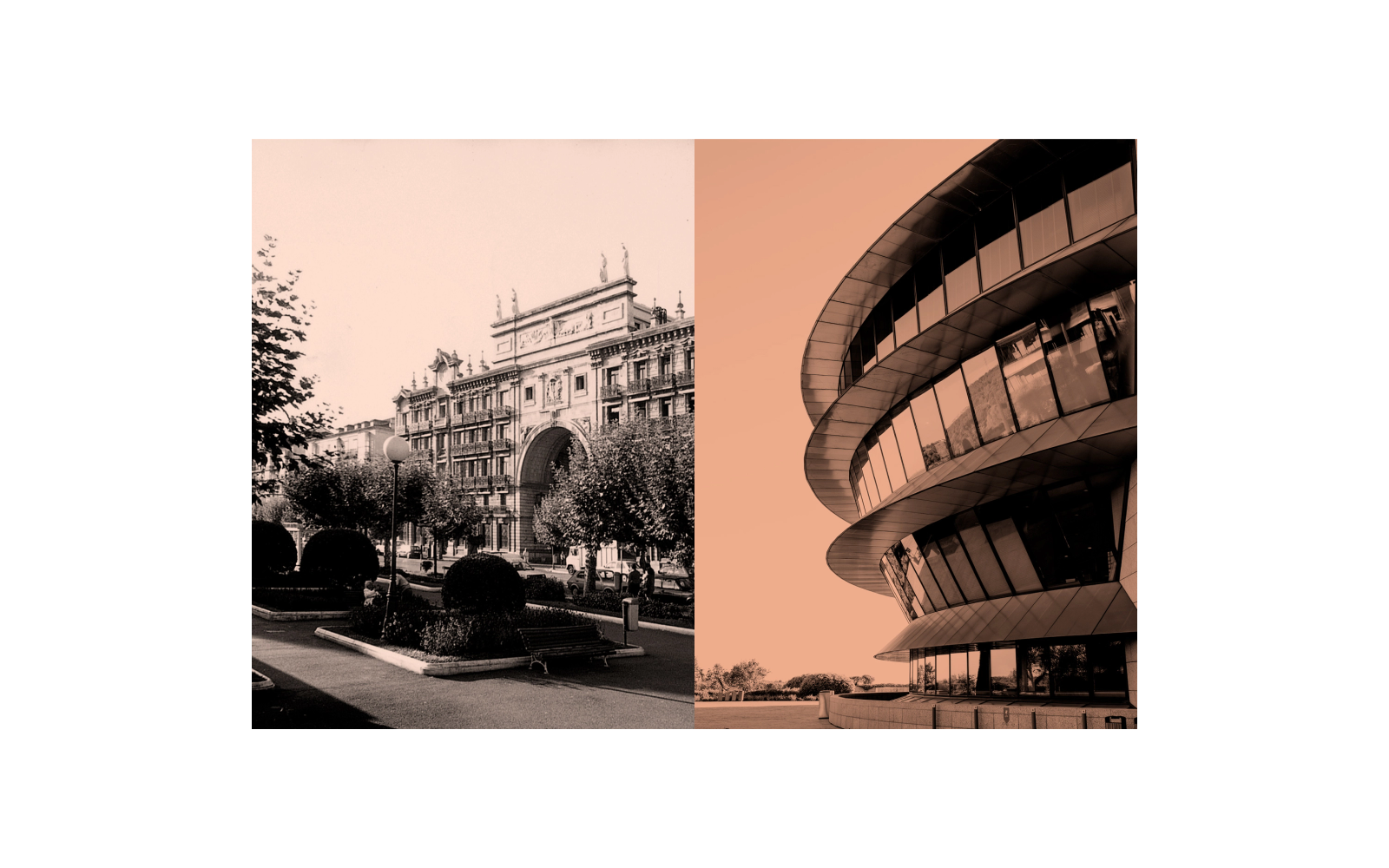
Brand lesson Santander: Red retail banking Santander made red recognition travel through local banking. Global bank brands need scale without losing local trust.

Brand lesson Roots: Cabin wear Canadian comfort Roots made comfort feel like Canadian place memory. Lifestyle brands need a place that customers can wear.

Brand lesson YouTube and the Creator Economy It Had to Govern at Scale YouTube became more than a media destination because it turned audience, creator labor, and monetization into one system.

Brand lesson Codex and the Software Engineering Agent That Made Parallel Work Visible A coding assistant brand moved from code generation toward software engineering delegation, where multiple tasks can be assigned, run in isolated environments, verified, and returned as reviewable changes.

Brand lesson Kia and the Logo People Had to Learn to Read The new mark carried strategic ambition, but some viewers read it as an unfamiliar name before they recognized the brand. A logo can be expressive and still fail at first-read speed.

Brand lesson Itaú: Orange banking recognition Itaú made bank access easier to spot. Retail banking brands need familiarity before they can ask for trust.
Brand lesson RadioShack and the Relevance Collapse of a Useful Store A once-useful electronics destination lost strategic clarity as the market moved toward e-commerce, mobile carriers, and specialist platforms. A beloved retail memory is not a business model.
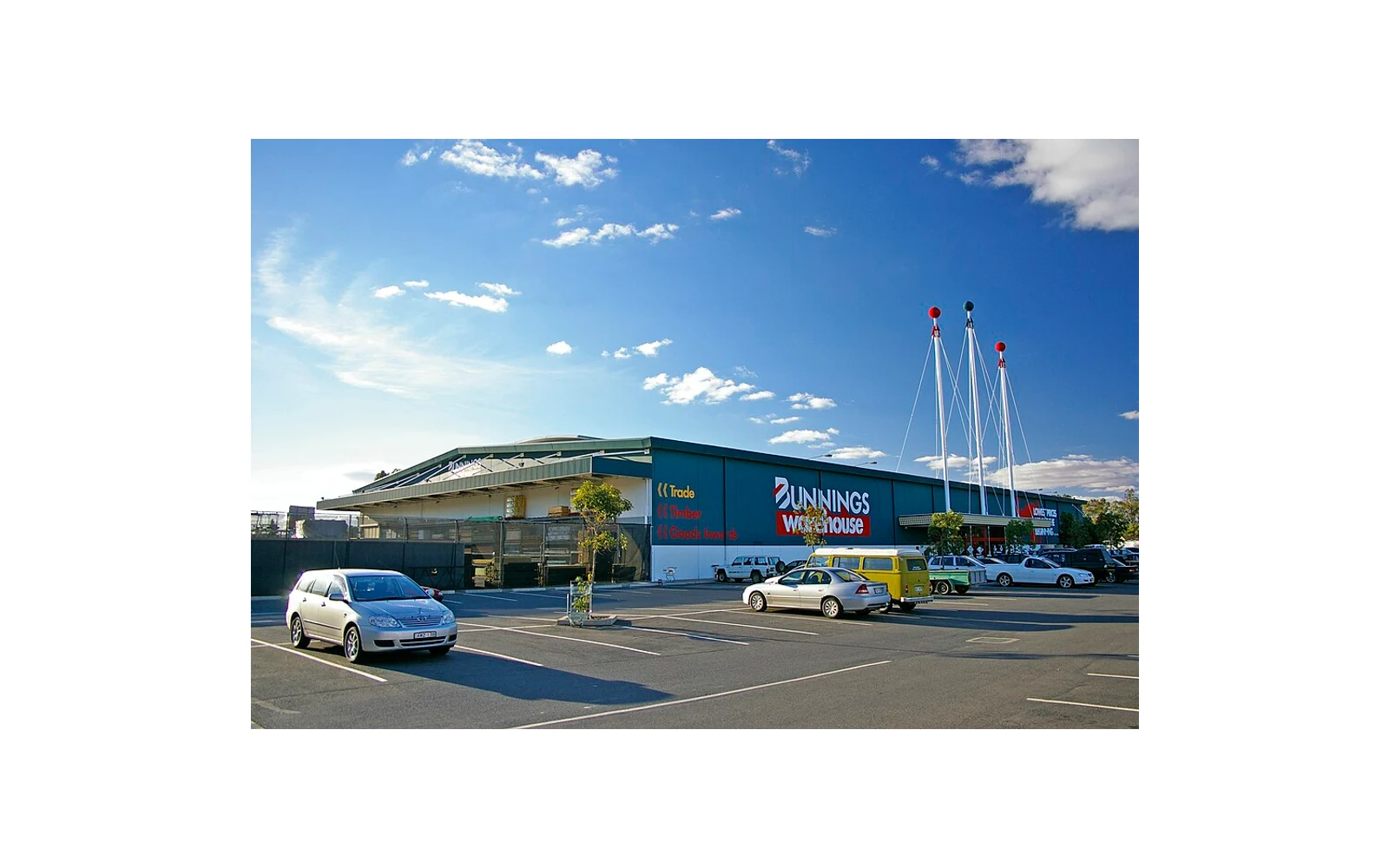
Brand lesson Bunnings: The warehouse behind a DIY weekend Bunnings made DIY feel like a weekend operating system. Hardware retail works when the store helps the customer move from intention to project.
Brand lesson Lada: Rugged access car familiarity Lada made access and repairability part of the brand. Mass-market car brands can become durable when the promise is practical.
Brand lesson Vitasoy: Hong Kong carton beverage Vitasoy records how packaging can turn a daily drink into a shelf memory system. Food and beverage brands become durable when the product, package, habit, and distribution repeat together.
Brand lesson MTR: Hong Kong rail operating MTR: Hong kong rail operating is an operating system case about MTR in 1975-present. MTR made the station, the map, the gate, and the property model feel like one public operating system.

Brand lesson ING: Orange lion digital banking trust ING made banking trust move from the branch counter to the account screen. A bank identity has to survive changes in channel.
Brand lesson Humane AI Pin and the AI Promise That Compressed Into a Gadget An AI hardware launch tried to carry a broad future-computing promise, but the public record gave outside testers an easier way to describe it: an expensive AI gadget that did not replace the phone.
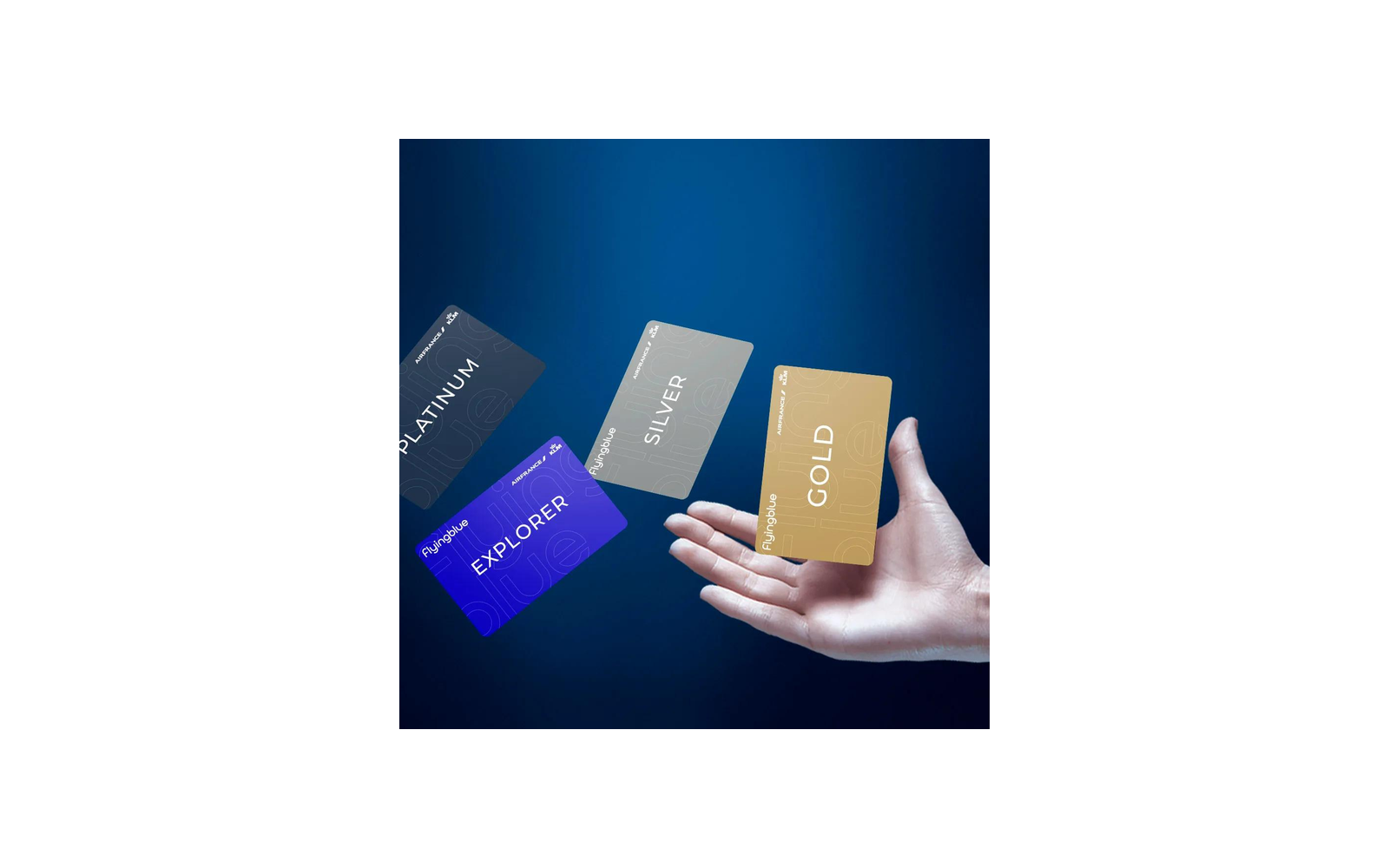
Brand lesson Air France Branding Case: Paris Hub and Service Proof Air France works as a brand case when the idea of France becomes service proof: the route map, the airport handoff, the cabin, the alliance, and the recovery path. A flag carrier cannot live on national symbolism.

Brand lesson Corona: Clear bottle beach ritual Corona made the bottle a vacation cue. Beverage brands travel when the ritual is easy to repeat.
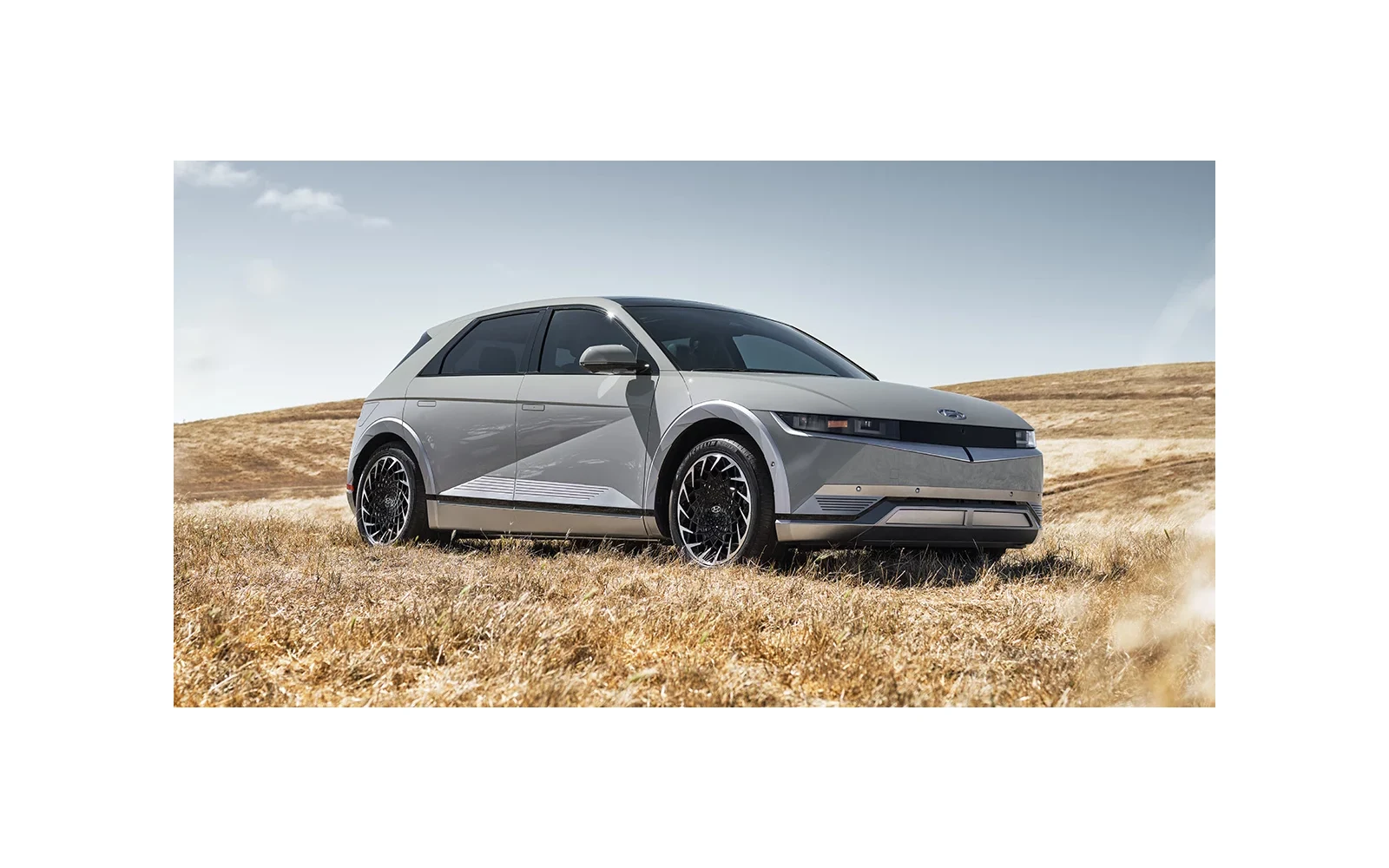
Brand lesson Hyundai: Ulsan scale Korean cars Hyundai made scale part of the car promise. Automotive trust is more than the badge.
Brand lesson Billabong Branding Case: Boardshorts and Surf Culture Billabong works when surf culture is tied to product use in water, more than beach graphics on cotton. Action-sport brands weaken when lifestyle outruns product proof.
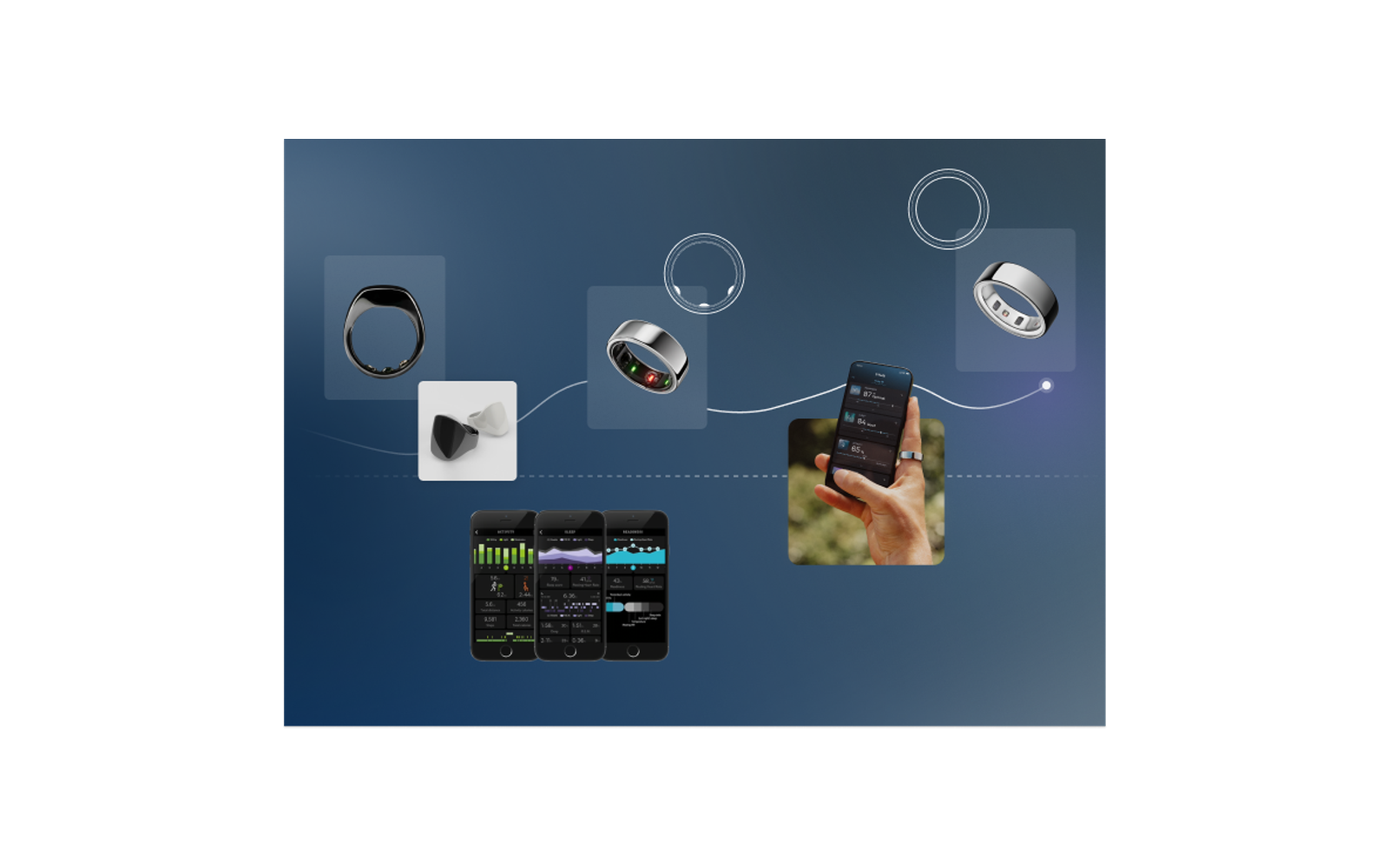
Brand lesson Oura and the Ring That Turned Recovery Into a Daily Signal A wearable brand moved health tracking away from the wristwatch race and toward a quieter daily recovery signal built around sleep, readiness, activity, and continuous wear.

Brand lesson Wii U and the Product Idea That Was Hard to Explain The product asked the market to understand a second-screen console idea through a name that sounded like an extension of the old system.
Brand lesson Cemex: Timed concrete delivery Cemex made timing part of cement trust. Commodity brands win when they reduce operating risk.
Brand lesson Koton: Fashion retail main street Koton made trend timing operational. Fashion retail needs a working clock.
Brand lesson Telefónica: National telephone network Telefónica made network history a digital platform promise. Telecom brands have to carry old trust into new services.
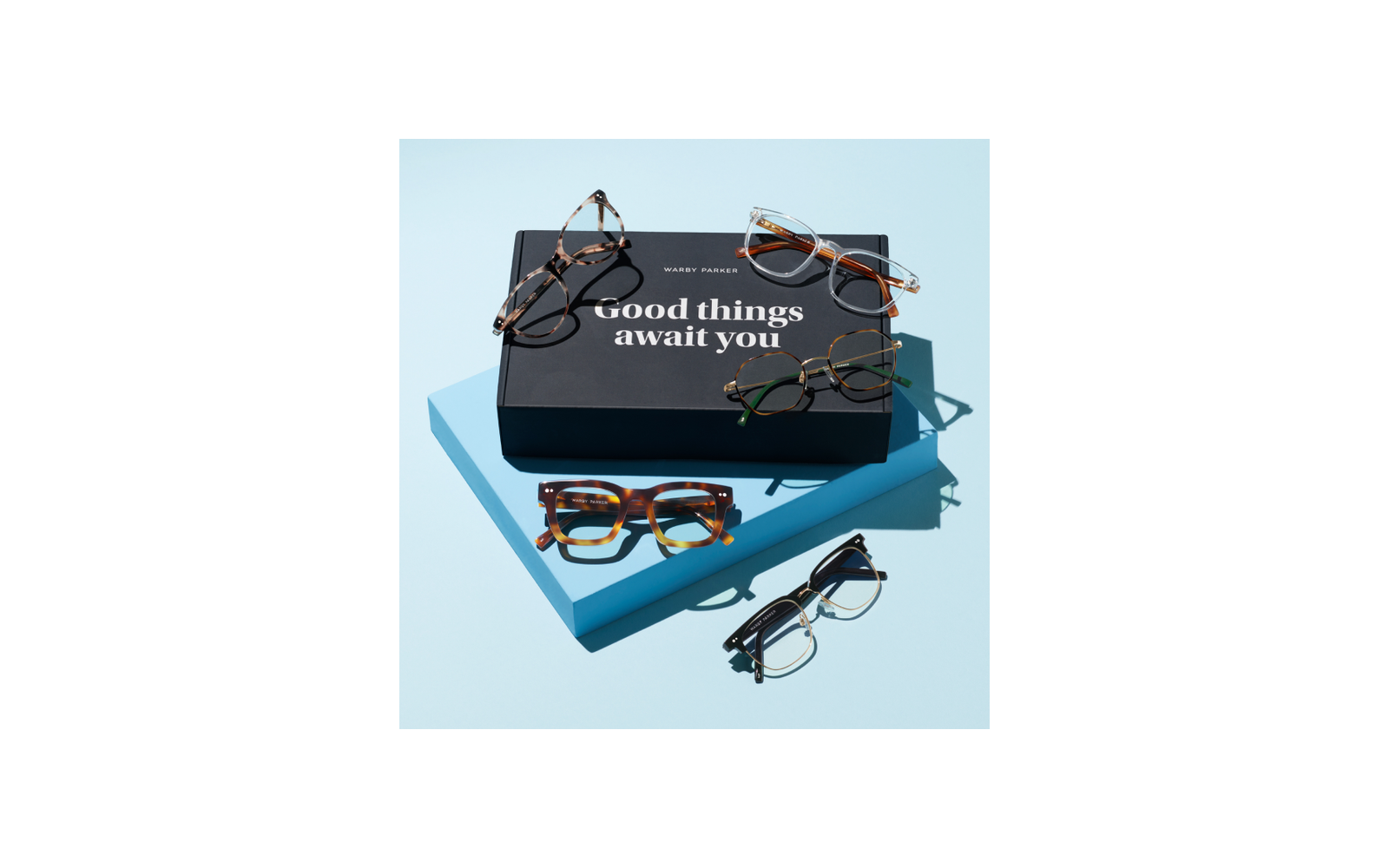
Brand lesson Warby Parker: Home Try-On eyewear An eyewear brand reduced purchase anxiety by letting customers test identity at home before turning the channel into a store network. When the product sits on the face, the buying system has to lower social risk.
Brand lesson Guinness and the Patience Ritual That Made Waiting Part of the Brand Guinness made delay read as useful by connecting product behavior, serve ritual, brand history, visual codes, and advertising memory into one expectation: the wait is not friction when the wait is proof.
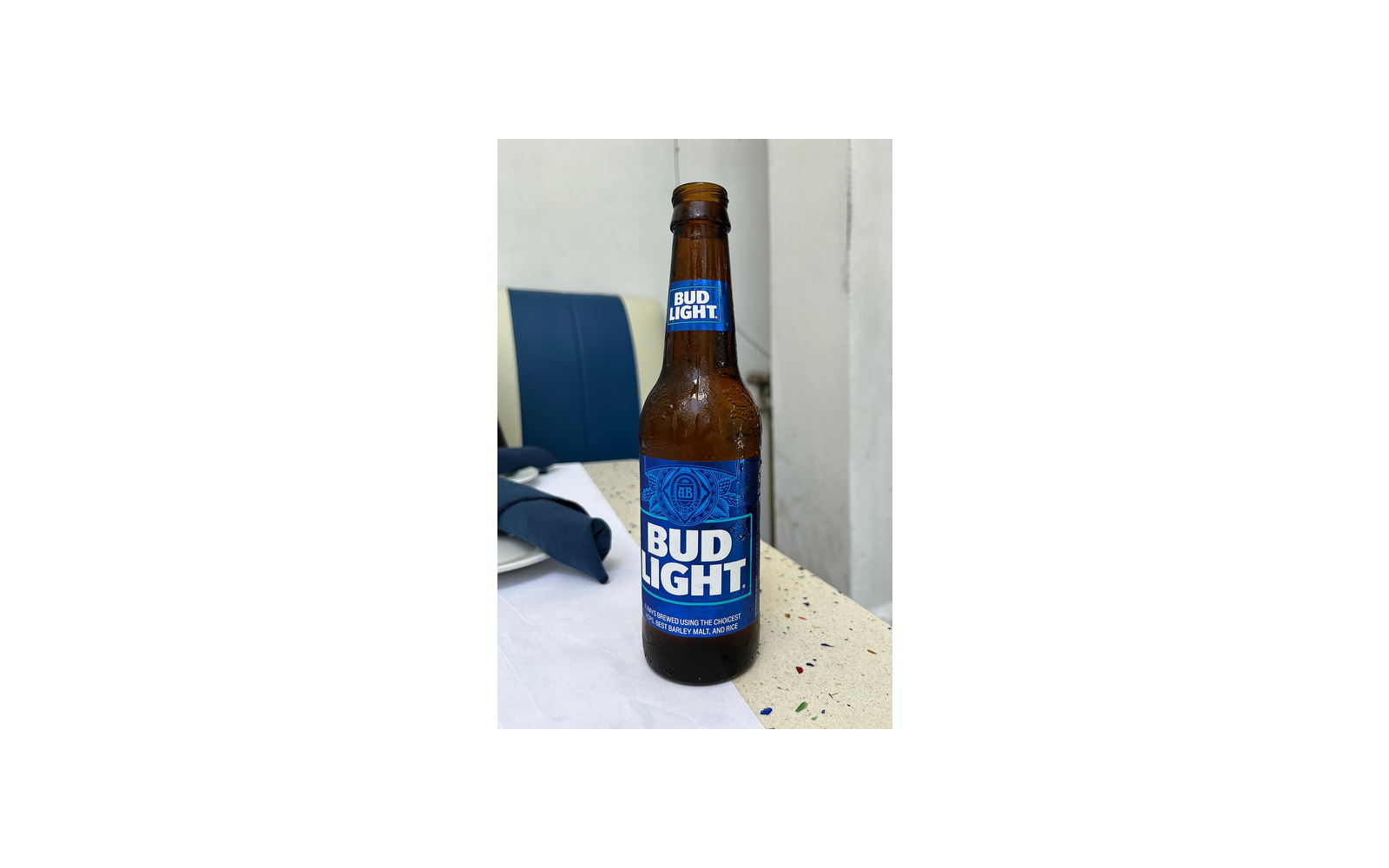
Brand lesson Bud Light and the Audience Signal That Became a Distribution Problem A limited influencer promotion became larger than its media weight because it made a broad beer brand feel like a public identity argument. A sponsorship signal can carry more meaning than the spend behind it.
Brand lesson Emotional branding examples: inspect the cue and the experience. Compare concrete emotional branding mechanisms in Starbucks, Patagonia, Tiffany, LEGO and Old Spice, with source links and limits on what each example establishes.

Brand lesson Lavazza: Espresso and the coffee ritual Lavazza made espresso a daily system, more than a flavor. Coffee brands become stronger when ritual, origin, equipment, and blend language reinforce one another.
Brand lesson Google Plus and the Social Layer People Did Not Choose Google could connect accounts, products, and identity, but it could not make people treat Google Plus as the social network they wanted to use. A social brand has to be chosen socially.
Brand lesson Snap and the AI Efficiency Reset That Turned Scale Into a Trust Test Snap is hot because its AI efficiency reset put a familiar platform dilemma in public view: can a social app grow creator attention, ad performance, AR ambition, and youth trust while cutting deeply and promising smaller teams can move faster?
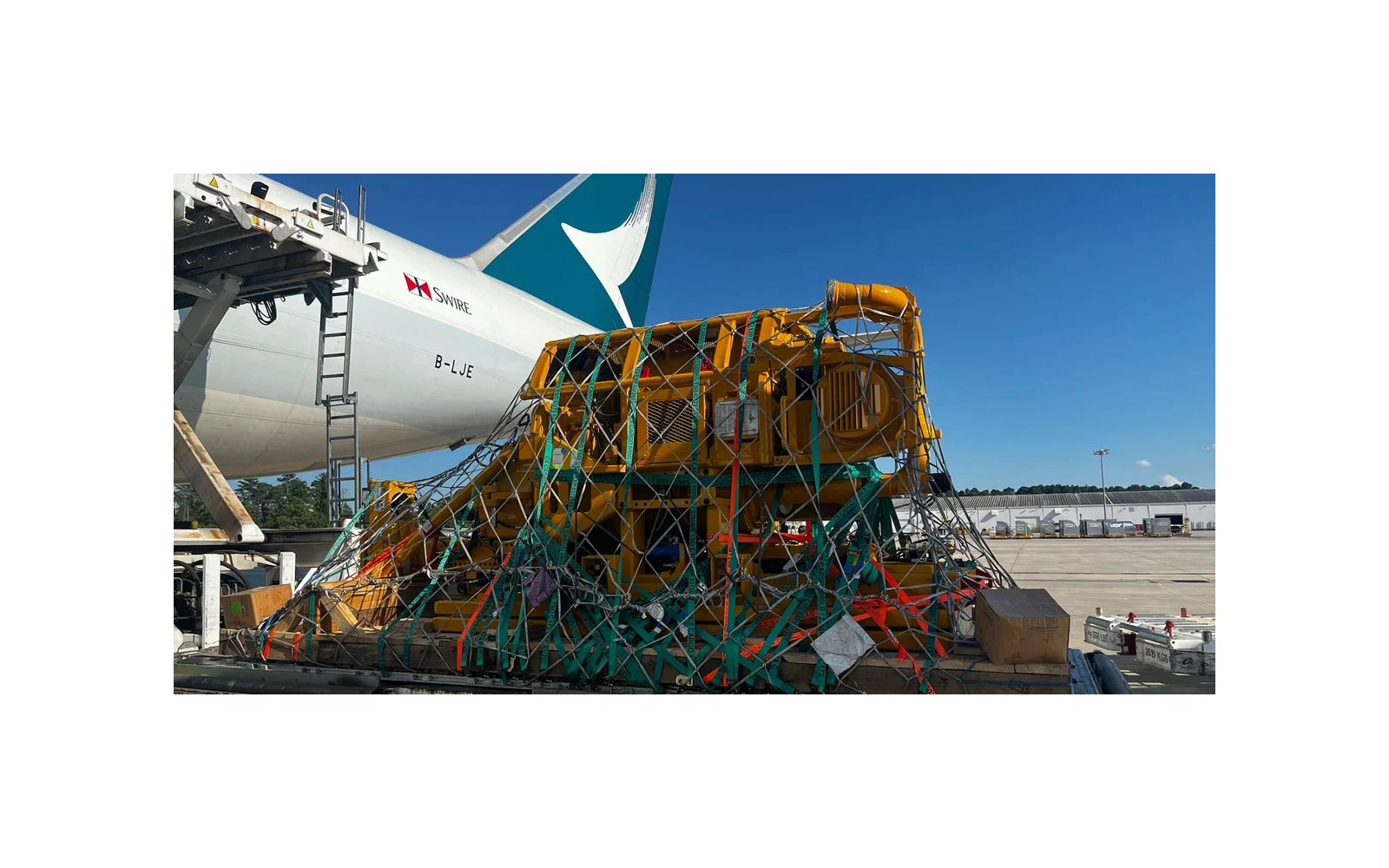
Brand lesson Cathay Cargo: Hong Kong airfreight Cathay Cargo: Hong kong airfreight is an operating system case about Cathay Cargo in 2023-present. Cathay Cargo made the cargo brand legible as a shipment-handling system separate from passenger-airline memory.
Brand lesson Hallmark: Card display emotional timing The card rack worked because it translated vague reading into a timed retail decision. Emotional products need structure.
Brand lesson Max and the Streaming Rebrand That Had to Bring HBO Back A streaming service removed the name cue that carried premium television memory, then decided the broader name needed that cue again.
Brand lesson Lenovo: PC infrastructure work Lenovo made work technology stretch from the personal device to the enterprise stack. Hardware brands stay durable when they connect product memory to the next layer of work.
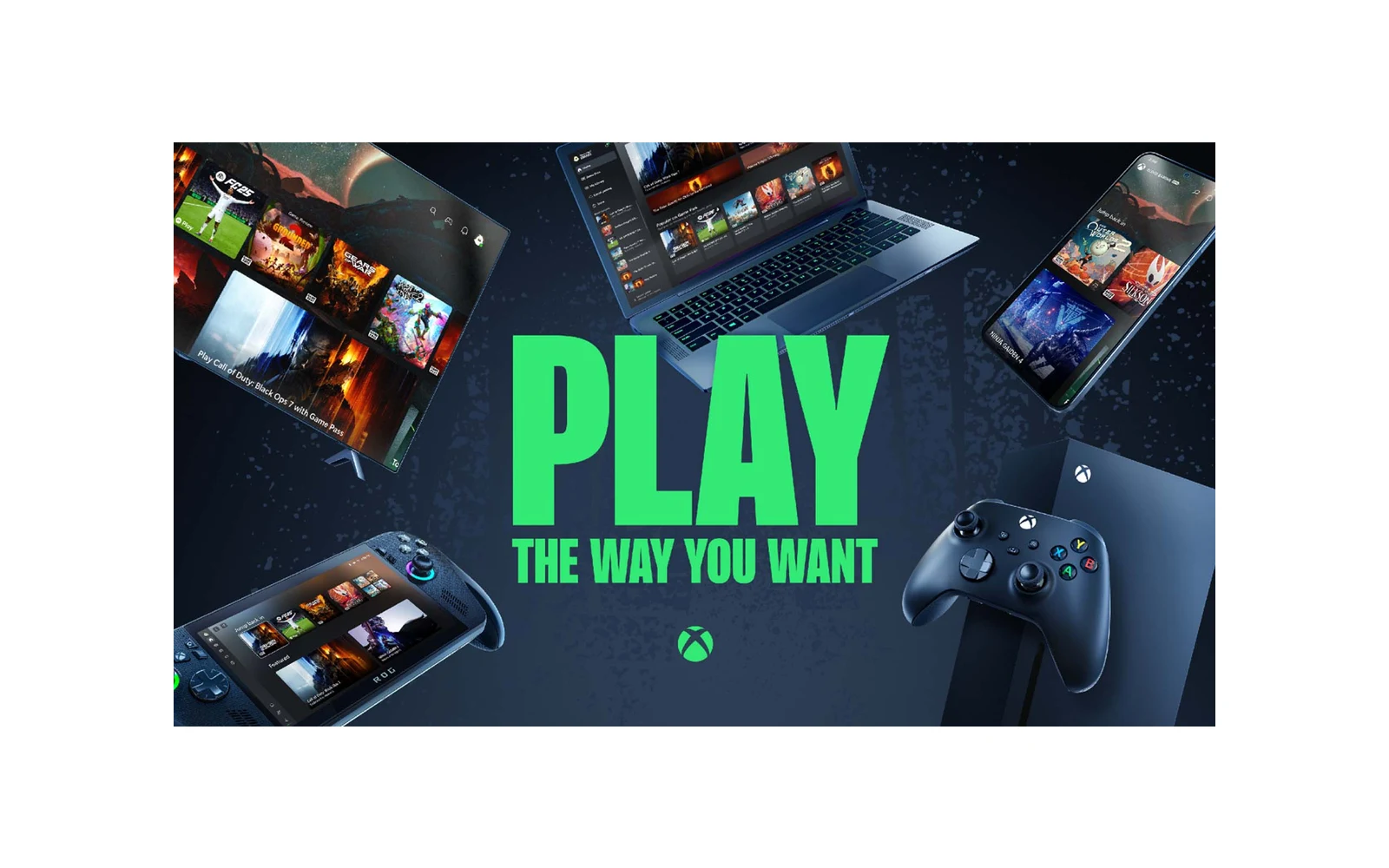
Brand lesson Xbox and the Console Network That Became a Subscription Platform A console brand grew into a platform by linking hardware, player identity, online services, subscription access, cloud play, and a green visual signal that could travel across devices.
Brand lesson Whataburger Repeat Purchase Case Whataburger made the restaurant itself part of Texas memory. Quick-service brands grow when the order ritual becomes recognizable.
Brand lesson HK Express: Low cost airline HK Express records how low cost becomes a brand only when the buyer can understand the trade before checkout. Low-cost brands cannot hide the system.

Brand lesson Zune and the Music Habit Microsoft Could Not Move Zune was a late attempt to move a music habit that was already attached to another store, player, library, and pocket routine.
Brand lesson Kakao: Chat and daily services Kakao made services read as conversational. Messaging can become infrastructure when it sits at the start of daily behavior.

Brand lesson Flipkart: Marketplace delivery trust Flipkart made e-commerce read as local enough to trust. E-commerce brands scale when selection, sellers, payments, logistics, and returns become one trust system.

Brand lesson United Flight 3411 and the Cost of Policy Outrunning Judgment The crisis was not merely the incident. It was the gap between customer dignity, policy enforcement, and public response.
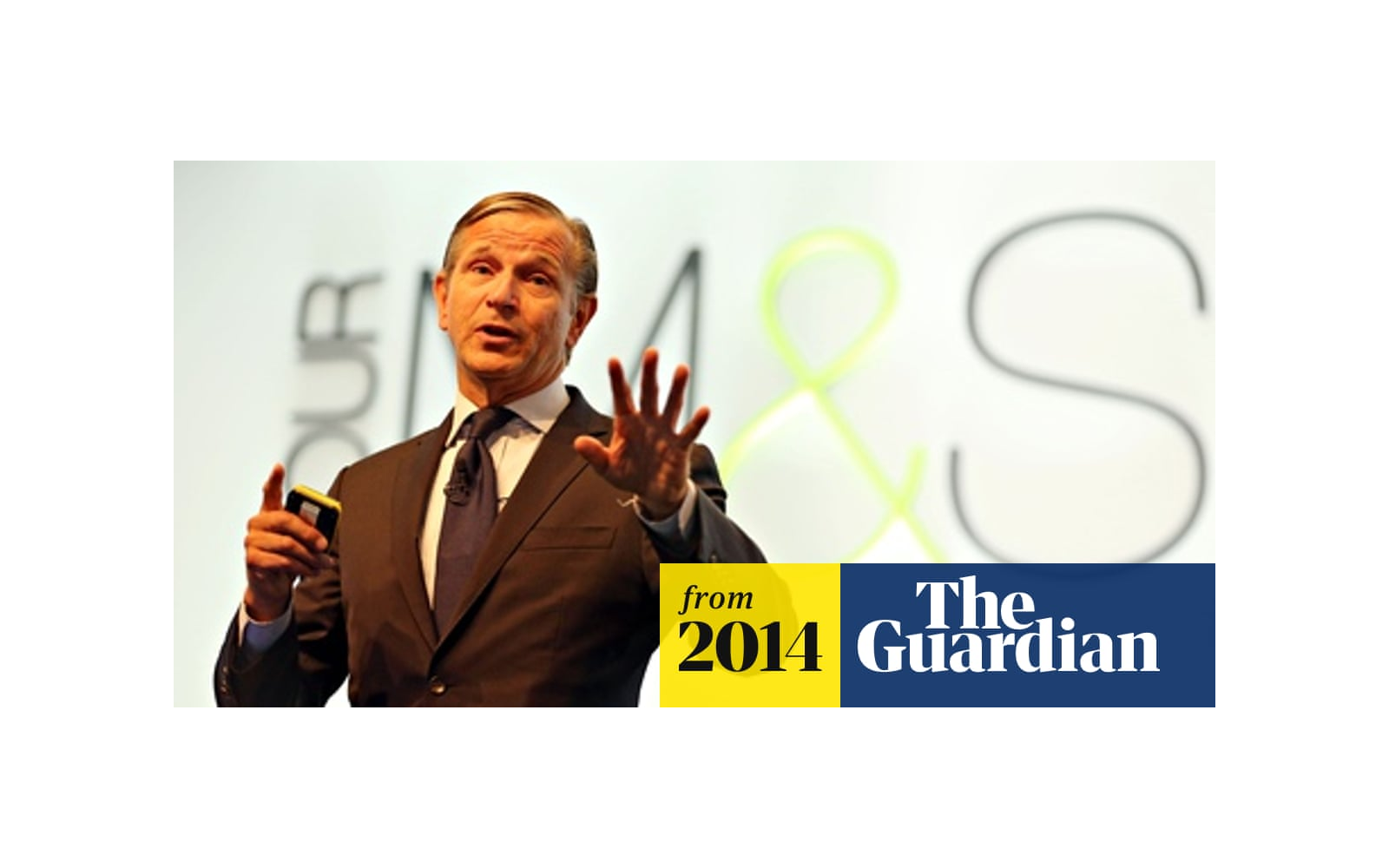
Brand lesson Marks & Spencer and the Website Relaunch That Broke the Buying Habit A retail website changed the path customers used to buy, and the business saw the friction in reported online sales. Website redesigns have to preserve the buying task before they improve the look.
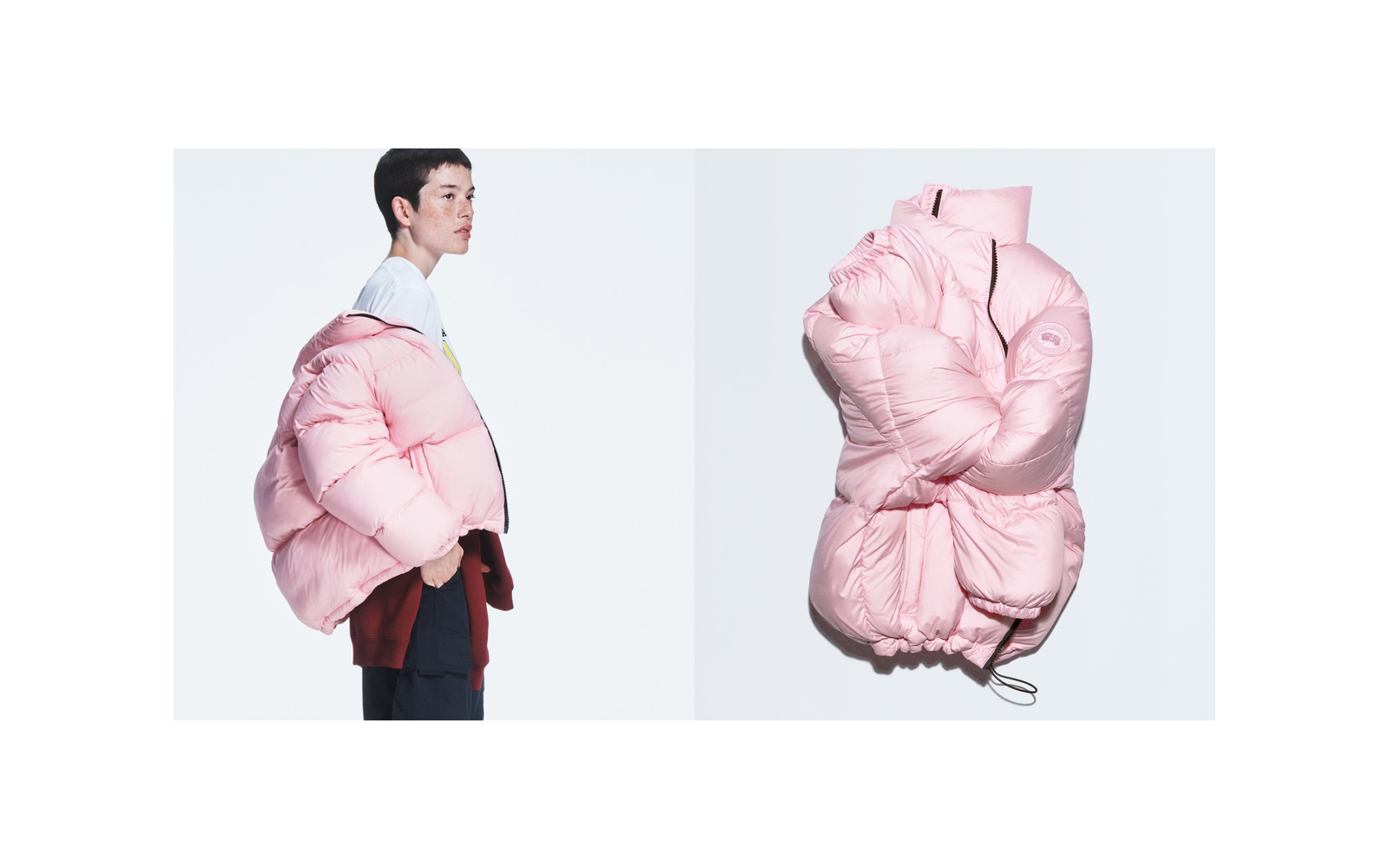
Brand lesson Canada Goose: Extreme weather parka status Canada Goose made warmth visible enough to become status. Performance premium has to show proof.
Brand lesson Notion: Building a workspace from blocks Notion made work feel like a set of movable blocks. Workspace brands can win when the product gives teams a shared construction kit.
Brand lesson Hermes: Scarcity craft governance A luxury house turned constrained craft capacity, family ownership, object durability, repair culture, and selective distribution into a trust system where desire is managed by discipline.
Brand lesson Miele: Immer besser appliance durability Miele made quality feel like a long test, not a claim. Durability brands have to make time visible.
Brand lesson Mango: Mediterranean fast fashion Mango made Spanish fashion read as clean and exportable. Fashion retailers need a code customers can recognize beyond one season.
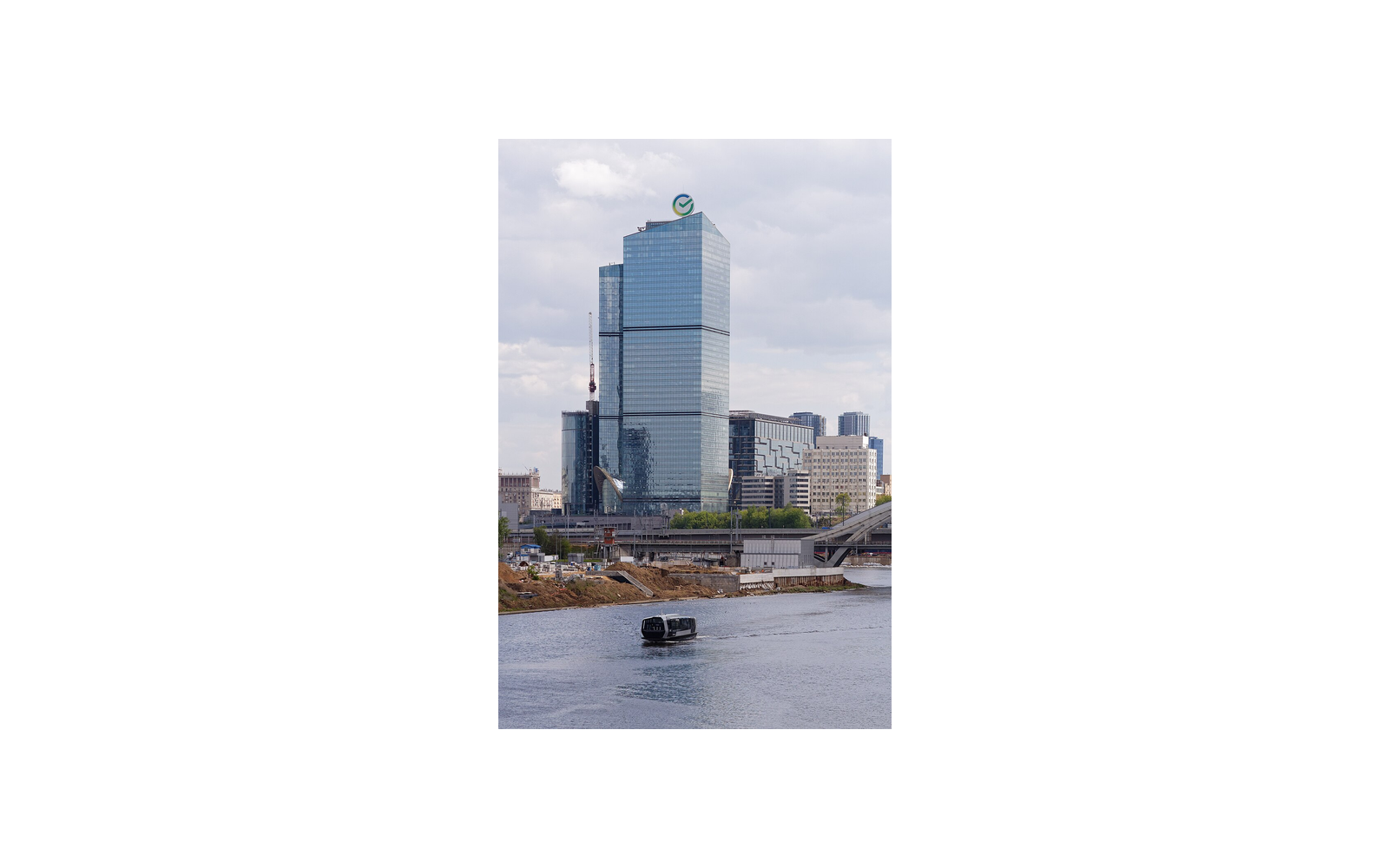
Brand lesson Sber: Green financial ecosystem Sber made bank trust stretch into everyday services. A legacy financial brand can expand only when the customer still understands why it should be trusted.
Brand lesson Genesis and the Two Lines That Made New Luxury Recognizable Two Lines gave a young luxury brand a recognition cue that could travel across grille, lamps, and side profile. New luxury brands need fewer, clearer cues.
Brand lesson Tesco: Clubcard value retail operating Tesco turned value from a price claim into a system a shopper could inspect during the weekly shop. Retail value brands need more than low-price language.

Brand lesson Alibaba Branding Case: Commerce Infrastructure Alibaba becomes a brand system when each layer reduces a real market constraint for buyers, sellers, developers, merchants, and partners. A platform brand gets stronger when users can see the operating layer.

Brand lesson Reliance Consumer Scale Case Reliance turns infrastructure scale into a customer-access question. Scale becomes a brand asset only when people can use it.

Brand lesson Booking.com Branding Case: Accommodation Search and Travel Trust Booking.com works when travel anxiety becomes a searchable, comparable, bookable decision. Marketplace brands need more than inventory.
Brand lesson Garmin: GPS devices and location trust A device brand made location trustworthy by repeating navigation proof across high-consequence activities. Location brands are judged at the moment of dependence.
Brand lesson Telcel: Amigo prepaid mobile access Telcel made mobile service easier to enter. Telecom growth depends on access design.
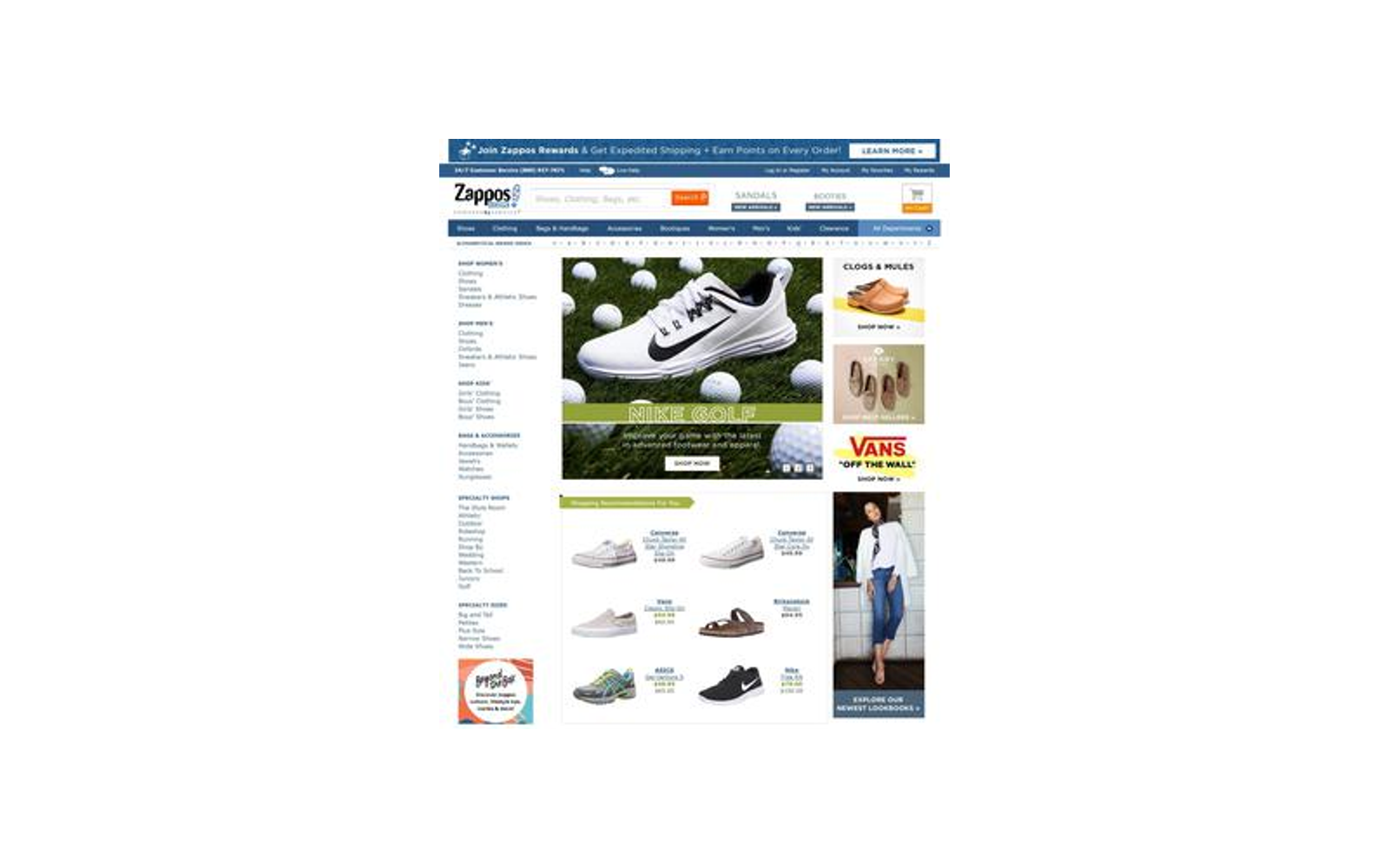
Brand lesson Zappos Branding Case: Customer Service and Online Shoe Trust An ecommerce retailer made buying shoes online read as less risky by making service, returns, fit anxiety, and culture part of the brand. Trust is built where the customer expects regret.
Brand lesson Traveloka: Blue travel booking Traveloka made regional travel easier to assemble. Travel brands win when uncertainty is reduced before checkout.
Brand lesson Hertz: Airport rental car trust Hertz made temporary car access feel like a reserved part of the trip rather than a gamble at the counter. A travel-service brand earns trust when the handoff is predictable.

Brand lesson Circuit City and the Electronics Chain That Lost the Comparison Trip A national electronics chain lost the customer trip when better retail execution, online research, vendor pressure, and weak store economics made the old comparison environment less useful.

Brand lesson Canva: Template design access Canva won by making the first design decision smaller. Software brands can grow when the product lowers the start cost.
Brand lesson Coca-Cola and the White Holiday Can That Broke Variant Recognition A seasonal package changed a core color cue and made some buyers less certain which cola they were picking up. Color can be a product selector.
Brand lesson Cinépolis: VIP multiplex moviegoing Cinépolis made moviegoing a format that could travel. Cinema brands scale when the experience is standardized without becoming dead.

Brand lesson Turkish Airlines: Istanbul global route Turkish Airlines made Istanbul a global routing cue. Airlines scale when the hub becomes easy to understand.
Brand lesson Lamborghini and the Raging Bull That Made Provocation Product-Led The bull made the car read as less like transport and more like a controlled act of defiance. A challenger brand needs behavior behind the attitude.
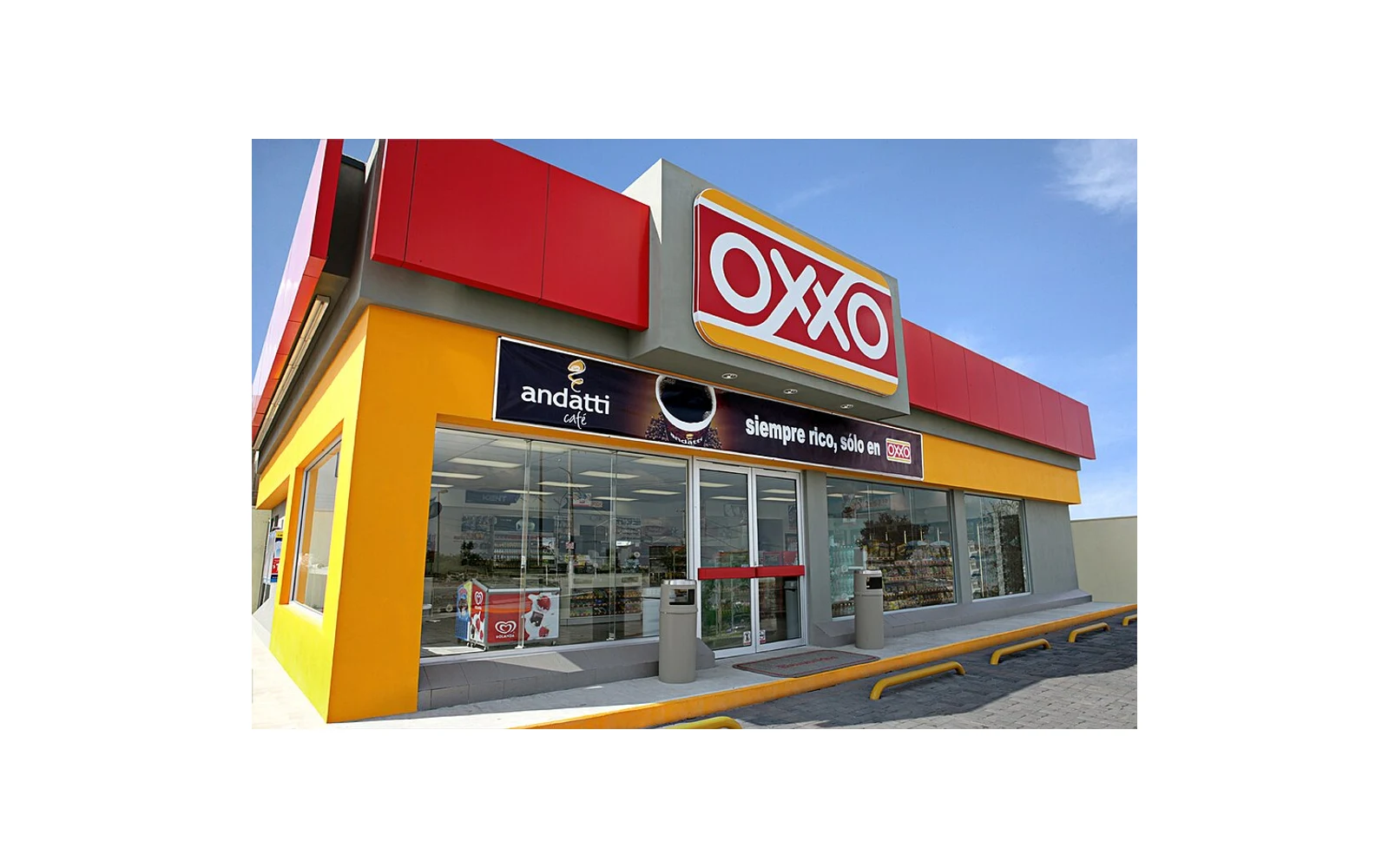
Brand lesson Oxxo: Corner convenience network Oxxo made convenience a neighborhood operating system. Convenience is repetition, more than location.

Brand lesson Swatch: Plastic watch Swiss time reinvention Swatch made Swiss watches read as less guarded and more collectible. A category can be defended by making it easier to enter.
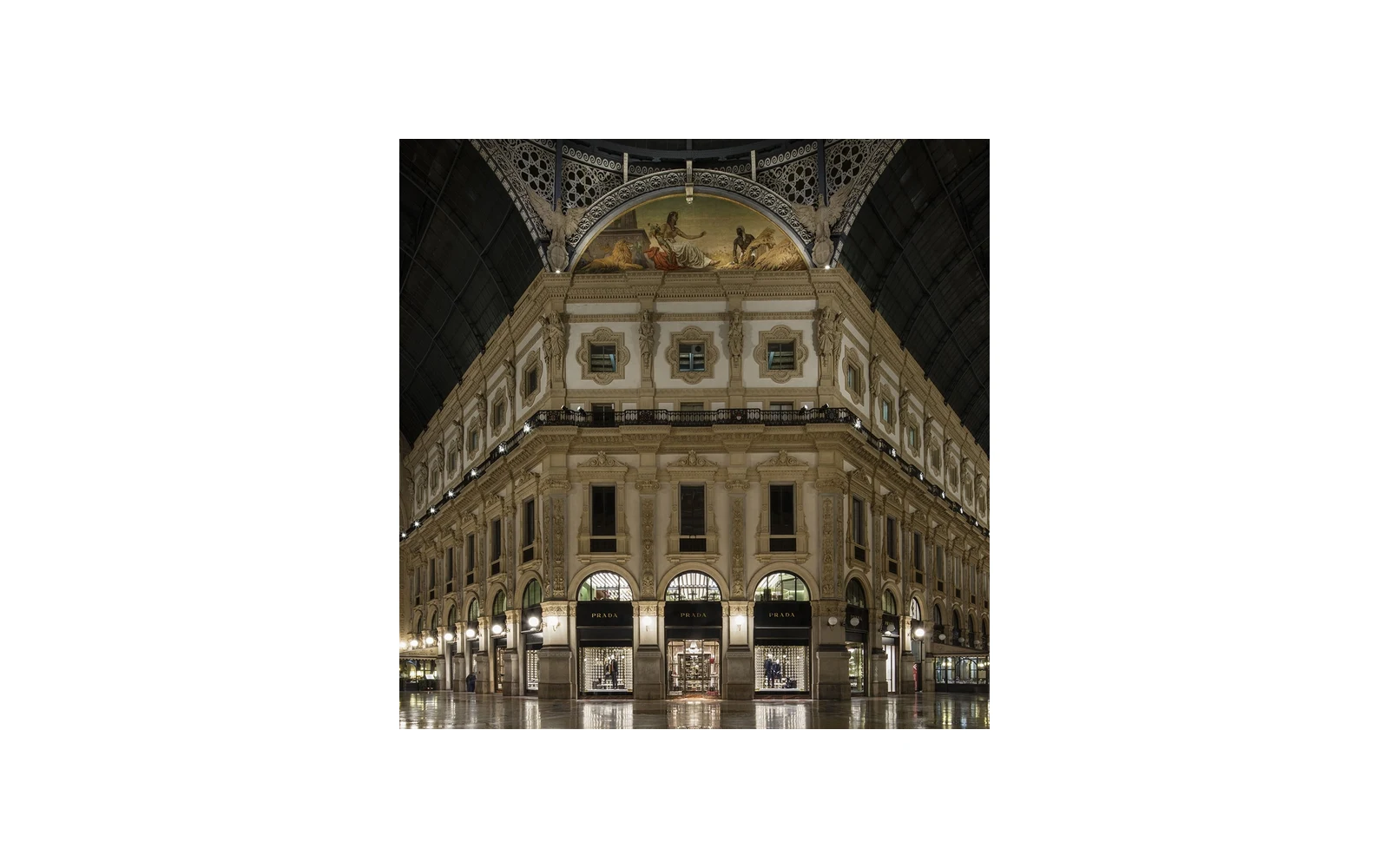
Brand lesson Prada: Nylon intellectual luxury Prada made restraint feel like intelligence, not absence. Luxury can stand apart by making material and restraint the point.
Brand lesson Lexus and the LS 400 That Made Quiet Luxury Operational The LS 400 made quietness, quality control, and service recovery feel like one luxury promise. Luxury can be built as an operating system, not a decorative layer.
Brand lesson Cisco and the Network Brand Behind AI Infrastructure Cisco's brand lives where the customer only notices failure. Infrastructure brands earn trust when the system stays invisible for the right reason.
Brand lesson Okta and the Identity Layer That Made Login an Enterprise Brand An enterprise software brand made identity the control point by turning login, app access, authentication, user lifecycle, and check behavior into a managed trust layer.

Brand lesson Amul Branding Case: Dairy Cooperative and Household Trust Amul works when the cooperative structure becomes visible to the buyer through price, availability, freshness, product consistency, and everyday household use.
Brand lesson Al Rajhi Bank Branding Strategy Case: Branches, Remittance, and Trust Al Rajhi Bank makes banking trust tangible when customers can see where money can be deposited, transferred, withdrawn, checked, and recovered. A bank brand has to prove trust at transaction points.

Brand lesson Alfa Romeo Branding Case: Milan Badge and Racing Proof Alfa Romeo turns place into performance memory when the Milan badge is backed by racing, design, product behavior, and a repeatable driving reason.
Brand lesson Klarna: Checkout BNPL trust A payments brand moved credit into the retail checkout by making timing, approval, repayment, reminders, and merchant placement part of the shopping experience. Checkout finance needs more than conversion.
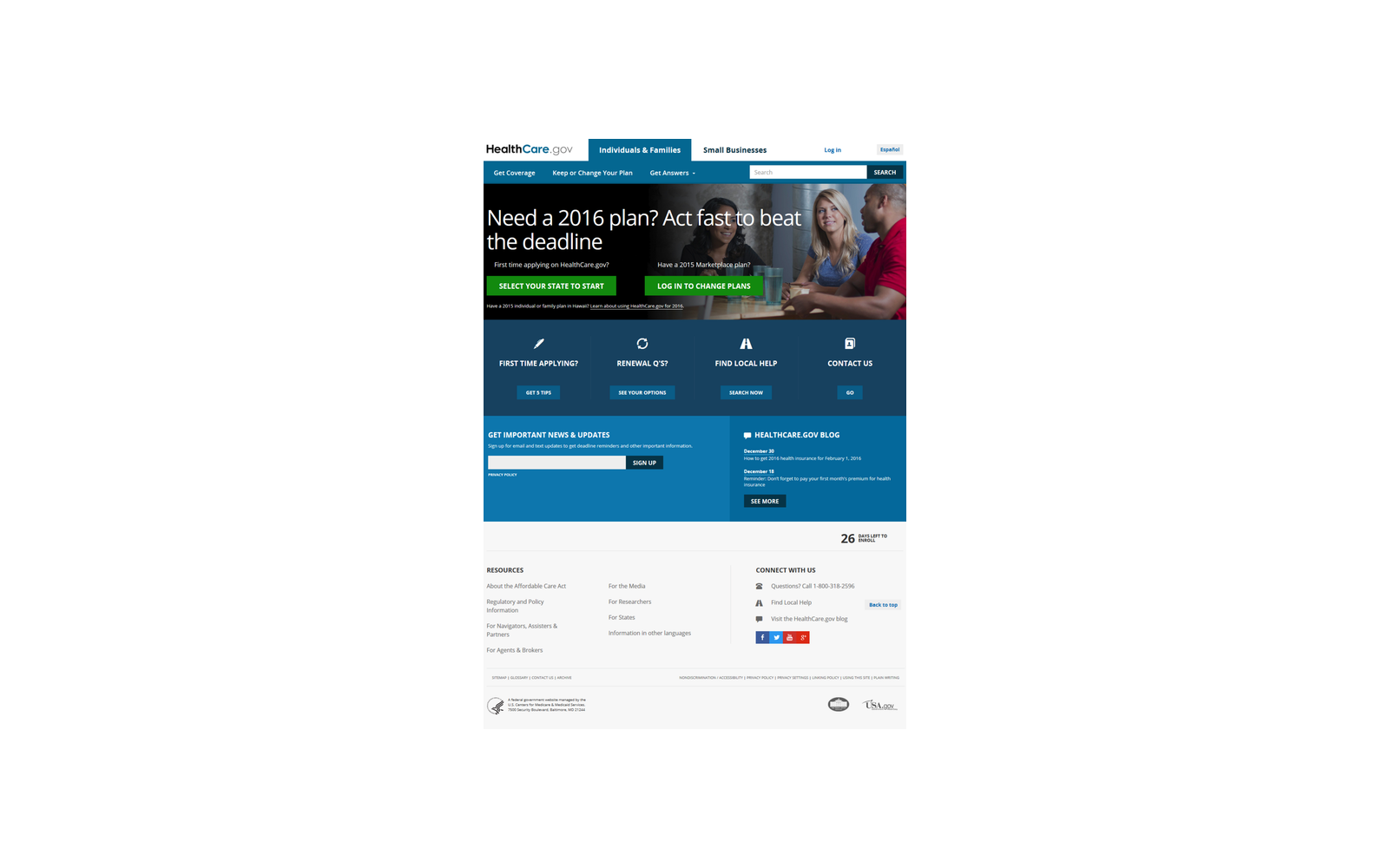
Brand lesson HealthCare.gov and the Launch That Broke the Enrollment Task A public website launched into a high-stakes enrollment task before the operating proof matched the promise. A website can have traffic and still fail if the user cannot finish the job.
Brand lesson Electrolux and the Slogan Myth That Still Teaches A line that may have worked intentionally in English became a durable marketing anecdote because it sounds like a failure. Failed-slogan cases need a verification ledger.
Brand lesson Tupperware: Party storage container trust Tupperware made a household object social, then showed what happens when the channel loses fit with modern buying behavior.

Brand lesson Yandex: Search portal local web navigation Yandex made web search read as local before it became a service portfolio. Search brands win when relevance reads native to the user.
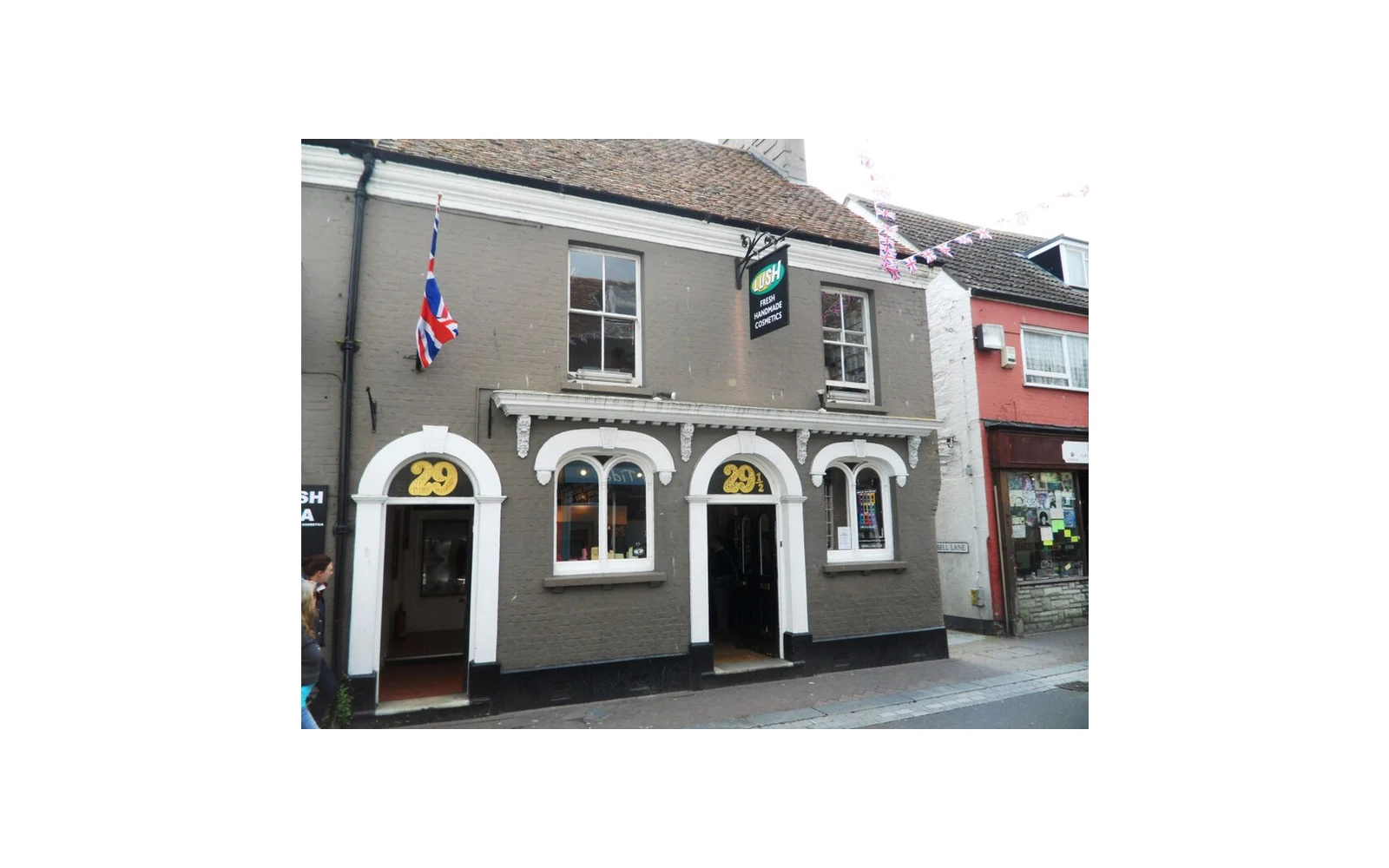
Brand lesson Lush: Fresh handmade cosmetics retail Lush made freshness visible, smellable, and hard to ignore. Retail brands can use product behavior as theater when the theater proves the claim.
Brand lesson Quaker Oats: Breakfast trust symbol A pantry brand made trust cumulative by tying oats to a long-running symbol, round package memory, recipes, convenience formats, and a breakfast routine that did not need novelty to stay useful.
Brand lesson Maersk and the Blue Container That Became Supply-Chain Trust A shipping brand moved from being recognized as an ocean carrier toward being judged as an end-to-end supply-chain partner whose promise is carried by reliability across many handoffs.
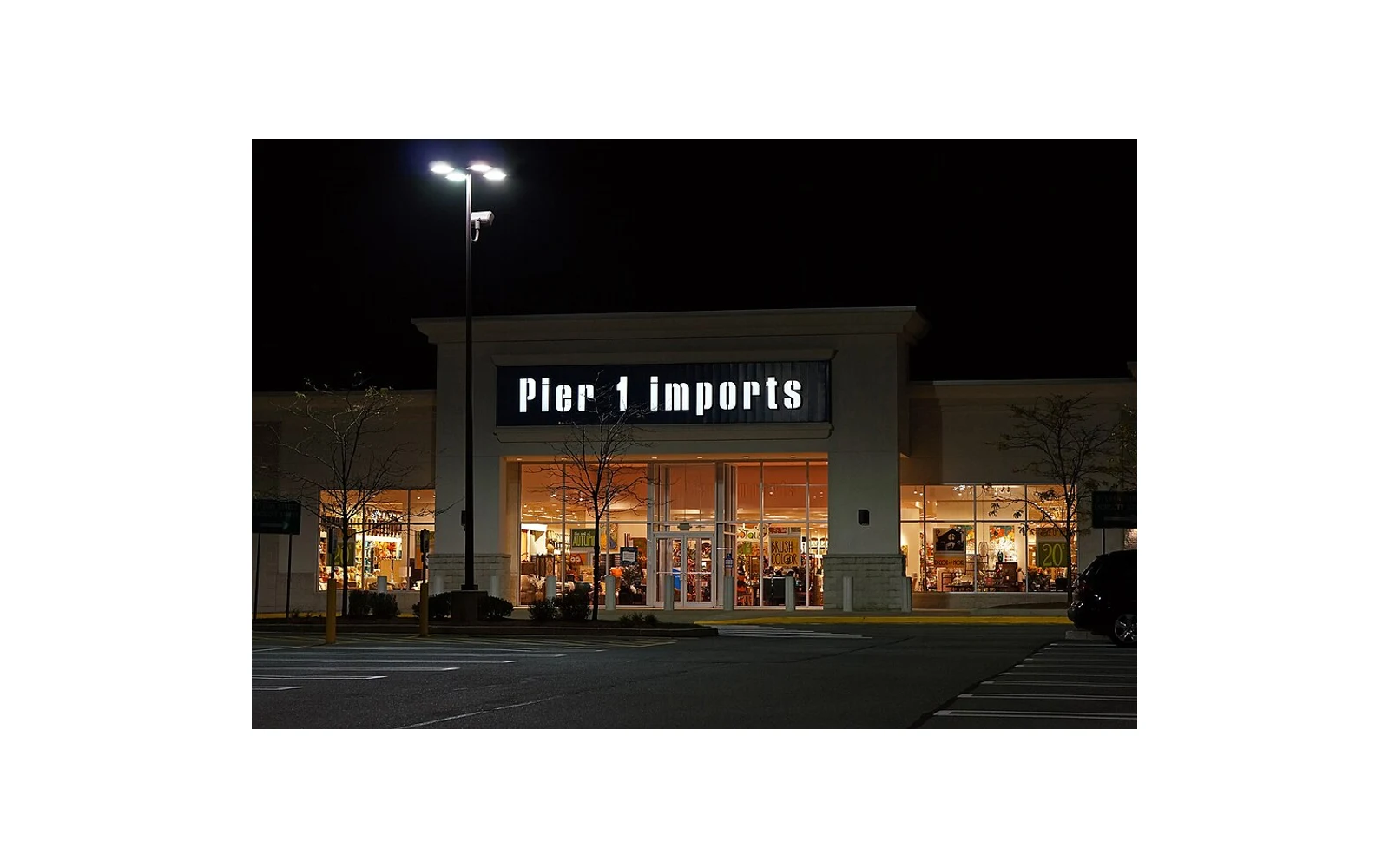
Brand lesson Pier 1 Imports: Treasure hunt home decor collapse Pier 1 Imports tied home decor to browsing, surprise, tactile objects, and a store trip customers later replaced with faster paths.
Brand lesson Samsung and the Fold Delay That Protected the Category A company trying to define a new hardware category delayed the launch after early review-unit failures, then made the fix itself part of the category's.
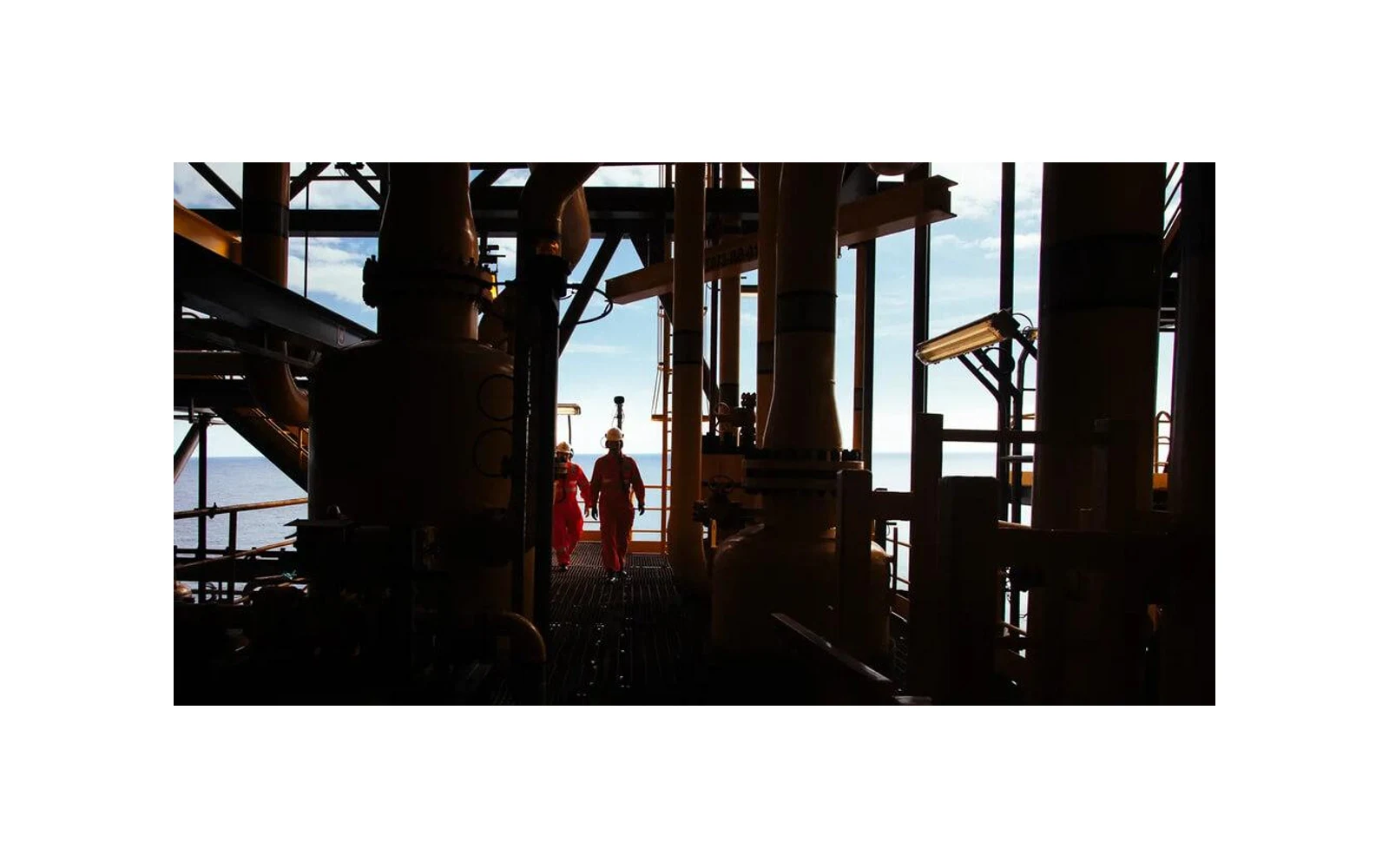
Brand lesson Petrobras: Deepwater energy national scale Petrobras made energy scale feel like national infrastructure. Resource brands are judged by capability more than charm.
Brand lesson Kmart and the Blue-Light Retail Memory That Shrunk to a Remnant Kmart had a memorable discount signal, but the store system around that signal became weaker than the alternatives customers learned to use.
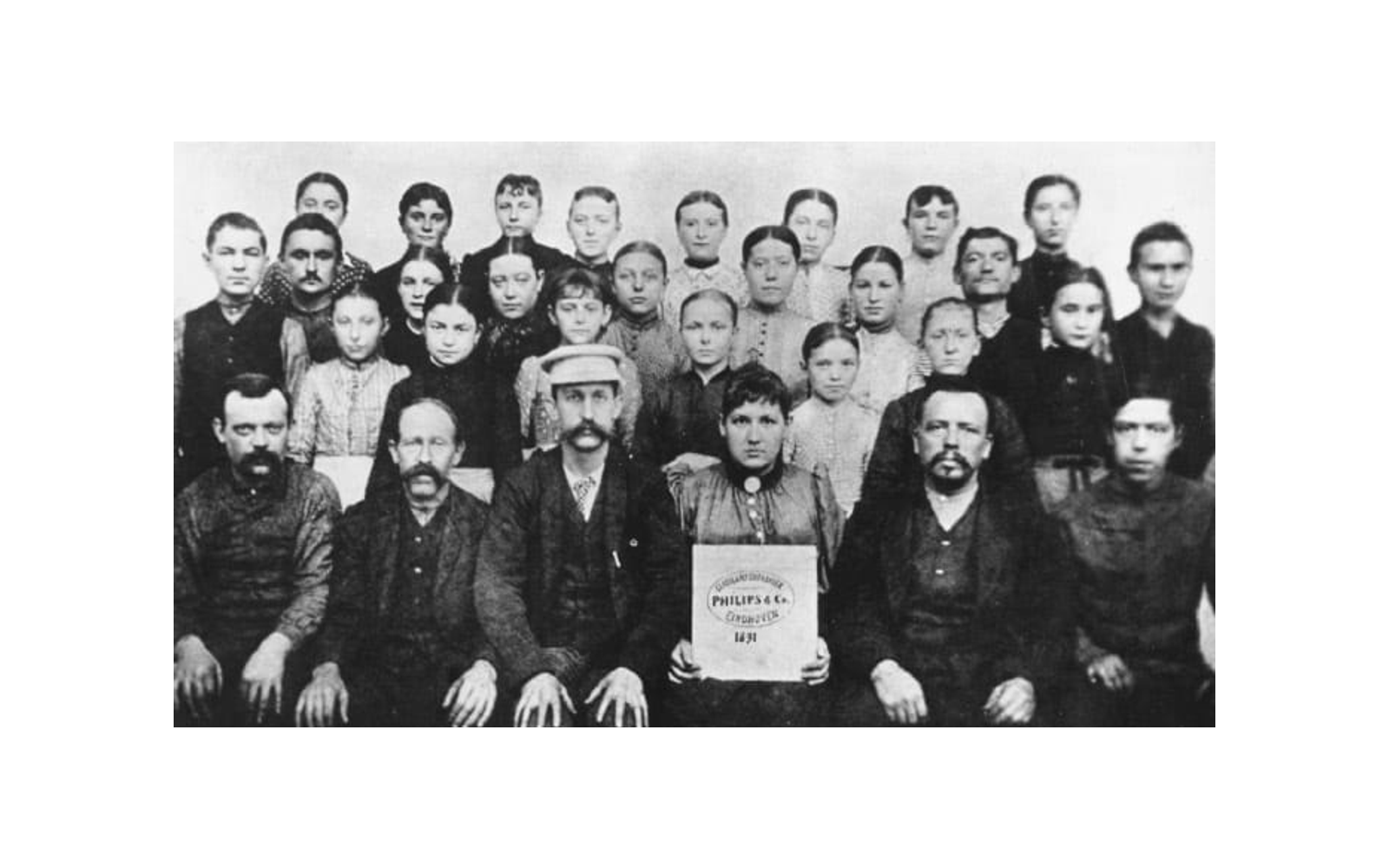
Brand lesson Philips: Health technology lighting pivot Philips turned a lighting origin into a health-technology proof system. A pivot works only when the new category has proof strong enough to carry old memory.
Brand lesson Audi Branding Case: Four Rings and Engineering Memory Audi works when the four rings make corporate history simple while the product proves progress through design, engineering, quattro memory, and premium consistency.
Brand lesson Arcelik Branding Case: Appliance Engineering and Service Proof Arcelik works when engineering proof becomes visible to buyers through appliances that are reliable, serviceable, efficient, available, and clear inside a portfolio. Appliance brands need evidence after the sale.
Brand lesson Zillow and the Zestimate That Made Home Data Public A real estate search brand made the home value estimate a public starting point, then wrapped it with listings, maps, filters, financing, touring, and agent workflows. Data brands need a boundary as much as a number.
Brand lesson SK hynix: Memory chip component scale SK hynix made invisible components strategically visible. Component brands win through trust among buyers who know the consequences of failure.
Brand lesson Embraer: Regional jet engineering export Embraer made a technical niche read as exportable. Industrial brands can win by being specific.

Brand lesson Headspace: Guided meditation health habit Headspace made meditation feel like a guided lesson. Health-adjacent brands need trust and repetition.
Brand lesson KLM: Blue crown route trust KLM made route continuity feel like a Dutch service promise. An airline brand cannot live only in a tail mark.
Brand lesson Turkcell: Yellow mobile network Turkcell made mobile coverage read as close. Telecom trust comes from repeated access cues.
Brand lesson Barilla Brand System Case: Pasta, Pantry Trust, and Repeat Purchase Barilla makes a routine pantry choice easier when the buyer can recognize the box, choose the shape, and trust the meal outcome.
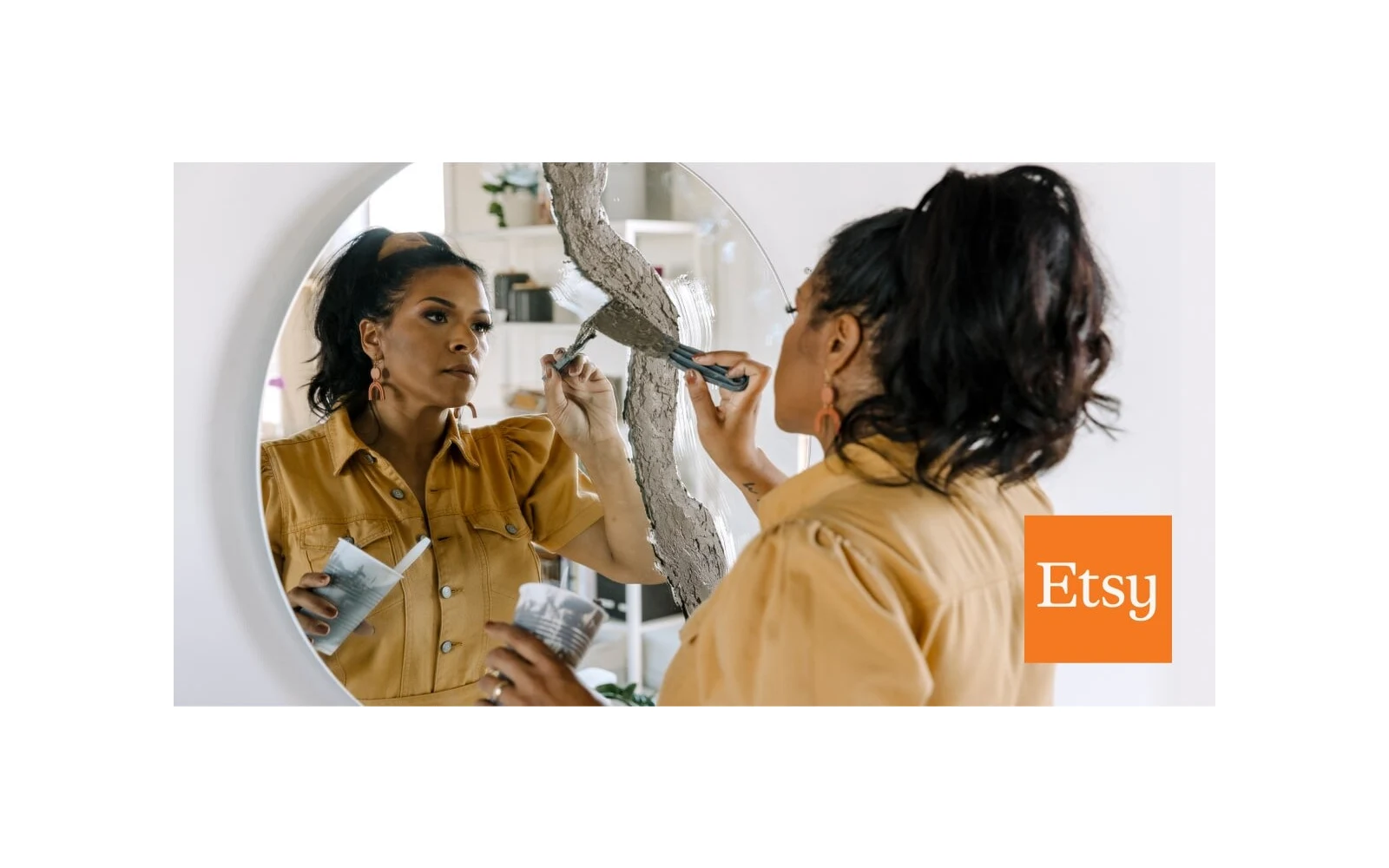
Brand lesson Etsy: Handmade marketplace trust A marketplace brand made scale read as personal by putting sellers, handmade rules, shop pages, reviews, and product specificity close to the buying decision.
Brand lesson Pfizer and the Vaccine Moment That Made Pharma Public A pharmaceutical company moved from background manufacturer to daily public reference because the vaccine decision made proof, partnership, authorization, logistics, and public trust visible at once.
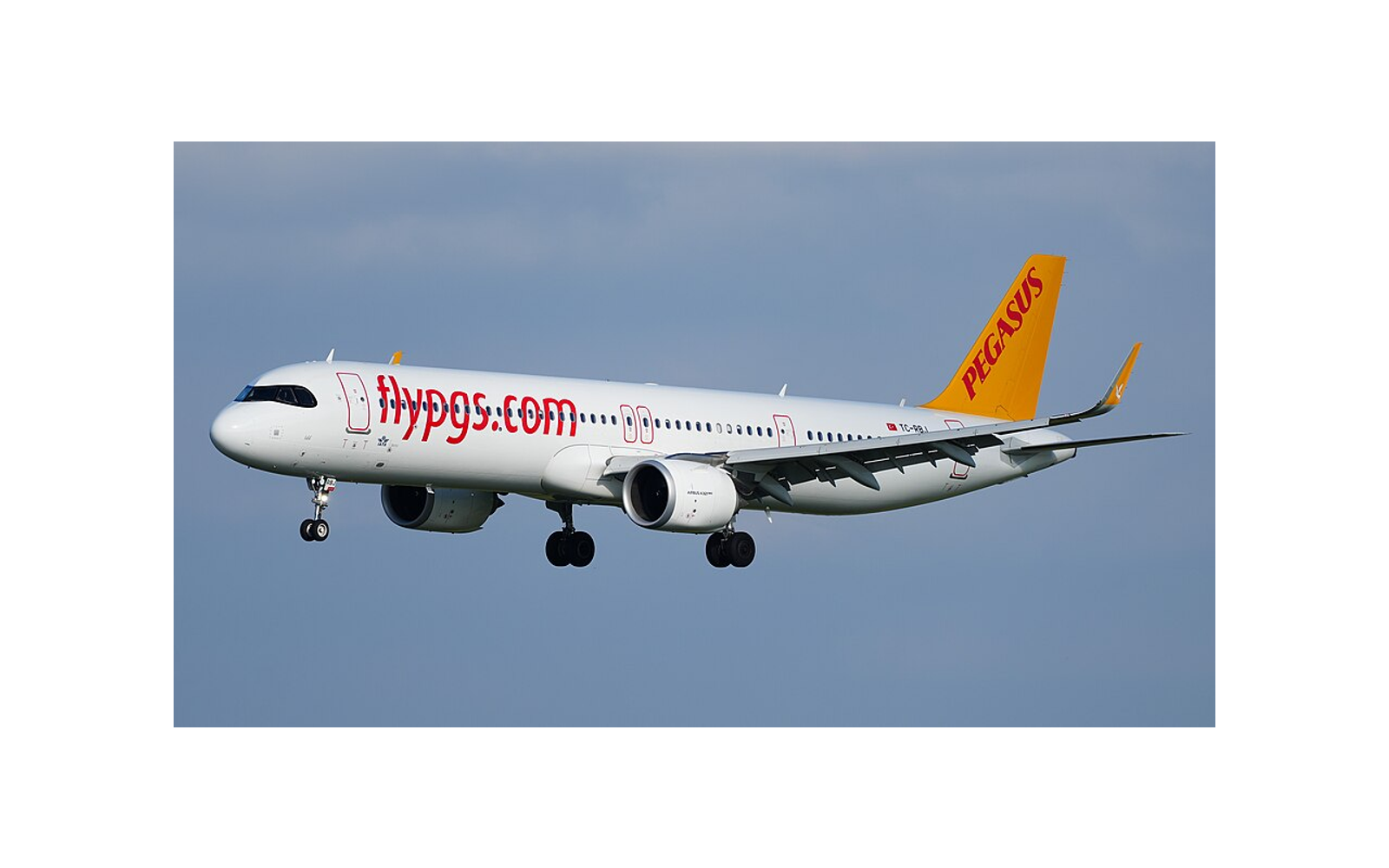
Brand lesson Pegasus: Low cost airline access Pegasus made low-cost flying readable before checkout. Low-cost airlines win when the customer can understand the exchange.
Brand lesson Michelin and the Guide That Turned Tires Into Travel Authority A tire company built demand for road travel, then turned practical mobility information into one of the most durable hospitality and restaurant authority systems in the world.
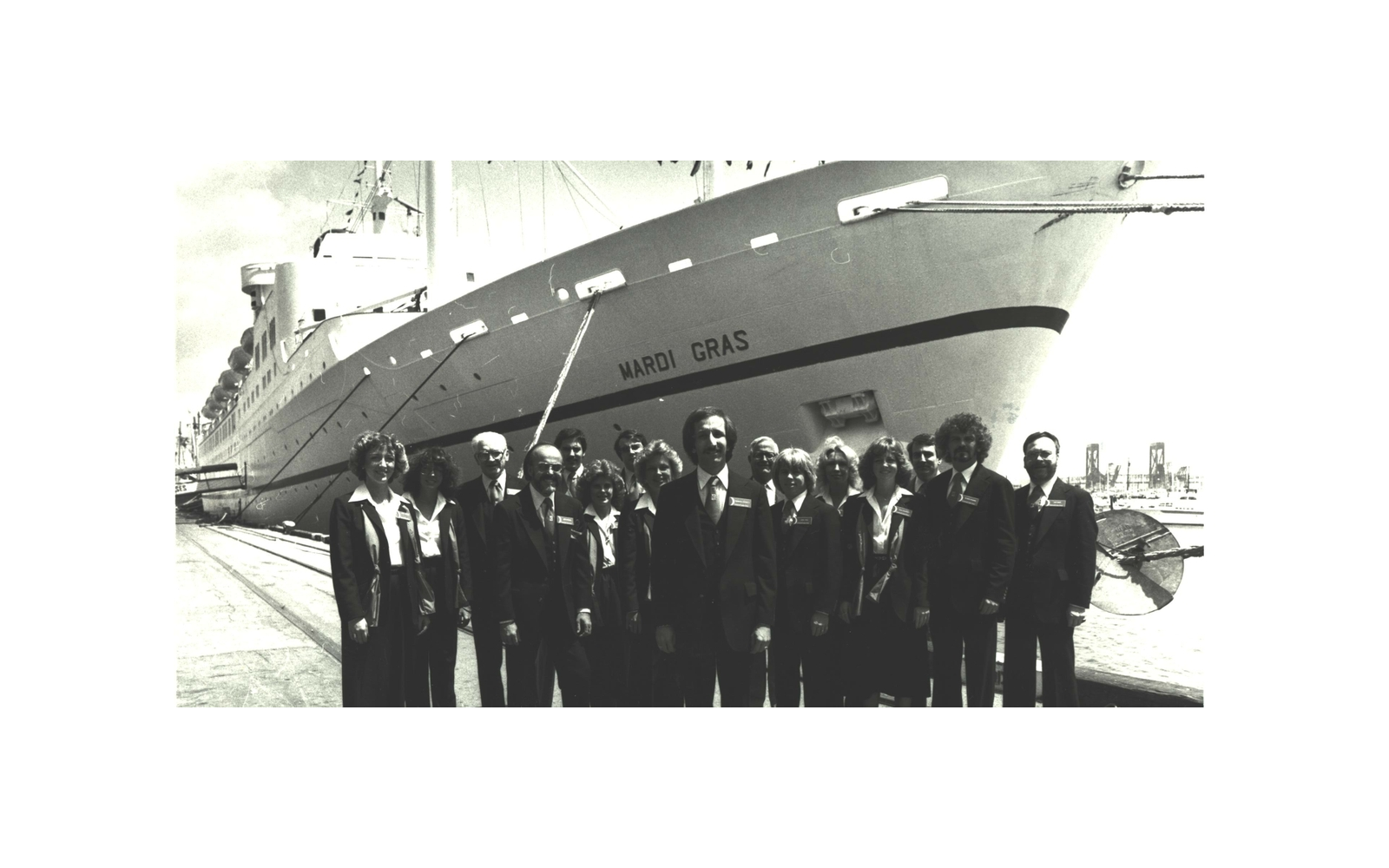
Brand lesson Carnival Cruise Line: Fun ship vacation Carnival made the cruise read as less formal by staging vacation as an onboard social routine. Travel brands grow when customers understand the experience before they book.
Brand lesson Ford Pinto and the Safety Reputation That Became the Brand A product safety controversy became the shorthand people used to judge the company behind it. When a safety issue becomes a moral story, later factual nuance does not automatically repair the brand memory.
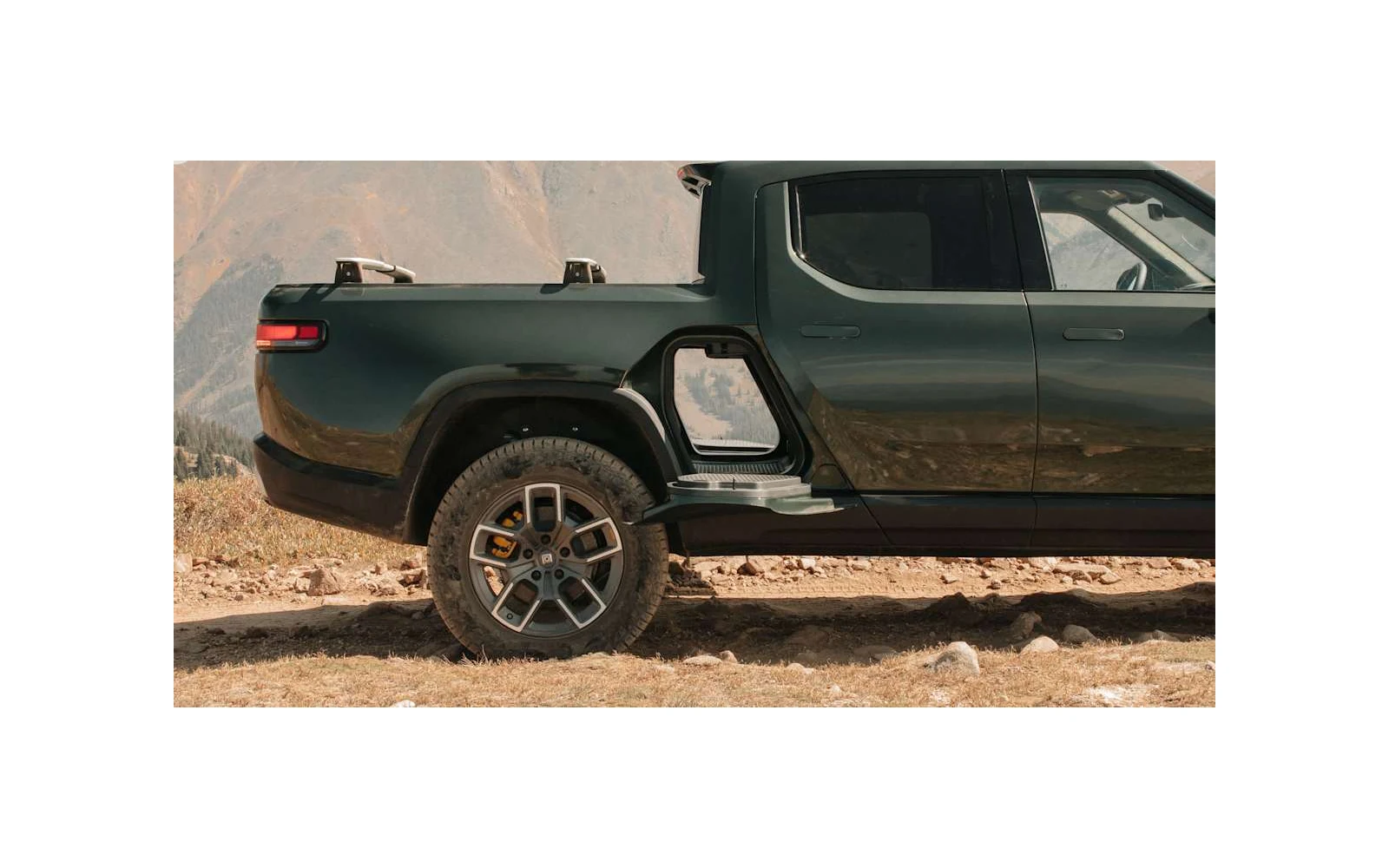
Brand lesson Rivian: Electric adventure vehicle Rivian made electric power read as outdoor-capable, not city-bound. A new EV brand needs a use case people can picture.

Brand lesson Mailchimp: Small business email Mailchimp made marketing software read as less intimidating. Small-business software wins when it reduces shame around the task.
Brand lesson Southwest Airlines: Bags fly free promise An airline made a low-cost model read as less punitive by giving customers a clear service promise.
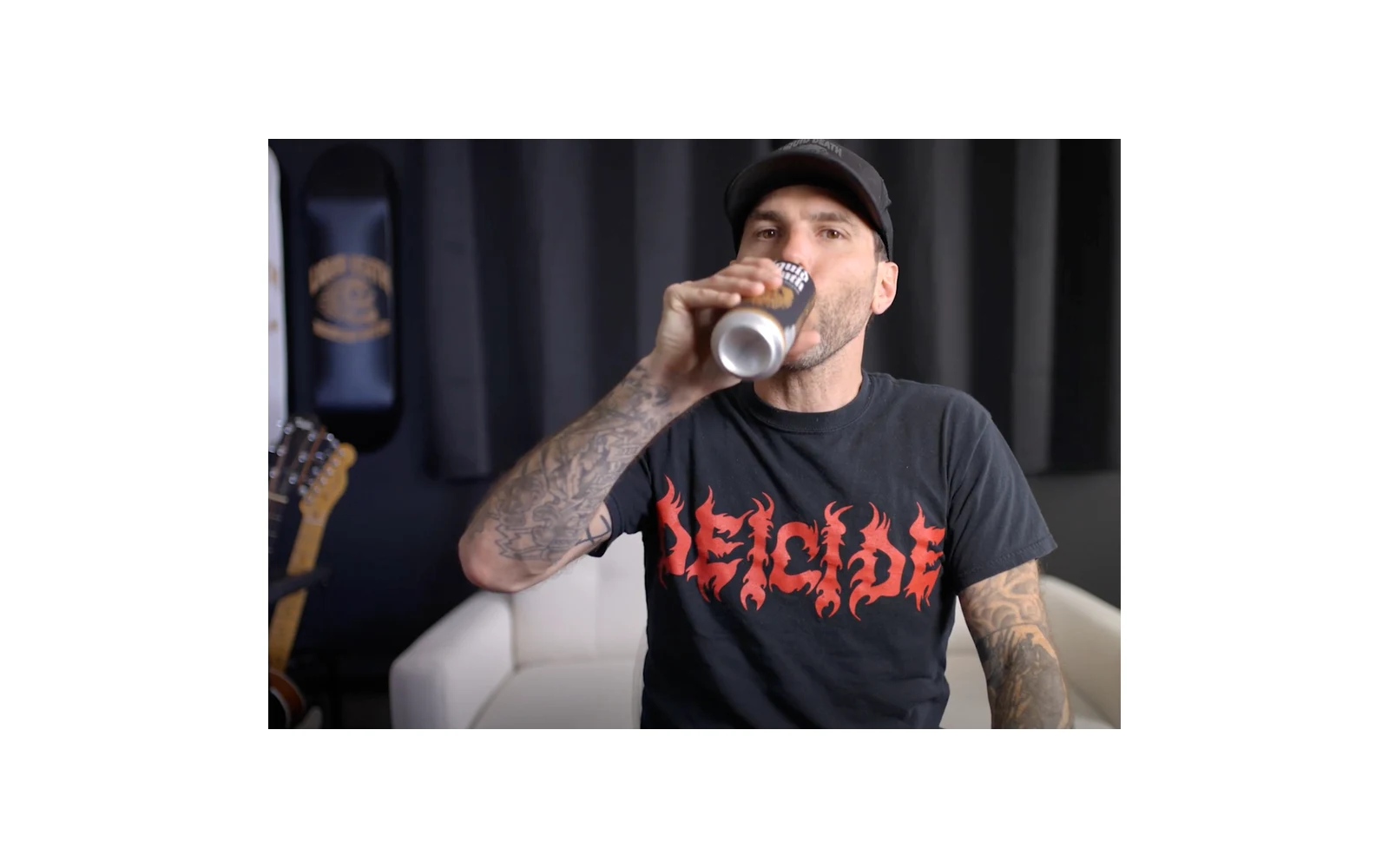
Brand lesson Liquid Death and Category Contrast The launch found contrast in a category where most competitors looked clean, soft, and interchangeable. Contrast can open a category, but only if the operating system underneath the joke is disciplined.
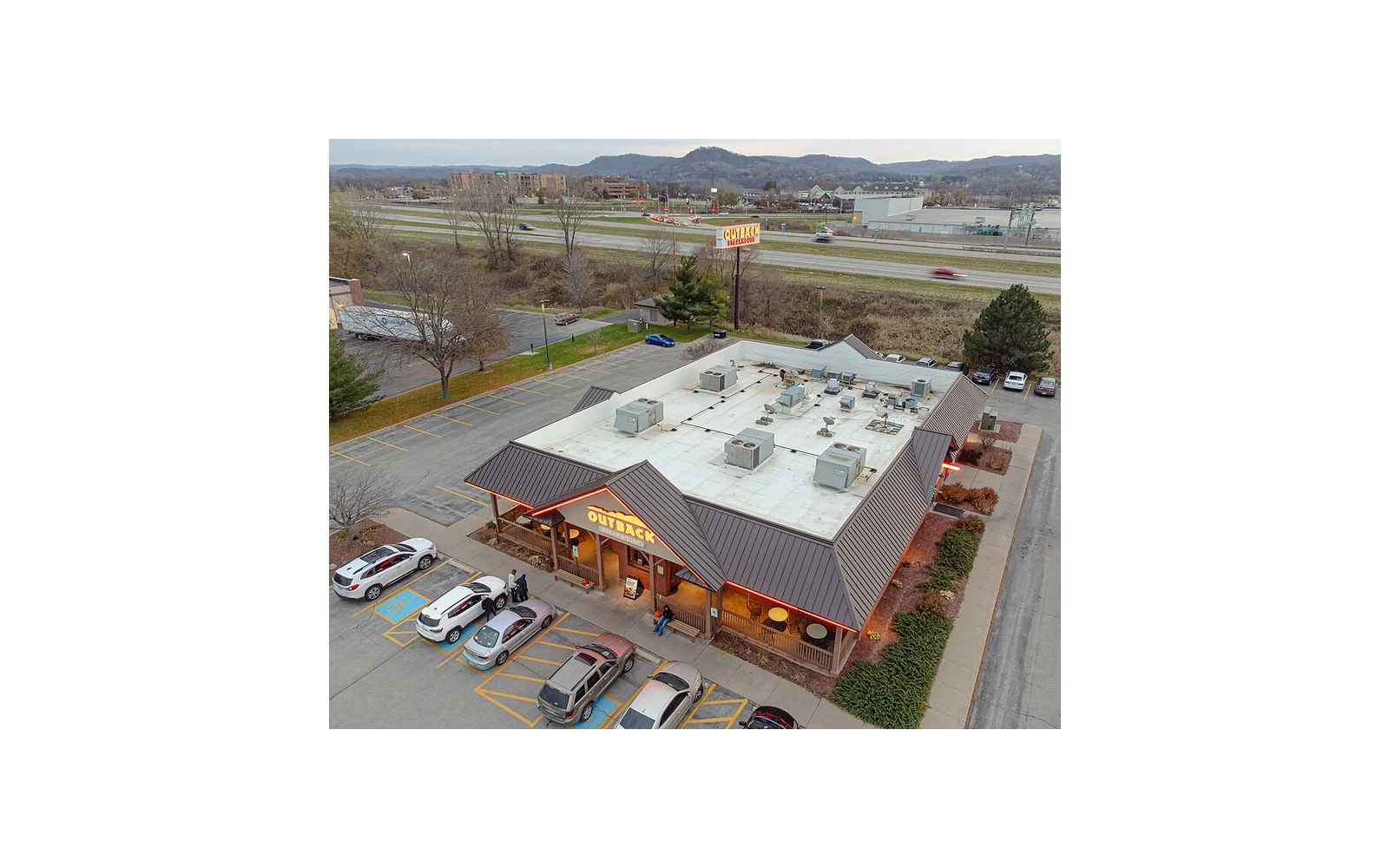
Brand lesson Outback Steakhouse: Australian themed casual dining Outback made the casual-dining visit easy to picture before the group chose dinner. A restaurant theme has value when it organizes the meal instead of sitting on top of it.
Brand lesson MINI: Small-car space and go-kart handling The small car became memorable because packaging efficiency also changed how it drove. A constraint can become brand identity when the product makes the tradeoff worthwhile.
Brand lesson Lotus and the Lightweight Discipline That Made Handling The Brand Lotus made subtraction feel like performance, not compromise. A brand can own a constraint when the customer reads the benefit.
Brand lesson The Bud Light Pattern Use the Bud Light case to test audience meaning, retailer readiness and evidence before a public campaign. Separate an editorial pattern from measured commercial outcomes.
Brand lesson Qualcomm and the Ingredient Brand That Learned to Create Demand Qualcomm's brand move was to convert technical infrastructure into visible demand.
Brand lesson Shein: Demand signal fashion marketplace Shein made speed visible as a demand system. Fashion marketplaces get dangerous and powerful when trend sensing, listing, testing, production, and feedback compress into one operating rhythm.
Brand lesson Netflix, Qwikster, and the Cost of Splitting the Customer The company tried to separate the future streaming business from the legacy DVD business, but customers experienced the move as a split in one relationship. Brand architecture must reduce customer work.

Brand lesson Liverpool: Department store credit Liverpool made aspiration repeatable through store and credit. Department stores sell access to a version of life.
Brand lesson Zomato: Food demand delivery Zomato made food demand visible before the order. Marketplace brands win when discovery, trust, logistics, and merchant demand reinforce each other.
Brand lesson Discord: Server community chat Servers made chat feel like a place a group could own. Community software gets stronger when structure and play reinforce each other.
Brand lesson EasyJet: Orange low cost flight The low-cost airline promise worked because the trade-off was visible: fewer extras, direct booking, simple routes, and a color signal built for fast reading.
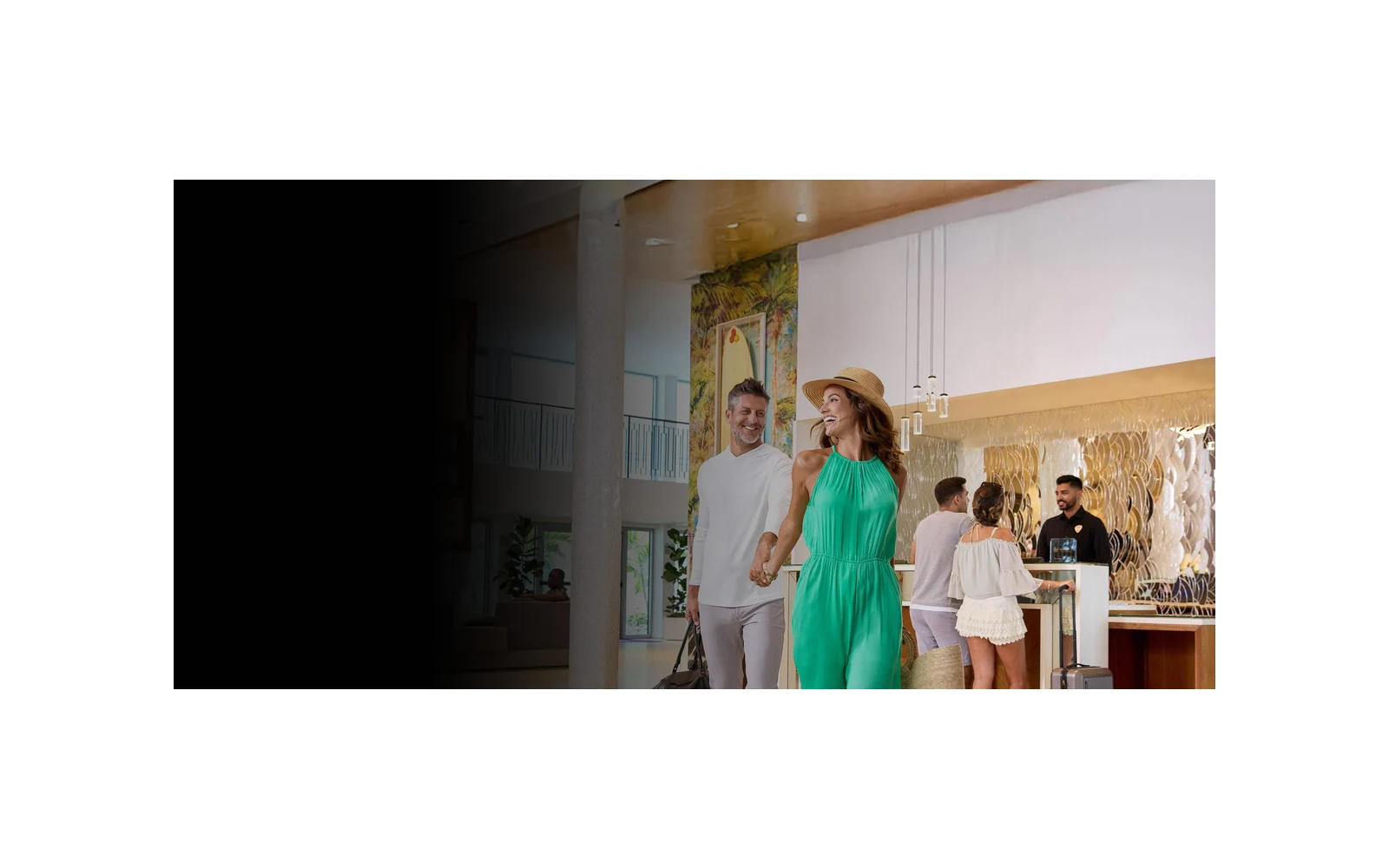
Brand lesson Hard Rock: Memorabilia hospitality experience Hard Rock made hospitality easier to remember by making every location feel like part museum, part meal, part show. Experience brands travel when the customer can recognize the ritual before entering the venue.
Brand lesson Amorepacific Branding Case: K-Beauty Portfolio and Export Trust Amorepacific works when the portfolio lets different beauty brands carry different jobs while research, ingredients, routines, and Korean origin keep the group credible. Beauty portfolios need more than aesthetic range.
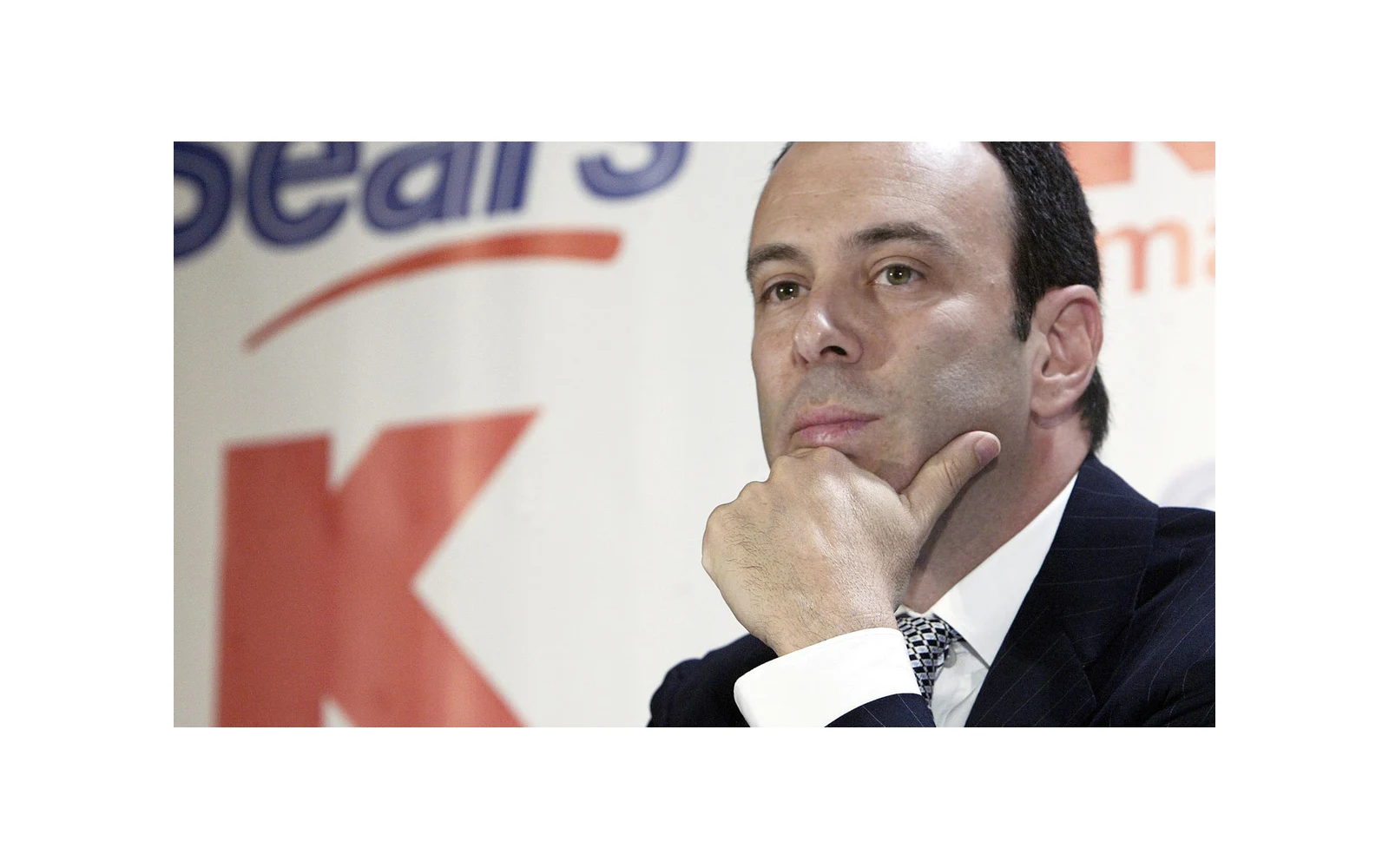
Brand lesson Sears and the Catalog Trust That Retail Drift Could Not Save Sears had enormous retail memory, but the company lost the operating proof that made that memory useful: dependable stores, trusted appliances, service confidence, price authority, and a reason to make the trip.
Brand lesson QuickBooks: Accounting for small businesses A small-business software brand became trusted by moving accounting closer to the work: invoice, receipt, payment, payroll, tax, bank feed, and accountant review in one repeated operating surface.

Brand lesson SpaceX Brand System Case: Reusable Launch and Visible Proof SpaceX turned reusable launch from an engineering claim into a public proof pattern customers, governments, and media could watch.
Brand lesson Google Stadia and the Cloud-Gaming Trust Gap Stadia's technology was not enough. A gaming platform has to earn confidence in library, ownership, community, continuity, and support before players build a durable habit around it.

Brand lesson Saudi Aramco: Energy scale national signal Saudi Aramco made invisible energy infrastructure readable as national scale. Energy brands carry trust through continuity, route control, safety routines, and proof of operating reach.
Brand lesson Aston Martin Branding Case: Wings, DB Memory, and GT Proof Aston Martin works when the myth is backed by cars, racing, craft, and product memory strong enough to keep the wings from becoming empty decoration. Luxury myth needs mechanical proof.
Brand lesson Logitech: Peripheral work play interface Logitech made the computer interface read as physical, practical, and personal. A peripheral brand wins when the object disappears into use but still reads chosen.
Brand lesson Chewy: Autoship pet care service Chewy turned a recurring supply problem into a care routine owners could trust. A subscription system works when the customer feels relieved rather than trapped.
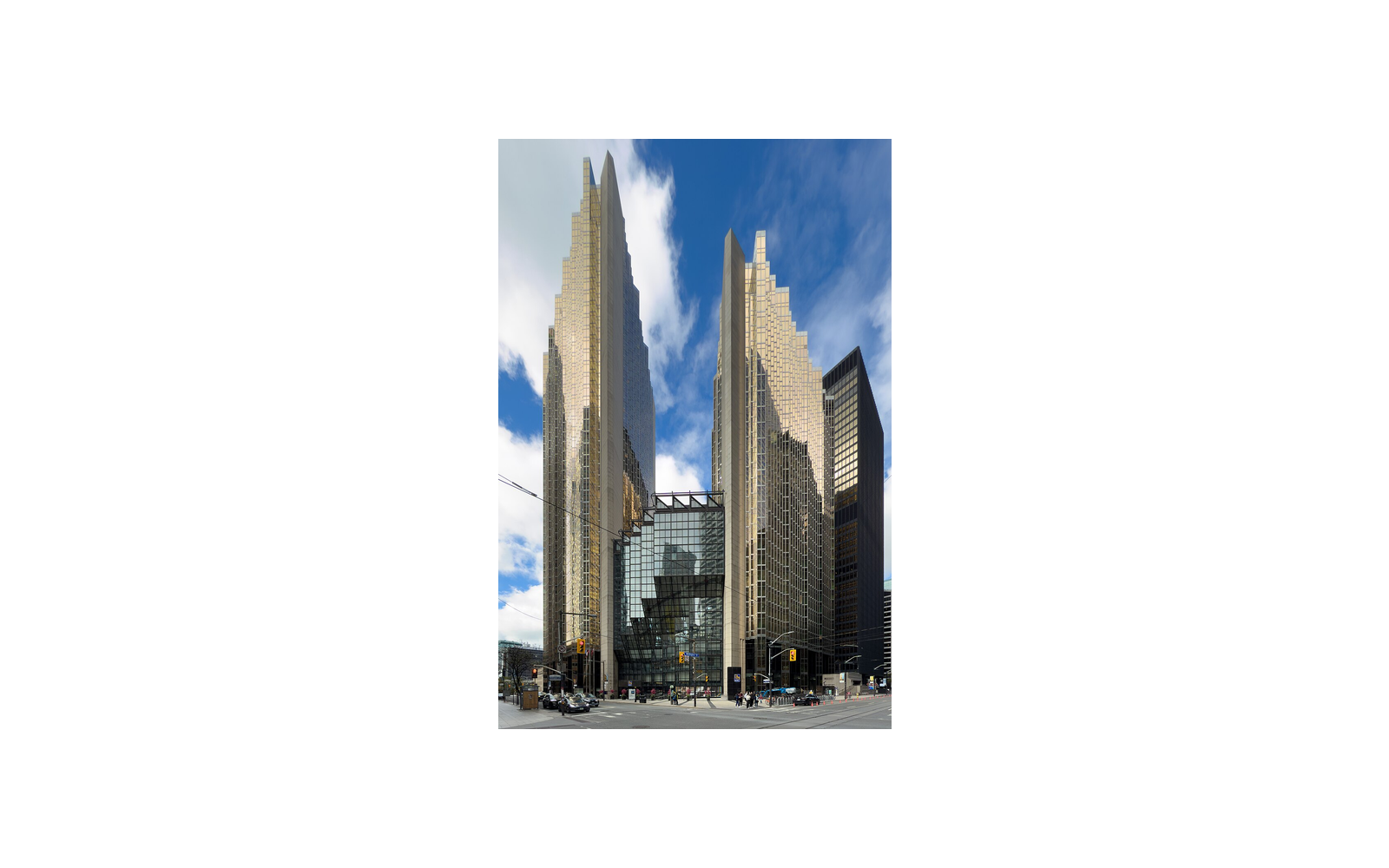
Brand lesson RBC: Institutional banking trust RBC made bank scale read as trust, not distance. Financial brands have to make size read safer rather than colder.
Brand lesson Old Spice and the Recovery of Relevance Through Tone The comeback turned a dated category asset into a social-media performance system without pretending the old brand had no history.
Brand lesson Bugatti and the Horseshoe Grille That Made Engineering Excess Readable The horseshoe grille gave extreme engineering a face customers could read before the numbers arrived. Extreme performance needs a recognition cue that reads engineered.
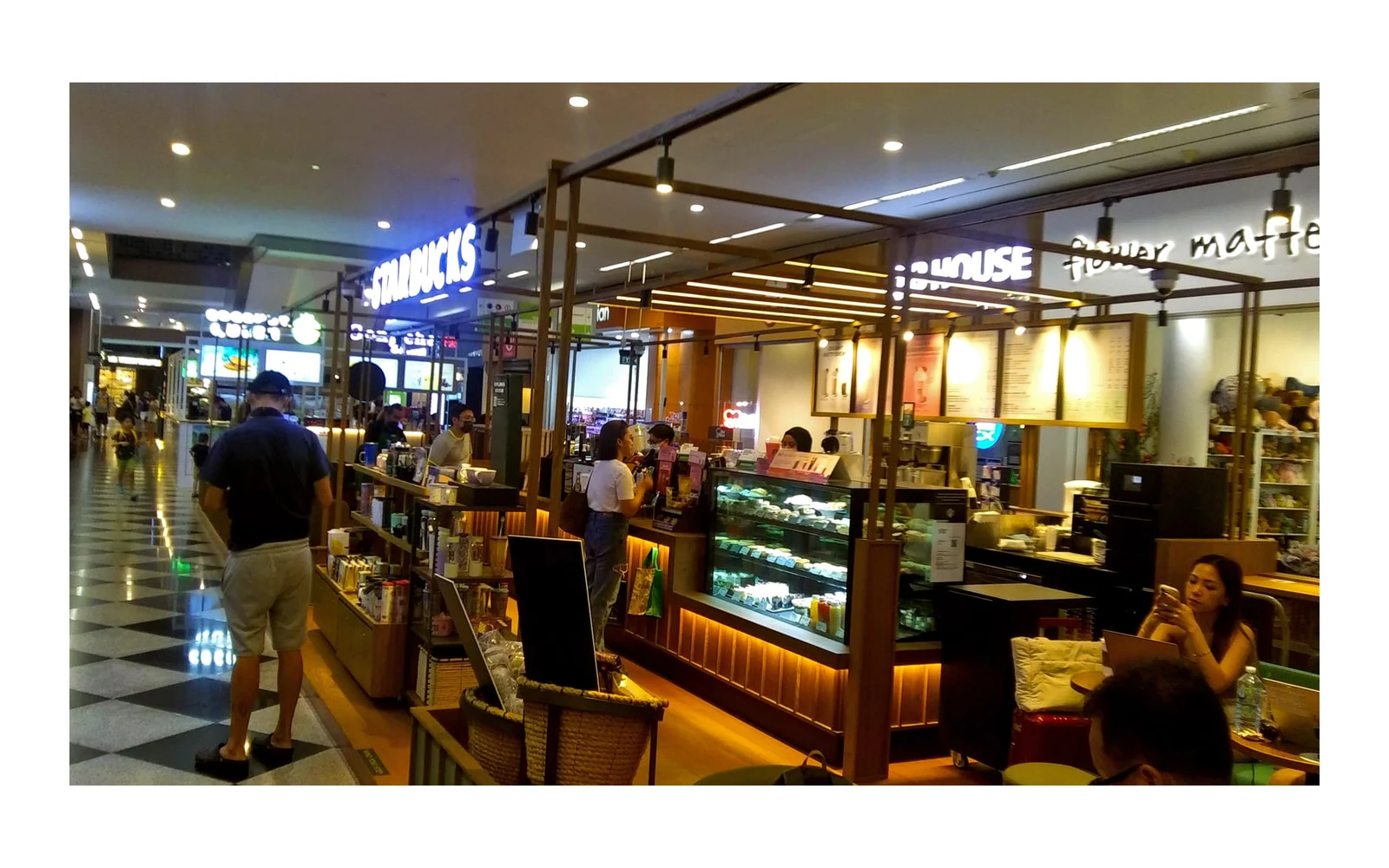
Brand lesson Emotional Branding and Belonging Belonging in emotional branding works when identity, community, ritual, and proof support each other.

Brand lesson STC: Telecom access connectivity STC made network access visible at the customer level. Telecom brands have to sell infrastructure through ordinary access moments.
Brand lesson Subaru: AWD safety outdoor trust Subaru made practical confidence feel like identity. Trust brands win when the engineering promise shows up in repeated life situations.
Brand lesson Wirecard and the Payments Trust Collapse A payments brand can look like infrastructure until the proof of funds, check trail, and governance story become easier to question than the product is to use. Financial trust is carried after the transaction.
Brand lesson Royal Caribbean: Adventure ship experience Royal Caribbean made scale easier to buy by turning the ship into a menu of choices. A large experience brand has to make abundance easier to navigate.

Brand lesson Aeroflot Flag Carrier Branding Case: Routes, Schedule, and Risk Aeroflot turned national-airline scale into a route, schedule, fleet, and service-confidence problem. A flag carrier cannot live on symbolism alone.
Brand lesson Branding glossary: definitions you can use. Plain-language branding definitions with related explanations: brand strategy, identity, positioning, naming, recognition, trust and brand architecture.

Brand lesson Volkswagen Dieselgate and the Collapse of Clean Diesel Trust The company was accused of using defeat-device software that made diesel vehicles appear cleaner in testing than in real-world driving.

Brand lesson Dove: Real Beauty care platform A personal-care brand moved from product softness into emotional trust by challenging narrow beauty cues and making care, confidence, and representation part of the brand's public proof.
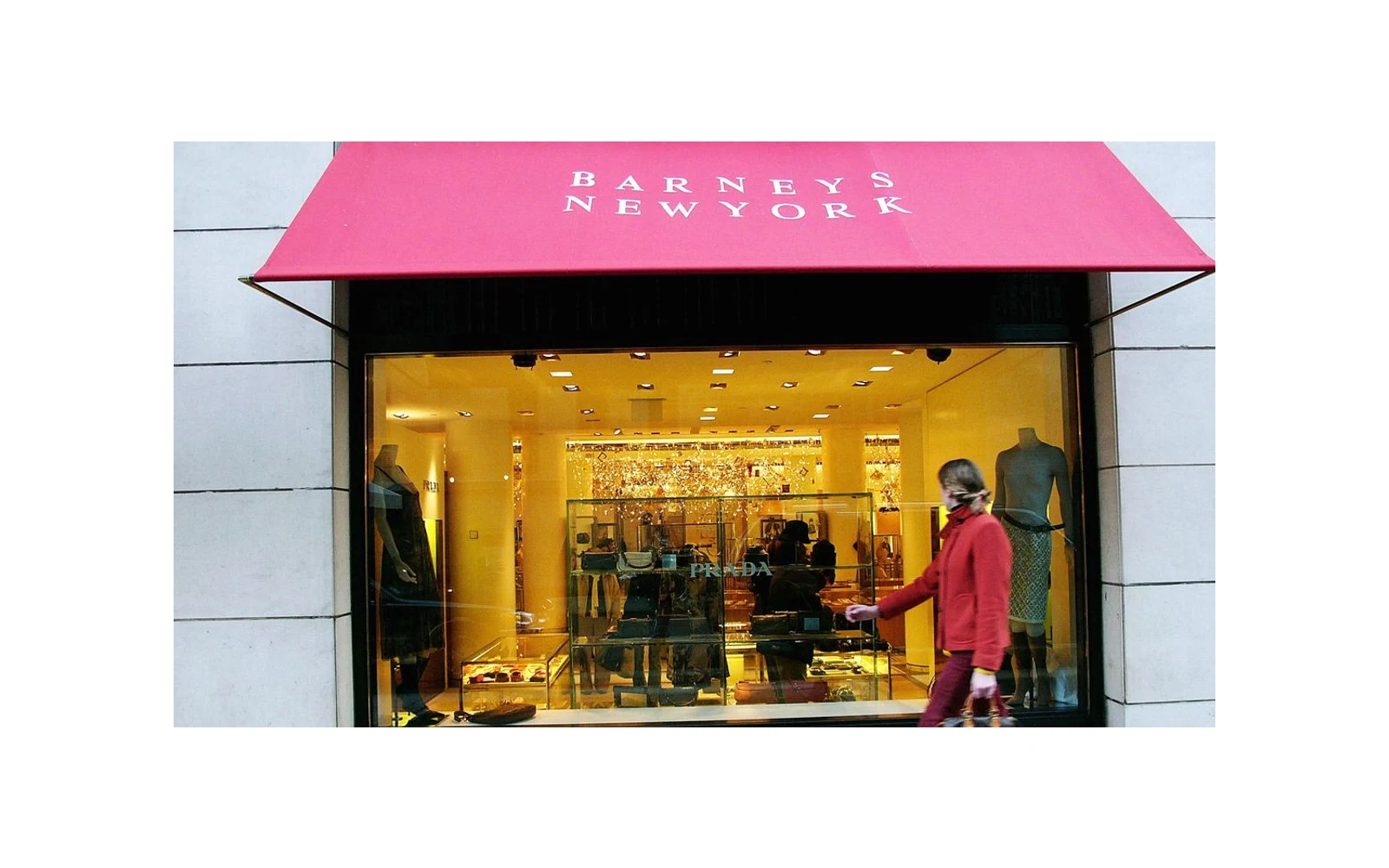
Brand lesson Barneys New York Failure Case: Luxury Retail Memory Collapse Barneys had fashion memory, but the operating model still had to survive rent, inventory, digital competition, and a customer who could shop luxury elsewhere. Luxury retail memory is not a business model.

Brand lesson Asian Paints Branding Case: Color, Services, and Dealer Trust Asian Paints works when a risky, low-frequency paint decision becomes a guided home project with color proof, surface proof, service proof, and retailer access.

Brand lesson Aeromexico Flag Carrier Branding Case: Routes, Alliance, and Hub Risk Aeromexico turns Mexican air access into a route, hub, partner, and schedule-confidence problem. A national airline brand has to make travel geography easier to understand.
Brand lesson Buc-ee's: Road trip convenience Buc-ee's made the highway stop a destination. Convenience retail wins when the stop reads safer, cleaner, better stocked, and worth planning around.

Brand lesson SABIC: Materials scale petrochemical SABIC made industrial materials feel like a visible system. B2B materials brands need proof beyond scale.
Brand lesson Telstra: National network distance Telstra made coverage the public promise. Telecom brands are judged by reach and continuity.
Brand lesson Status in Emotional Branding Status branding works when ownership, scarcity, craft, ritual, price, proof, and visibility carry meaning.
Brand lesson Woolworths: Fresh food supermarket Woolworths made freshness read as organized. Supermarket trust is built in repeated small cues.
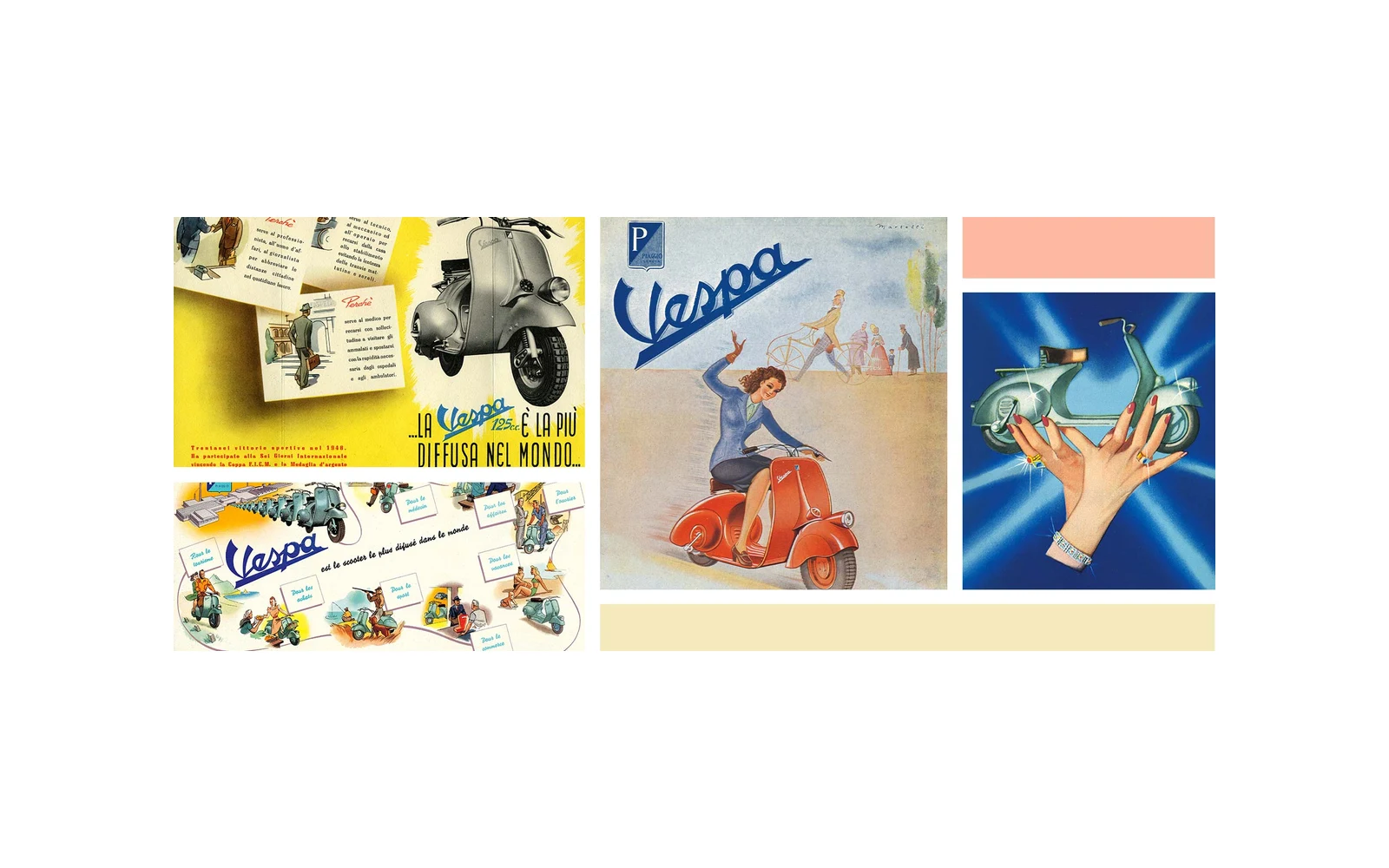
Brand lesson Vespa: Postwar scooter urban freedom Vespa made practical mobility feel like style. A mobility brand can carry culture when the product solves a real constraint and then becomes easy to recognize.
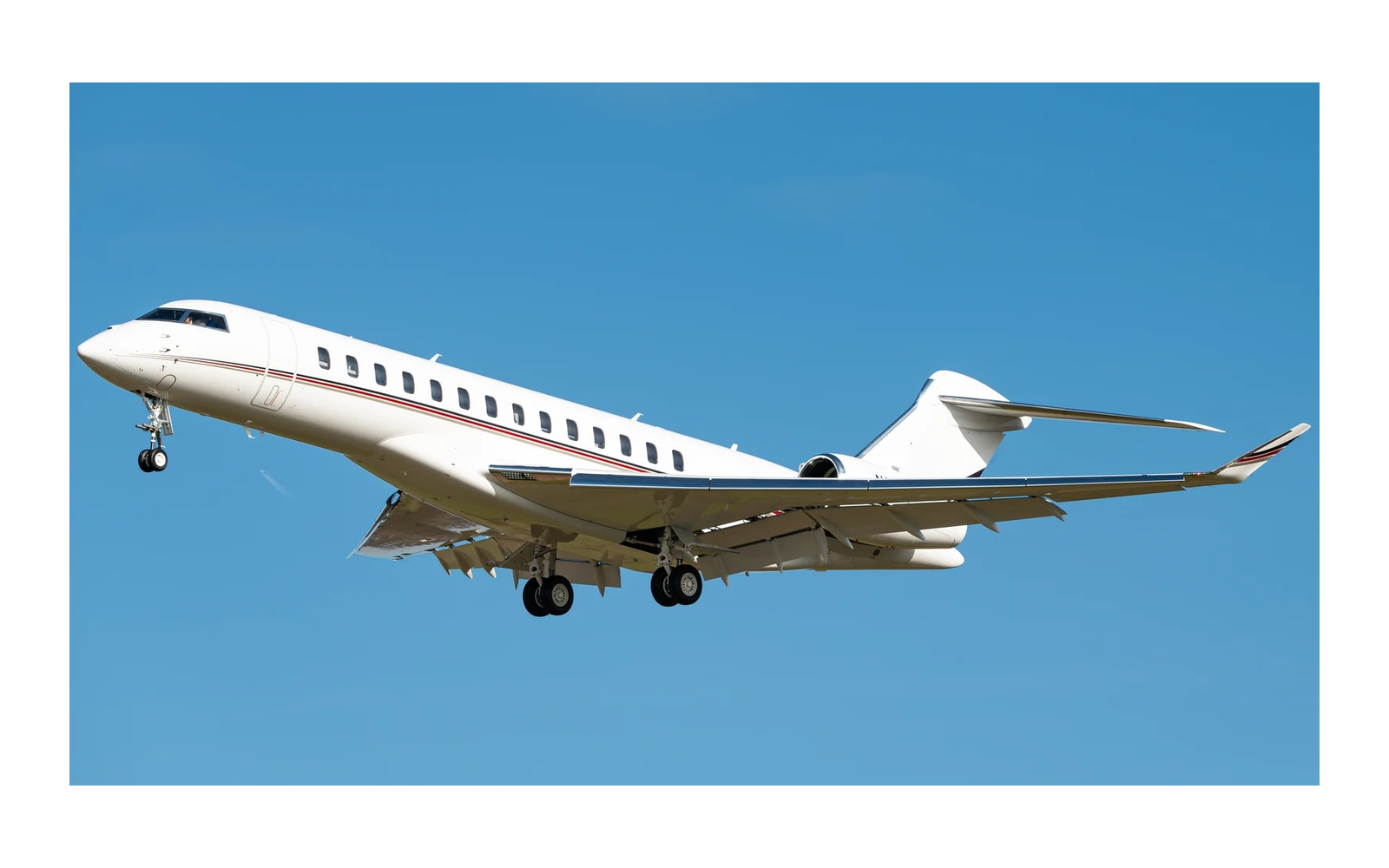
Brand lesson Bombardier Branding Case: Snow, Aircraft, and Mobility Engineering Bombardier works when category stretch is held together by a visible engineering capability. Industrial brands can move across categories only when the capability stays legible.
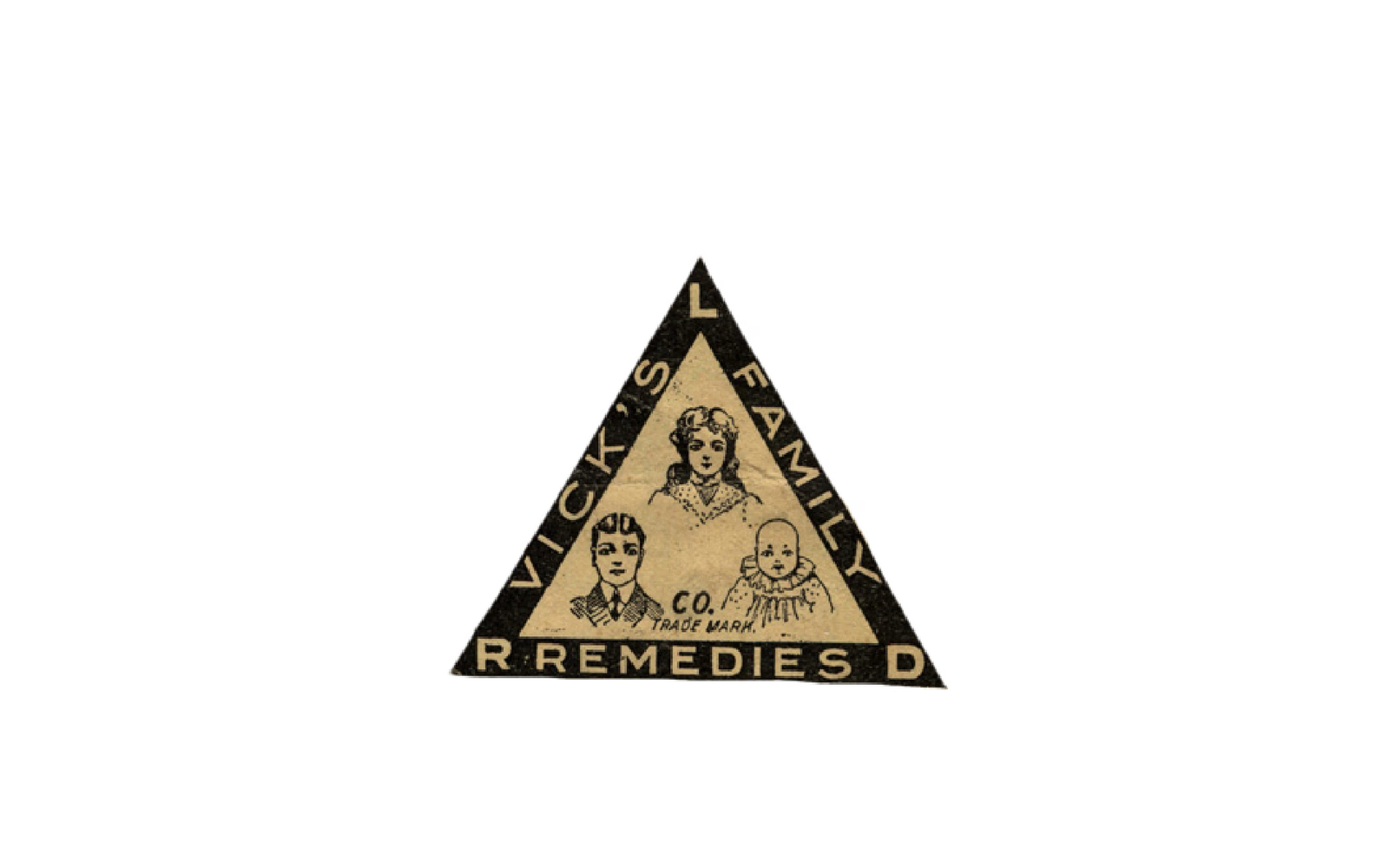
Brand lesson Vicks and WICK as the Quiet Market Fix A global over-the-counter brand kept the underlying product family but adapted the market-facing name in German-speaking markets where a shorter local form reads more naturally.
Brand lesson Emotional Branding and Trust Trust is an emotional branding job when proof lowers risk. See FedEx, Toyota, Volvo, Zappos, eBay, Amazon Prime, American Express, and Boeing.
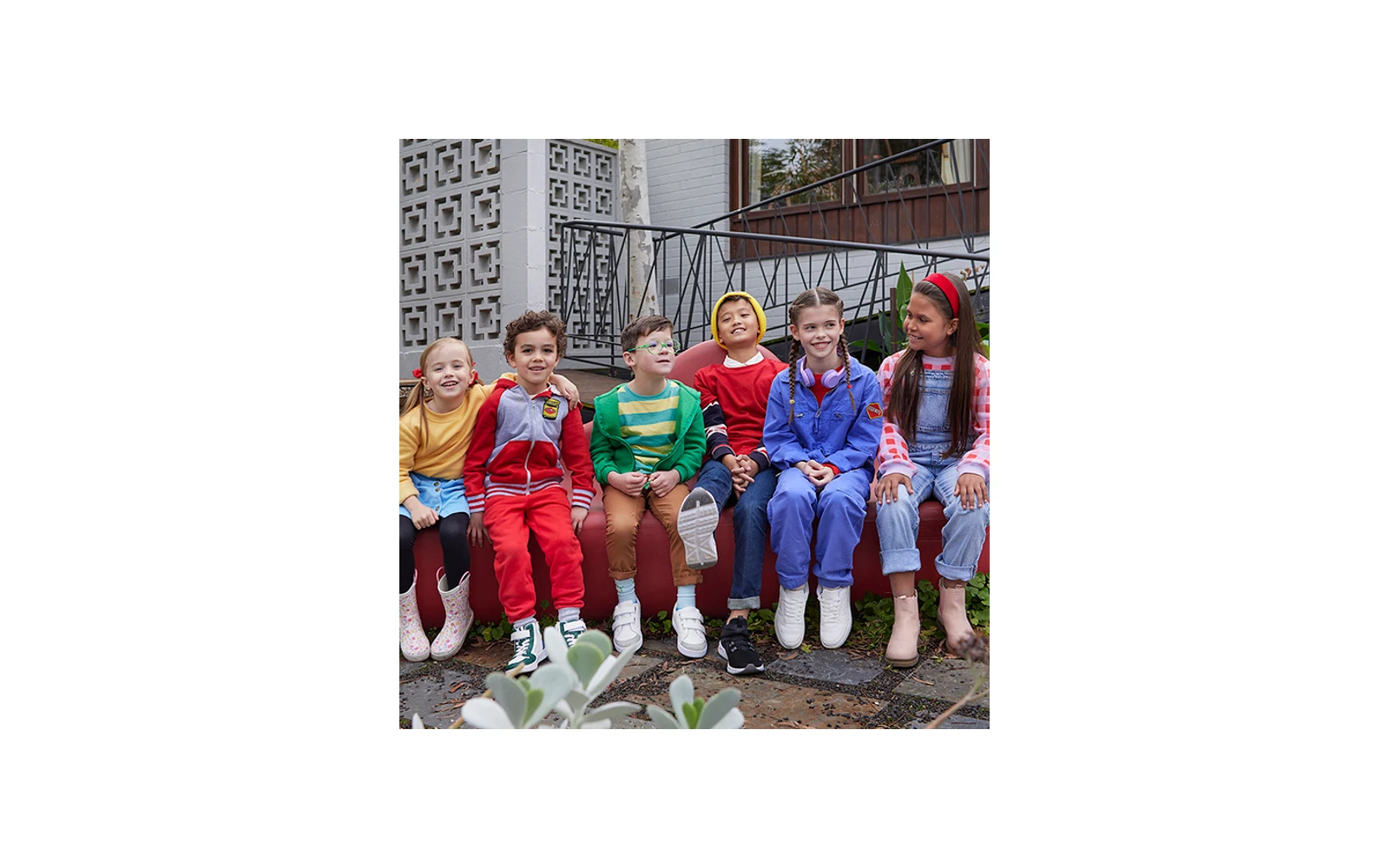
Brand lesson Vegemite Repeat Purchase Case Vegemite made a strong taste into shared memory. Food brands can become cultural when the product is repeated young, taught in small rituals, and carried through pantry memory.
Brand lesson Chevron and the Campaign That Tried to Humanize Oil An oil supermajor tried to reframe public energy anxiety through people, ingenuity, and shared responsibility, making reputation itself the product being advertised.
Brand lesson L'Oreal: Beauty science portfolio L'Oreal made beauty sound scientific without losing the shelf. Portfolio brands need a trust center.
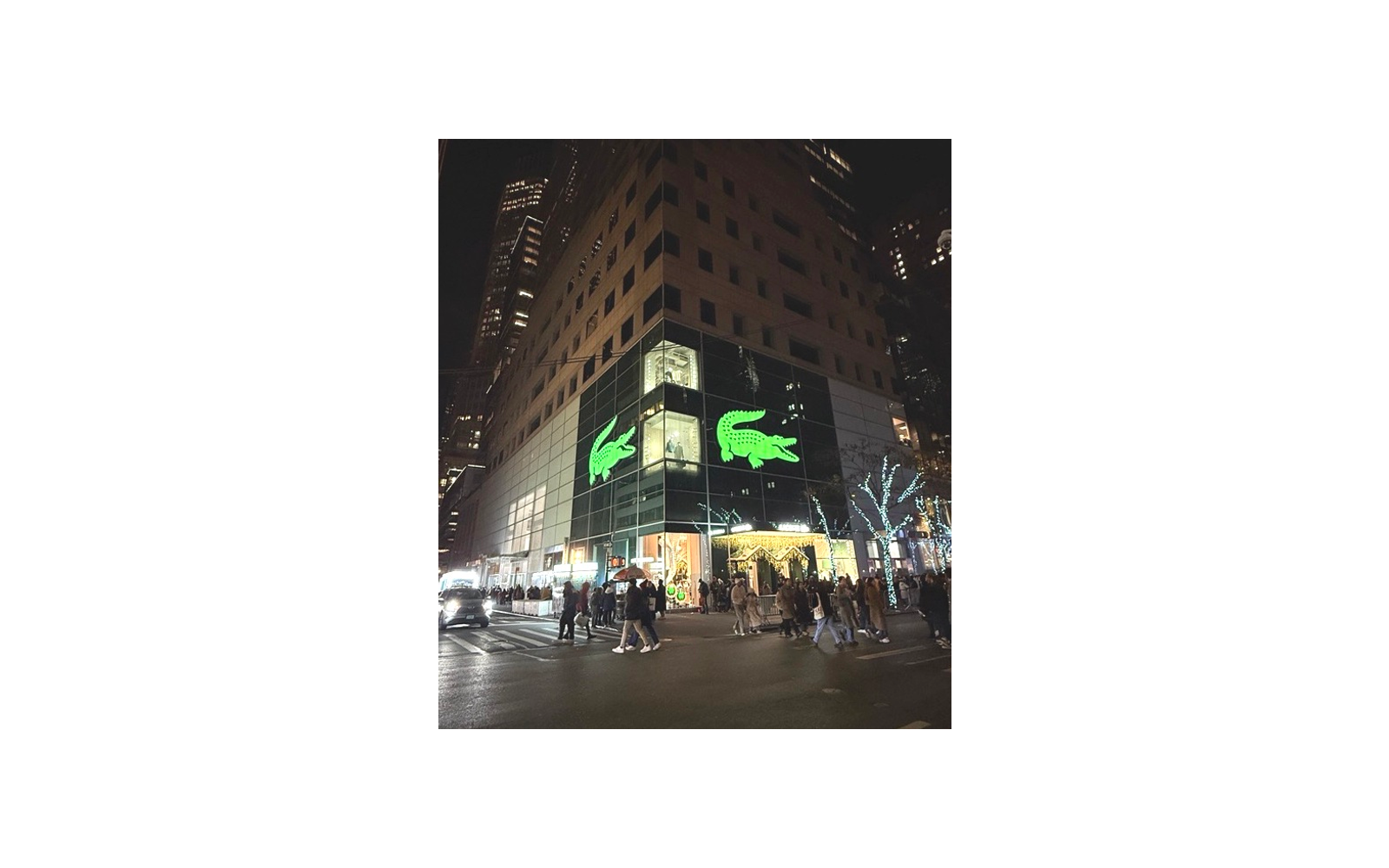
Brand lesson Lacoste and the Crocodile Code That Made Sport Wearable Lacoste made tennis restraint work as everyday style. Sportswear becomes enduring when performance origin and social code reinforce one another.

Brand lesson Sony: Creative technology entertainment Sony made electronics feel like a creative culture system. Technology brands become durable when the device promise connects to the culture it enables.

Brand lesson Leeds United and the Crest Proposal That Lost the Supporter Test A club crest proposal moved past internal approval before the supporter identity test was strong enough. A brand mark carried by a community needs public permission.

Brand lesson Lincoln Meaning Case Lincoln made quietness and sanctuary the product language of American luxury. Luxury can be quiet without becoming blank.

Brand lesson Iberia: Red tail route Iberia made Spain readable through routes. Airline brands are operational maps before they are campaigns.

Brand lesson TikTok: For You creator culture TikTok made discovery feel like culture happening now. Creator platforms become powerful when distribution, creation, sound, and feedback collapse into one loop.
Brand lesson Emotional Branding Emotional branding connects reading to proof, memory, and behavior. See real examples of trust, belonging, status, nostalgia, humor, and risk.

Brand lesson Tencent: WeChat social operating Tencent made social identity into an operating surface. Platform brands become harder to displace when one account touches many daily jobs.

Brand lesson FTX and the Trust Ledger That Collapsed A fast-growing financial platform brand lost its right to exist when customers learned that the basic promise of custody and separation could not be trusted. Financial brands are built on behavior before marketing.

Brand lesson Rituals: Home body care daily ritual Rituals made small care products feel like a repeated daily ceremony. Lifestyle retail works when the habit is easier to remember than the SKU.
Brand lesson Hertz / Accenture: Website redesign lawsuit A large redesign engagement became a public lesson in what has to be proven before a website project is signed. A redesign proposal is not enough.

Brand lesson TD: Convenience banking green access TD made banking read as easier to approach. Retail banking trust is partly about access.
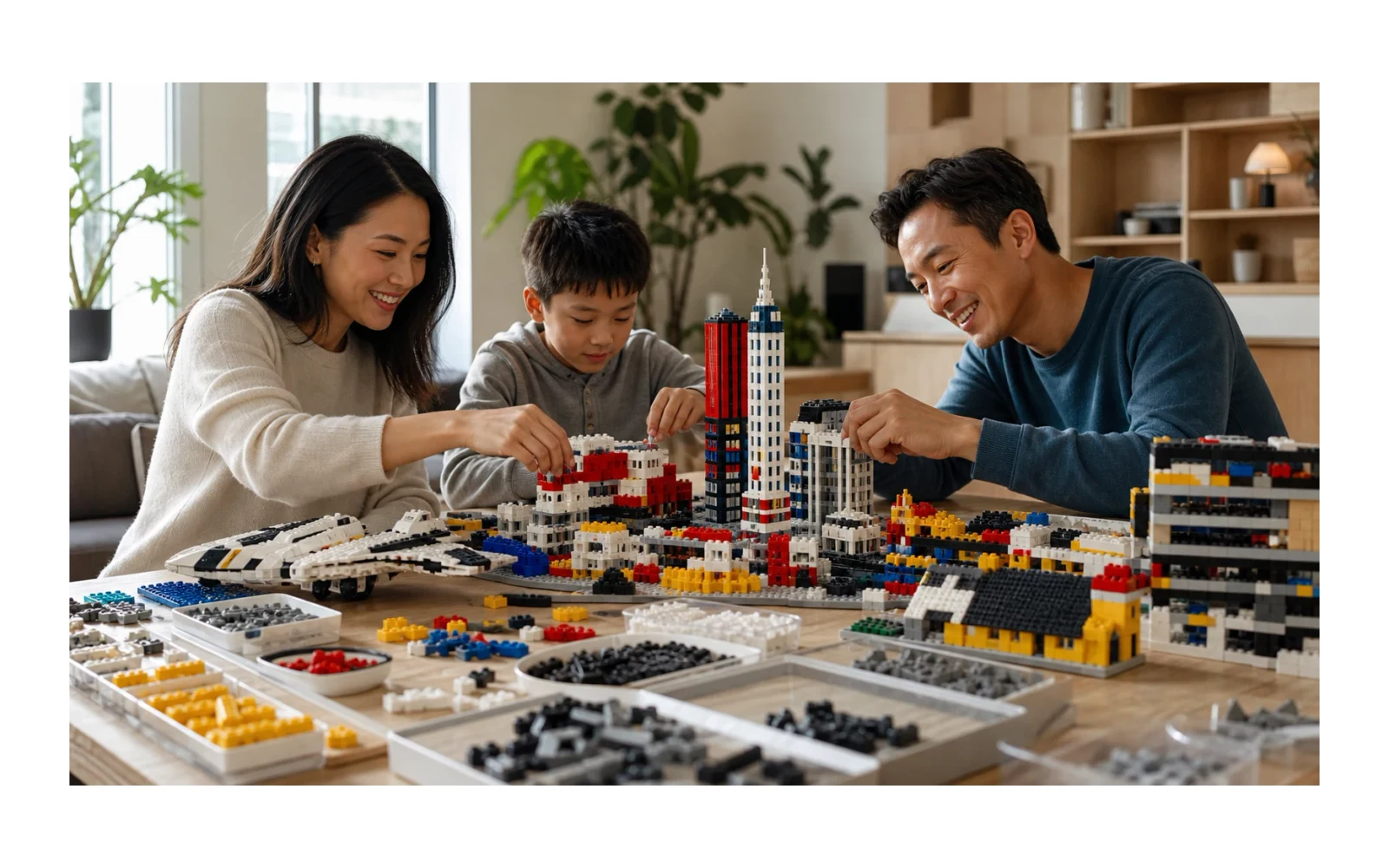
Brand lesson Nostalgia in Emotional Branding Nostalgia helps brands when memory still connects to current behavior. See McDonald's, Disney, LEGO, Nintendo, Coca-Cola, Blockbuster, and Sears.
Brand lesson Fender: Stratocaster modular guitar An electric guitar became a durable brand system because the product form carried use, repair, sound, comfort, and modification.
Brand lesson Royal Enfield: Modern classic ride Royal Enfield made heritage useful by making it rideable. Heritage brands stay alive when the ritual still moves.
Brand lesson Bosch Branding Case: Precision and Everyday Technology Trust Bosch works when technical precision becomes visible in daily reliability. Engineering brands earn trust when the customer can see the technical promise in use, repair, documentation, service, and product consistency.
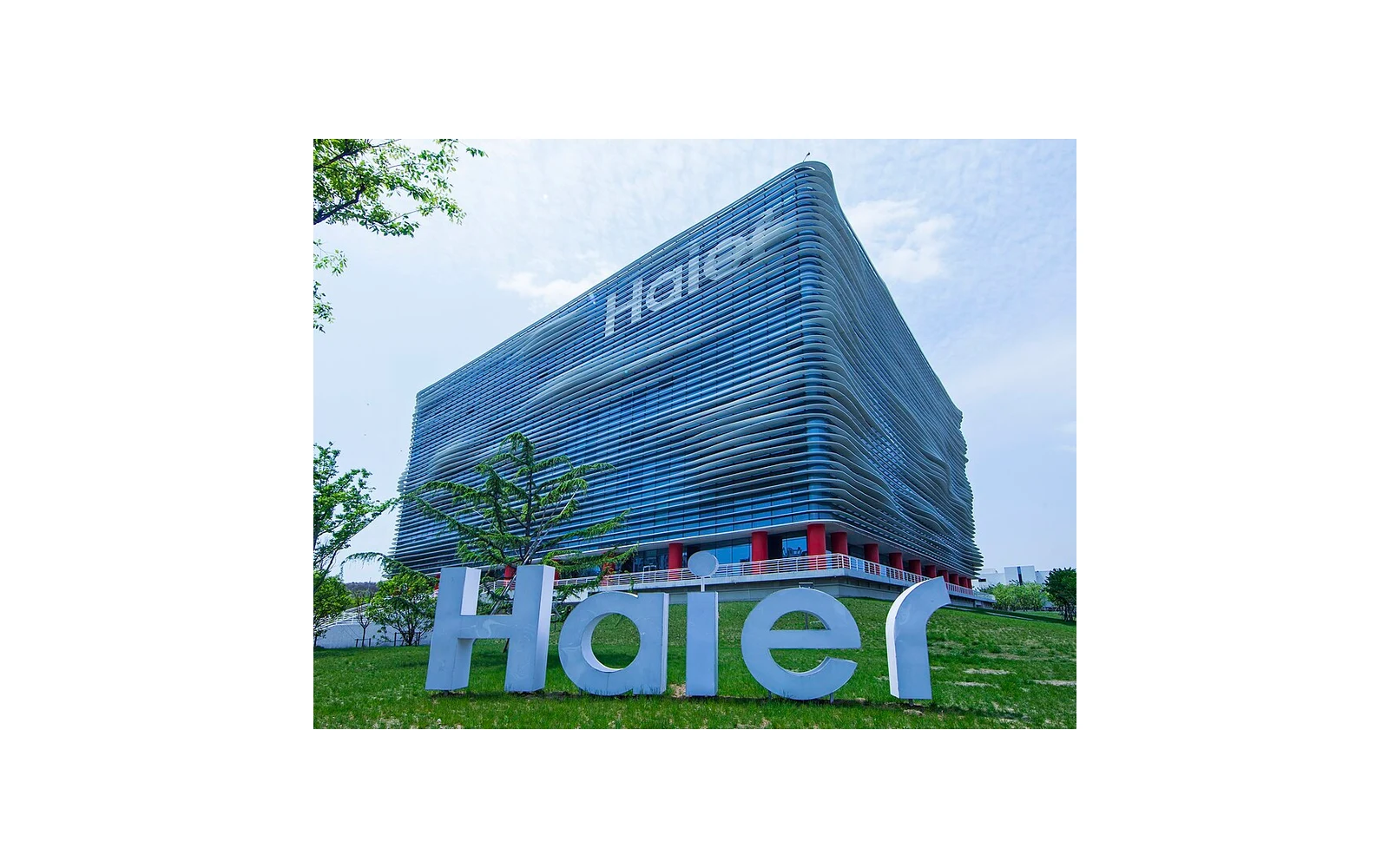
Brand lesson Haier: Smart home appliance ecosystem Haier made household appliances feel like a connected service system. Appliance brands become stronger when reliability, rooms, devices, service, and control behave as one promise.
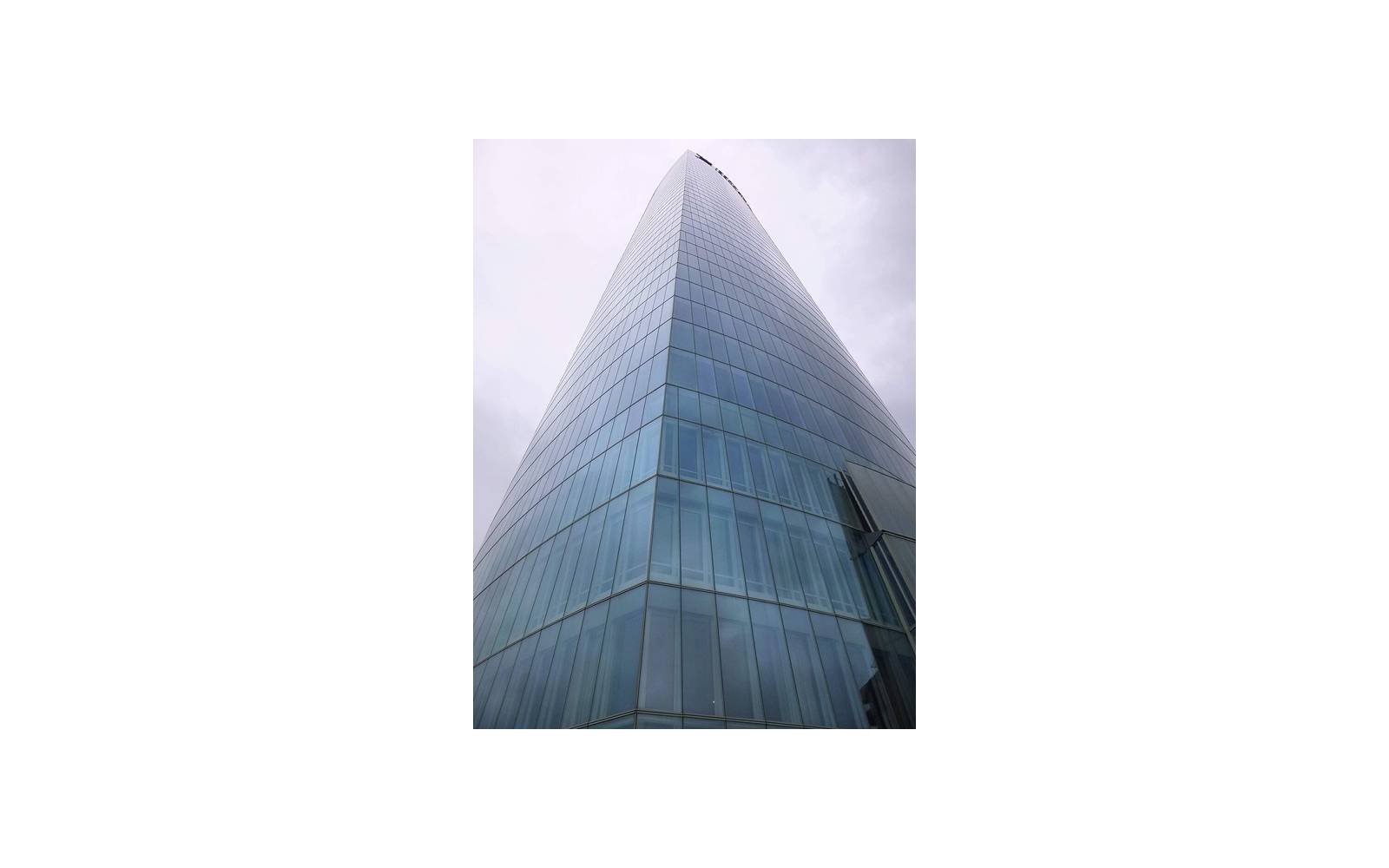
Brand lesson Iberdrola: Green grid energy Iberdrola made green energy look infrastructural. Energy brands need more than a green color.

Brand lesson Quibi and the Mobile-Video Habit That Never Formed Quibi had a polished content promise, but the product asked customers to add a paid mobile-video habit that existing platforms, free feeds, and pandemic behavior did not make natural.
Brand lesson Banorte Branding Case: Mexican Banking Trust and Access Banorte works when strength is visible to customers through reach, account access, digital tools, local understanding, financial group breadth, and service reliability. Bank strength has to become usable proof.
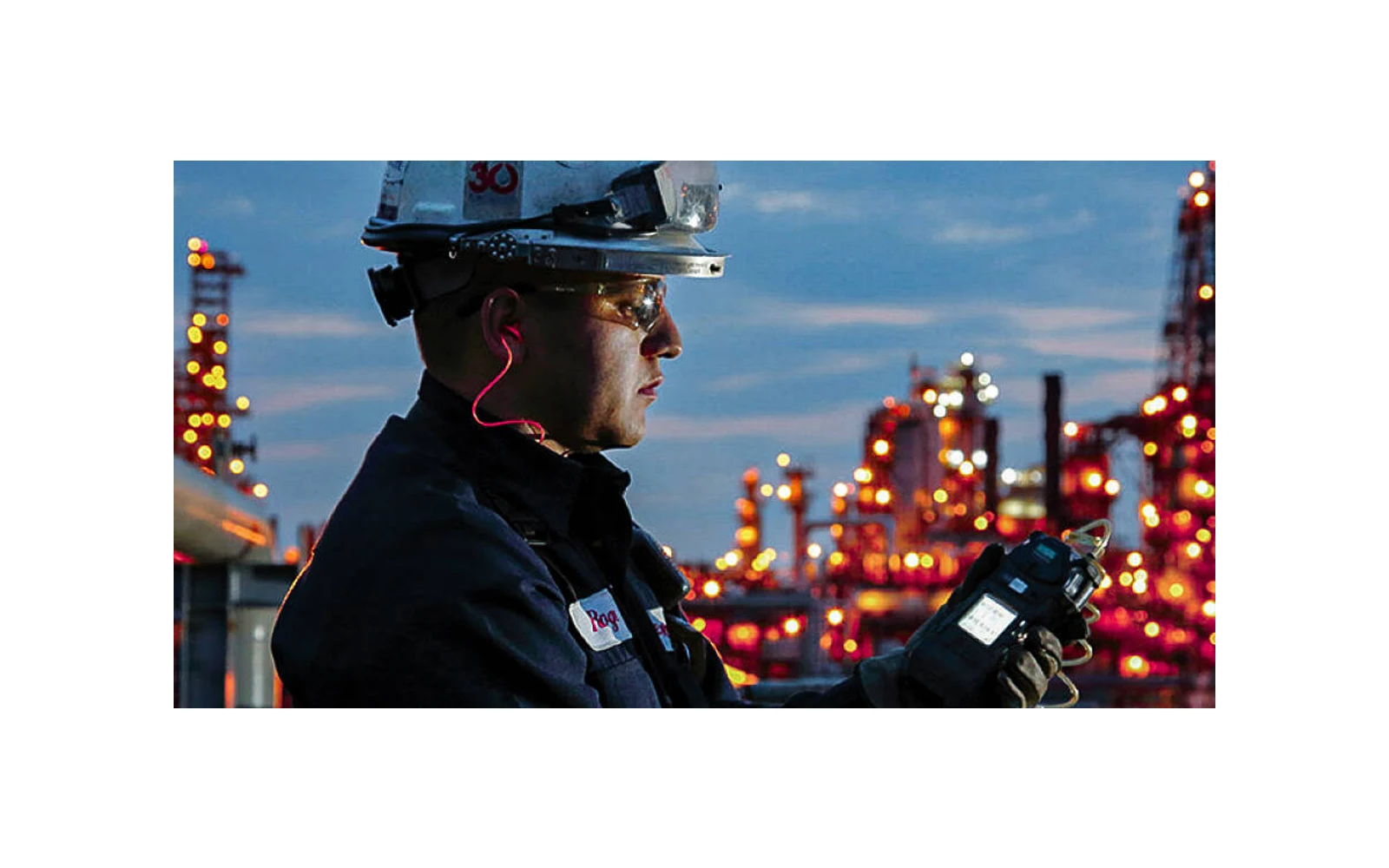
Brand lesson ExxonMobil: Energy scale and fuel recognition ExxonMobil made energy scale a public-facing system. Energy brands are judged by reliability, reach, safety, and consequence.
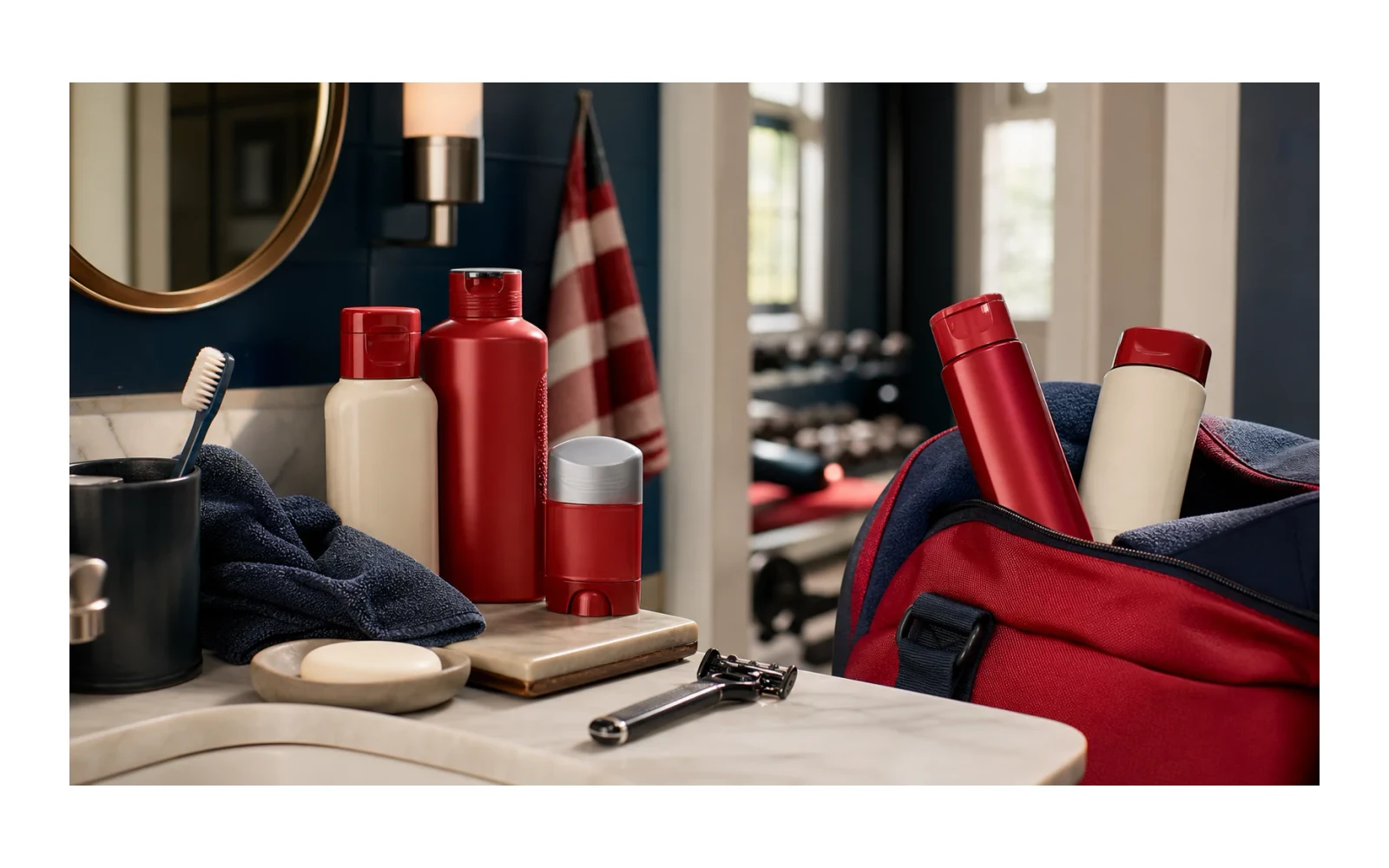
Brand lesson Humor in Emotional Branding Humor works in emotional branding when it lowers category friction, makes the brand easier to share, and stays tied to proof.
Brand lesson Aaker Brand Equity Model: Assets, Loyalty, Awareness, Quality, Associations Use Aaker's brand equity model to inventory loyalty, awareness, perceived quality, associations, and proprietary brand assets.
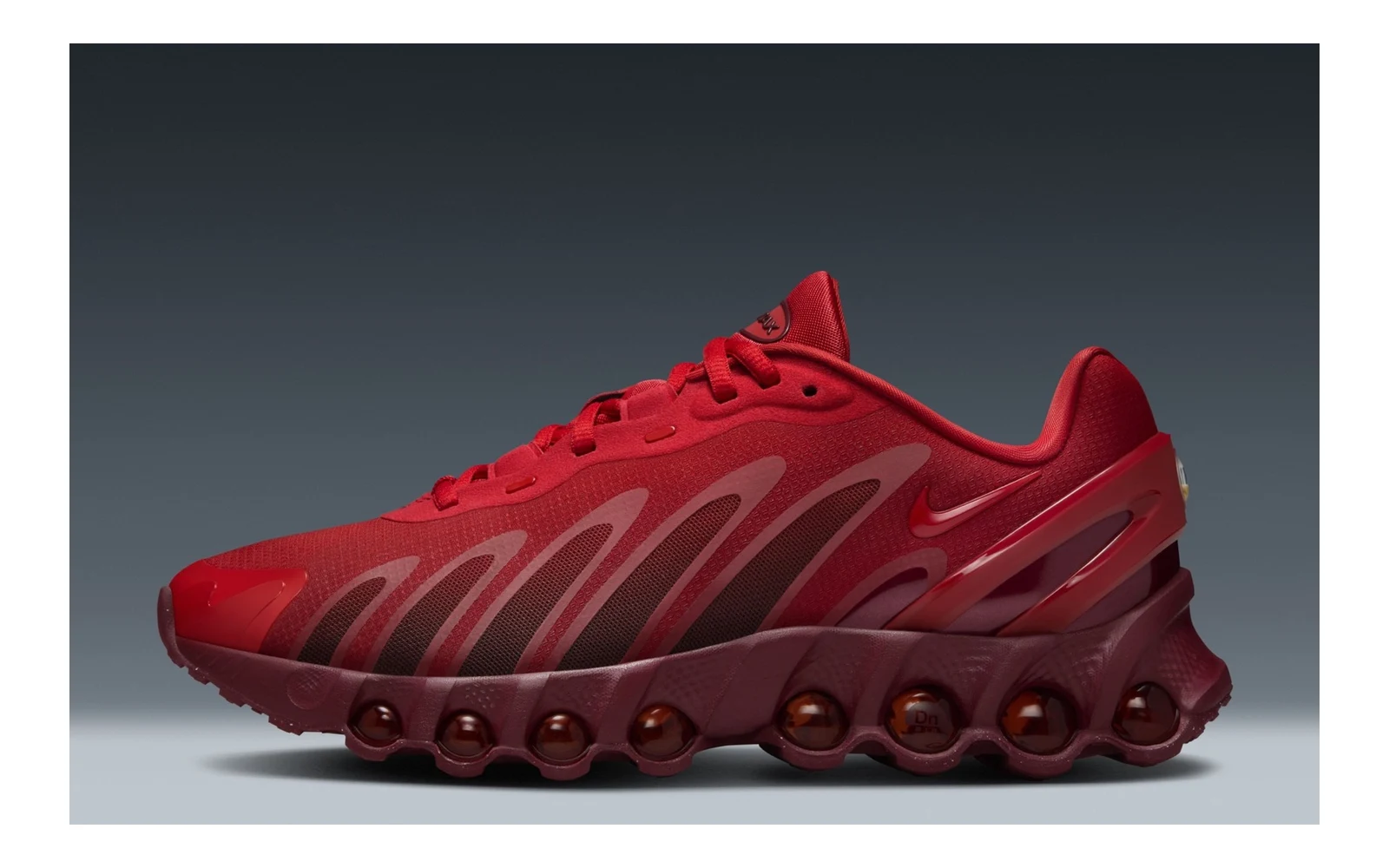
Brand lesson Brand Archetypes Model: Useful Pattern or Expensive Costume? Use brand archetypes as emotional pattern tests, not costume labels. See examples, mistakes, and where the model breaks.

Brand lesson Recognition Asset Removal Recognition asset removal explained through brand cases: logos, colors, packaging, symbols, public language, and the cost of deleting useful memory.
Brand lesson Trust Proof at the Risk Point Trust proof at the risk point explained through brand examples: delivery, safety, reliability, returns, payment protection, marketplace recourse, and trust.
Brand lesson Rebrand Bridge Cues Rebrand bridge cues explained through examples: old-to-new identity migration, protected assets, search memory, rollout order, and recognition risk.
Brand lesson Branding As Operating Proof Branding as operating proof explained through Toyota, FedEx, Zappos, Amazon Prime, Shopify, Stripe, Costco, Zara, and Patagonia.
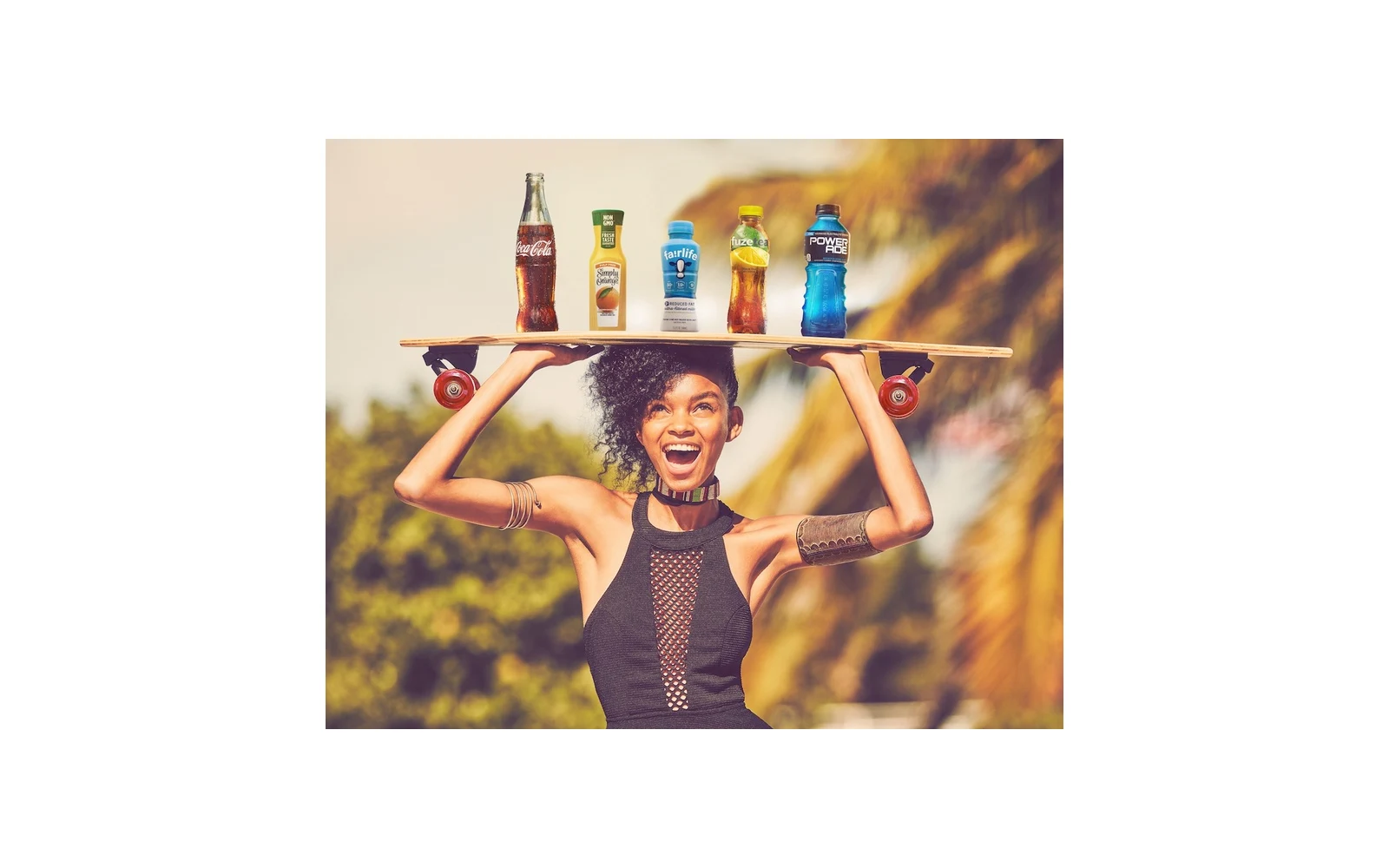
Brand lesson Package As Brand Memory Package as brand memory explained through packaging cases: Tropicana, Coca-Cola, Tiffany, Cadbury, Oatly, Liquid Death, ALDI, Mercadona, and IKEA.
Brand lesson Operating Proof Becomes Brand Operating proof becomes brand explained through Toyota, FedEx, Volvo, Zappos, Amazon Prime, Shopify, Stripe, Walmart, Costco, and Patagonia.

Brand lesson Protected Asset Stack Protected asset stack explained through brand cases: trademarks, patents, copyrights, trade secrets, domains, handles, colors, packages, product shapes,.
Brand lesson Name Protection Before Market Entry Name protection before market entry explained through Accenture, Qwikster, Calpis/Calpico, Consignia, Monday, X, Xerox, and Max.

Brand lesson Answer engine optimization examples: three gaps you can repair. Three constructed AEO examples show how to diagnose a wrong category, missing source detail and a broken citation route without inventing visibility scores.

Brand lesson Airtel Branding Case: Connectivity and Prepaid Access Airtel turns telecom from hidden infrastructure into daily access: the customer sees signal, recharge, fiber, app control, payment, service, and uptime.
Brand lesson Bentley Branding Case: Winged B and Grand Touring Proof Bentley works when luxury does not erase performance and performance does not make the car feel crude.
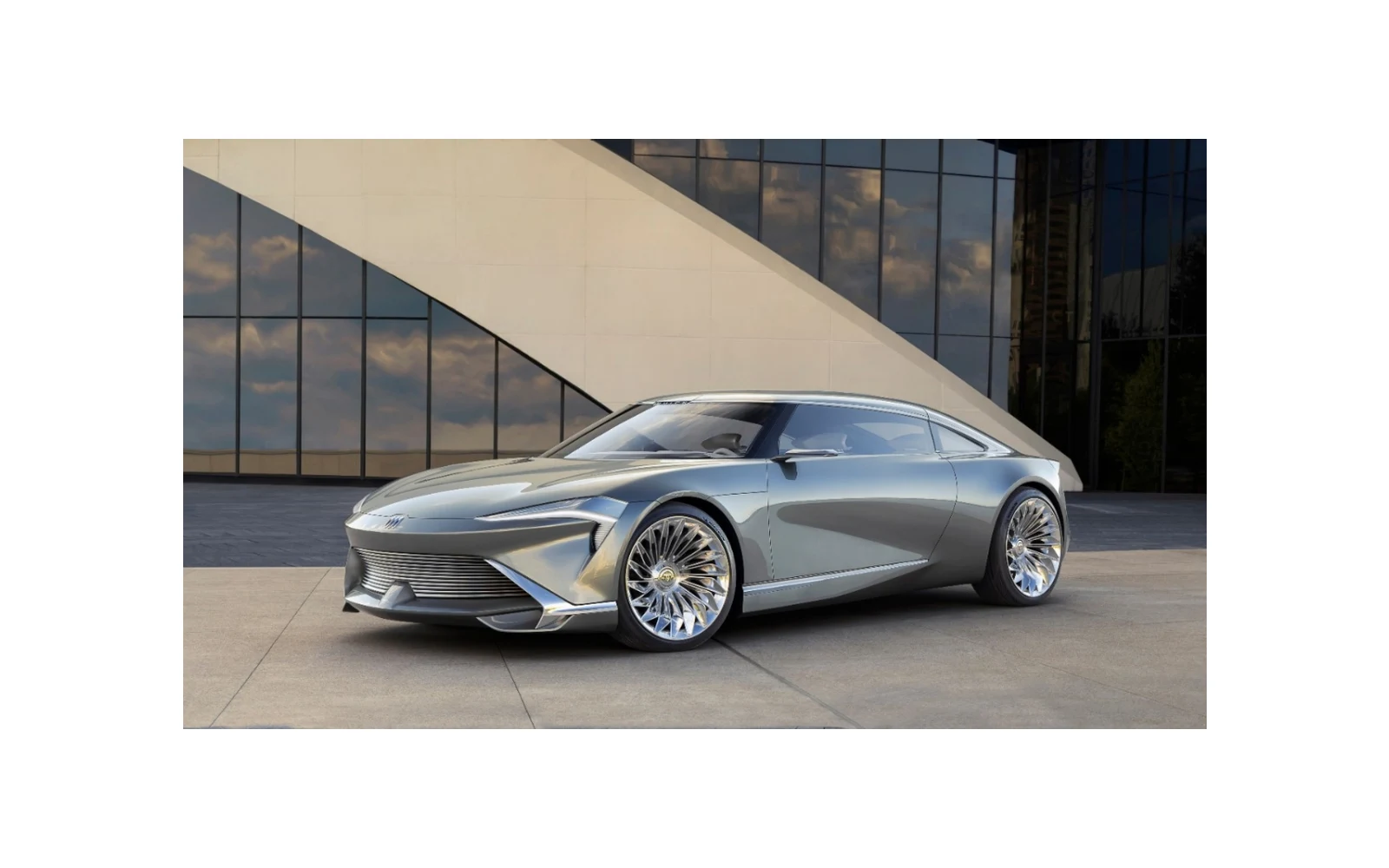
Brand lesson Buick and the Tri-Shield That Made Attainable Luxury Familiar The tri-shield kept Buick's premium cue familiar while the product moved through different eras. Attainable luxury needs continuity more than spectacle.

Brand lesson Cadillac and the Crest That Made American Luxury Measurable The crest worked because Cadillac kept attaching status to engineering proof and visible American design. A luxury badge needs proof that buyers can repeat.

Brand lesson Chanel: No. 5 and luxury through restraint The perfume felt stronger because the presentation refused excess. Luxury restraint works only when the restraint is governed.

Brand lesson Credit Suisse: Bank trust collapse and integration Credit Suisse became a failed-brand case when trust had to be transferred into another bank. A bank can survive bad headlines only while counterparties and clients believe the recovery path.

Brand lesson INFINITI: Horizon ownership experience The horizon mark worked because the brand also changed how buying and service felt. A challenger luxury brand needs a behavior that matches the symbol.
Brand lesson Infosys Delivery: Trust IT services Infosys made delivery discipline part of the brand. B2B service brands earn trust when the buyer can inspect how work will be delivered.

Brand lesson Intel and the Ingredient Brand Under AI Pressure Intel's old recognition asset became a proof burden in the AI era. Ingredient branding works when the hidden component becomes a customer shortcut.
Brand lesson Kia: Design led value car Kia made value look designed. A value brand can escape the discount frame when design, warranty, and product cadence move together.
Brand lesson Land Rover: Defender capability continuity The brand made capability read as continuous from farm work to expedition memory. Capability brands need continuity as much as toughness.
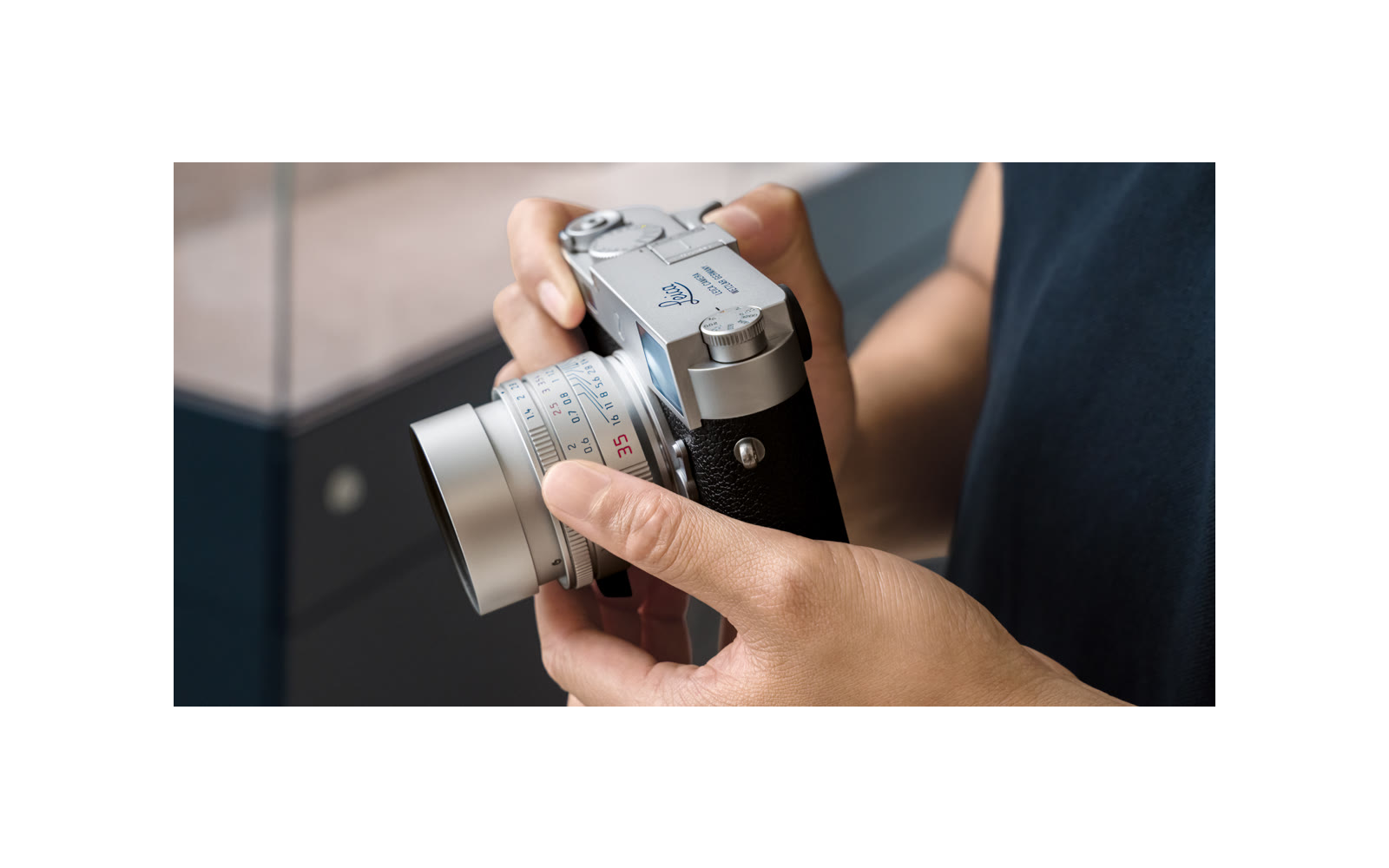
Brand lesson Leica: 35mm camera craft moment Leica made the camera feel like an instrument. Craft brands survive when the object changes how the user works.
Brand lesson Lindt: The Gold Bunny and the chocolate ritual Lindt made chocolate premium by turning smoothness and gifting into visible ritual. Chocolate memory is built through small repeated objects.
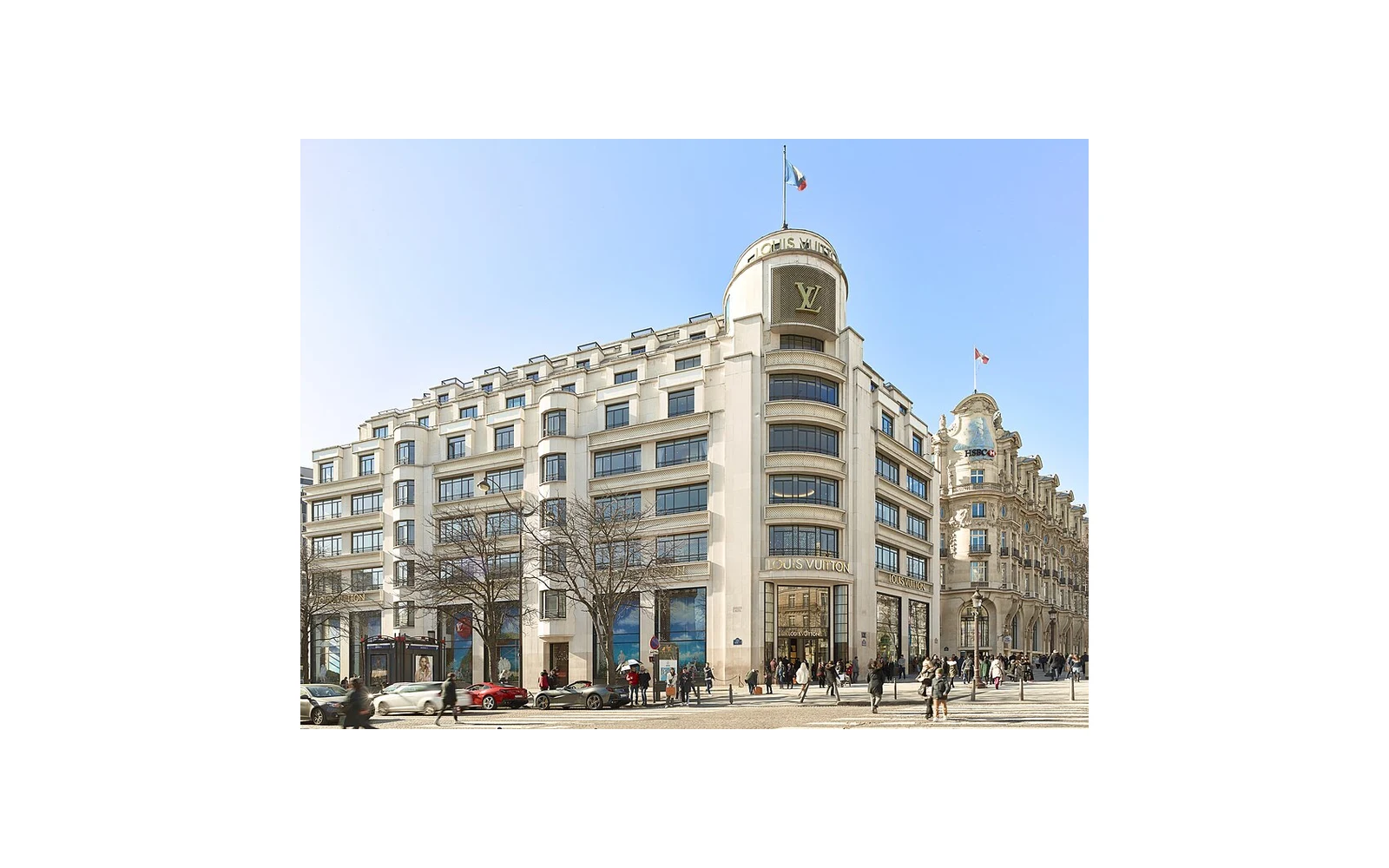
Brand lesson Louis Vuitton: Travel craft luxury Louis Vuitton made travel feel like proof of craft. Luxury becomes stronger when it is tied to a use case.

Brand lesson Mahindra: Rugged mobility farm enterprise Mahindra made utility read as rugged, local, and ambitious. Mobility brands get stronger when the use case is honest.

Brand lesson Maserati and the Trident That Made Racing Elegance Visible The Trident made Bologna origin, racing proof, and luxury performance readable as one object. Performance identity gains force when place and proof stay connected.

Brand lesson SAP: Enterprise process trust SAP made invisible business process infrastructure into the brand. B2B trust is proven through implementation, data quality, process fit, training, and continuity after go-live.

Brand lesson Saudia: Flag carrier route Saudia made the route network part of national memory. Flag carriers carry more than transport.
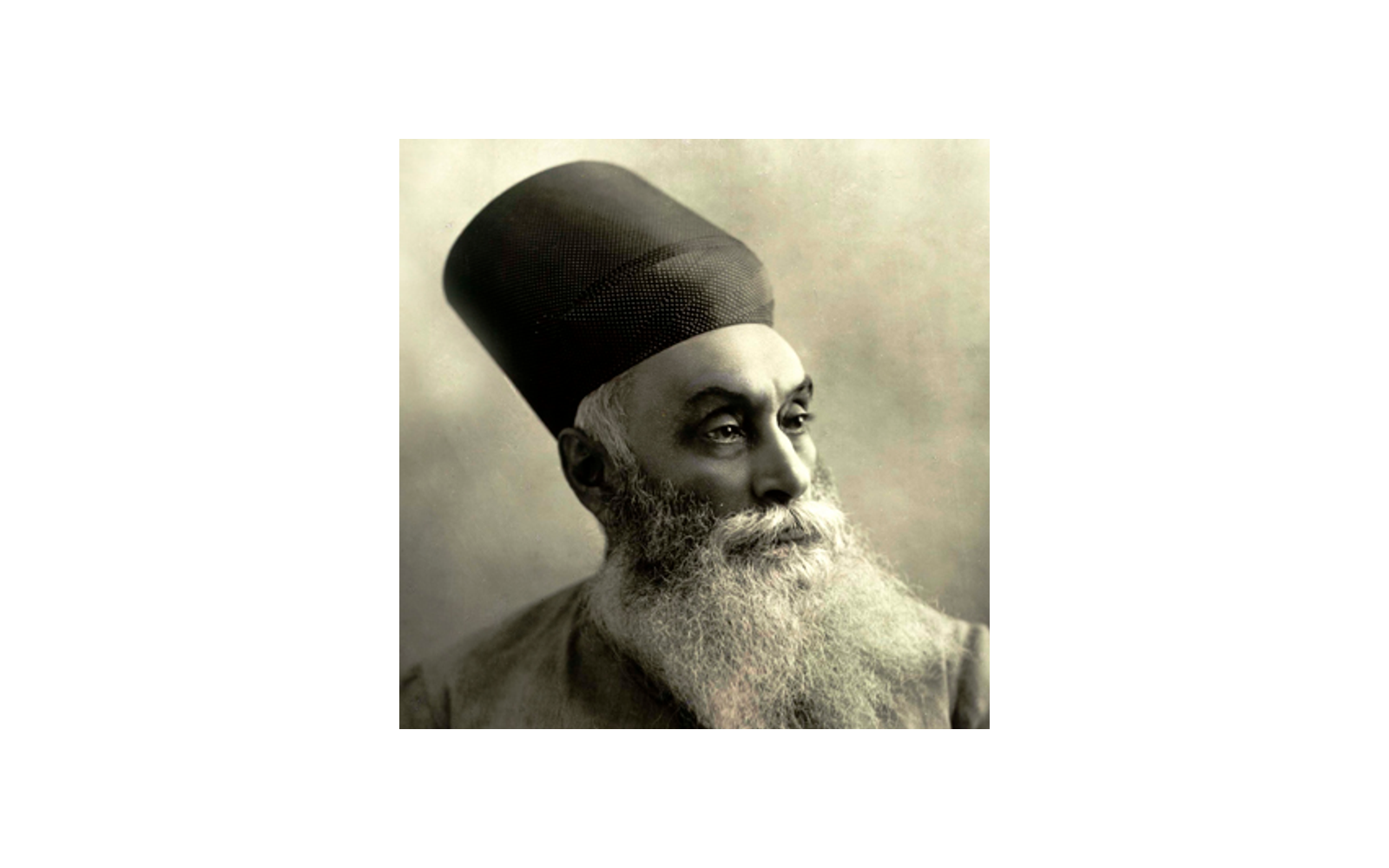
Brand lesson Tata: Industrial scale and institutional trust Tata made scale read as institutional, more than commercial. Conglomerate brands get stronger when breadth is held together by a trust code.
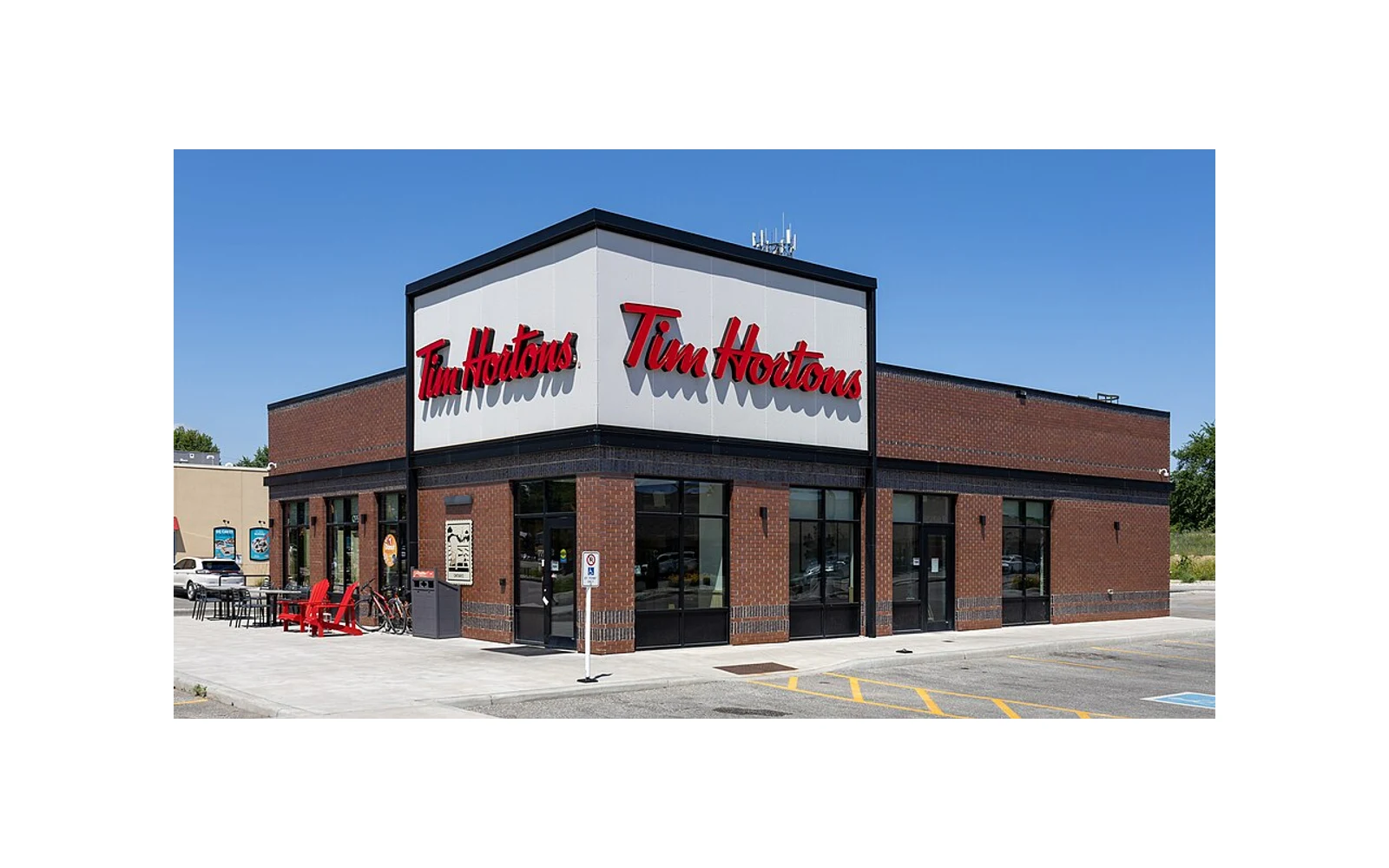
Brand lesson Tim Hortons: Coffee routine Canada Tim Hortons made national identity feel like a morning habit. Routine brands win by reducing daily choice.

Brand lesson Timberland and the Yellow Boot That Made Waterproof Proof Visible A boot built for work became a broader cultural signal because the product proof was visible in the color, sole, leather, and waterproof story. Product proof travels when the feature is visible.

Brand lesson Victorinox: Swiss army knife tool trust Victorinox made a small tool feel like a prepared way to move through the world. A utility brand becomes memorable when the product carries many small jobs without reading complicated.
Brand lesson How long does a brand name last? A brand name has no fixed expiry date. Check recognition, meaning, business fit and migration costs before deciding whether to keep or change it.

Brand lesson Did the Twitter-to-X rename work as a business decision? Twitter became X to signal a broader platform ambition. Assess the name change separately from product, ownership and business changes; continued operation is not proof of success.