Signal Status
Active Brands Page 3
The operating-brand side of Grow Your Brand: current companies, continuing brand systems, live strategic resets, and unresolved status-watch files.
- Lane files
- 410 Operating or unresolved brands
- Separated
- 25 Terminal files kept apart
- Page
- 3/18 Case-list pagination
Short Answer
Active Brands collects Grow Your Brand cases where the brand, company, platform, product system, or parent organization is still operating, continuing, or unresolved.
Shelf Rule
Operating status gets its own shelf.
An active brand file means the organization, product system, platform, or parent brand is still in motion. It is not praise.
Status Boundary
Active is operating state, not praise.
Use this lane when the brand, company, platform, product system, or parent organization is still in motion. A bad decision by an active company belongs here until the operating system itself is gone.
Compare these files by present decision pressure: the market is still watching, buying, leaving, forgiving, or waiting for the next move.
Active Brands Case Files, Page 3
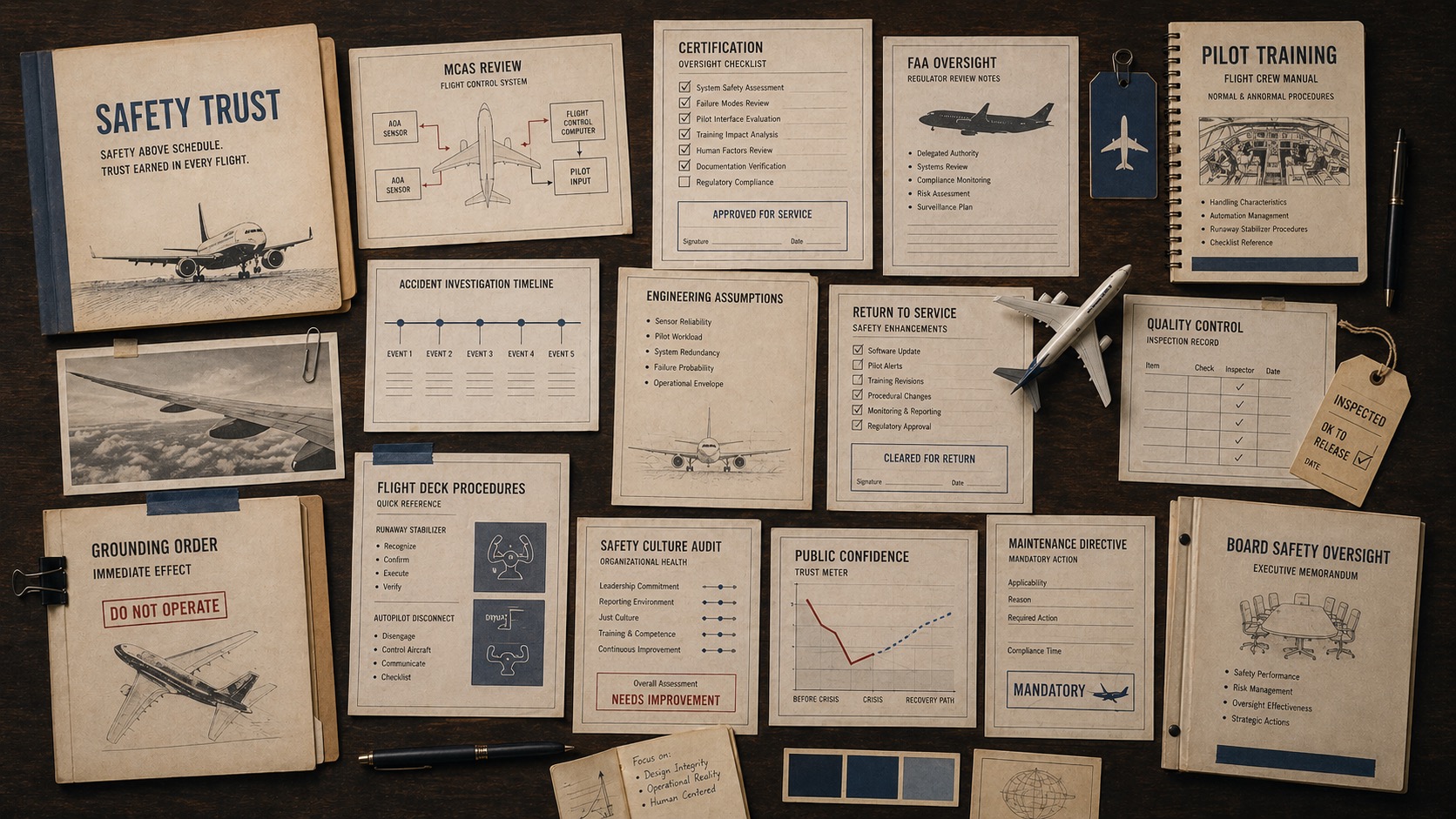
Boeing / 2018-2026
Boeing: Disaster case in Aerospace
Boeing 737 MAX is the safety-trust disaster case for reading certification, MCAS, crashes, grounding, congressional scrutiny, production pressure, and public repair against the brand's core promise.
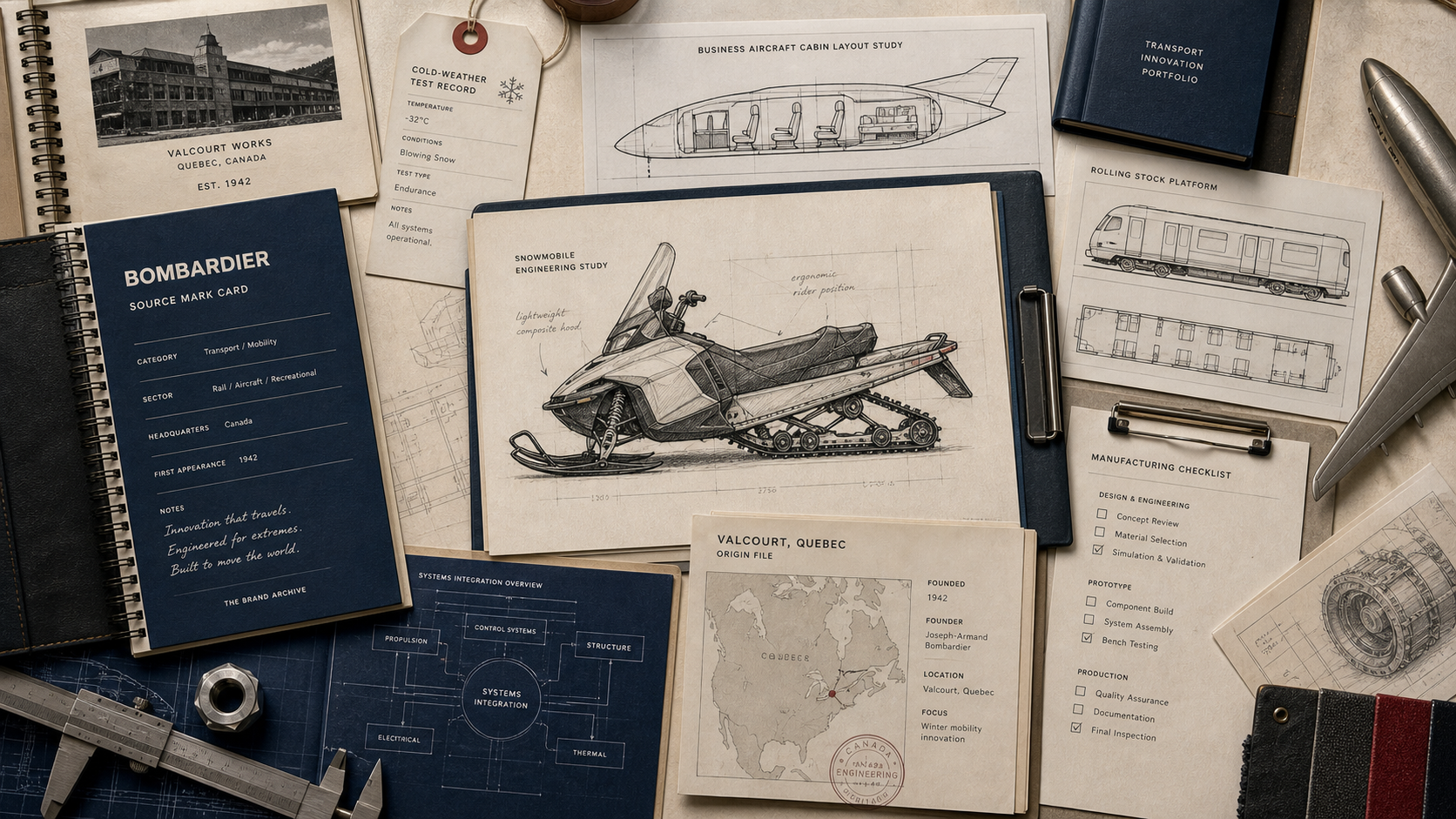
Bombardier / 1942-present
Bombardier: Brand System case in Transport engineering / Aerospace
Bombardier is the mobility-engineering case for connecting snow-vehicle origin, Quebec engineering, business aircraft, manufacturing discipline, service, and category stretch.
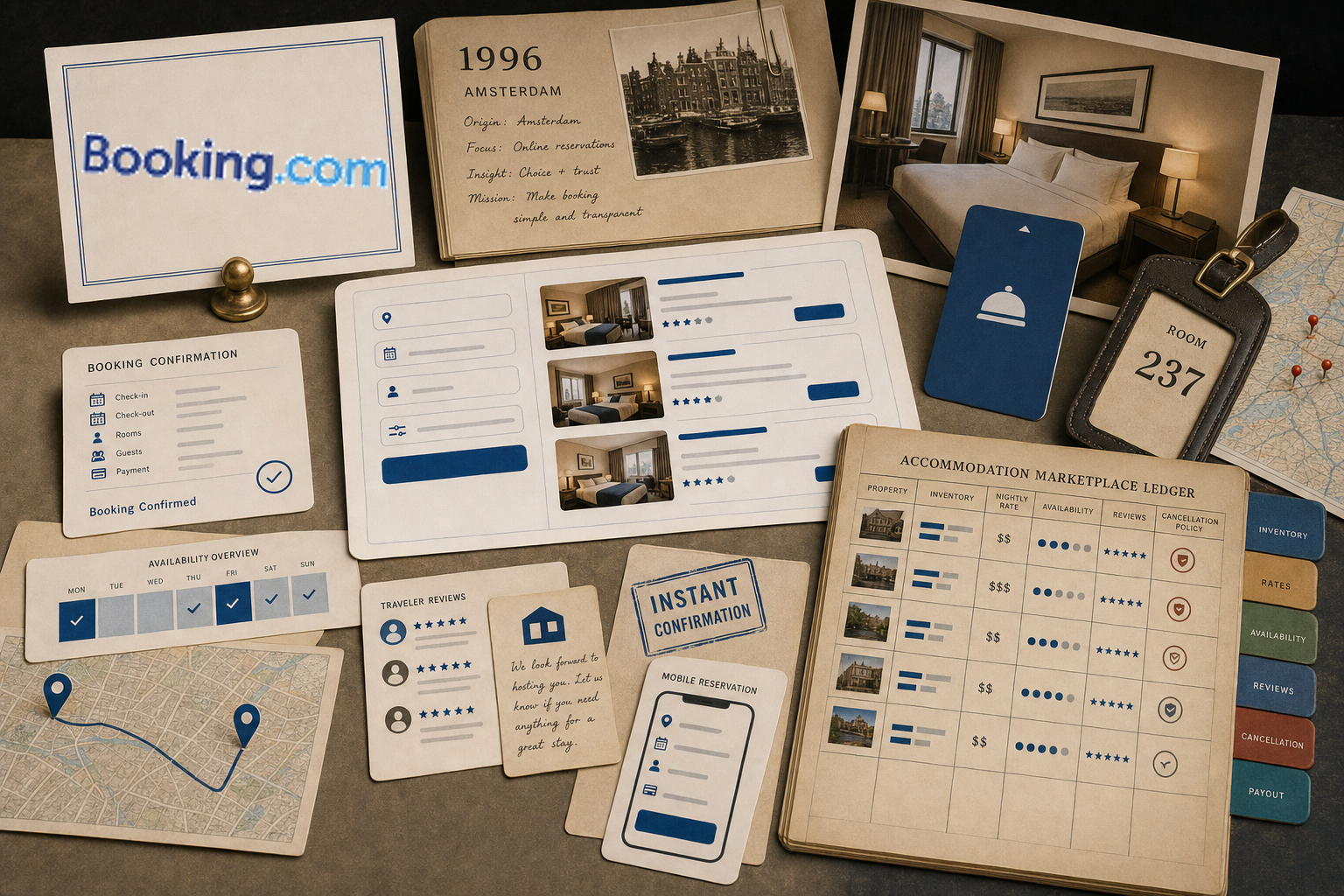
Booking.com / 1996-present
Booking.com: Marketplace case in Travel / Accommodation marketplace
Booking.com is the travel-marketplace trust case for connecting lodging search, filters, reviews, availability, cancellation rules, payments, partner supply, and trip confirmation.
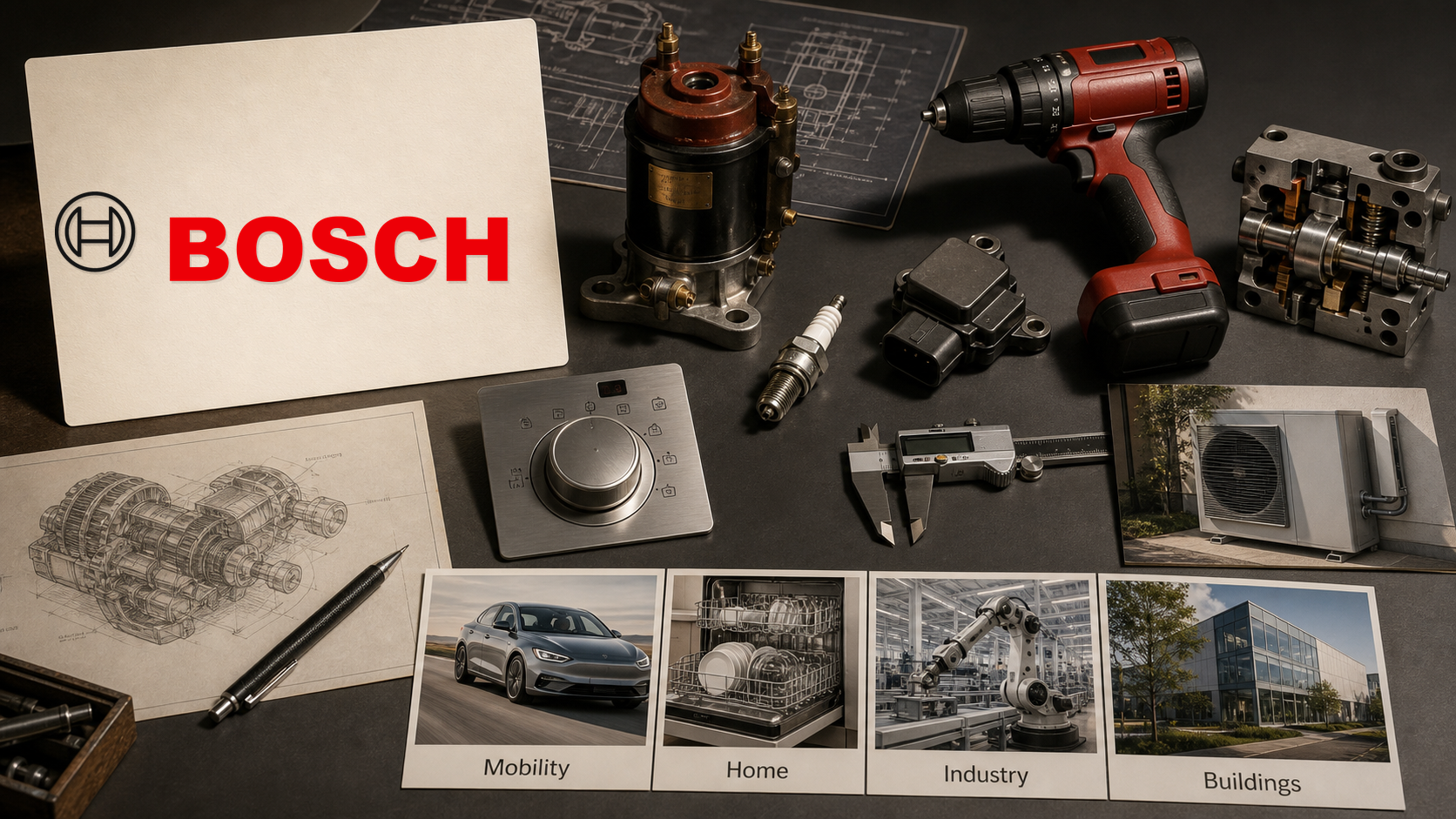
Bosch / 1886-present
Bosch: Brand System case in Mobility / consumer goods / industrial technology
Bosch is the engineering-trust case for connecting automotive components, appliances, power tools, industrial technology, service, and precision across everyday products.
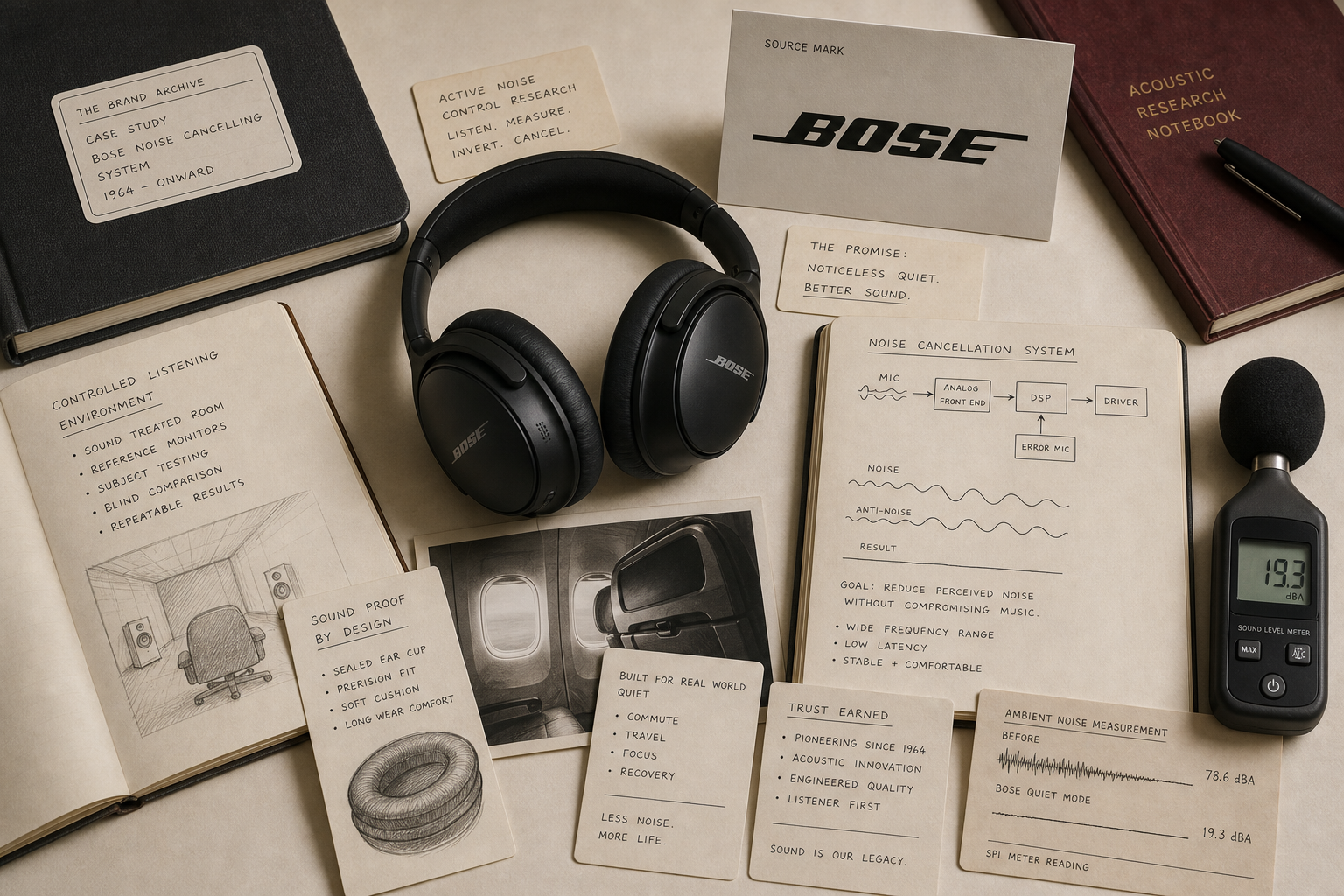
Bose / 1964-present
Bose: Trust case in Audio hardware / noise cancelling
Bose is the quiet-audio trust case for connecting noise cancelling, headphones, speakers, research credibility, product demos, support, and premium listening control.
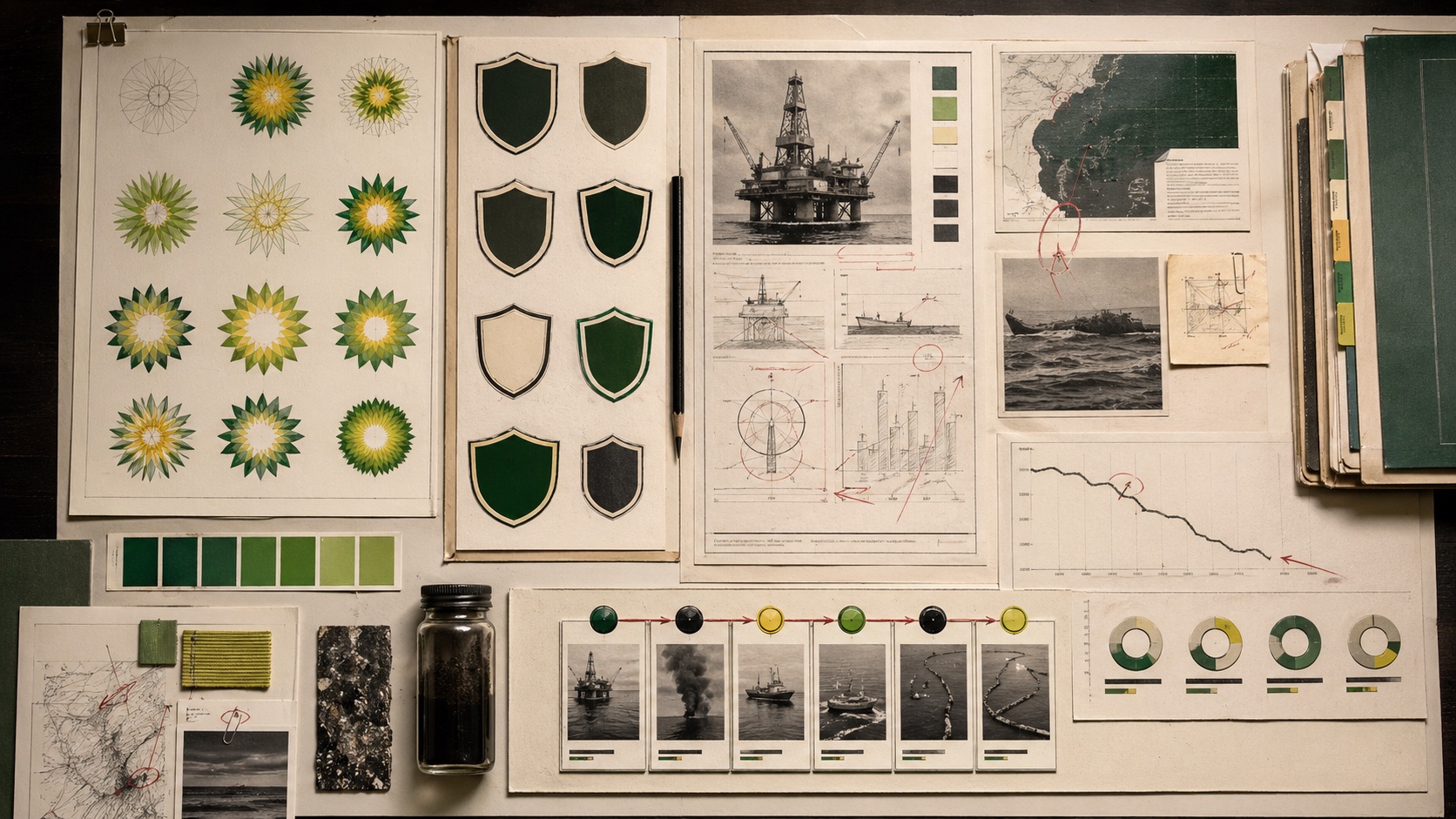
BP / 2000-2010
BP: Rebrand case in Energy
BP Helios is the energy-rebrand proof-gap case for reading green identity, beyond-petroleum language, fossil-fuel reality, Deepwater Horizon scrutiny, transition claims, and public trust.
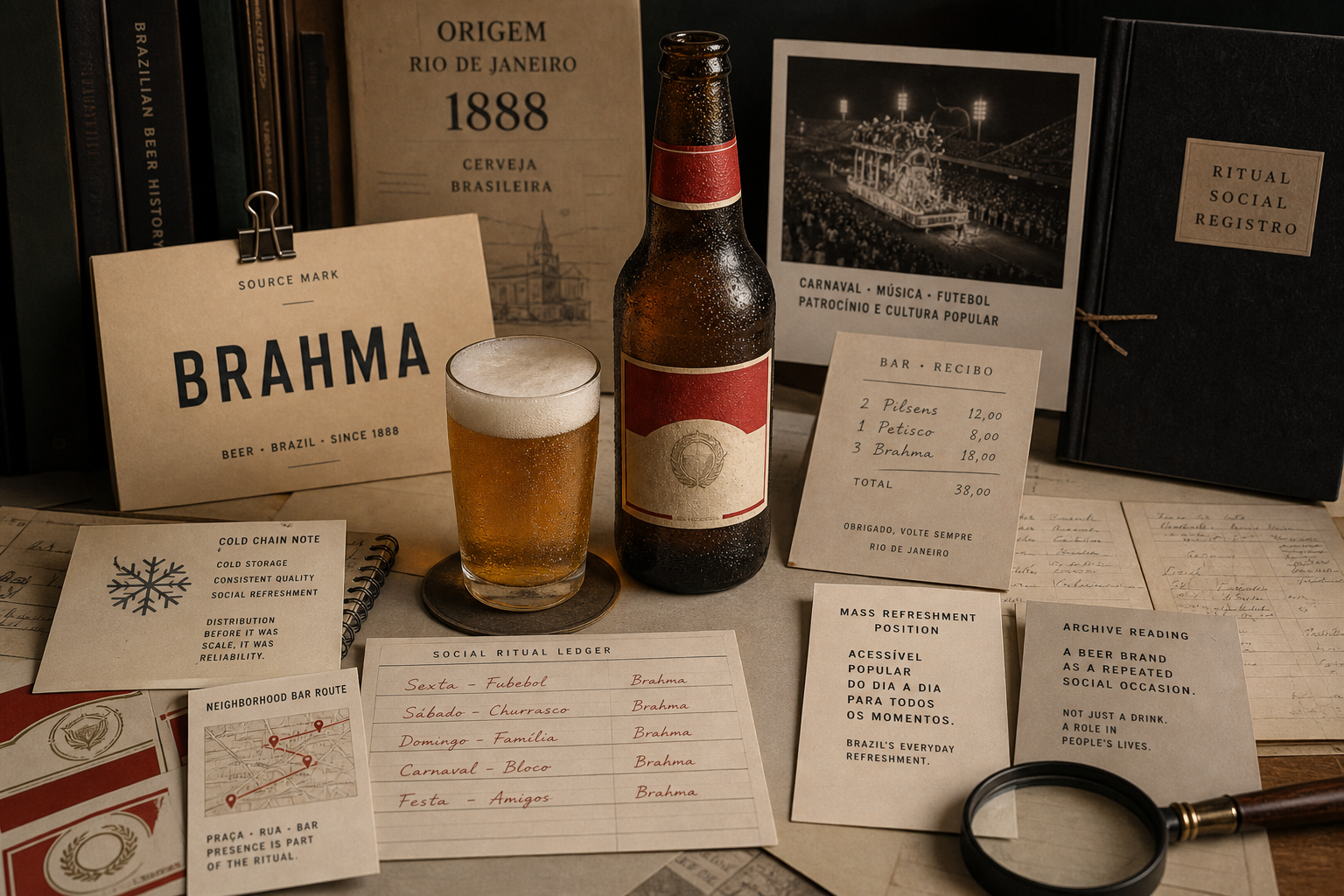
Brahma / 1888-present
Brahma: Brand System case in Beer / Beverage
Brahma is the beer-occasion case for reading cold refreshment, bar availability, football and music memory, red-white cues, Brazilian origin, and AB InBev scale as one social-use system.
British Airways / 1997-2001
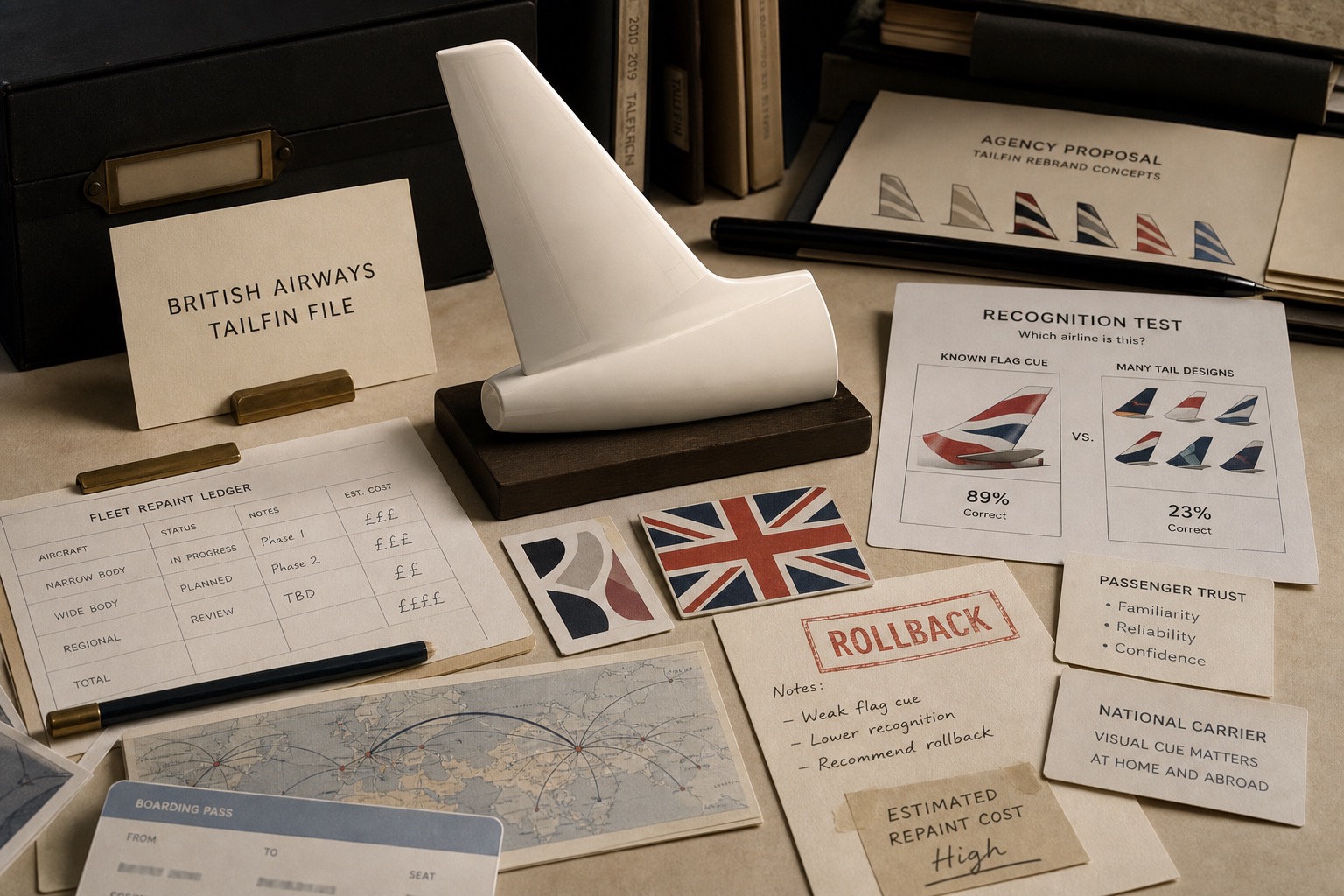
British Airways: Failure case in Airline / National carrier
British Airways' tailfin program is a rebrand-proposal warning because the creative idea weakened a recognition cue that passengers, press, and the public already understood.
Buc-ee's / 1982-present
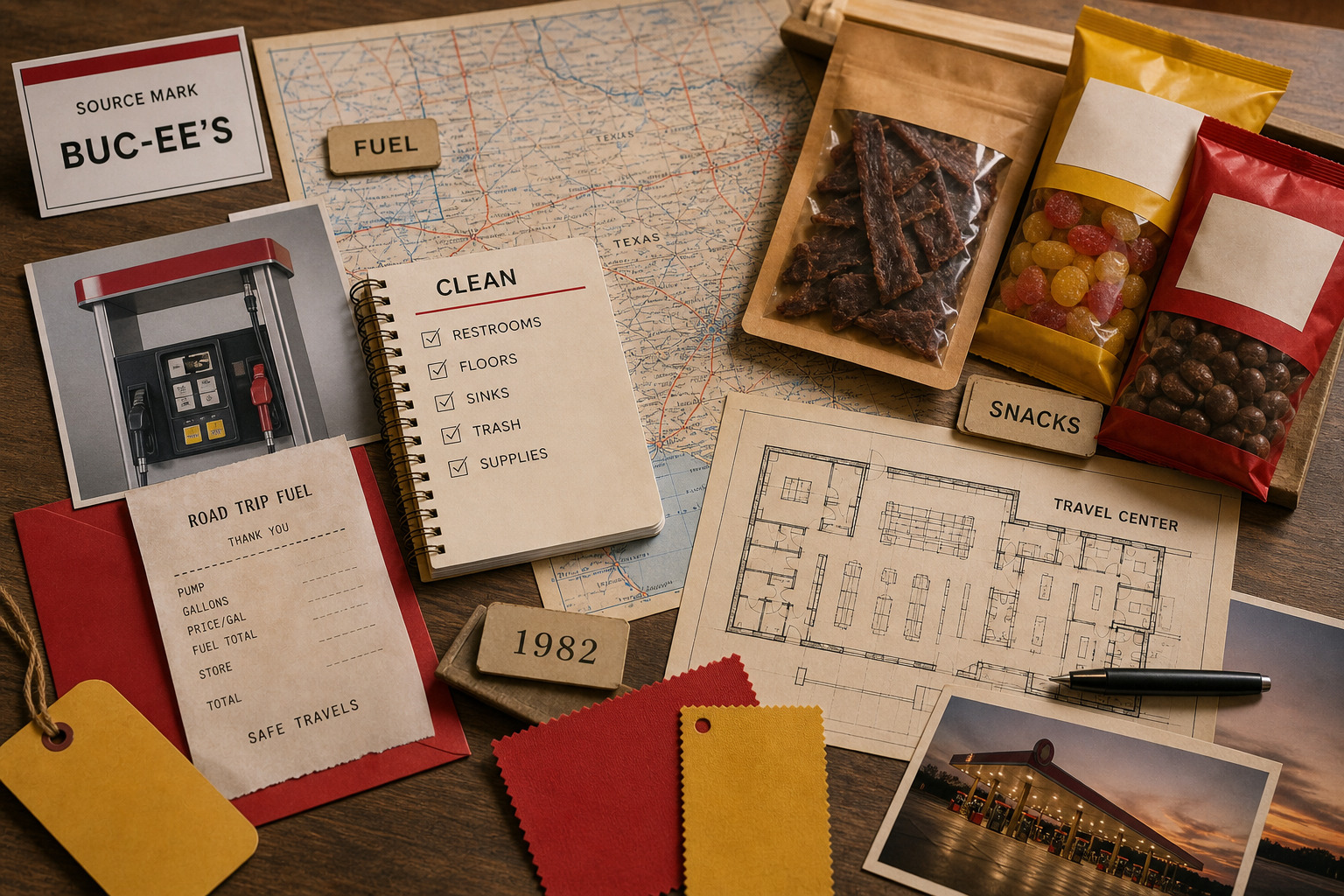
Buc-ee's: Brand System case in Convenience retail / Travel centers
Buc-ee's turned the highway stop into planned by joining clean restrooms, fuel access, snack walls, in-stock discipline, oversized stores, road-trip signage, and Texas travel memory.
Bud Light / 2023-2024
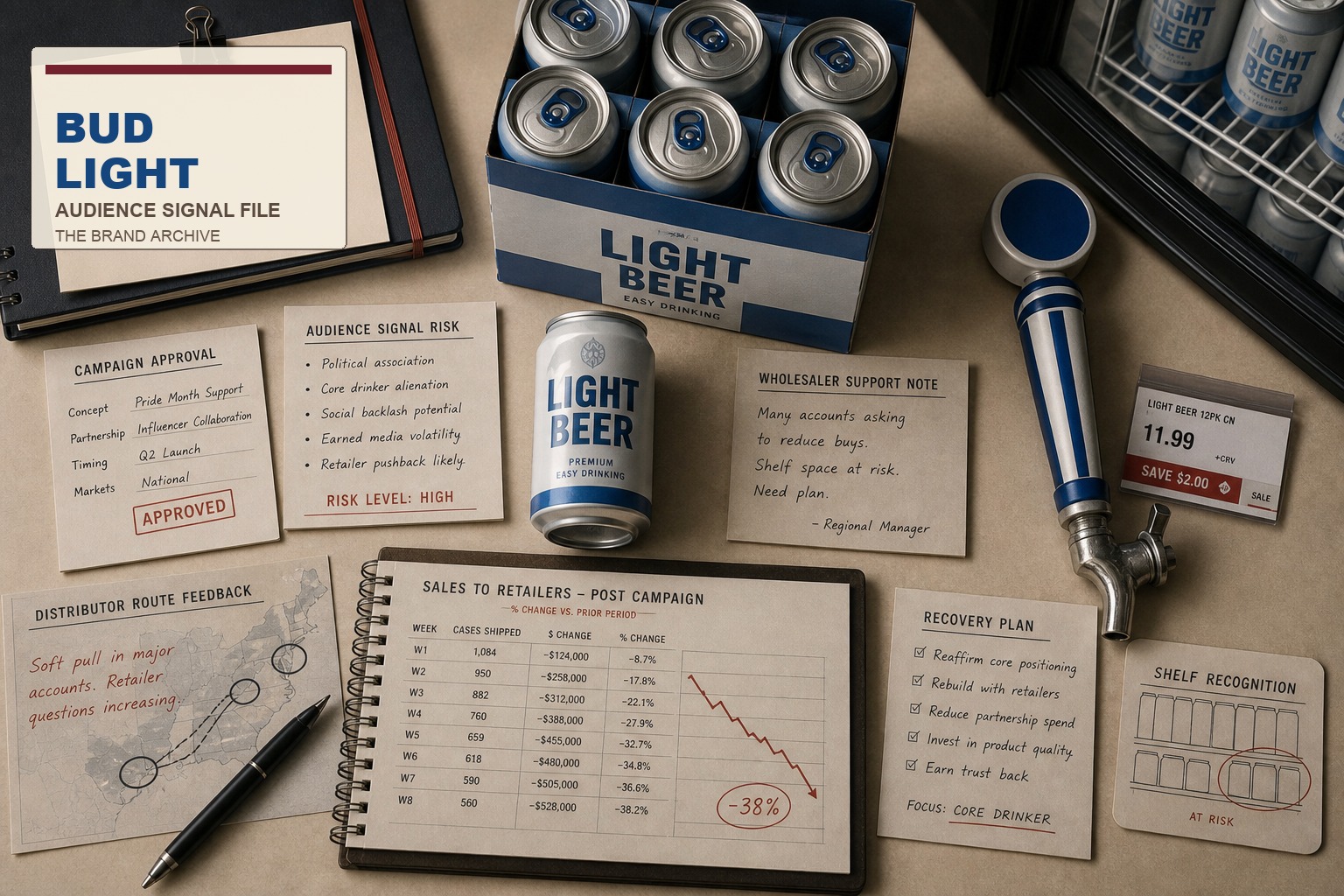
Bud Light: Disaster case in Beer / Beverage
Bud Light showed how fast a mass-market beer brand can become a public signal problem when a small campaign artifact changes who the brand seems to be speaking for.
Bugatti / 1909-present
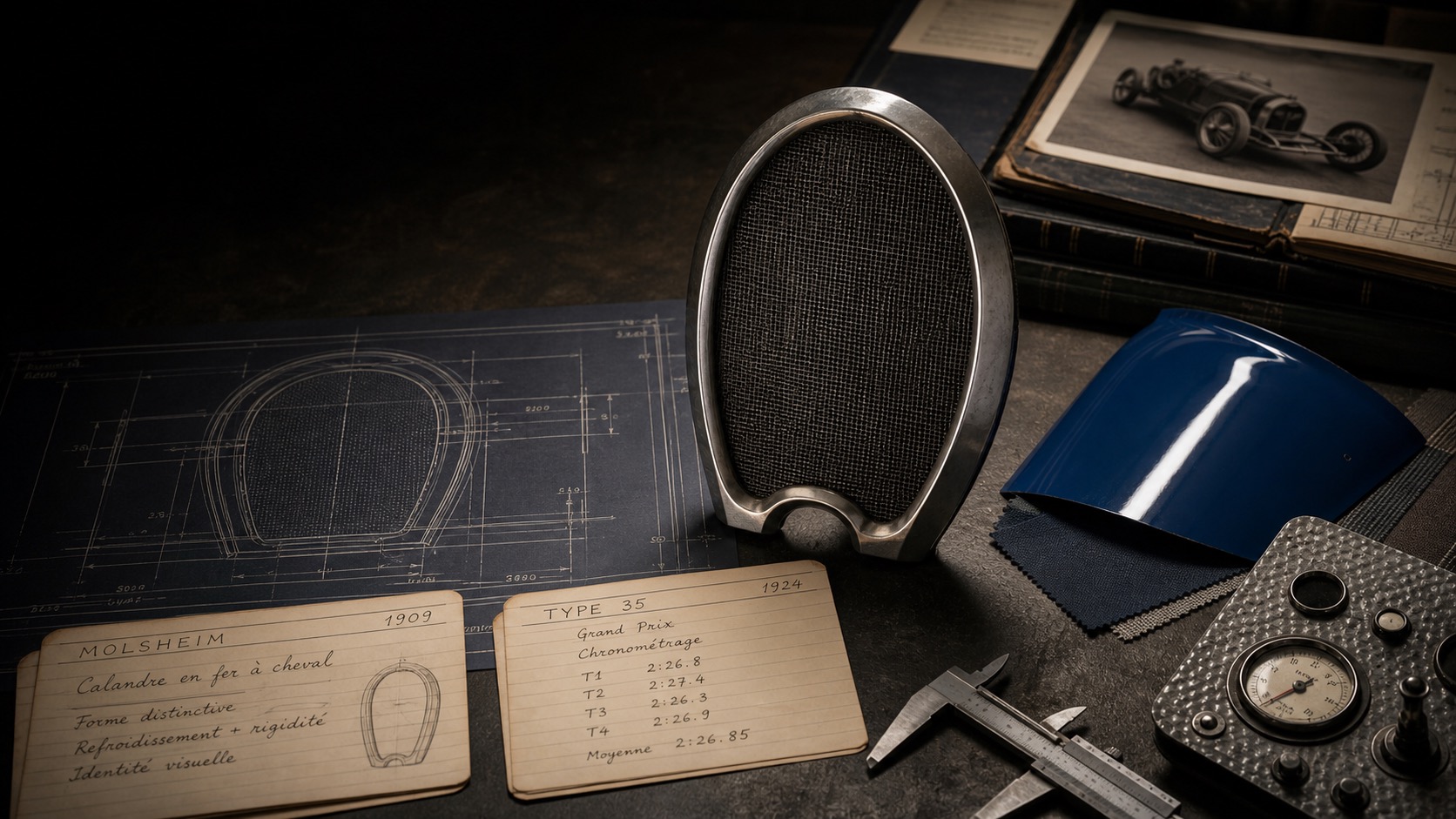
Bugatti: Brand System case in Automotive / Hypercars
Bugatti tied Molsheim origin, the horseshoe grille, Type 35 racing proof, blue bodywork memory, and extreme engineering into one front-facing identity.
Buick / 1903-present
Buick: Brand System case in Automotive / Attainable Luxury
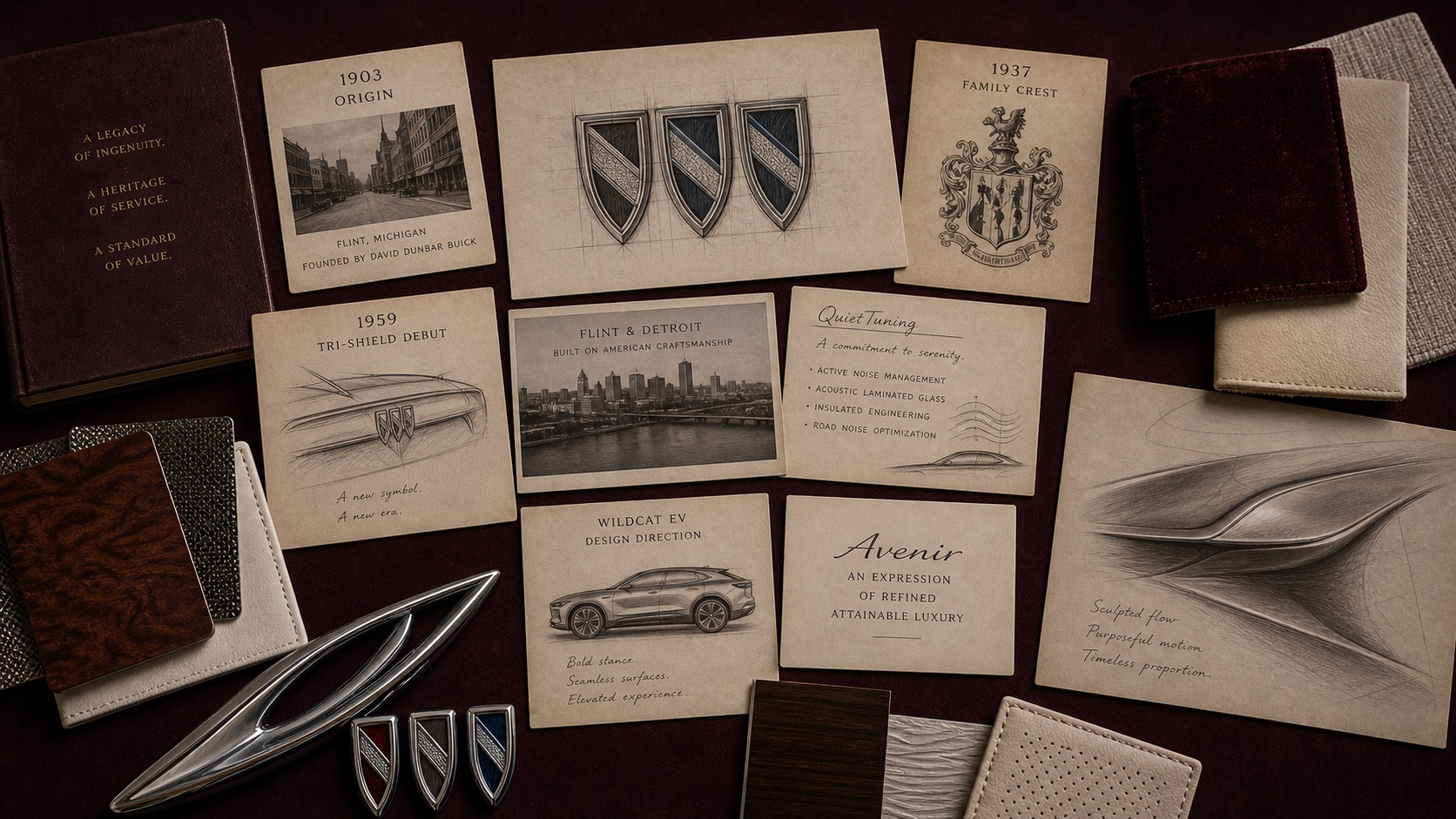
Buick tied its 1903 origin, family-crest shield, 1959 tri-shield, QuietTuning, Avenir details, and recent EV-era logo reset into an attainable luxury system.
Bunnings / 1886-present
Bunnings: Brand System case in Hardware retail / DIY warehouse
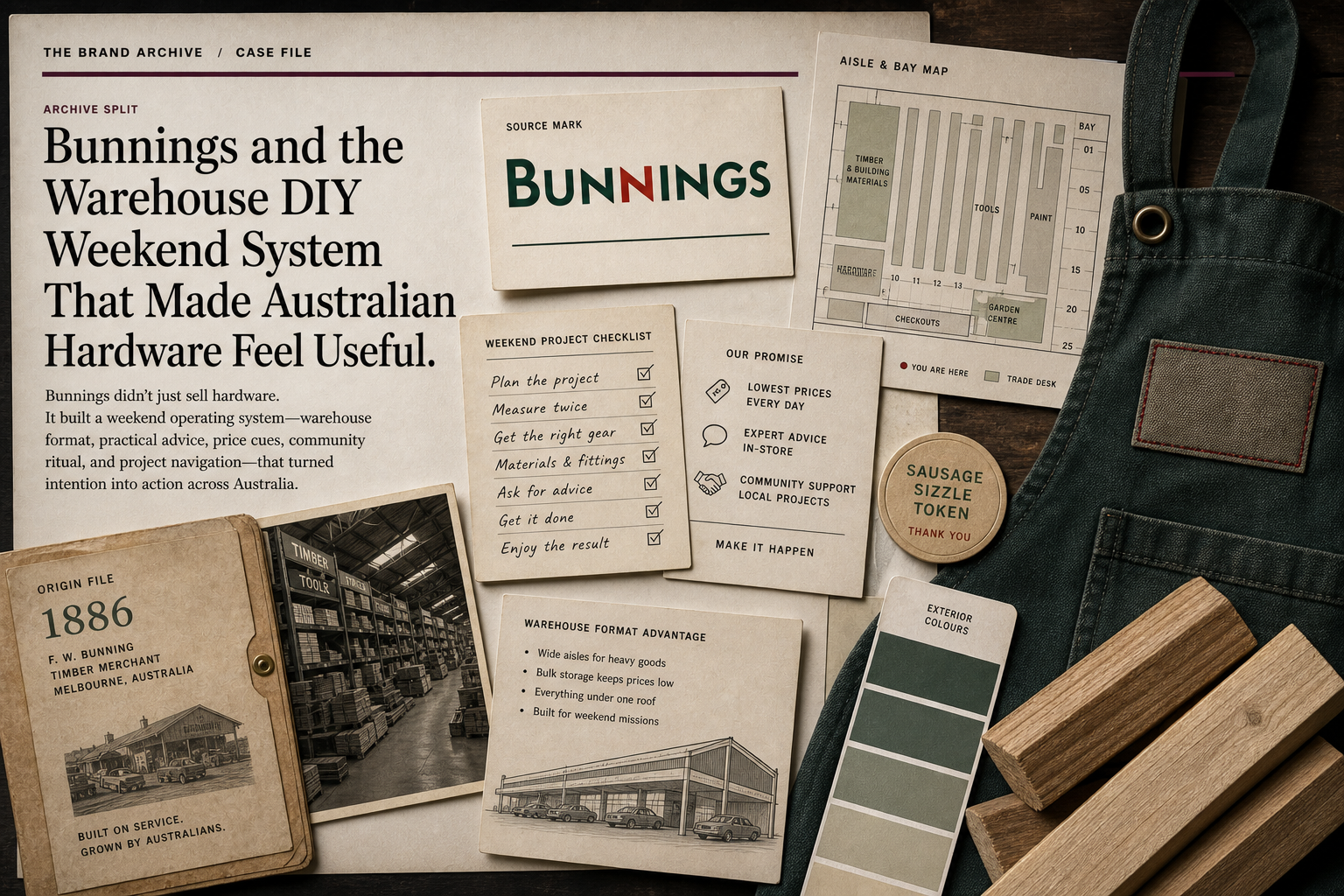
Bunnings built hardware retail useful by joining warehouse scale, project navigation, price cues, staff advice, trade depth, weekend rhythm, and community ritual.
Burberry / 2000s
Burberry: Comeback case in Luxury
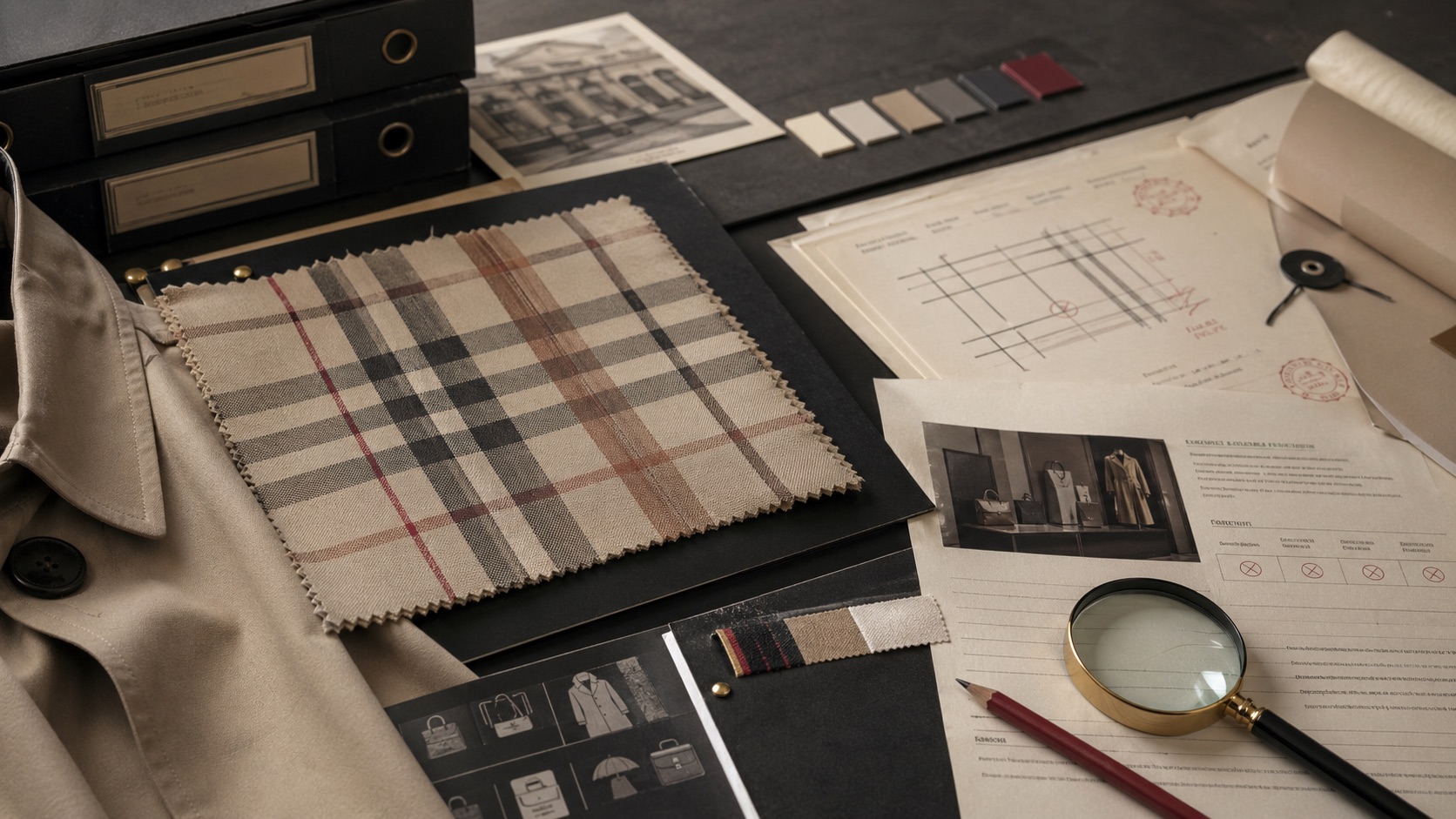
The comeback required more than a new campaign. It required distribution restraint, symbol control, and a clearer boundary around the check.
Burger King / 2021
Burger King: Rebrand case in Quick-service restaurants
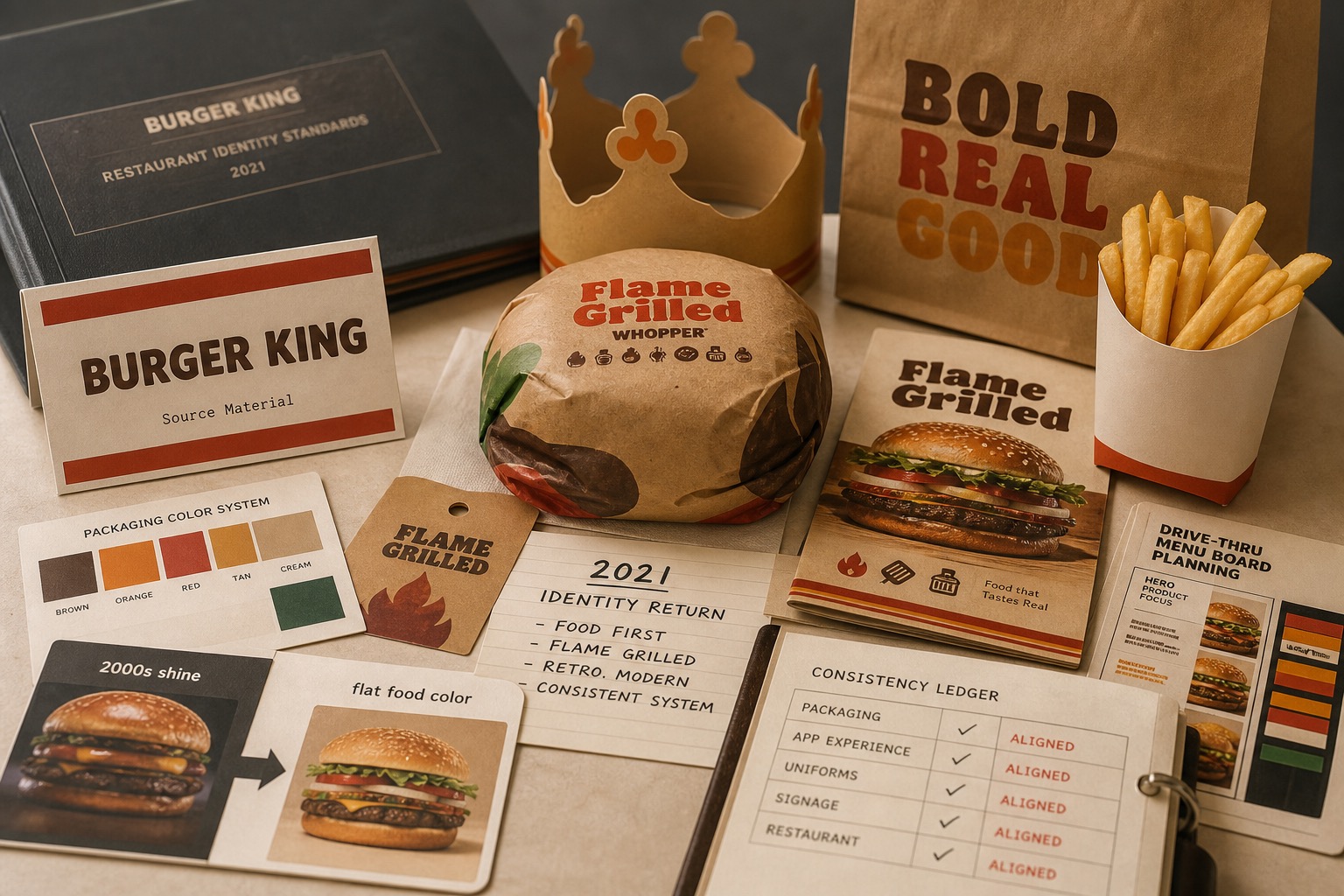
Burger King's 2021 identity return replaced shiny digital-era cues with warmer food color, simpler typography, packaging logic, and restaurant cues That Turned the brand Into edible again.
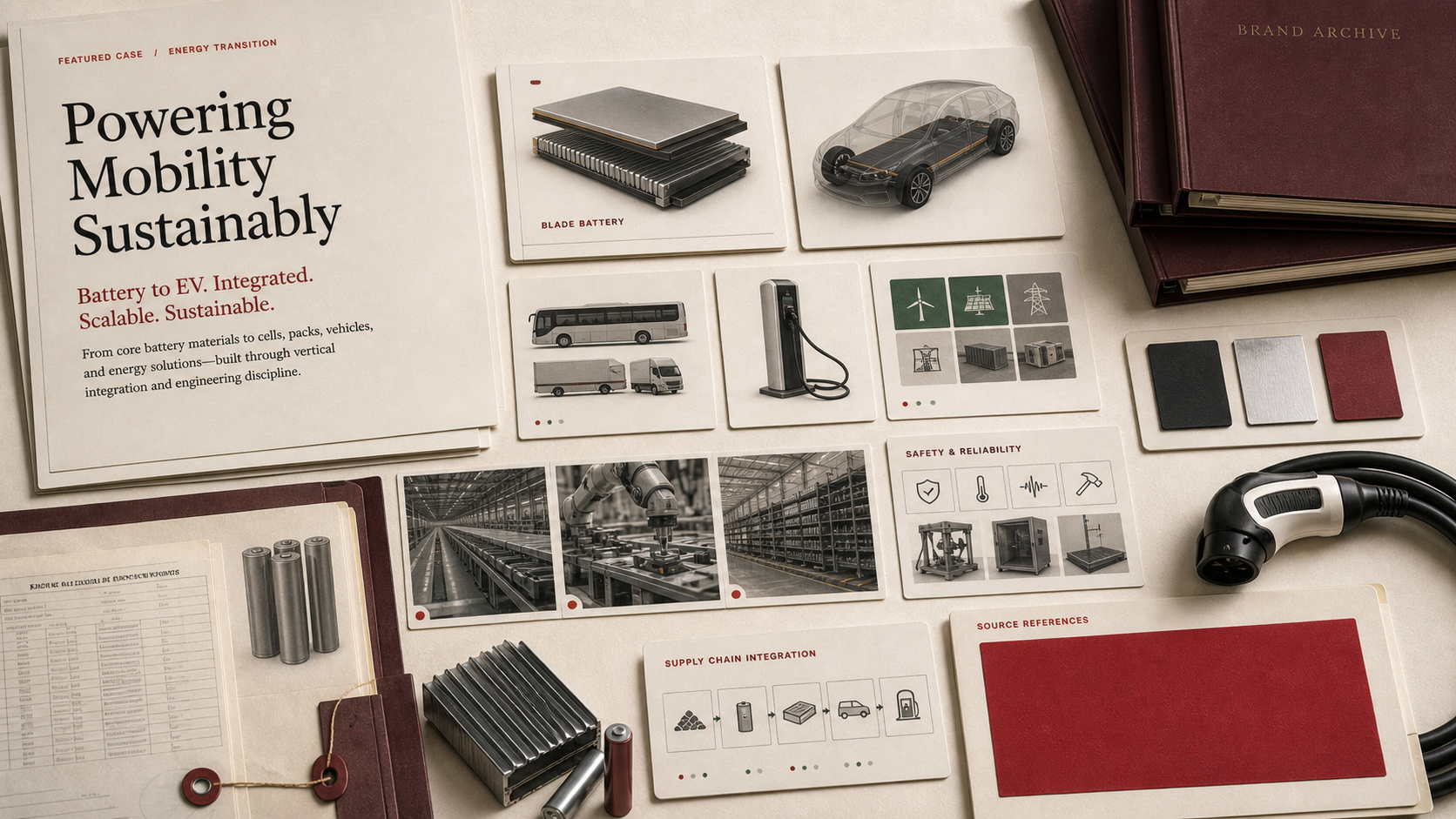
BYD / 1995-present
BYD: Brand System case in Electric vehicles / batteries
BYD turned new-energy mobility into industrially credible by tying batteries, electric vehicles, buses, manufacturing scale, charging, safety, and supply-chain integration into one proof system.
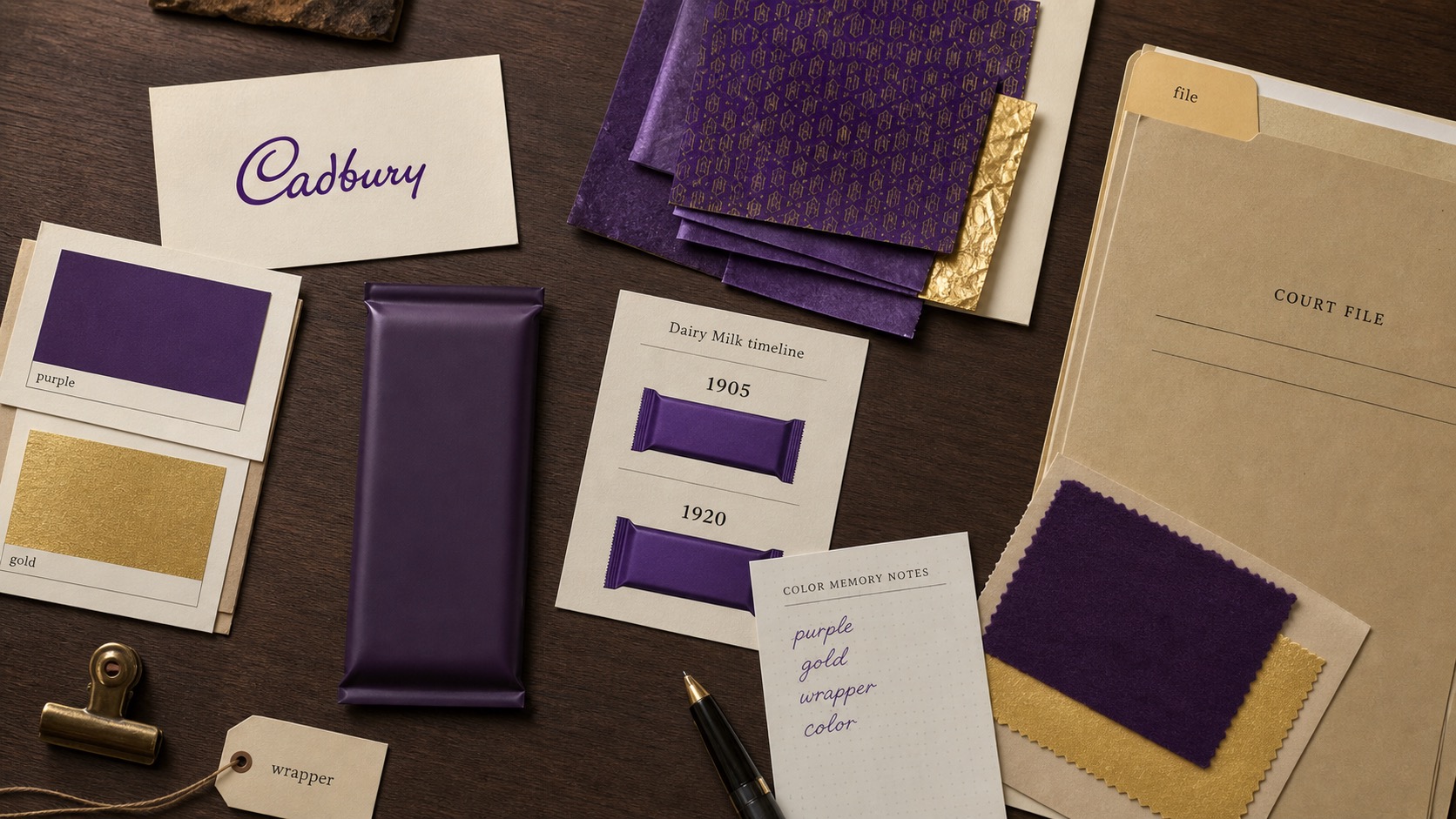
Cadbury / 1905-present
Cadbury: Brand System case in Confectionery Packaging
Cadbury Dairy Milk built purple part of the purchase memory, then the color became a legal and competitive question because the wrapper had done so much recognition work.
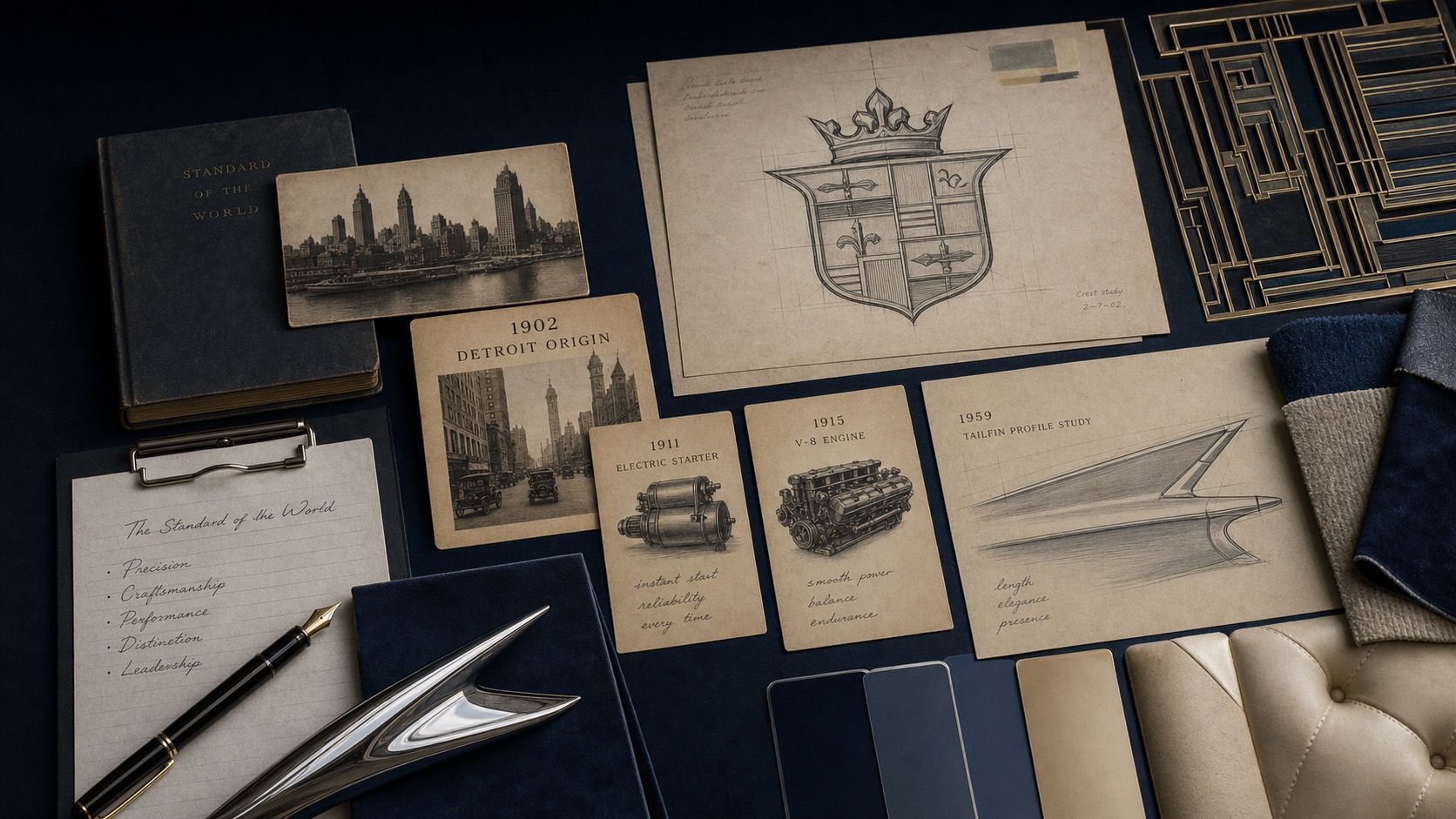
Cadillac / 1902-present
Cadillac: Brand System case in Automotive / Luxury
Cadillac tied Detroit origin, the crest, standardized parts, electric starter proof, V8 power, tailfin design, and American luxury into one long-running status system.
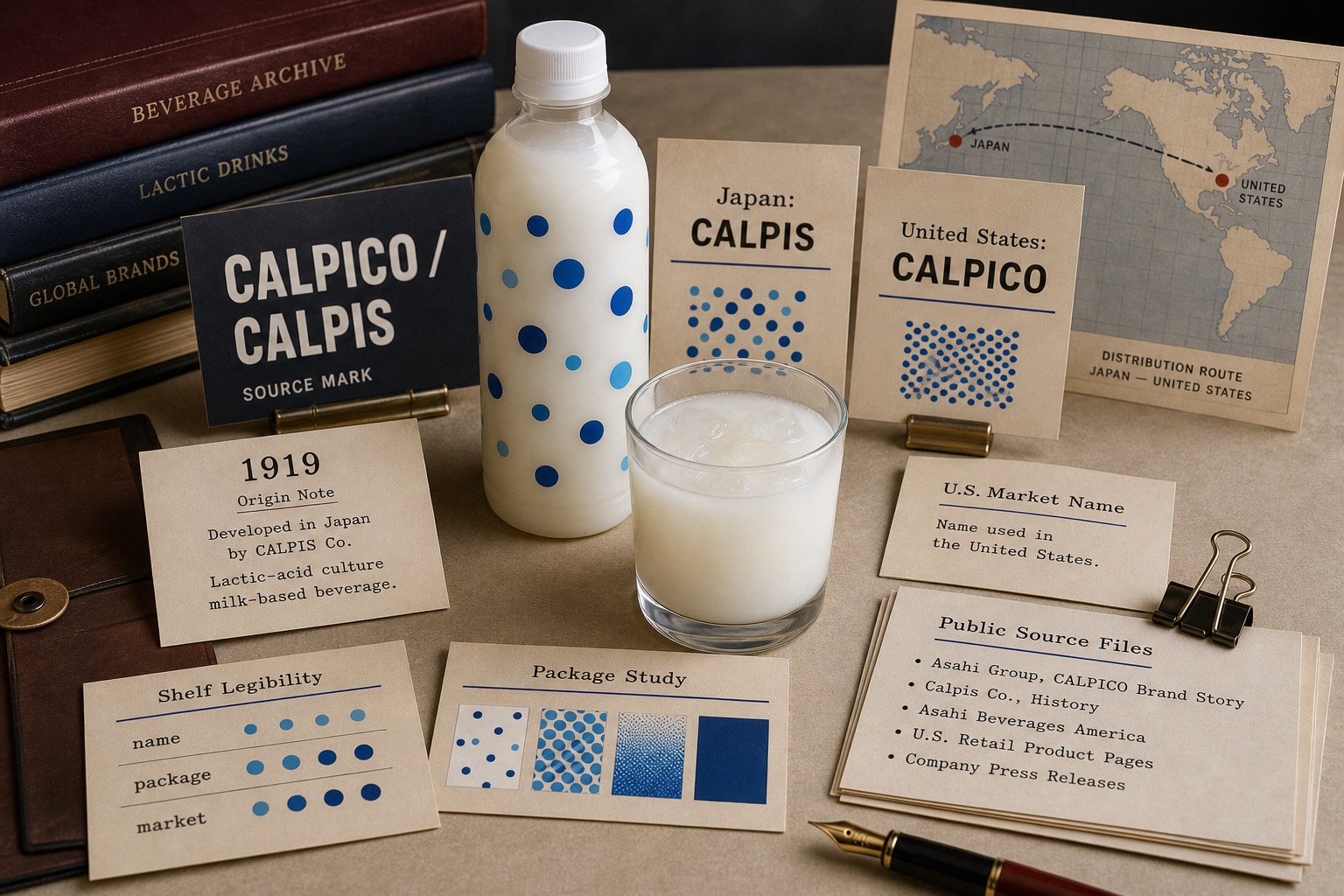
CALPICO / 1919 / U.S. market
CALPICO: Launch case in Beverage Naming
CALPIS became CALPICO in the United States, a quiet beverage naming fix that kept the product family legible while reducing avoidable English-market friction.
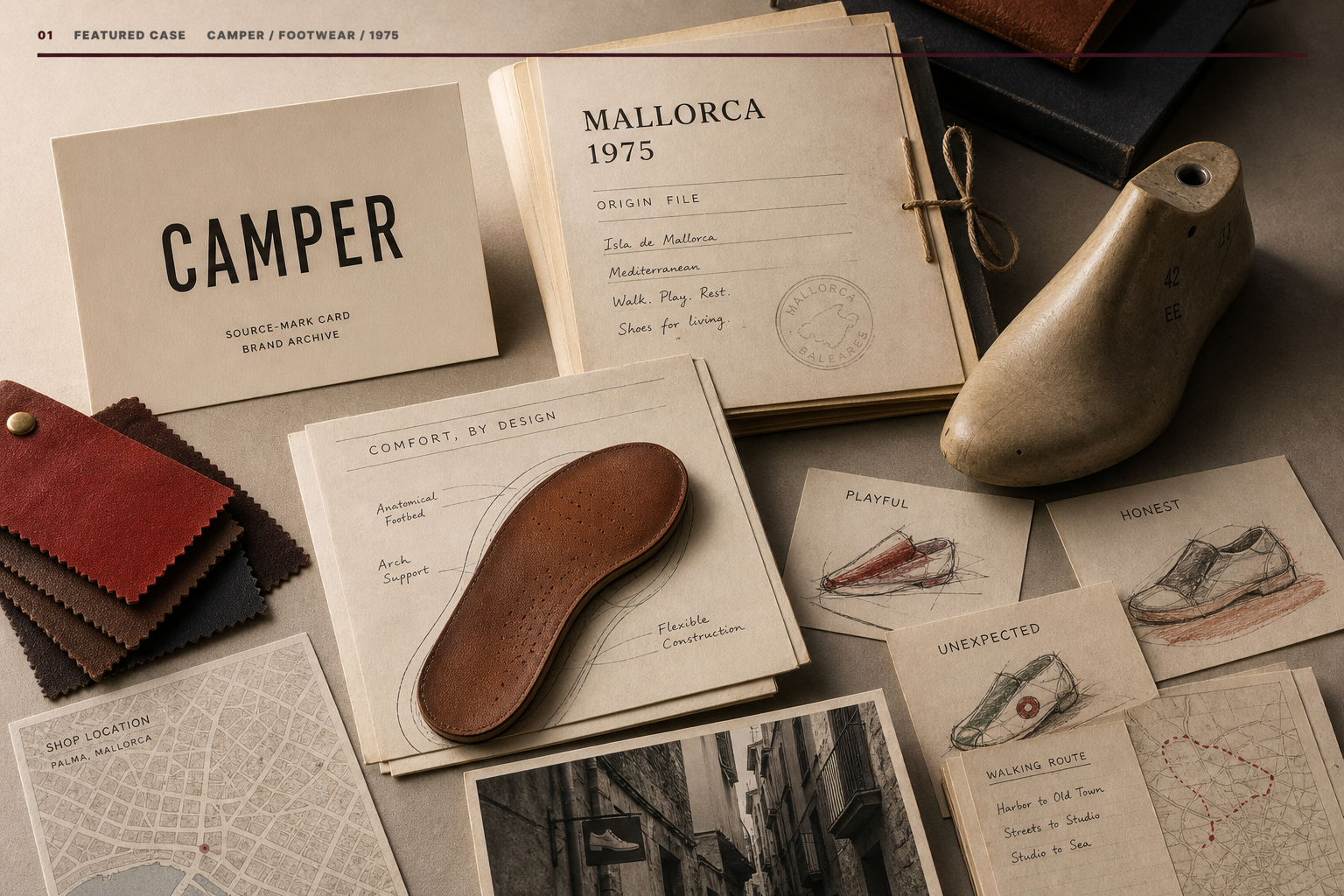
Camper / 1975-present
Camper: Brand System case in Footwear / Design retail
Camper built comfort playful by joining Mallorca origin, shoe craft, walking utility, odd product names, store identity, leather tactility, and a design tone that felt human.
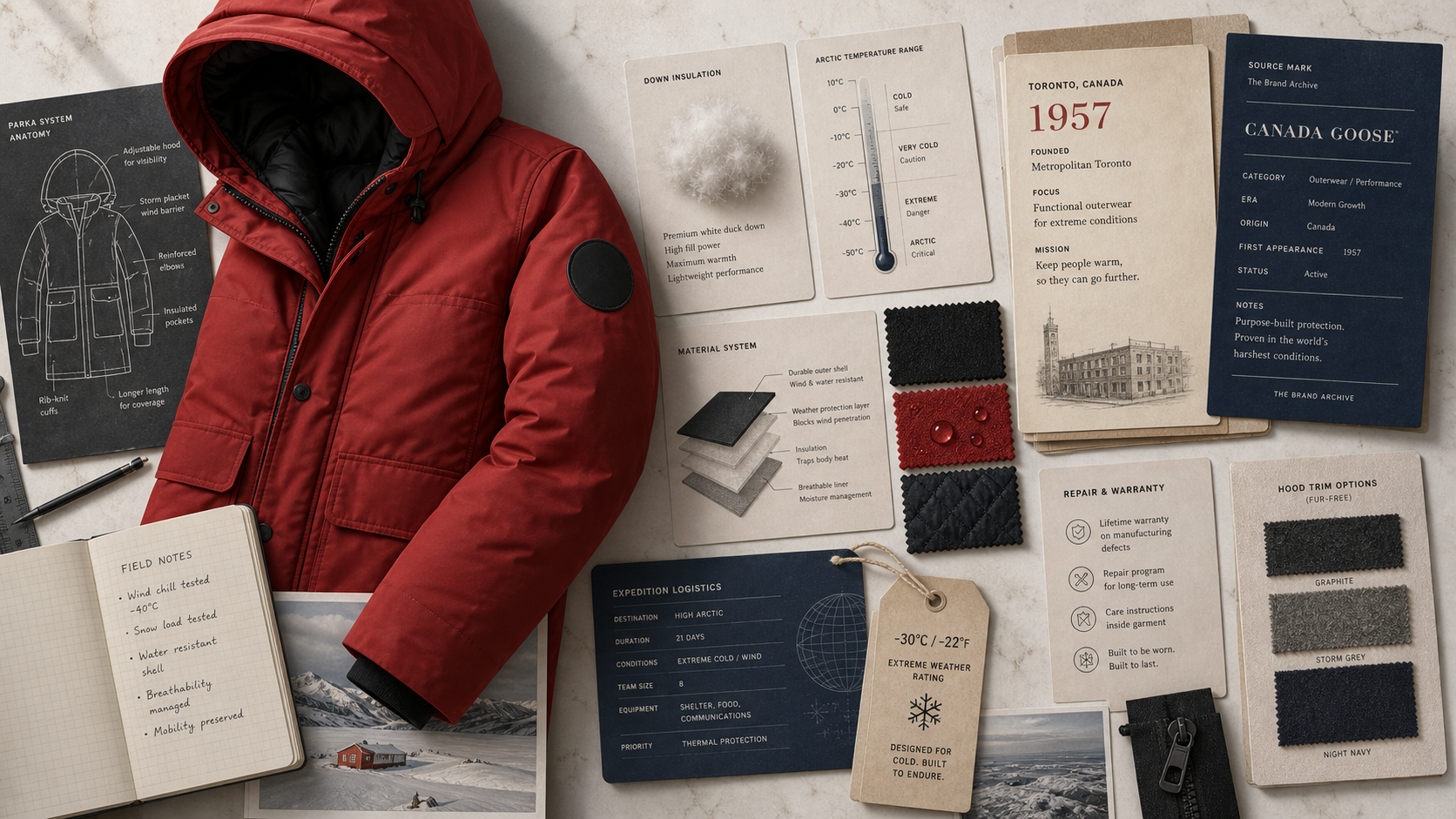
Canada Goose / 1957-present
Canada Goose: Brand System case in Outerwear / Performance apparel
Canada Goose built Arctic warmth, expedition proof, parka construction, repair expectations, Toronto origin, and visible winter status work as one outerwear system.
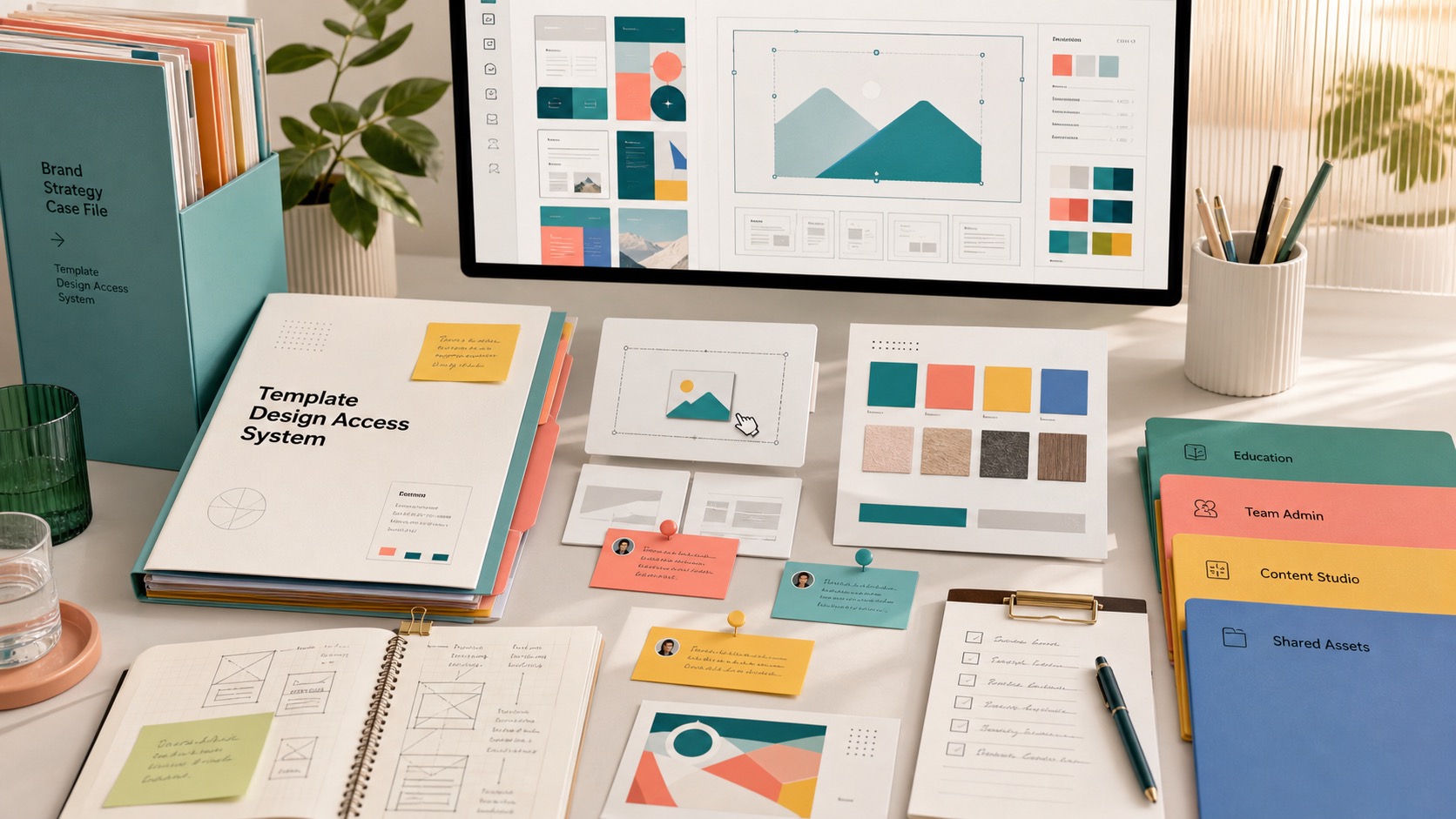
Canva / 2013-present
Canva: Brand System case in Design Software
Canva tied templates, drag-and-drop editing, brand kits, collaboration, education access, and publishing into a design system built for people who do not start with a blank canvas.
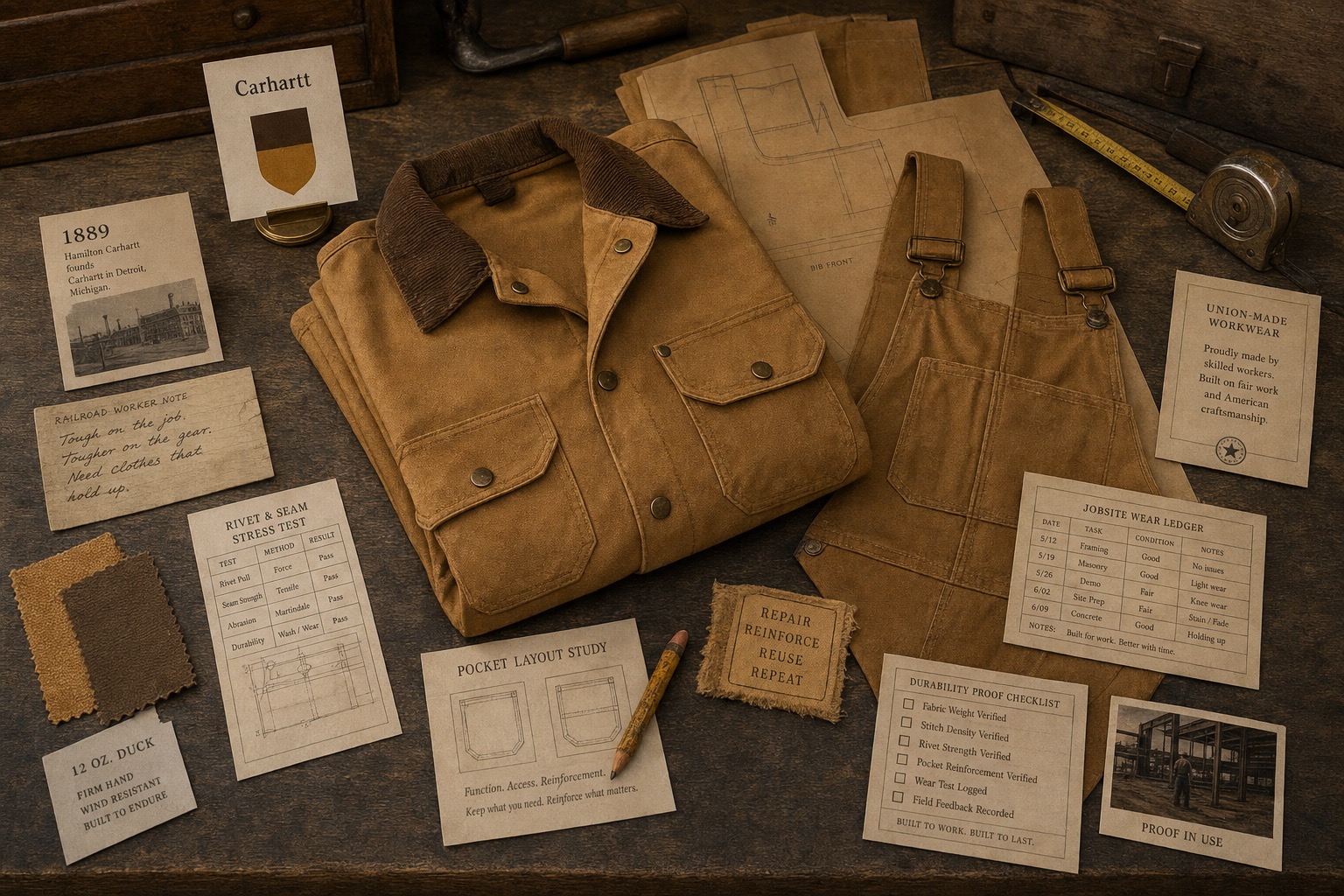
Carhartt / 1889-present
Carhartt: Trust case in Workwear
Carhartt built workwear trust visible through duck fabric, bib overalls, pockets, stitching, repair logic, and clothes that had to hold up where the job could test them.
Carnival Cruise Line / 1972-present
Carnival Cruise Line: Launch case in Cruise travel
Carnival Cruise Line turned cruising into more accessible by joining the Fun Ship idea, short vacation timing, onboard activities, recognizable funnels, port schedules, family rituals, and value-led travel memory.
Active Brands FAQ
What belongs in Active Brands?
A case belongs here when the brand, company, platform, product system, or parent organization is still operating, continuing, or unresolved.
How is this different from Brand Failures?
Brand Failures are decision-type cases. Failed Brands are status cases. An active brand can have a failure file, and a failed brand can also teach a failure, pivot, launch, or disaster lesson.
Are these rankings?
No. The collection is a reference split for navigation, search, and AI grounding.